World Lizard Day: 16 Mind-Blowing Lizard Facts
August 14th brings World Lizard Day celebrations across the globe. People who love reptiles take time to appreciate these amazing creatures that have survived on our planet for over 200 million years.
Some geckos are so tiny they fit on your thumb, while monitor lizards grow big enough to take down a deer. The abilities these scaly animals developed over millions of years will absolutely shock you.
Think lizards are boring? You couldn’t be more wrong. Here is a list of 16 mind-blowing lizard facts that will make you see these reptiles in a completely different light.
Geckos Can Walk on Any Surface
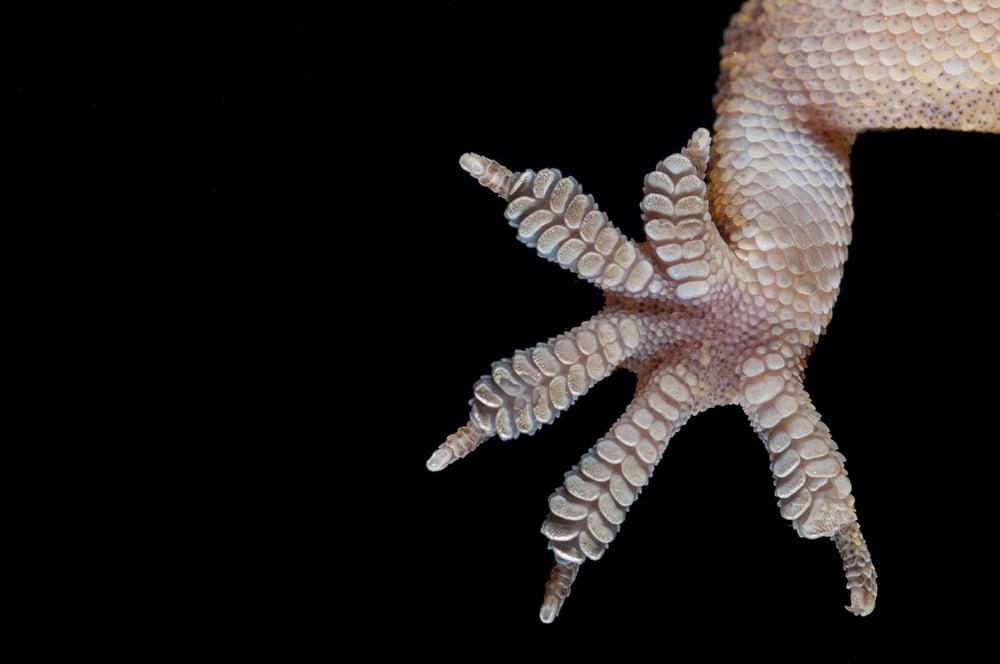
Ever wonder how geckos walk up glass windows or hang upside down from your ceiling? Their feet are covered in millions of tiny hairs called setae.
Each hair is so small you need a microscope to see it. These hairs create molecular bonds with whatever surface the gecko touches through something scientists call van der Waals forces.
It’s like the gecko’s feet become temporarily glued to everything they touch. Even Spider-Man would be jealous of this real superpower.
Komodo Dragons Have Venom Glands
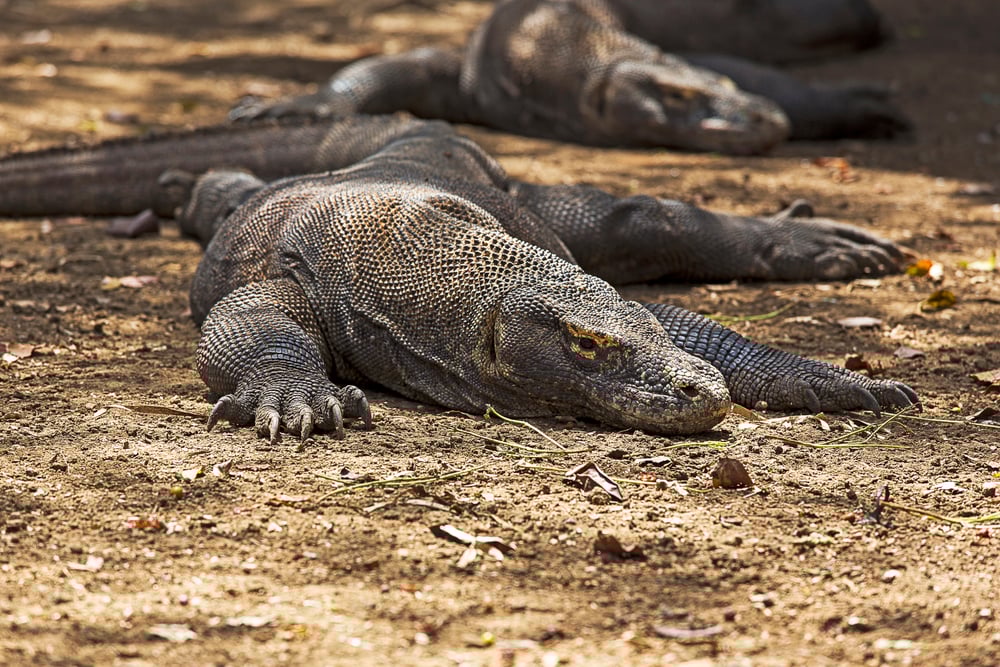
For years, everyone thought Komodo dragons killed their prey by giving them infections from all the bacteria in their mouths. Turns out we were completely wrong about this.
These massive lizards actually have venom glands in their lower jaws that inject toxins into their victims. The venom prevents clotting properly, which means the prey loses vital fluids much faster.
Way more effective than waiting around for an infection to do the job.
Chameleons Change Color for Communication
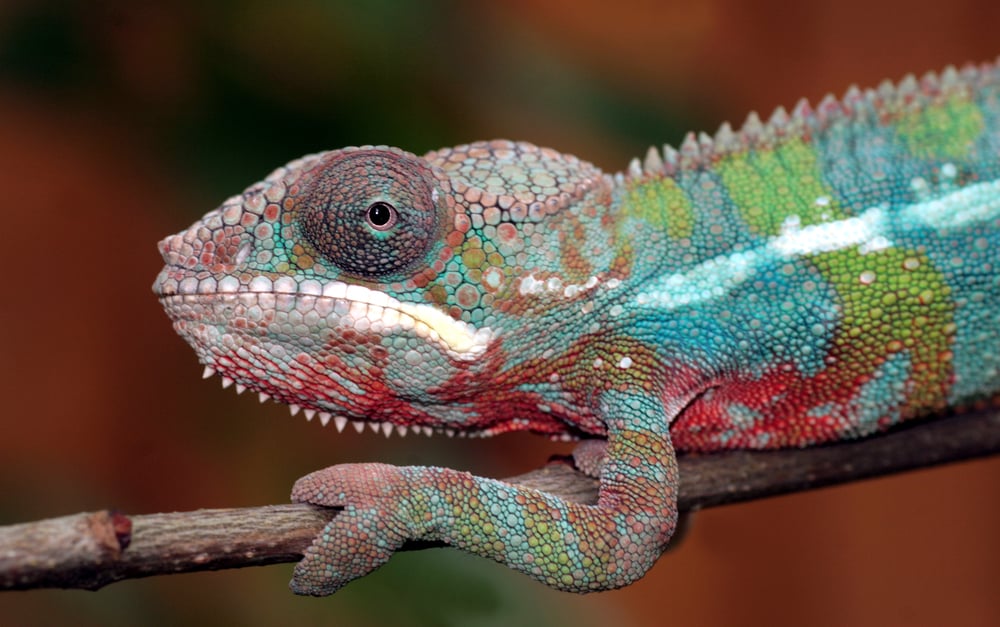
Most people think chameleons change colors to hide from predators or blend into their surroundings. That’s actually not true at all.
These lizards shift their skin colors mainly to talk to other chameleons, control their body temperature, or show who’s the boss in their territory. It’s like having a full-body mood ring that broadcasts exactly how you’re feeling to everyone around you.
Bearded Dragons Wave to Say Hello
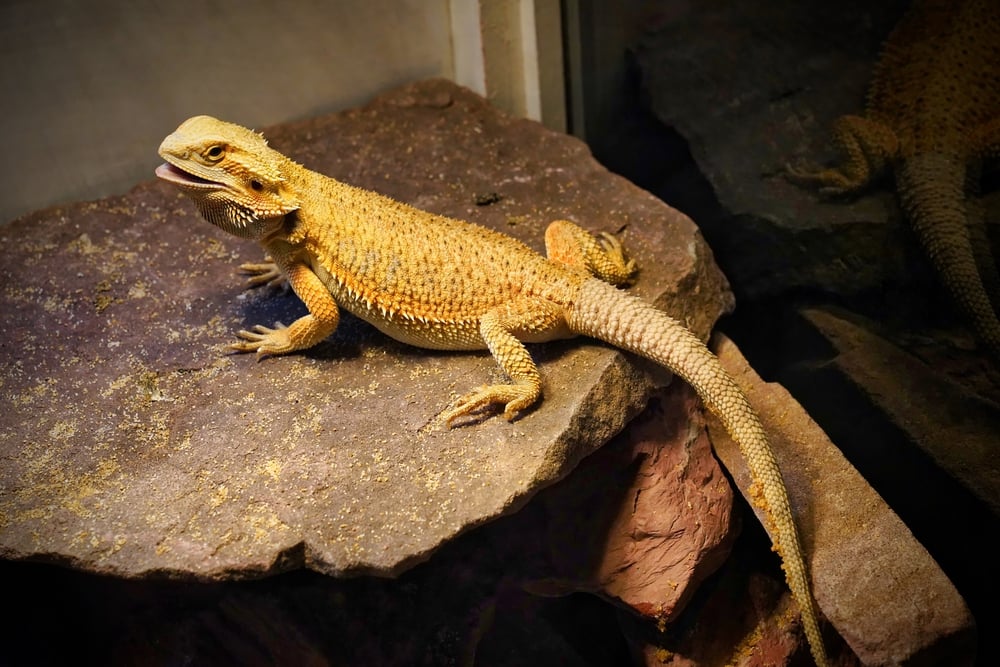
Bearded dragons do something that looks exactly like a person waving hello, except they do it in super slow motion. When one bearded dragon sees another, it lifts up its front leg and moves it back and forth.
This gesture basically means ‘Hey there, I’m friendly and not looking for a fight.’ Pretty amazing social behavior from a reptile that can also puff out its throat to look intimidating when it needs to.
Tokay Geckos Sound Like Barking Dogs
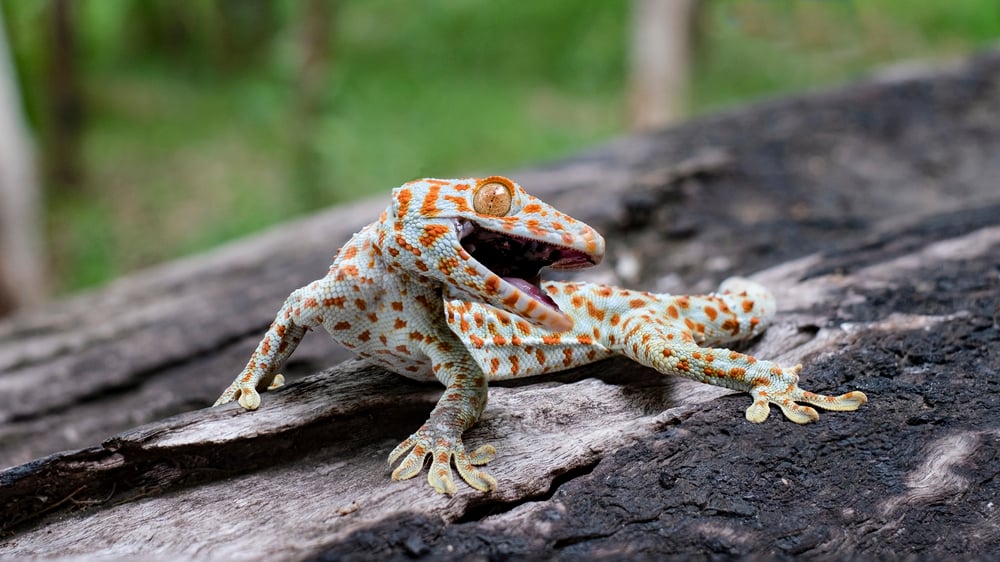
Most lizards don’t make any noise at all, which makes tokay geckos pretty unusual. These lizards from Southeast Asia bark loud enough to wake up the whole neighborhood.
We’re talking 100 decibels here, which is about as loud as standing next to a running motorcycle. Their ‘tokay’ call can be heard from over 300 feet away on a quiet night.
People living in areas with these geckos know that sound very well.
Iguanas Have a Third Eye
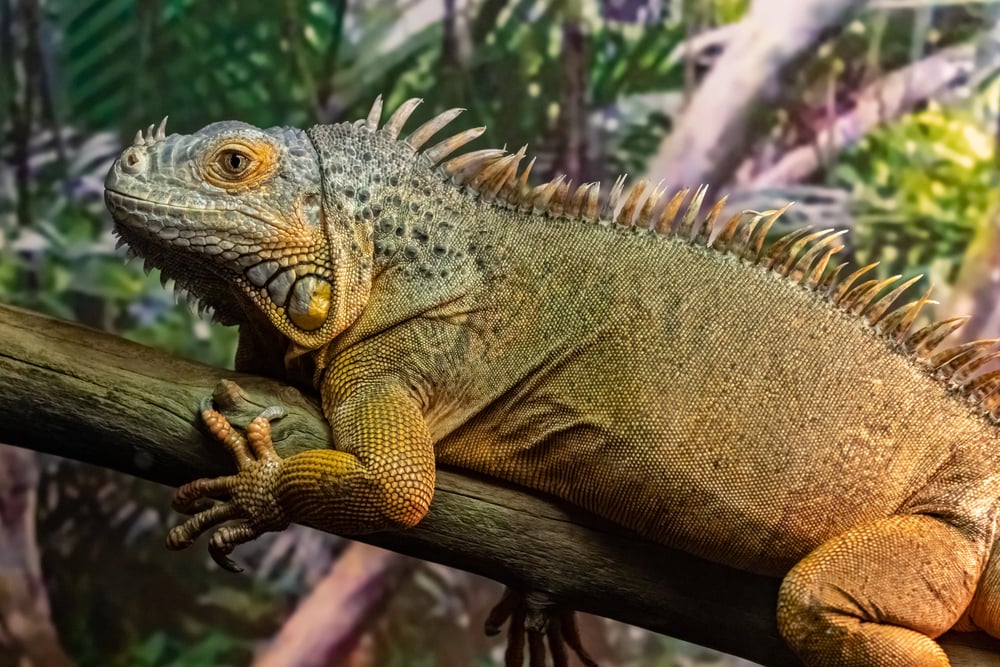
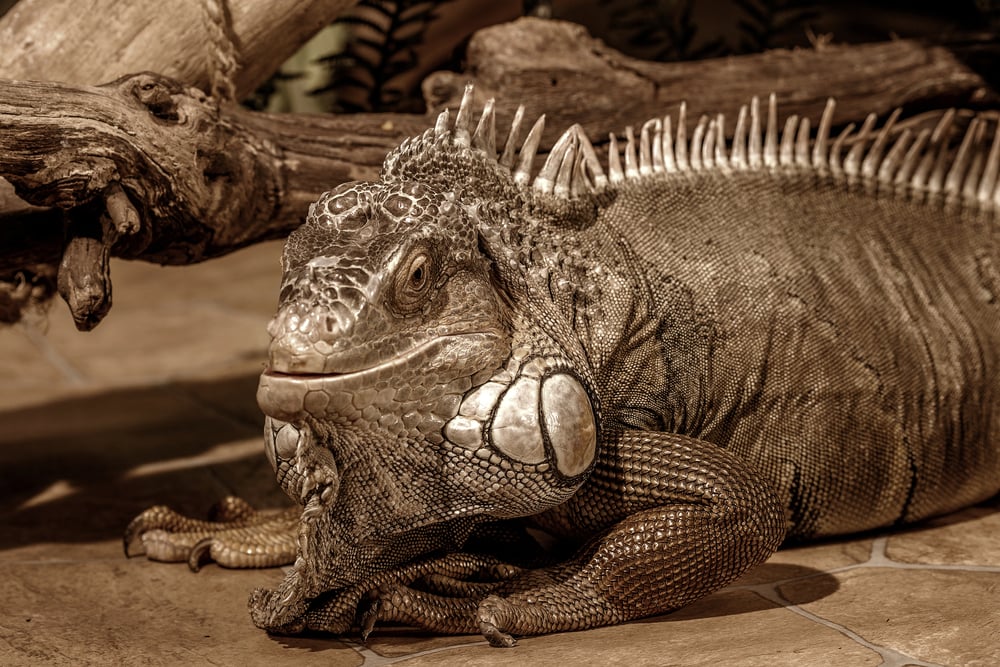
Green iguanas literally have three eyes, and the third one sits right on top of their head. Scientists call this extra eye a parietal eye, and while it can’t see pictures like their regular eyes, it’s really good at detecting changes in light and shadows from above.
This works like an early warning system that helps them spot birds of prey before they swoop down for an attack.
Frilled Lizards Are Master Bluffers
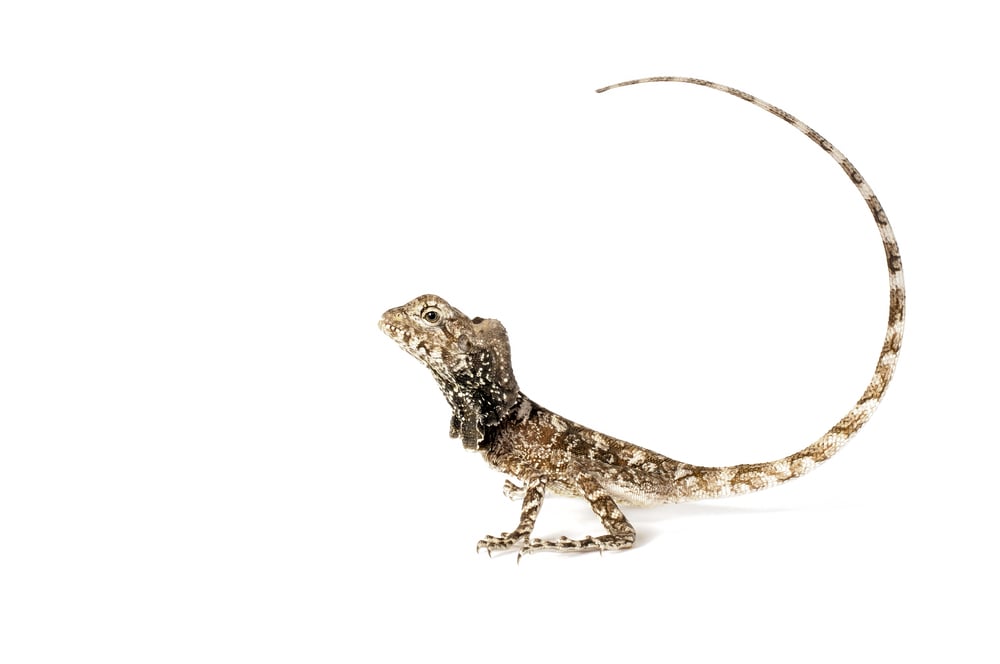
Australia’s frilled lizard has mastered the art of looking way more dangerous than it really is. When something threatens it, this lizard opens up a huge frill around its neck, stands up on its back legs, and hisses as loud as it can.
The whole performance makes it look like some kind of fearsome dragon. In reality, it’s just a harmless little lizard that eats insects and really doesn’t want any trouble.
Skinks Can Regrow Their Tails
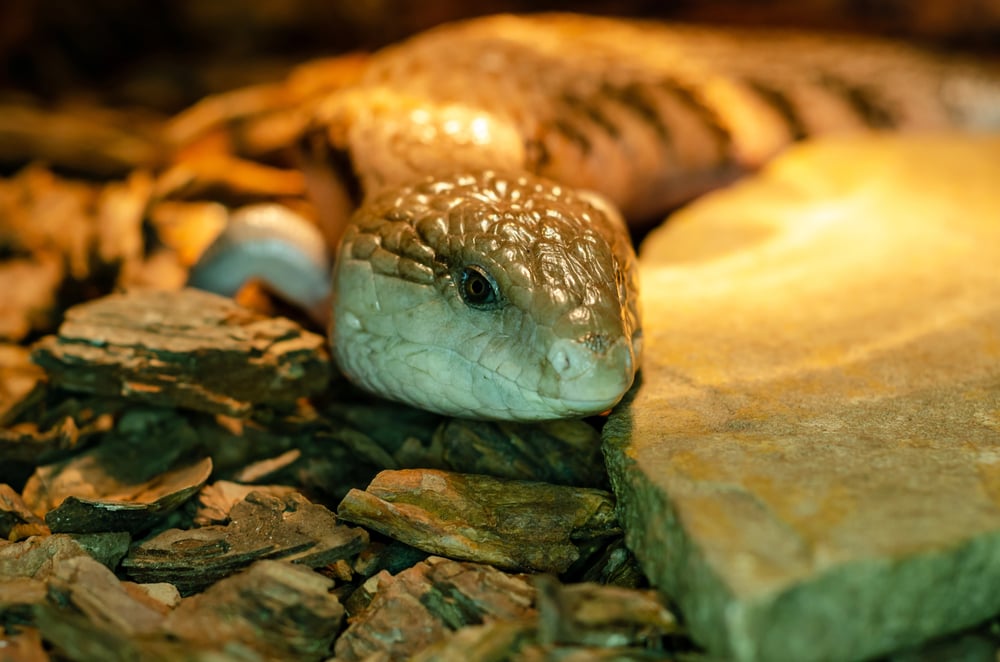
Blue-tongued skinks have one of the coolest escape tricks in nature. If a predator grabs their tail, they can just drop it and run away.
The tail keeps wiggling around for a while, which distracts the predator while the skink escapes. Over the next few months, they grow a completely new tail, though it usually looks a little different from the original one.
Monitor Lizards Are Surprisingly Smart
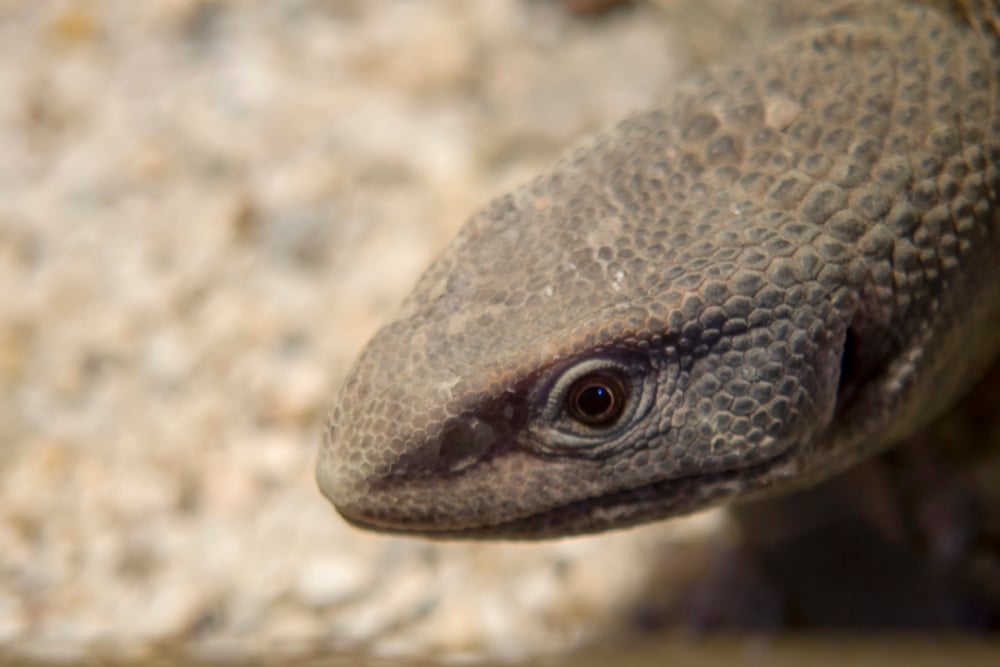
Monitor lizards can solve problems that would challenge many mammals and birds. They remember solutions to complicated puzzles, learn new tasks quickly, and each one has its own distinct personality.
Some researchers have even seen them using tools and playing games, which suggests they’re way smarter than anyone previously thought. These aren’t just instinct-driven reptiles running on autopilot.
Anoles Can Run on Water
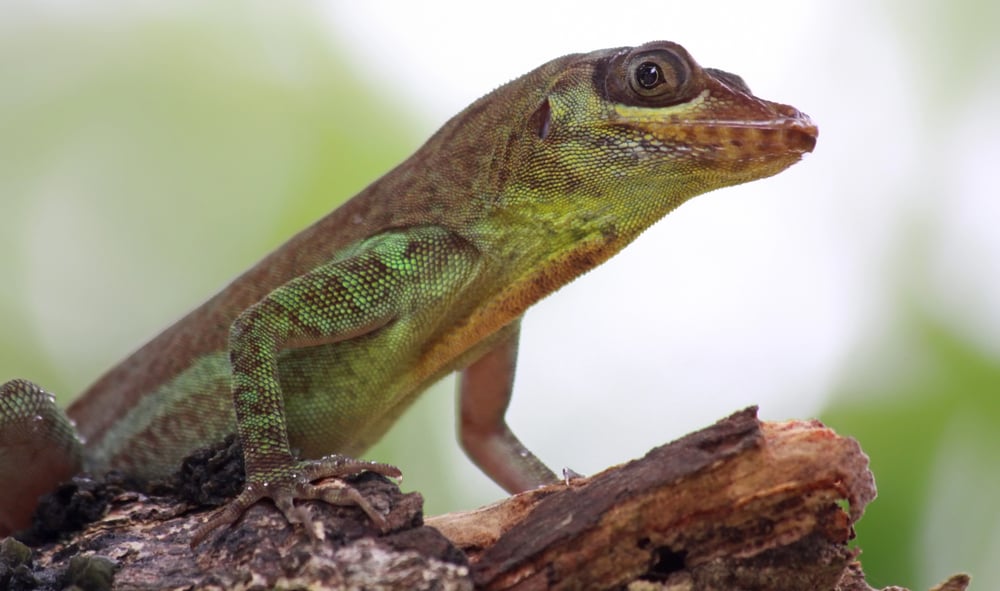
Everyone knows about basilisk lizards running across water, but several types of anoles can do this trick too. They sprint across the water’s surface using rapid leg movements and surface tension to stay afloat for short distances.
It looks like they’re doing some kind of high-speed tap dance on the water. Seeing this happen in person is pretty mind-blowing because it seems physically impossible.
Gila Monsters Store Fat in Their Tails
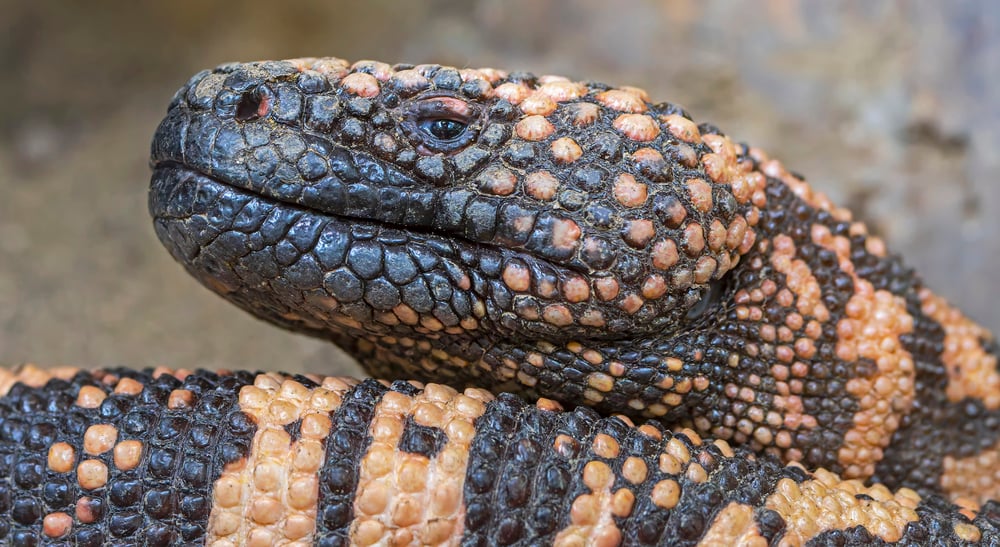
Gila monsters are one of only two venomous lizards in North America, and they’ve got a clever survival strategy. During times when food is plentiful, they pack extra fat into their thick tails like a living storage locker.
When food becomes hard to find, they live off these fat reserves for months without needing to eat anything. It’s like having a built-in emergency food supply.
Chameleon Tongues Are Rocket-Powered
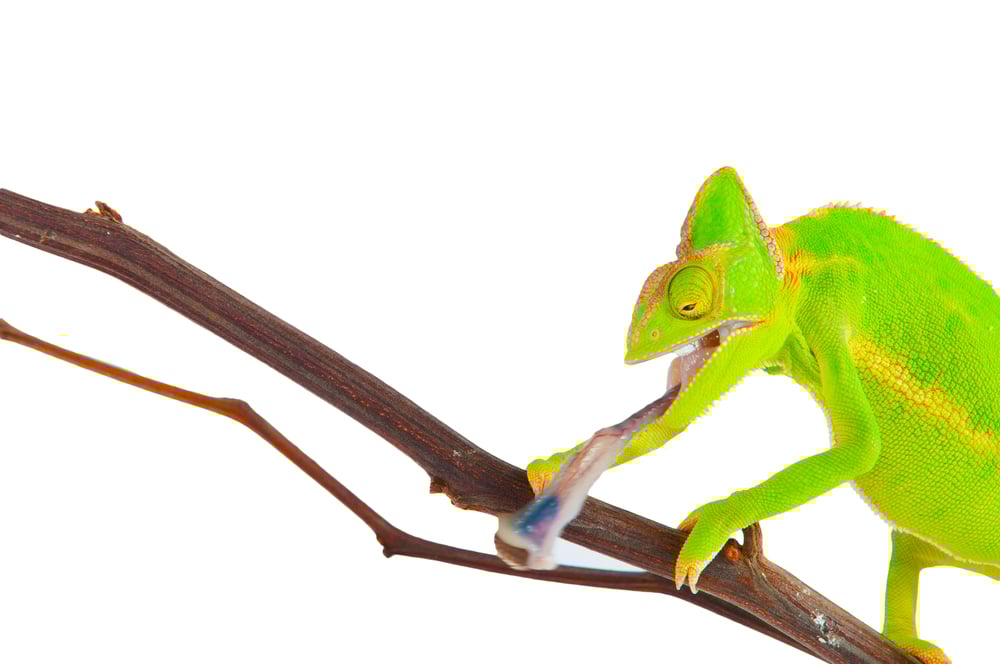
A chameleon can shoot its tongue out at 13 miles per hour and hit a target in just 20 milliseconds. The tongue stretches to twice the length of the chameleon’s entire body and packs enough punch to grab prey that weighs up to one-third of what the chameleon weighs.
Think of it as a biological rocket launcher with perfect accuracy every single time.
Horned Lizards Shoot Blood from Their Eyes
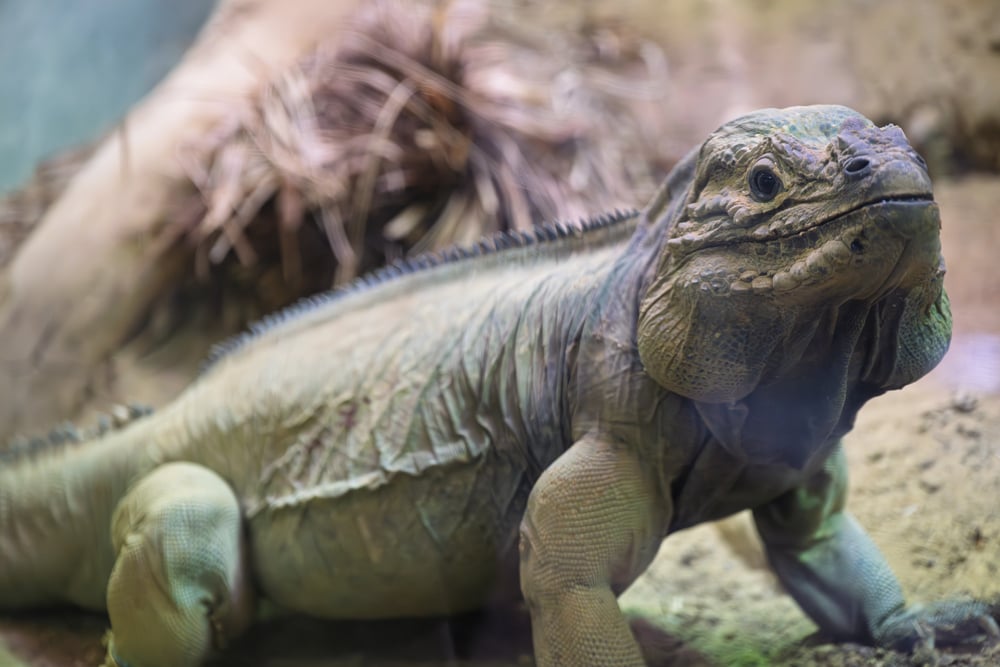
Texas horned lizards have developed one of the strangest defense mechanisms you’ll ever hear about. When a predator threatens them, they can actually squirt fluid from their eyes up to 5 feet away.
This fluid contains chemicals that taste absolutely horrible to most predators, especially dogs and cats. It’s disgusting and shocking, but it works really well at convincing attackers to find something else for dinner.
Leopard Geckos Lick Their Eyes
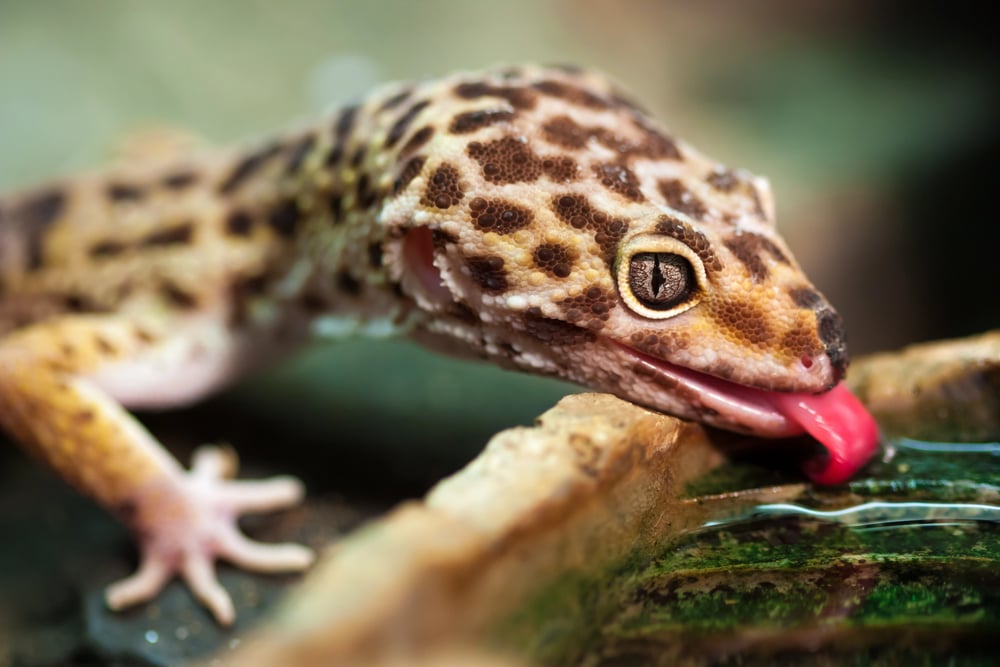
Since leopard geckos don’t have eyelids, they have to find another way to keep their eyes clean. Their solution? They lick their own eyeballs every day with their tongues.
This daily cleaning routine removes dust, dirt, and anything else that might get in the way of their vision. Watching a gecko clean its eyes this way is both fascinating and a little bit weird.
Dragons Can Glide Between Trees
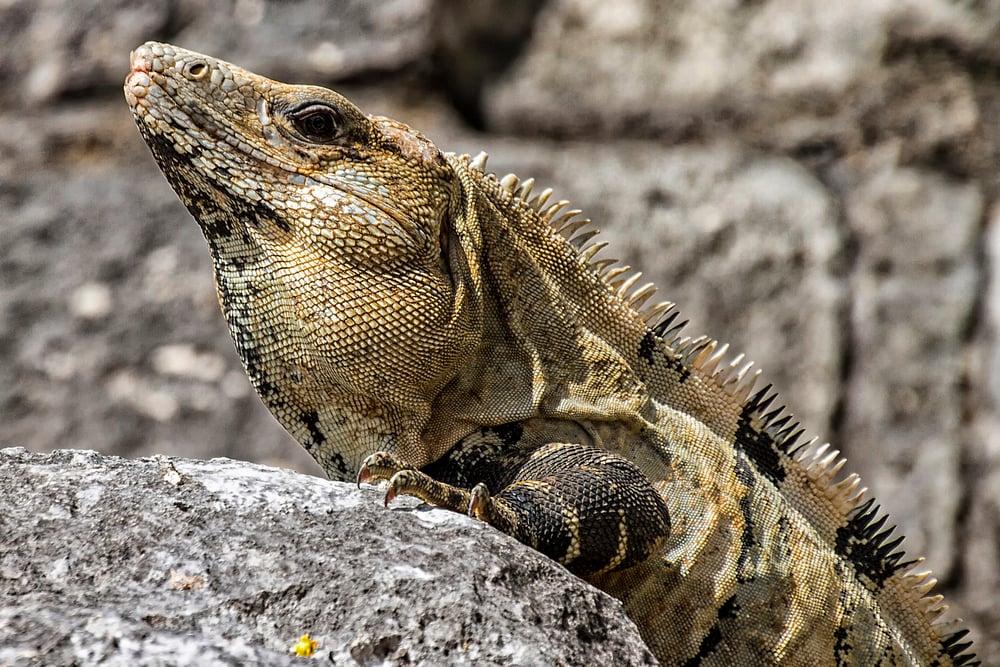
Flying dragons found in Southeast Asia have developed wing-like flaps of skin that let them glide up to 200 feet from tree to tree. These ‘wings’ are actually ribs that extend out from their body and are covered with colorful skin membranes.
They can control where they’re going during their glide with incredible precision. While they’re not actually flying like birds do, their gliding skills put flying squirrels to shame.
Wall Geckos Never Sleep in the Same Spot Twice
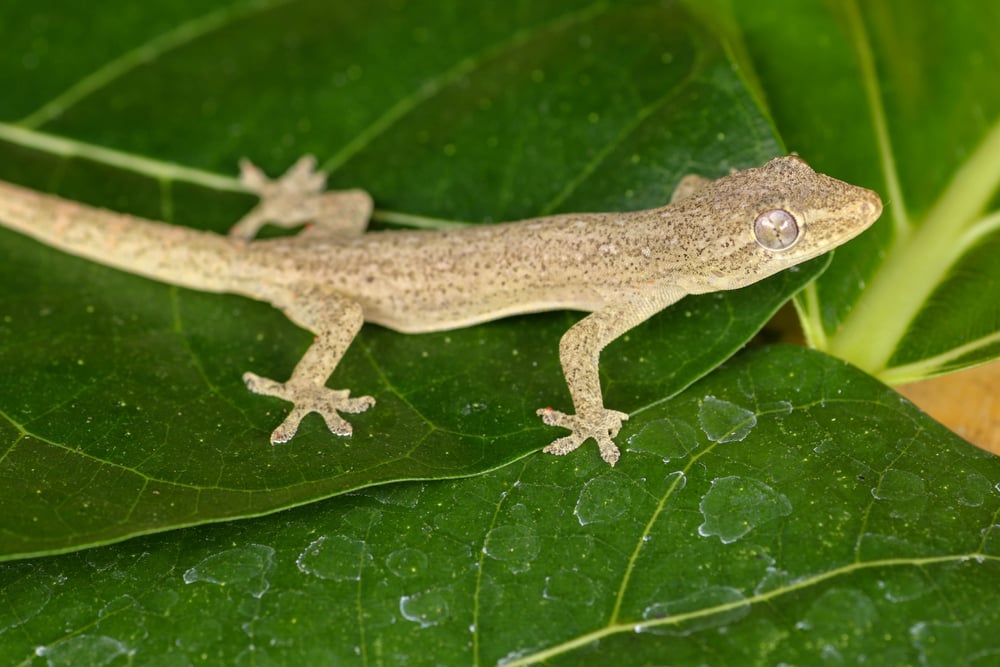
Common house geckos follow a survival rule called ‘roost switching.’ They never sleep in the same place two nights in a row.
This behavior keeps predators guessing about where to find them and makes it almost impossible to catch them while they’re resting. It’s like being a houseguest who moves to a different room every single night, except their house is your entire neighborhood.
What These Ancient Survivors Teach Us Today
All these amazing abilities represent millions of years of evolution slowly perfecting simple reptiles into incredibly specialized survival machines. People in ancient times often feared lizards or worshipped them as magical creatures, but today’s scientists understand them as sophisticated animals whose abilities inspire new technologies in robotics and medicine.
Modern lizards carry the genetic wisdom of creatures that survived mass extinctions, ice ages, and countless environmental disasters that wiped out most other life forms. Their success story shows us that sometimes the most incredible abilities come in small, scaly packages that have been perfecting their survival skills since long before humans even existed.
The next time you see a lizard sunbathing on a rock or running across your wall, remember that you’re looking at millions of years of evolutionary engineering in action.
More from Go2Tutors!

- The Romanov Crown Jewels and Their Tragic Fate
- 13 Historical Mysteries That Science Still Can’t Solve
- Famous Hoaxes That Fooled the World for Years
- 15 Child Stars with Tragic Adult Lives
- 16 Famous Jewelry Pieces in History
Like Go2Tutors’s content? Follow us on MSN.



