Misunderstood Basics People Are Embarrassed to Ask
Everyone has gaps in their knowledge. Sometimes these gaps sit right in the middle of things people assume everyone just knows.
The awkwardness comes from feeling like you should have learned this years ago, so asking now feels like admitting you’ve been pretending to understand something for way too long. But here’s the thing—most people are walking around with the same questions.
They just don’t want to be the first one to admit it.
How to Actually Use an Apostrophe
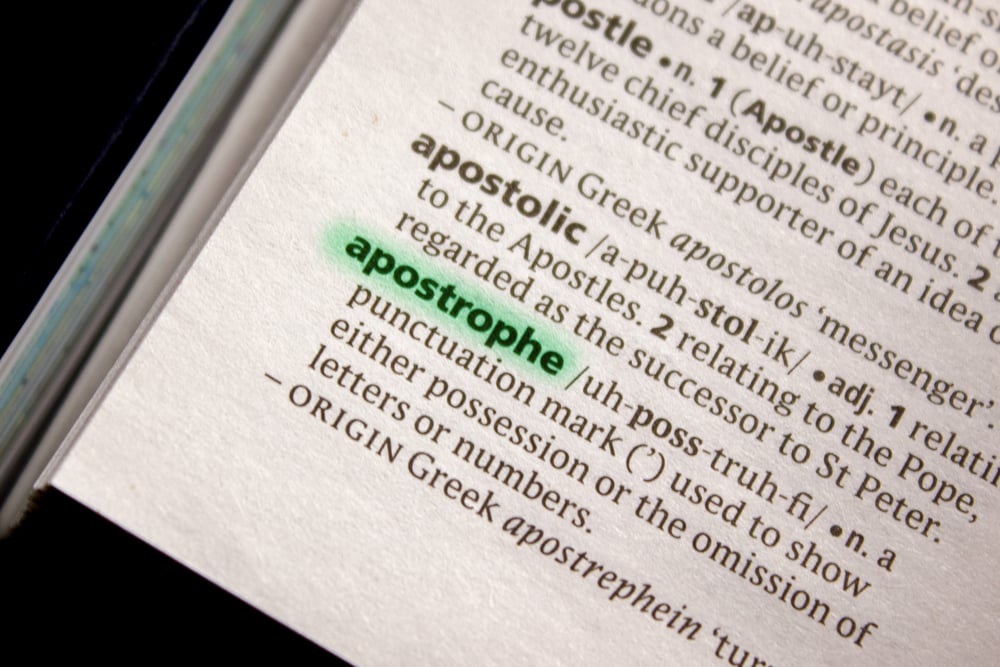
The rules seem simple until you’re actually typing. Its versus it’s trips up almost everyone. “It’s” means “it is” or “it has.” That’s it.
The possessive form of “it” is “its” with no apostrophe, which feels wrong because we use apostrophes for possession everywhere else. Then there’s the plural problem. You don’t add apostrophes to make something plural.
“The 1990s” not “the 1990’s.” The confusion makes sense because we do use apostrophes for single-letter plurals like “mind your p’s and q’s,” but that’s the exception.
Which Way the Toilet Paper Goes

This seems trivial until you’re in someone else’s bathroom changing the roll and you freeze. The “correct” way has the paper coming over the top, not under.
The original patent drawing from 1891 shows it this way. But really, it doesn’t matter as much as the internet wants you to believe.
Just put it on the holder. You’re already ahead of half the population.
What Rinsing and Repeating Actually Means

Shampoo bottles have said “rinse and repeat” for decades. Most people lather up once and call it done.
The instruction technically means wash your hair twice—shampoo, rinse it out, then shampoo again. The first wash removes dirt and oil. The second wash is supposed to actually clean your hair.
Hair stylists will tell you this matters. Most people don’t bother and their hair turns out fine anyway.
How to Figure Out if a Year Is a Leap Year

The quick rule: if the year divides evenly by four, it’s a leap year. That works for most years you’ll encounter in your lifetime.
2024 is a leap year, 2025 isn’t, 2026 isn’t, 2027 isn’t, 2028 is. The exception has existed for centuries.
2000 was a leap year because it divides evenly by 400. But 1900 wasn’t a leap year, and neither will 2100 be.
This won’t affect your calendar planning anytime soon.
Why Restaurant Bills Say “Gratuity”

Gratuity just means tip. Restaurants use the fancier word to sound more formal, or sometimes because they automatically add it to your bill for large parties.
“An 18% gratuity will be added” means they’re adding the tip for you. If gratuity is already included, you don’t need to tip again.
Check your receipt carefully because some places add it automatically and then still leave a tip line blank, which catches people off guard.
The Difference Between Affect and Effect
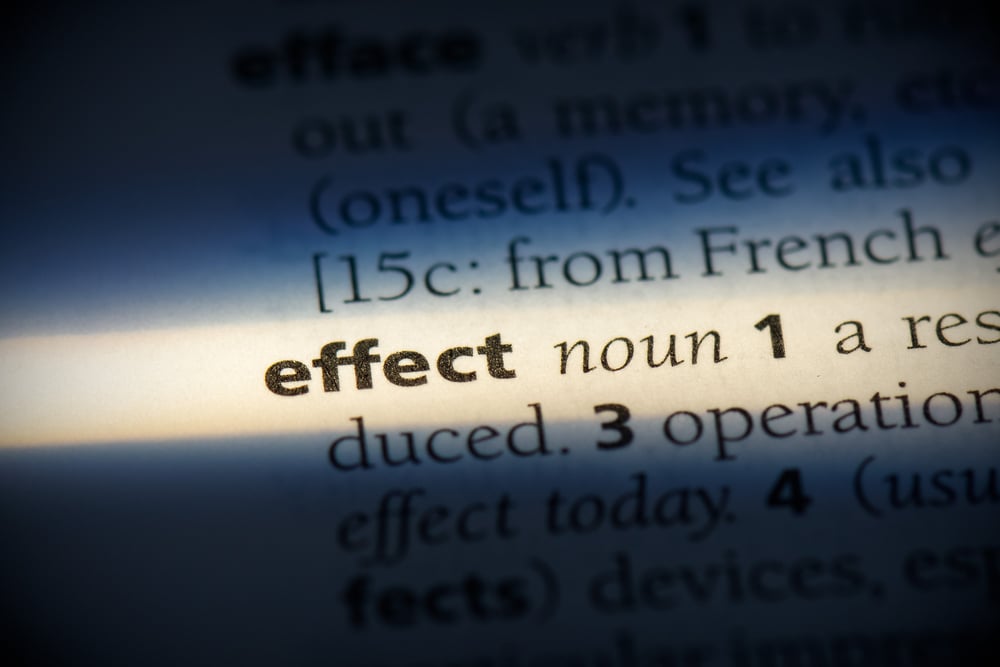
This one makes professional writers pause and double-check. Most of the time, “affect” is a verb and “effect” is a noun.
The weather affects your mood. The effect of the weather on your mood is noticeable.
The confusion comes from the rare times when they flip. You can effect change, meaning cause it to happen.
And affect as a noun exists in psychology, referring to observable emotion. But 95% of the time, verb = affect, noun = effect.
How to Actually Pronounce Common Words

“Espresso” not “expresso.” There’s no X in there.
“Supposedly” not “supposably.” “For all intents and purposes” not “for all intensive purposes.”
“I couldn’t care less” not “I could care less”—because if you could care less, that means you do care at least a little bit. These mistakes happen because the wrong versions sound close enough when spoken quickly.
Your brain fills in what it expects to hear. No one’s going to call you out on it in conversation, but you’ll notice once you know the right version.
What USB Stands For and Which Way It Goes
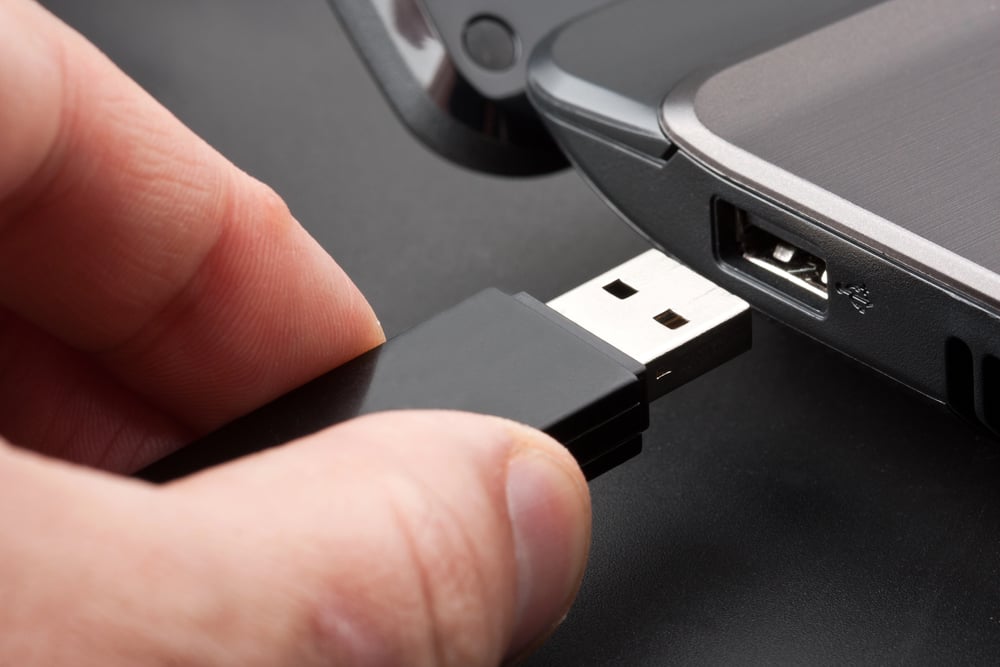
Universal Serial Bus. It’s called universal because it was designed to replace all the different types of cables and ports that existed before.
Now we just have different types of USB instead. The original USB-A connectors (the rectangular ones) only go in one way, but somehow you’ll try it three times before it works.
Look for the USB symbol or the solid side—that faces up when the port is horizontal. The newer USB-C connectors finally fixed this by working both ways.
Why Clocks in Stores Always Show 10:10
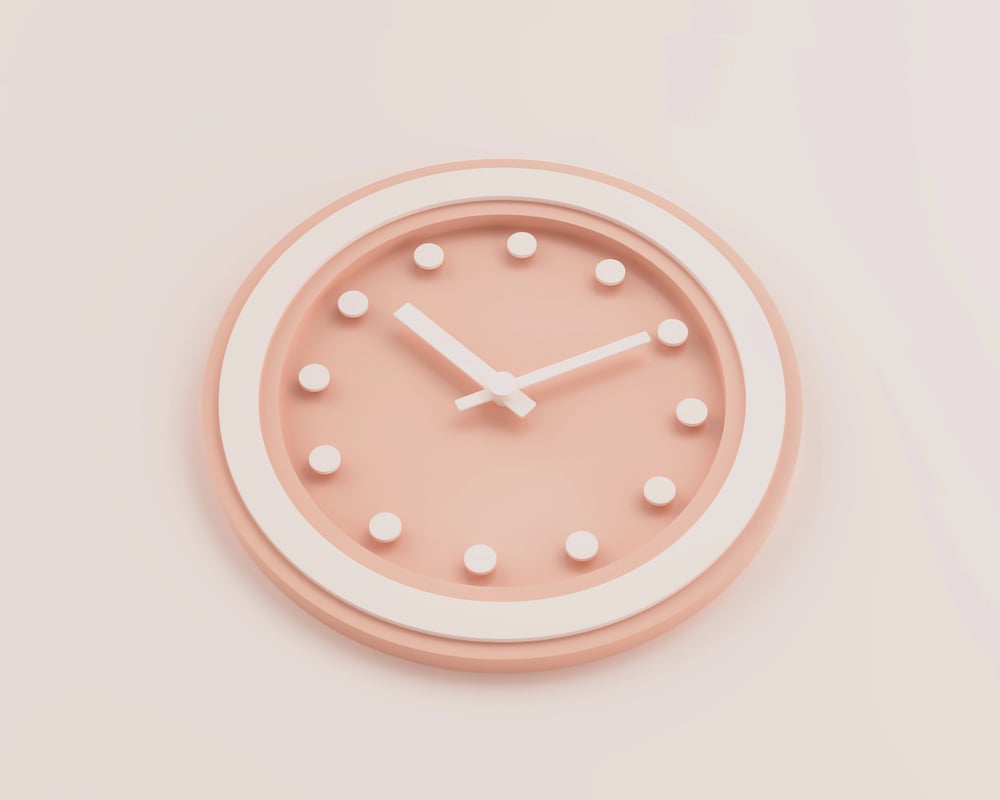
Walk into any store selling clocks or watches and they’re all set to 10:10. This isn’t random.
The hands in this position frame the brand name nicely and create a shape that looks like a smile. The position also keeps the hands from covering any important details on the watch face.
Some brands use 1:50 for similar reasons, but 10:10 became the standard.
How to Tell if an Egg Is Still Good

The float test works. Fill a bowl with water and gently place the egg in it.
Fresh eggs sink and lie flat on the bottom. Slightly older eggs might stand on one end but still stay at the bottom—these are fine to eat.
If the egg floats to the top, throw it away. The science behind this: eggshells are porous.
As eggs age, moisture escapes and air gets in through the shell. More air means more buoyancy.
You don’t need to crack open a questionable egg and smell it when you can just use water.
What the Different Laundry Symbols Mean
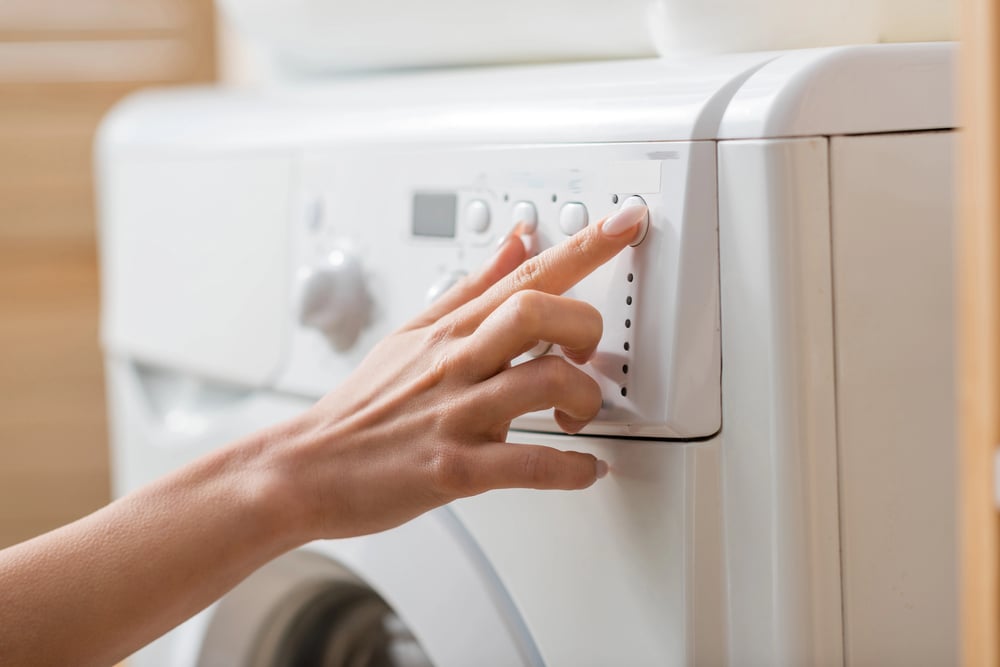
The tub symbol means machine wash. Numbers inside the tub show the maximum temperature in Celsius.
A hand in the tub means hand wash only. The triangle is for bleach—crossed out means don’t bleach.
The square is for drying. A circle inside the square means tumble dry.
Lines inside the square indicate hang dry. Dots show temperature—more dots mean higher heat.
The iron symbol is obvious, with dots again showing how hot to set it. Most people just throw everything in the cold and hope for the best.
That works fine for everyday clothes.
How Tipping Actually Works for Different Services
Restaurants: 15-20% is standard. 20% is becoming the new normal in many places. Coffee shops: a dollar or two for regular orders, more if they made something complicated.
Food delivery: 15-20% of the order total, more in bad weather. Hairdressers: 15-20%.
Taxi or rideshare: 15-20%. Hotel housekeeping: $2-5 per night.
Movers: $20-30 per person for a full day. Takeout: tipping is optional and usually 10% if you do.
Some services expect tips, others don’t. The system is inconsistent and confusing.
When in doubt, 15% covers most situations.
Why Emails Get Marked as Spam
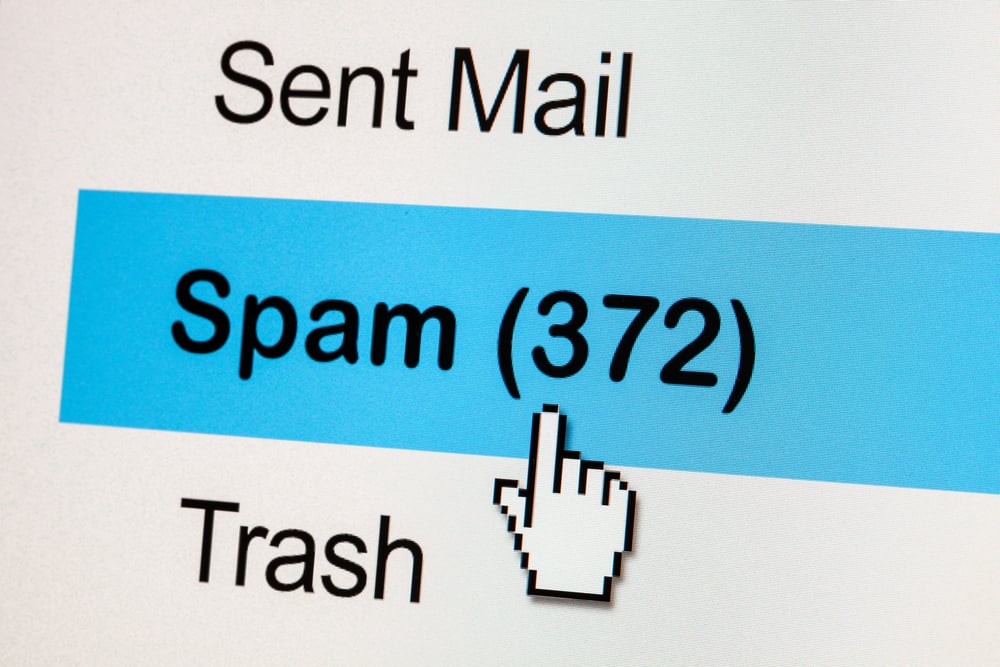
Certain words trigger spam filters: free, guarantee, urgent, act now, winner. Too many exclamation marks or writing in all caps flags your email.
So does sending to a huge list of people who didn’t ask to hear from you. Links that look suspicious or use URL shorteners make filters suspicious.
Misspelling words on purpose to avoid filters makes it worse, not better. The filters are smarter than that now.
If your legitimate emails keep landing in spam, ask recipients to add you to their contacts. That tells the email service you’re trustworthy.
The Real Reason You Can’t Open Your Eyes Underwater

You can peek under water – sure, vision’s blurry plus there’s a burn. That bite? It’s ’cause the stuff floating around doesn’t match what your eyes make.
Pools pour in chlorine; seas pack salt. Either one pokes at your sight.
The fuzziness comes from how water bends light differently compared to air. Because our eyes are built for light moving through air, swapping it with water messes up clarity.
This is where goggles help – by keeping a pocket of air right in front of your eyes. Your eyes work okay under water – but they’re not fans and things look blurry.
When You’ve Been Getting Through Just Fine

Over time, these mix-ups just stack up. Some are worse than others.
You’ve made it this far without figuring out which way the toilet roll should go or how leap years really work. And that’s totally okay.
Each time you pick up one of these skills, a bit of doubt fades away. Because now you’re sure – no more guessing if it’s right or not.
No more dodging moments that could expose what you don’t know. Over time, this builds a calm kind of self-assurance you never realized was gone.
The awkwardness wasn’t really tied to the situation at hand – more like worrying others would see you as clueless for missing something basic. As soon as it hits you that tons of folks have the same blind spots, that shame starts shrinking.
After that? Just practical stuff sitting there waiting to help you out.
More from Go2Tutors!

- The Romanov Crown Jewels and Their Tragic Fate
- 13 Historical Mysteries That Science Still Can’t Solve
- Famous Hoaxes That Fooled the World for Years
- 15 Child Stars with Tragic Adult Lives
- 16 Famous Jewelry Pieces in History
Like Go2Tutors’s content? Follow us on MSN.



