16 Impractical Fashion Trends From History
Fashion has never been just about getting dressed. It’s been about showing off, fitting in, standing out, or following rules—sometimes all at once.
But not every trend made sense in real life. Some looked great but were hard to walk in, sit in, or even breathe in.
Still, people wore them proudly, even when comfort was clearly not part of the plan. What did folks wear back then that made life harder just to look the part?
Here are 16 fashion trends from history that looked stylish but didn’t make much sense for daily life.
Hoop skirts

Hoop skirts became popular in the 1800s and made dresses look very wide and grand. They were built using rings of metal or whalebone sewn into the fabric.
While they gave a dramatic look, walking through narrow doors or sitting down was nearly impossible without help. Women had to be very careful not to knock over objects or bump into others.
The size of these skirts also meant they took up a lot of space in crowded rooms.
Corsets
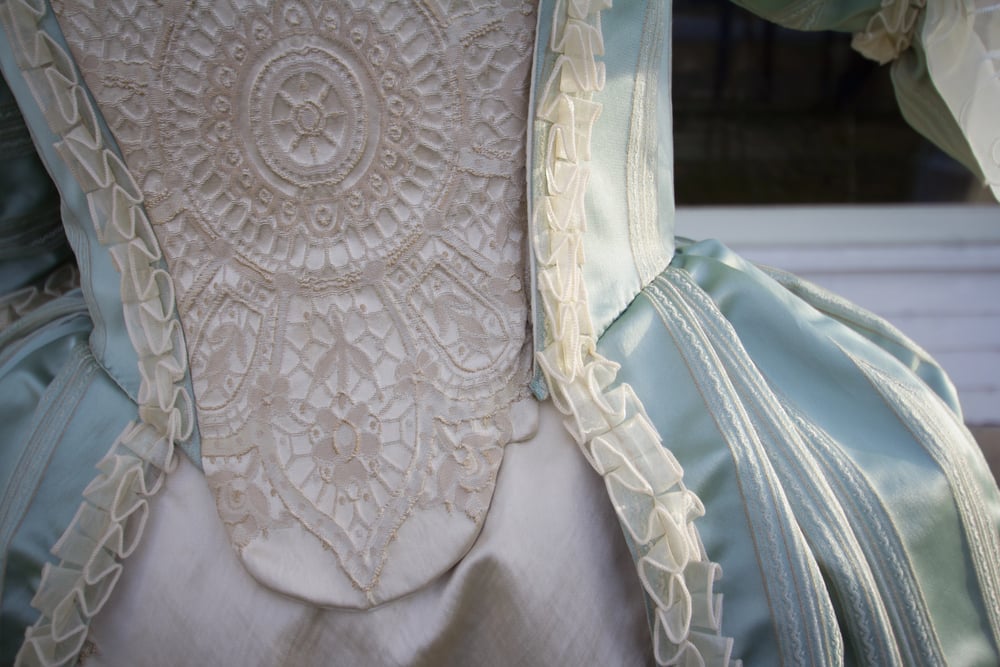
Corsets were worn to squeeze the waist tightly and create an hourglass shape. They often caused discomfort, making it hard to breathe or move easily.
Some women even fainted from wearing them too tightly. Over time, doctors warned about health problems linked to corsets, but fashion kept them popular for hundreds of years.
They were a symbol of beauty and status, despite the physical cost.
Powdered wigs

In the 1600s and 1700s, wealthy people wore large powdered wigs made from horsehair or human hair. These wigs were heavy, hot, and often smelled bad because of the powder.
They attracted lice and had to be cleaned and powdered regularly. Wearing them all day could cause headaches and neck pain.
Still, they showed wealth and rank in society.
Platform shoes
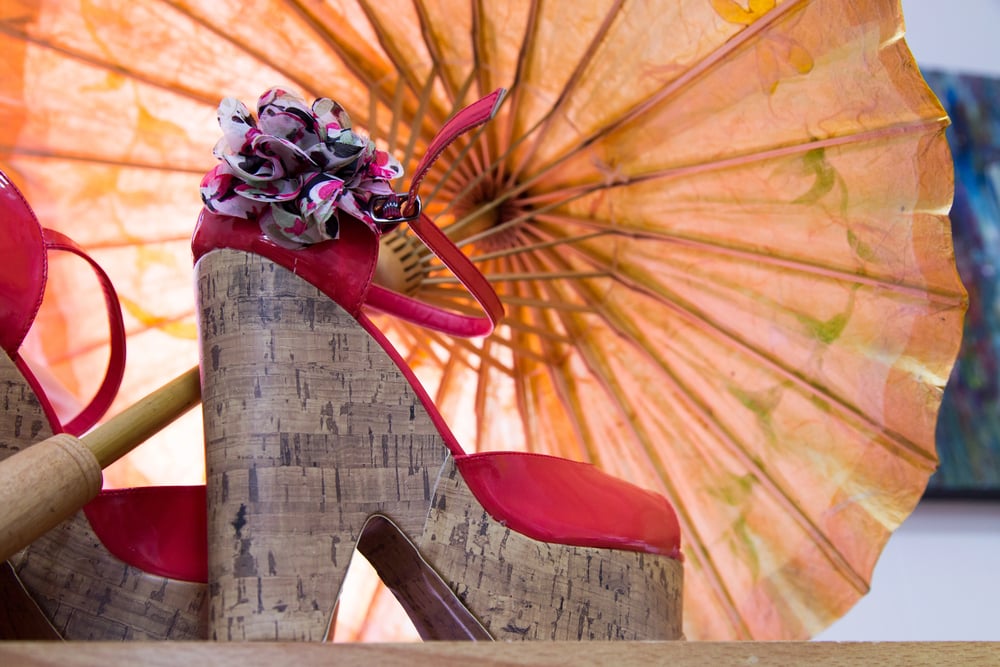
Platform shoes first appeared long ago but became famous in the 1970s. They had thick soles that made people look taller but were very hard to walk in.
Many who wore them risked twisting ankles or falling down stairs. The shoes were not made for comfort, often leading to sore feet after just a short time.
Still, they stayed popular for their bold look.
Ruffs

Ruffs were large, stiff collars worn around the neck during the 1500s and 1600s. They were made from heavily starched fabric and kept their shape perfectly.
While impressive to see, ruffs made turning the head or looking down very difficult. The collars could also scratch the skin or irritate the neck.
Despite this, ruffs were a key part of fashion for the wealthy.
Bustles

Bustles were padded structures worn under dresses in the late 1800s to push out the back of the skirt. They created a large, round shape but made sitting down or moving through tight spaces hard.
Women had to be careful when walking so they didn’t lose balance. The bustle also added weight to the dress, making it tiring to wear for long periods.
It was all for the look of fullness at the back.
Crinolines
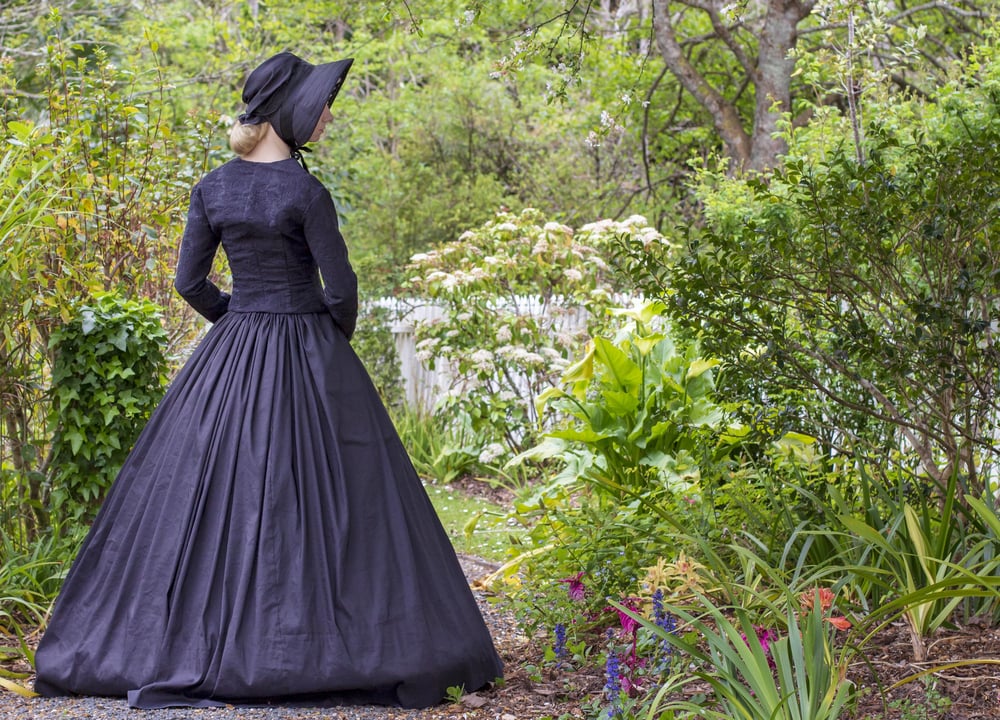
Crinolines were stiff petticoats made of horsehair and fabric, worn to make skirts very wide. The skirts could sweep the floor and were hard to control in crowds.
Crinolines often got caught on furniture or stepped on by others, which could be dangerous. They were heavy to wear and limited how fast a woman could move.
Still, they were a sign of status and fashion.
Chopines

Chopines were very high platform shoes popular in Venice during the 1400s and 1500s. Some were over a foot tall, making walking almost impossible without help.
Women wearing chopines often needed servants to support them while moving. These shoes protected dresses from dirty streets but made balance a daily challenge.
They were a clear sign of wealth but not of comfort.
Powdered makeup
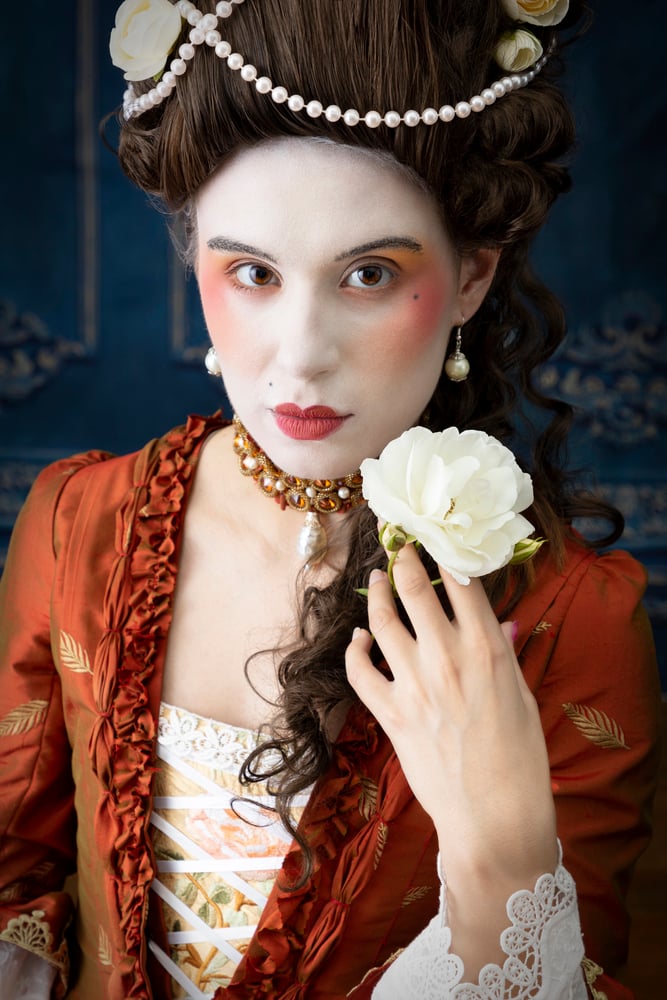
In the 1700s, heavy white powder was used by both men and women on their faces. The powder often contained lead, which was harmful over time.
It clogged pores and damaged the skin, causing rashes and infections. Despite the health risks, pale skin was seen as a mark of nobility.
This trend lasted many years before safer products were invented.
Bustiers

Bustiers were tight-fitting garments designed to shape the upper body and support the bust. They squeezed the torso and made breathing and moving more difficult.
Like corsets, bustiers could cause discomfort and even pain when worn too long. They were popular for creating a smooth, curvy figure but were not made for comfort.
Many women had to adjust or loosen them during the day.
Farthingales

Farthingales were hoop-like supports worn under skirts in the 1500s to create a wide, bell-shaped look. They made it hard to sit down or move quickly.
The wide skirts often got caught in doors or crowded places. Despite being awkward, farthingales were worn to show wealth and keep up with fashion.
They also added weight, making walking tiring.
Tights with codpieces

During the Renaissance, men wore tight leggings that included large, padded codpieces. These were stiff and heavy, causing discomfort.
The codpieces drew attention and could be embarrassing if they were too large or oddly shaped. This fashion was meant to show masculinity but sometimes felt awkward to wear.
It was a bold style choice, not a practical one.
Powdered beards

Powdered beards were fake or enhanced facial hair coated with powder, popular in the 1600s and 1700s. Like wigs, they added weight and could cause itching or skin problems.
Men wore them to fit the fashion of the upper class. These beards required regular care and sometimes smelled unpleasant.
Despite this, they were part of formal dress.
Muffs

Muffs were large tubes of fur or fabric used to keep hands warm in cold weather. While effective, they made using hands for tasks very difficult.
Carrying a muff limited the ability to hold things or move fingers freely. People often had to set the muff down to do simple jobs.
They were more for style and warmth than practicality.
Cage crinolines
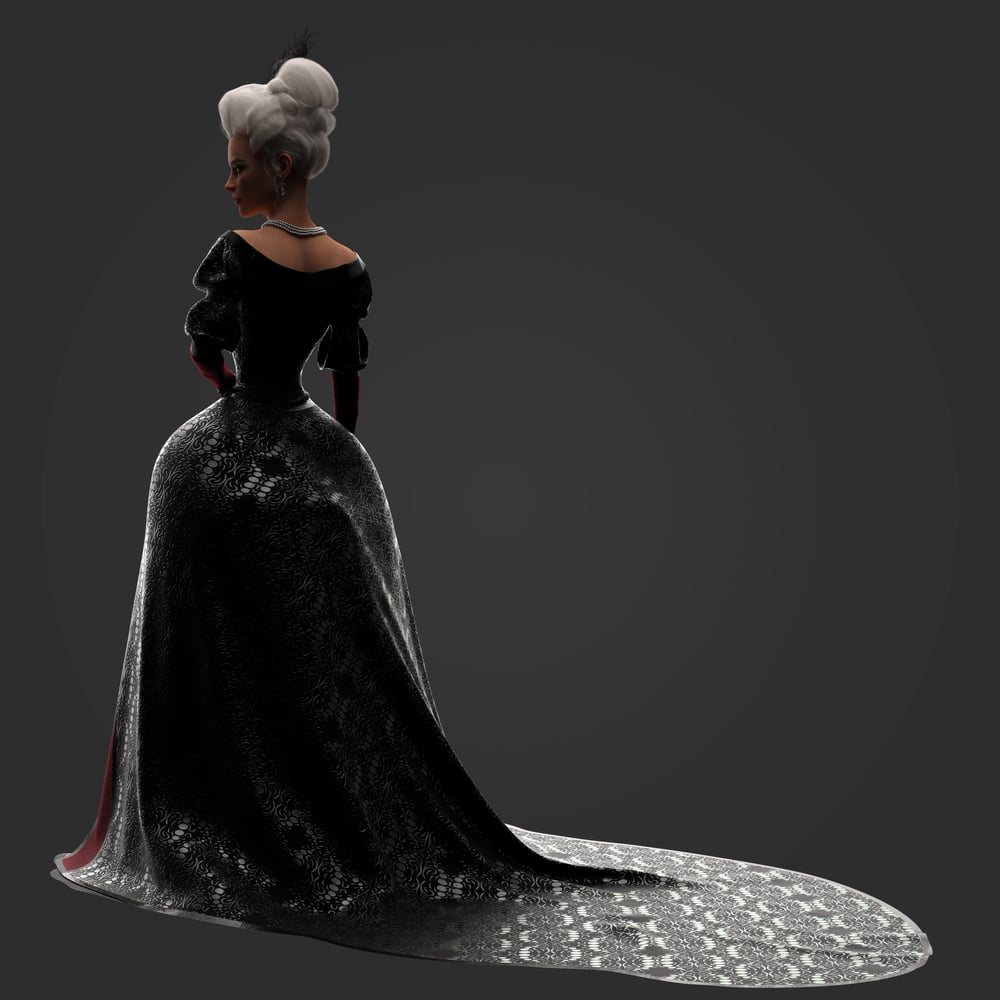
Cage crinolines were metal frameworks worn under skirts in the 1800s to make them look wide. These cages were heavy and could get stuck on objects easily.
Sitting in a chair or moving in tight places was difficult. The metal could also make noise when walking.
Cage crinolines made an eye-catching silhouette but were uncomfortable.
Opera gloves
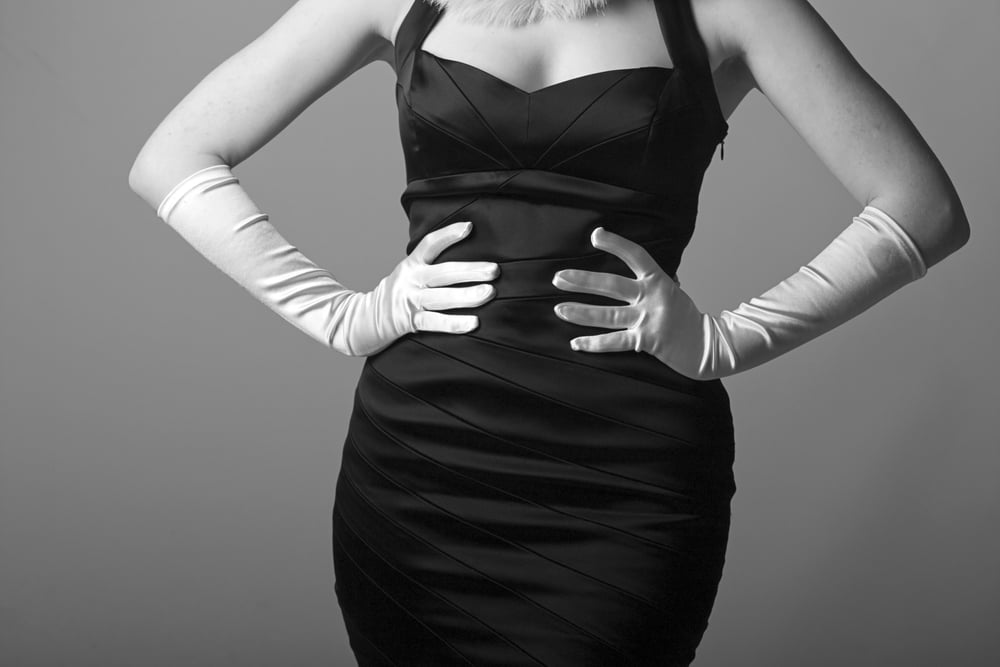
Long opera gloves were popular for formal occasions, covering the arm up to the elbow or higher. They looked elegant but made bending the elbow and using hands difficult.
The gloves were tight and often slippery, which made holding objects tricky. They were worn mostly for appearances during events and not meant for long use.
What old trends say about today’s style

Looking at these past fashion choices makes one thing clear—people have always been willing to suffer a bit to stand out. These trends weren’t just about clothes, they were about showing class, wealth, or being part of a group.
While some of the styles seem strange now, they were once taken very seriously. Today’s fashion might be more comfortable, but it still follows trends that come and go.
Maybe the real lesson is that fashion keeps changing, but the need to express identity through what we wear stays the same.
More from Go2Tutors!

- The Romanov Crown Jewels and Their Tragic Fate
- 13 Historical Mysteries That Science Still Can’t Solve
- Famous Hoaxes That Fooled the World for Years
- 15 Child Stars with Tragic Adult Lives
- 16 Famous Jewelry Pieces in History
Like Go2Tutors’s content? Follow us on MSN.



