Most Collectible Candies From Past Decades
There’s something about old candy that goes beyond sugar. People hang onto wrappers, track down discontinued brands, and pay serious money for pieces they haven’t tasted since childhood.
It’s not really about the candy itself — it’s about the feeling that comes with it. A small rectangular box or a plastic dispenser can pull you straight back to a specific afternoon in a way that almost nothing else can.
Some of these treats are still around. Others disappeared quietly, leaving behind a fan base that never quite let go.
And a handful have become full-on collector’s items, traded online and displayed on shelves like trophies. Here are the candies from past decades that people hold onto, hunt for, and genuinely treasure.
PEZ Dispensers: The One That Started It All
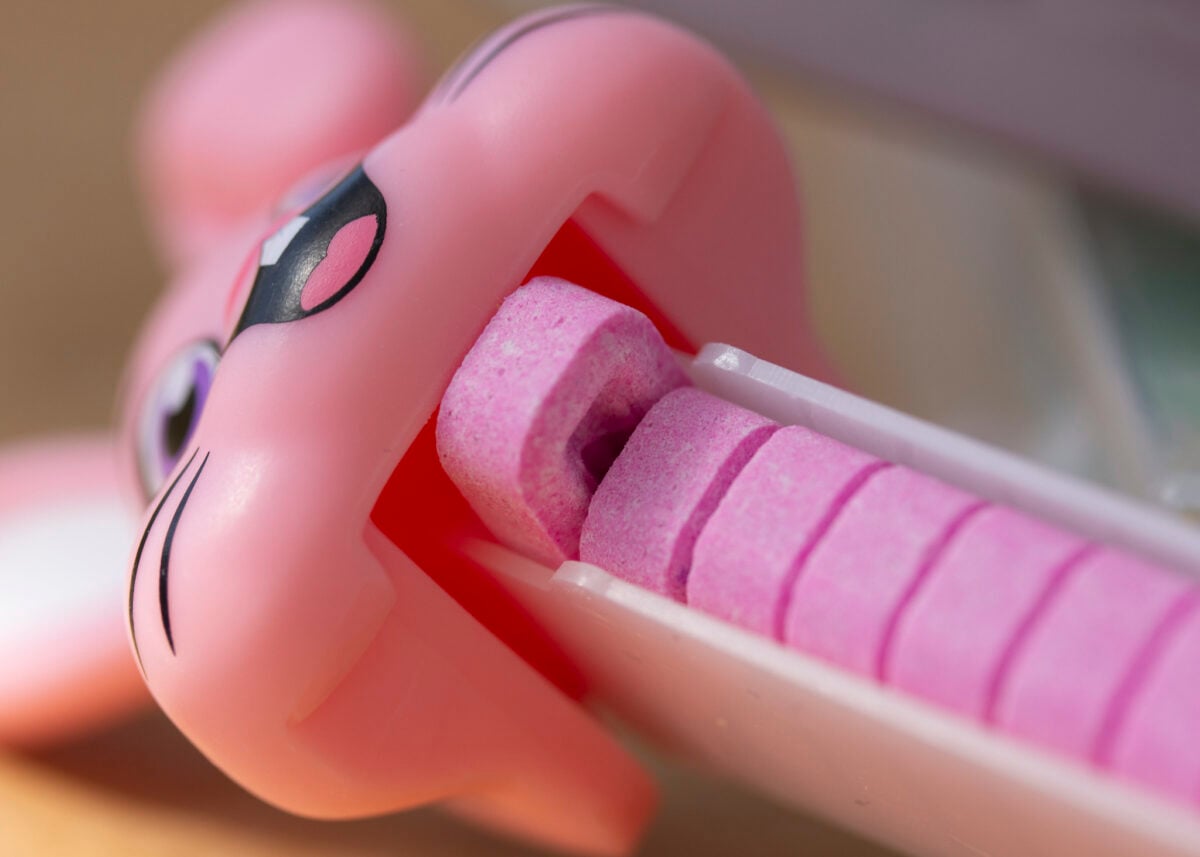
No candy has a collector community quite like PEZ. The dispensers themselves became more valuable than what came out of them decades ago.
Vintage character dispensers — especially ones with soft heads from the 1950s and 60s — can sell for hundreds or even thousands of dollars. The appeal makes sense once you think about it.
PEZ released dispensers tied to nearly every major pop culture moment: holidays, movies, cartoon characters, sports teams. Each dispenser is essentially a snapshot of what kids cared about in a given year.
The candy is almost beside the point. New dispensers still come out regularly, but it’s the old ones that collectors chase.
A “Bride and Groom” set from the early 1970s or a “Make-a-Face” dispenser in its original packaging? Those are the kinds of finds that make collector forums go quiet for a moment before erupting.
Wax Bottles Filled with Colored Syrup
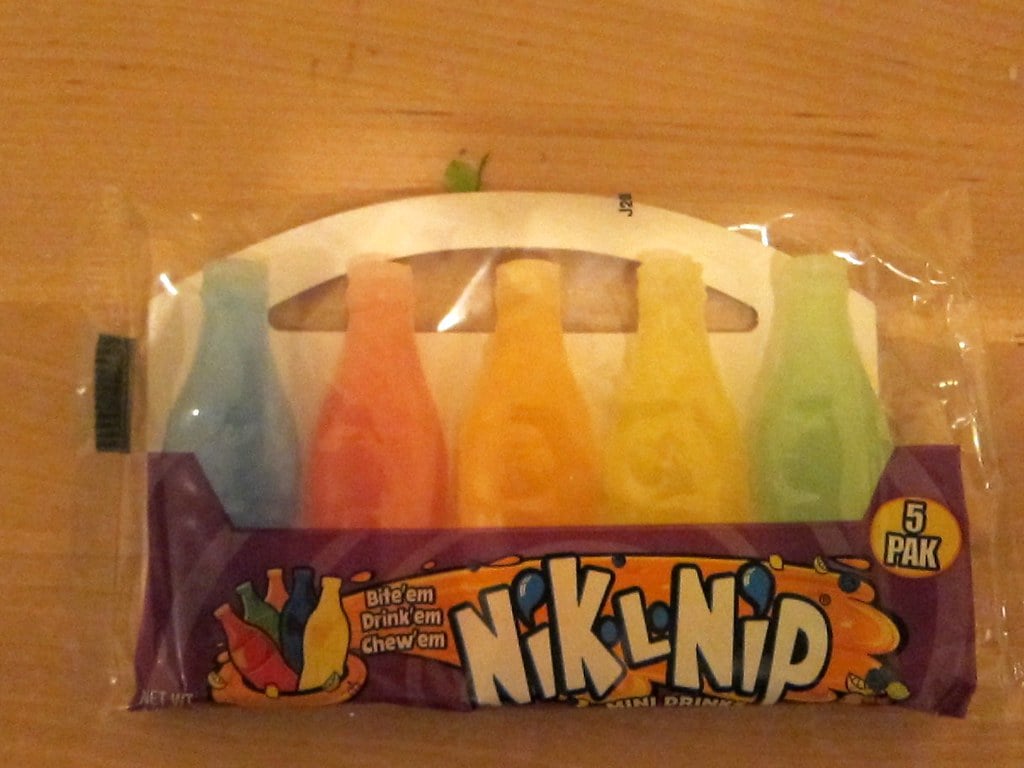
These were genuinely strange, and that’s exactly why people remember them. Small wax bottles — about the size of a thumb — filled with a tiny amount of flavored liquid.
You bit off the top, drank the syrup, and then chewed the wax like a tiny, flavorless piece of gum. The whole experience lasted maybe 30 seconds.
And yet, few candies from the mid-20th century are as fondly remembered. Nik-L-Nip (the most common brand) kept going long after most expected it to, which helped it develop a loyal following across multiple generations.
Original packaging from earlier decades is a sought-after find. The bottles themselves are fragile, so undamaged vintage versions don’t surface often.
Wax Lips and Other Wax Novelties
Wax lips were never really about taste — they were about the joke. You put them on, walked around looking ridiculous, and eventually gave in and chewed what amounted to flavored paraffin.
Wax mustaches, wax fangs, and wax harmonicas followed the same formula. These novelties peaked in popularity during the 1940s through the 1970s.
Finding original display boxes — the kind that sat on drugstore counters — is now a legitimate collector’s goal. The cardboard packaging from that era has a specific graphic style that people actively seek out, sometimes just for display purposes.
Candy Buttons on Paper Strips
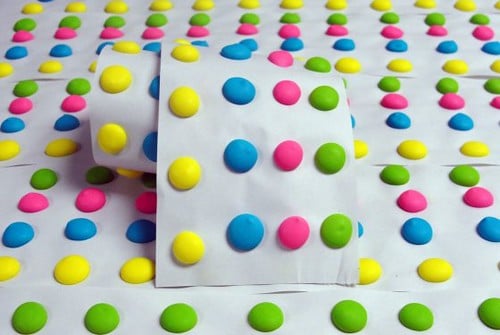
A row of small sugar dots stuck to a long strip of paper. That’s it.
The experience involved peeling each one off and inevitably eating a little paper along with it. NECCO made these for decades under the name “Candy Buttons,” and they became one of those candies that defined a certain era of corner stores and penny candy bins.
Vintage display strips and original packaging have found their way into candy collections and nostalgia displays. It’s a humble piece of confectionery history, but collectors treat it seriously.
Necco Wafers
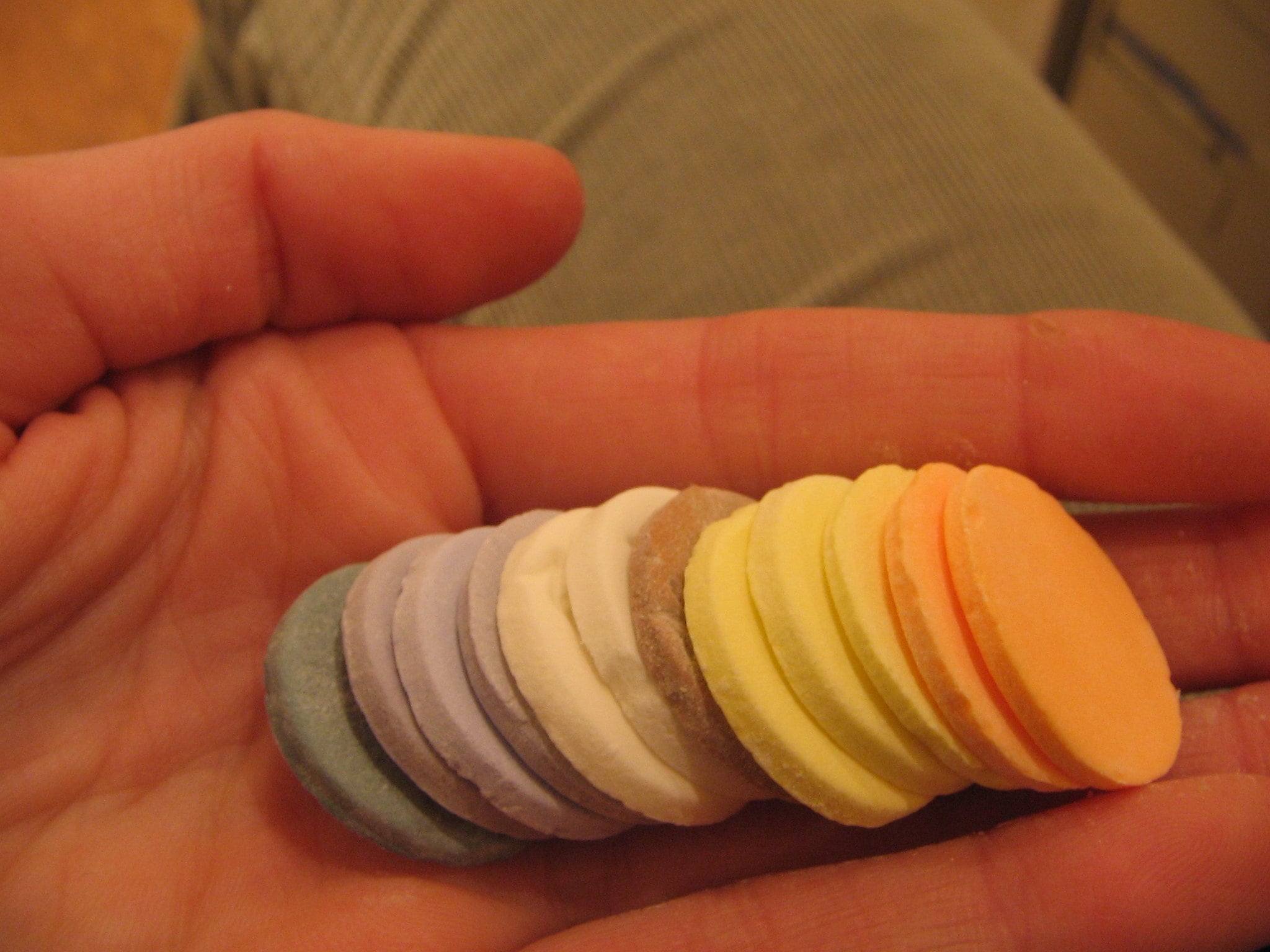
Necco Wafers are one of the oldest mass-produced candies in the United States, dating back to the mid-1800s. The chalky, coin-shaped discs came in a variety of flavors — chocolate being the most popular, with the licorice ones dividing opinion for generations.
When Necco went bankrupt in 2018, the panic was real. People cleared shelves.
Boxes that normally sold for under two dollars were listed online for ten times that. The brand was eventually acquired and revived, but the event revealed just how deep the attachment ran.
Sealed rolls from before the acquisition are now collected as artifacts of a near-miss.
Pop Rocks: The Candy That Came with a Legend
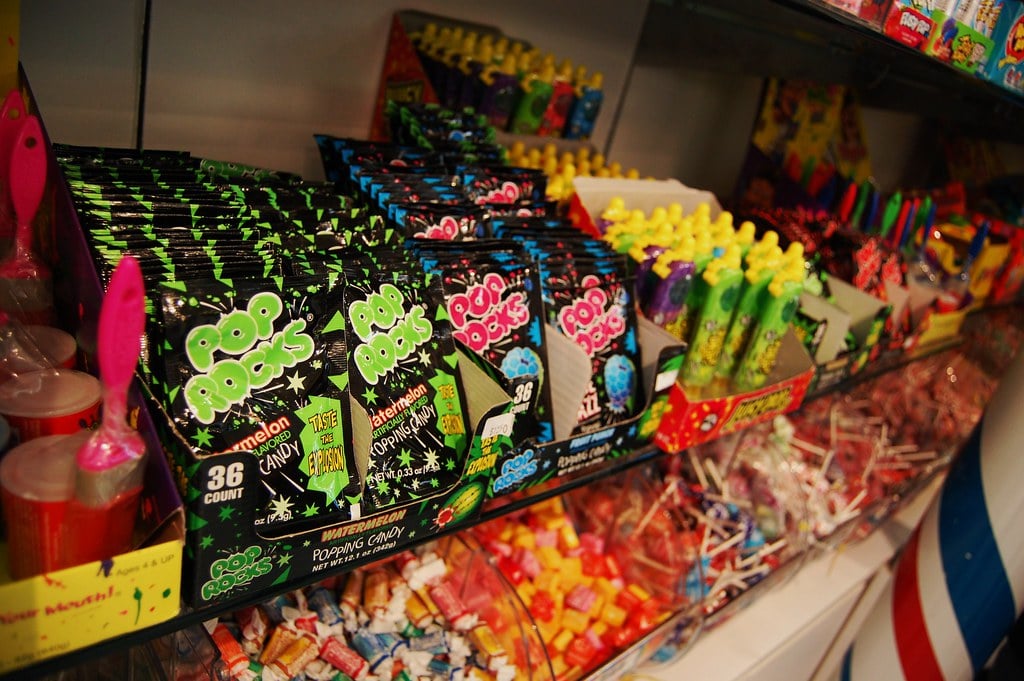
Pop Rocks launched in the late 1970s and immediately attracted a myth about a kid who ate them with soda and didn’t survive. The rumor was completely false, but it spread so widely that General Foods actually took out ads to debunk it.
That legend turned Pop Rocks into something bigger than candy. Original 1970s packets — especially from the initial test markets — are legitimately rare.
Collectors look for the early packaging with different flavor names and color schemes than what came later. It’s one of the few candies where the controversy became part of the collectible appeal.
Fun Dip
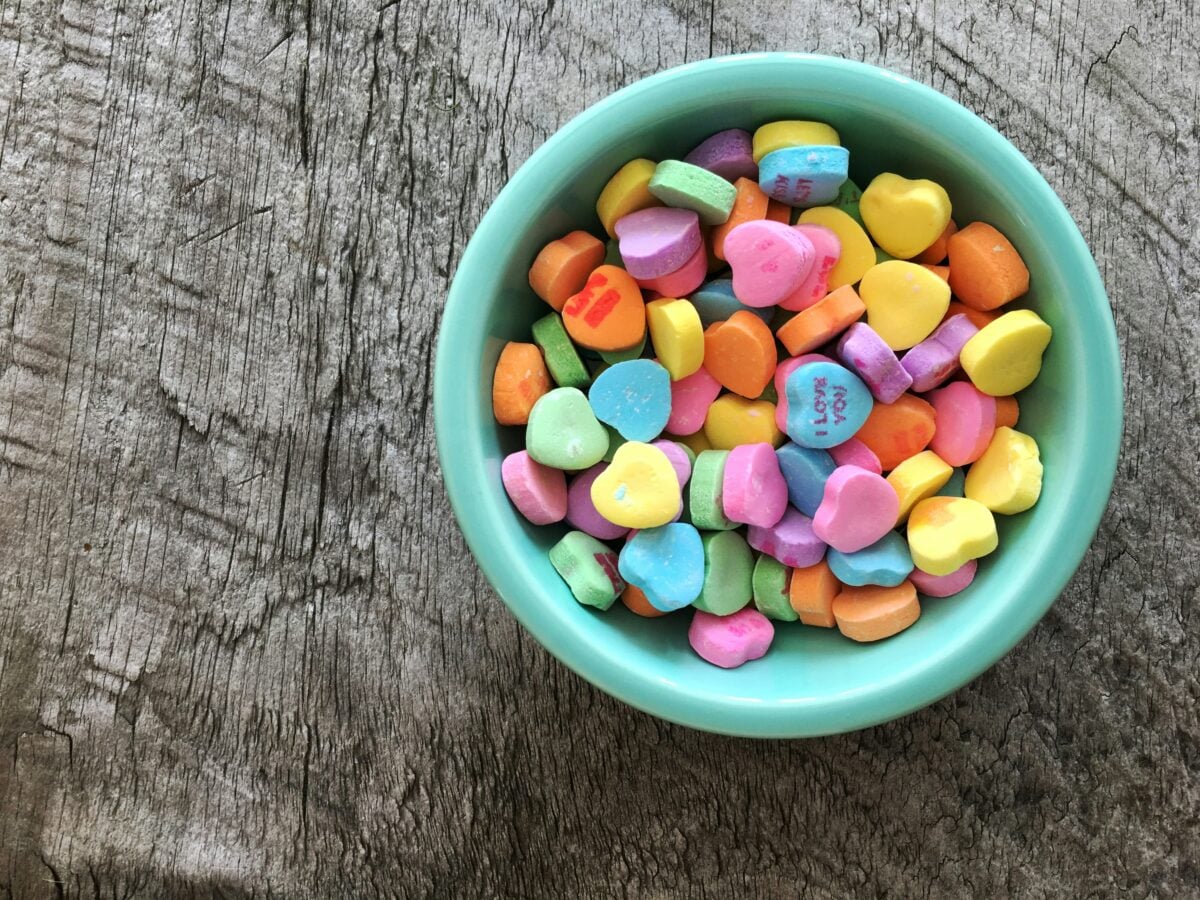
A stick made of compressed sugar, used to scoop flavored powder out of a paper pouch. The stick itself was also edible.
Fun Dip asked you to essentially eat your own utensil, which was either brilliant or absurd depending on your perspective. The candy dates back to the early 1970s under the name Lik-M-Aid before the rebrand.
Vintage packaging from the original era is harder to come by than most people expect. The graphic design on early versions has a very specific 70s look that collectors of candy ephemera actively pursue.
Ring Pops
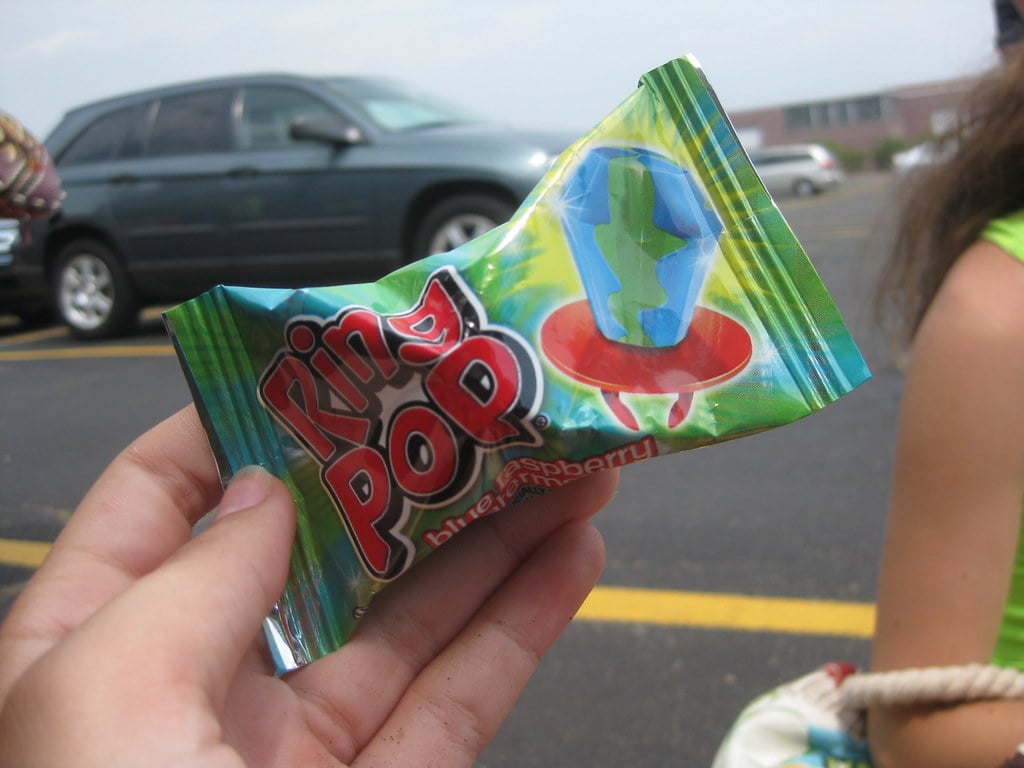
Ring Pops hit stores in 1979 and created a whole category: wearable candy. The concept was simple — a hard candy jewel mounted on a plastic ring.
You wore it, licked it, wore it some more. Limited edition releases, discontinued flavors, and promotional versions tied to specific movies or events have made Ring Pops a quiet collector’s category.
Original packaging and store display boxes from the early years turn up occasionally and attract real interest. The category expanded to bracelets and other wearable forms, each with their own collector following.
Nerds Boxes

Nerds launched in 1983 and came in a distinctive box split down the middle with two separate flavors. The design was clever and the flavor combinations were sometimes genuinely surprising.
Strawberry and grape became the classic pairing, but the full range over the years included dozens of combinations — many of which no longer exist. Discontinued flavor combinations are what collectors focus on.
An unopened box of “Watermelon and Cherry” Nerds from 1987 in good condition is a specific find. The small size of the boxes and the fragility of the cardboard means that well-preserved vintage versions don’t last long when they appear.
Bottle Caps
Bottle Caps were sugar candies shaped like — predictably — soda bottle caps. Each flavor matched a different soda: cola, root beer, orange, grape, and cherry.
They came in rolls or in bulk at penny candy counters. The candy is still available today, but vintage packaging and original display materials from the 1970s and 80s have collectors’ attention.
The root beer flavor always had a devoted following, and discontinued specialty editions are tracked down with real dedication.
Pixy Stix
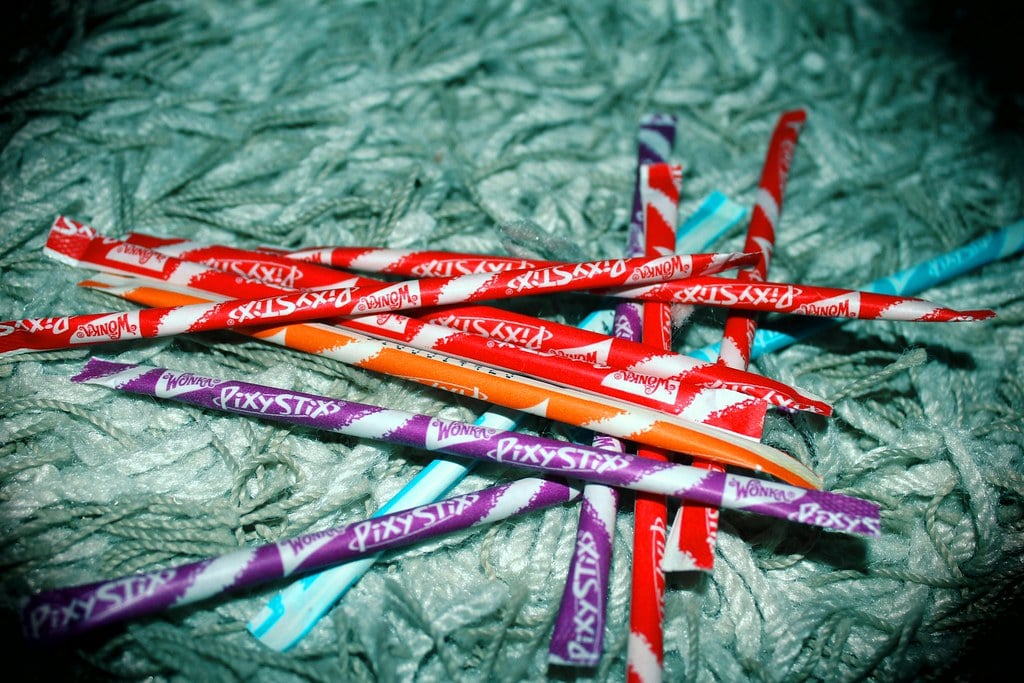
A tiny tube made of paper, packed with sweet colored dust. Down went your head, tilting the stick so the powder tumbled straight onto your tongue.
Those huge ones – longer than a ruler – showed up everywhere, stuck in cups at carnivals and ride-filled playgrounds. Pixy Stix began life in the 1950s, first hitting shelves as Frutola – a powdered drink mix that children started consuming without water.
Because of that twist, the company shifted direction. Old ads and early wrappers?
Hardly anyone has them anymore. Those oversized ones once found at arcades and theme parks now gather fans on their own terms.
Jawbreakers
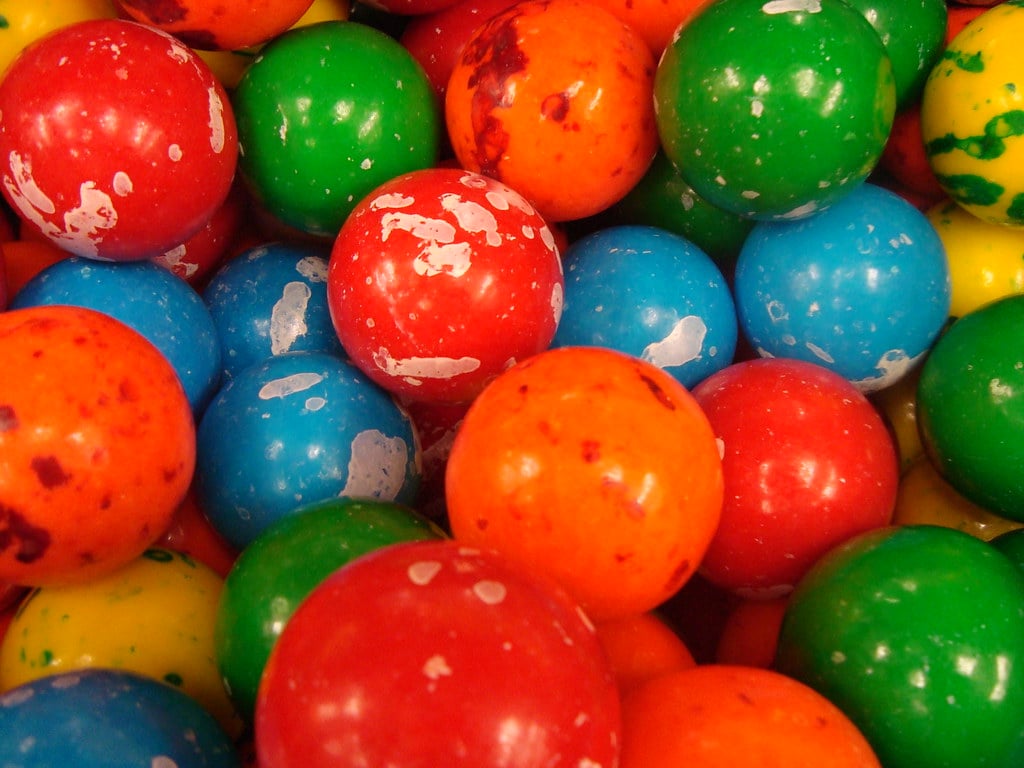
Those big, tough candies known as jawbreakers might ring a bell under another name if you lived somewhere else. Mass production made them common in classrooms by the middle of the last century.
A movie tie-in from 1971 brought everlasting gobstoppers into the pop culture spotlight again. Old tins with brand logos catch eyes, while medicine shop cases often sit forgotten till spotted.
Glass domes once holding giant jawbreakers appear now and then, their labels still bright. These standouts tend to vanish fast after surfacing in small-town stores.
Signs from soda fountains pair with them, adding story. One piece might linger weeks before disappearing into a private shelf.
Time darkens some edges, yet appeal grows when history shows through.
Atomic Fireballs
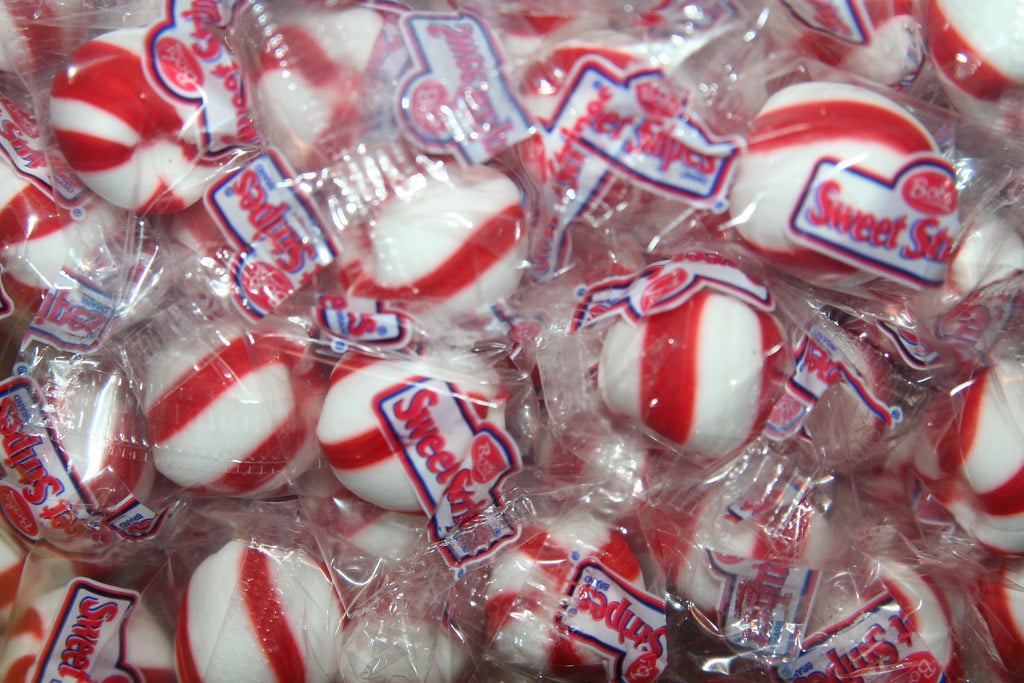
Back in 1954, Atomic Fireballs hit shelves with a vibe straight out of the atomic era. Not just the name but their fiery red color screamed intensity.
Heat from real cinnamon gave each piece its punch. Because it clicked so well, people kept coming back.
Over time, that simple idea turned into staying power nobody saw coming. Older wrappers and store signs often show a bold 1950s look.
Those big glass jars once filled with Atomic Fireball sweets now sit in homes as reminders of old times. Because atoms were thrilling after the war, these labels feel like snapshots from that era.
Their meaning comes not just from memory, but from what people believed back then.
Candy Necklaces and Bracelets
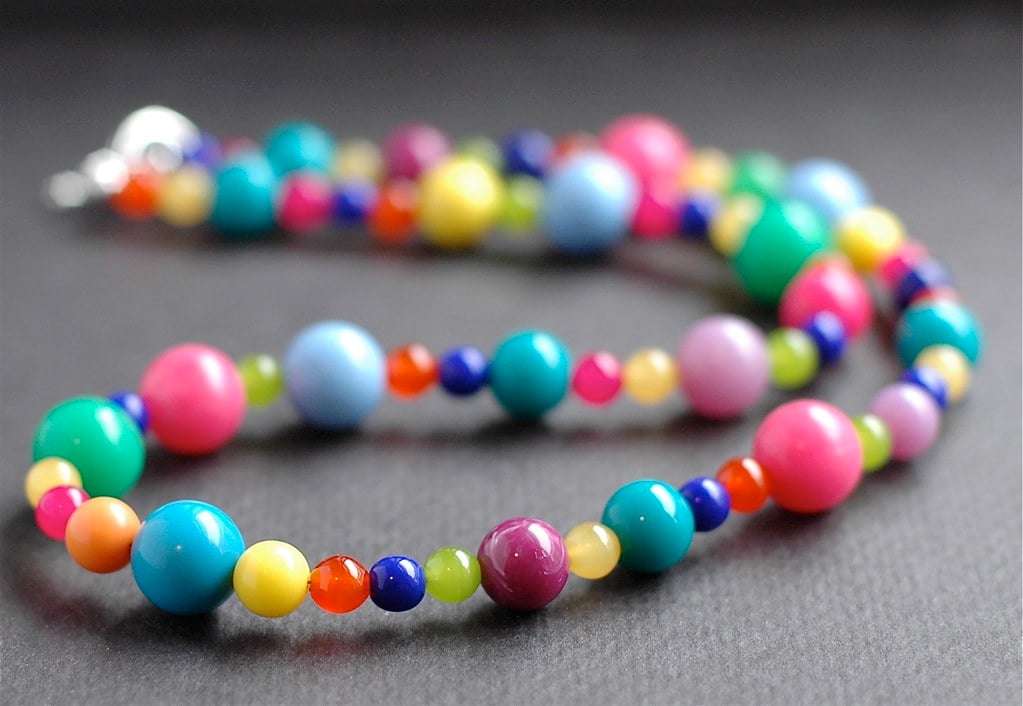
Long before now, sweets you could wear came in strings. Not just toys, these treats doubled as food.
Through the 70s and into the next decade, they showed up almost everywhere – near cash registers, inside big candy containers. Soft-colored sugary loops hung from wrists and around necks.
Stretchy threads held them together, ready to eat or display. Old-school packaging grabs attention, especially those sealed counter displays once stacked in stores.
Instead of today’s slick layouts, earlier designs show off sketchy lines done by hand. A full box turns up now and then, price tag still stuck on, which makes fans of candy history quietly thrilled.
Spotting one feels like uncovering something forgotten but never really gone.
The Candy Aisle Remembers Every Era
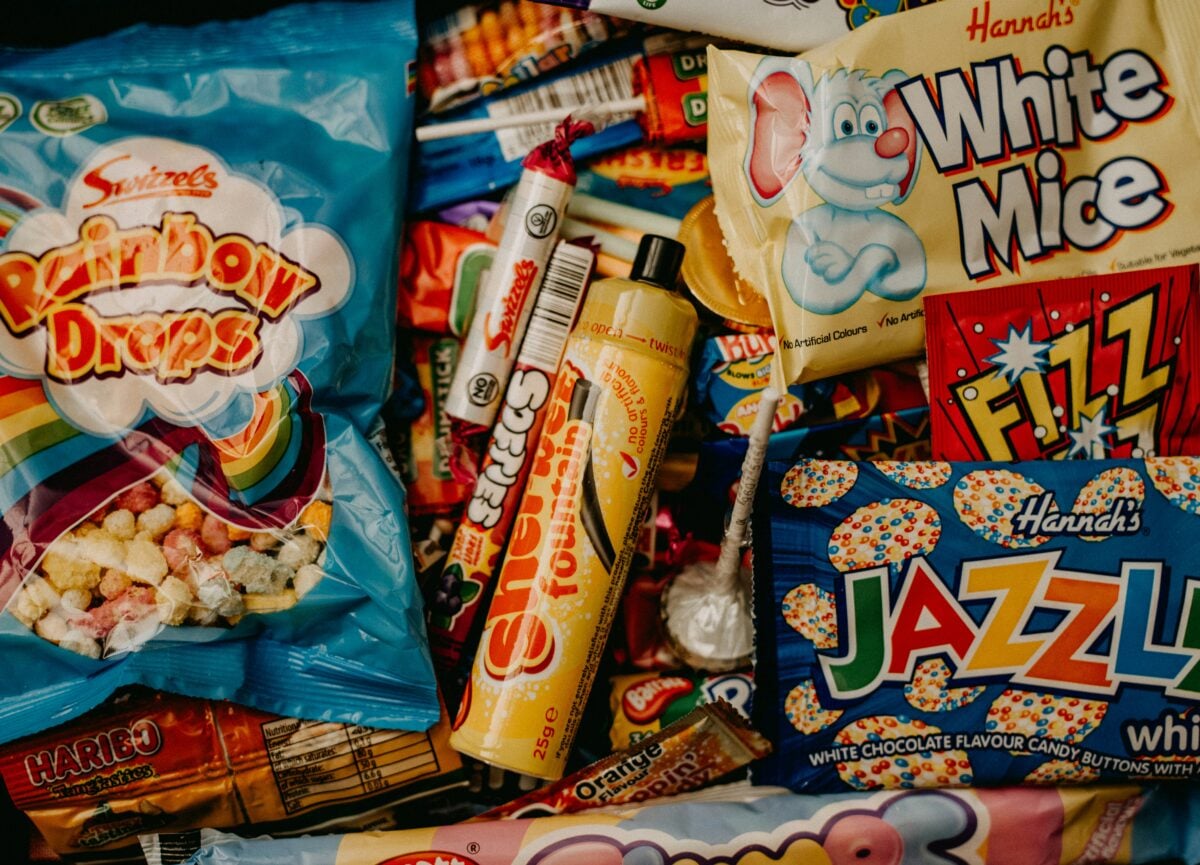
Old candy becomes valuable not because of sweetness. Specificity gives it weight. From 1968, a PEZ device whispers about TV shows back then.
The 1978 Pop Rocks wrapper holds gossip passed desk to desk, long before online rumors. A roll of Necco Wafers links to a factory standing strong through global conflicts.
Time lives inside wrappers. Some save these items much like faded photos – never for the ink or fold, but for what surfaces when remembered.
Containers, wrappings, glass cases: each one cradles a moment pulled from years gone by. Worth shows up here not in flavor, rather in how memory hums behind the plastic.
More from Go2Tutors!

- The Romanov Crown Jewels and Their Tragic Fate
- 13 Historical Mysteries That Science Still Can’t Solve
- Famous Hoaxes That Fooled the World for Years
- 15 Child Stars with Tragic Adult Lives
- 16 Famous Jewelry Pieces in History
Like Go2Tutors’s content? Follow us on MSN.