Most Dangerous Active Volcanoes in the World
There’s something unsettling about standing on solid ground that isn’t quite as solid as it appears. Beneath your feet, miles below the surface, molten rock churns with the patience of geological time and the unpredictability of a loaded spring.
Active volcanoes remind us that Earth is still very much under construction, and some of these construction sites pose serious threats to millions of people living in their shadows.
Mount Vesuvius
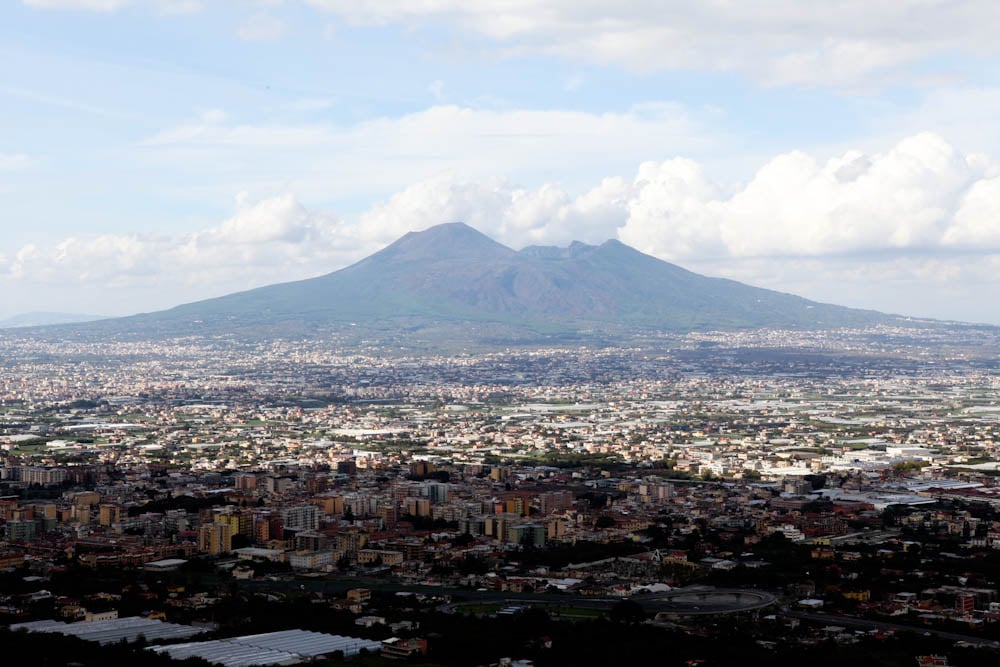
Vesuvius doesn’t mess around. It buried two entire cities in 79 AD and hasn’t apologized since. Three million people now live within its blast radius, making it the most densely populated volcanic region on Earth.
The mountain sits quietly most of the time, which only makes it more dangerous. People build lives around dormant giants.
Mount Fuji
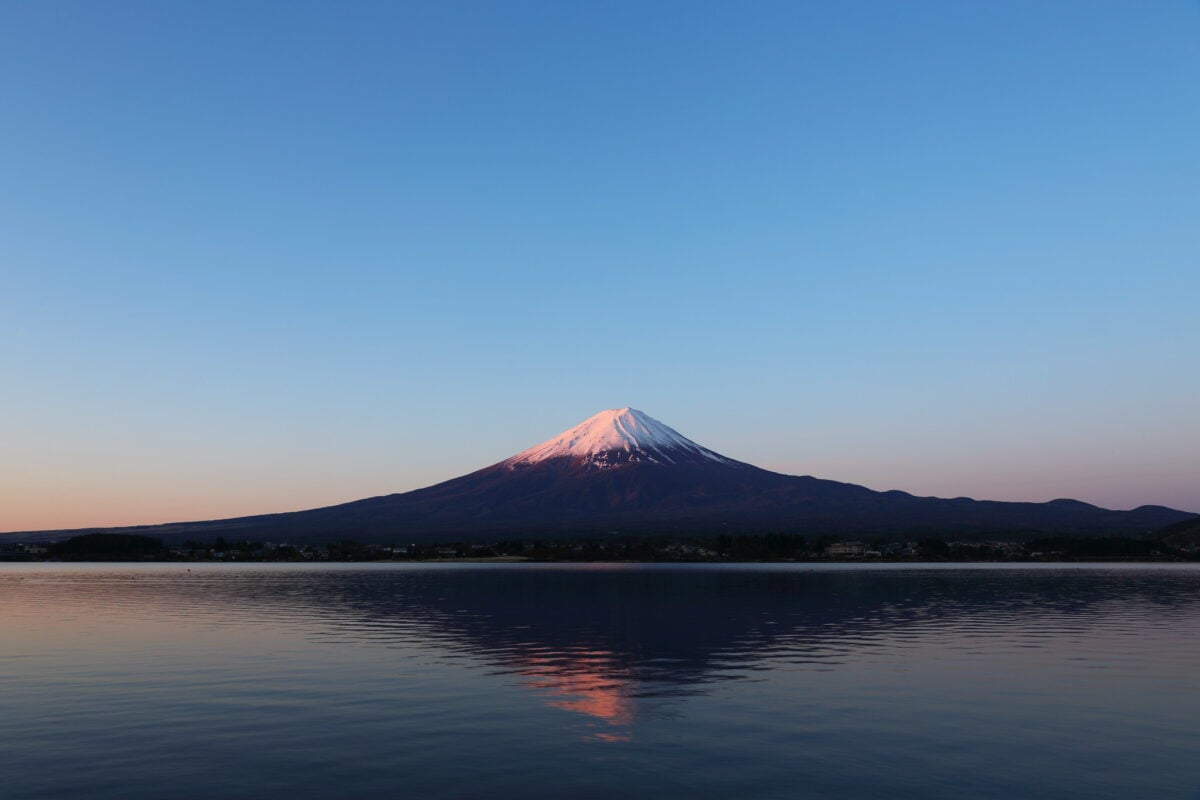
Here’s the thing about Japan’s most famous mountain (and the one that shows up on every postcard): it’s overdue for an eruption by about 300 years, and when it does blow, it won’t just be a local problem. Fuji sits uncomfortably close to Tokyo, which means an eruption could disrupt one of the world’s largest metropolitan areas — we’re talking about 37 million people who would suddenly find themselves dealing with ashfall, evacuations, and the kind of chaos that happens when a megacity has to shut down without warning.
And yet Tokyo keeps growing, keeps building, keeps pretending that the perfectly symmetrical cone on the horizon is just scenery. But volcanoes don’t stay quiet forever, and Fuji has been remarkably patient (some would say ominously so) since its last major eruption in 1707, which covered the capital in several inches of ash and reminded everyone that living next to a volcano means living with a certain amount of geological Russian roulette.
Yellowstone Caldera
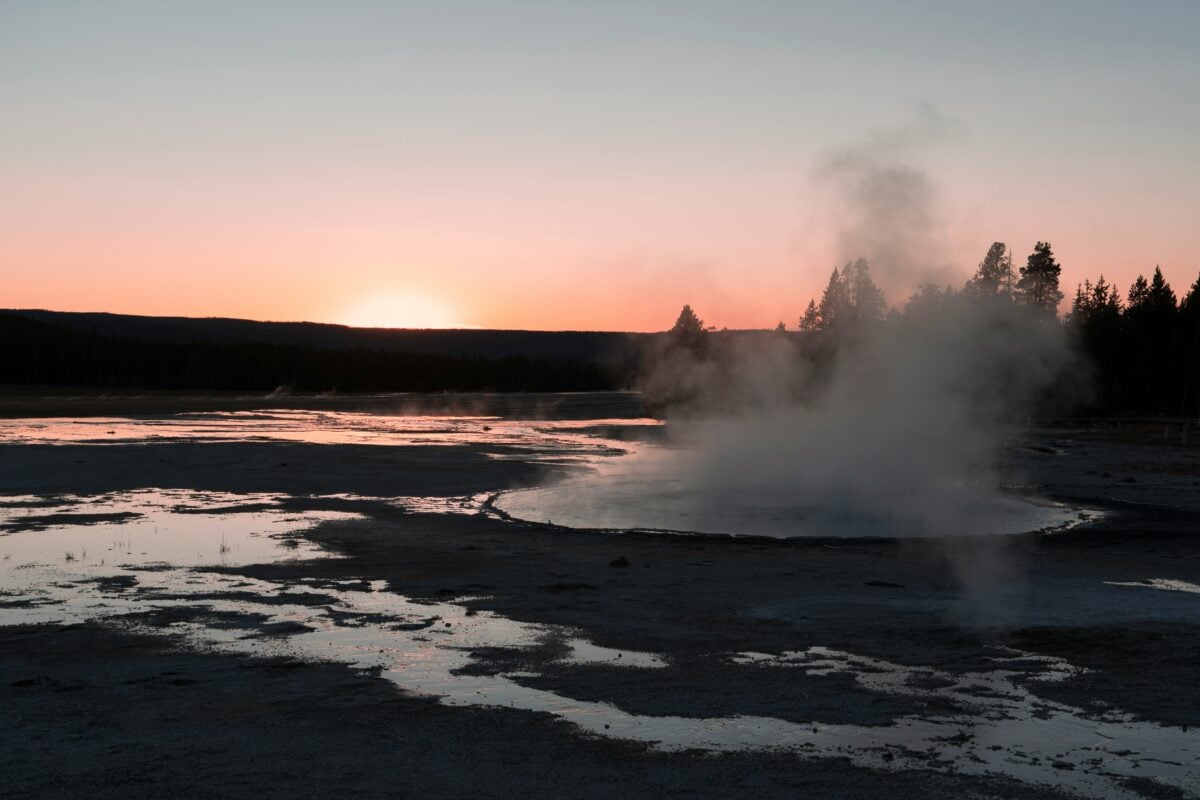
A supervolcano is like a regular volcano’s older, angrier sibling who’s been lifting weights in the basement for 70,000 years. Yellowstone falls into this category.
The entire park sits on top of a magma chamber roughly the size of Rhode Island. When supervolcanoes erupt, they don’t just affect the local area.
They affect continents. The last time Yellowstone went off, it covered half of North America in ash.
The next time won’t be any more considerate.
Popocatépetl
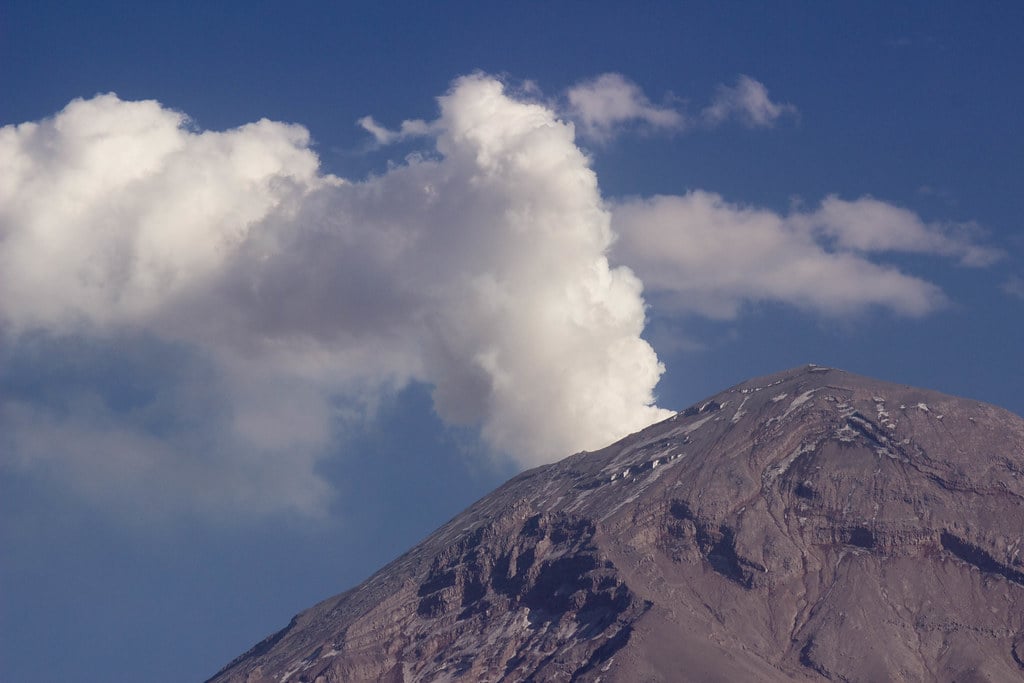
Twenty-five million people live close enough to “Popo” to have their lives completely upended when it decides to act up, which it does with frustrating regularity — this mountain doesn’t believe in long dormant periods, preferring instead to remind everyone of its presence through a steady diet of ash emissions, steam venting, and the occasional dramatic explosion that sends volcanic material several miles into the atmosphere. Mexico City sits just 40 miles away, close enough that residents have grown accustomed to checking volcanic activity reports the way other people check weather forecasts.
So the mountain keeps growling, the city keeps growing, and everyone involved keeps pretending this arrangement makes perfect sense. But Popo earned its reputation as one of Mexico’s most dangerous volcanoes through centuries of reliable volatility, and there’s no indication it plans to retire anytime soon.
Mount Merapi
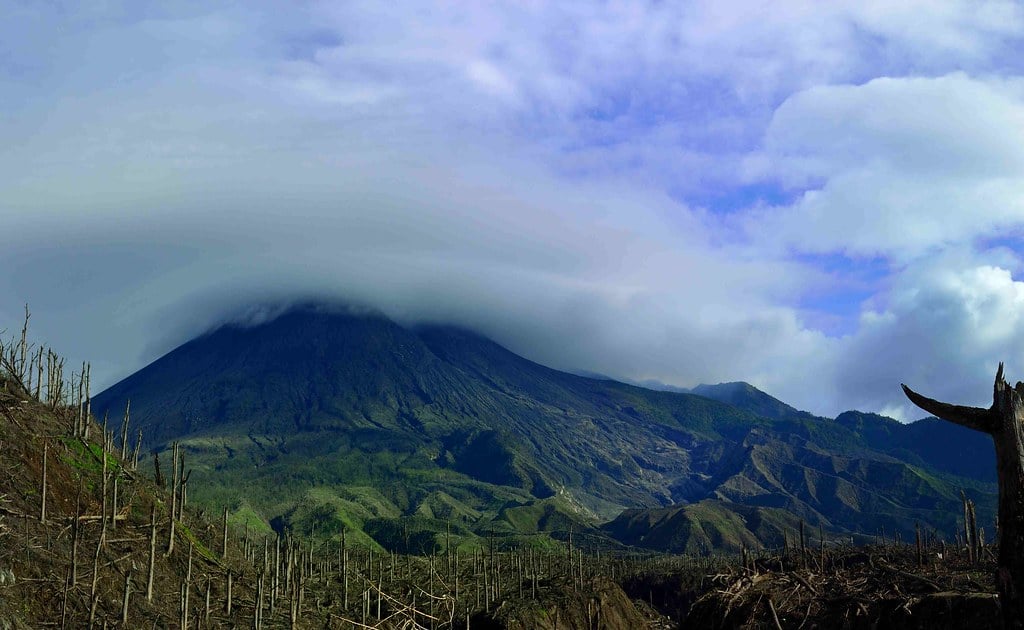
Some volcanoes announce themselves with postcards and tourism brochures. Merapi announces itself with pyroclastic flows that move faster than cars and hot enough to incinerate anything in their path.
This Indonesian volcano has the courtesy to erupt every few years, just to keep everyone honest. The mountain sits between two major population centers, and the people living on its slopes have developed an almost fatalistic relationship with their dangerous neighbor.
They farm the fertile volcanic soil because it grows excellent crops. They rebuild their villages after each eruption because where else would they go.
Galeras
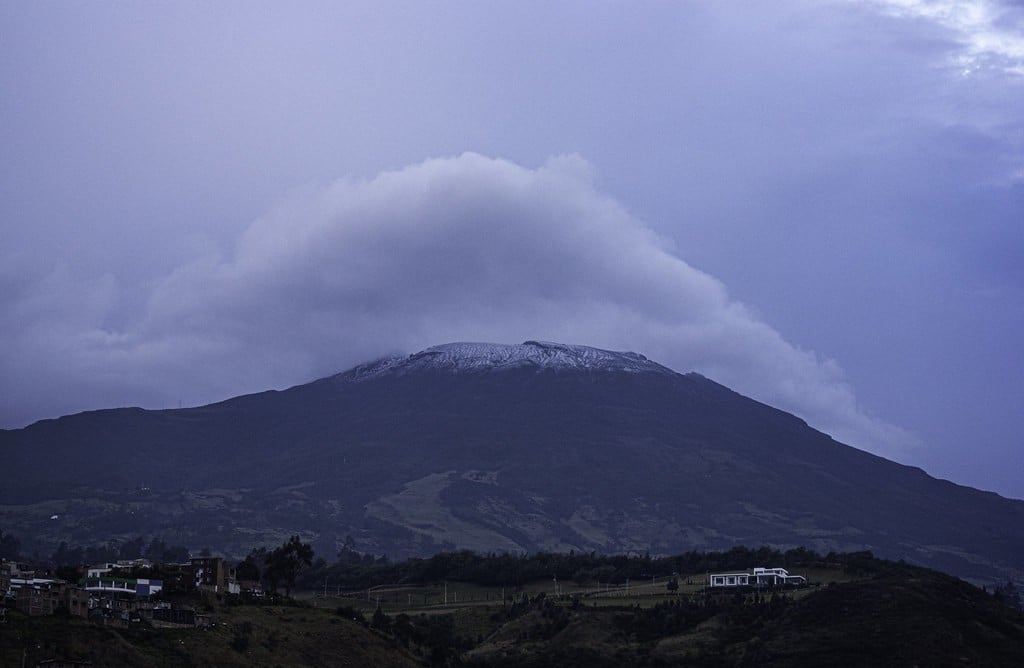
Colombia’s Galeras has been erupting intermittently for over a million years, which suggests a certain commitment to the craft. The volcano overlooks the city of Pasto, home to nearly half a million people who have grown accustomed to living with an active threat.
What makes Galeras particularly unpredictable is its tendency toward sudden, explosive eruptions without much warning. Volcanologists studying the mountain have learned to keep their visits brief and their escape routes mapped.
Mount Rainier
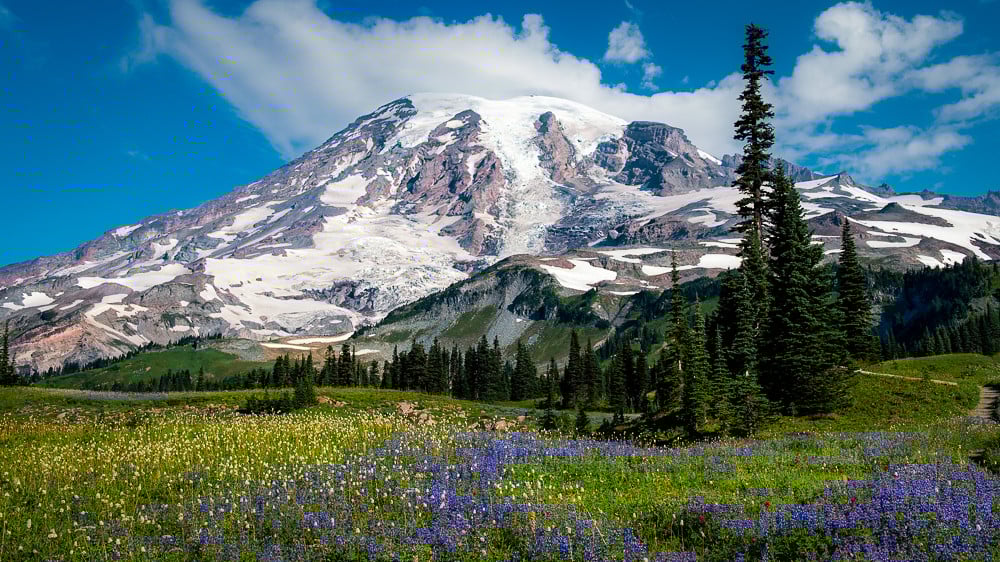
Here’s something that should keep Seattle residents awake at night: Mount Rainier is essentially a 14,000-foot-tall dam holding back an enormous amount of ice and loose volcanic material, and that dam has a track record of catastrophic failure every 500 to 1,000 years. When this mountain decides to erupt, it won’t just spew lava and ash — it’ll trigger massive lahars, which are essentially concrete-fast rivers of volcanic debris mixed with melted glacial ice that can travel for dozens of miles and bury entire valleys under 100 feet of mud and rock.
The Puget Sound region has built itself directly in the path of these prehistoric mudflows, and while Mount Rainier has been politely quiet for the past 1,000 years, it sits on top of an active magma chamber that’s simply biding its time. So Seattle gets to enjoy its mountain views while knowing that the same peak that makes the skyline so photogenic could someday send a wall of volcanic concrete racing toward Tacoma at 40 miles per hour.
Sakurajima
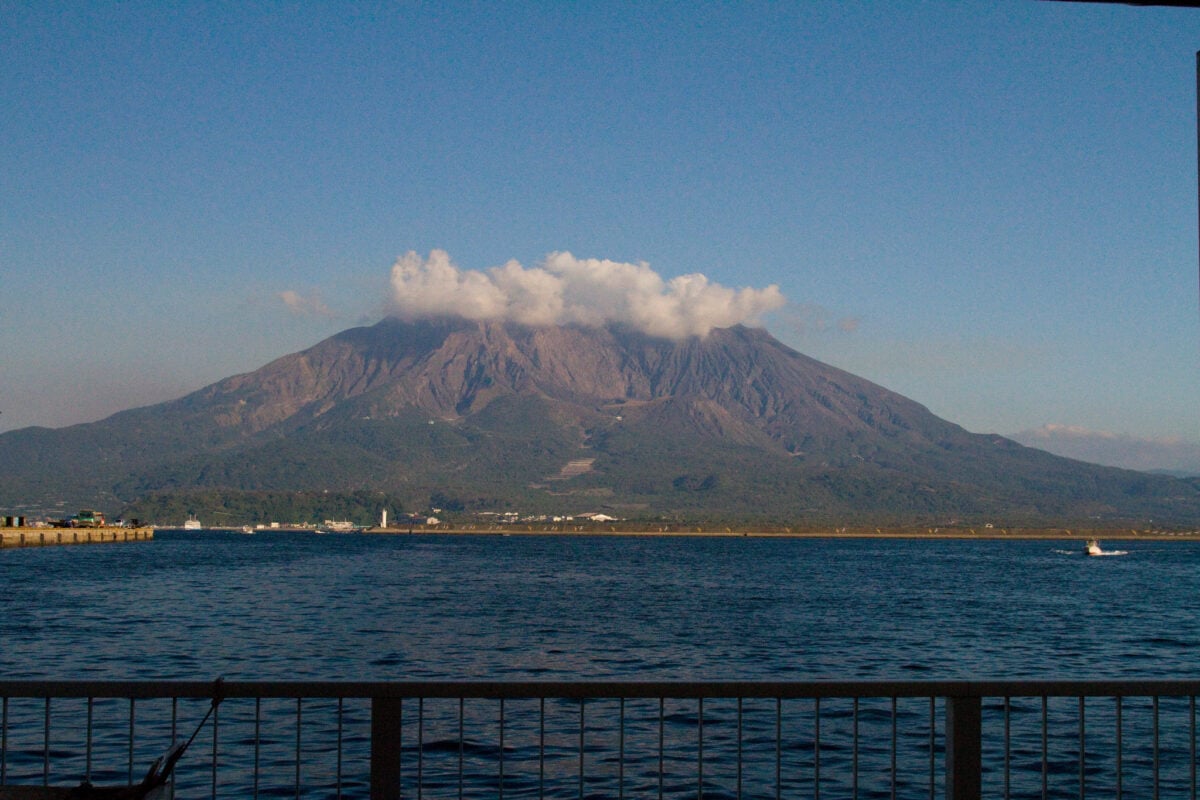
Sakurajima proves that you can get used to almost anything, including living next to a volcano that erupts roughly once a day. The residents of Kagoshima, Japan, have developed an impressively casual relationship with their explosive neighbor, carrying umbrellas not just for rain but for the regular ash showers.
This volcano doesn’t believe in subtlety. It throws volcanic bombs the size of cars and sends ash plumes miles into the sky with the regularity of a municipal service.
The fact that people have learned to live with this routine doesn’t make it any less dangerous.
Mount Unzen
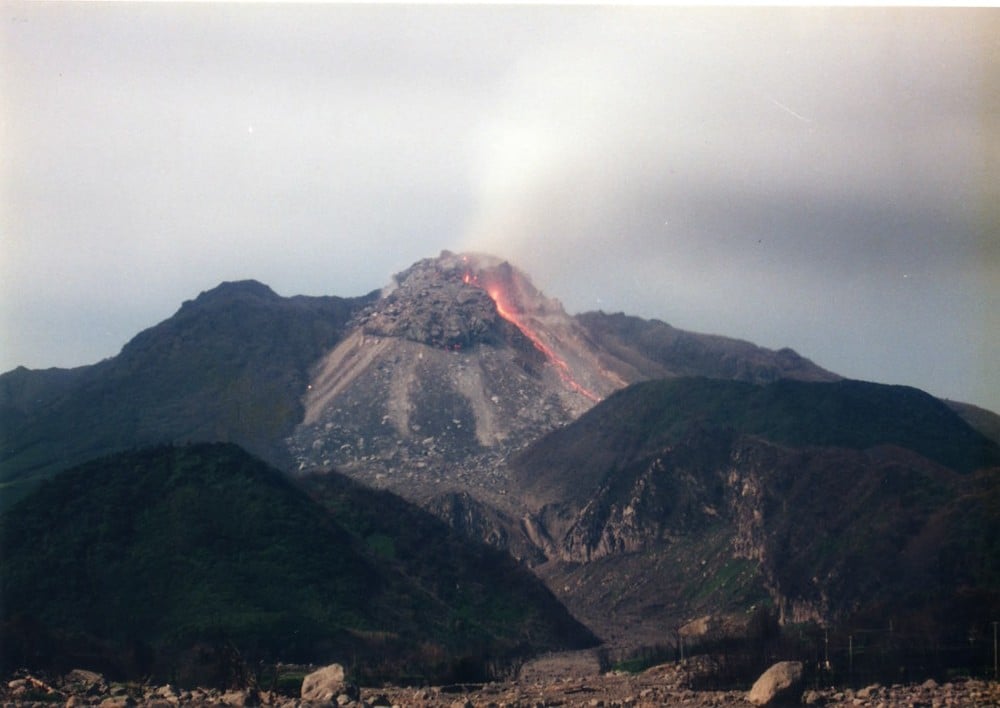
Mount Unzen earned its reputation as one of Japan’s most dangerous volcanoes through a combination of explosive eruptions and pyroclastic flows that move with the speed and temperature of liquid death. The 1991 eruption killed 43 people, including volcanologists who thought they were observing from a safe distance.
The mountain sits on the island of Kyushu, close enough to several cities that an eruption becomes everyone’s problem very quickly. Unzen doesn’t erupt often, but when it does, it makes up for lost time.
Cotopaxi
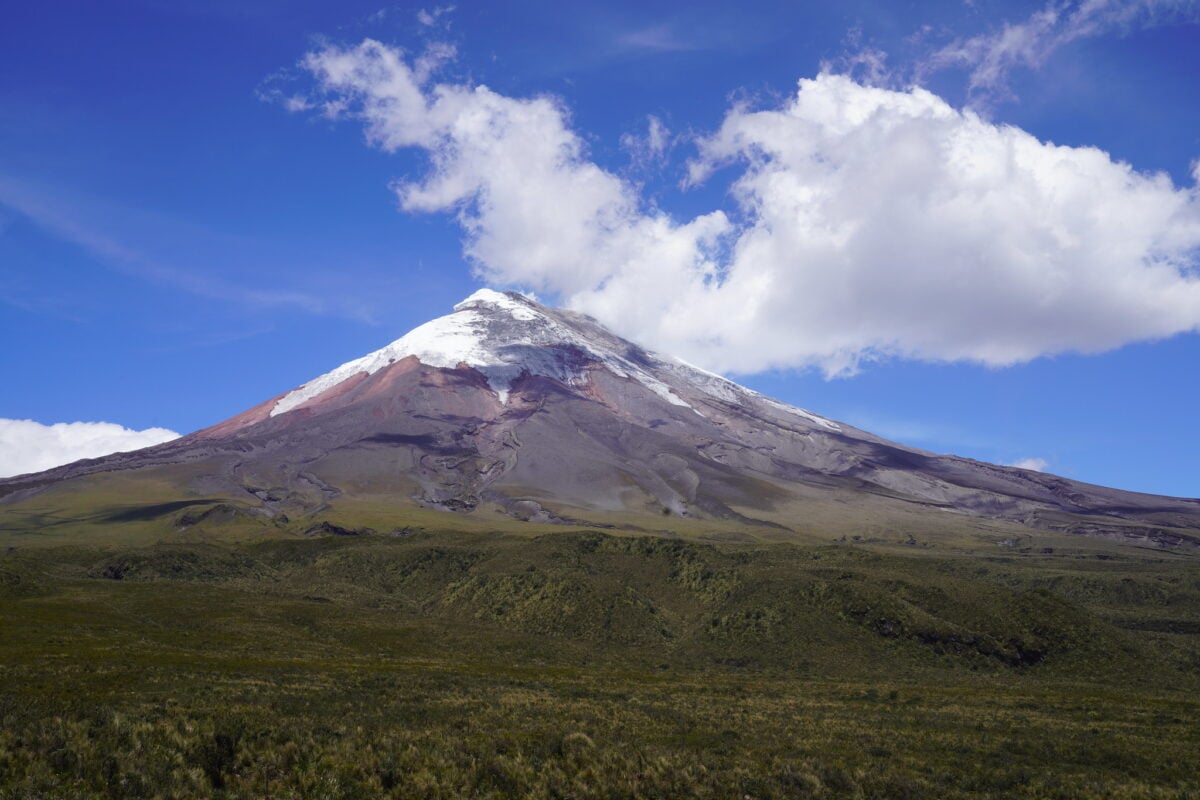
Ecuador’s Cotopaxi stands nearly 19,000 feet tall and wears a glacier like a white hat, which creates a particularly dangerous combination when the mountain decides to erupt. The ice melts, mixes with volcanic debris, and creates lahars that can travel for miles at highway speeds.
The capital city of Quito sits close enough to be seriously affected by a major eruption. Hundreds of thousands of people live in the potential path of these volcanic mudflows, making Cotopaxi one of the most dangerous volcanoes in South America.
Mauna Loa
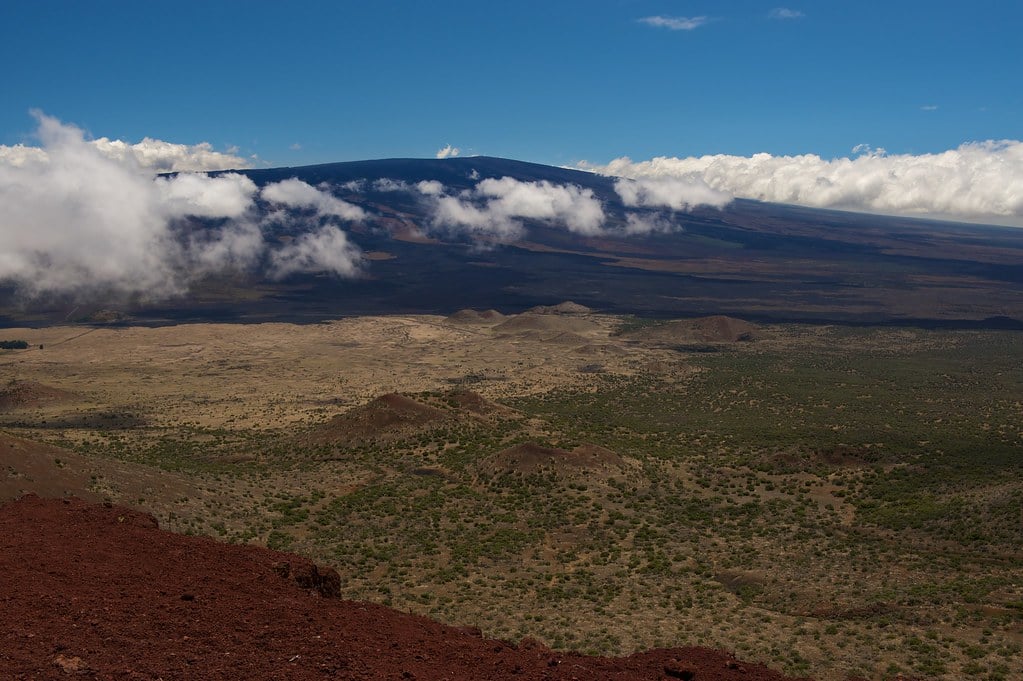
Hawaii’s Mauna Loa is the world’s largest active volcano, and while Hawaiian eruptions tend to be less explosive than their continental cousins, size matters. This mountain contains enough lava to bury the entire state of Rhode Island under 100 feet of molten rock.
The volcano erupted most recently in 2022, after 38 years of quiet. Before that, it hadn’t erupted since 1984.
This gap might have seemed reassuring until the mountain reminded everyone that quiet doesn’t mean dormant. Mauna Loa is simply taking breaks, not retiring
Taal Volcano
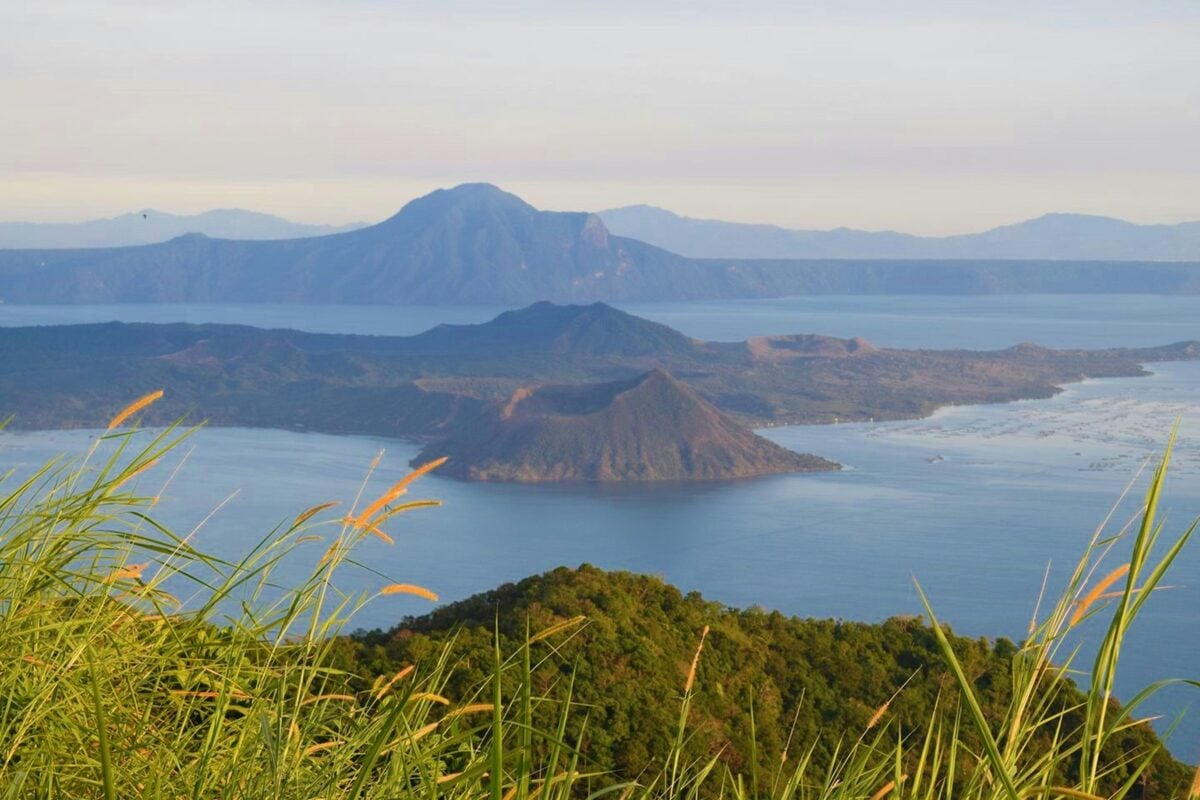
The Philippines’ Taal Volcano sits in the middle of a lake, on an island, inside another volcanic crater — which sounds like something a particularly creative disaster movie would invent, except it’s real. This geological nesting doll has erupted dozens of times in recorded history and shows no signs of slowing down.
What makes Taal especially dangerous is its location in one of the most densely populated regions of the Philippines. Millions of people live close enough to be affected by an eruption, and the volcano’s tendency toward sudden, violent explosions makes evacuation planning particularly challenging.
Mayon Volcano
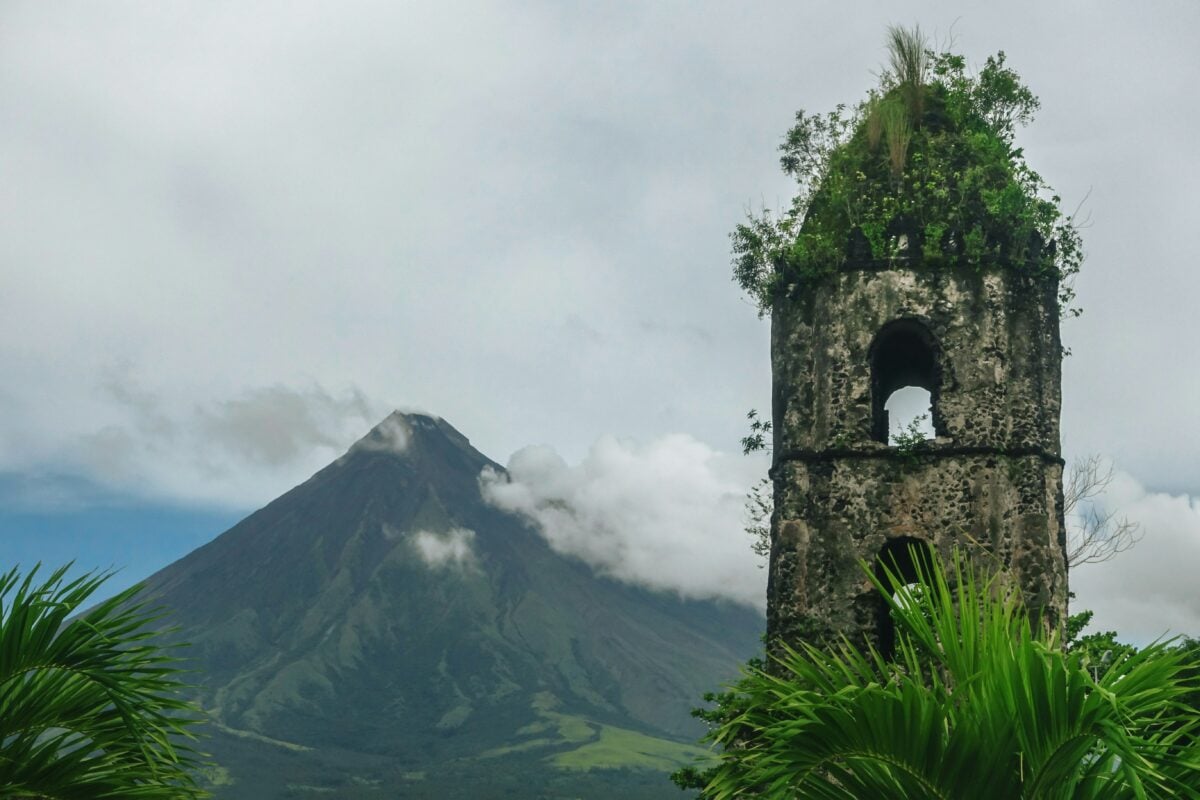
Mayon Volcano in the Philippines has the distinction of being both perfectly symmetrical and perfectly deadly. This mountain erupts with enough regularity that the surrounding communities have developed detailed evacuation procedures, which they get to practice more often than anyone would prefer.
The volcano produces pyroclastic flows, lava flows, and ash emissions with impressive consistency. Over 50,000 people live within the permanent danger zone, farming the fertile volcanic soil despite the obvious risks.
Where the Ground Stays Restless
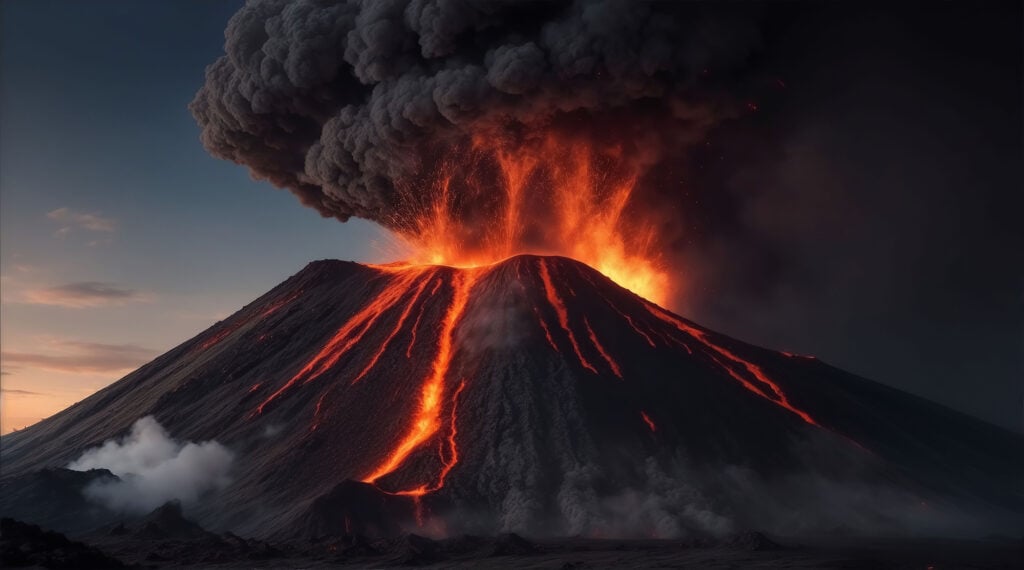
These mountains don’t operate on human timescales. They measure patience in decades and centuries, building pressure while entire generations learn to live in their shadows.
The people who call these places home aren’t naive about the risks — they’re making calculated bets that the benefits of volcanic soil, tourism, and established communities outweigh the dangers of geological roulette. But the house always wins eventually, and when it does, it collects with interest compounded over centuries of apparent calm.
More from Go2Tutors!

- The Romanov Crown Jewels and Their Tragic Fate
- 13 Historical Mysteries That Science Still Can’t Solve
- Famous Hoaxes That Fooled the World for Years
- 15 Child Stars with Tragic Adult Lives
- 16 Famous Jewelry Pieces in History
Like Go2Tutors’s content? Follow us on MSN.