Most Disturbing Fashion Trends of the Middle Ages
Fashion has always pushed boundaries, but medieval Europe took this to some truly unsettling extremes. Between the fall of Rome and the dawn of the Renaissance, people adorned themselves in ways that would horrify modern sensibilities.
These weren’t just questionable style choices — they were trends that revealed the darker aspects of medieval society, from its obsession with death to its casual cruelty toward animals and the human body itself.
Pointed Shoes That Crippled Feet
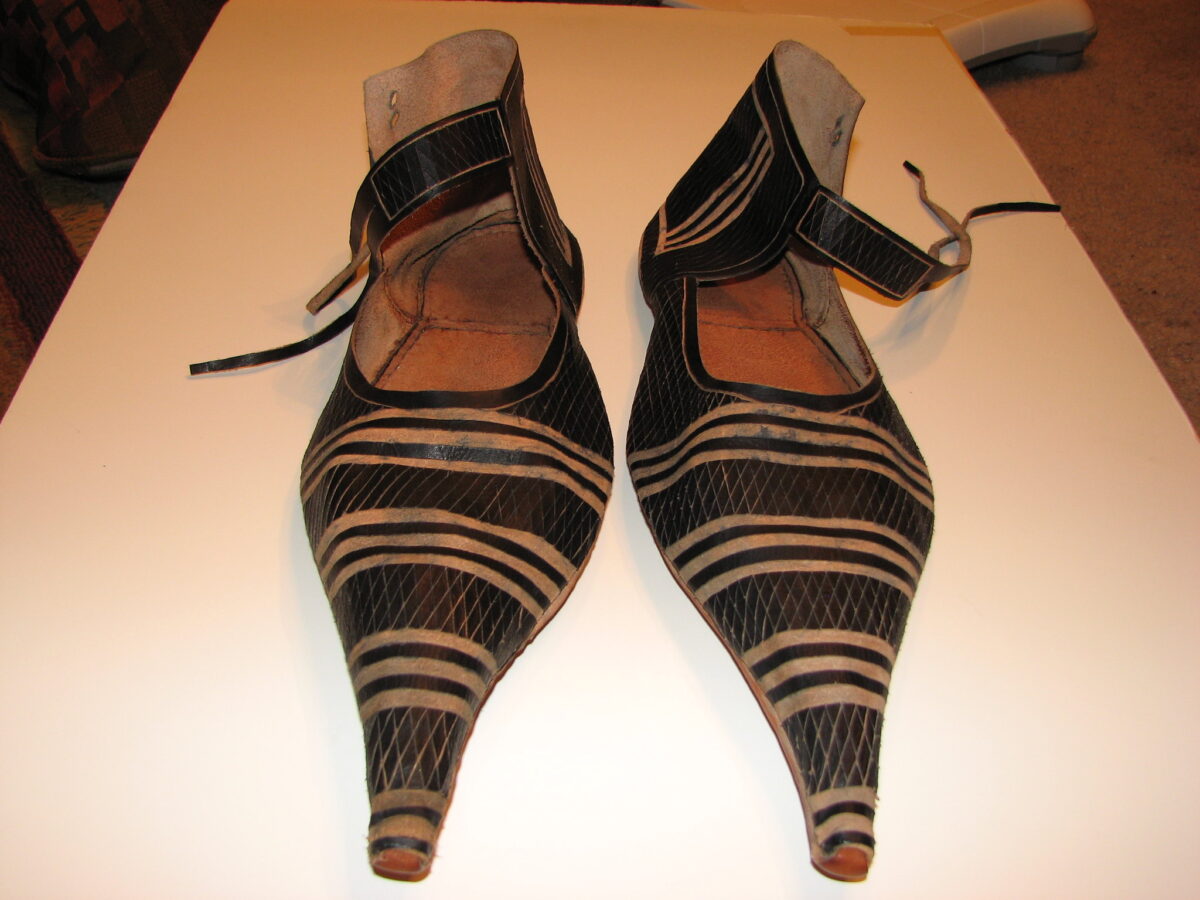
Poulaines were torture devices disguised as footwear. The pointed tips extended so far beyond the toes that walking became nearly impossible.
Wealthy nobles competed to see who could wear the most impractical version. Some points stretched two feet beyond the actual foot.
The church repeatedly condemned them. Didn’t matter — people kept wearing shoes that made them hobble like broken birds.
Teeth Blackening and Filing

Teeth blackening was practiced in parts of medieval Asia, particularly in Japan and Southeast Asia, but was not a standard medieval European fashion. In Europe, dental modification was not a fashionable trend.
However, medieval Europeans did engage in other troubling dental practices—using harsh abrasive cleaning methods that damaged tooth enamel, and mercury-based treatments for tooth problems that poisoned users. The pursuit of dental aesthetics in this era often caused more harm than improvement.
These modifications weren’t just painful; they were dangerous, often leading to infections that could prove fatal in an age before antibiotics.
Codpieces as Status Symbols
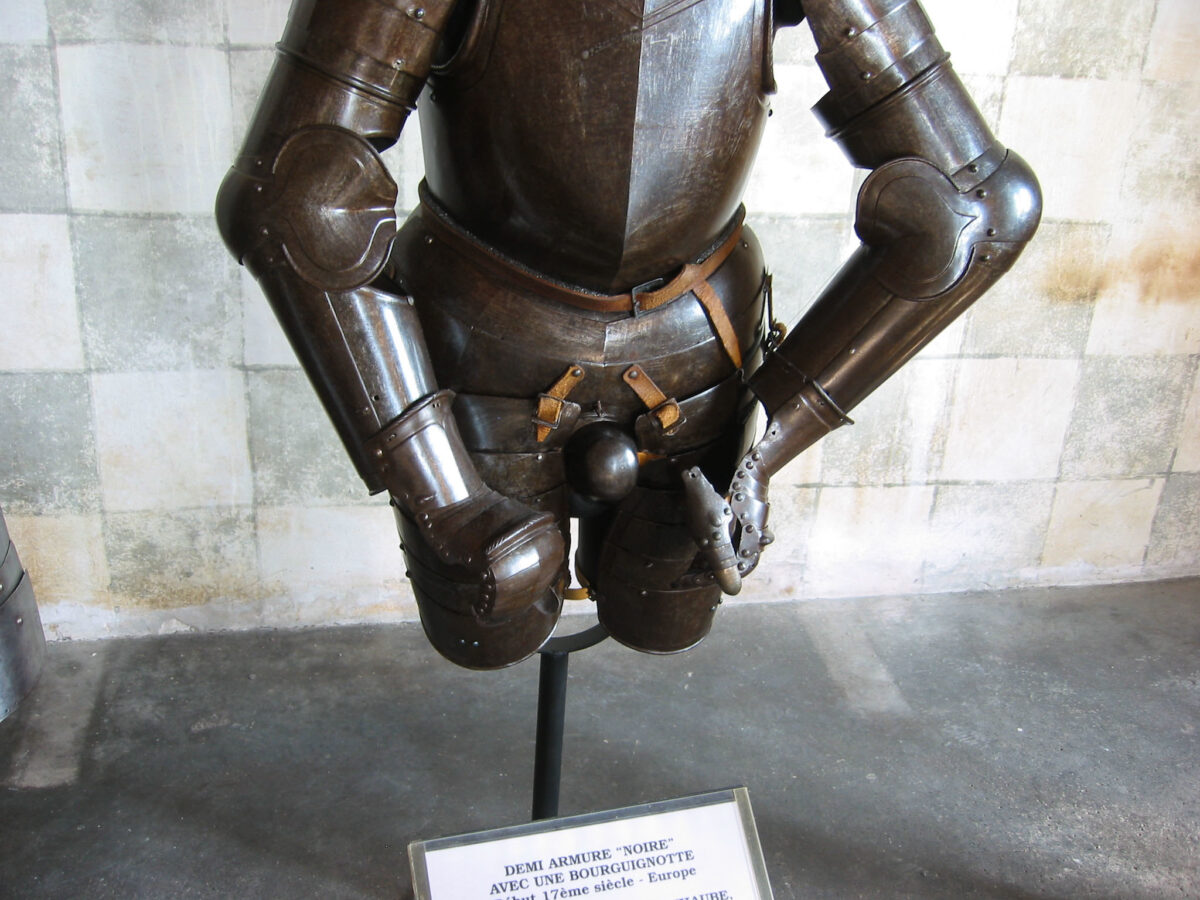
There’s something deeply unsettling about turning intimate anatomy into a billboard for wealth and power. Medieval codpieces weren’t subtle suggestions — they were architectural statements, padded and shaped into grotesque exaggerations that served no practical purpose beyond announcing their wearer’s supposed virility to anyone within viewing distance.
The larger and more ornate the codpiece, the higher the social status it claimed to represent. Men would stuff them with sawdust, cloth, even small valuable objects to create shapes that bore no resemblance to human anatomy.
It was peacocking taken to its most literal and uncomfortable extreme.
Bloodletting as Beauty Treatment

Deliberately draining your own fluids to achieve the fashionable pale complexion was standard practice. Women would have leeches applied to their faces and necks.
The weaker and more anemic you appeared, the more desirable you were considered. This wasn’t just vanity — it was systematic self-harm elevated to social expectation.
The fashion literally required weakening yourself to meet beauty standards.
Fur Trim from Endangered Animals
Medieval nobility draped themselves in the pelts of creatures they hunted to near extinction, but the disturbing part wasn’t just the excess — it was the deliberate choice of the rarest, most difficult-to-obtain furs specifically because of their scarcity (ermine required killing dozens of small animals for a single garment trim, while certain types of sable could only be harvested during brief seasonal windows, making each piece a testament to waste as much as wealth). And then there were the more exotic choices: some nobles insisted on furs from animals that had to be hunted in distant lands, creatures whose populations couldn’t sustain the demand. But scarcity was the point.
The rarer the animal, the more fashionable its fur. Entire species were pushed toward extinction to satisfy clothing trends that lasted maybe a season or two before moving on to the next rare creature.
Enormous Headdresses That Broke Necks
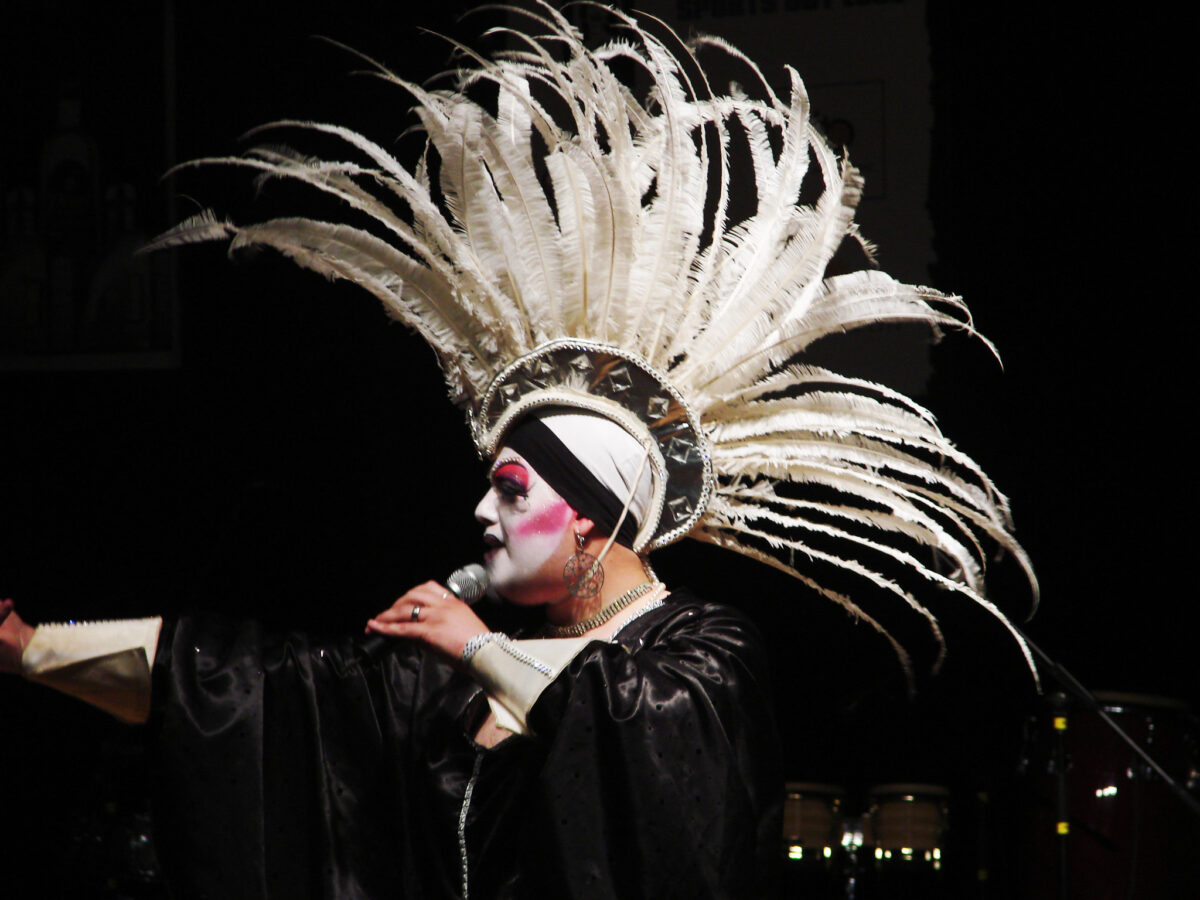
Picture trying to navigate daily life while balancing a structure the size of a small building on your head. Medieval headdresses reached such absurd proportions that doorways had to be modified to accommodate them, and women developed chronic neck problems from the constant strain.
The most elaborate versions required servants to help position them each morning and could weigh upwards of twenty pounds. Some were so tall that carriages needed special modifications just to transport their wearers from place to place.
Lead-Based Face Paint
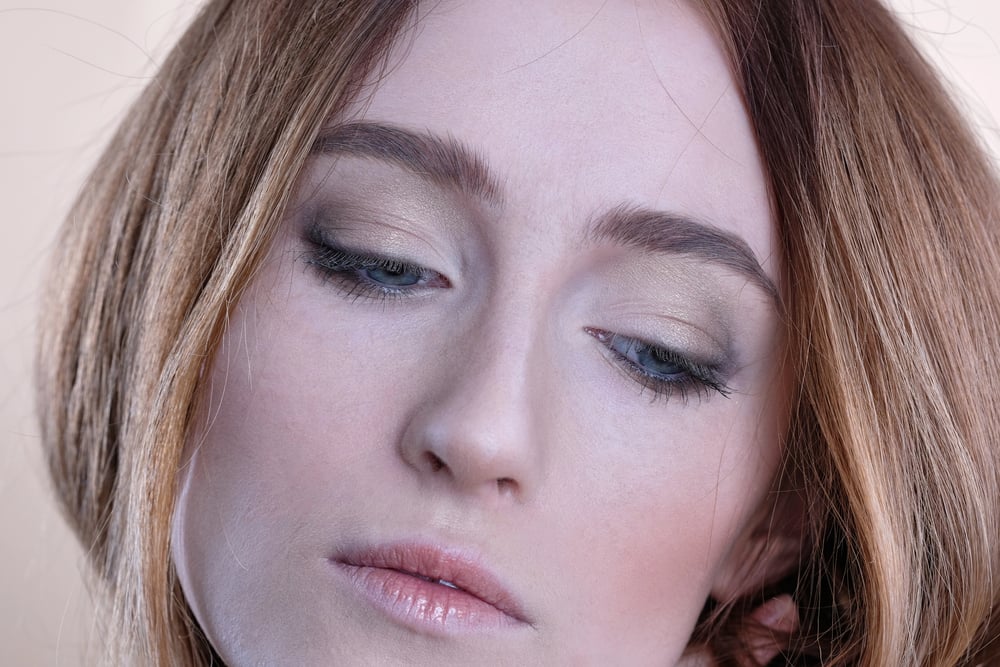
The pursuit of pale skin led medieval women to coat their faces in substances that were slowly poisoning them. Lead-based cosmetics promised the coveted white complexion but delivered neurological damage, kidney failure, and death instead.
The irony cuts deep — the very makeup meant to enhance beauty was systematically destroying the person wearing it from the inside out.
Tightlacing to the Point of Organ Damage
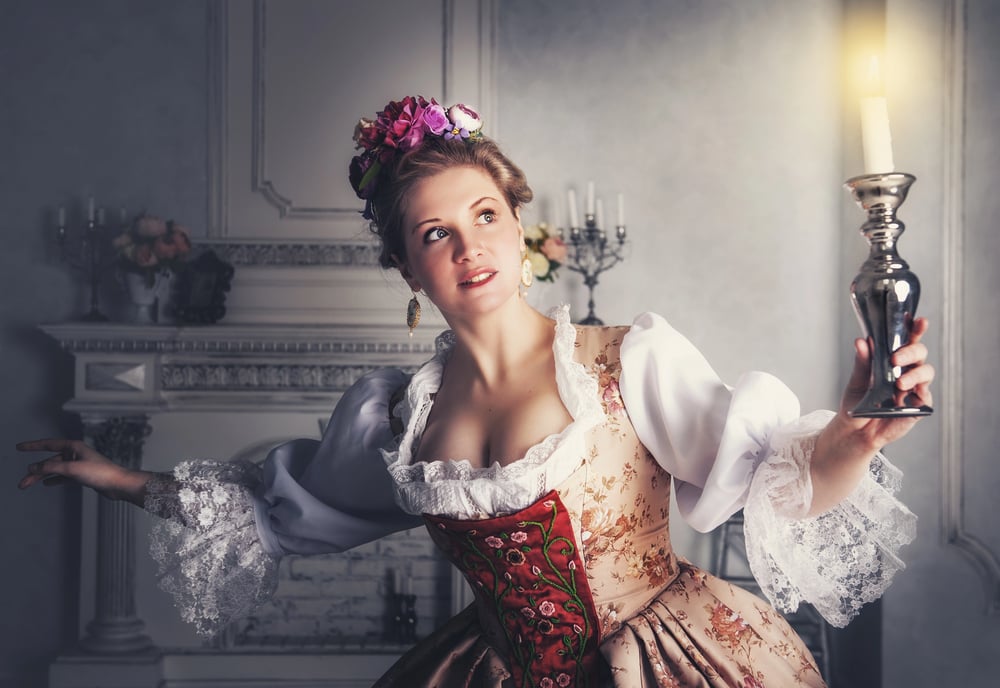
Medieval corsets and fitted garments did restrict movement and breathing, but the extreme organ displacement and rib fracturing described here primarily occurred during the Victorian era, when tight-lacing reached its most extreme forms. Medieval women’s clothing was restrictive by modern standards, but the physiological damage from Victorian-era corsetry far exceeded what medieval garments typically caused.
The goal was achieving a waist measurement that defied basic biology. Many women couldn’t bend at the waist or sit down without assistance.
Some passed out regularly from restricted circulation and compressed lungs.
Shaved Foreheads and Eyebrows

The fashionable forehead was supposed to stretch from eyebrow to hairline in an unbroken expanse of pale skin, so women plucked every hair from their brows and shaved their hairlines back by several inches (the process involved daily maintenance with tweezers and razors, and the results often looked more like a medical condition than a beauty enhancement). And because natural hair growth doesn’t respect fashion trends, this required constant, painful upkeep.
Daily plucking. Weekly shaving.
The result was faces that looked perpetually startled or alien, with expressions frozen in permanent surprise due to the absence of eyebrows.
Bells Sewn Into Clothing

Every movement announced itself with a chorus of metallic jingling. Medieval fashion demanded that wealthy people sound like walking wind chimes, with bells attached to sleeves, hems, shoes, and hats.
The noise was intentional — it prevented any possibility of moving quietly or discretely. Privacy became impossible when your clothing betrayed your location with every step, every gesture, every breath.
Padded Shoulders to Grotesque Proportions
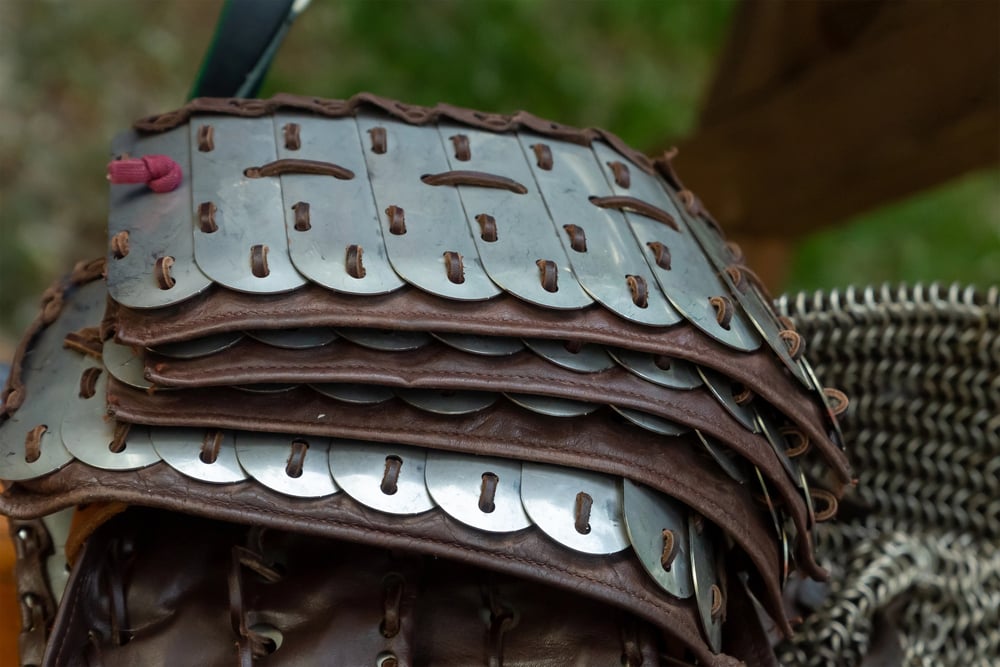
Men’s fashion went through a phase where broader was better, regardless of how unnatural the proportions became (we’re talking about padding that extended shoulders to twice their natural width, creating silhouettes that looked more architectural than human, and requiring doorways to be navigated sideways). The padding was often stuffed with horsehair, straw, or wool, creating rigid structures that made normal arm movement nearly impossible.
So men walked around looking like they were wearing small buildings on their shoulders. The most extreme versions prevented wearers from raising their arms above their heads or reaching across their own bodies.
Simple tasks like eating became awkward performances.
The Vanity That Consumed Everything
Fashion has always reflected the values of its time, but medieval trends revealed something particularly dark about that era’s relationship with beauty, status, and human worth. These weren’t harmless eccentricities — they were systematic practices that prioritized appearance over health, wealth over humanity, and temporary trends over permanent well-being.
The most disturbing aspect wasn’t any single trend, but the willingness to sacrifice anything — comfort, health, dignity, even life itself — for the sake of fitting in with what society deemed fashionable.
More from Go2Tutors!

- The Romanov Crown Jewels and Their Tragic Fate
- 13 Historical Mysteries That Science Still Can’t Solve
- Famous Hoaxes That Fooled the World for Years
- 15 Child Stars with Tragic Adult Lives
- 16 Famous Jewelry Pieces in History
Like Go2Tutors’s content? Follow us on MSN.