Most Expensive Liquids On the Planet
You probably think gasoline is expensive when prices spike at the pump. But crude oil costs pennies per gallon compared to some liquids that people buy every day without realizing they’re handling substances worth more than gold.
These liquids command astronomical prices because they’re rare, difficult to produce, or possess properties that make them irreplaceable for specific purposes. Understanding what makes them valuable reveals how much people will pay when no alternative exists.
Scorpion Venom: The Deadly Fortune

Scorpion venom sells for around 39 million dollars per gallon, making it the most expensive liquid by volume on Earth. The price reflects how difficult extraction is—you need to milk thousands of scorpions to collect even small amounts.
Each scorpion produces only tiny drops, and the process requires careful handling to avoid getting stung. Researchers use scorpion venom to develop treatments for diseases including cancer, multiple sclerosis, and rheumatoid arthritis.
The venom contains proteins that can target specific cells in the human body, making it valuable for pharmaceutical research. Some components show potential for treating brain tumors by targeting cancerous cells while leaving healthy tissue alone.
The extraction process involves electrically stimulating scorpions to make them release venom, then collecting the drops with specialized equipment. Most scorpion farms produce barely enough venom to supply research labs, keeping prices extraordinarily high.
King Cobra Venom: The Pharmaceutical Treasure

King cobra venom costs approximately 153,000 dollars per gallon. Like scorpion venom, the price reflects scarcity and danger involved in collection.
King cobras are aggressive, deadly, and produce relatively small amounts of venom per extraction. Handlers risk their lives every time they milk these snakes. Medical researchers value cobra venom for developing painkillers.
Some compounds in the venom are more effective than morphine at relieving pain without causing addiction. This makes cobra venom critical for research into alternative pain management treatments.
The venom also contains enzymes that researchers study for potential treatments for heart disease, stroke, and blood clotting disorders. Each component might lead to new medications, justifying the extreme cost.
Lysergic Acid Diethylamide: Chemistry’s Price Tag

LSD costs around 123,000 dollars per gallon in pure form, though it’s typically measured in micrograms because such tiny amounts produce effects. The high price reflects both the complexity of synthesis and legal restrictions that limit legitimate production for research purposes.
Pharmaceutical companies and research institutions pay premium prices for pure LSD to study its effects on consciousness, mental health, and neurological conditions. Recent research suggests LSD and similar compounds might help treat depression, PTSD, and anxiety when other medications fail.
The synthesis requires sophisticated chemistry knowledge, expensive precursor chemicals, and laboratory equipment that most facilities don’t possess. Legal production happens only in specialized facilities with government authorization, keeping supply extremely limited.
Horseshoe Crab Blood: The Blue Medicine

Horseshoe crab blood sells for approximately 60,000 dollars per gallon. The blood’s blue color comes from copper-based molecules instead of the iron-based hemoglobin in human blood.
What makes it valuable is a substance called Limulus Amebocyte Lysate that detects bacterial contamination in medical equipment and drugs. Every injectable drug and medical device must be tested with horseshoe crab blood before being approved for human use.
No synthetic alternative has matched its reliability at detecting even trace amounts of dangerous bacteria. This makes horseshoe crab blood essential for medical safety worldwide. The collection involves catching horseshoe crabs, extracting about 30 percent of their blood, then returning them to the ocean.
Many survive and can be bled again, though the practice remains controversial among conservationists who worry about population impacts.
Chanel No. 5: The Scent of Wealth

Chanel No. 5 perfume costs around 26,000 dollars per gallon. The price reflects expensive ingredients including jasmine from Grasse, France, and rare flower essences that require thousands of blooms to produce small amounts of oil.
The formula hasn’t changed significantly since 1921, maintaining a consistency that requires sourcing specific ingredients regardless of cost. Luxury perfumes use natural ingredients that are increasingly rare and expensive.
Jasmine must be harvested by hand before dawn when the flowers contain maximum fragrance. Rose petals require similar careful timing and handling. These natural essences cost far more than synthetic alternatives but create scents that perfumers insist can’t be replicated artificially.
The Chanel brand adds value beyond just ingredients. The name, packaging, and marketing contribute to prices that far exceed production costs.
But even accounting for markup, the actual liquid inside contains genuinely expensive materials.
Printer Ink: The Daily Highway Robbery

Printer ink costs between 2,000 and 5,000 dollars per gallon depending on the brand and type. This makes it more expensive than many luxury perfumes and fine champagnes.
The price has nothing to do with production costs—printer ink is cheap to manufacture. Instead, companies sell printers cheaply and then charge outrageous prices for replacement cartridges. The business model relies on locking customers into buying specific cartridges that only work with their printer.
Companies add chips to cartridges that prevent refilling or using third-party alternatives. They fight refill services legally and design cartridges to make refilling difficult.
The actual liquid contains pigments or dyes suspended in water with additives to prevent clogging and fading. Manufacturing costs are minimal compared to retail prices.
You’re paying for business model economics rather than the value of the liquid itself.
Insulin: The Life-Saving Markup

Insulin costs around 9,000 dollars per gallon in the United States, far more than in other countries where governments regulate prices. People with diabetes need insulin to survive, creating captive customers who must pay whatever companies charge.
The price has increased dramatically over the decades despite manufacturing becoming cheaper and easier. Three companies control most of the insulin market, allowing them to raise prices without competitive pressure.
They make minor modifications to existing insulin formulations, patent the changes, then discontinue older, cheaper versions. This forces patients onto newer, more expensive products.
The human cost of insulin pricing shows in stories of people rationing doses, going into debt, or dying because they couldn’t afford medication. The liquid itself isn’t expensive to produce—the price reflects market control and lack of regulation rather than actual value.
Human Blood Products: The Donation Paradox

Processed human blood components like clotting factors and immunoglobulins can cost 1,500 dollars per pint when sold to hospitals and patients. Plasma-derived medications used to treat immune deficiencies, blood disorders, and other conditions command even higher prices.
The pharmaceutical industry processes donated blood into these products then charges amounts that dwarf what donors receive. Blood donation is often unpaid in the United States, though plasma donation typically provides small payments.
The companies that process this donated blood into medical products sell them for enormous profits. A single dose of clotting factor for hemophilia patients can cost thousands of dollars, yet it came from donated plasma that the company paid perhaps 50 dollars for.
The price reflects processing costs, safety testing, and purification steps required to make blood products safe for medical use. But the markup from donation to final sale remains controversial, especially when blood shortages occur and companies still charge premium prices.
Snake Venom Collection: The Reptile Economy

Various snake venoms sell for 1,000 to 4,000 dollars per gram depending on species and purity. Beyond king cobra venom, researchers need venom from dozens of snake species for different research purposes.
Each species produces unique compounds that might lead to new medications. Saw-scaled viper venom helps researchers develop better antivenoms and study blood clotting.
Russell’s viper venom contains components used in diagnostic tests. Black mamba venom shows promise for pain medication research.
Each snake requires specialized housing, feeding, and handling by trained professionals. Venom collection remains dangerous regardless of precautions.
Handlers get bitten occasionally despite experience and equipment. The risk, rarity, and scientific value combine to keep prices high for these research materials.
Mercury: The Toxic Metal in Liquid Form

Mercury costs around 100 to 200 dollars per gallon depending on purity and regulations. The metal exists in liquid form at room temperature, making it unique among elements.
Uses include dental amalgams, some medical devices, industrial processes, and scientific instruments. Prices have fluctuated as regulations restricted mercury use due to toxicity concerns.
Many countries banned mercury thermometers and other consumer products containing the element. This reduced demand while also making legitimate supplies harder to obtain, affecting prices unpredictably.
Mining new mercury is controversial and often illegal. Most mercury on the market comes from recycling old products or remaining stocks.
The liquid metal’s unique properties make it irreplaceable for some applications, ensuring continued demand despite health concerns.
Rare Essential Oils: Concentrated Luxury
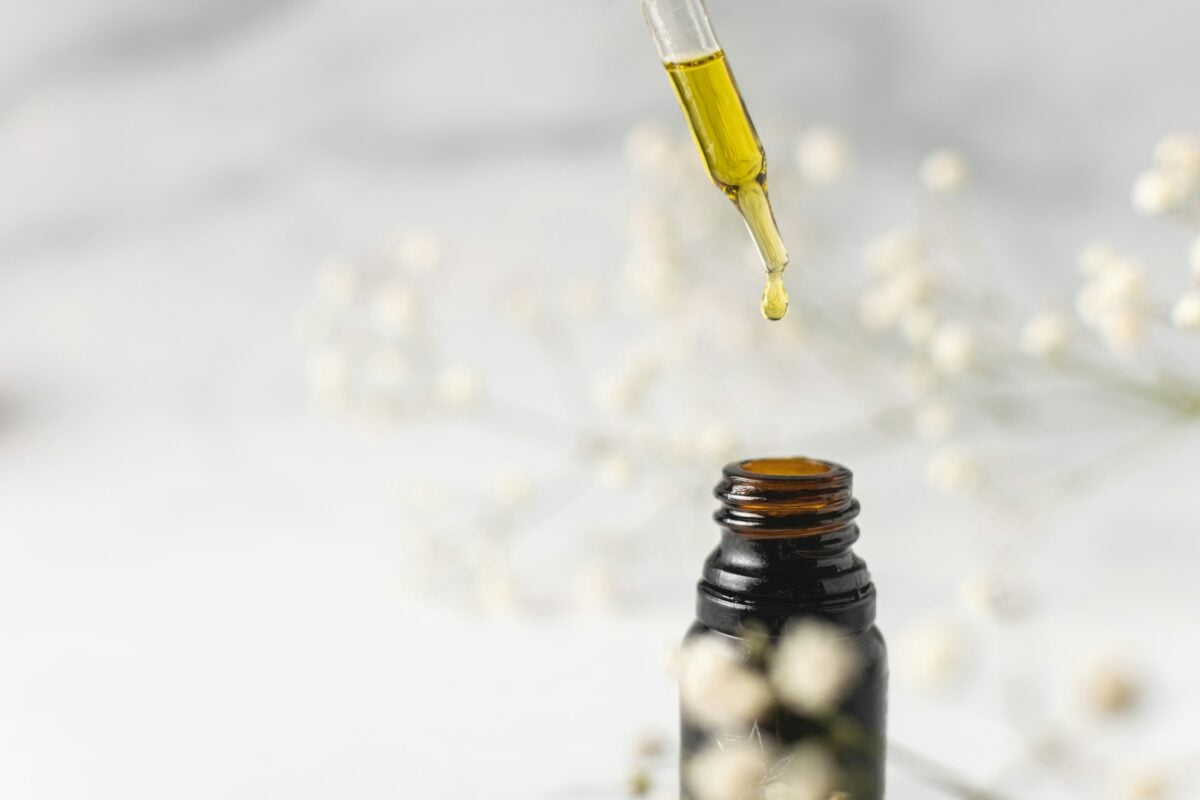
Certain essential oils cost 500 to 2,000 dollars per pound. Rose otto requires distilling thousands of rose petals to produce one pound of oil.
Sandalwood oil comes from trees that take decades to mature before harvest. Agarwood oil results from infected trees producing resinous heartwood that takes years to form.
These oils differ from synthetic fragrances that replicate their scents. Perfumers insist natural oils contain complexity and depth that chemicals can’t match.
Traditional perfumery relies on these rare ingredients to create scents that justify luxury prices. Sustainability concerns affect some essential oil production.
Overharvesting has depleted natural sources of sandalwood and agarwood. Producers now manage forests carefully or use plantation-grown materials, but scarcity keeps prices elevated for authentic products.
Botox and Cosmetic Injectables: Beauty in Microliters

Botulinum toxin, sold as Botox, costs around 27,000 dollars per pound in a highly diluted pharmaceutical form. The actual toxin is so potent that tiny amounts paralyze muscles for months.
Medical applications include treating muscle disorders, migraines, and excessive sweating beyond cosmetic wrinkle reduction. Cosmetic uses drive most demand.
Millions of people pay hundreds of dollars per treatment for injections containing micrograms of the substance. The company that produces Botox maintains strict control over production and distribution, keeping prices high despite relatively simple manufacturing.
Other injectable cosmetic products like dermal fillers also command premium prices. Hyaluronic acid fillers cost 600 to 800 dollars per syringe containing one milliliter.
Patients pay for the convenience and results rather than the actual material cost.
Gamma Hydroxybutyrate: The Club Drug Market

GHB costs around 2,500 dollars per gallon on illegal markets. The substance started as an anesthetic before becoming a recreational drug and unfortunately a date assault drug.
Legitimate pharmaceutical versions like sodium oxybate treat narcolepsy and cost patients thousands of dollars per month even with insurance. The chemical is relatively simple to synthesize, but legal restrictions make obtaining precursors difficult for legitimate users.
Pharmaceutical companies charge high prices because they can, knowing patients with narcolepsy have limited treatment options. The illegal market prices reflect risk and demand rather than production costs.
Medical use requires strict monitoring because GHB affects consciousness and breathing. Overdoses are dangerous and sometimes fatal.
The combination of medical need, recreational abuse potential, and regulatory control creates complicated market dynamics that keep prices elevated.
Research Chemicals and Laboratory Reagents
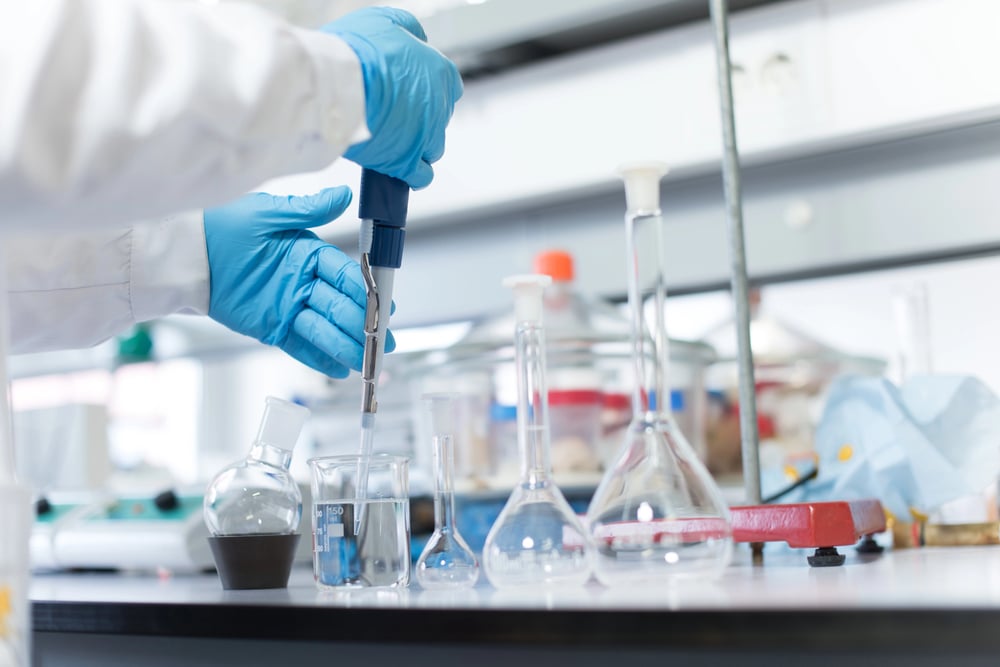
Specialized chemical compounds used in research can cost 10,000 to 100,000 dollars per gram. These substances exist only in small quantities for scientific study.
Companies produce them in tiny batches using complex synthesis that requires expensive equipment and expertise. A single vial containing milligrams of a specialized reagent might cost a research lab hundreds of dollars.
Multiply this across the thousands of different compounds needed for various experiments, and the costs become staggering. Universities and pharmaceutical companies spend enormous budgets on research chemicals that most people never know exist.
The prices reflect genuine production costs rather than artificial scarcity. Making these compounds requires Ph.D. chemists, specialized equipment, quality control, and extensive documentation.
Only a handful of companies produce many of these materials, limiting competition that might reduce prices.
When Drops Cost Fortunes

What makes certain liquids cost more than others? Hard to create, risky to move, nearly impossible to find – those play a part. Some exist in amounts so small they vanish under scrutiny.
A few do jobs nothing else can touch. Price spikes happen when access is locked down tight by those who sell them.
That sip you take might hide a story you never knew. A tiny dose of medicine keeping someone alive barely costs anything to make – yet shows up with a high tag at checkout.
Hidden inside labs, trace amounts of poison from desert creatures are sometimes traded for more than a vehicle. What spills from your printer cartridge? Not just color – it is one of the most inflated markups sitting quietly on retail displays.
Value does not come from what something is made of; it comes from who controls it, how badly people need it, and how little else they have. Price tags climb highest when demand turns urgent.
Someone holds the supply tight while another must have it now. Desperation meets restriction – that space in between sets the number.
Rare ingredients or high-tech methods don’t drive up value. It’s the squeeze between need and control that decides worth.
What a substance costs reflects power more than chemistry.
More from Go2Tutors!

- The Romanov Crown Jewels and Their Tragic Fate
- 13 Historical Mysteries That Science Still Can’t Solve
- Famous Hoaxes That Fooled the World for Years
- 15 Child Stars with Tragic Adult Lives
- 16 Famous Jewelry Pieces in History
Like Go2Tutors’s content? Follow us on MSN.