Most Expensive US Military Planes Ever
The sky above America has always been home to some of the most advanced flying machines ever built. Military aircraft represent the cutting edge of engineering, technology, and raw power, but they also come with price tags that would make anyone’s eyes water.
These aren’t your everyday passenger jets or crop dusters. They’re precision instruments of defense, packed with technology that didn’t exist a decade ago, and they cost more than most people will earn in several lifetimes.
From stealth bombers that slip through radar like ghosts to fighters that can outmaneuver anything in the air, the US military has invested billions into keeping the skies secure. Let’s take a closer look at the planes that broke the bank and why they cost so much.
B-2 Spirit stealth bomber
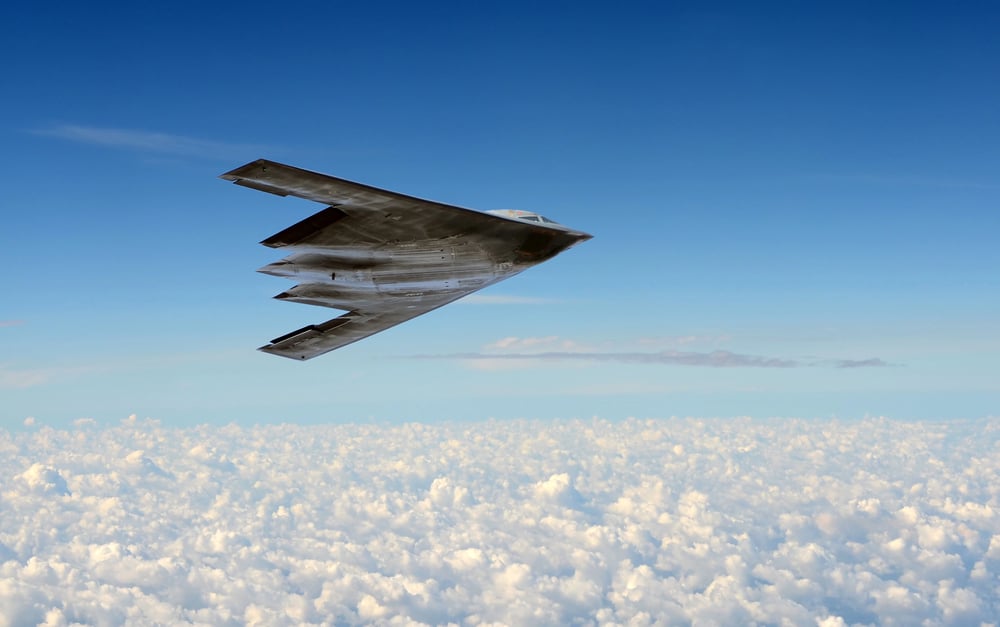
The B-2 Spirit looks like something from a science fiction movie, with its smooth, bat-wing design and jet-black finish. Each one costs around $2.2 billion when you factor in development costs, making it one of the priciest aircraft ever built.
Only 21 of these bombers exist, and they can fly halfway around the world without refueling. The stealth technology alone required years of research and testing, using materials and coatings that absorb radar waves instead of bouncing them back.
This bomber can carry both conventional and nuclear weapons, and it’s designed to penetrate the most heavily defended airspace without being detected.
F-35 Lightning II
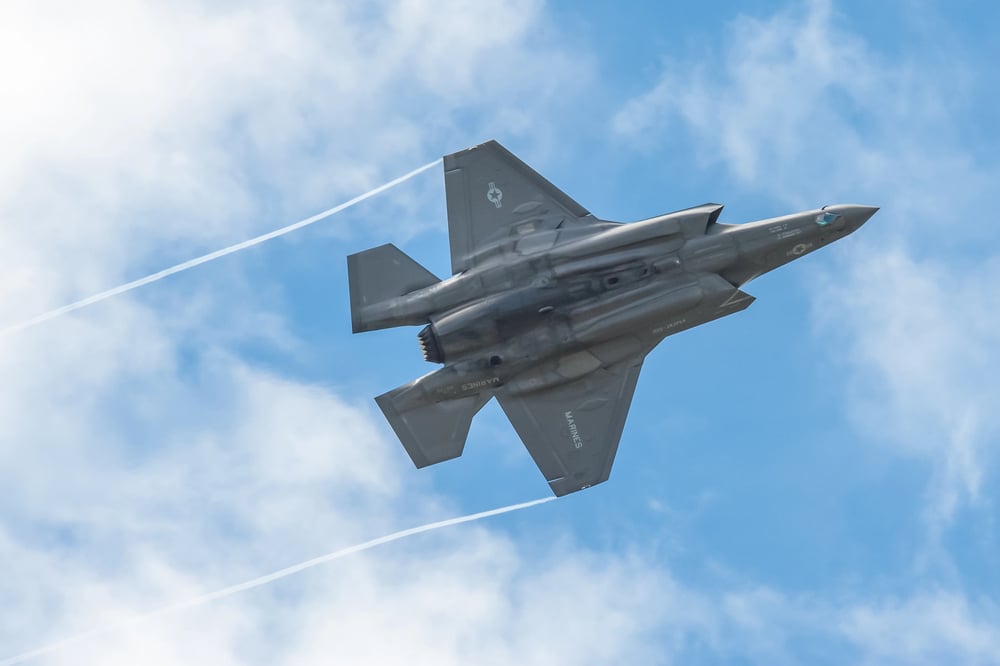
The F-35 has become the backbone of modern American air power, but it didn’t come cheap. Each plane costs between $80 million and $100 million depending on the variant, and the entire program has topped $1.7 trillion over its lifetime.
Three different versions exist: one for the Air Force, one for the Navy that lands on aircraft carriers, and one for the Marines that can take off and land vertically. The development took decades and involved partnerships with allied nations.
Critics have pointed out cost overruns and technical problems, but supporters argue that its advanced sensors and networking capabilities make it worth every penny.
F-22 Raptor
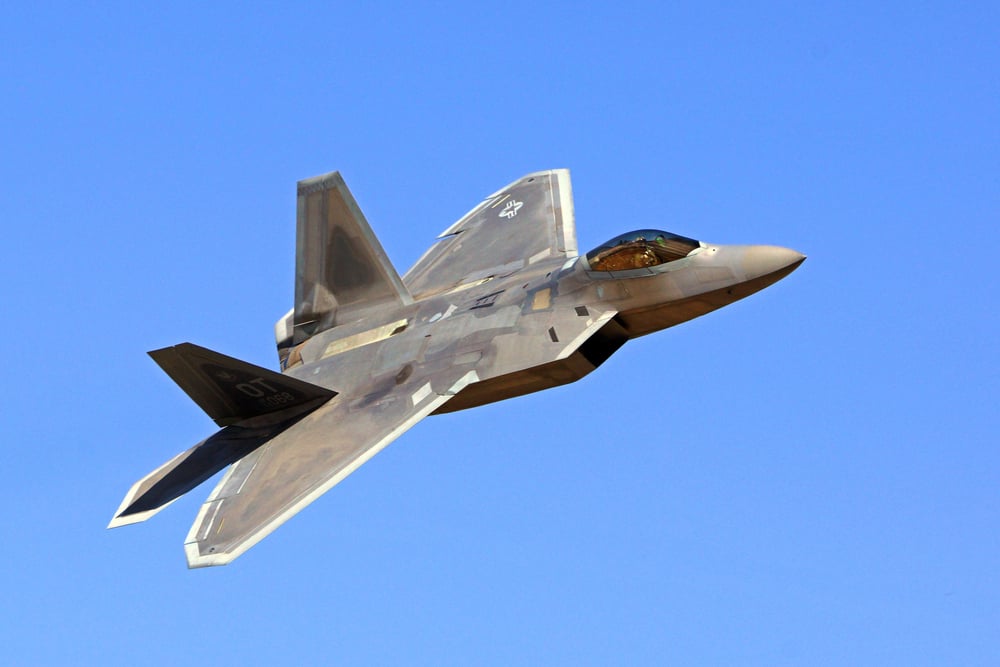
The F-22 was designed to dominate the skies, and it does exactly that. At roughly $350 million per aircraft including development costs, it remains one of the most expensive fighters ever made.
Production stopped in 2011 after just 187 planes were built, partly because of the enormous cost. This fighter combines stealth, speed, and agility in ways that no other plane can match.
It can fly faster than sound without using afterburners, a feature called supercruise that saves fuel and reduces the plane’s heat signature. Pilots who fly it describe the experience as having an unfair advantage over everyone else in the sky.
C-17 Globemaster III
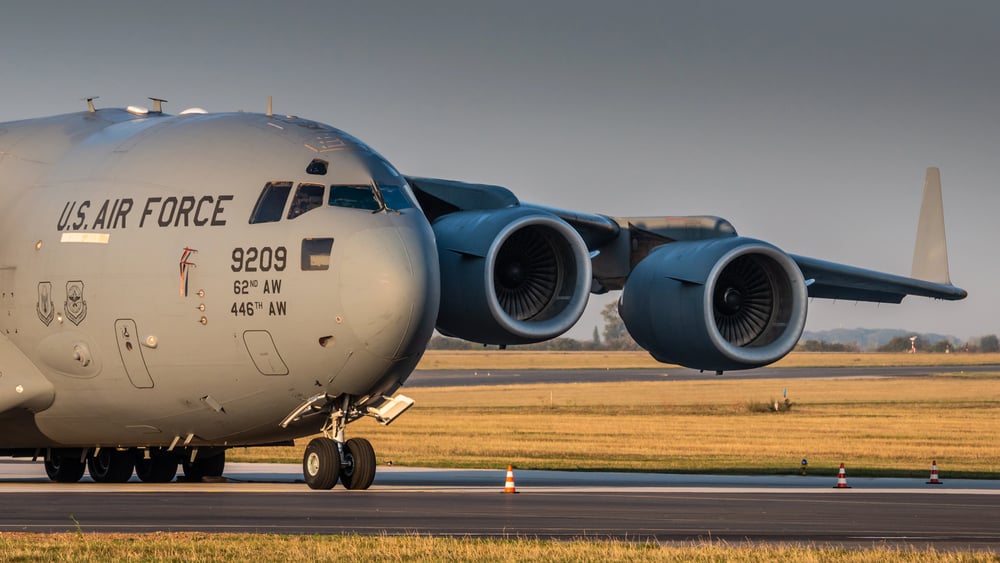
Cargo planes might not seem as exciting as fighters, but they’re just as important for military operations. The C-17 costs about $340 million each, and it can haul tanks, helicopters, and troops to anywhere in the world.
Boeing built 279 of these massive aircraft before shutting down the production line in 2015. The C-17 can land on short, unpaved runways that would destroy most other large planes, making it perfect for delivering supplies to remote or damaged airfields.
During humanitarian crises, these planes have delivered food, water, and medical supplies to disaster zones faster than almost any other method.
V-22 Osprey
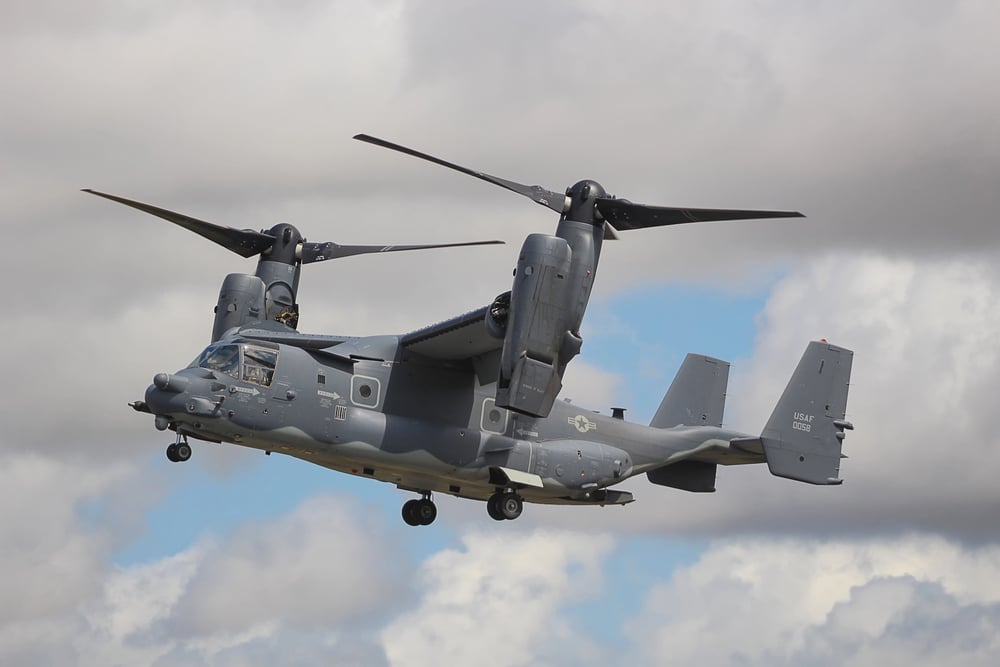
The V-22 Osprey does something that seems impossible: it takes off like a helicopter and flies like an airplane. Each one costs around $72 million, and the unique tiltrotor design required completely new engineering approaches.
The rotors tilt forward once the plane is airborne, allowing it to fly much faster and farther than any helicopter. Marines and special operations forces use it to insert troops into dangerous areas quickly.
The development process was troubled, with several crashes during testing, but the final product has proven itself in combat zones around the world.
KC-46 Pegasus
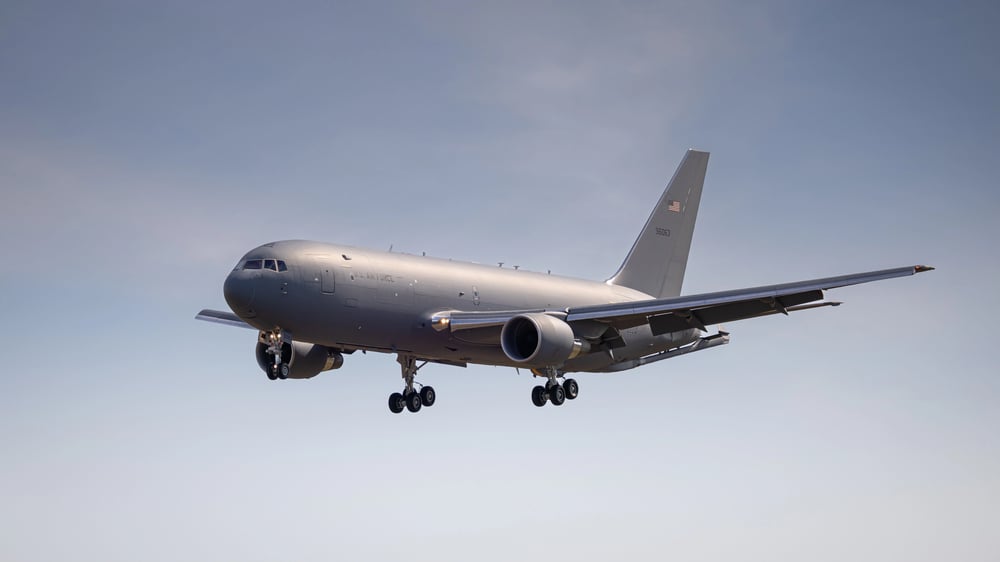
Refueling planes keep fighters and bombers in the air far longer than their fuel tanks would normally allow. The KC-46 Pegasus costs about $188 million each, and it can carry both fuel and cargo.
Boeing designed it based on their commercial 767 passenger jet, which saved some development costs but still required major modifications. The plane uses a boom system where a rigid pipe extends down to connect with receiving aircraft, and it can also use a hose-and-drogue system for Navy and allied planes.
Technical problems have delayed the full rollout, particularly with the remote vision system that operators use to guide the refueling boom.
P-8 Poseidon
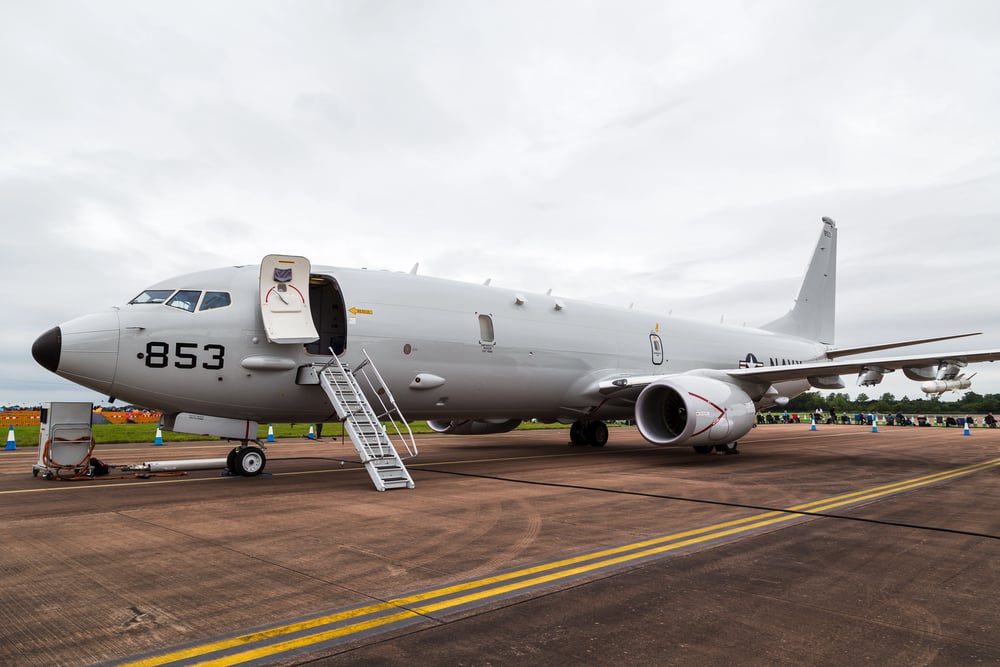
Hunting submarines requires patience, skill, and very expensive equipment. The P-8 Poseidon costs around $256 million and patrols the oceans looking for enemy subs and ships.
It’s based on the Boeing 737 commercial airliner but packed with sensors, torpedoes, and anti-ship missiles. The crew can drop sonobuoys into the water that listen for submarine sounds, and the plane’s computers process the data to pinpoint underwater threats.
The Navy replaced its old P-3 Orion fleet with these newer planes because submarine technology has advanced so much that older detection methods weren’t good enough anymore.
EA-18G Growler
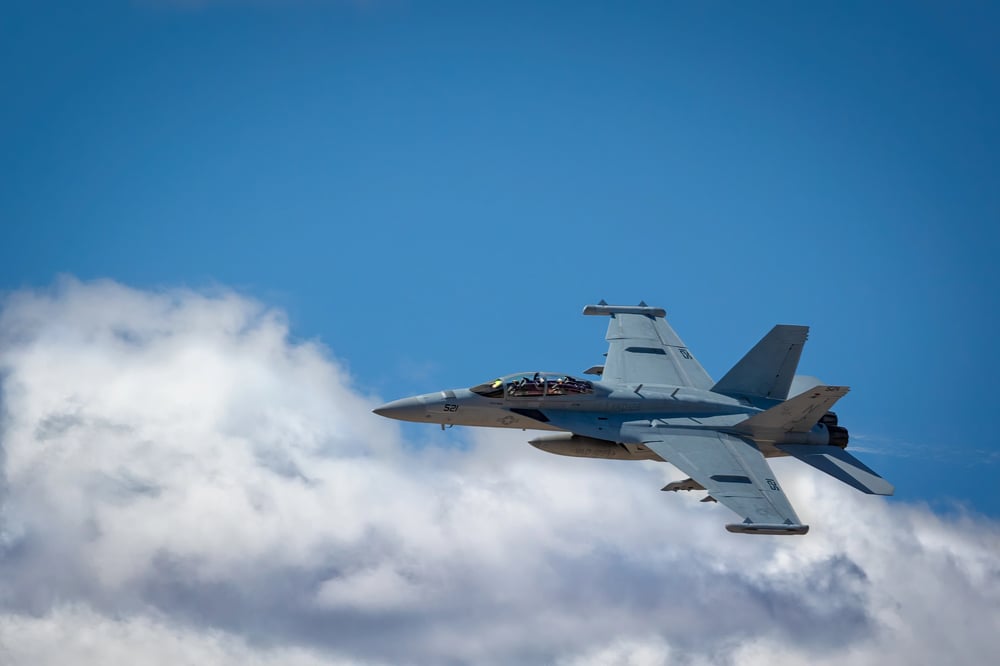
Electronic warfare might sound boring, but it saves lives by jamming enemy radar and communications. The EA-18G Growler costs about $102 million and flies alongside strike aircraft to blind enemy defenses.
It looks like a regular F/A-18 Super Hornet fighter, but it carries powerful jammers instead of extra weapons. When enemy radar systems try to lock onto friendly planes, the Growler fills the air with electronic noise that makes accurate targeting impossible.
Navy squadrons deploy these planes on aircraft carriers, and they’ve become essential for any major operation. The technology inside has to be constantly updated as adversaries develop new radar frequencies and techniques.
MQ-4C Triton
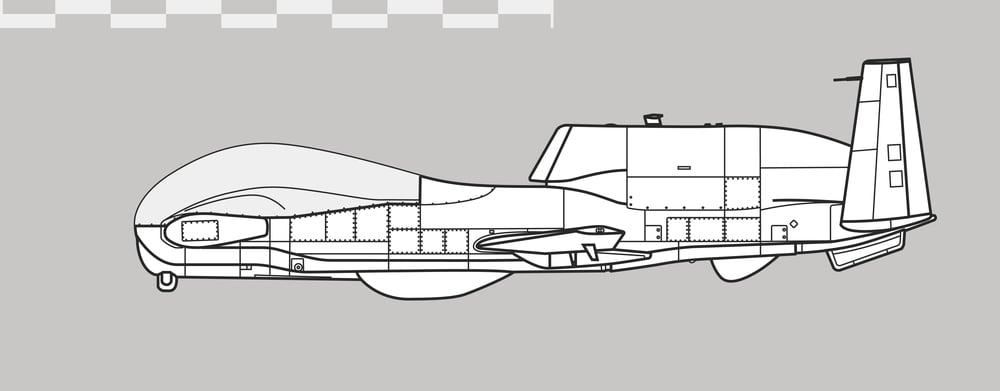
Drones have changed warfare, and the MQ-4C Triton represents the high end of unmanned aircraft. Each one costs roughly $120 million and can fly for over 24 hours straight.
The Navy uses them to patrol vast stretches of ocean, watching for ships, submarines, and other threats. The sensor package can identify specific vessel types from high altitude, and the data gets sent back to commanders in real time.
Unlike smaller drones, the Triton is enormous, with a wingspan wider than a Boeing 757. It flies higher than most manned aircraft, which keeps it safe from ground-based weapons while still providing detailed surveillance.
CH-53K King Stallion
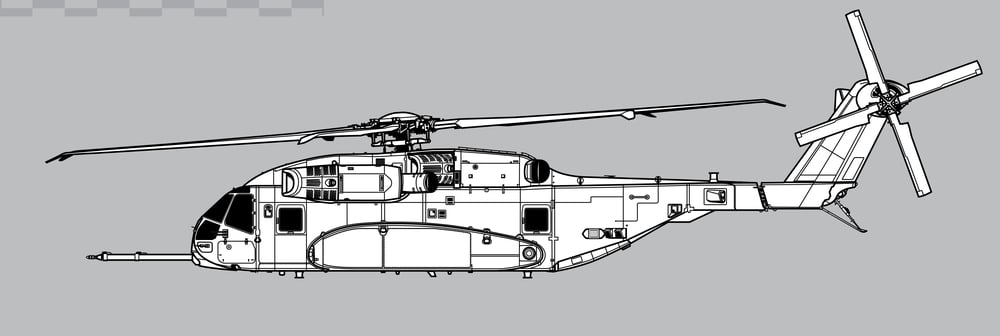
Heavy-lift helicopters do the dirty work of moving equipment and troops in combat zones. The CH-53K King Stallion costs about $138 million and can lift more weight than any other helicopter in the Western world.
The Marines needed something that could carry their heaviest vehicles and supplies, especially as equipment got bigger and heavier over the years. Three powerful engines give it enough thrust to operate in hot, high-altitude conditions where other helicopters struggle.
The King Stallion can even lift a Humvee externally and carry it to a mountaintop base. Development took longer than expected, but the final product exceeded the lifting requirements by a comfortable margin.
F-15EX Eagle II
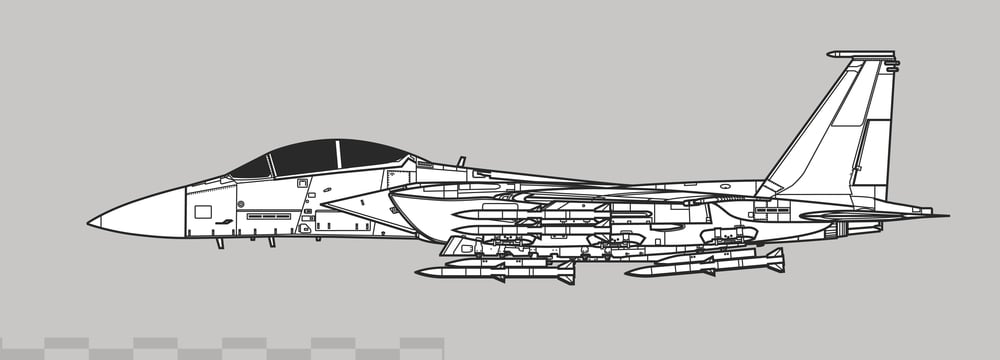
Some designs are so good that they get updated instead of replaced. The F-15EX Eagle II costs around $88 million and brings old-school fighter design into the modern era.
Boeing took the proven F-15 airframe and packed it with new radar, computers, and weapons systems. The Air Force wanted something that could carry a huge weapons load without the high operating costs of stealth fighters.
This plane can haul more missiles and bombs than almost any other fighter in service. It also has a longer range than the F-35, which matters when operating over the Pacific Ocean where distances are enormous.
AC-130J Ghostrider
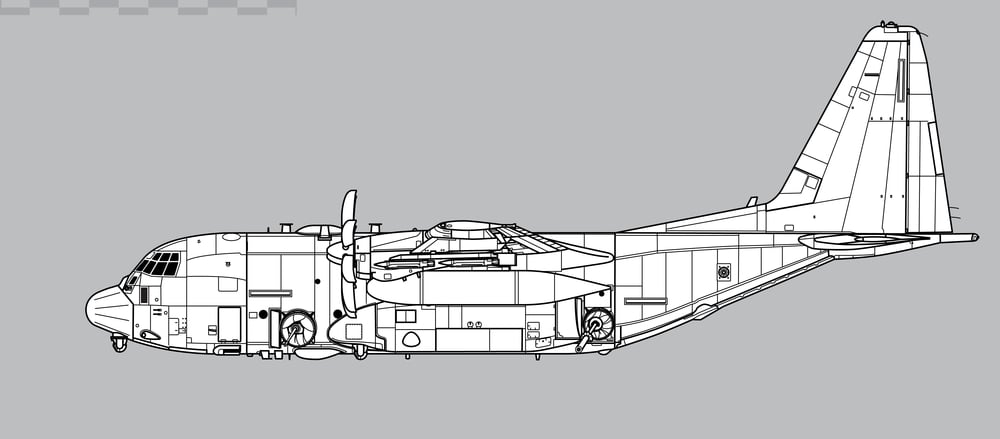
Gunships provide close air support that ground troops desperately need during intense firefights. The AC-130J Ghostrider costs about $190 million and carries cannons and precision-guided weapons.
The plane circles above friendly forces and rains down fire on enemy positions with incredible accuracy. Special operations forces particularly value these aircraft because they can operate at night and in bad weather.
The guns can fire from a mile away, which keeps the plane out of range of most ground weapons. Modern targeting systems use infrared and other sensors to identify threats even when smoke and dust obscure the battlefield.
E-3 Sentry AWACS
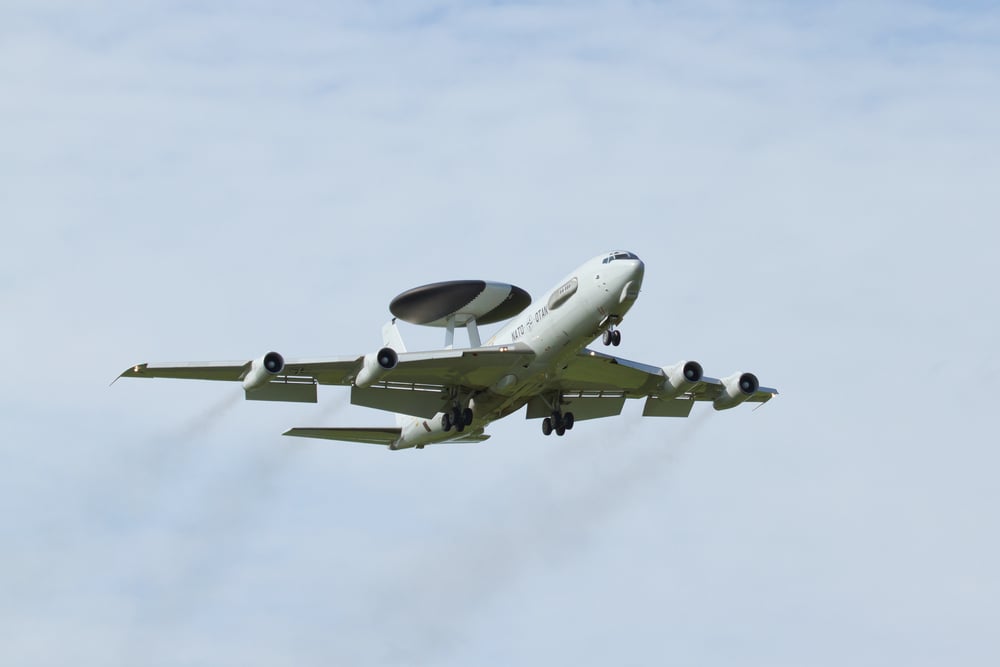
The E-3 Sentry has been watching the skies for decades, and it still costs plenty to keep running. Each plane originally cost around $270 million, and upgrades over the years have added to that figure.
The huge rotating radar dome on top can see for hundreds of miles in all directions. Controllers inside coordinate fighter jets, monitor air traffic, and warn of incoming threats.
NATO and other allies also use these planes because they provide capabilities that smaller nations can’t afford on their own. The Air Force is starting to replace them with newer aircraft, but the E-3 proved the concept of airborne command and control that modern militaries depend on.
RQ-4 Global Hawk
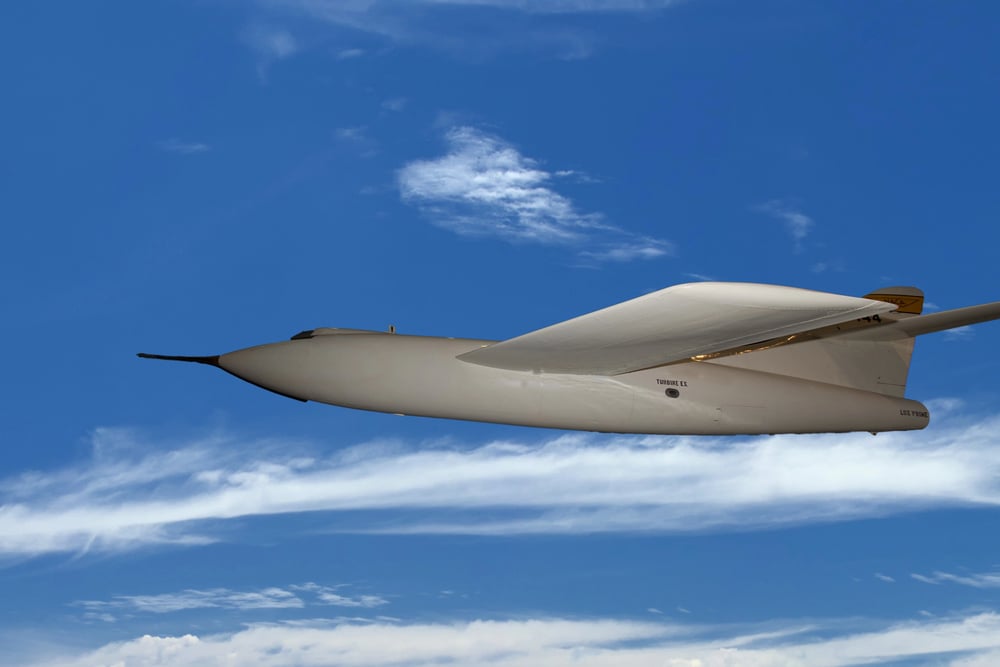
High-altitude surveillance drones provide intelligence that satellites can’t always deliver. The RQ-4 Global Hawk costs about $131 million and flies at altitudes above 60,000 feet.
It can watch a specific area for an entire day without landing, sending back high-resolution images and radar data. Commanders use it to track troop movements, monitor disasters, and watch for threats in real time.
The Air Force initially wanted to retire the fleet to save money, but Congress kept funding it because field commanders found it too valuable to lose. Unlike satellites that pass overhead on fixed schedules, the Global Hawk can loiter over one spot for as long as fuel allows.
AH-64E Apache Guardian
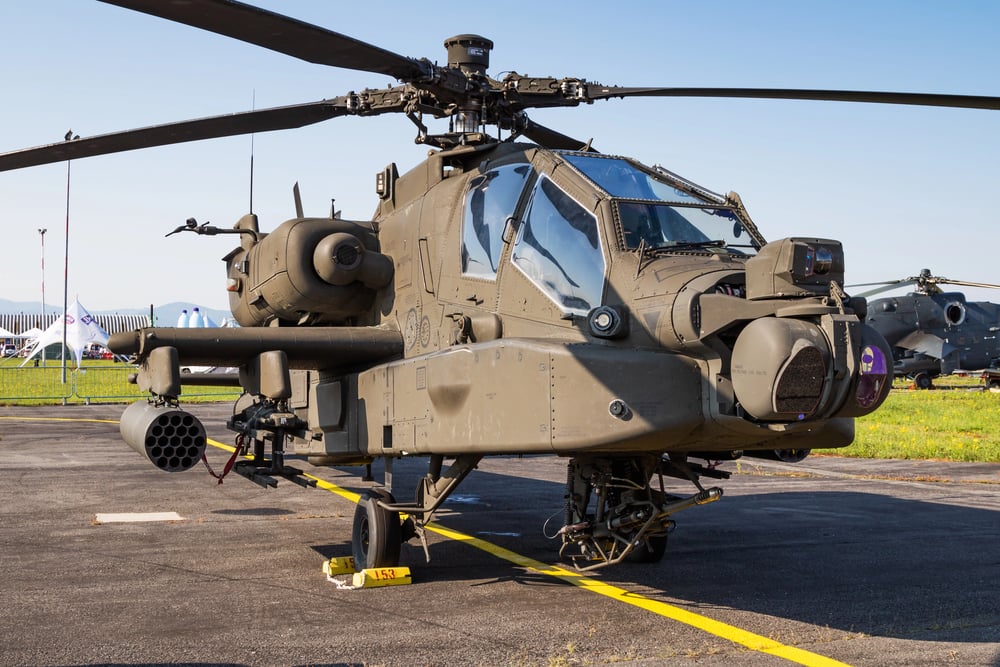
When heavy firepower falls short, attack helicopters step in to support troops on land. Priced near fifty-two million dollars, the AH-64E Apache Guardian brings serious punch with guided missiles, rocket pods, and a rapid-fire thirty-millimeter gun.
Dust-filled air or thick smoke won’t block its advanced vision systems – targets stay visible. Its tracking gear handles several dangers simultaneously without losing focus.
One crew member flies from the rear seat while the shooter rides up front, both tucked inside a narrow fuselage built for combat. Though expensive, it changes how battles unfold above rough terrain.
A single shot from an Apache may reach targets several miles off, far beyond where many defenses can respond. When troops need help from above – especially when quick-moving planes struggle to tell sides apart – it is often this helicopter they rely upon.
CV-22 Osprey
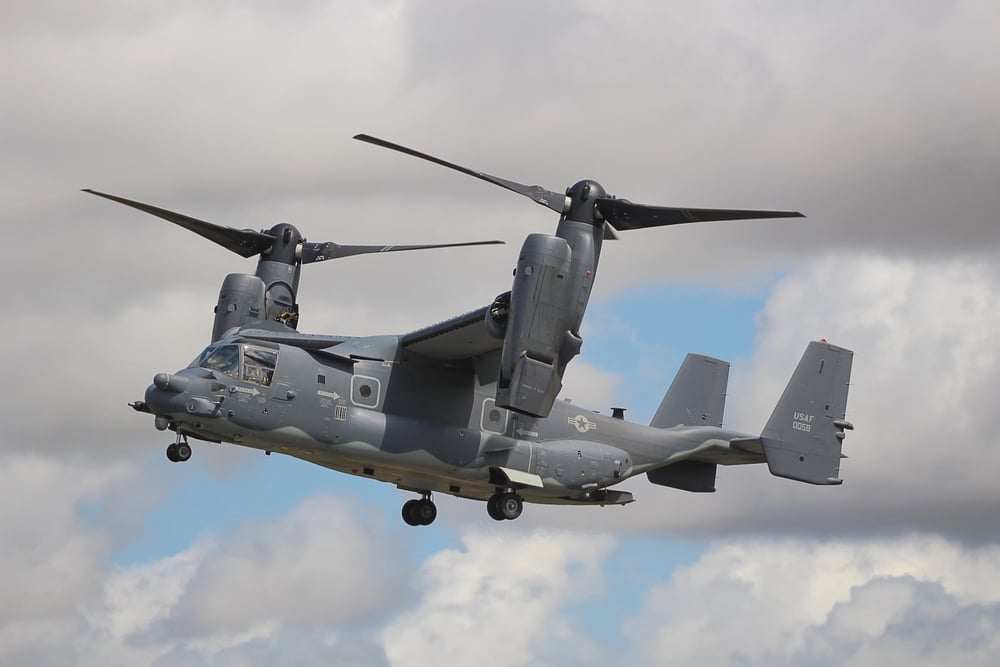
Starting off with a unique design, the CV-22 Osprey moves special ops troops using tiltrotor power just like the Marines’ model. Priced near $80 million, it runs higher due to added gear onboard.
Used by Air Force Special Operations Command, its role involves placing and pulling units behind enemy lines. Because it lands straight down in narrow spots, leaders gain choices most fixed-wing aircraft or choppers simply miss.
Loaded with high-end defenses, it pushes through risky zones better than many expect. Flying this machine takes serious practice – its behavior isn’t like regular planes or copters.
What makes it a go-to for elite teams is how quickly they can drop in and leave, cutting down time under threat.
Protection demands every penny you have
High in the sky, those jets stand as symbols of years spent protecting the United States from dangers seen and unseen. Roads cracking, classrooms underfunded – yes, defense budgets often face backlash during such times.
Yet the edge these planes give means few would dare challenge the U.S. head-on. Other countries gain strength alongside America, purchasing its fighters or building new ones using shared knowledge.
At first glance, the cost looks insane. Then you hear exactly how far they can go, how fast they adapt – and suddenly it feels less extreme.
With every model that rolls out, boundaries shift. Right now, hidden labs across the nation are shaping what comes next.
More from Go2Tutors!

- The Romanov Crown Jewels and Their Tragic Fate
- 13 Historical Mysteries That Science Still Can’t Solve
- Famous Hoaxes That Fooled the World for Years
- 15 Child Stars with Tragic Adult Lives
- 16 Famous Jewelry Pieces in History
Like Go2Tutors’s content? Follow us on MSN.