17 TV Reboots That Ignored the Original Plot
Television reboots have become Hollywood’s go-to strategy for reviving beloved franchises. Sometimes these revivals honor the source material, building carefully on established storylines and character development. Other times, they take a completely different approach — essentially using familiar names and basic concepts while crafting entirely new narratives that bear little resemblance to what came before.
When showrunners decide to reinvent rather than revive, the results can be controversial among longtime fans. Here is a list of 17 TV reboots that threw out the original playbook and started fresh.
Battlestar Galactica

The 2004 Battlestar Galactica reimagining transformed a campy 1978 space opera into a gritty, politically charged drama. Where the original focused on family-friendly adventure across the galaxy, the reboot explored themes of terrorism, religious extremism, and what it means to be human.
The most dramatic change came with Starbuck’s character — shifting from a nicotine-chomping male pilot to a complex female fighter pilot — fundamentally altering the show’s dynamic.
MacGyver
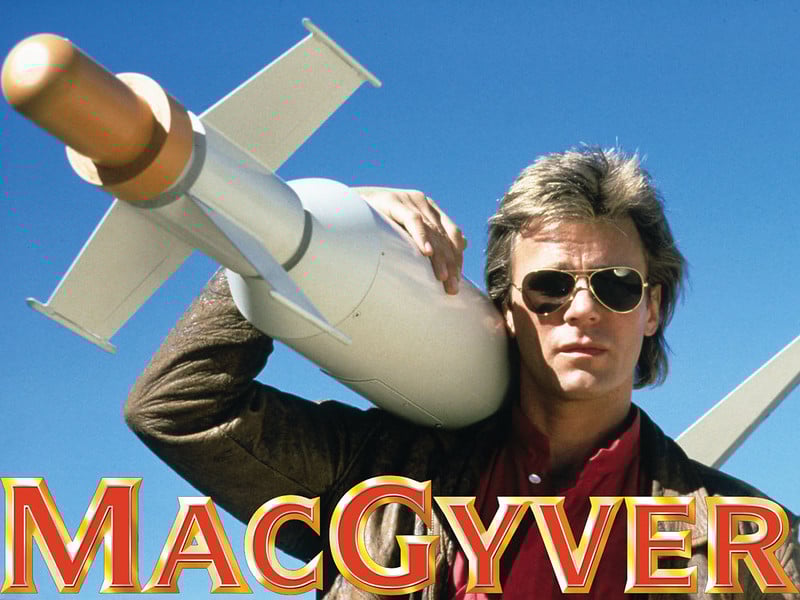
CBS’s 2016 MacGyver reboot kept the resourceful problem-solving concept yet ditched nearly everything else about the original character. The new MacGyver worked for a secret government organization rather than operating as a relatively independent agent.
His personality became more conventionally heroic and less quirky, losing much of the original’s distinctive charm and Richard Dean Anderson’s laid-back charisma.
Magnum P.I.

The 2018 Magnum P.I. reboot moved the action from the 1980s to modern-day Hawaii but changed far more than just the time period. The new Thomas Magnum became a former Navy SEAL instead of a Vietnam veteran, and the show adopted a more traditional procedural format.
Most significantly, the character of Higgins transformed from a stuffy British man to a former MI6 agent who happens to be a woman — completely reshaping the show’s central relationship.
90210

While technically a sequel rather than a direct reboot, the 2008 90210 series ignored most of the original’s character development and storylines. The new show focused on an entirely different family moving to Beverly Hills — with only a few original characters making appearances.
The tone shifted from the original’s social issue-driven storytelling to more conventional teen drama territory, abandoning the groundbreaking approach that made the original series culturally significant.
The Bionic Woman
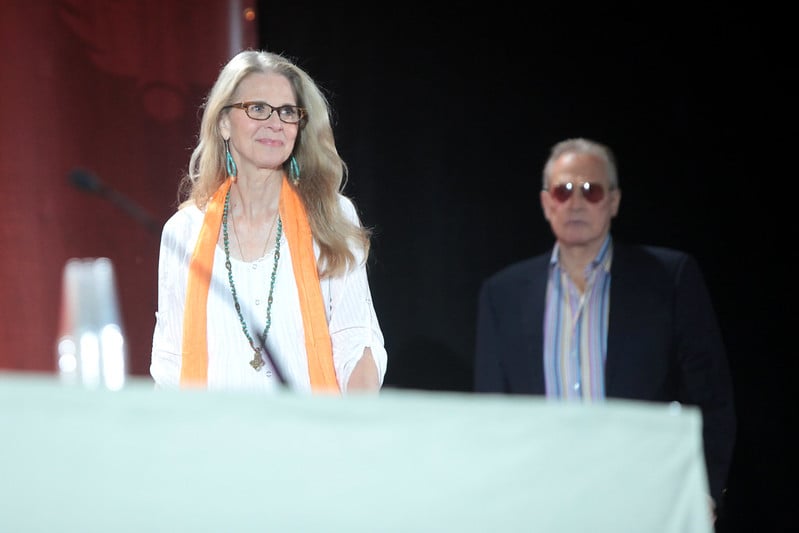
The 2007 Bionic Woman reboot reimagined Jaime Sommers’ origin story completely. Instead of being Steve Austin’s girlfriend who gets bionic implants after a parachuting accident, she became a bartender who receives her enhancements after a car crash.
The show also introduced the concept of multiple bionic women — including an evil predecessor — creating a mythology that had nothing to do with the original series.
Knight Rider
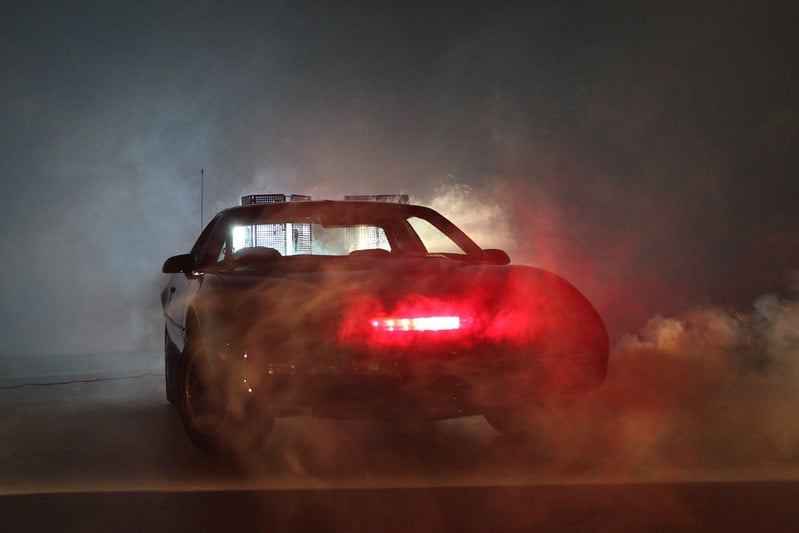
The 2008 Knight Rider reboot kept the talking car concept but changed almost everything else. KITT became a Ford Mustang instead of a Pontiac Trans Am, and the new Michael Knight was the son of the original rather than the same character.
The show abandoned the original’s lighthearted tone for a more serious, action-heavy approach that felt more like a generic action series than a Knight Rider story.
The A-Team
The 2010 film adaptation of The A-Team kept the basic premise of four military specialists working as mercenaries but completely rewrote their backstory. Instead of being Vietnam veterans framed for a crime they didn’t commit, they became Iraq War veterans caught up in a conspiracy involving counterfeit currency plates.
The movie also killed off one of the original team members — something the TV series never would have done.
Melrose Place

The 2009 Melrose Place reboot tried to recapture the original’s soap opera magic but with an entirely new cast of characters. While the show was set in the same apartment complex, it ignored most of the original’s storylines and character relationships.
The few returning characters seemed disconnected from their previous selves — and the show failed to recreate the over-the-top drama that made the original compelling.
Charlie’s Angels

The 2011 Charlie’s Angels reboot kept the basic concept of three women working as private investigators but changed their backgrounds and relationships entirely. The new Angels came from different professional backgrounds and had personal histories that bore no resemblance to previous iterations.
The show also tried to modernize the concept by giving the Angels more agency and independence — though it was cancelled after just four episodes.
Hawaii Five-0
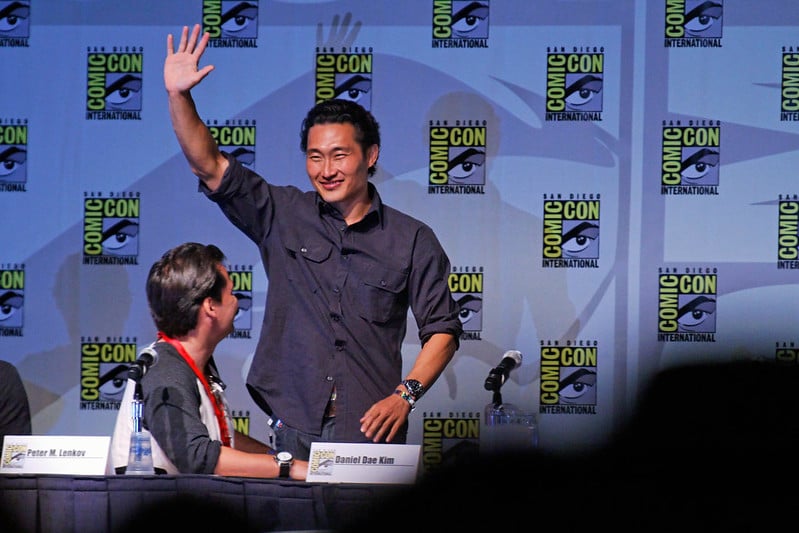
The 2010 Hawaii Five-0 reboot maintained the Hawaiian setting and police procedural format but created entirely new backstories for the main characters. Steve McGarrett became a Navy SEAL returning to investigate his father’s murder, while Danny Williams was reimagined as a divorced father from New Jersey.
The show’s tone shifted from the original’s straightforward police work to a more action-oriented approach with ongoing mythology.
V
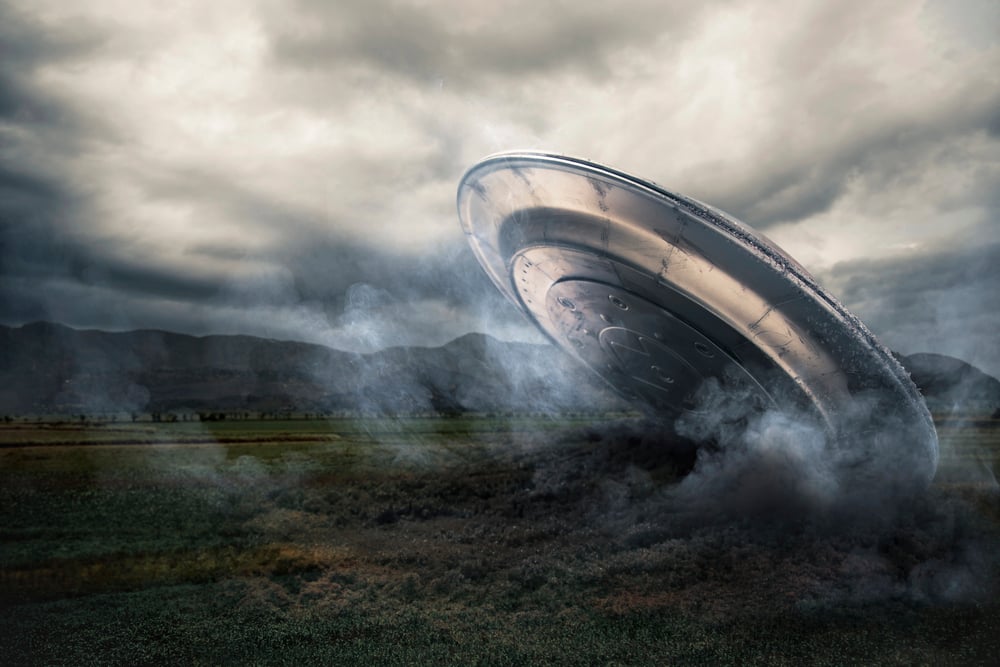
The 2009 V reboot updated the alien invasion concept for modern times though changed the original’s Cold War allegory into a commentary on contemporary political issues. The new series compressed the original’s gradual reveal of the Visitors’ true nature into a faster-paced narrative.
The show also introduced new characters and storylines while maintaining only the basic premise of reptilian aliens disguised as humans.
Dallas

The 2012 Dallas continuation technically wasn’t a complete reboot, but it ignored many of the original series’ later storylines, particularly the infamous ‘dream season.’ The new show focused on the next generation of Ewings while bringing back some original characters.
However, it streamlined the complex mythology of the original series and simplified many of the intricate business and family relationships that defined the earlier show.
The Twilight Zone

The 2002 Twilight Zone reboot maintained the anthology format yet adopted a more conventional horror approach rather than the original’s psychological and philosophical storytelling. The new series relied more heavily on special effects and jump scares, abandoning the original’s emphasis on twist endings that revealed deeper truths about human nature.
The show also lacked the social commentary that made Rod Serling’s original series so influential.
Cupid

The 2009 Cupid reboot kept the basic premise of a man who believes he’s the Roman god of love but changed the character’s personality and background significantly. The new version made Cupid more conventionally attractive and less eccentric than Jeremy Piven’s original portrayal.
The show also shifted the focus from the original’s romantic comedy elements to a more straightforward procedural format.
The Outer Limits

The 1995 Outer Limits revival maintained the science fiction anthology format though updated the stories for a more modern audience. While some episodes paid homage to the original series, most ignored the 1960s version’s themes and storytelling style.
The new series relied more heavily on computer-generated effects and adopted a darker, more pessimistic tone than the original’s blend of wonder and caution about scientific progress.
Dragnet
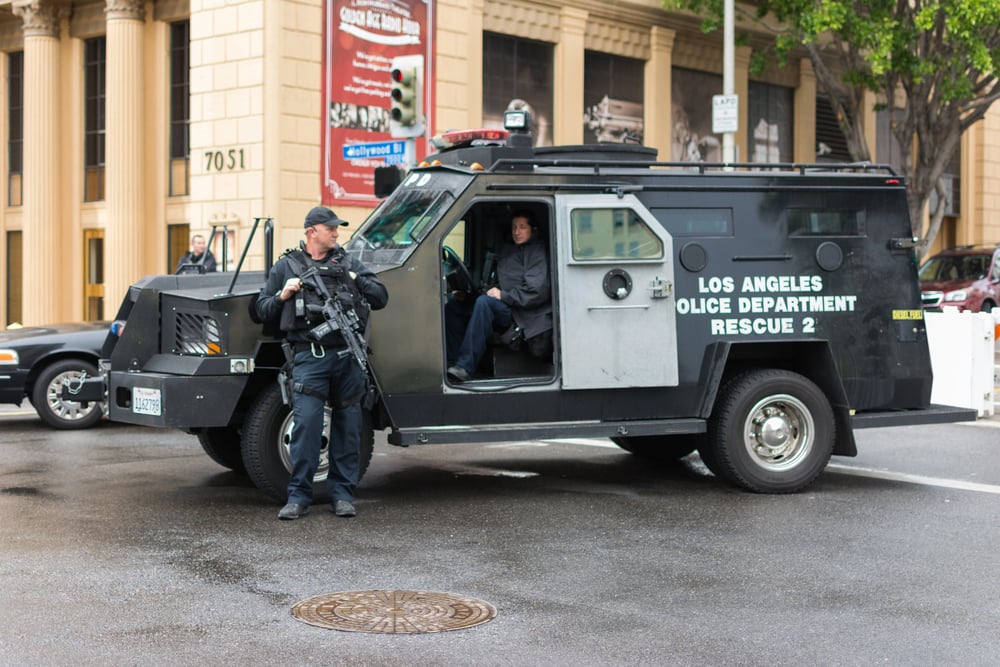
The 2003 Dragnet reboot kept the Los Angeles police setting but abandoned the original’s documentary-style realism for a more conventional police procedural approach. The new series lacked the original’s distinctive dialogue patterns and procedural authenticity.
It also introduced more humor and interpersonal drama, moving away from the original’s focus on police work and criminal justice.
The Lone Ranger

The 2003 Lone Ranger TV movie attempted to modernize the character for contemporary audiences but changed fundamental aspects of the mythology. The new version gave the Ranger a more complex backstory and psychological depth, while also updating the relationship with Tonto to address cultural sensitivity concerns.
However, these changes altered the character so significantly that he barely resembled the original radio and TV hero.
Finding New Ground in Familiar Territory

These reboots demonstrate that reimagining classic television isn’t always about honoring the past. Sometimes creators use familiar titles and basic concepts as launching pads for completely different stories, hoping that name recognition will attract audiences to fresh narratives.
While purists might object to these dramatic departures, some reboots have found success by boldly reinventing rather than simply repeating what came before. The key lies in understanding what made the original special while having the courage to create something genuinely new, even if it means leaving beloved elements behind.
More from Go2Tutors!

- The Romanov Crown Jewels and Their Tragic Fate
- 13 Historical Mysteries That Science Still Can’t Solve
- Famous Hoaxes That Fooled the World for Years
- 15 Child Stars with Tragic Adult Lives
- 16 Famous Jewelry Pieces in History
Like Go2Tutors’s content? Follow us on MSN.



