Most Popular Grocery Tourism Hauls on Social Media
The checkout line used to be where grocery shopping ended. Now it’s where the real work begins.
Between the receipt and the car door, phones come out, ring lights get adjusted, and what was once a mundane errand transforms into content. Grocery tourism — the practice of visiting stores specifically for their unique products and social media appeal — has turned supermarket aisles into tourist destinations.
Japanese Convenience Store Treats
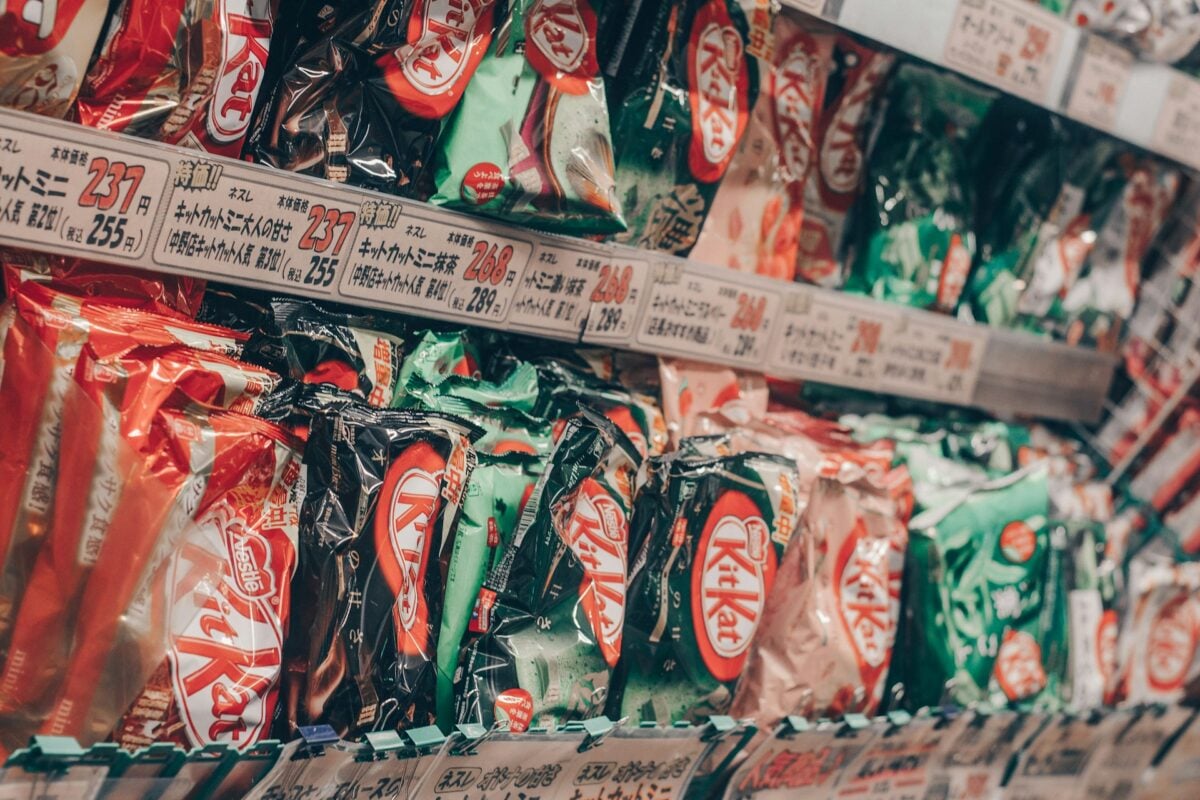
Kit Kats don’t just come in milk chocolate anymore. Walk into any Japanese konbini and you’ll find matcha, sweet potato, sake, and wasabi varieties that make American candy aisles look stubbornly boring.
The ritualistic unboxing videos write themselves.
Trader Joe’s Everything Bagel Seasoning
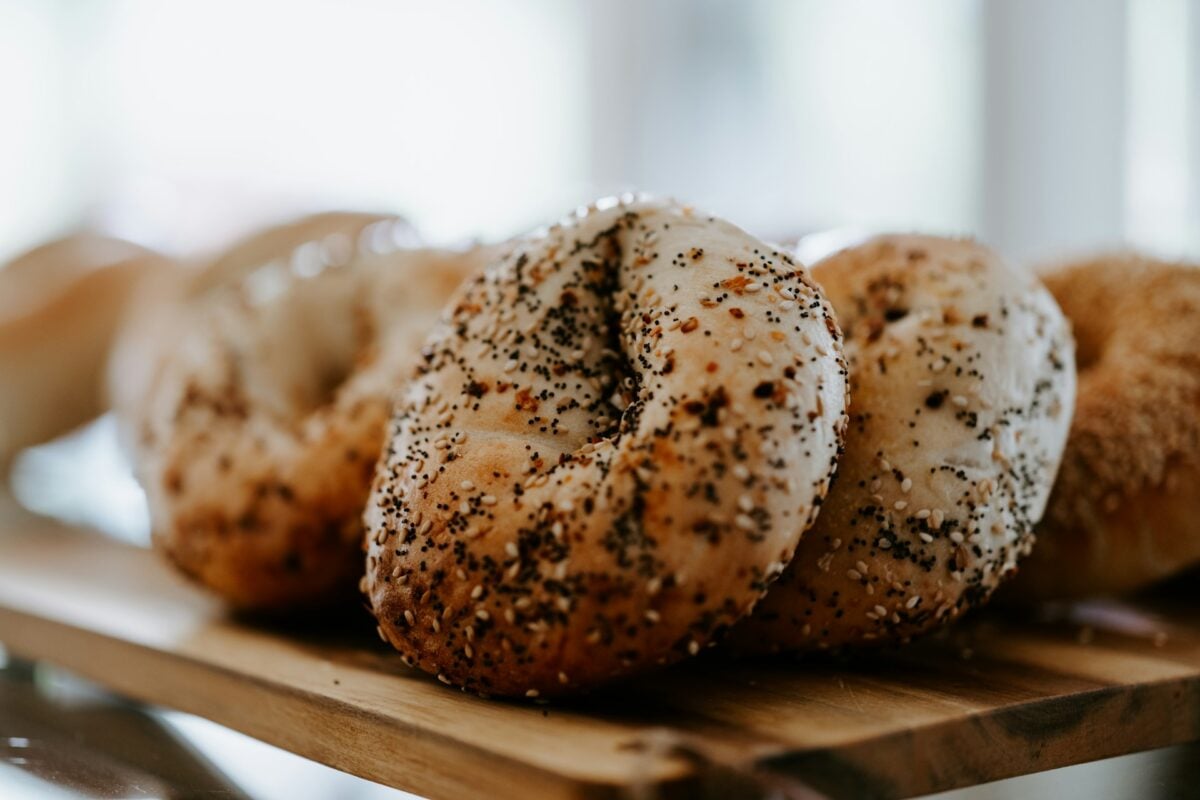
One spice blend launched a thousand posts. The orange label became shorthand for quirky food taste, and suddenly everyone needed to document their everything bagel seasoning on avocado toast. Simple products make the best content.
European Chocolate Collections
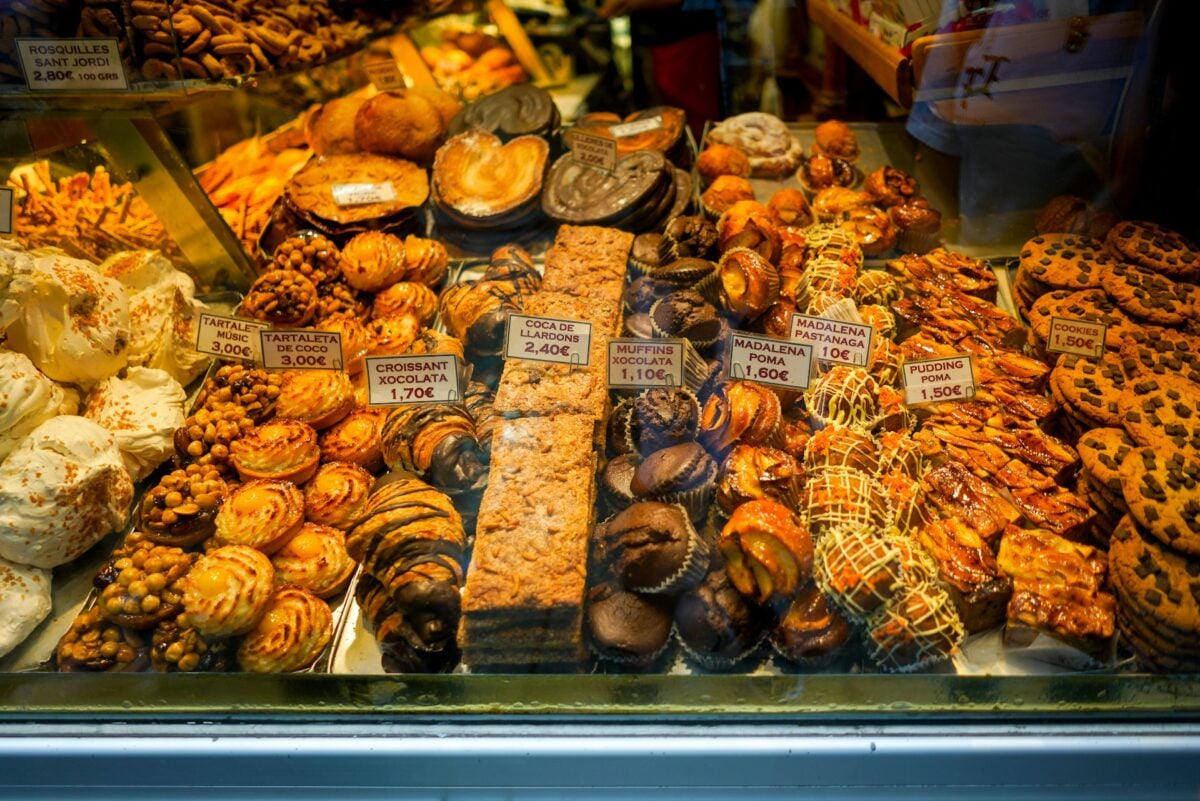
There’s something almost ceremonial about the way people arrange European chocolate bars for the camera — the way each wrapper gets positioned just so, labels facing forward, arranged by color or country of origin (depending on the aesthetic they’re chasing that day). But the ritual makes sense when you consider what’s actually happening: these aren’t just candy bars, they’re small, tangible pieces of places most people can’t visit regularly.
The chocolate itself becomes a kind of edible souvenir, and the documentation process — the careful staging, the lighting adjustments, the multiple angles — transforms a simple grocery haul into something that feels more like curating a collection. And maybe that’s exactly what it is.
Whole Foods Prepared Foods
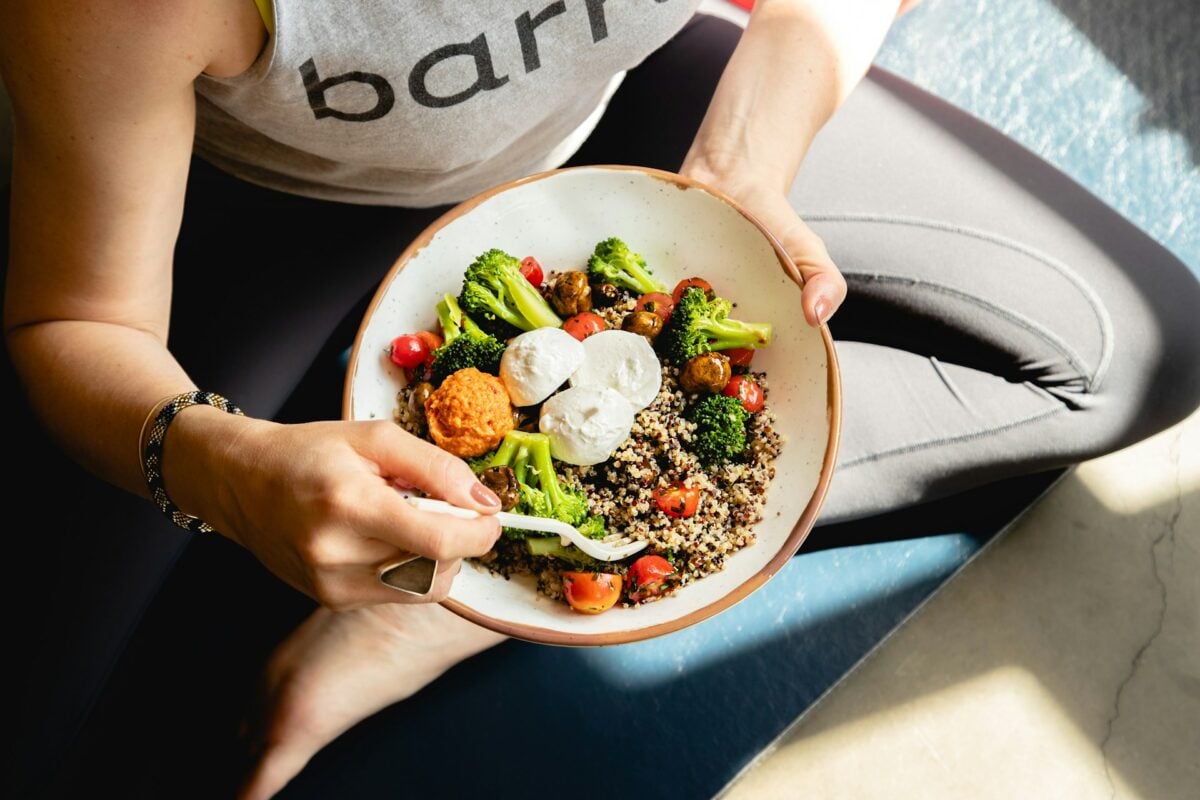
Whole Foods turned grocery shopping into performance art, and their prepared food section is the main stage. Twenty-dollar salads photograph beautifully, and the aesthetic matches what people want their lives to look like. The price tag becomes part of the appeal.
Korean Beauty Snacks

Collagen gummies and bird’s nest drinks sound like science fiction until you see them perfectly arranged in someone’s shopping basket. Korean grocery stores stock beauty products disguised as snacks, and the combination of self-care and exotic ingredients creates irresistible content.
The weirder the ingredient list, the better the engagement.
Erewhon Smoothies
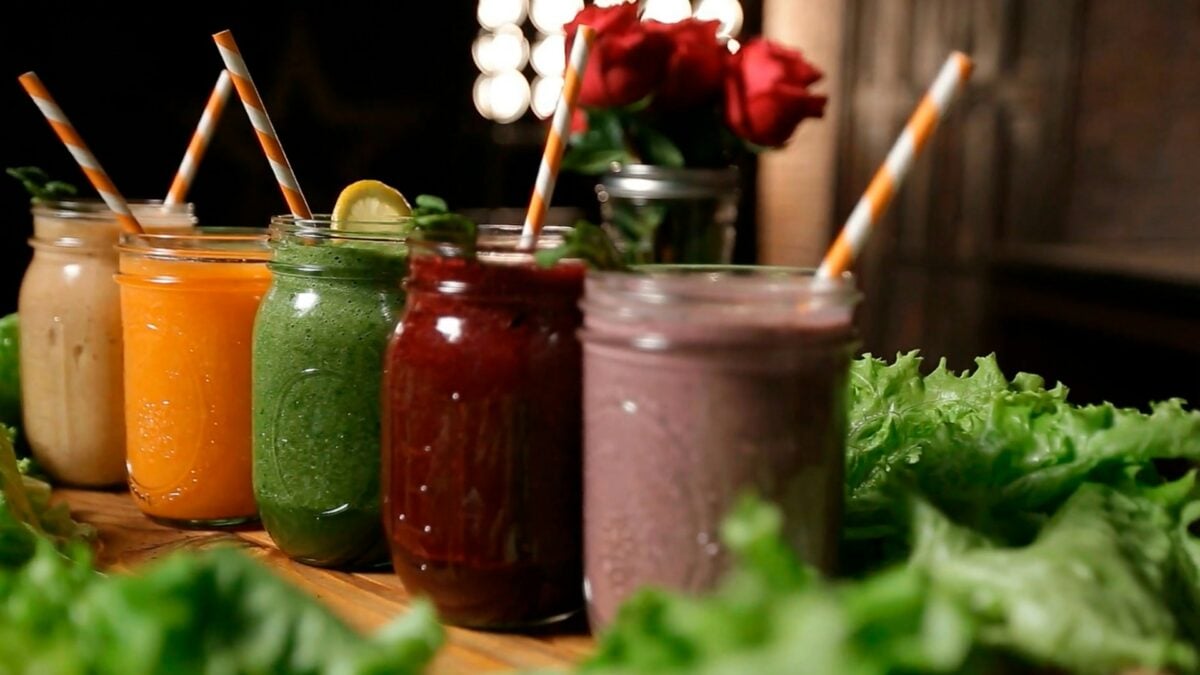
A thirty-dollar smoothie is objectively ridiculous — but that’s precisely the point, and everyone posting about their Erewhon hauls knows it (they’re not accidentally stumbling into grocery stores that charge more for a drink than most people spend on lunch). The price becomes the story, the exclusivity becomes the appeal, and the smoothie itself almost becomes secondary to the cultural moment it represents.
So naturally, the posts follow a predictable pattern: the receipt gets photographed alongside the smoothie, because the shock value of the price is half the content. And somehow, in a landscape where everything is marketed as accessible and democratic, there’s something refreshingly honest about a product that doesn’t pretend to be anything other than expensive.
International Cereal Flavors
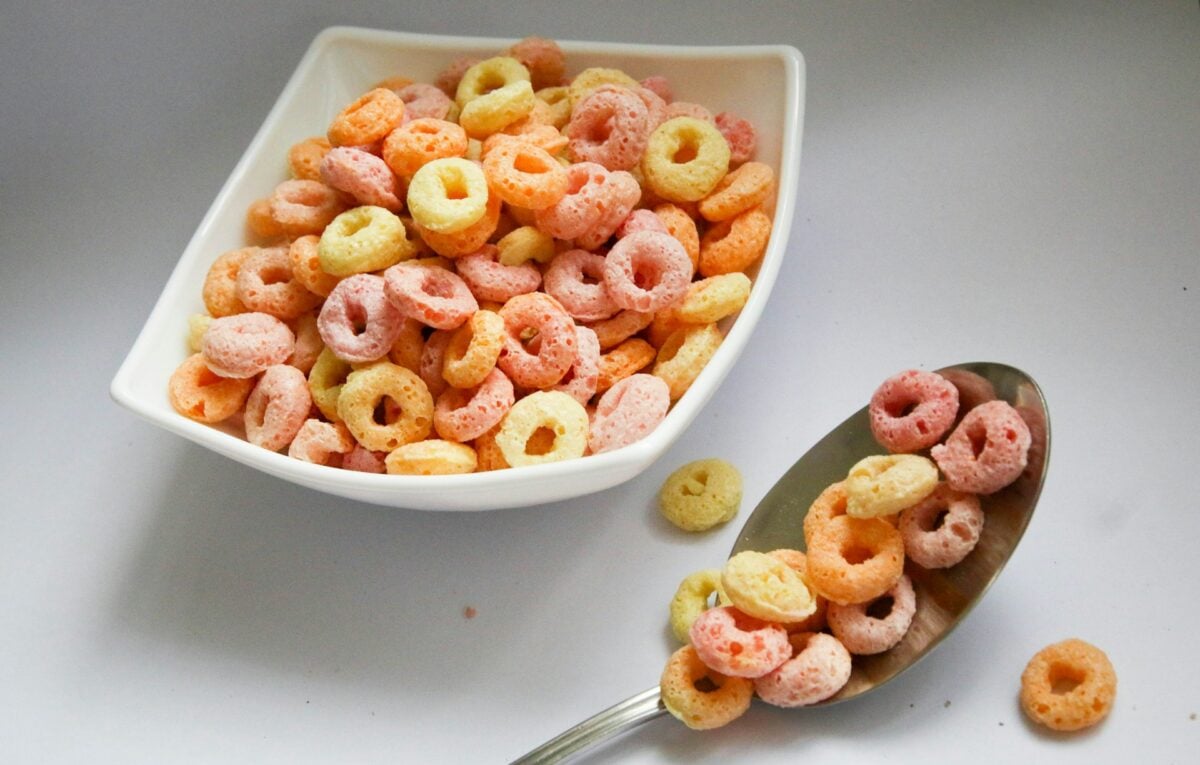
American cereal companies get conservative, but international markets get creative. Japanese Corn Flakes come in purple sweet potato flavor.
European grocery stores stock chocolate cereal that would never pass American sugar regulations. The breakfast aisle becomes a geography lesson.
Costco Bulk Everything
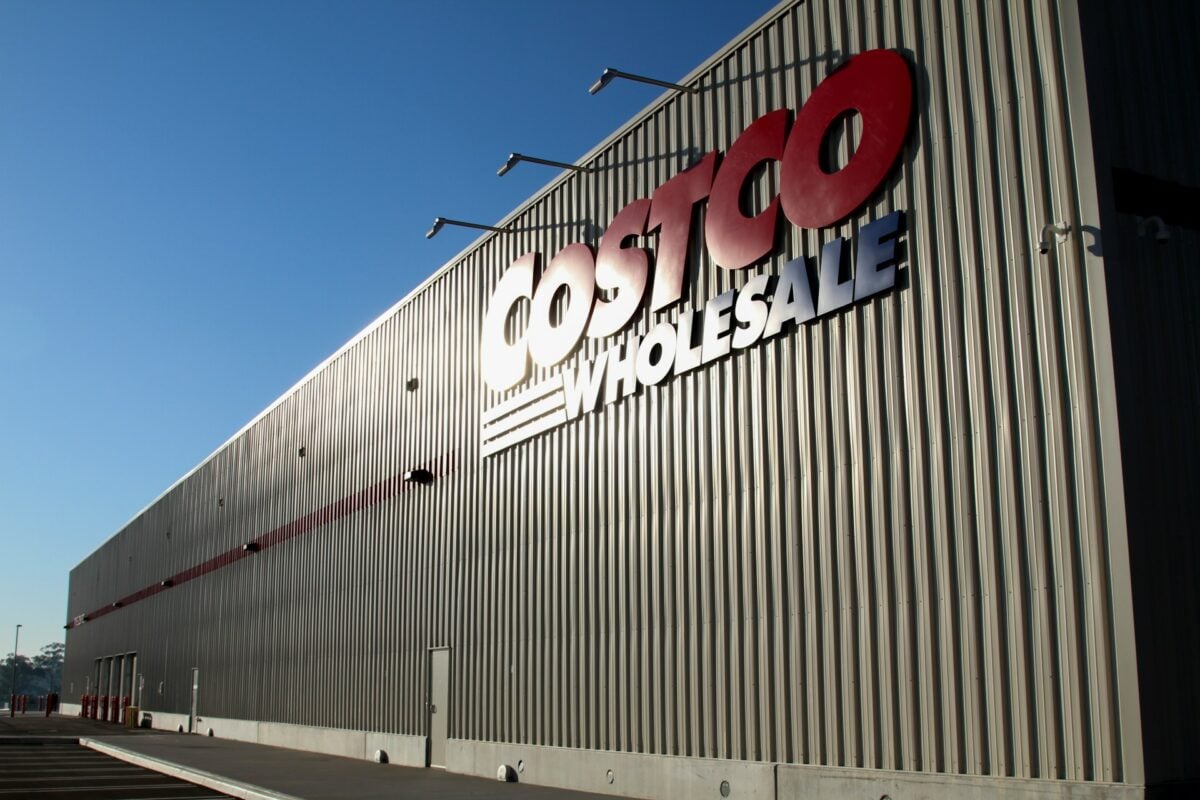
The sheer scale of Costco purchases creates natural comedy. Sixty-four rolls of toilet paper stacked in a sedan backseat.
Industrial-sized containers of mayonnaise that could supply a small restaurant. The absurdity scales with the savings, and people lean into the joke rather than away from it.
Regional Soda Collections
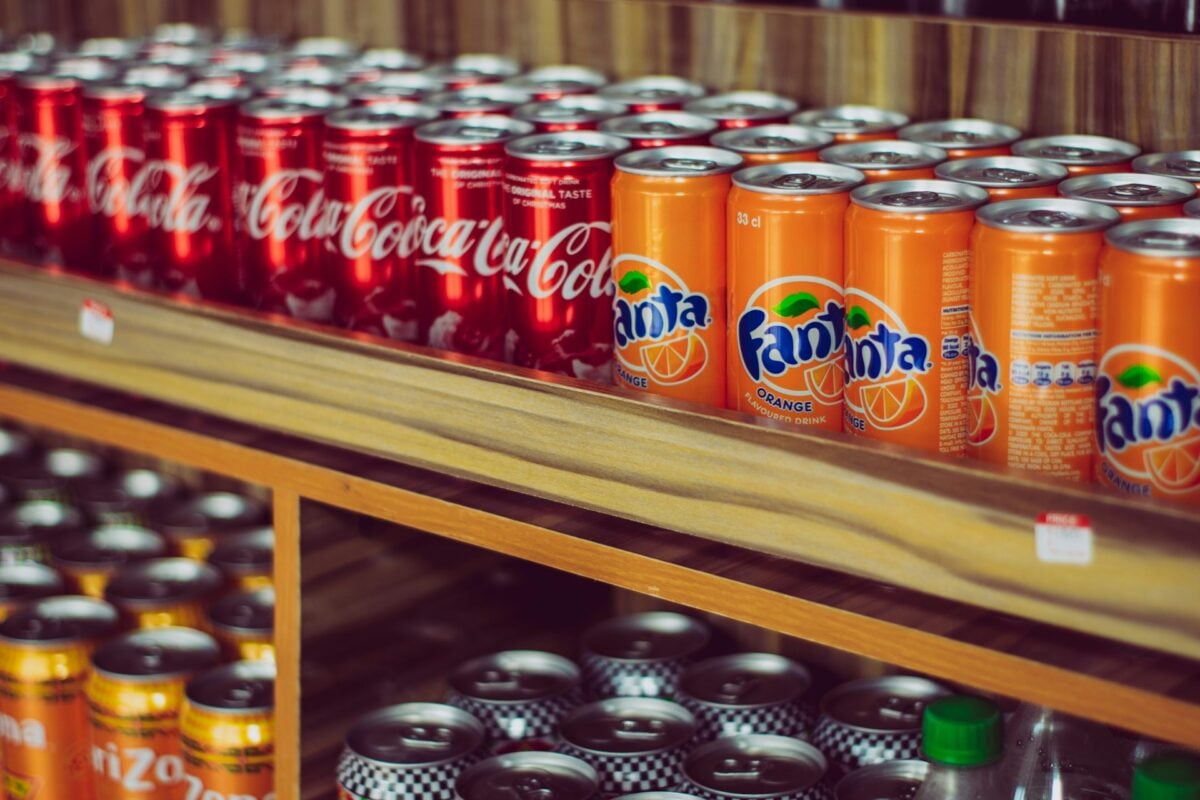
Every region protects its soda secrets like family recipes — Cheerwine in the Carolinas, Vernors in Michigan, Big Red in Texas — and stumbling across these local favorites while traveling feels like discovering hidden treasure (which, in the context of social media, it basically is). The regional exclusivity creates instant content: proof you’ve been somewhere specific, tried something most of your followers can’t easily access.
The posts practically write themselves: the lineup of unfamiliar bottles, the tasting notes, the inevitable comparison to more familiar brands. And the comments section always fills with people sharing their own regional favorites or begging someone to ship them a case.
British Biscuit Varieties
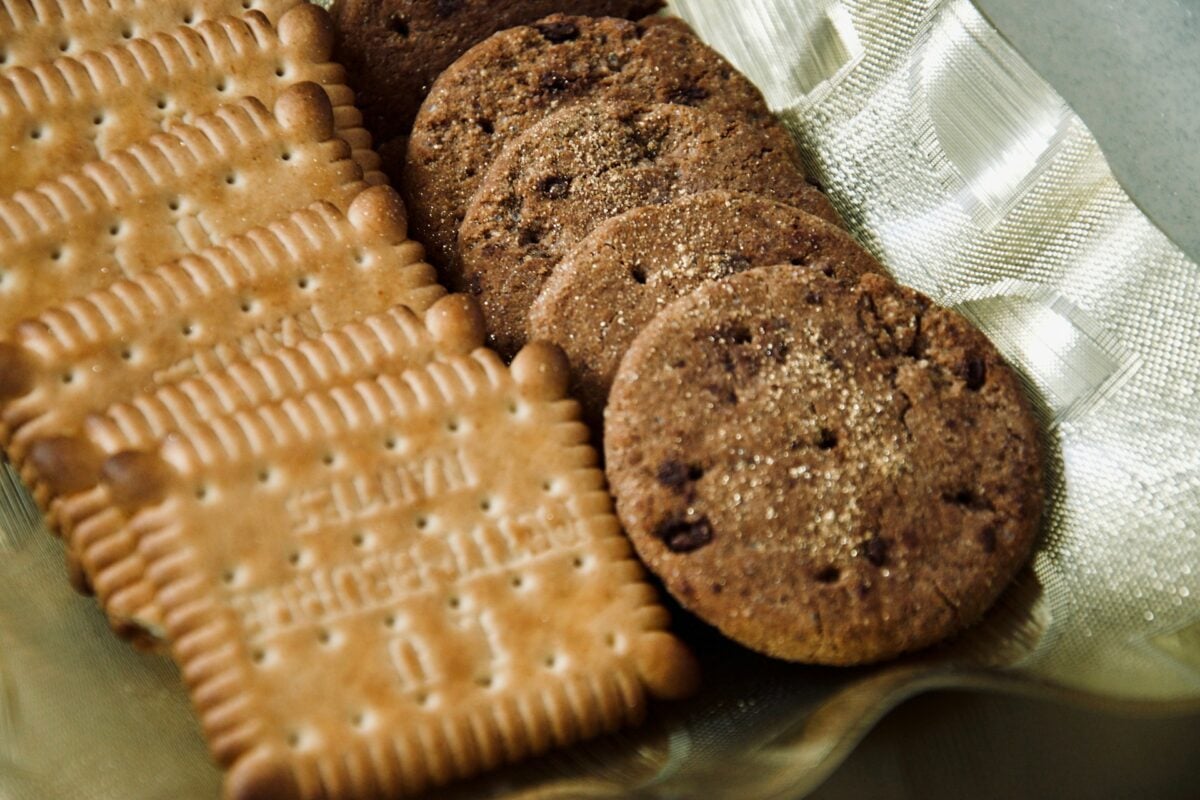
Digestives, Hobnobs, Jaffa Cakes — British grocery stores treat cookies like a serious food category. American visitors discover that what they call cookies barely scratches the surface of what’s possible with flour, butter, and creativity.
The tea aisle becomes equally overwhelming.
Mexican Candy Challenges
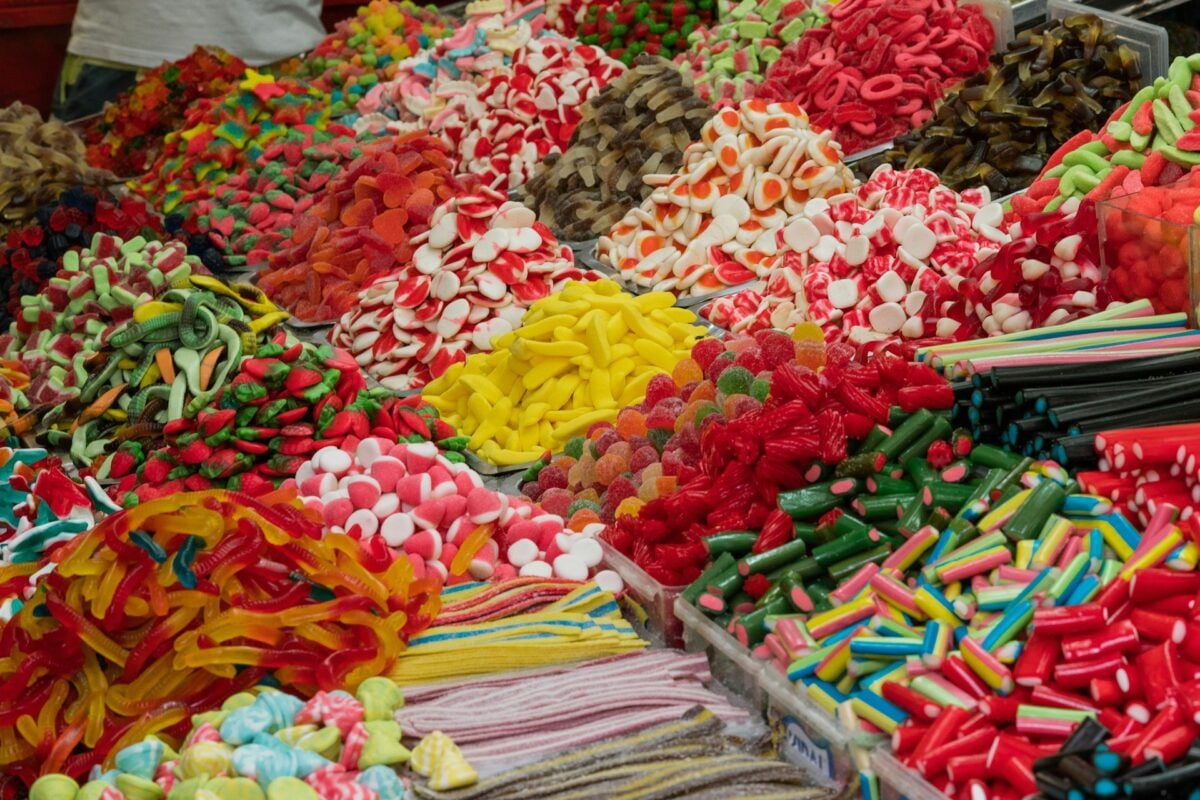
Chamoy, tamarind, chile powder — Mexican candy doesn’t apologize for being intensely flavored. Social media creators turn grocery hauls into taste-testing challenges, and their genuine reactions to unfamiliar flavor combinations create engaging content.
Sweet plus sour plus spicy breaks American candy expectations.
Scandinavian Fish Products
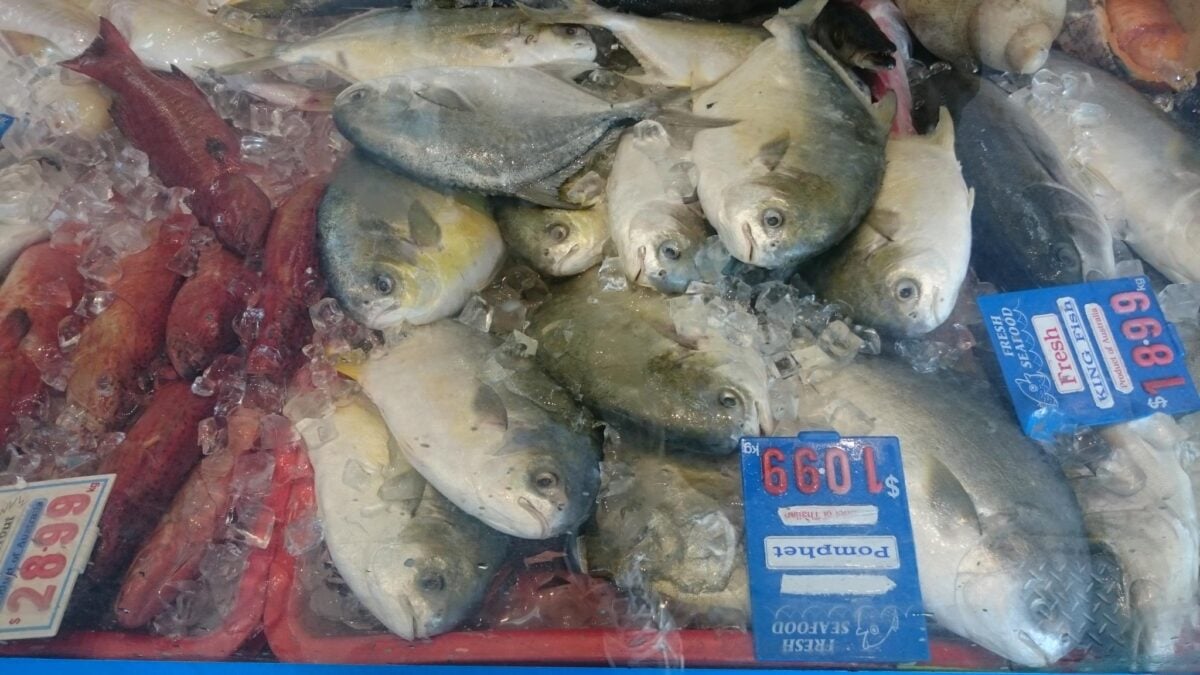
Pickled herring comes in more varieties than most people realize — curry flavored, mustard glazed, wine marinated. Scandinavian grocery stores dedicate entire aisles to preserved fish that looks like science experiments to American eyes.
The cultural gap creates natural curiosity and content opportunities.
Middle Eastern Spice Blends
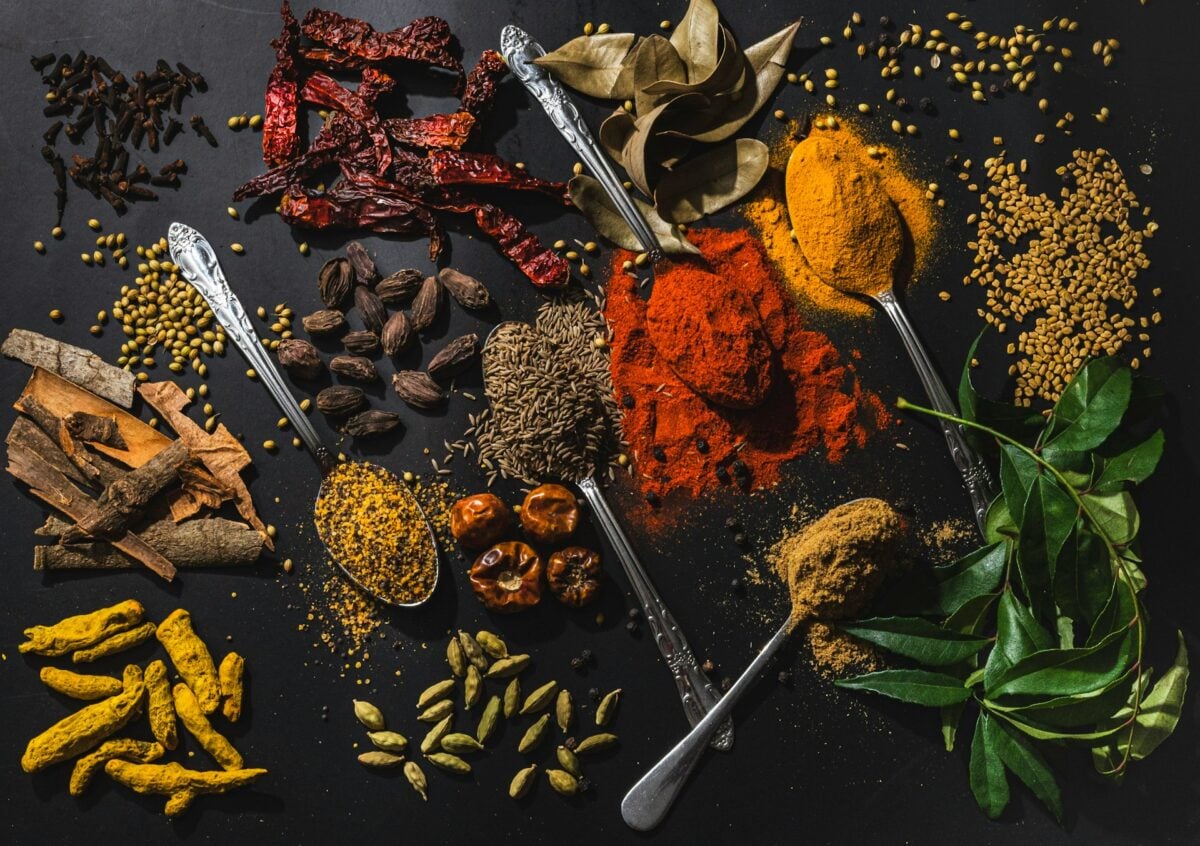
Za’atar, sumac, baharat — Middle Eastern grocery stores stock spice blends that most American kitchens have never encountered. The vibrant colors photograph beautifully, and the unfamiliar names create educational content opportunities.
Food becomes cultural bridge-building, one Instagram post at a time.
Australian Vegemite Variations
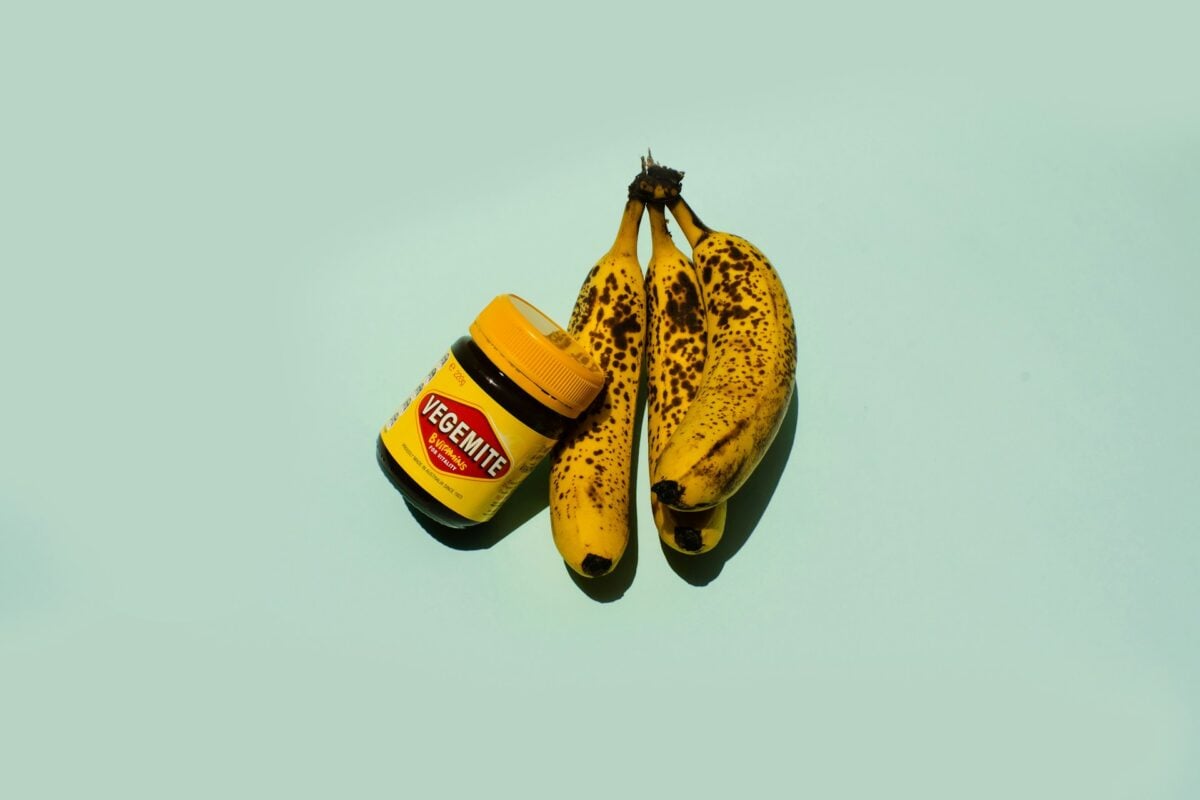
Vegemite spawned variations that somehow make the original seem approachable. Cheesy Vegemite. Vegemite with reduced salt.
Chocolate Vegemite that sounds like someone lost a bet. Australian grocery stores lean into their most polarizing export, and visitors document the full spectrum of options.
The Algorithm Rewards Authenticity
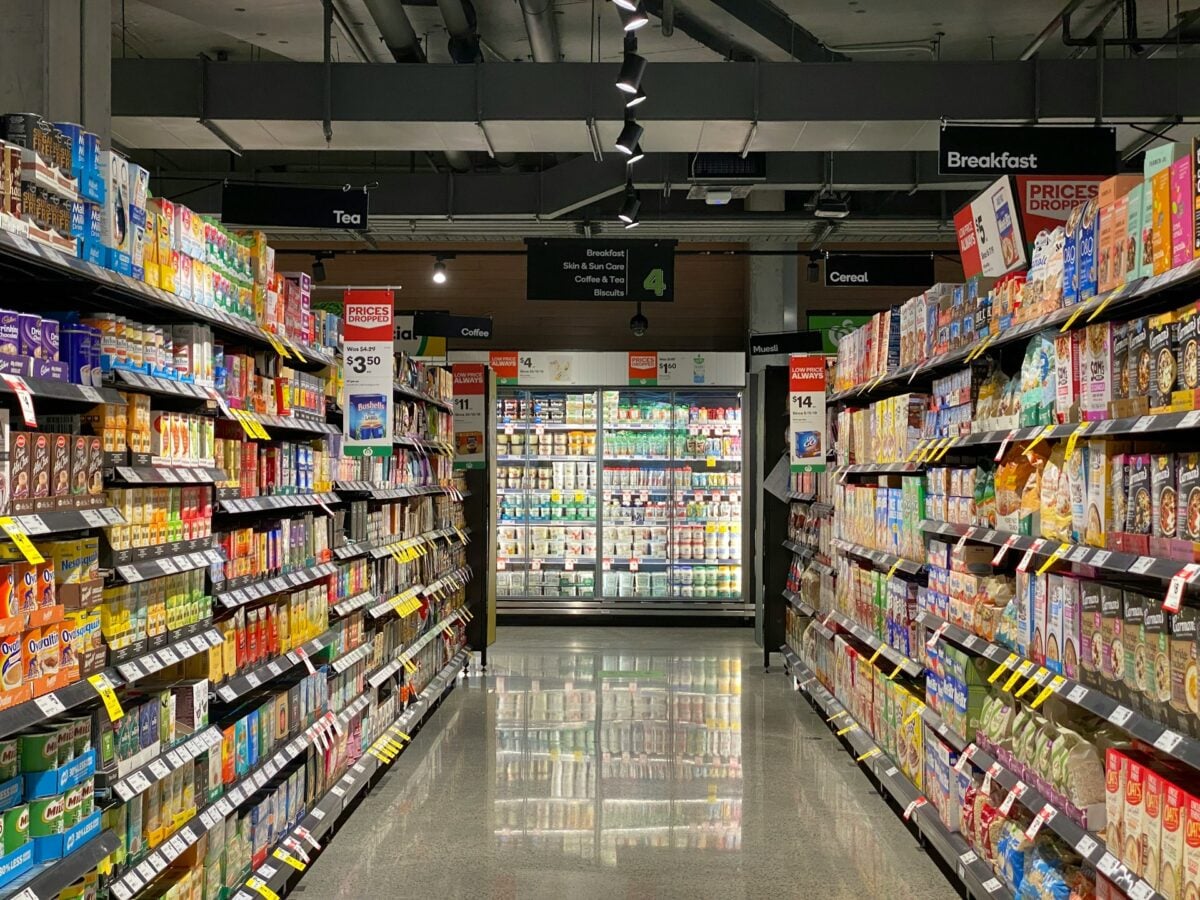
Grocery tourism works because it captures something genuinely human — the curiosity about how other people live, what they eat, what they consider normal. The best posts don’t try to manufacture wonder.
They just point the camera at what’s actually surprising and let the strangeness speak for itself.
More from Go2Tutors!

- The Romanov Crown Jewels and Their Tragic Fate
- 13 Historical Mysteries That Science Still Can’t Solve
- Famous Hoaxes That Fooled the World for Years
- 15 Child Stars with Tragic Adult Lives
- 16 Famous Jewelry Pieces in History
Like Go2Tutors’s content? Follow us on MSN.



