World Donkey Day: Facts and Fun Trivia
Every May 8th, donkeys get their moment in the spotlight. Most people think of them as stubborn farm animals or the punchline to old jokes, but these creatures have been shaping human civilization for thousands of years.
They’ve carried empires on their backs, crossed deserts that would kill camels, and saved more lives than most people realize. World Donkey Day isn’t just about giving credit where it’s due — it’s about recognizing one of humanity’s most reliable partners.
Ancient Egyptian Reverence

Donkeys were sacred in ancient Egypt. The wealthy owned them as status symbols, not just work animals.
Pack Animal Champions
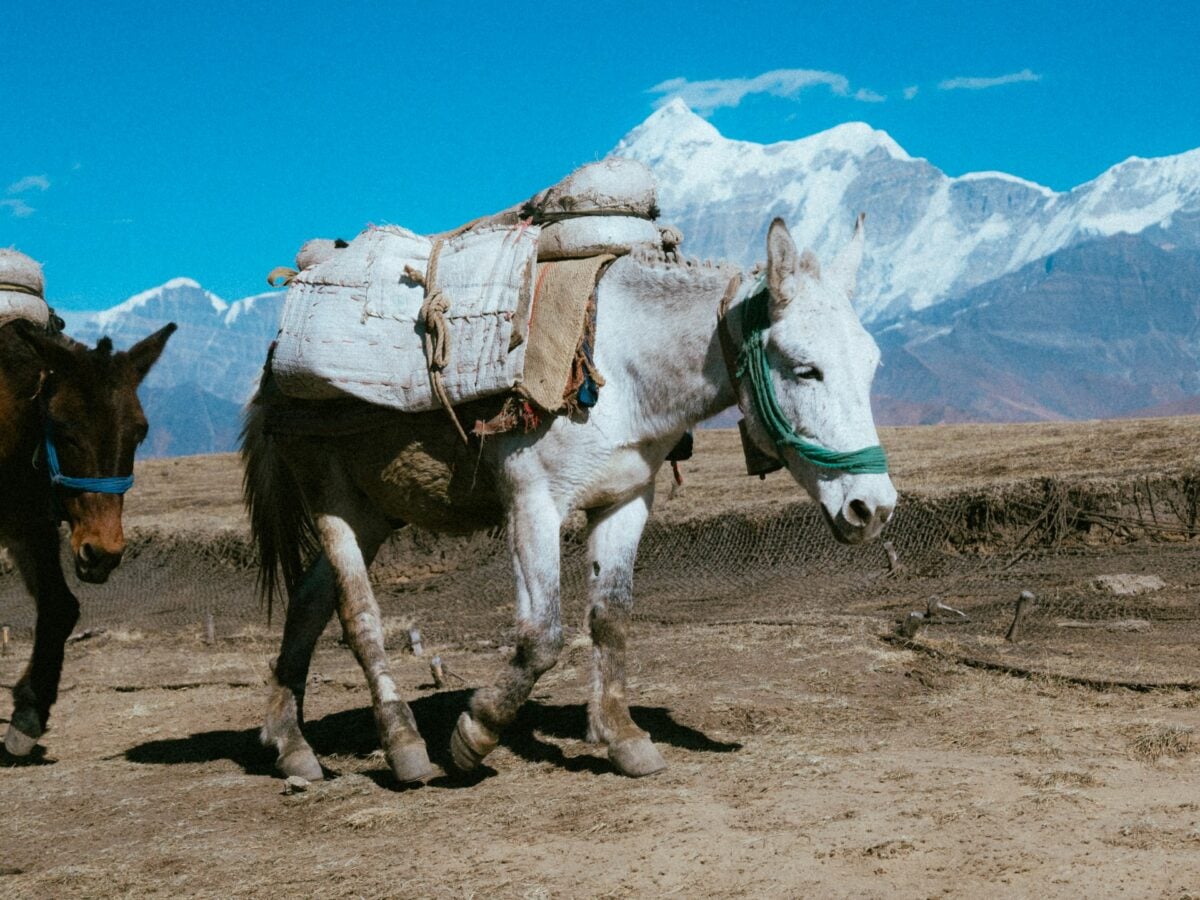
So here’s the thing about donkeys as pack animals: they’ve been doing the impossible for so long that we’ve forgotten it was ever difficult (and the routes they pioneered became the foundation for trade networks that connected entire continents). A donkey can carry 20% of its body weight across terrain that would challenge a horse — and while horses need constant water and quality feed, donkeys just keep going on whatever scrub vegetation they find along the way.
They don’t complain, they don’t quit, and they remember every dangerous spot on a trail after walking it just once. But the most remarkable part? They still do this work today in places where trucks can’t go, carrying medical supplies up mountain paths and bringing goods to villages that exist only because donkeys make them accessible.
Desert Survival Experts
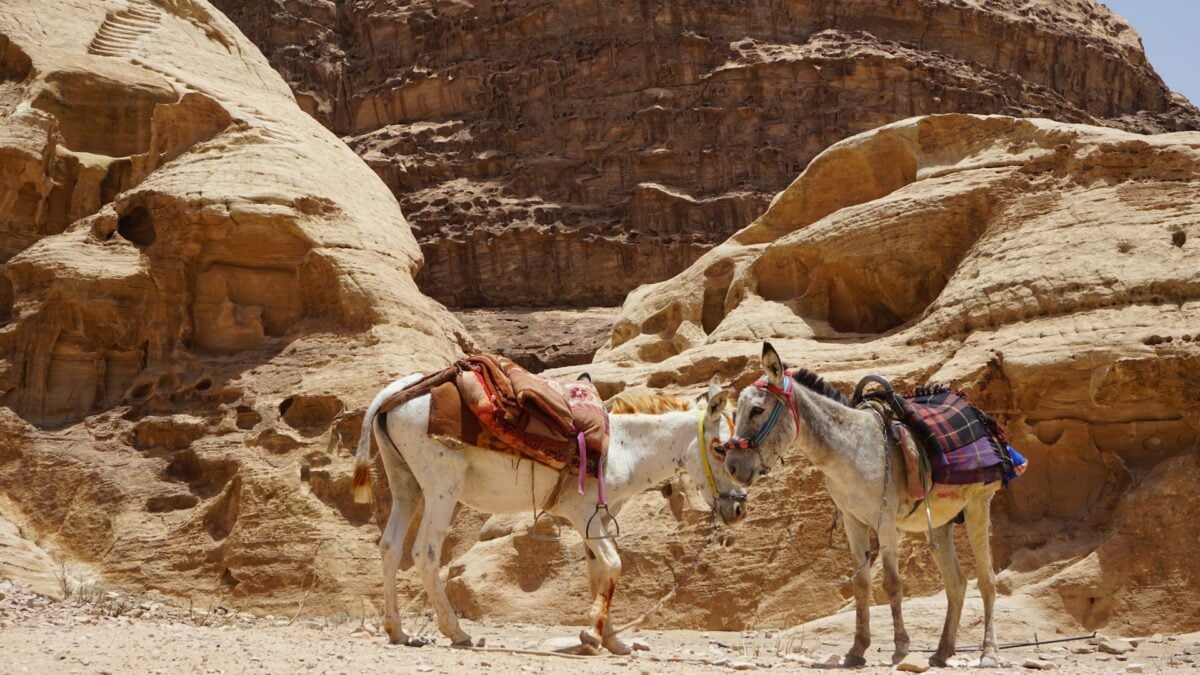
Think of donkeys as the Swiss Army knives of the animal kingdom, except instead of tiny scissors and bottle openers, they come equipped with biological systems that treat the desert like a weekend getaway. Their kidneys concentrate urine so efficiently they need 30% less water than horses, and their digestive system extracts nutrition from plants so fibrous and dry that other animals would starve looking at them.
And yet the real magic happens in how they move through heat — their ears work like air conditioning units, radiating body heat while their light-colored coats reflect sunlight rather than absorbing it. Desert peoples didn’t choose donkeys as companions by accident; they chose them because in environments where survival comes down to water management and heat tolerance, donkeys had already spent thousands of years perfecting both.
Milk Production
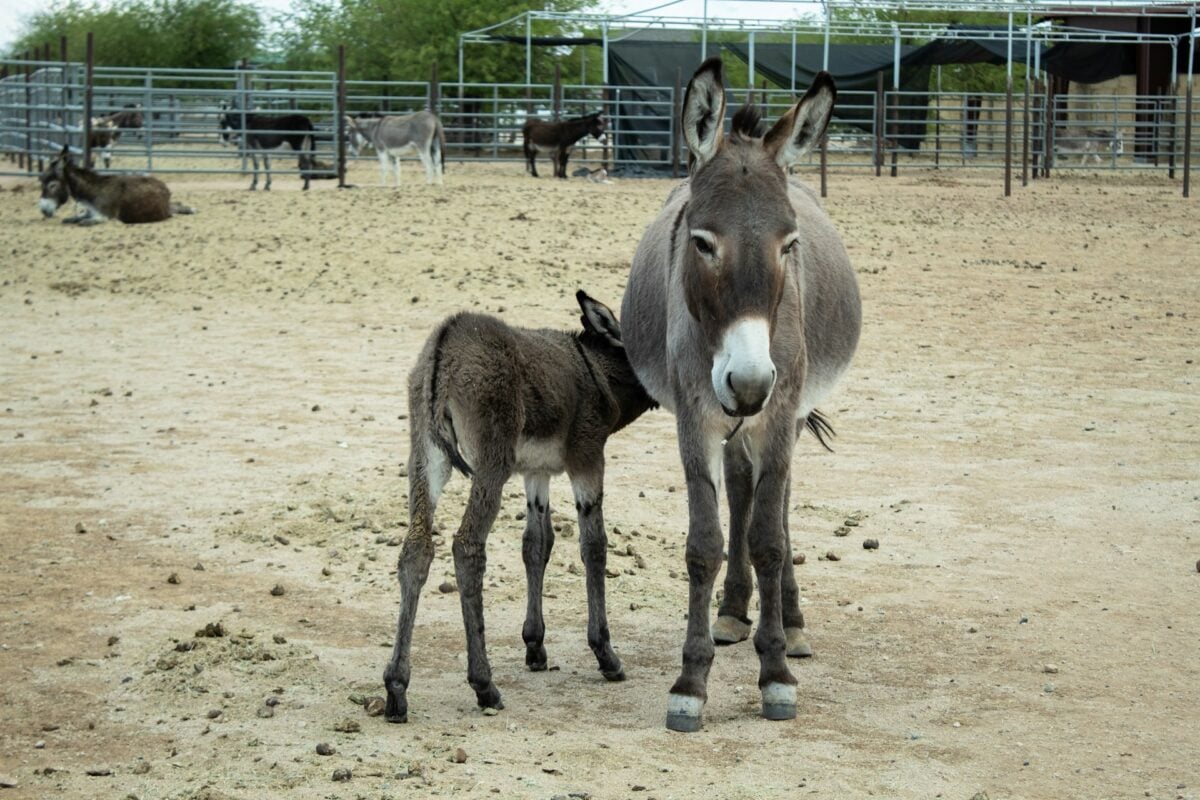
Donkey milk contains more lactose than cow milk and has been used medicinally for centuries. Cleopatra allegedly bathed in it for skincare benefits, though the historical evidence remains questionable.
Intelligence and Memory
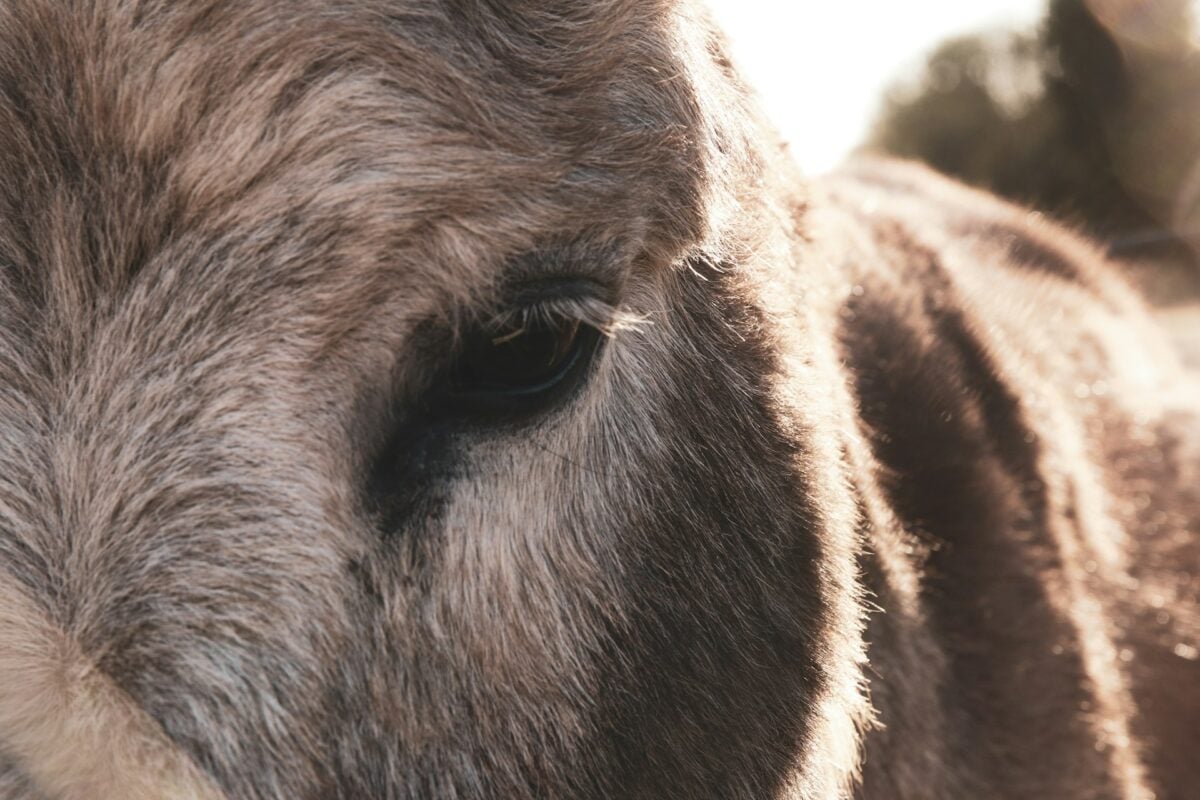
But donkeys process information differently than horses do, and what looks like stubbornness turns out to be something closer to careful consideration (the kind of methodical thinking that kept caravans alive when one wrong step meant falling off a cliff path). They evaluate situations before acting, which means they’ll refuse commands that seem dangerous — not because they’re being difficult, but because they’re often right about the risks involved.
And their memory works like a detailed filing system: they remember people who treated them well decades later, recognize voices, and can navigate back to water sources they visited years before. The phrase “stubborn as a mule” misses the point entirely — mules and donkeys aren’t refusing to think, they’re refusing to stop thinking, which is something entirely different.
Modern Working Roles
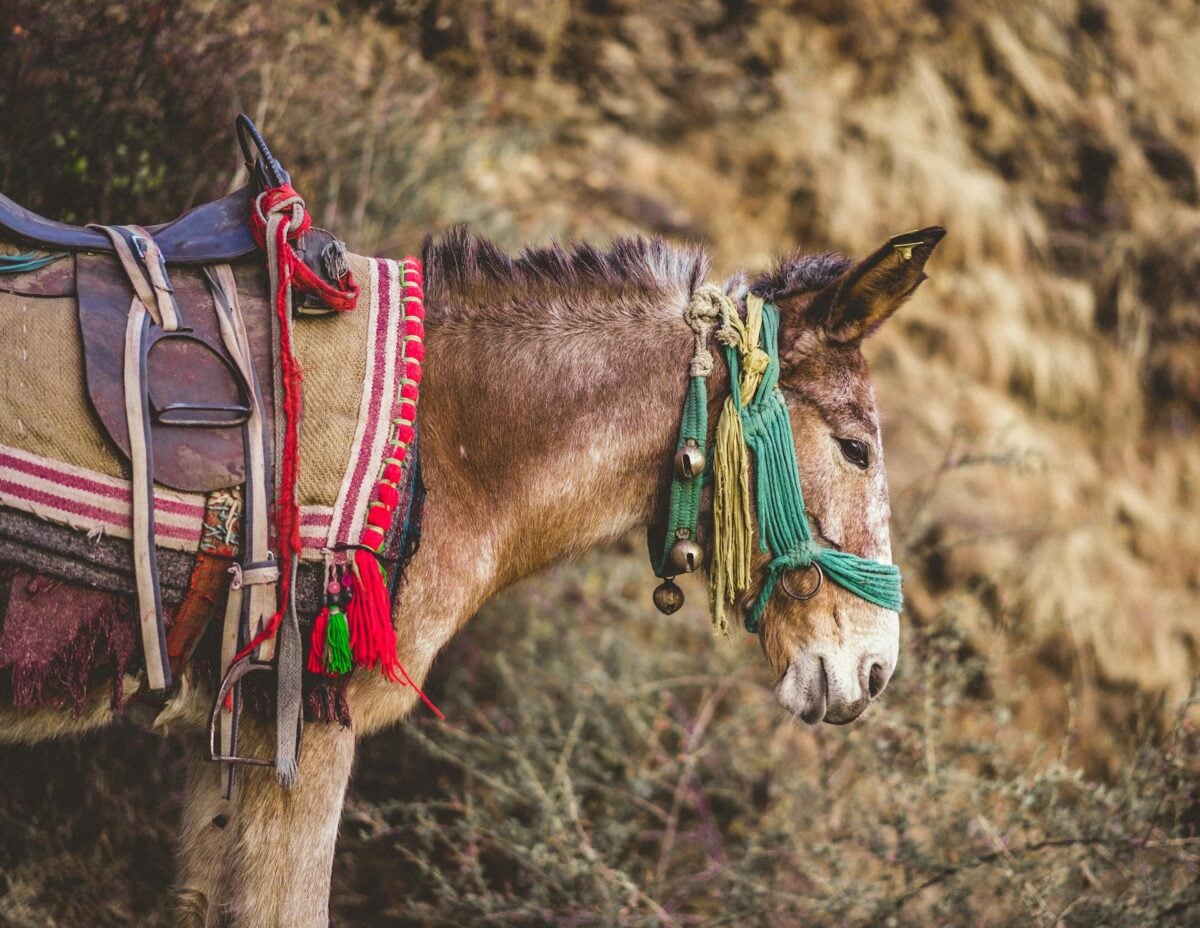
Donkeys still work in 40 countries as primary transportation and agricultural support. Rural communities depend on them for survival, not convenience.
Genetic Contributions
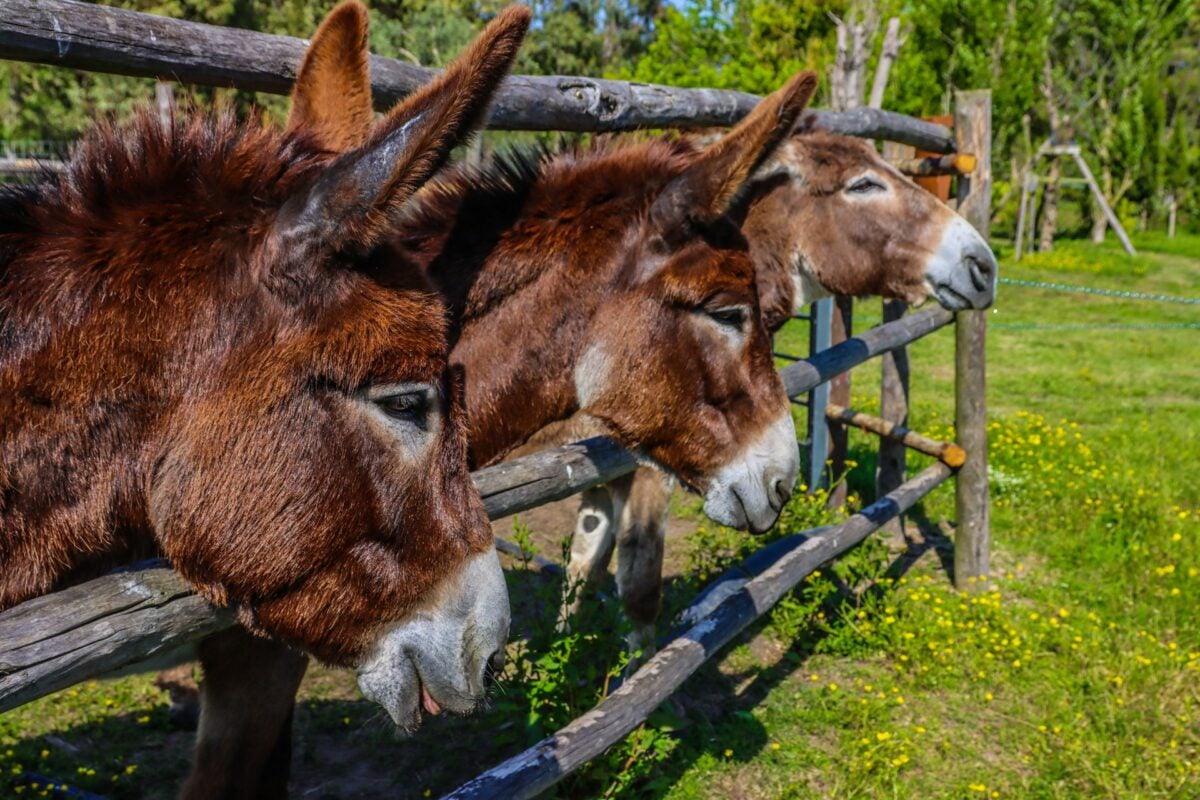
The genetic relationship between donkeys and horses goes deeper than most people realize, and when you cross them, you get an animal that combines the best survival traits of both species (though the resulting mules and hinnies come with their own peculiar set of characteristics that make them useful in ways neither parent could manage alone). Donkey DNA contributes hardiness, disease resistance, and longevity to the mix — mules live longer than horses and require less maintenance, while hinnies get the donkey’s careful temperament combined with some of the horse’s size and speed.
So when people bred these animals together, they weren’t just experimenting; they were creating specialized tools for specific jobs, whether that meant hauling equipment up mountain mining claims or providing cavalry units that could outlast enemy horses in desert warfare.
Cultural Symbolism
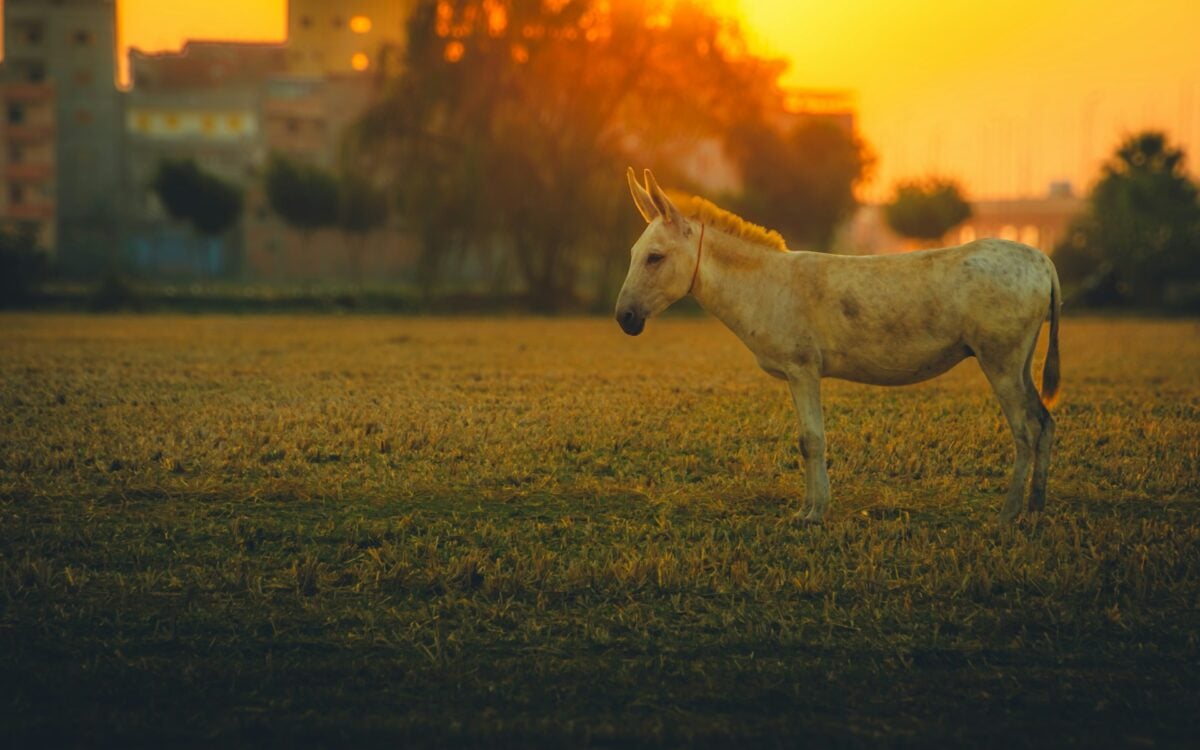
Religious texts feature donkeys as symbols of humility and service. The contrast with horses — representing war and nobility — made donkeys the preferred mount for peaceful leaders and religious figures.
Physical Adaptations
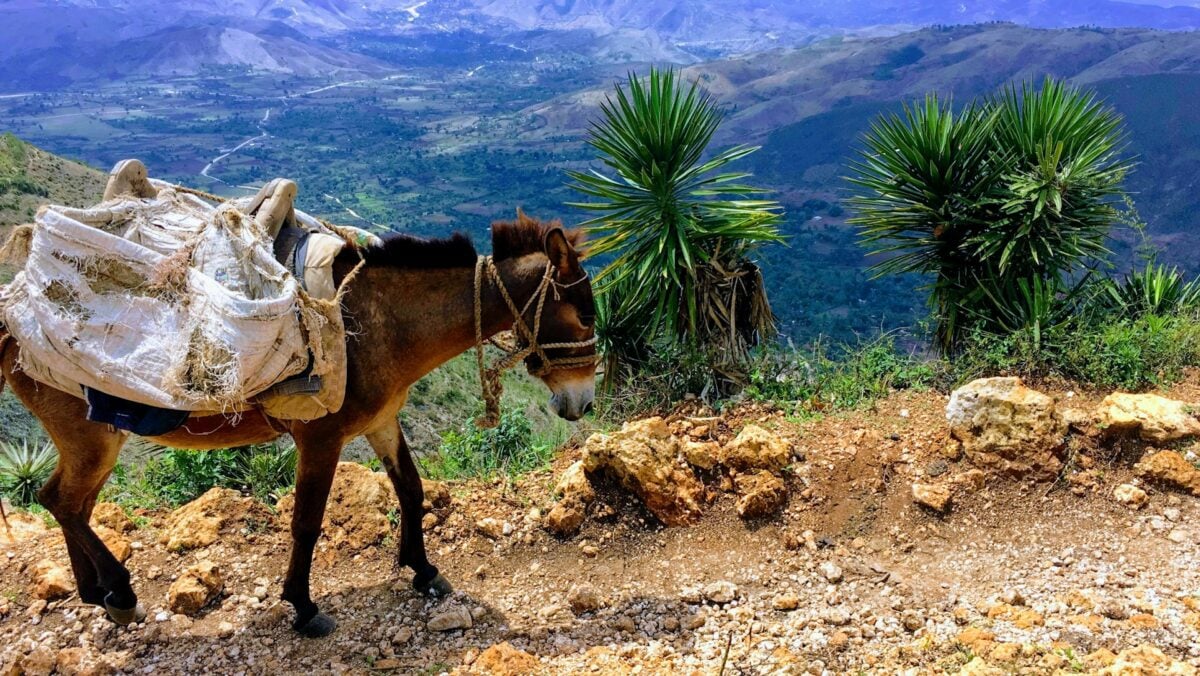
Donkey hooves are smaller and more upright than horse hooves, which gives them better balance on rocky terrain (and explains why they became the standard pack animal for mountain paths and desert crossings where horses would stumble). Their spine connects to their pelvis at a different angle, creating a back that handles weight distribution more efficiently over long distances.
But the ears aren’t just for show — those oversized appendages work as early warning systems, rotating independently to track sounds from multiple directions while also serving as cooling mechanisms in hot climates. Even their teeth grow continuously to handle the abrasive desert plants they evolved eating, which means they can survive on vegetation that would wear down other animals’ teeth to useless nubs.
Every part of their body design reflects thousands of years of evolution in harsh environments where efficiency meant survival.
Communication Methods

Donkeys vocalize with purpose. Their braying carries specific information about identity, location, and emotional state to other donkeys across long distances.
Therapeutic Applications
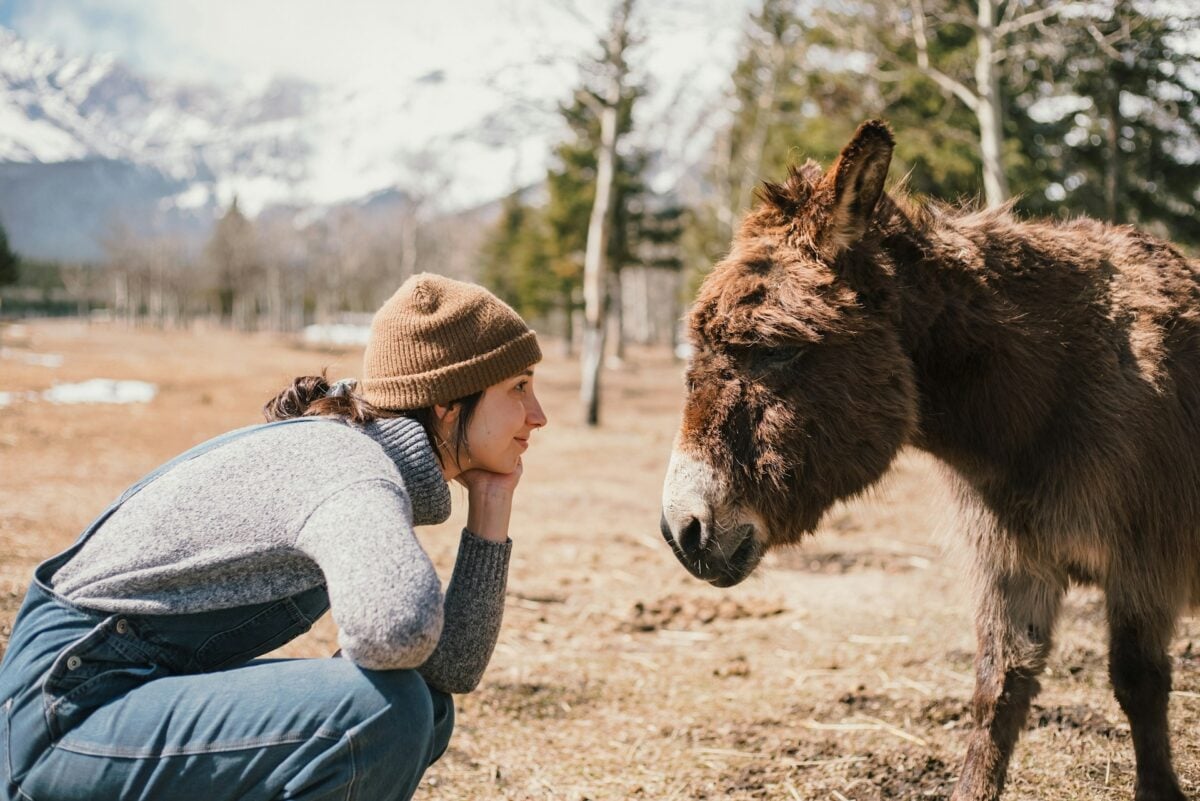
The movement pattern of donkeys provides therapeutic benefits for people with disabilities (their steady, rhythmic gait creates a walking simulation that helps with muscle development and balance training without the unpredictability that makes horses less suitable for certain therapeutic applications). Physical therapists discovered that donkeys move more slowly and deliberately than horses, which gives riders more time to adjust and respond, while their smaller size makes mounting and dismounting less intimidating for children and adults with mobility challenges.
So donkey-assisted therapy programs have spread to facilities treating everything from autism to spinal cord injuries, and the results consistently show that these animals seem to understand their role as healers — they stand patiently during mounting, respond to the subtle balance shifts of riders who can’t communicate verbally, and somehow know when to move forward and when to wait.
Geographic Distribution
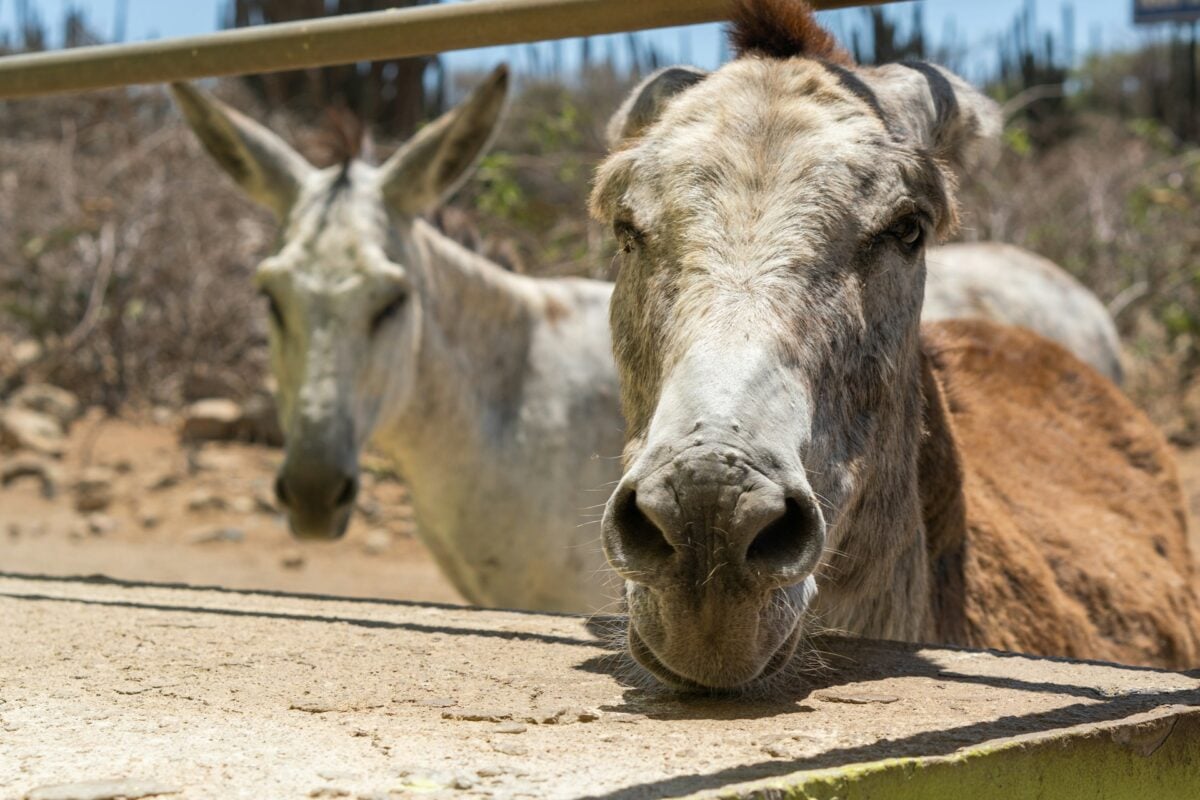
Wild donkeys survive in deserts across Africa and Asia. Their feral populations in Australia and the American Southwest continue expanding despite management efforts.
Conservation Challenges
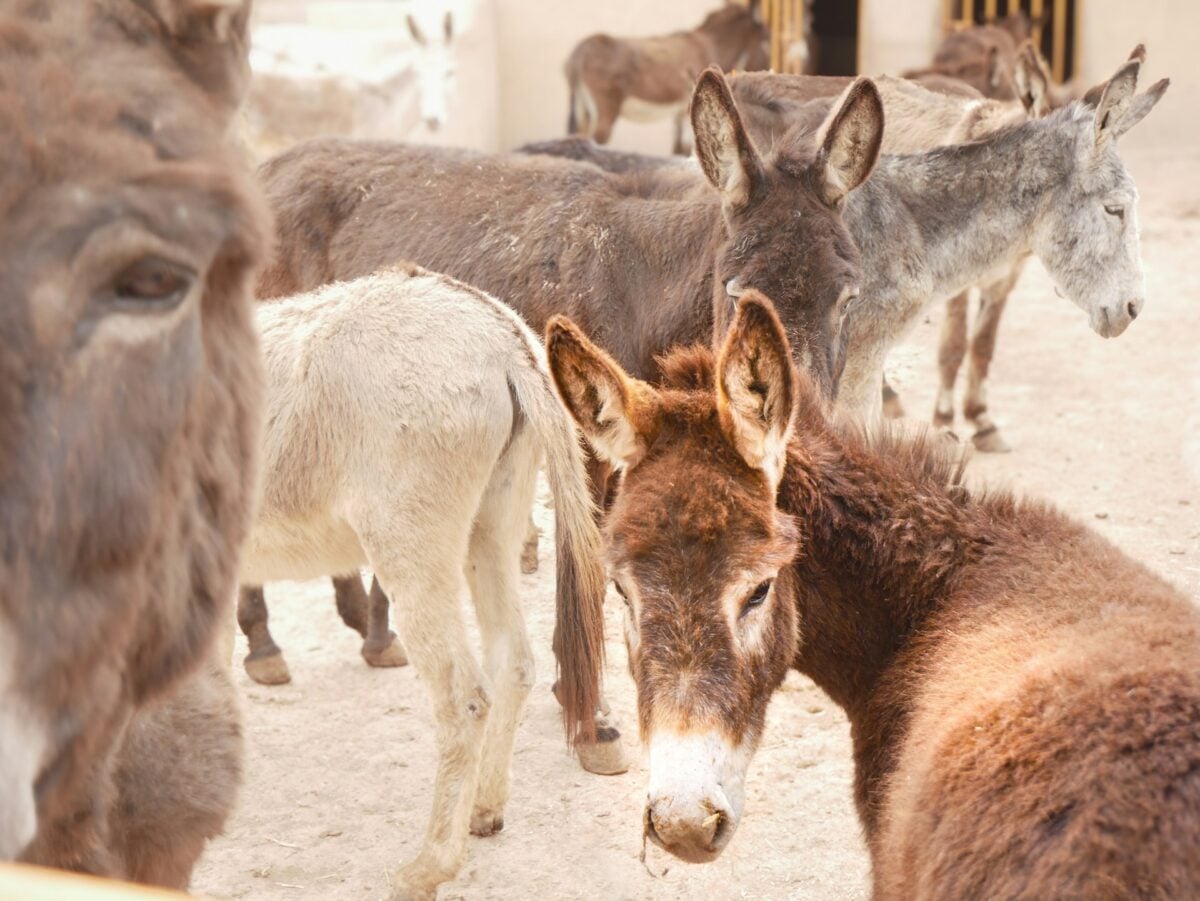
Donkey populations face pressure from multiple directions, and the problems vary dramatically depending on location. Domestic donkeys in developing countries often receive inadequate veterinary care, while wild populations get squeezed out by expanding agriculture and urban development.
Meanwhile, certain breeds that were developed for specific regional conditions — like the massive Poitou donkeys of France or the miniature Mediterranean varieties — survive in numbers so small that genetic diversity becomes a real concern. The irony hits hard: an animal that helped build human civilization now depends on human intervention for survival in many parts of the world.
Conservation Success Stories
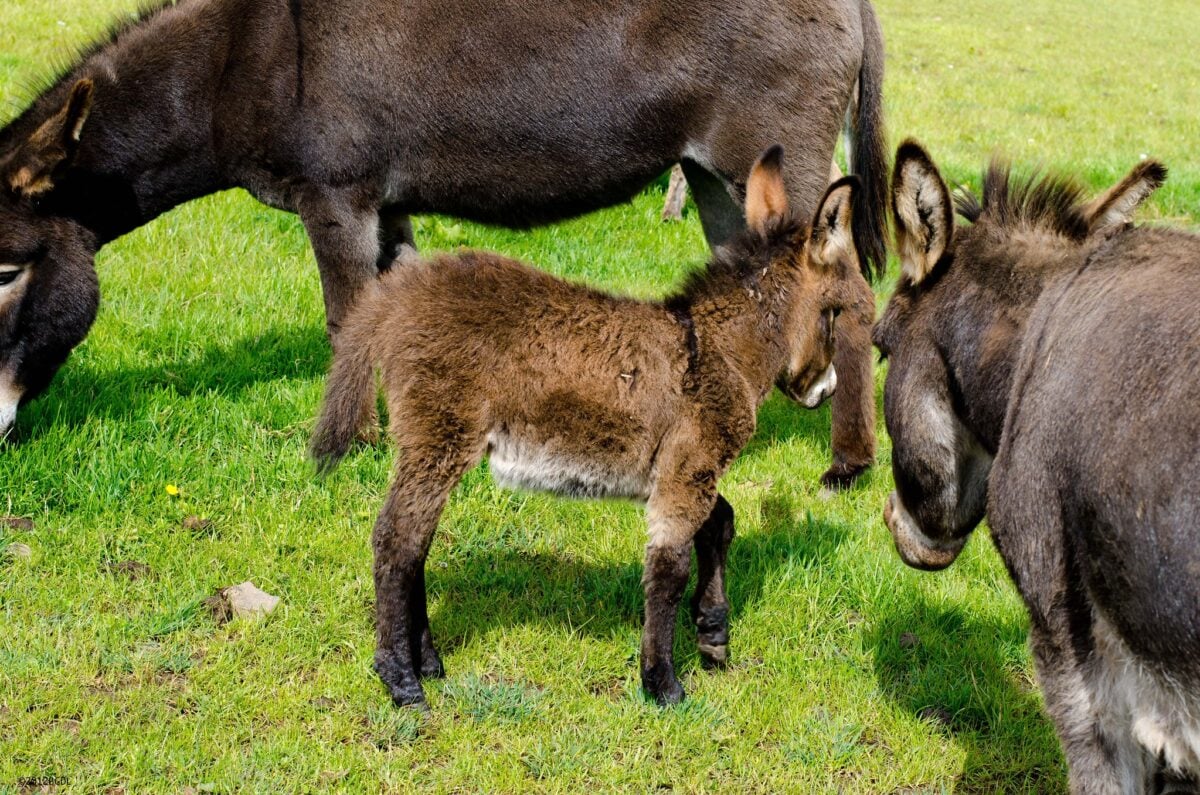
Breeding programs have saved several donkey breeds from extinction. The American Mammoth Jackstock, once nearly gone, now has stable breeding populations thanks to dedicated preservation efforts.
Celebrating Our Humble Heroes
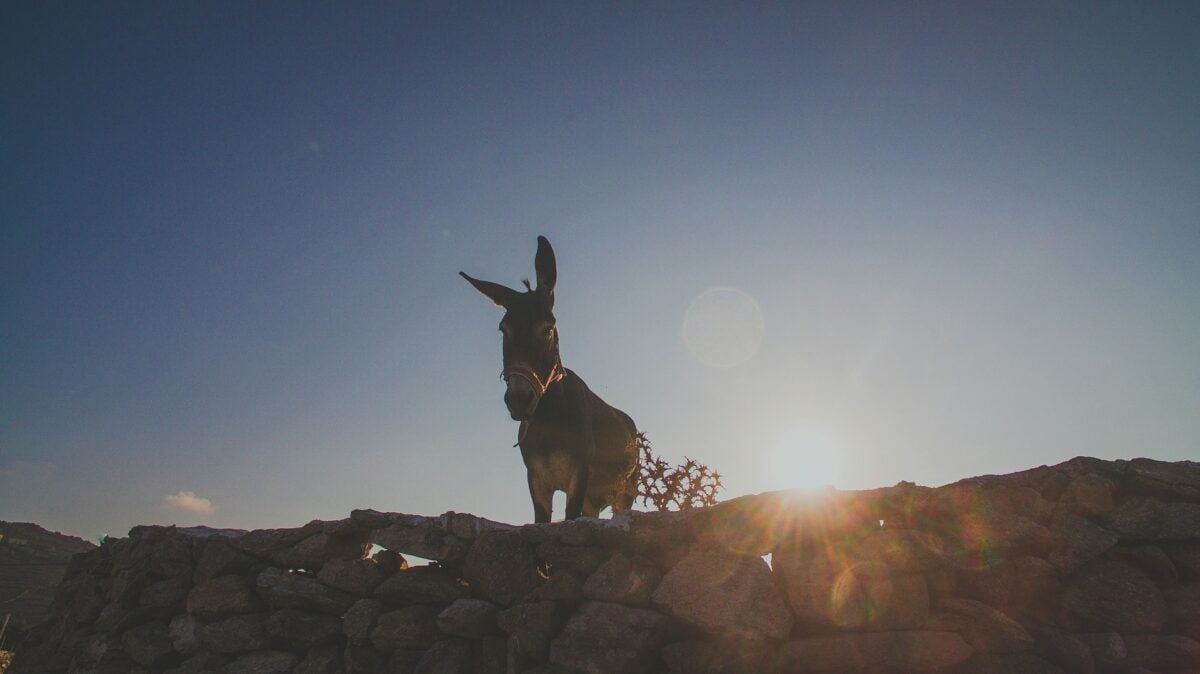
World Donkey Day asks us to notice what we’ve stopped seeing. These animals never demanded recognition for the empires they helped build or the trade routes they made possible.
They just kept working, kept surviving, and kept proving that sometimes the most valuable qualities — patience, endurance, careful judgment — come in forms we don’t expect to respect. Maybe that’s the real lesson worth celebrating: the quiet reliability that makes everything else possible.
More from Go2Tutors!

- The Romanov Crown Jewels and Their Tragic Fate
- 13 Historical Mysteries That Science Still Can’t Solve
- Famous Hoaxes That Fooled the World for Years
- 15 Child Stars with Tragic Adult Lives
- 16 Famous Jewelry Pieces in History
Like Go2Tutors’s content? Follow us on MSN.



