14 Bizarre Inventions That Actually Worked
Human ingenuity knows no bounds, especially when it comes to solving unusual problems or pursuing offbeat ideas. Throughout history, inventors have created strange contraptions and unlikely solutions that seemed ridiculous at first glance but proved surprisingly effective.
These oddball creations demonstrate how thinking outside conventional boundaries can lead to genuine innovation, even if the results look peculiar. Here is a list of 14 bizarre inventions that defied expectations and actually delivered on their unusual promises.
Ostrich Pillow

This odd-looking cushioned helmet resembles a plush alien head but serves a practical purpose for power nappers. Created by design studio Kawamura-Ganjavian in 2012, the Ostrich Pillow envelops your head and hands to create a personal napping environment anywhere.
Users can sleep face-down on desks or upright in chairs while the pillow blocks light and sound. Despite its strange appearance, the product raised over $150,000 in crowdfunding and launched an entire category of immersive sleep accessories.
Bubble Wrap

Engineers Alfred Fielding and Marc Chavannes weren’t trying to create a packing material when they sealed two shower curtains together in 1957. They were attempting to make textured wallpaper that would appeal to the beatnik generation.
The result was utterly unsuccessful as wallpaper but it found its purpose when IBM needed packaging for its new computers in 1961. This accidental invention now protects billions of shipments annually while providing oddly satisfying stress relief through popping those little air pockets.
WowWee Robosapien
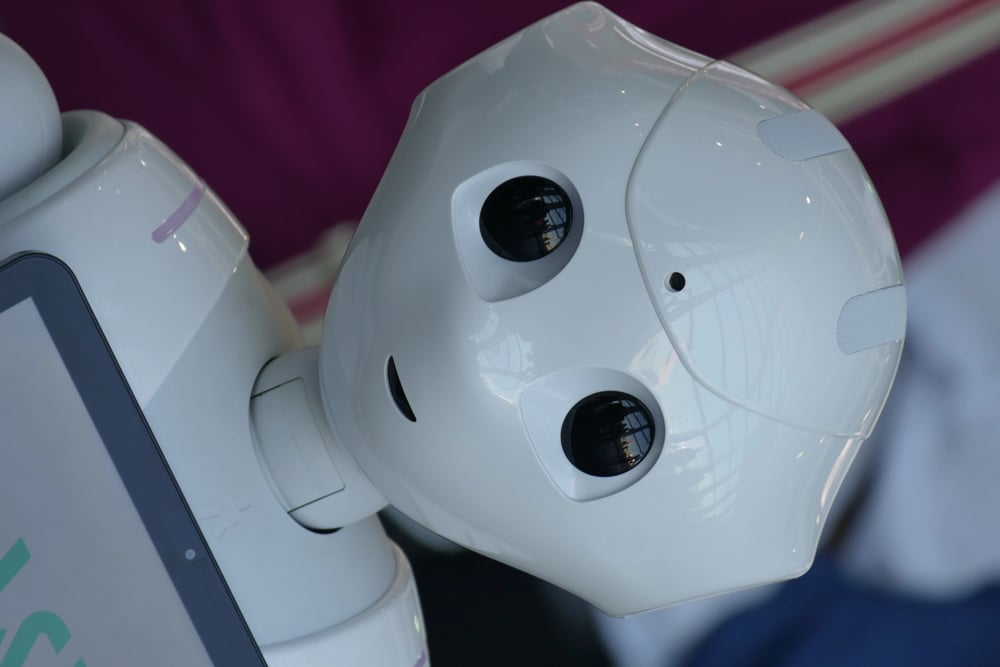
Invented by NASA physicist Mark Tilden, this autonomous robot toy released in 2004 used a technology called BEAM (Biology Electronics Aesthetics Mechanics). Unlike most electronic toys of its era, Robosapien moved using dynamic balance rather than wheels or fixed patterns.
The bizarre walking humanoid could pick up small objects, dance, and respond to remote commands through an innovative biomechanical approach. Over 6 million units sold worldwide, proving that robots didn’t need to look realistic to capture human imagination.
Squatty Potty

This simple plastic stool designed to elevate your feet during bathroom visits became an unexpected commercial hit after appearing on Shark Tank. The device works by positioning users in a more natural squatting position that straightens the colon for easier elimination.
Despite initial public skepticism and bathroom taboos, clinical studies confirmed its effectiveness. The company’s viral marketing campaign featuring a unicorn with rainbow ice cream solidified its place in pop culture and generated over $33 million in sales for what’s essentially a bathroom footstool.
Airbnb

The concept of staying in a stranger’s home instead of a hotel seemed absurd when Brian Chesky and Joe Gebbia inflated three air mattresses in their San Francisco apartment and charged guests $80 per night in 2007. Their initial “Air Bed & Breakfast” concept was rejected by multiple investors who couldn’t imagine people trusting unknown hosts.
The bizarre premise evolved into a platform valued at over $100 billion that fundamentally changed travel accommodations. What started as a desperate attempt to make rent transformed the hospitality industry worldwide.
Pet Rock
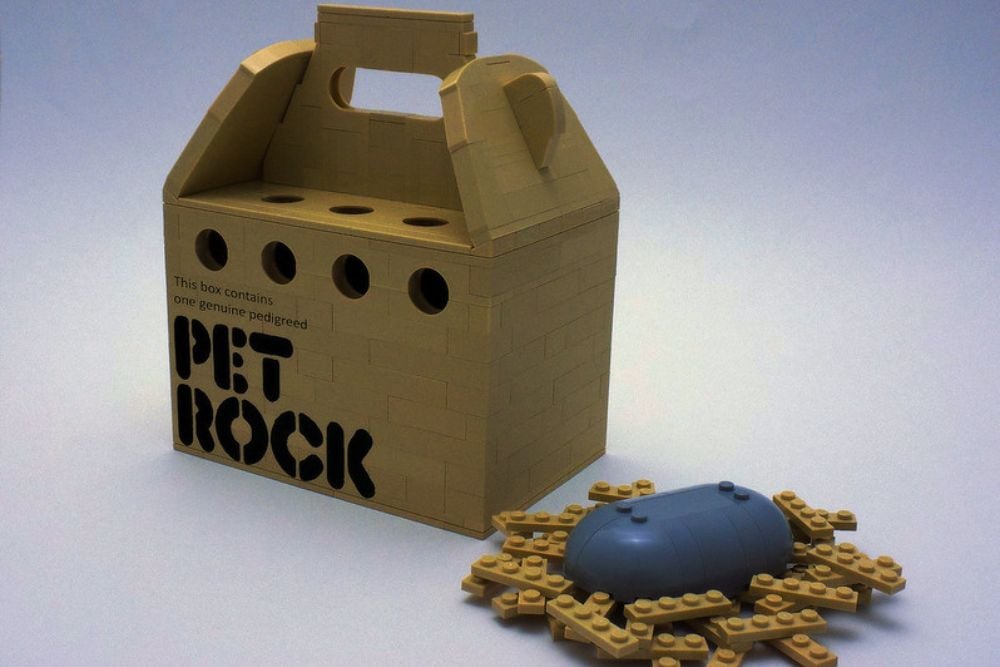
Gary Dahl’s 1975 invention was literally just an ordinary rock packaged in a cardboard box with air holes and straw bedding. Marketed as the perfect low-maintenance pet complete with a 32-page training manual, this joke item capitalized on 1970s pet fads.
The rocks cost Dahl pennies to source while selling for $4 each (equivalent to about $20 today). This seemingly ridiculous concept sold over 1.5 million units within months, earning Dahl millions from what many considered the ultimate expression of consumer gullibility.
The Flowbee
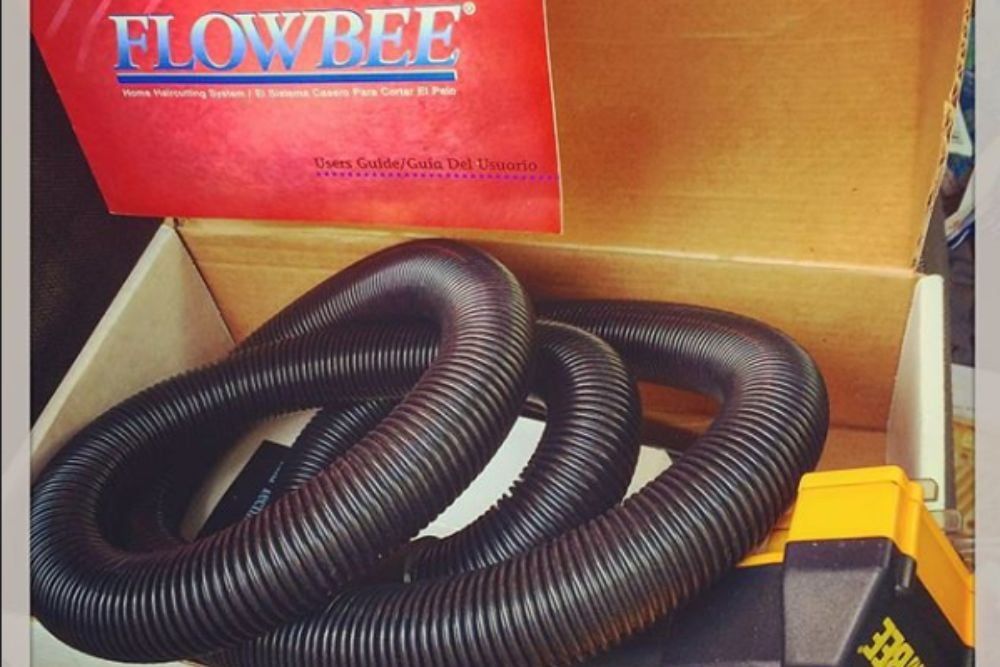
This combination vacuum cleaner attachment and hair trimmer invented by Rick Hunt in the late 1980s promised perfect home haircuts. The strange contraption sucks hair into measured cutting chambers and trims it to a precise length.
Despite becoming a punchline in movies like Wayne’s World, the Flowbee sold over 2 million units and developed a loyal following among practical users. During the COVID-19 pandemic, demand surged so dramatically that the company struggled to keep the product in stock.
Wingsuit

The modern wingsuit evolved from early attempts by daredevils like Franz Reichelt, who fatally jumped from the Eiffel Tower in 1912 wearing a homemade “parachute suit.” Modern versions created by Patrick de Gayardon in the 1990s feature fabric membranes between the arms and legs, allowing skydivers to achieve horizontal flight.
These bizarre flying squirrel outfits enable humans to glide at speeds exceeding 100 miles per hour before deploying a conventional parachute. What once seemed like suicidal madness became an established extreme sport with international competitions.
Snuggie

The blanket with sleeves concept had existed for years before the Snuggie’s massive marketing campaign in 2008 turned it into a cultural phenomenon. This backwards bathrobe marketed as a solution for staying warm while using your hands was initially mocked relentlessly.
The peculiar garment sold over 30 million units and generated $500 million in revenue. The simple modification to a traditional blanket proved that even slightly bizarre solutions to mundane problems can achieve enormous commercial success through clever infomercials.
Post-It Notes

Spencer Silver accidentally created a “low-tack” adhesive at 3M in 1968 that seemed useless because it was too weak. Five years later, his colleague Art Fry realized this failure could solve his problem of bookmarks falling out of his hymnal during choir practice.
The resulting sticky notes were initially rejected in market testing but became indispensable office supplies after free samples were distributed in Boise, Idaho. A glue that failed at its intended purpose found worldwide success by solving a problem few recognized they had.
Segway
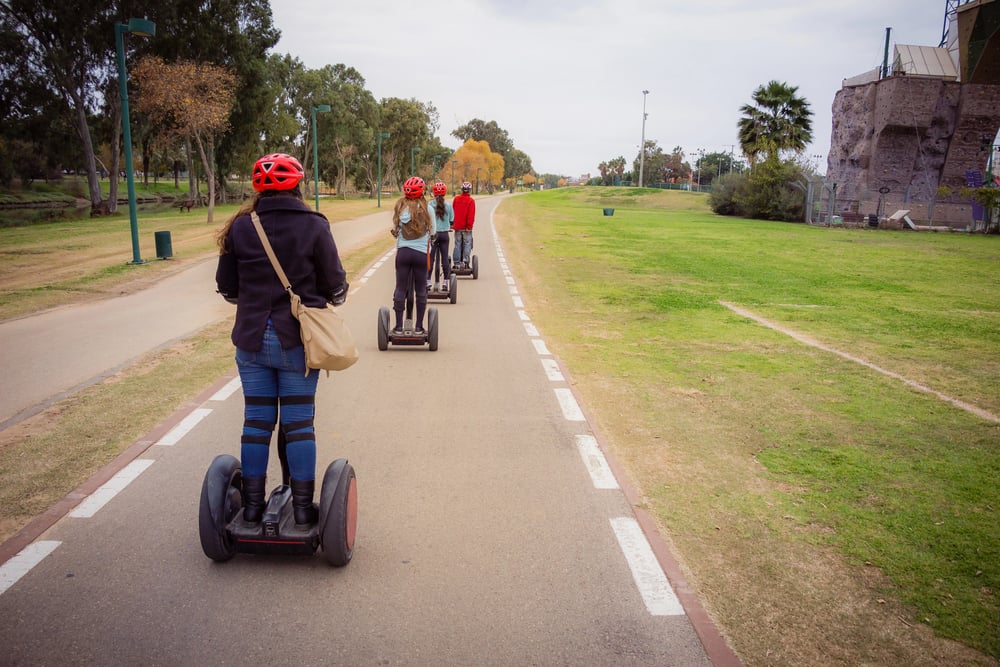
Dean Kamen’s self-balancing personal transporter was hyped as revolutionary before its 2001 unveiling, with some speculating it would redesign cities. The two-wheeled vehicle uses gyroscopic sensors to maintain balance while the rider leans to control movement.
Despite falling short of world-changing expectations, Segways found niche uses in tourism, security patrols, and warehouse operations. The odd-looking machines that initially seemed destined for mockery proved remarkably effective for specific applications despite never achieving mainstream personal transportation status.
LED Therapy Masks

These full-face masks covered in colored lights make users look like horror movie villains but deliver legitimate skin benefits. Originally developed by NASA for plant growth experiments, light therapy was adapted for human skin treatment.
The masks emit specific wavelengths that penetrate skin layers to reduce inflammation, kill acne-causing bacteria, or stimulate collagen production. Clinical studies support their effectiveness for certain skin conditions despite their bizarre appearance.
Once limited to dermatologist offices, home versions became popular among celebrities and skincare enthusiasts.
The ReWalk Exoskeleton

This robotic walking assistance system allows people with spinal cord injuries to stand upright and walk. Invented by Israeli engineer Amit Goffer (who is quadriplegic himself), the powered exoskeleton detects subtle upper-body movements and translates them into walking motions.
Despite looking like something from a science fiction movie, the ReWalk system received FDA approval in 2014 and has helped numerous paraplegics regain mobility. The bizarre robotic supports represent a genuine breakthrough in assistive technology developed by someone who understood the need firsthand.
Lockitron

The idea of replacing your physical house key with a smartphone app seemed like unnecessary technology to many when it launched in 2011. Early smart locks encountered skepticism about security vulnerabilities and power failures.
The strange concept of controlling your door remotely gained acceptance as part of the broader smart home movement. Modern versions incorporate multiple authentication methods and backup systems while integrating with home automation platforms.
What initially appeared to be solving a non-existent problem evolved into a standard feature in modern homes.
From Mockery to Mainstream

These bizarre inventions remind us that innovation often arrives in strange packages that challenge our expectations. The path from oddity to acceptance follows a familiar pattern: initial mockery gives way to curiosity, then practical applications emerge that validate the unusual approach.
Today’s ridiculous-looking prototype might become tomorrow’s indispensable tool once we move past superficial judgment. The most valuable lesson from these successful weird inventions is that unconventional thinking deserves serious consideration, even when the results look absurd at first glance.
Our reflexive laughter at the strange might simply mask our inability to recognize genuine innovation until it proves itself undeniable.
More from Go2Tutors!

- The Romanov Crown Jewels and Their Tragic Fate
- 13 Historical Mysteries That Science Still Can’t Solve
- Famous Hoaxes That Fooled the World for Years
- 15 Child Stars with Tragic Adult Lives
- 16 Famous Jewelry Pieces in History
Like Go2Tutors’s content? Follow us on MSN.