Most Surprising Facts About the Super Bowl
The Super Bowl isn’t just a football game—it’s become a cultural phenomenon that draws over 100 million viewers every year. While most fans know about the touchdowns and halftime shows, the championship game’s history is packed with bizarre stories, unexpected traditions, and moments that even die-hard football enthusiasts might have missed.
Here is a list of 14 surprising facts about the Super Bowl that will change how you see America’s biggest sporting event.
The Name Came From a Children’s Toy
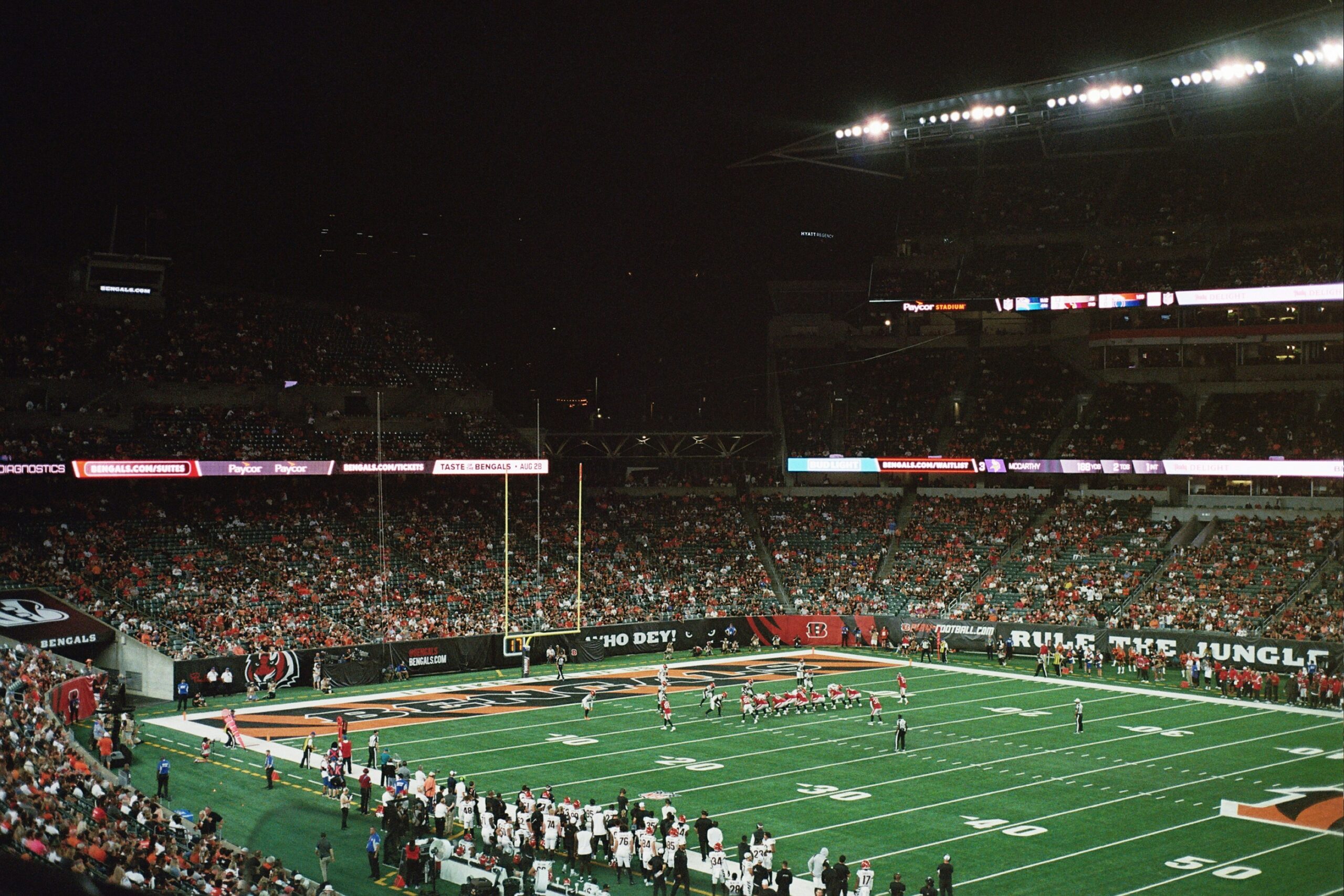
The term ‘Super Bowl’ was coined by AFL founder Lamar Hunt, who was inspired by a children’s toy that his kids were playing with at the time. Before Super Bowl III, the championship was officially known as the AFL-NFL World Championship Game—a mouthful that thankfully didn’t stick.
Hunt’s casual reference during merger meetings became one of sports’ most iconic brand names, proving that sometimes the best ideas come from the most unexpected places.
The First Game’s Footage Was Lost for Decades
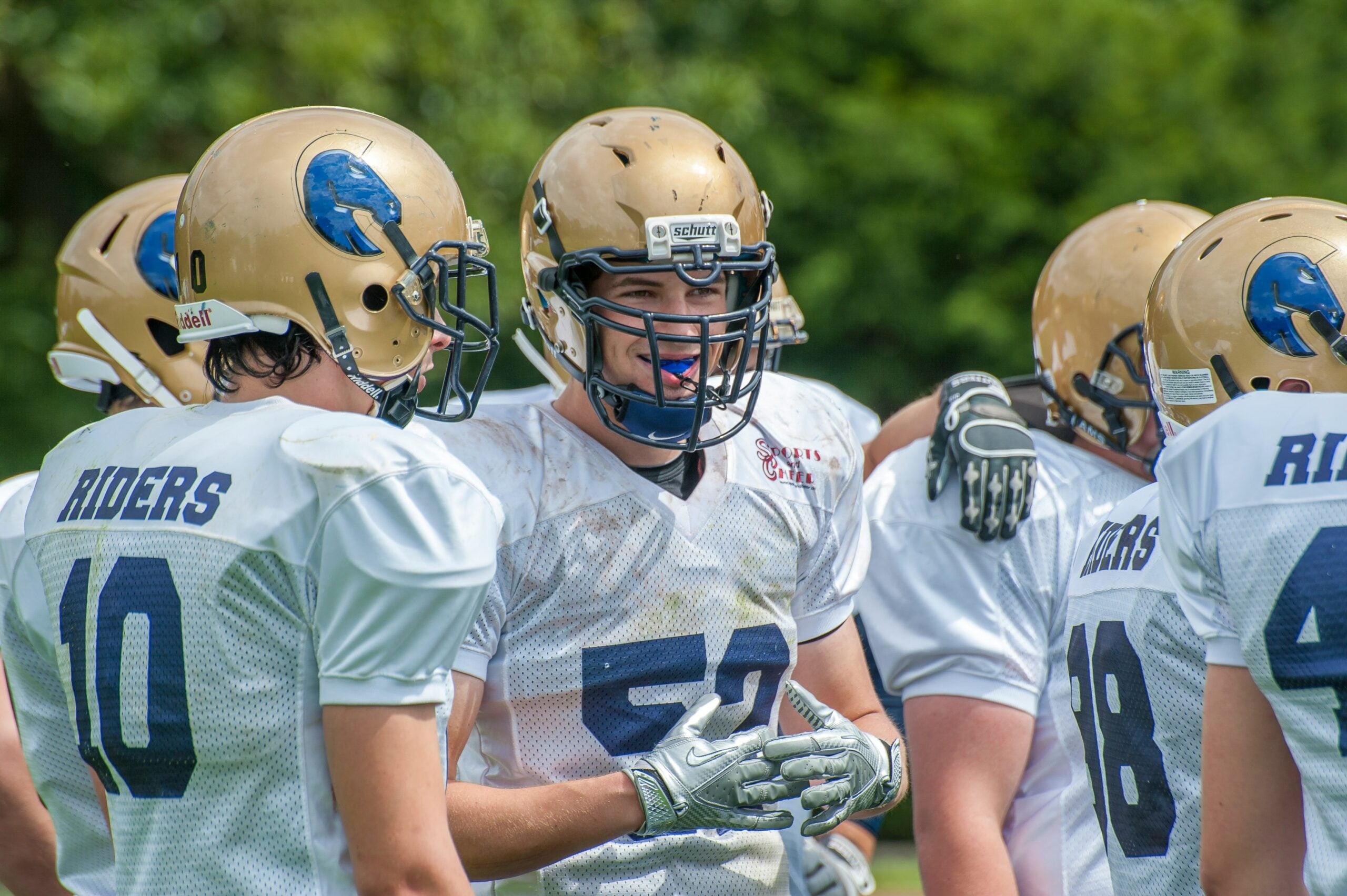
Due to the practice of tape wiping, Super Bowl I wasn’t seen again until 2016, when the NFL pieced together footage from over two dozen sources and overlaid it with the radio broadcast. Networks back then regularly recorded over expensive tapes to save money, and apparently someone decided a soap opera was more valuable than sports history.
The fact that no network footage exists of Super Bowl I shows just how much attitudes toward the game have changed.
Like Go2Tutors’s content? Follow us on MSN.
A Hungover Backup Became the Star
Max McGee was a backup receiver for the Green Bay Packers who stayed out all night enjoying the Los Angeles social scene before Super Bowl I because he didn’t expect to play, but when starter Boyd Dowler was injured on the game’s second play, McGee caught seven passes for 138 yards and two touchdowns to help lead the Packers to victory. Imagine nursing a hangover while catching game-winning touchdowns on football’s biggest stage.
McGee’s performance remains one of the most improbable individual efforts in Super Bowl history.
Coin Toss Winners Usually Lose

Statistically, the team that wins the coin toss loses the Super Bowl more often than not, with the coin toss winner frequently falling victim to this strange curse over the past decade. It’s become such a noticeable pattern that fans and players have developed genuine superstitions around it.
Whether it’s actual bad luck or just coincidence, the numbers tell a weird story that defies what you’d expect from a random flip.
Presidential Play Calling Actually Happened
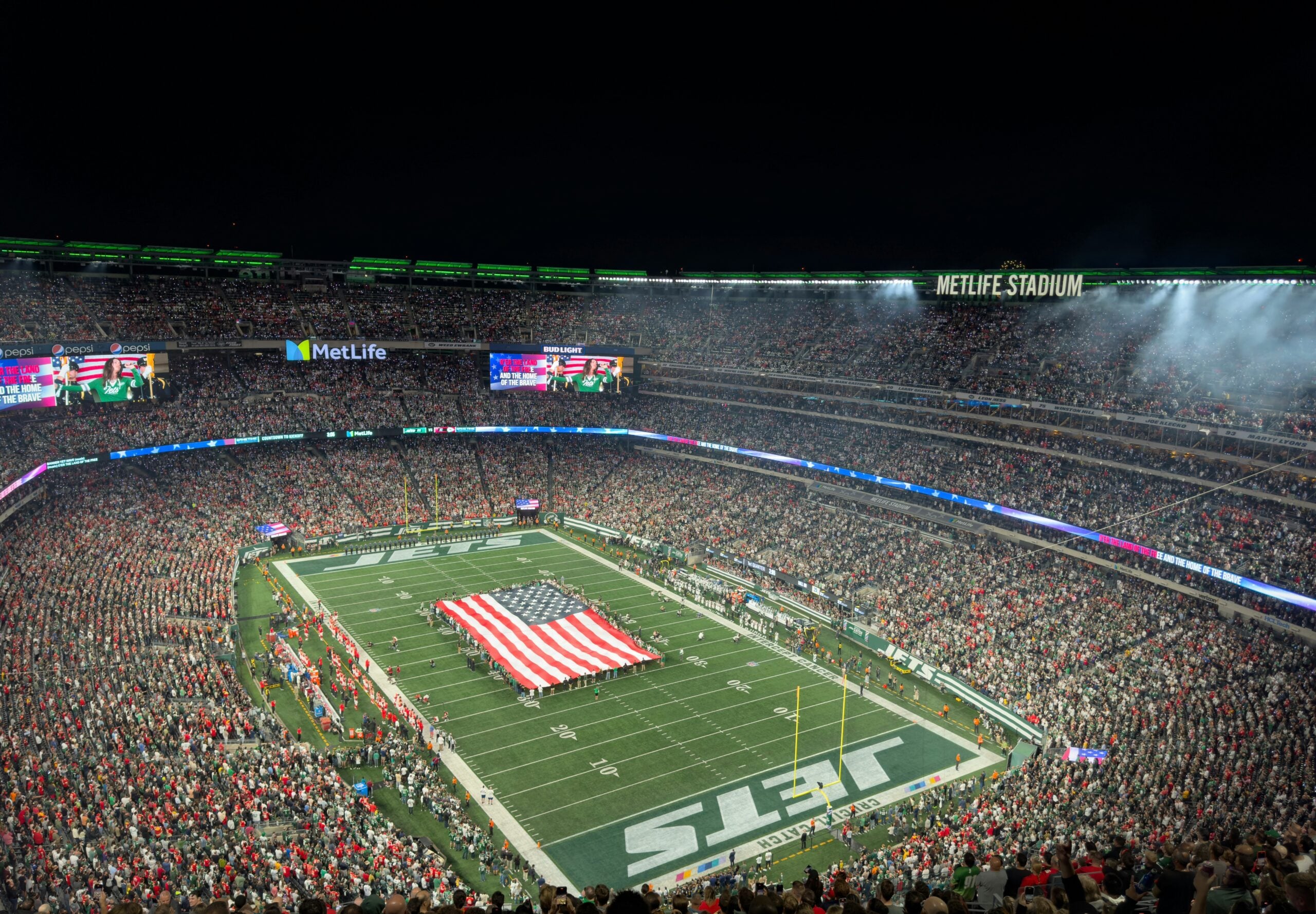
During Super Bowl VI, President Richard Nixon suggested a play to Miami Dolphins coach Don Shula for receiver Paul Warfield, and Shula actually attempted to run it—though the Dallas Cowboys stifled the play, with coach Tom Landry indicating that Dallas made extra sure not to get beat by a presidential pass. Imagine a sitting president drawing up plays from the White House and having them run in the biggest game of the year.
The Cowboys were apparently ready for it, making sure Nixon didn’t get credit for a championship-winning touchdown.
Like Go2Tutors’s content? Follow us on MSN.
People Bet on Gatorade Colors
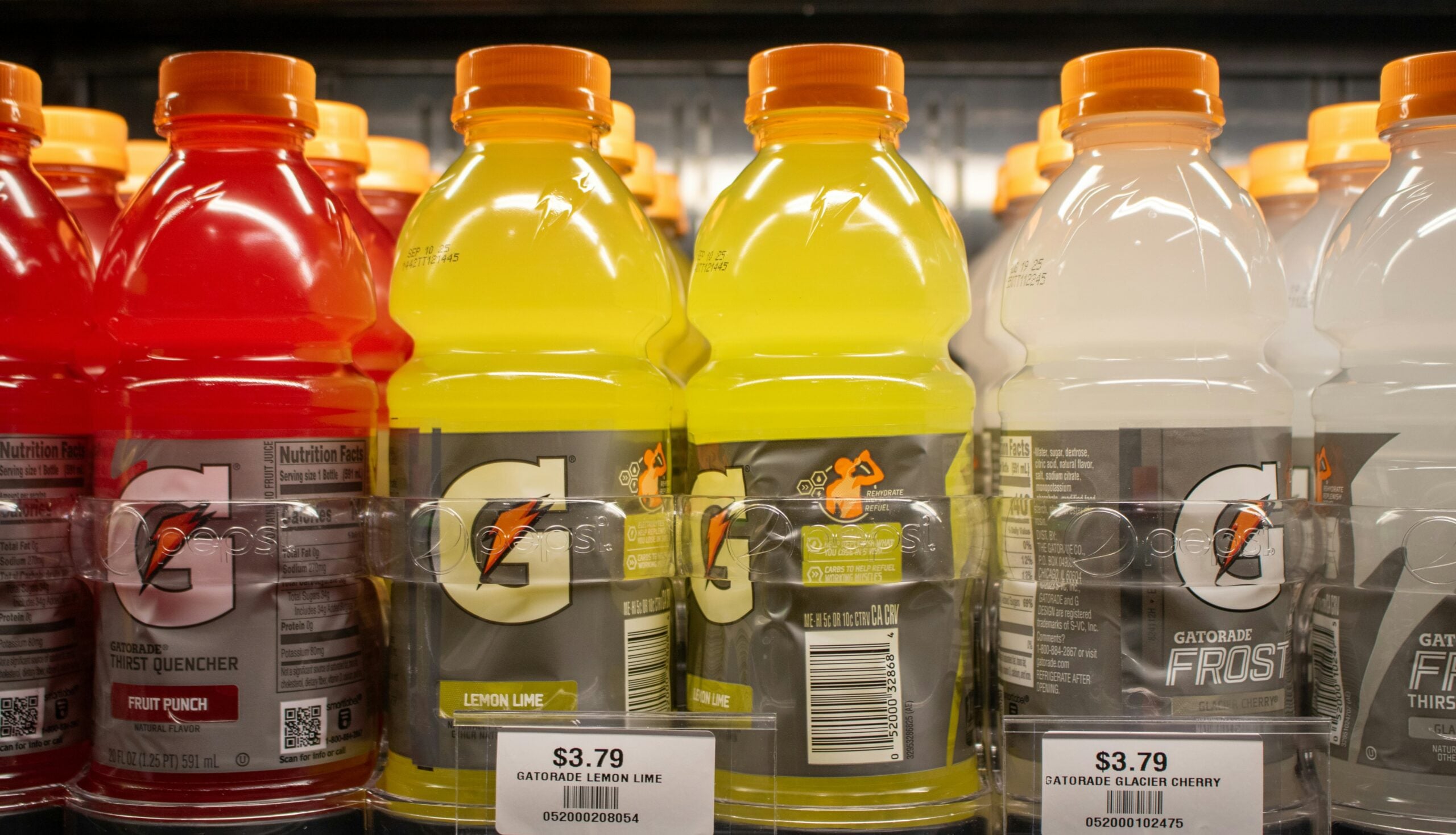
One of the quirkiest Super Bowl traditions involves betting on the color of Gatorade dumped on the winning coach, with orange and blue being the most common colors, and in 2021, bettors were shocked when no Gatorade was poured at all. It’s become one of the most unexpected gambling trends tied to sports, showing that people will bet on literally anything during the big game.
The tradition continues to draw millions in wagers every year despite having absolutely nothing to do with actual football.
The Only MVP From a Losing Team
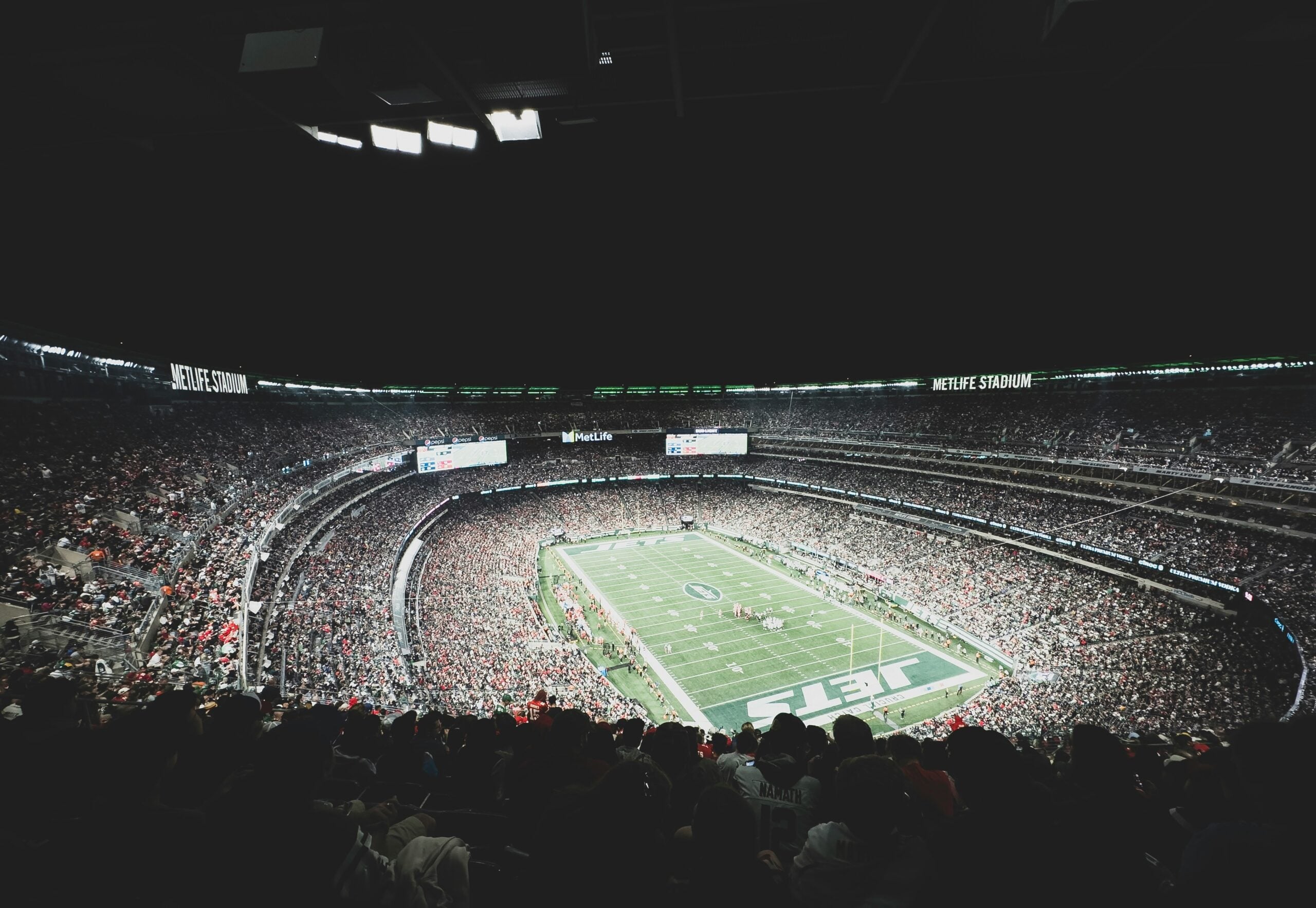
Chuck Howley from the Dallas Cowboys picked off two passes and was named MVP of Super Bowl V in 1971, making him the only player from a losing team to ever win the award. Despite playing for the Baltimore Colts’ opponents, Howley’s performance was so dominant that voters couldn’t ignore it.
It’s a bittersweet distinction—imagine being the best player on the field but still going home without the trophy.
A Space-Traveled Coin Decided the Game

In 2010, Super Bowl XLIV featured an unusual piece of memorabilia when the coin flipped before the game had previously spent 11 days orbiting Earth on a NASA space mission. The NFL loves its ceremonial moments, but using a coin that had been in space takes things to an entirely different level.
It’s the kind of detail that sounds made up but perfectly captures the over-the-top nature of modern Super Bowls.
Like Go2Tutors’s content? Follow us on MSN.
Brothers Coached Against Each Other
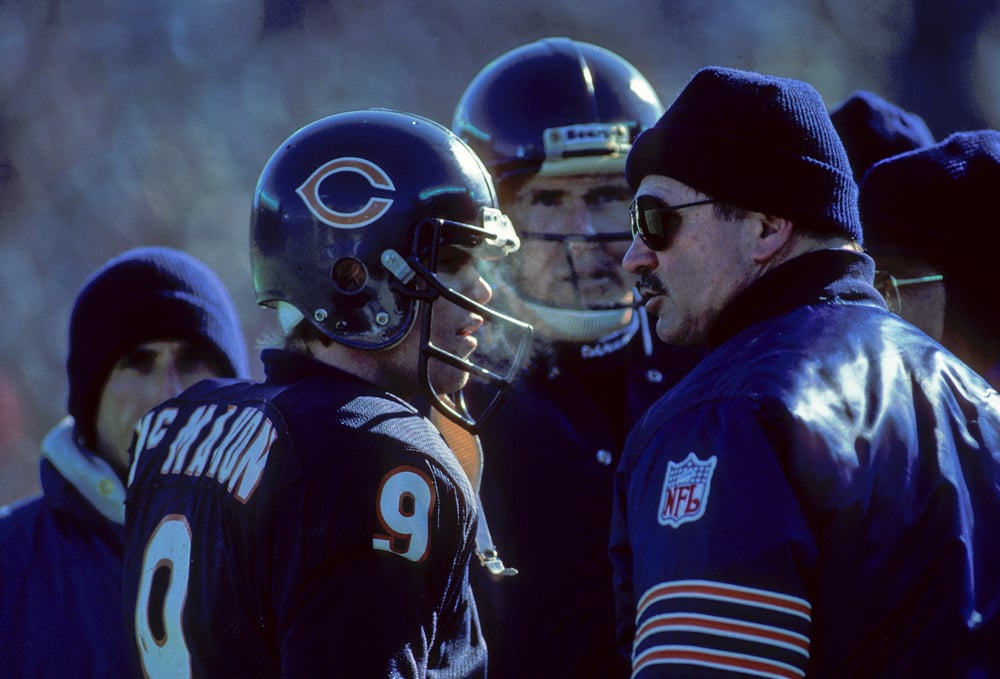
In 2013, Jim Harbaugh and John Harbaugh became the first brothers to coach opposing teams in a Super Bowl when the San Francisco 49ers faced the Baltimore Ravens, marking the first time this happened in any post-season game across all four major professional sports. Family dinners must have been awkward leading up to that game.
The matchup, nicknamed the ‘Harbowl,’ added a fascinating personal storyline to an already dramatic championship.
Each Team Gets 108 Footballs

Each team playing in the Super Bowl receives 108 footballs, with 54 designated for practice and 54 for the actual game, and typically about 120 orbs total are used throughout the contest. Every football is handcrafted by workers at the Wilson Football Factory in Ada, Ohio, and imprinted with the words Commissioner, Wilson, and Made in the U.S.A.
That level of preparation for just one game shows the incredible attention to detail behind the scenes.
The Trophy Takes Four Months to Make

The Vince Lombardi Trophy is worth about $50,000 and is handcrafted each year by Tiffany & Co., with the process taking four months to complete. That’s surprisingly modest considering the multimillion-dollar contracts of the players who win it, but the craftsmanship involved makes each trophy unique.
The football on top of the trophy is the exact size of an official game football.
Like Go2Tutors’s content? Follow us on MSN.
It Took 25 Years for a Turnover-Free Game
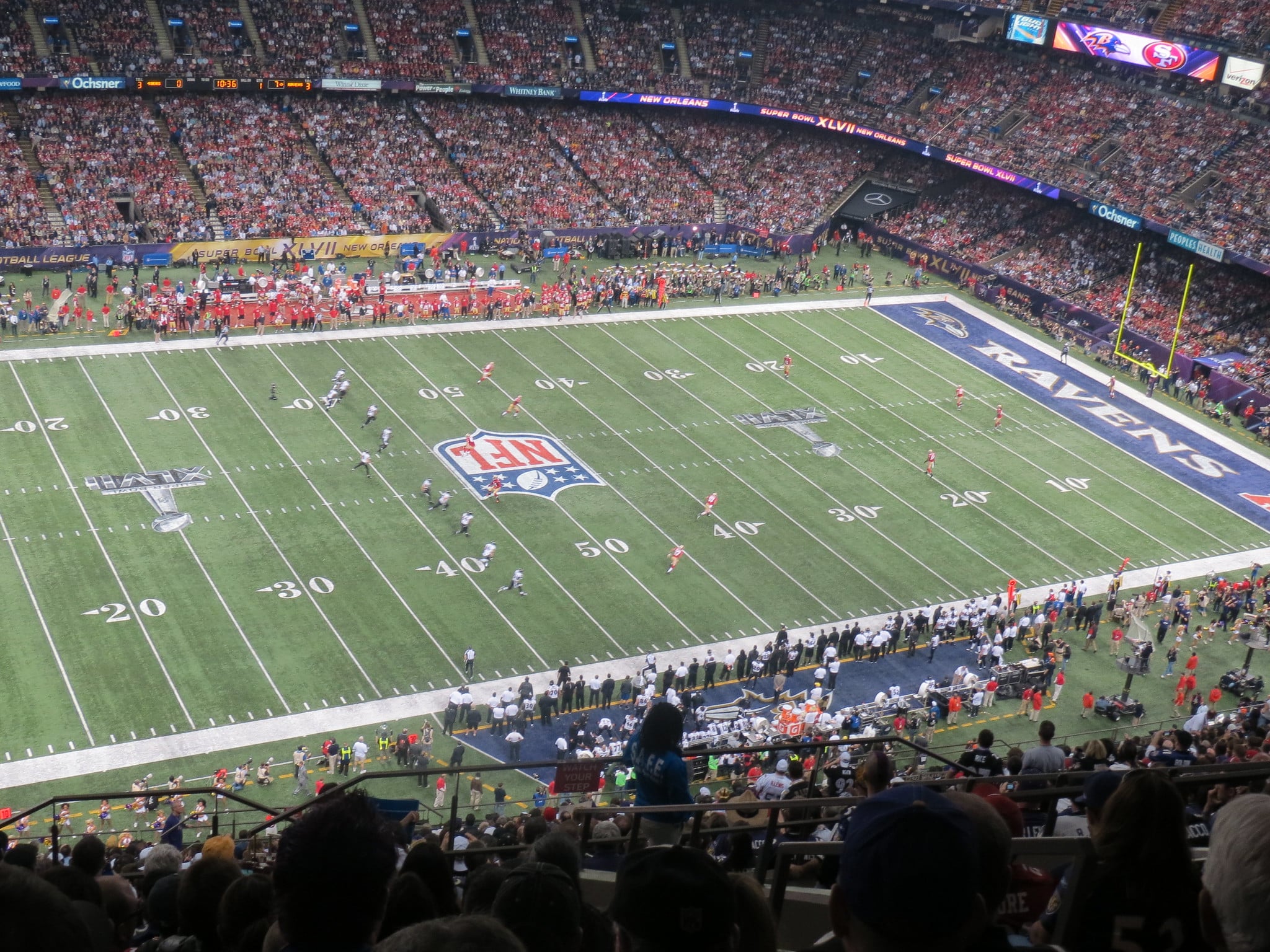
It took 25 Super Bowls before one was played without a single turnover by either side, which finally happened in Super Bowl XXV between the Giants and Bills. Given that these games match the two best teams in the league, you’d think clean football would be more common, but the pressure of the moment usually forces at least one mistake.
The only thing resembling a turnover in that game was Scott Norwood’s famous missed field goal at the end.
The Toilet Flushing Myth
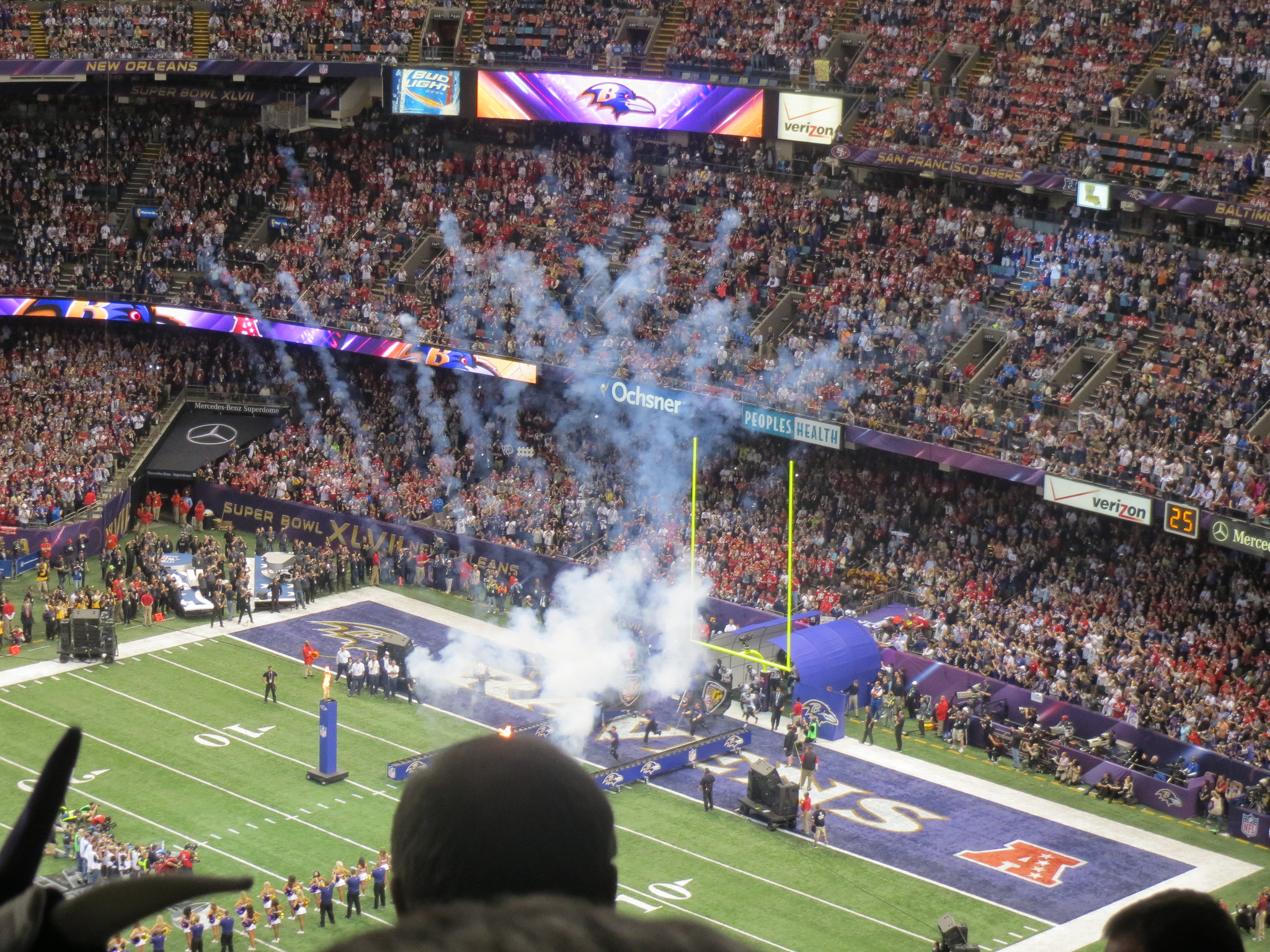
A persistent rumor claims that sewage systems in major cities occasionally fail during Super Bowl halftimes because many people supposedly flush their toilets simultaneously, but there’s absolutely no evidence to support this claim. It’s one of those urban legends that sounds plausible enough to keep circulating year after year.
Engineers have repeatedly debunked it, but the myth refuses to die—probably because it’s too entertaining to fact-check.
Super Bowl Sunday is America’s Second Biggest Eating Day
Super Bowl Sunday is the second-largest day for food consumption in the United States, with only Thanksgiving Day surpassing it. Americans consume approximately 1.45 billion chicken wings on Super Bowl Sunday.
That’s an almost unfathomable amount of food for a single day, transforming what started as a championship game into a nationwide feast that rivals major holidays.
Like Go2Tutors’s content? Follow us on MSN.
From Then to Now

The Super Bowl has evolved from a modestly attended championship game into a multimedia extravaganza that defines American culture every February. What started with $15,000 player bonuses and $42,000 commercials has become a billion-dollar spectacle where 30-second ads cost over $7 million.
The game’s ability to generate bizarre traditions, unexpected heroes, and moments that transcend sports shows why it remains America’s most-watched television event year after year, with new surprises waiting around every corner.
.More from Go2Tutors!

- 16 Historical Figures Who Were Nothing Like You Think
- 12 Things Sold in the 80s That Are Now Illegal
- 15 VHS Tapes That Could Be Worth Thousands
- 17 Historical “What Ifs” That Would Have Changed Everything
- 18 TV Shows That Vanished Without a Finale
Like Go2Tutors’s content? Follow us on MSN.