Most Terrifying Events in Air Aviation History
Flying is one of the safest ways to travel, but some moments in aviation history remind the world just how fragile safety can be when things go wrong. Over the years, terrifying events in the sky have shaped how we fly today, driving major changes in safety rules, design, and emergency procedures.
So, let’s take a look back at some of the most chilling events that forever changed aviation—and how each one taught important lessons still used today.
Tenerife airport disaster
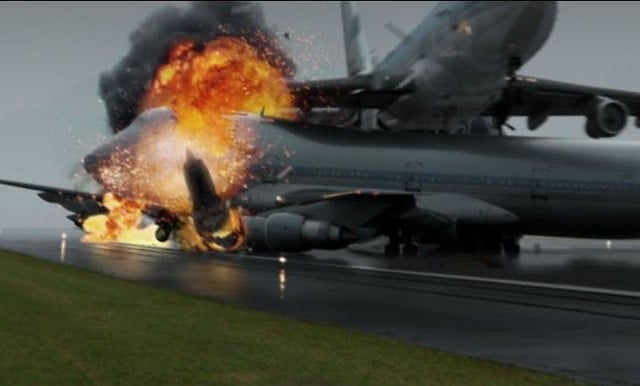
In 1977, two Boeing 747s collided on a fog-covered runway in the Canary Islands, killing 583 people. Miscommunication between the control tower and pilots led to the deadliest accident in aviation history.
The tragedy pushed the industry to improve crew communication and standardize English as the universal language in flight operations.
Air France Flight 447
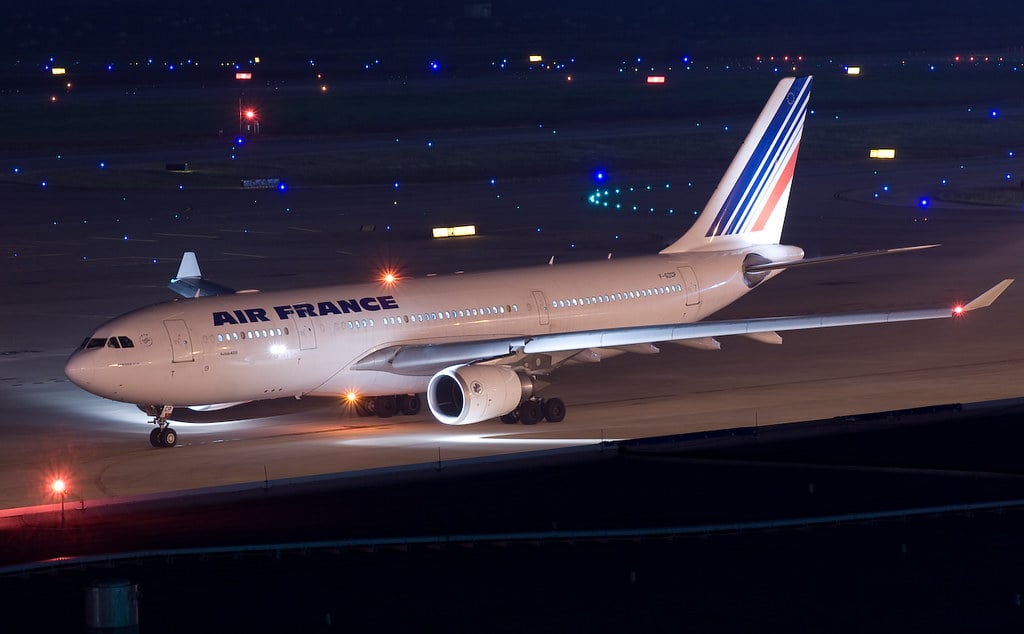
In 2009, this flight from Rio de Janeiro to Paris vanished over the Atlantic Ocean. Investigators later found that ice crystals had blocked sensors, confusing the autopilot and causing the plane to stall.
The event changed how pilots are trained to handle high-altitude stalls and emphasized the need for better weather data.
Japan Airlines Flight 123

This 1985 crash remains the deadliest single-aircraft accident in history, killing 520 people. A faulty rear pressure bulkhead, improperly repaired years earlier, caused the plane to lose its tail fin and control.
It was a painful reminder of how crucial long-term maintenance and inspection truly are.
United Airlines Flight 232
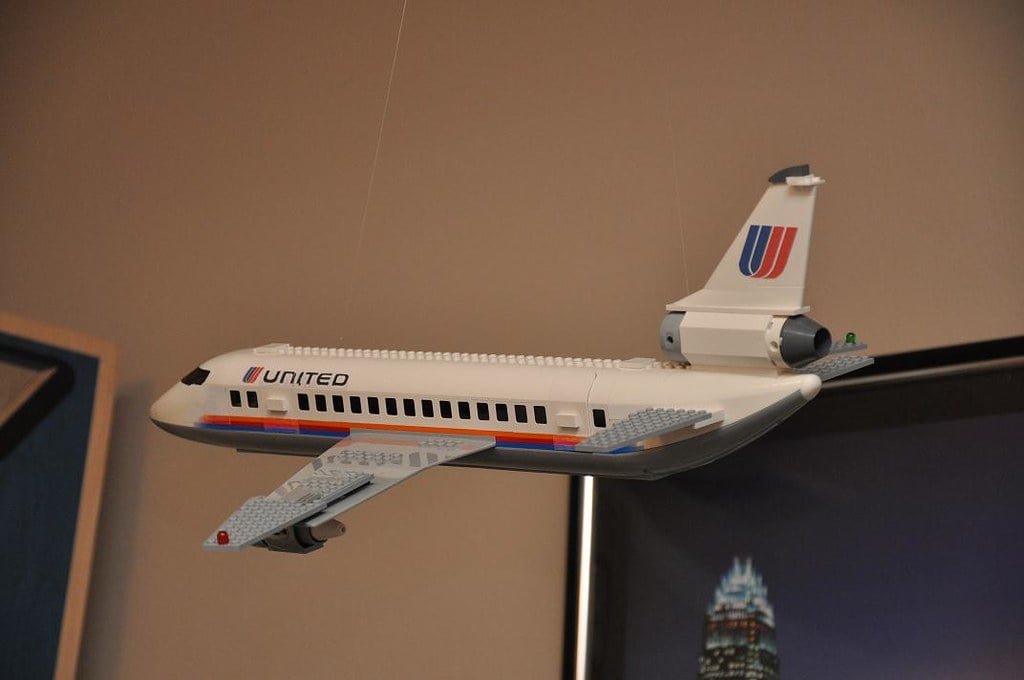
When an engine failure destroyed all hydraulic systems in 1989, pilots managed to guide the plane to Sioux City, Iowa. Though 111 people died, 185 survived thanks to the crew’s quick teamwork.
Their efforts became a textbook case for handling extreme emergencies with limited control.
The disappearance of Malaysia Airlines Flight 370
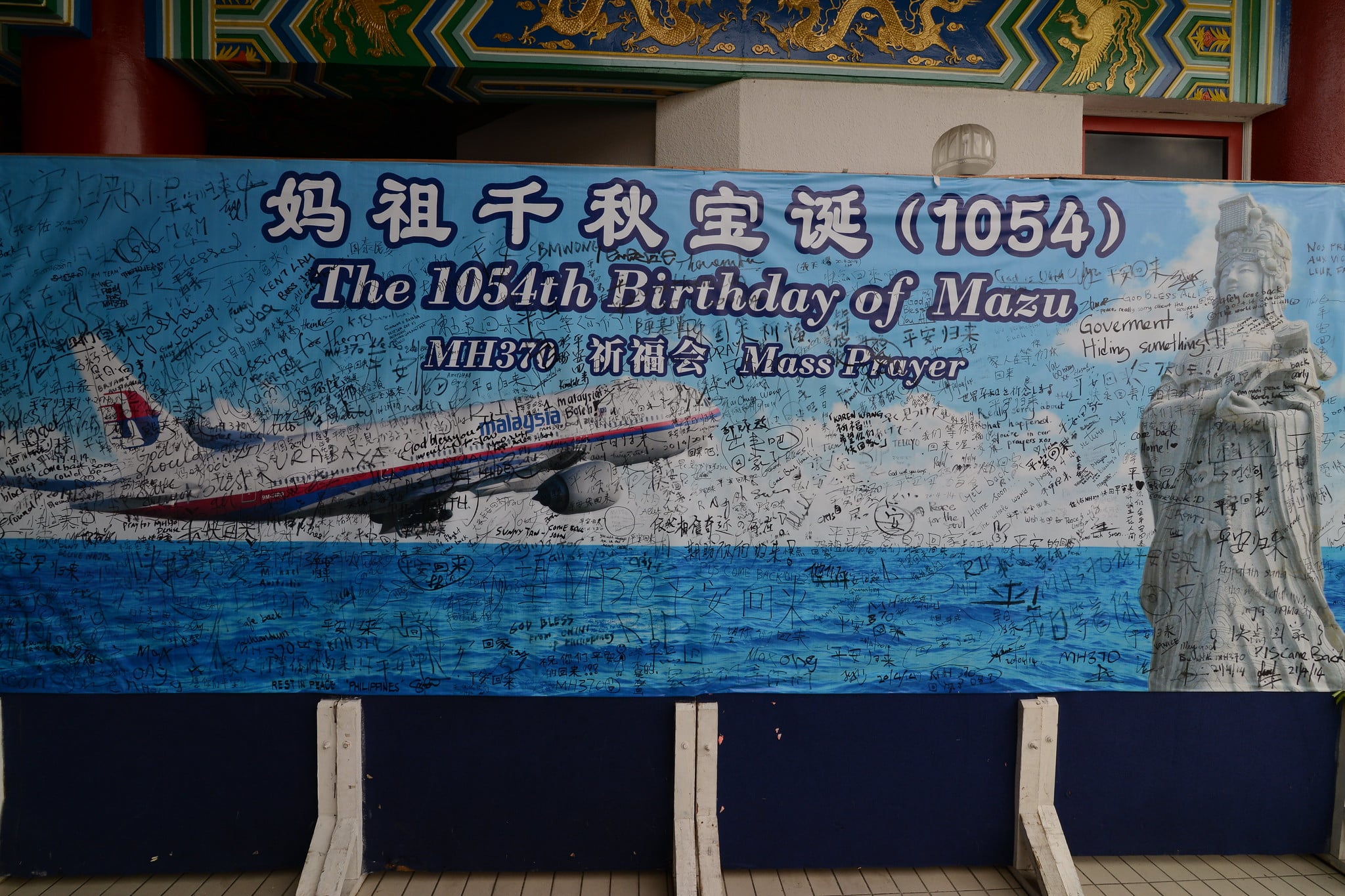
In 2014, this Boeing 777 vanished with 239 people on board, sparking one of the largest search operations in history. Despite years of investigation, the exact cause remains unknown.
The mystery led to better global aircraft tracking and new satellite communication standards.
American Airlines Flight 191
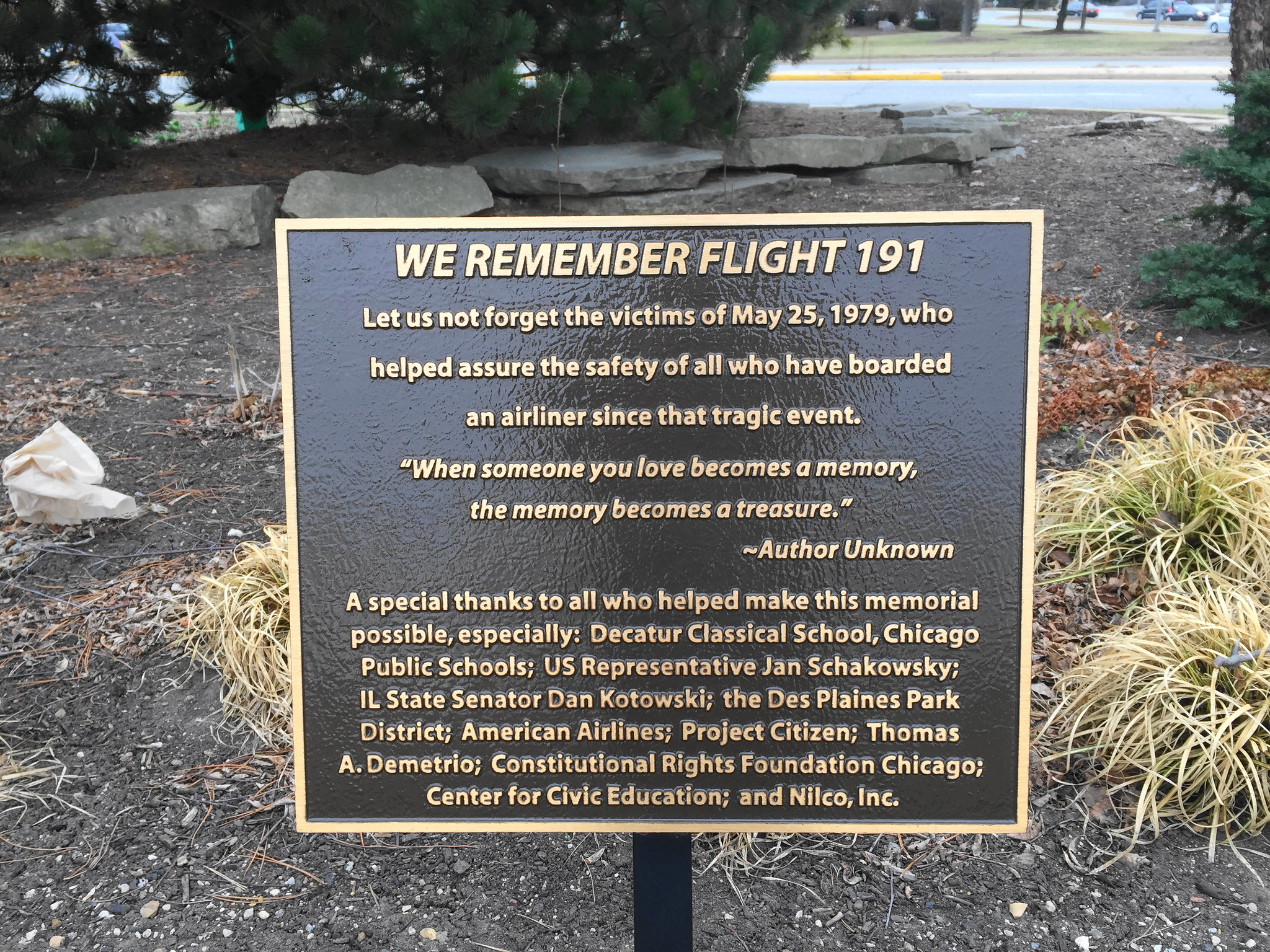
In 1979, an engine detached from a DC-10 shortly after takeoff from Chicago’s O’Hare Airport. The plane crashed, killing all 271 on board.
The disaster revealed weaknesses in maintenance procedures and led to stricter checks on aircraft assembly and inspection.
Lockerbie bombing
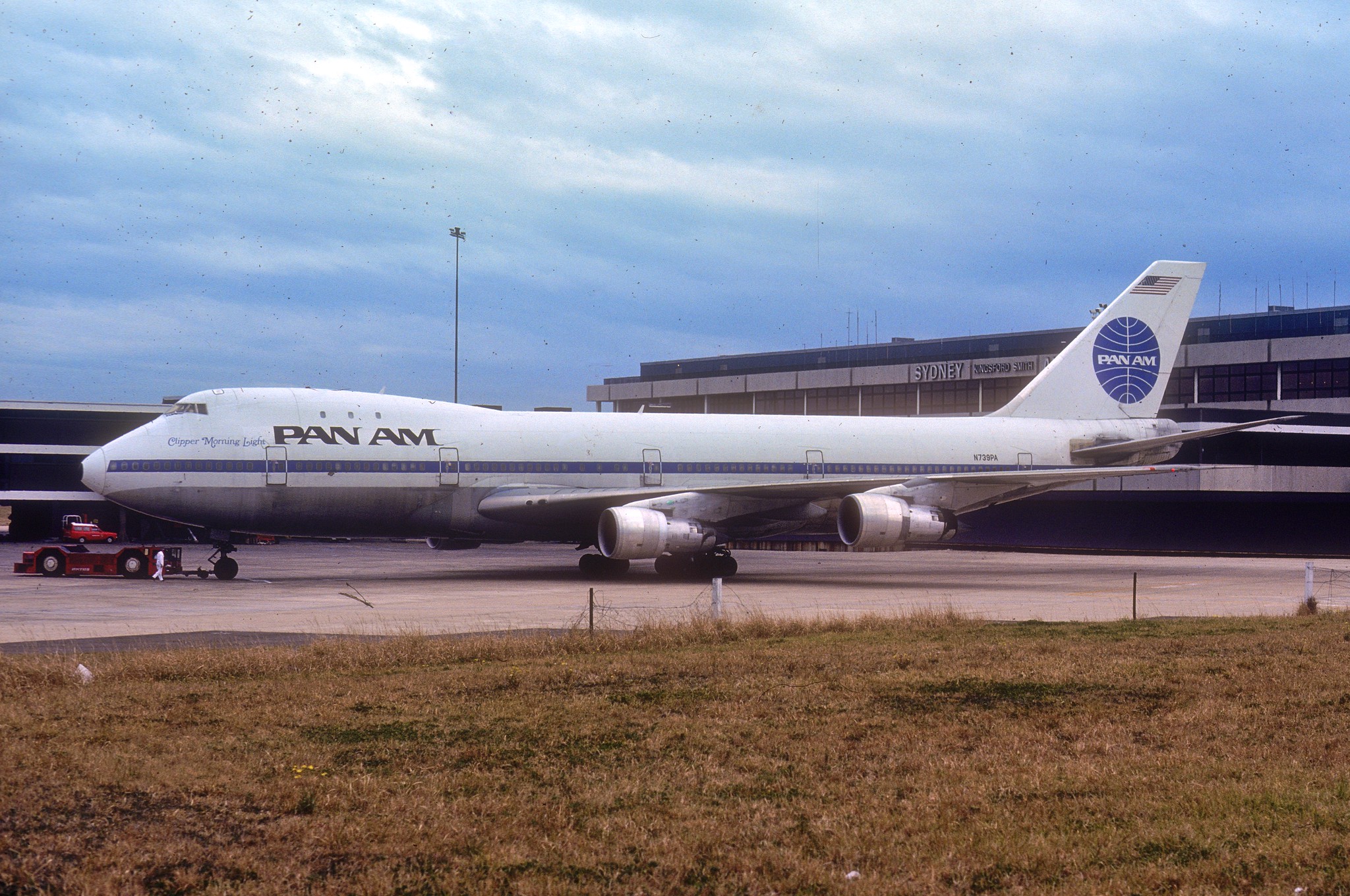
Pan Am Flight 103 exploded over Lockerbie, Scotland, in 1988 after a bomb detonated in the cargo hold. All 259 passengers and 11 people on the ground died.
The attack changed airport security forever, prompting new baggage screening systems and tighter international cooperation against terrorism.
British Airways Flight 5390
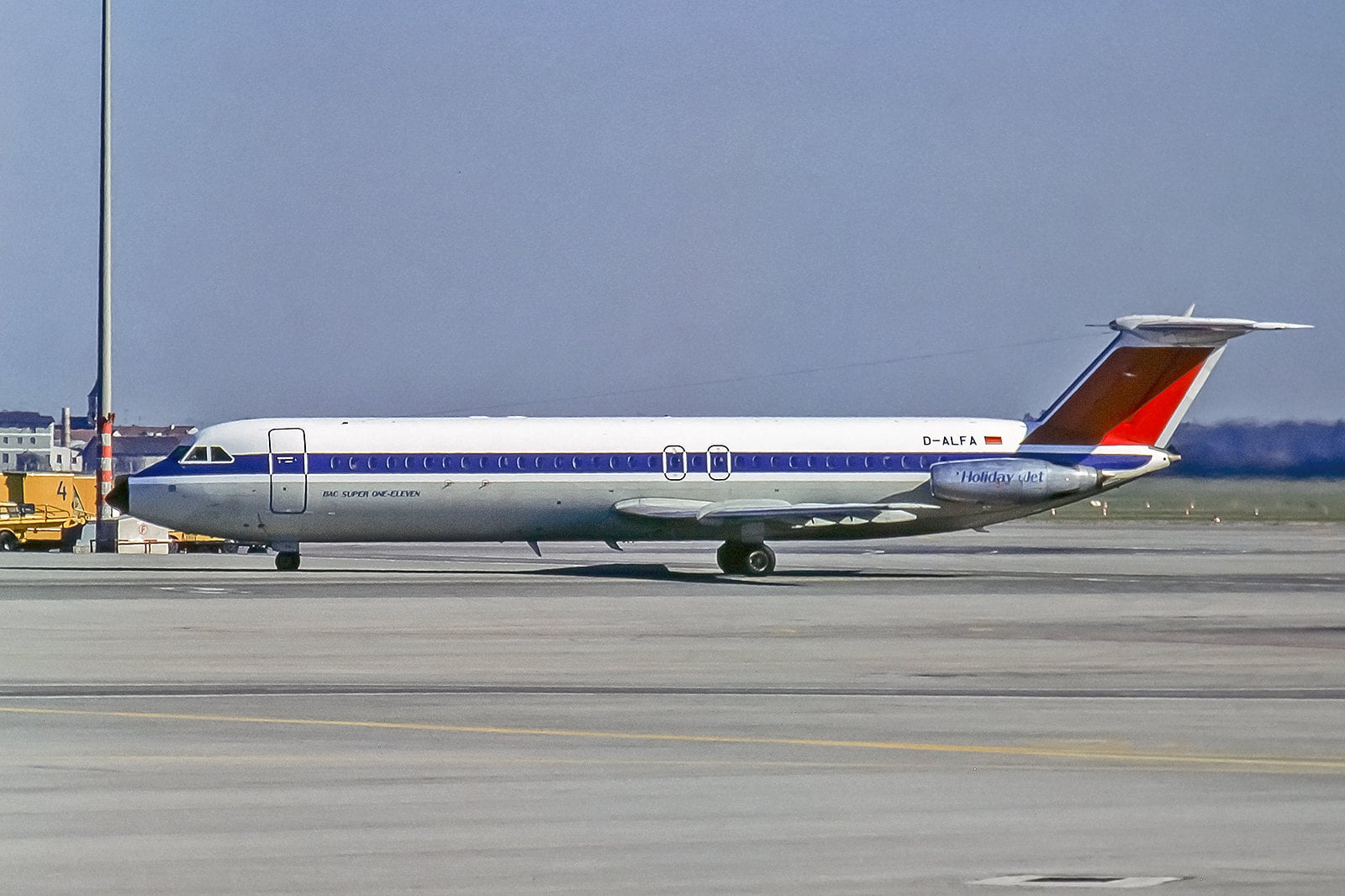
In 1990, a cockpit window blew out mid-flight, partially sucking the captain outside the plane. Crew members held onto him until the plane made an emergency landing, saving his life.
The bizarre incident exposed flaws in maintenance procedures and led to better checks on aircraft components.
Concorde crash near Paris
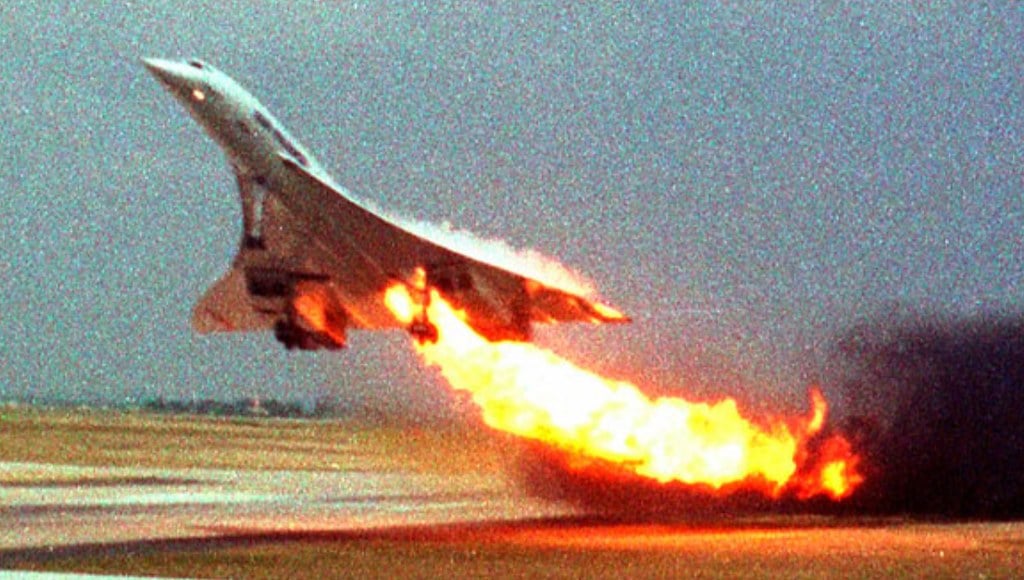
In 2000, an Air France Concorde burst into flames shortly after takeoff, killing 113 people. A piece of metal left on the runway punctured a tire, sending debris into the fuel tank.
This marked the end of the Concorde era and reshaped how runways are inspected for foreign objects.
Air India Flight 182
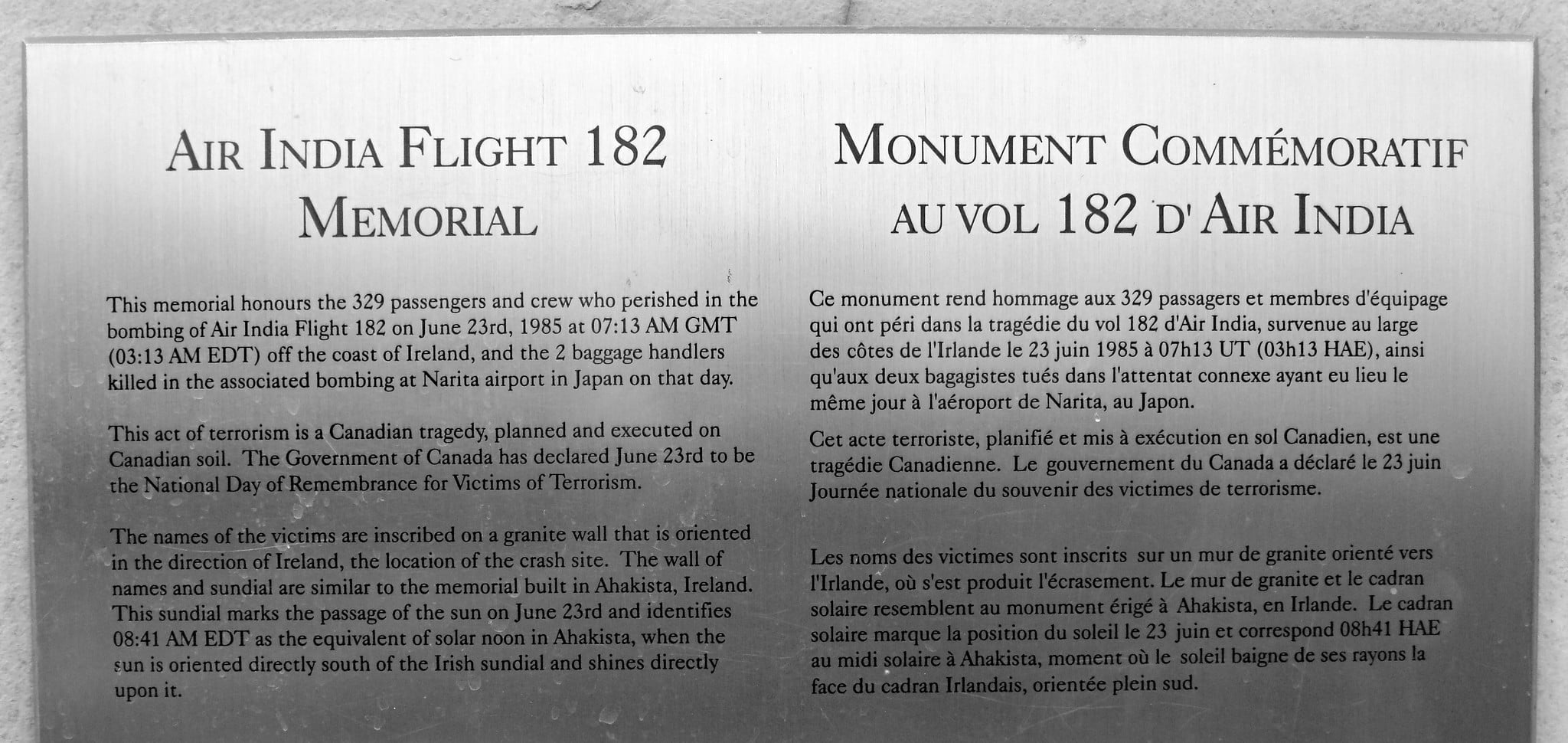
In 1985, a bomb exploded on this flight over the Atlantic Ocean, killing all 329 people aboard. It was the deadliest act of aviation terrorism before 9/11.
The tragedy led to new international security agreements and tighter baggage screening procedures.
US Airways Flight 1549
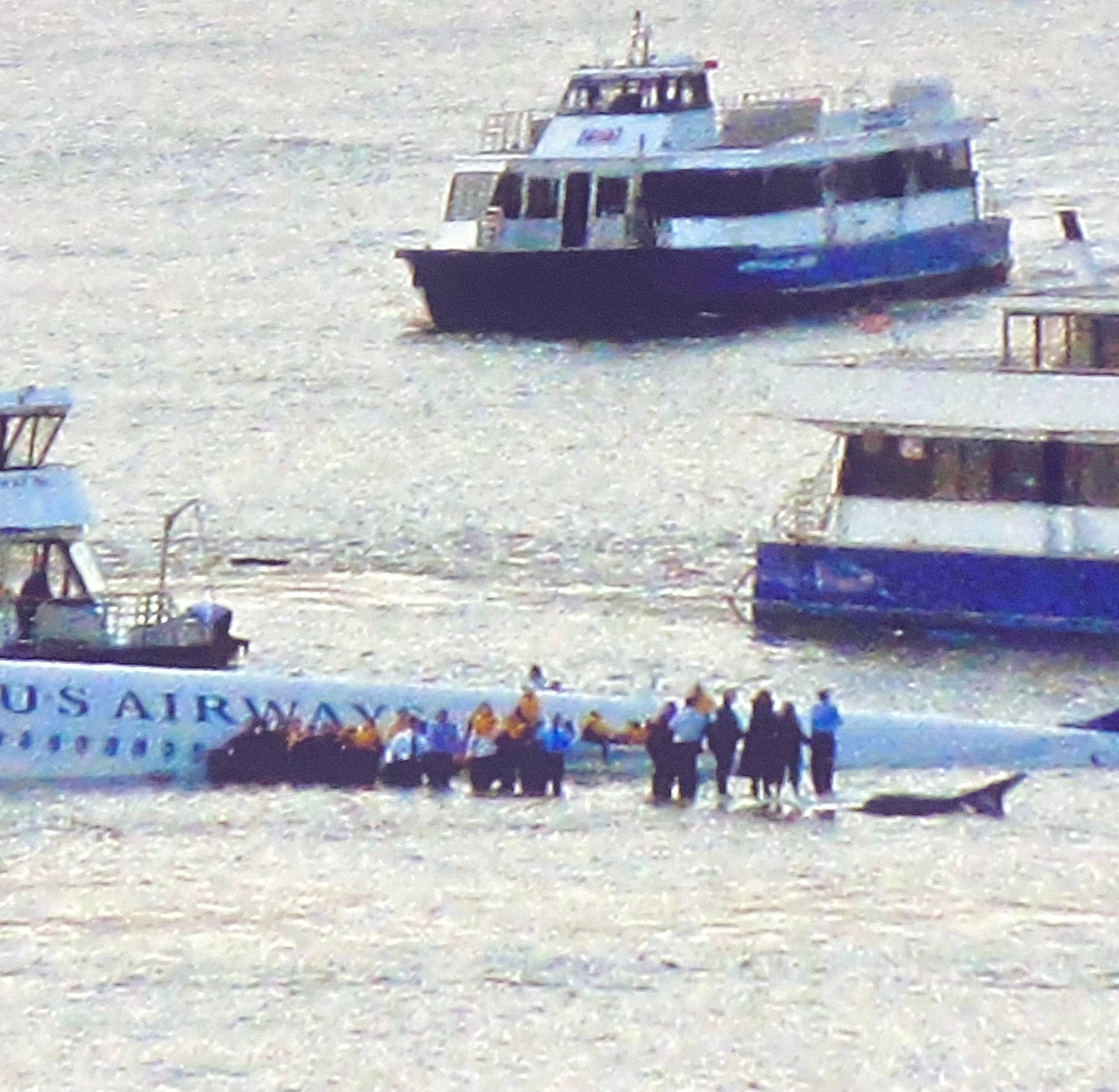
In 2009, both engines of an Airbus A320 lost power after hitting a flock of geese. The pilots glided the plane into the Hudson River, saving everyone on board.
The event showed how training, calm leadership, and quick thinking can turn disaster into survival.
Helios Airways Flight 522
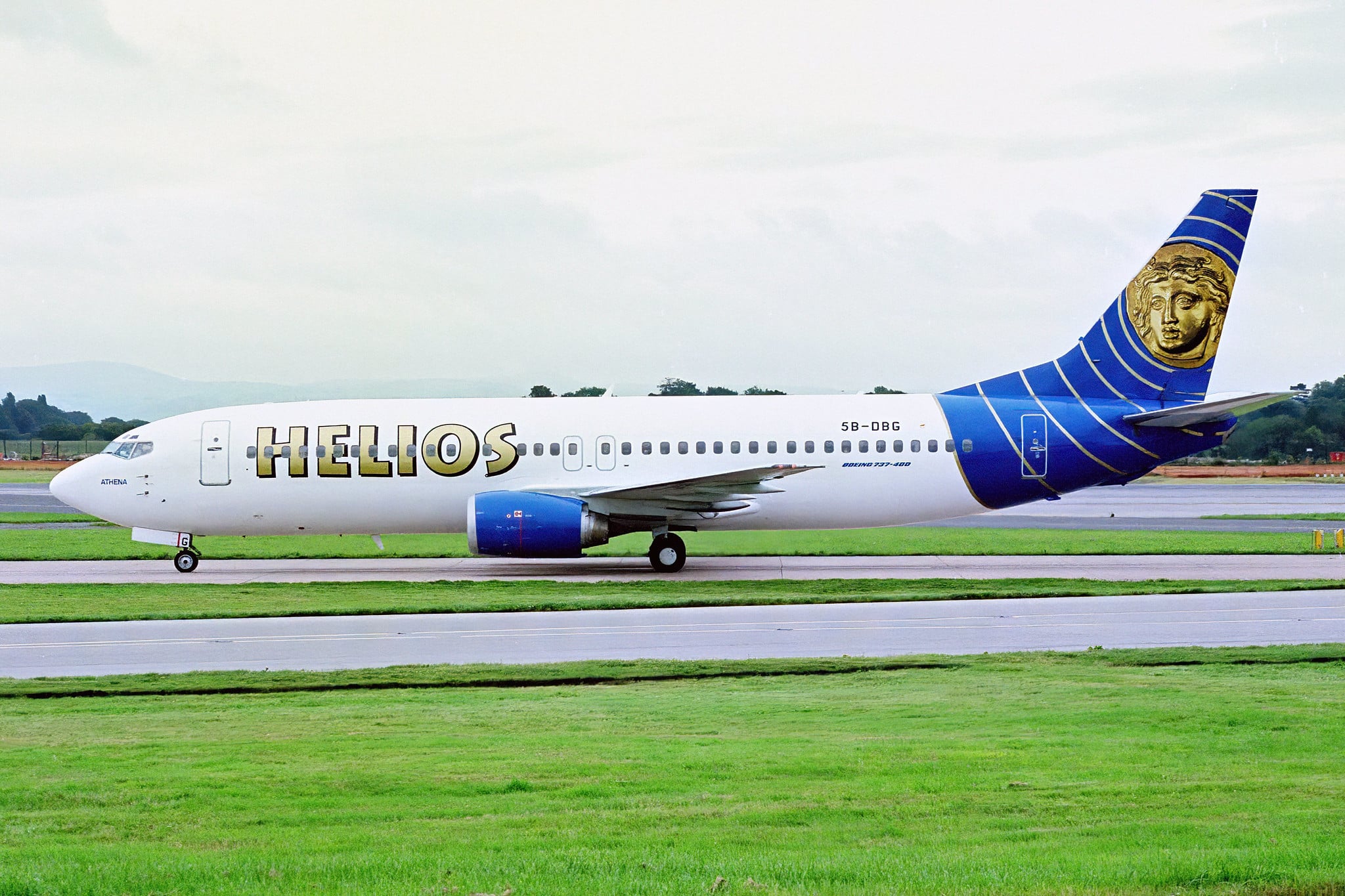
In 2005, a decompression problem knocked out the crew and passengers over Greece. The plane continued flying on autopilot until it ran out of fuel and crashed.
This event highlighted the importance of cabin pressure alerts and stricter pre-flight checks.
Germanwings Flight 9525
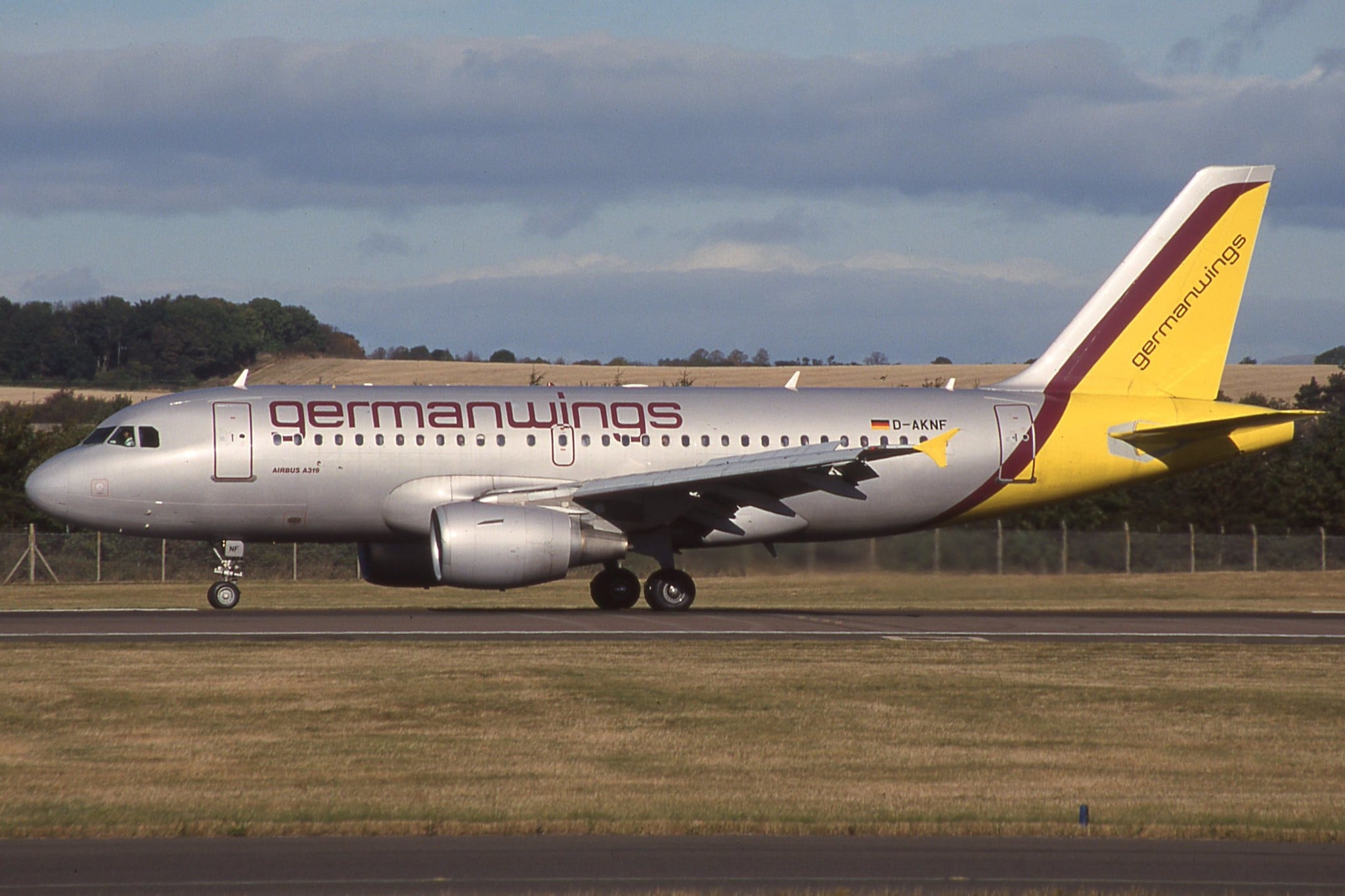
In 2015, a co-pilot deliberately crashed his plane into the French Alps, killing all 150 on board. The tragedy forced airlines to review mental health policies and ensure that no cockpit is ever left with a single pilot again.
Ethiopian Airlines Flight 302
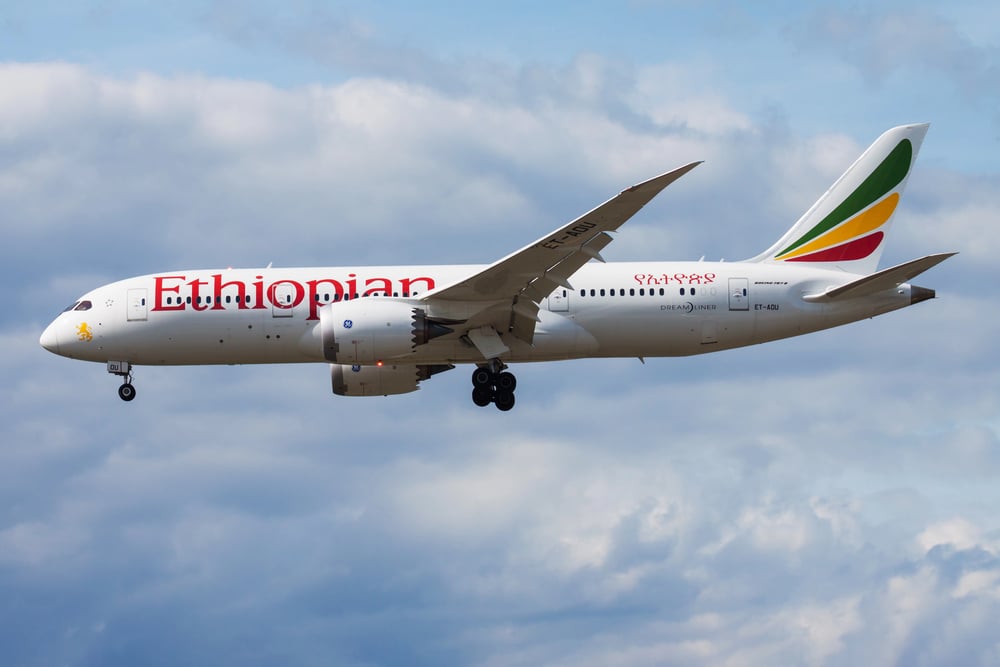
This 2019 crash involved a Boeing 737 MAX that nose-dived shortly after takeoff, killing 157 people. It was linked to software flaws in the aircraft’s automated control system.
The event grounded the global 737 MAX fleet and led to sweeping changes in aircraft certification processes.
TWA Flight 800
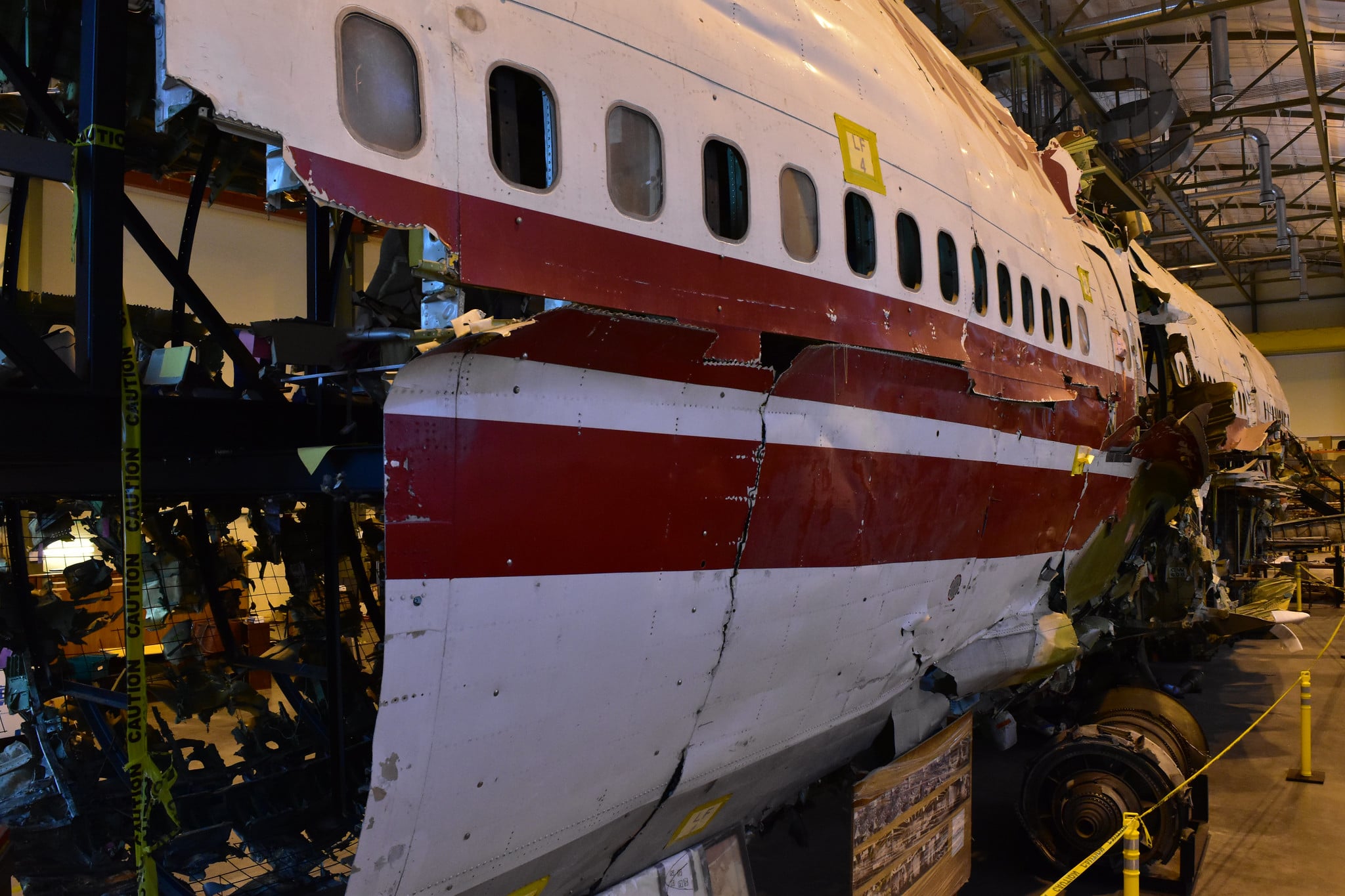
In 1996, this Boeing 747 exploded off the coast of Long Island shortly after takeoff from New York. Investigators found that an electrical spark ignited fuel vapors in the center tank.
The disaster led to new wiring safety standards and better fuel tank designs.
Southern Airways Flight 242
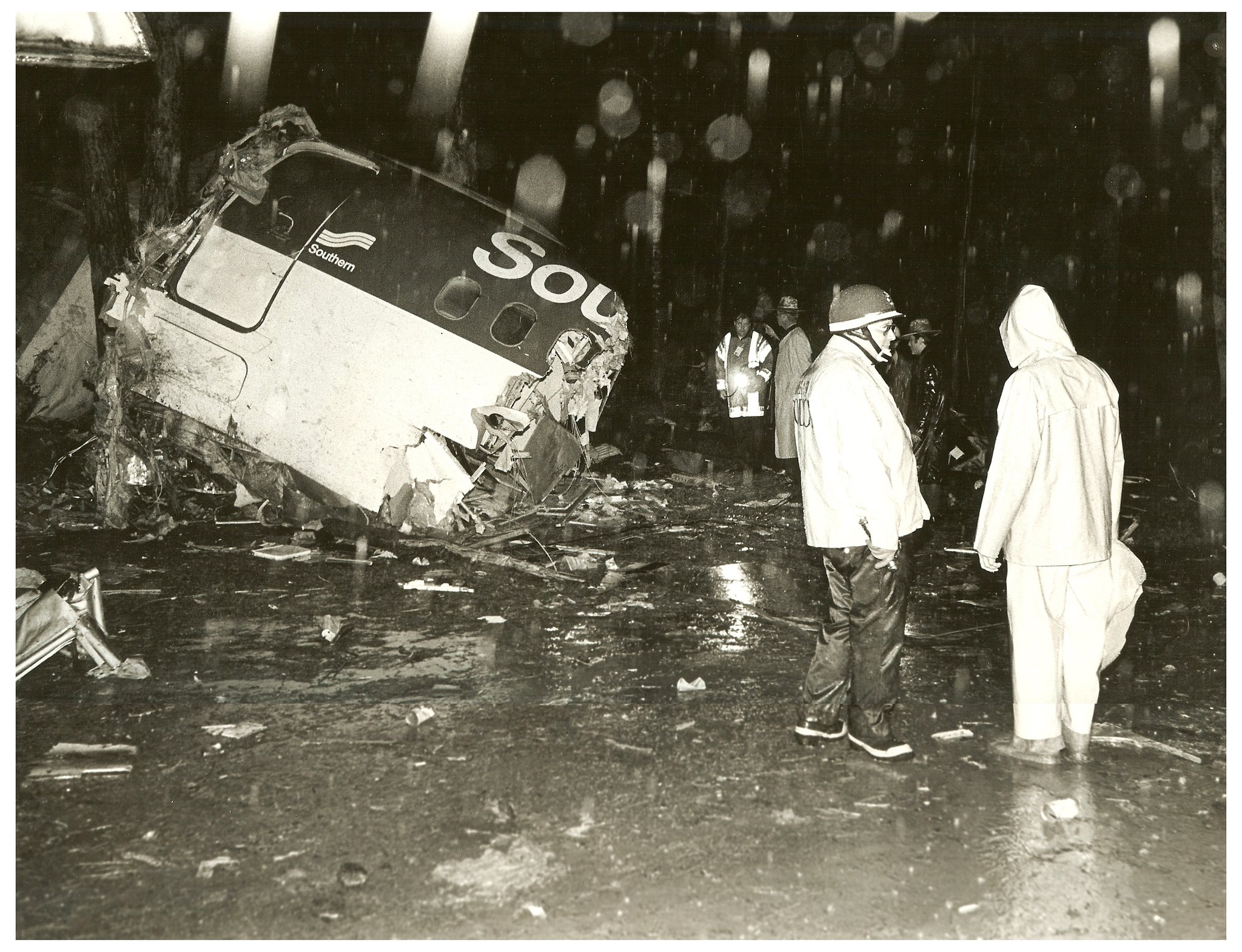
A violent thunderstorm in 1977 caused both engines to fail when hail damaged the aircraft. The pilots tried to land on a highway, but the plane broke apart on impact.
The event led to improvements in weather radar systems and pilot storm-avoidance training.
Korean Air Flight 007
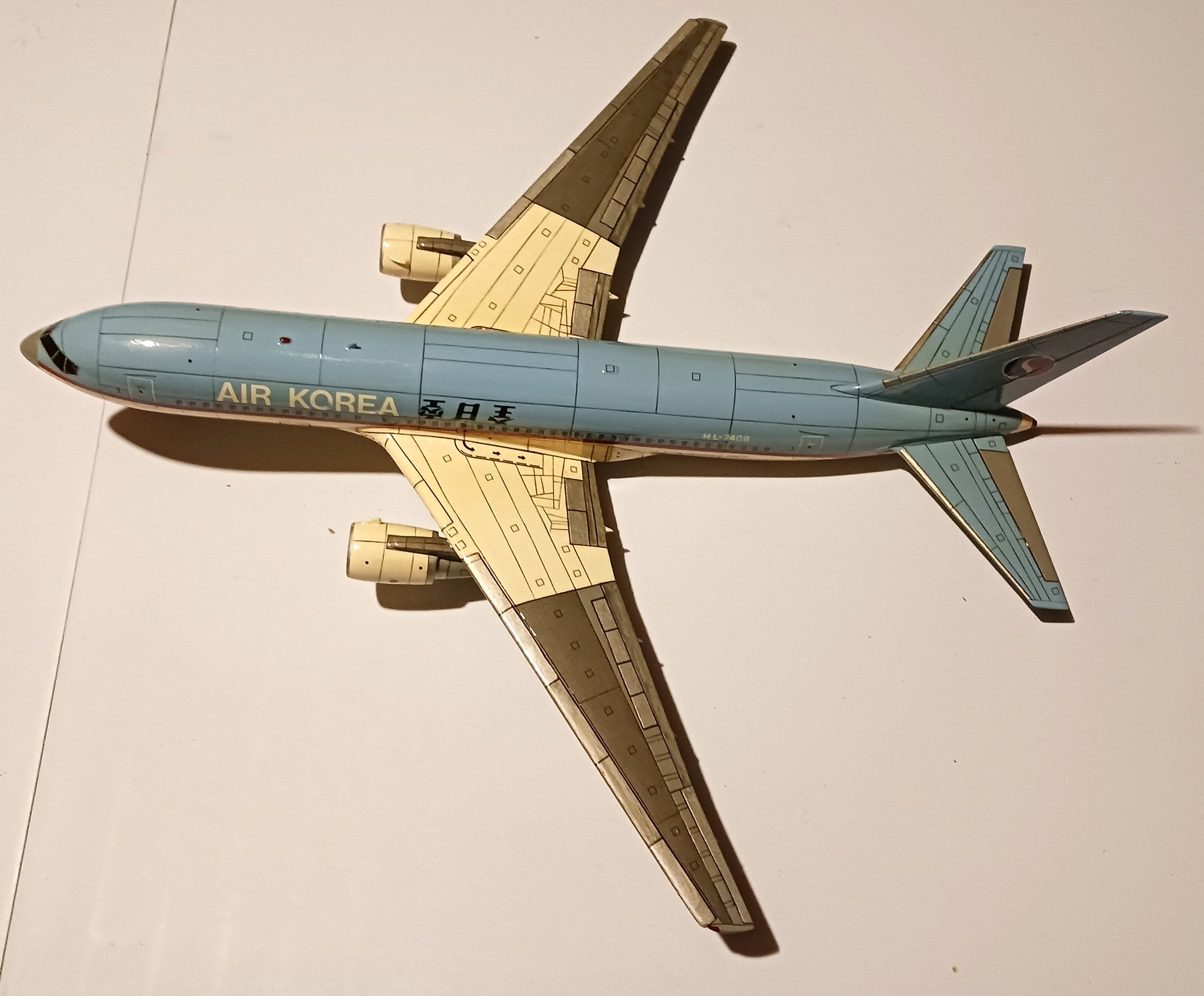
In 1983, this passenger jet was shot down after straying into Soviet airspace, killing 269 people. The tragedy shocked the world and later led to the U.S. making GPS technology available for civilian use.
That decision transformed global navigation and air safety.
Lessons written in the sky
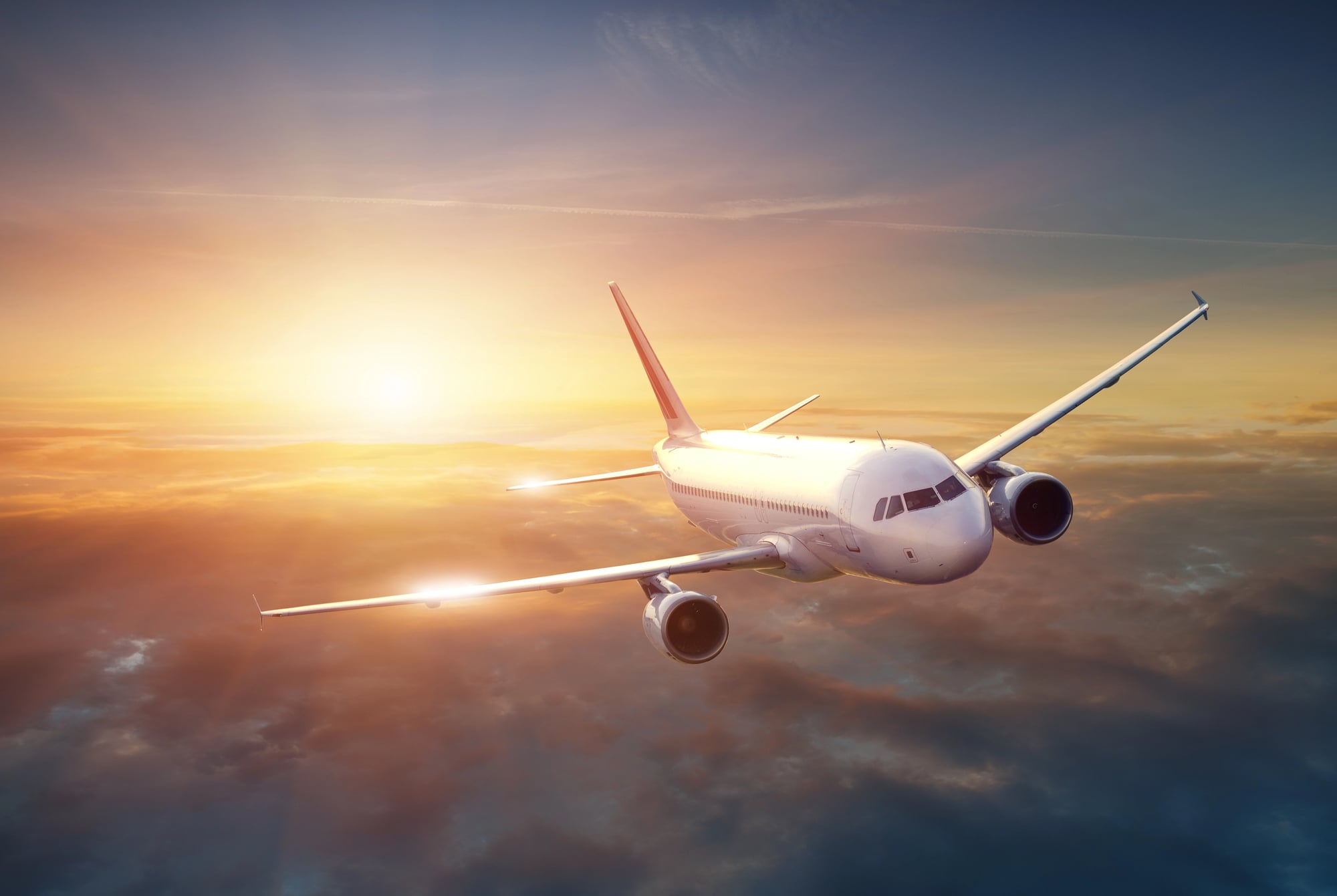
Every one of these events left deep marks on aviation history. They exposed weak points in design, communication, and human judgment, but they also pushed safety forward.
Modern aviation is safer today because of these painful lessons, built on the sacrifices of those who came before. Each flight now carries the weight of history—and the promise of safer skies for generations ahead.
More from Go2Tutors!

- The Romanov Crown Jewels and Their Tragic Fate
- 13 Historical Mysteries That Science Still Can’t Solve
- Famous Hoaxes That Fooled the World for Years
- 15 Child Stars with Tragic Adult Lives
- 16 Famous Jewelry Pieces in History
Like Go2Tutors’s content? Follow us on MSN.