Facts About the Costliest Food Items Globally
When you think of expensive food, your mind probably jumps to fancy restaurant bills or that overpriced avocado toast.
But the truly pricey stuff exists in a completely different stratosphere—items so costly that a single serving could cover your rent for months.
These foods command astronomical prices for reasons ranging from extreme rarity to labor-intensive harvesting methods that border on absurd.
Some come from specific animals in remote locations, while others require years of aging or specialized growing conditions that can’t be replicated anywhere else on Earth.
Here is a list of 14 facts about the world’s most expensive edible items that’ll make your wallet hurt just reading about them.
White Truffles Are Sniffed Out by Dogs
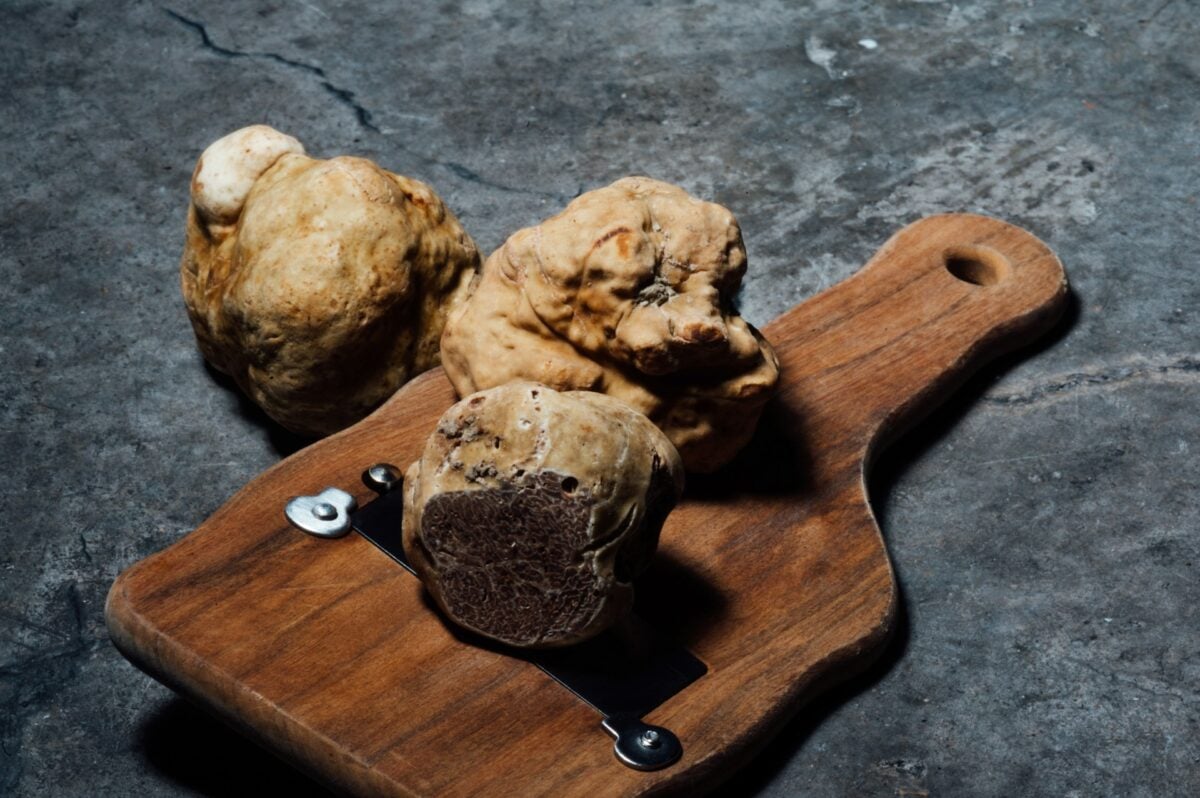
White truffles from Alba, Italy, can fetch around $300 per ounce, and the price fluctuates wildly depending on the harvest season.
These underground fungi can’t be cultivated—they grow wild in specific regions and require trained dogs to locate them beneath oak and hazelnut trees.
The truffle hunting season lasts only from September to December, and a single specimen weighing just over two pounds once sold for $330,000 at auction.
They lose their potent aroma within days of harvesting, which explains why restaurants shave them fresh at your table while charging you accordingly.
Saffron Requires 75,000 Flowers for One Pound
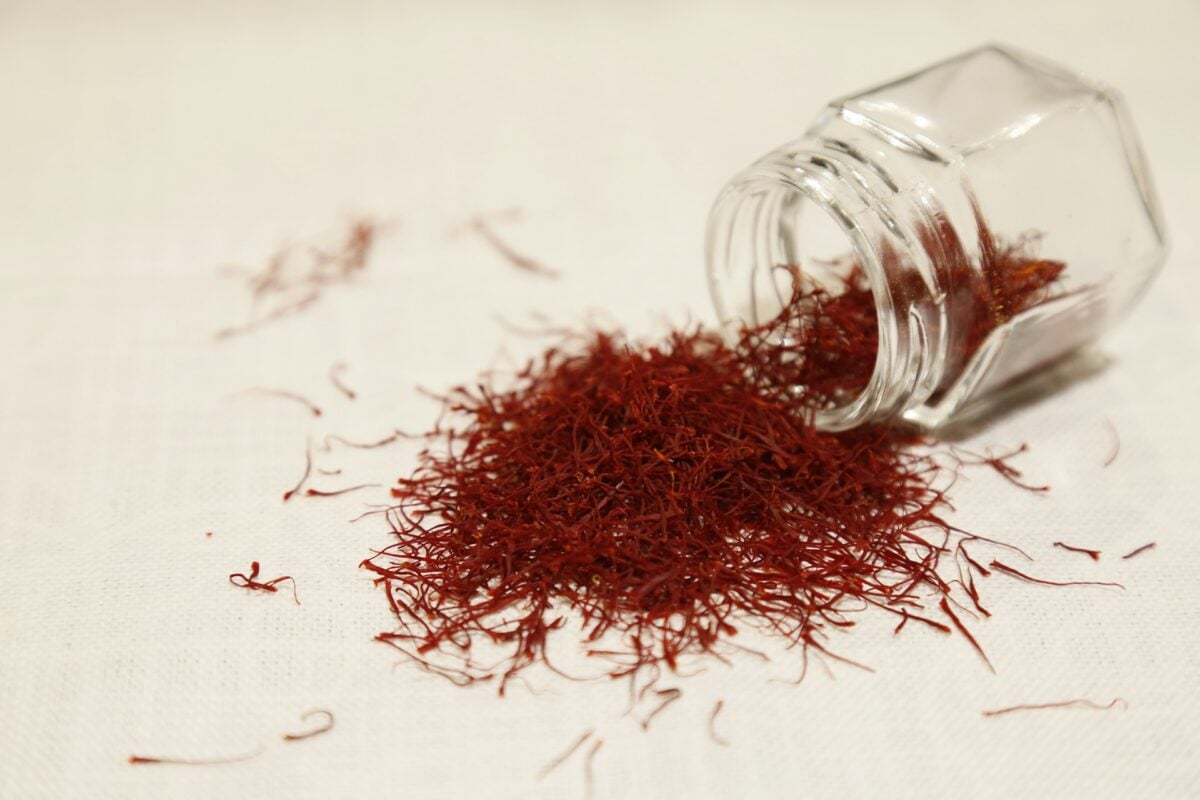
Saffron costs between $10 to $20 per gram, making it more valuable by weight than gold in some markets.
Each saffron crocus produces only three tiny stigmas, and these must be hand-picked during a brief two-week flowering period in autumn.
It takes roughly 75,000 flowers to yield a single pound of saffron, and the entire harvesting and processing operation remains stubbornly immune to mechanization.
Persian, Kashmiri, and Spanish varieties dominate the market, with Iranian saffron accounting for about 90% of global production.
Wagyu Beef Comes from Pampered Cattle
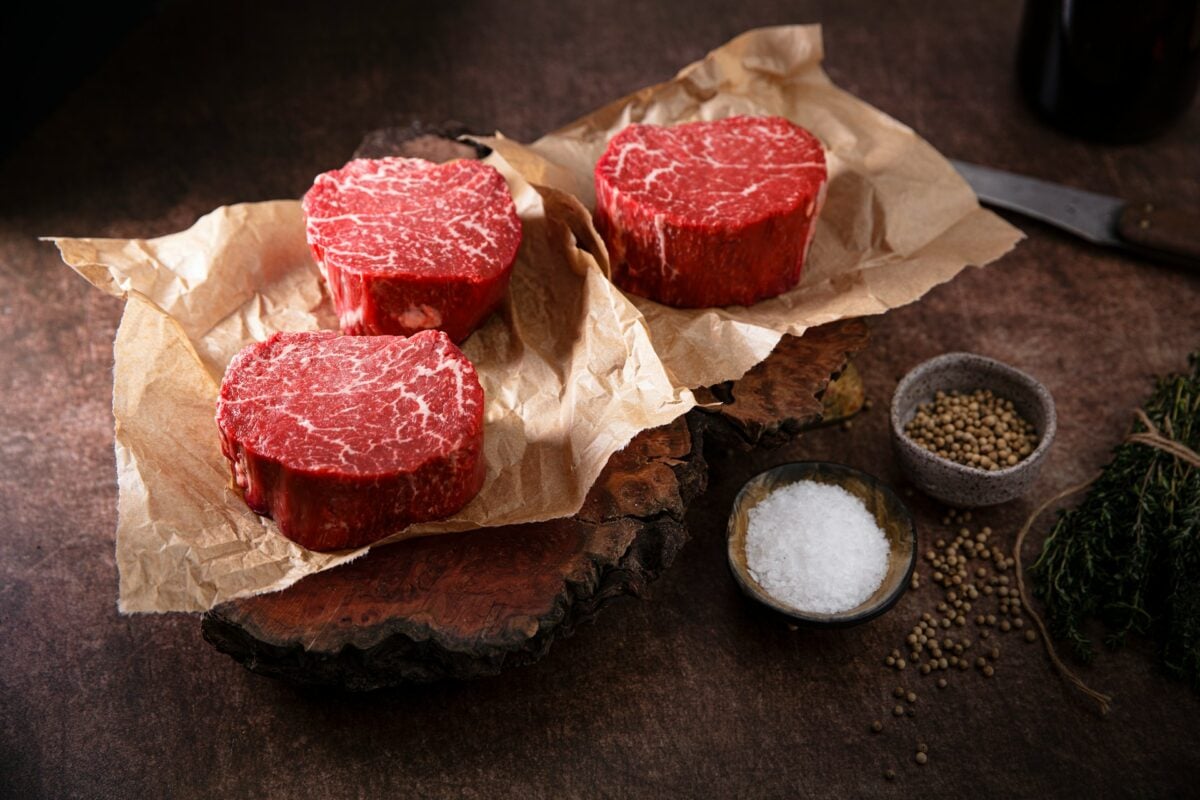
Authentic Japanese Wagyu beef can cost upwards of $35 per ounce, with A5-grade specimens commanding even higher prices in premium markets.
The cattle are raised with meticulous care, receiving specialized diets that include beer and grain to promote the intense marbling that defines the meat.
Genetic lineage matters tremendously—only four specific cattle breeds qualify as true Wagyu, and their ancestry gets tracked with the same rigor as thoroughbred racehorses.
The fat in Wagyu melts at a lower temperature than other beef, giving it that butter-soft texture that justifies the eye-watering price tag.
Matsutake Mushrooms Are Going Extinct

Matsutake mushrooms sell for anywhere between $600 to $1,000 per kilogram, depending on quality and origin.
These fragrant fungi grow only in specific forests where they form symbiotic relationships with particular tree roots, making cultivation essentially impossible with current technology.
Climate change and pine forest decline have caused matsutake populations to plummet, driving prices higher each year.
Japanese varieties command the highest prices, though Korean and Chinese specimens also fetch substantial sums from chefs who prize their distinctive spicy-aromatic flavor.
Swiftlet Bird’s Nests Are Actually Saliva
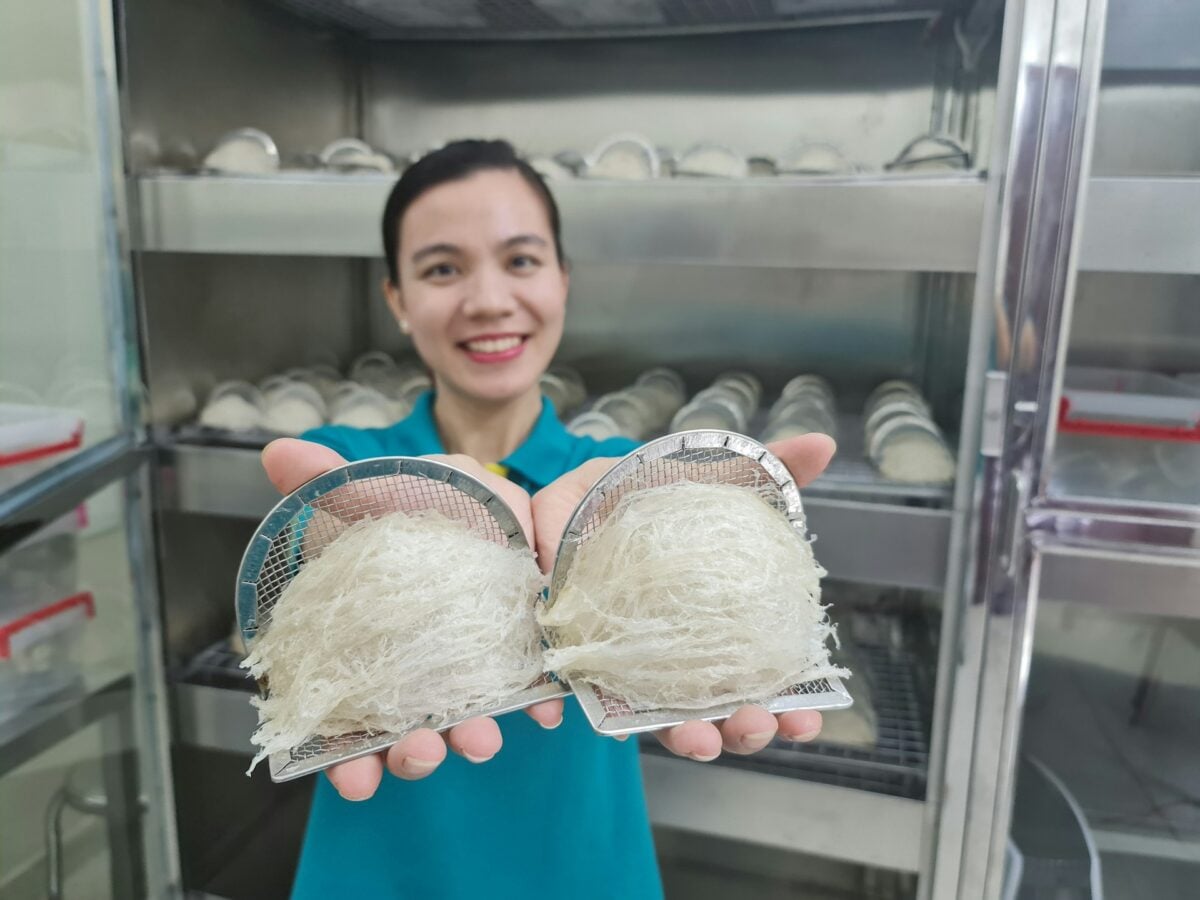
Edible bird’s nests made from swiftlet saliva can cost between $2,000 to $10,000 per kilogram.
These nests are harvested from caves or purpose-built structures in Southeast Asia, where collectors risk their lives climbing sheer rock faces to reach them.
The swiftlets construct their nests entirely from hardened saliva strands, which dissolve into a gelatinous texture when cooked in soup.
Chinese cuisine has prized these nests for centuries, attributing various health benefits to them despite limited scientific evidence.
The harvesting industry has become so lucrative that some entrepreneurs have converted urban buildings into artificial swiftlet habitats.
Kopi Luwak Coffee Passes Through an Animal First
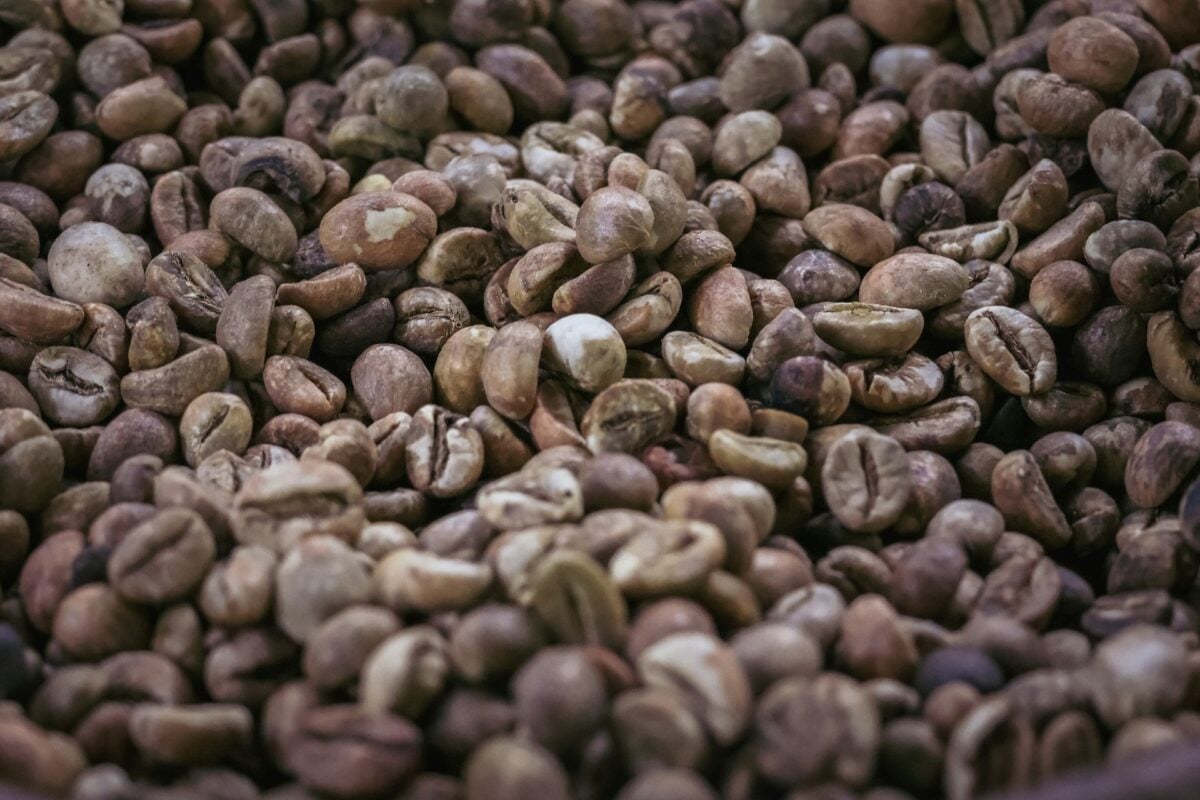
Kopi Luwak, made from coffee beans that have passed through a civet’s digestive system, costs around $700 per pound.
The Asian palm civet eats ripe coffee cherries, and enzymes in its stomach supposedly enhance the beans’ flavor profile by breaking down proteins that cause bitterness.
Unfortunately, the coffee’s popularity has led to widespread civet abuse, with animals caged in terrible conditions and force-fed cherries rather than selecting them naturally.
Ethical concerns have tarnished the product’s reputation, though unscrupulous sellers continue marketing it as a luxury item.
Elvish Honey Takes Years to Harvest

Elvish honey from Turkey’s Saricayir Valley costs approximately $1,500 for just 5 ounces.
This honey is harvested from a cave 1,800 meters deep, where mineral-rich deposits supposedly give it unique properties.
The depth and difficulty of extraction mean harvesters can only access it periodically, and the cave’s specific microclimate can’t be replicated elsewhere.
Turkish beekeepers claim the honey contains special minerals leached from the cave walls, though independent analysis shows it’s primarily distinguished by its scarcity rather than dramatically different nutritional content.
Yubari King Melons Cost Thousands Each
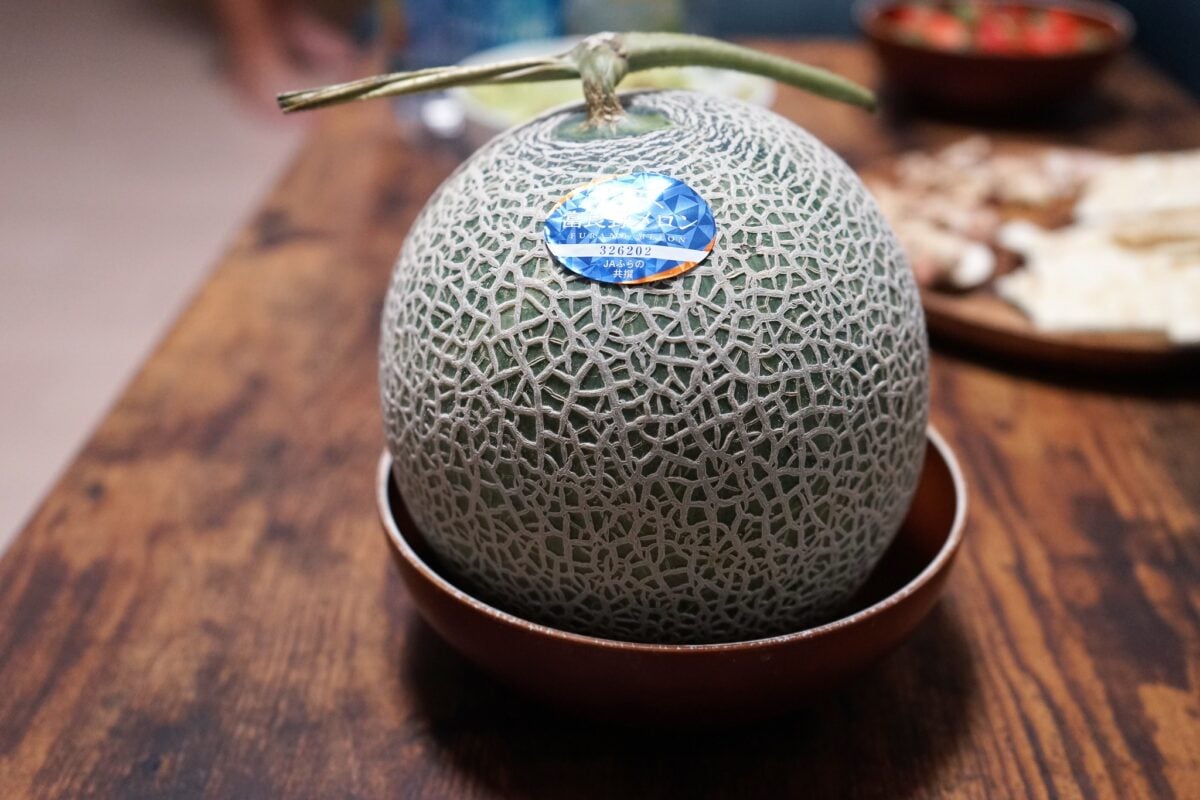
A pair of Yubari King melons from Japan has sold for as much as $29,000 at auction, though typical specimens still command hundreds or thousands of dollars.
These perfectly round, orange-fleshed melons are grown in greenhouses under obsessively controlled conditions—each plant produces only one or two fruits, which get pruned to ensure maximum sweetness.
Growers massage the melons, adjust their position for even ripening, and even place tiny hats on them to protect from sun damage.
In Japanese gift-giving culture, premium melons serve as extravagant presents that demonstrate respect and appreciation.
Iberico Ham Ages for Years in Caves

Iberico ham, particularly the premium ‘Bellota’ grade, costs upwards of $392 per kilogram.
The pigs roam freely in Spanish oak forests, gorging on acorns during the fall months that impart a nutty flavor to their meat.
After slaughter, the hams age for a minimum of 36 months in temperature-controlled caves, with the finest specimens curing for five years or more.
The acorn diet literally changes the chemical composition of the fat, making it higher in oleic acid—the same healthy fat found in olive oil.
La Bonnotte Potatoes Grow on One Island

La Bonnotte potatoes from France’s Île de Noirmoutier sell for approximately $500 per kilogram, making them exponentially more expensive than russets from your local grocery store.
These thin-skinned spuds grow in sandy, seaweed-fertilized soil for only a few weeks each spring, and farmers must harvest them entirely by hand to avoid bruising.
The Atlantic island’s unique microclimate and soil composition can’t be replicated, and only about 100 tons get produced annually.
Devotees describe the flavor as lemony and delicate, though skeptics argue you’re mostly paying for agricultural theater.
Moose Cheese Comes from Three Animals

Moose cheese produced at Sweden’s Moose House farm costs around $500 per pound.
The farm maintains only three milkable moose, and the animals produce milk for just a few months each year between May and September.
Moose milk has much higher fat and protein content than cow’s milk, but the moose themselves are temperamental about being milked and produce relatively small quantities.
The resulting cheese has a mild, creamy flavor, and the farm’s limited production means most of it never leaves Sweden.
Bluefin Tuna Breaks Auction Records
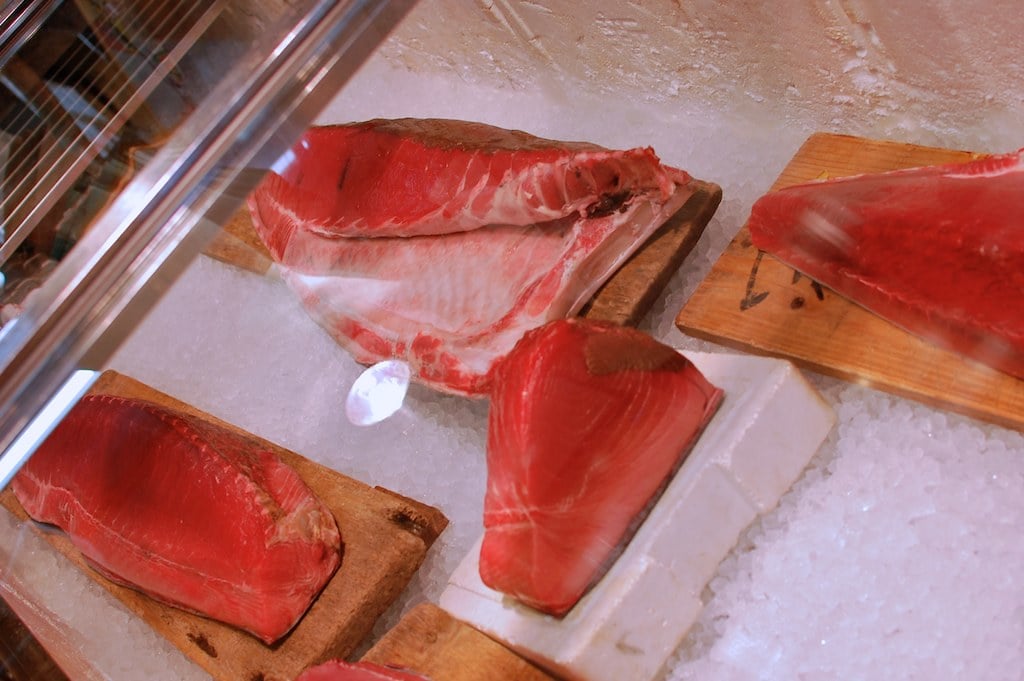
A single bluefin tuna sold for $3,603 per pound at Tokyo’s famous fish auction, with the entire fish fetching over $3 million.
These ocean giants can weigh over 600 pounds and swim at speeds exceeding 40 miles per hour, making them formidable hunters in their own right.
Overfishing has decimated bluefin populations, yet demand remains astronomical in high-end sushi restaurants where their fatty belly meat (toro) is considered the ultimate delicacy.
The first tuna sold each year at Tokyo’s Toyosu Market typically commands absurd prices partly due to tradition and publicity.
Edible Gold Serves No Nutritional Purpose

Edible gold leaf costs between $169 to $15,000 per 400 grams, depending on purity and packaging.
The gold passes through your digestive system completely unchanged because your body can’t absorb or process it—you’re literally flushing money down the toilet.
Chefs apply gold leaf to desserts, steaks, and cocktails purely for visual impact, hammering regular gold into sheets so thin they’re nearly transparent.
The practice dates back centuries when wealthy diners believed consuming precious metals conveyed status, though modern users generally recognize it as pure culinary showmanship.
Abalone Requires Skilled Divers

Wild abalone costs approximately $540 per kilogram, with prices varying based on size and origin.
These large sea snails cling to rocks in cold, deep waters, and harvesting them requires experienced divers who can pry them loose without damaging the valuable meat inside.
Many species face strict fishing regulations or outright bans due to overharvesting, driving collectors toward farm-raised alternatives that still command premium prices.
The meat requires careful preparation—pound it too hard and it becomes tough, but treat it right and you get tender, sweet flesh that commands respect in Japanese, Chinese, and Korean cuisine.
The Real Cost of Luxury

These astronomical prices reflect a complicated mix of genuine scarcity, labor-intensive production, and cultural prestige that turns food into status symbols.
While some items justify their cost through legitimate rarity or exceptional quality, others exist primarily because wealthy people need new ways to demonstrate they have money to burn.
The market for extreme luxury foods keeps growing, even as climate change and overharvesting threaten many of these ingredients with extinction—a contradiction that might eventually price even the wealthy out of their favorite delicacies.
More from Go2Tutors!

- The Romanov Crown Jewels and Their Tragic Fate
- 17 Halloween Costumes Once Considered Taboo
- Famous Hoaxes That Fooled the World for Years
- 15 Child Stars with Tragic Adult Lives
- 16 Famous Jewelry Pieces in History
Like Go2Tutors’s content? Follow us on MSN.