Mother’s Day Prep: Vintage Gifts Moms Wanted Back Then
Mother’s Day has evolved dramatically over the decades, and so have the gifts that made mothers feel truly appreciated. Today’s moms might light up over a spa day or the latest tech gadget, but rewind a few generations and you’d find completely different treasures topping wish lists.
The items that brought joy to mothers in bygone eras tell fascinating stories about daily life, social expectations, and what constituted luxury when resources were scarce. Some of these vintage favorites might surprise you with their practicality, while others reveal a longing for small indulgences that seem quaint by today’s standards.
Aprons With Hand-Embroidered Details

Practical gifts weren’t considered boring. They were thoughtful.
A beautiful apron meant someone understood that kitchen work deserved dignity. The hand-embroidered flowers or delicate rick-rack trim transformed a necessity into something special.
Handkerchiefs In Sets Of Three

Before tissues became ubiquitous, handkerchiefs were both essential and elegant. Mothers treasured sets that came in small gift boxes, often with different patterns or days of the week embroidered in flowing script.
The ritual of choosing which handkerchief to carry (because there was always a choice to make, even in something so small) added a touch of ceremony to getting dressed each morning, and mothers understood this better than anyone — they were the ones, after all, who had taught their daughters that even the most practical items could carry beauty if someone took the time to choose carefully.
Costume Jewelry Sets
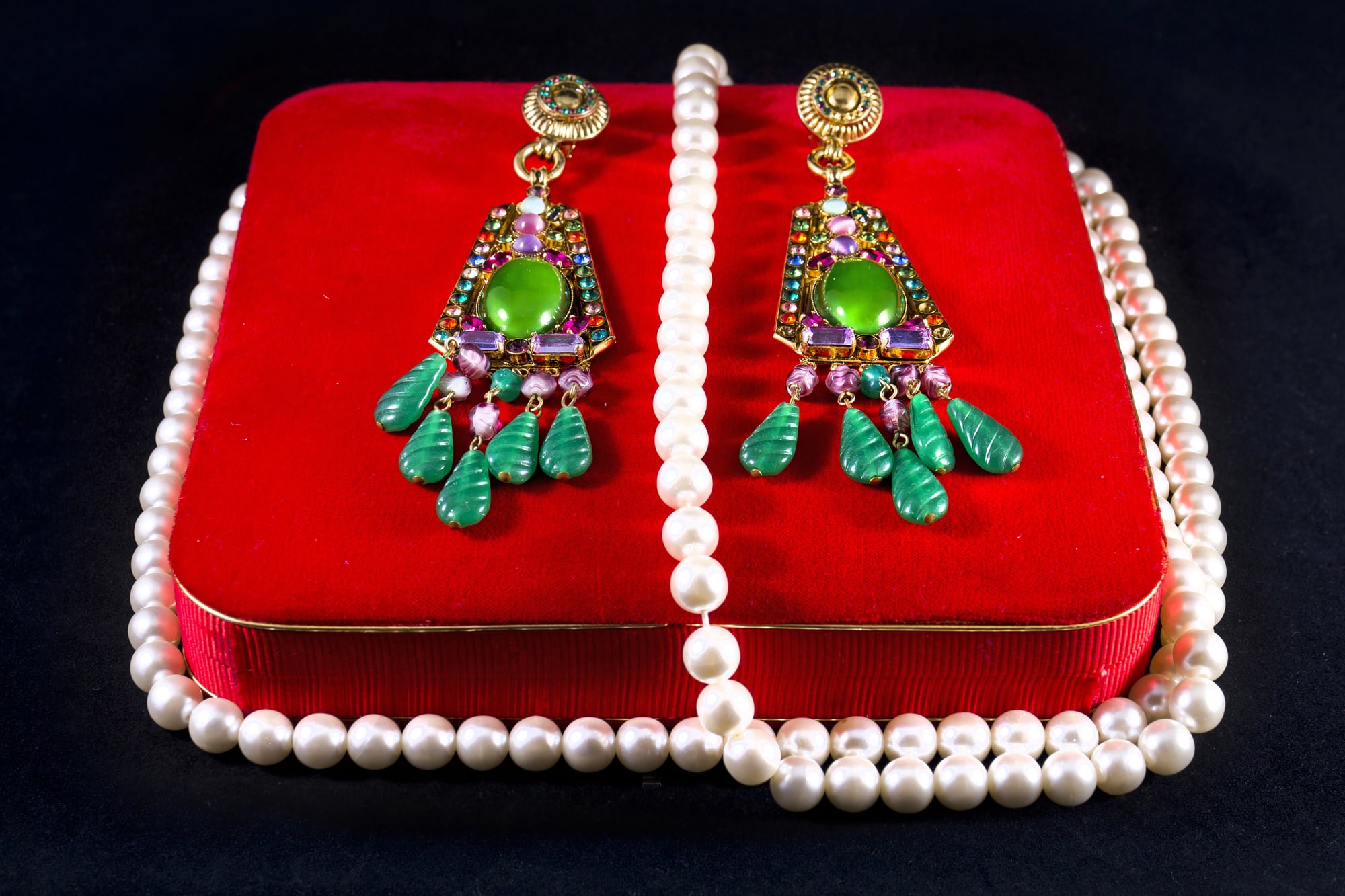
Matching earrings, necklace, and bracelet sets offered affordable glamour. These weren’t heirloom pieces, but they didn’t need to be.
The appeal lived in having options. A pearl-look set for church, colorful beads for summer dresses, or rhinestones that caught light at evening gatherings. Even mothers on tight budgets deserved to feel dressed up.
Perfumed Talcum Powder
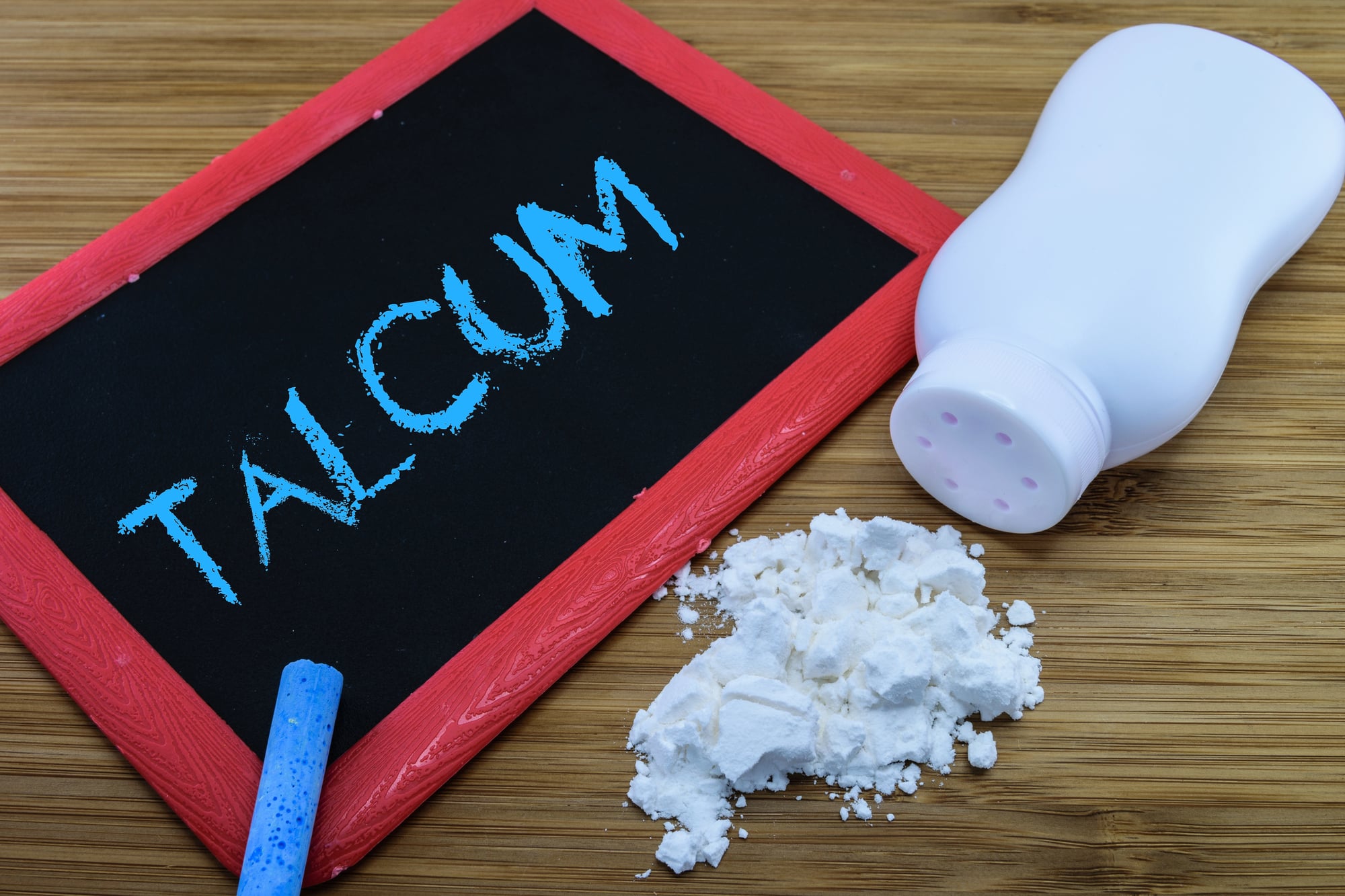
Talcum powder was luxury disguised as practicality. The fancy tins with their ornate designs sat proudly on bedroom dressers, and the ritual of dusting yourself with something that smelled like roses or lavender felt indulgent in an era when most personal care items were purely functional.
But it was more than that — it was permission to take time for yourself, to stand in front of the mirror for an extra moment, to do something simply because it felt nice rather than because it needed doing. Which is saying something when your days were measured in meals cooked and laundry folded.
House Slippers With Memory
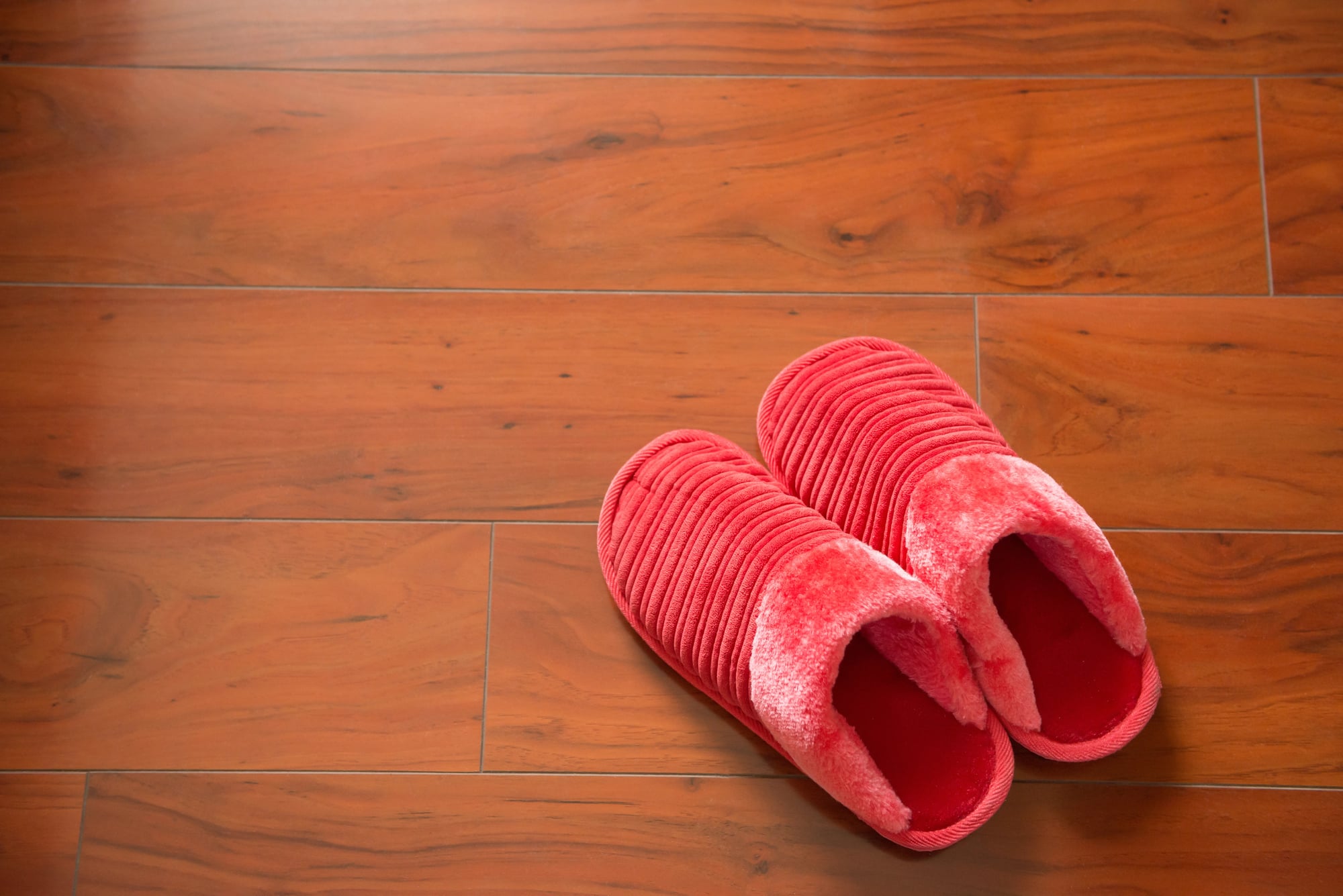
Slippers weren’t just about comfort. They were about recognition.
A pair of quilted house slippers acknowledged that mothers spent their days on their feet, moving from room to room, task to task. Good slippers meant someone noticed.
Silk Scarves For Every Occasion
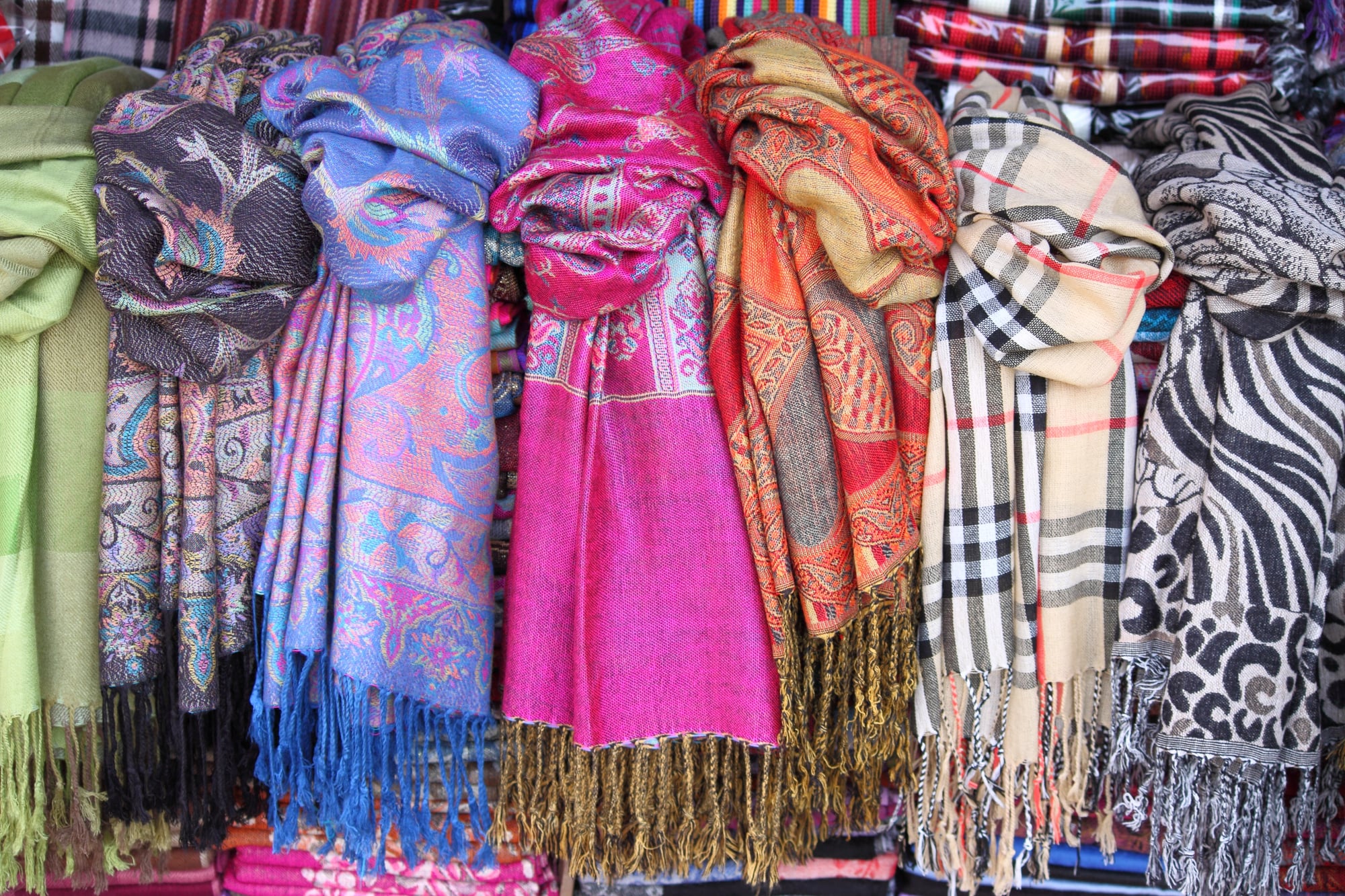
The silk scarf occupied a special place in a mother’s wardrobe — it could dress up a simple dress, add color to a winter coat, or protect a fresh hairdo from wind. These weren’t frivolous accessories but rather problem-solvers wrapped in elegance.
A single scarf could serve as a headband for cleaning days, a belt for dresses that had grown too loose, or a gentle way to add formality to an outfit when unexpected company arrived (and company was always arriving unexpectedly in those days, which meant mothers needed to be ready for anything at a moment’s notice). The versatility mattered as much as the beauty, though the beauty mattered quite a lot too.
Box Of Fine Stationery
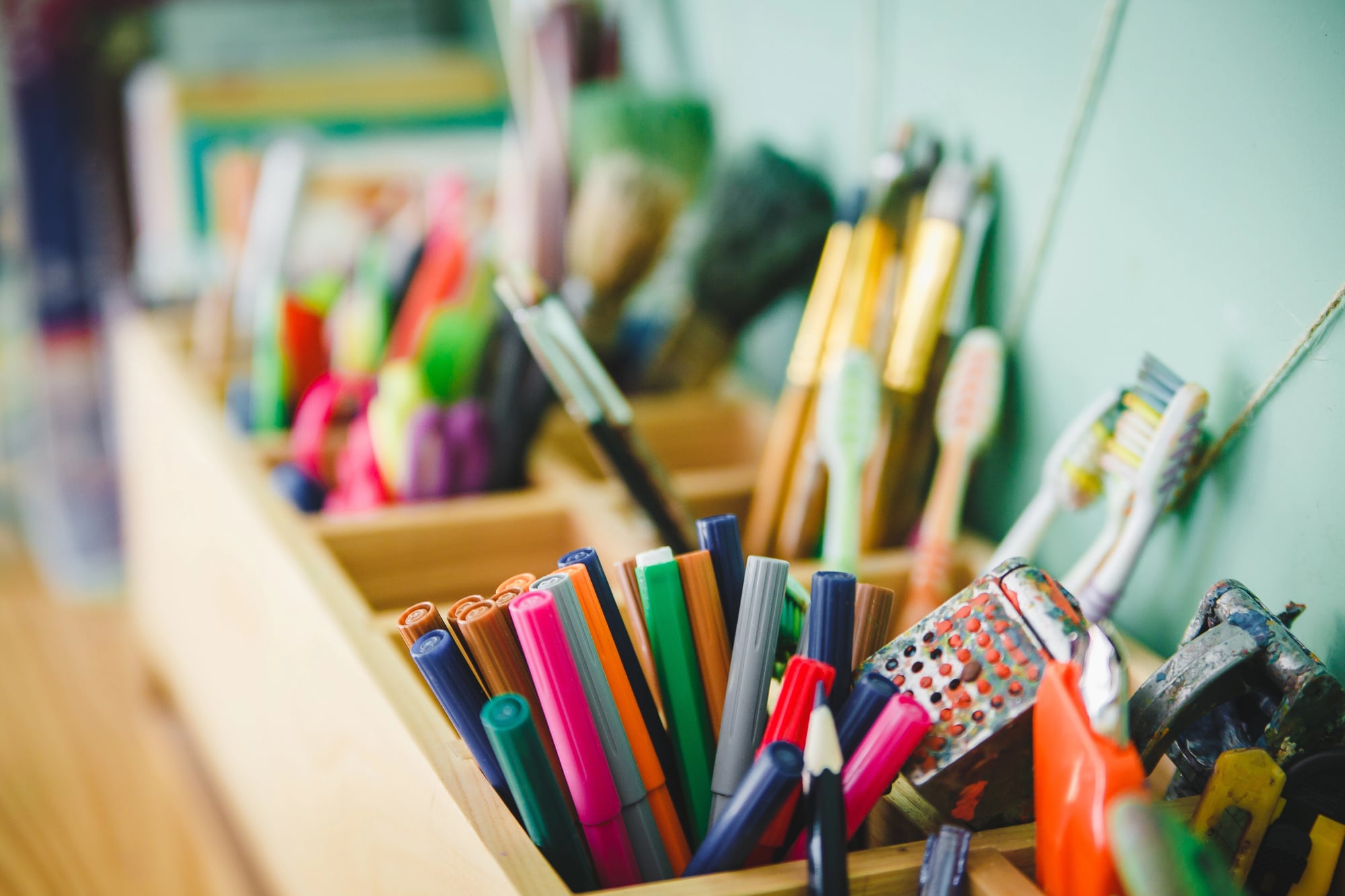
Letter-writing was an art form that required proper tools. Mothers appreciated good paper with matching envelopes, especially sets that came with their initials embossed in gold.
Writing thank-you notes, staying in touch with distant relatives, or corresponding with children who had moved away — all of this felt more important when done on paper that had weight and substance to it.
Electric Kitchen Mixers
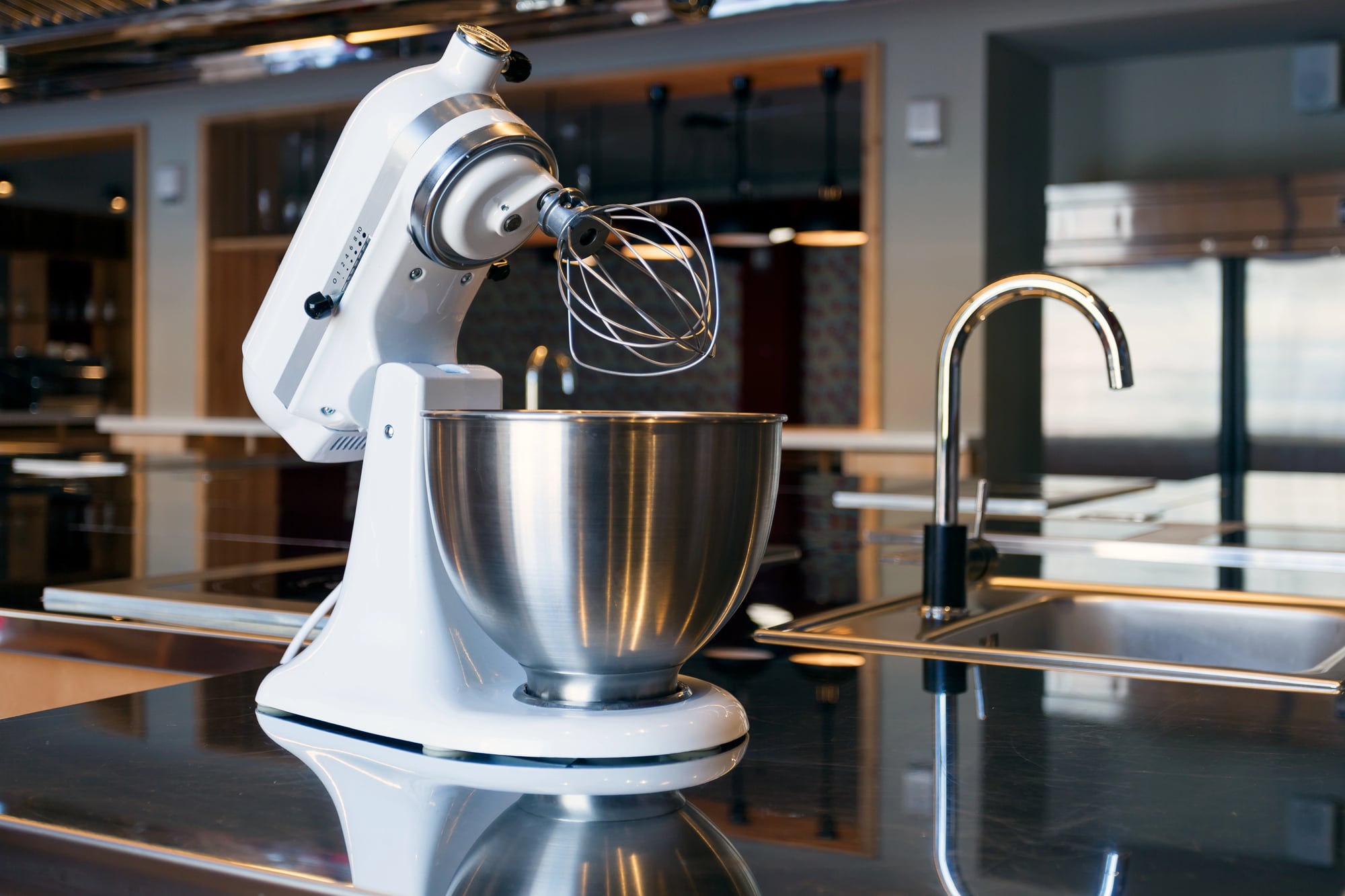
The stand mixer represented a revolution. Before this, everything was mixed by hand.
Cake batter, cookie dough, whipped cream — all of it required arm strength and patience. An electric mixer meant lighter cakes and less exhaustion. That’s not a small gift.
Transistor Radios For The Kitchen
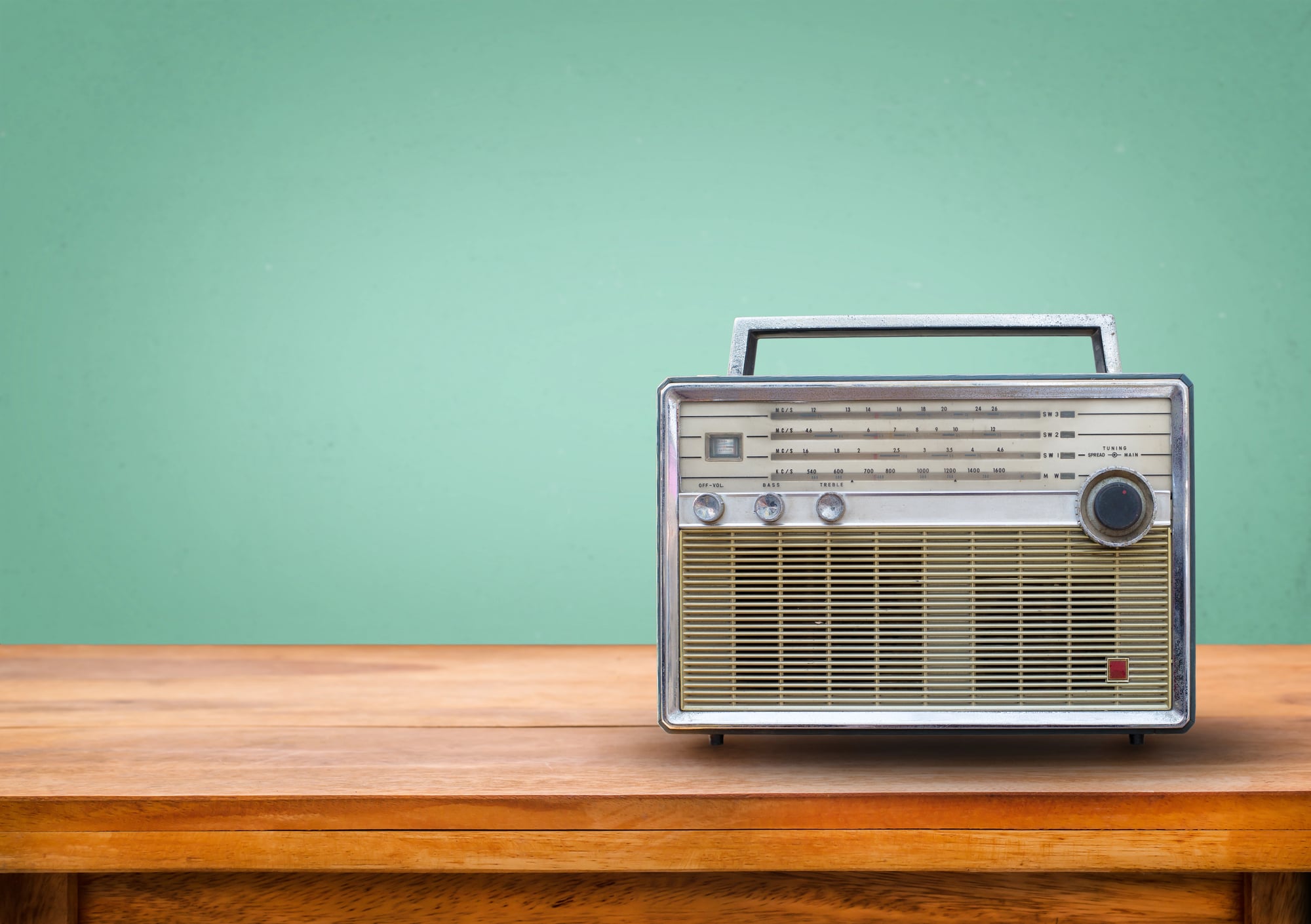
Music during household chores was a luxury most mothers hadn’t experienced until transistor radios became affordable. The ability to listen to programs while cooking or cleaning transformed solitary work into entertainment.
These small radios meant mothers could keep up with news, enjoy music, or follow their favorite soap operas without stopping their work — a kind of multitasking that seems ordinary now but felt revolutionary to women who had spent years working in silence, or at best with only their own humming to keep them company.
Decorative Recipe Boxes
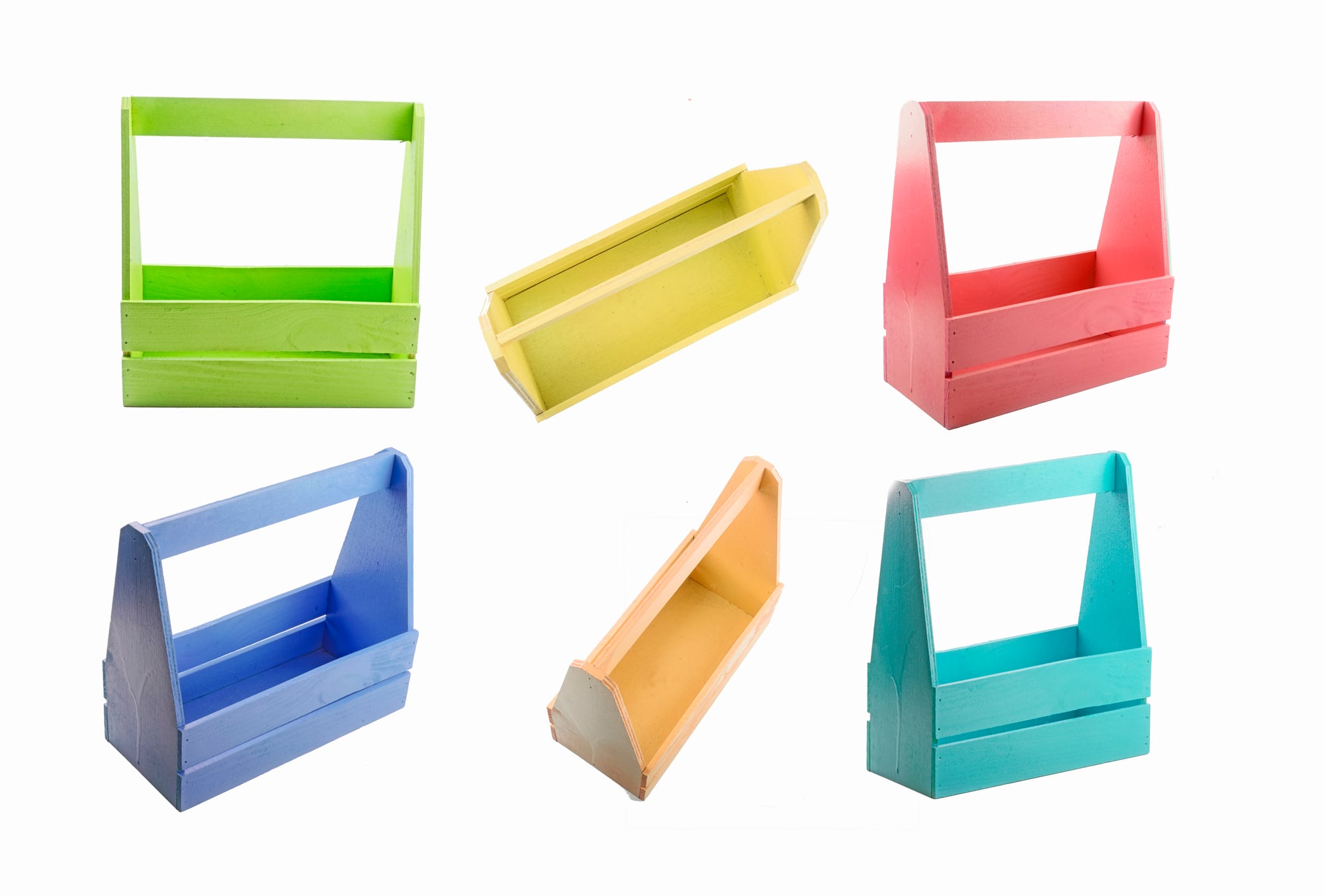
Recipe collections needed proper homes. A beautiful recipe box wasn’t just storage — it was validation that family recipes mattered enough to preserve carefully.
Wooden boxes with painted designs or metal ones with cheerful patterns held treasures: handwritten cards passed down from mothers and grandmothers, clippings from magazines, notes scribbled on scraps of paper during phone calls with friends sharing their latest discoveries.
Garden Tool Sets Designed For Women
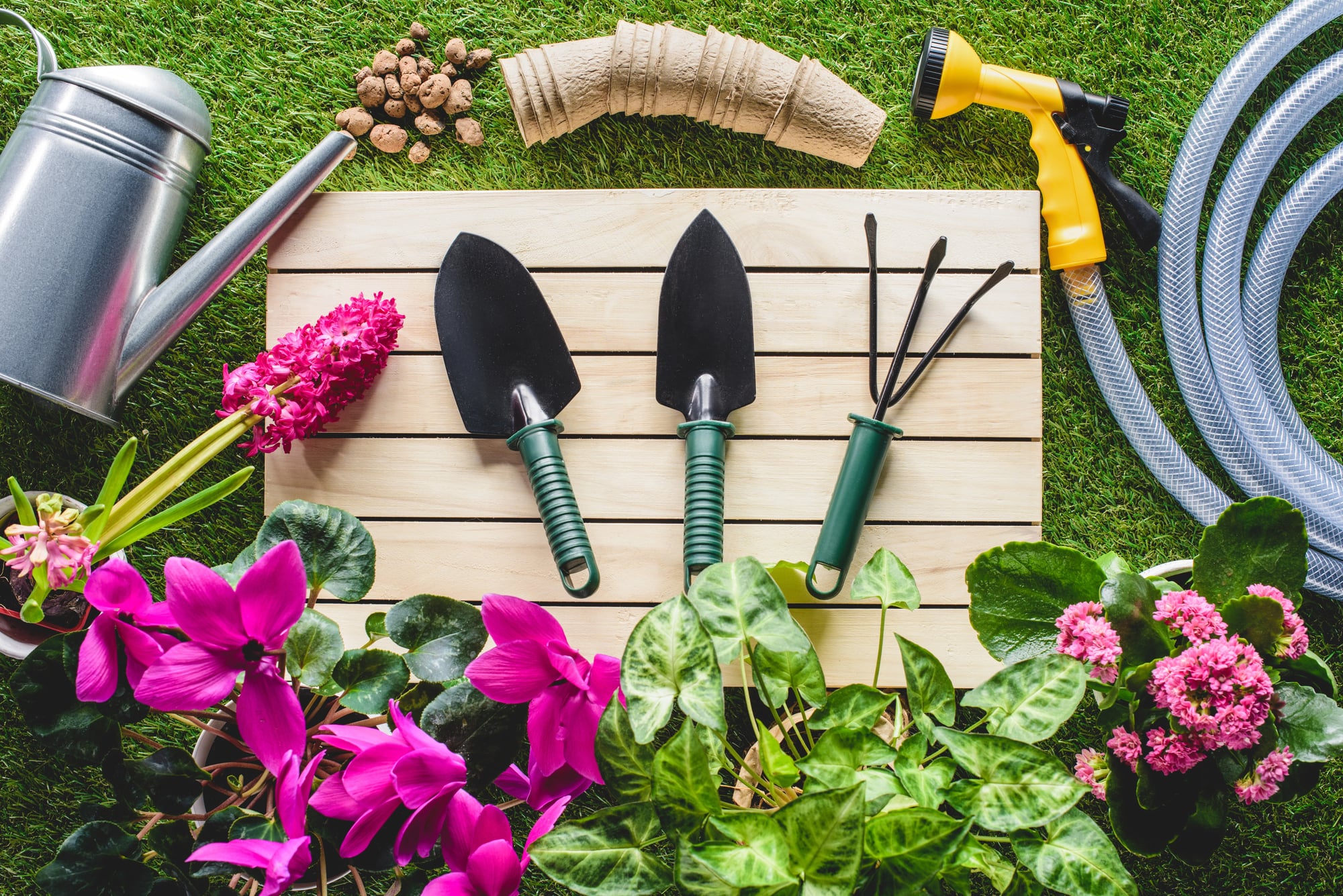
Regular garden tools were built for men’s hands and strength. Tool sets designed specifically for women featured lighter weight and smaller grips.
These weren’t toys or inferior versions. They were acknowledgments that women deserved tools that fit their hands properly, making garden work more pleasant and less strain.
Set Of Matching Dinnerware
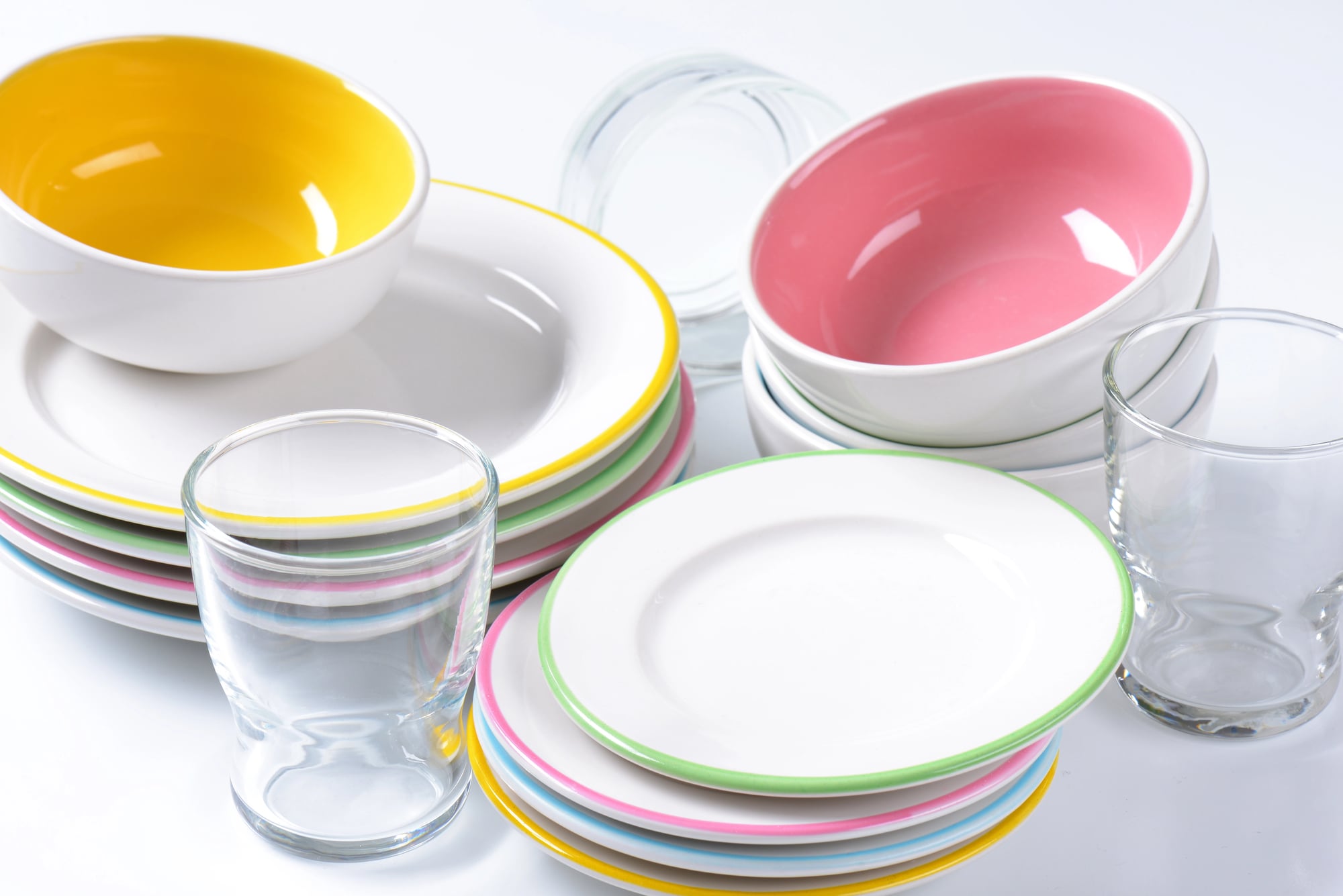
Complete sets of dishes represented stability and grace. During times when mismatched plates were the norm for many families, having service for eight in a coordinated pattern felt genuinely luxurious.
The everyday beauty of sitting down to meals served on matching plates (where the colors coordinated and the sizes made sense together, where everything looked intentional rather than assembled from whatever hadn’t broken yet) created a sense of occasion around ordinary moments, and mothers understood better than anyone how much ordinary moments could use a little elevation.
Automatic Coffee Percolators
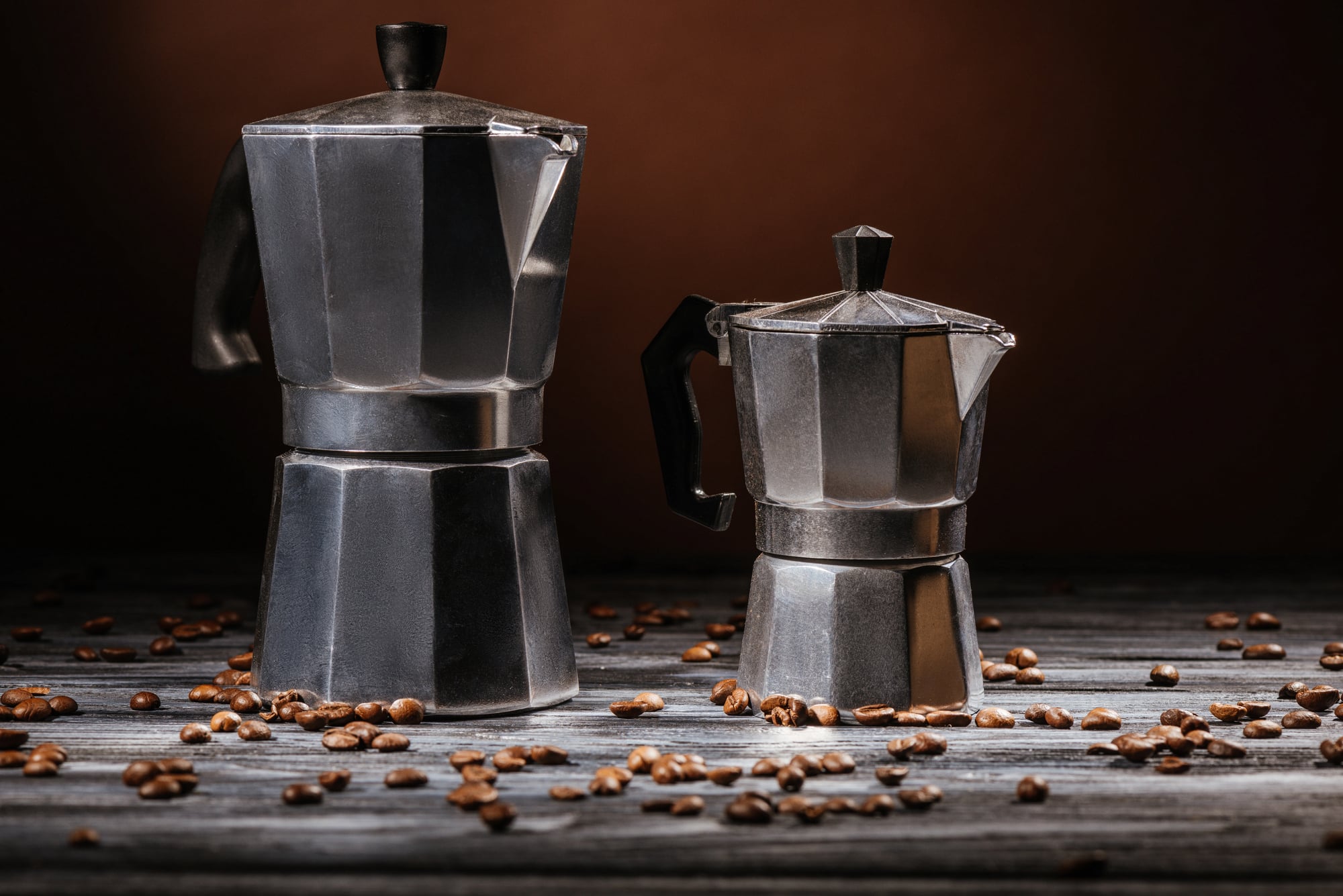
Morning coffee that made itself was revolutionary technology. Percolators that plugged into the wall meant mothers could wake up to the sound and smell of brewing coffee without standing over the stove.
The luxury wasn’t just in convenience but in those extra minutes of morning peace, listening to the gentle bubbling that signaled the day was starting but hadn’t quite demanded full attention yet.
When Simple Meant Everything
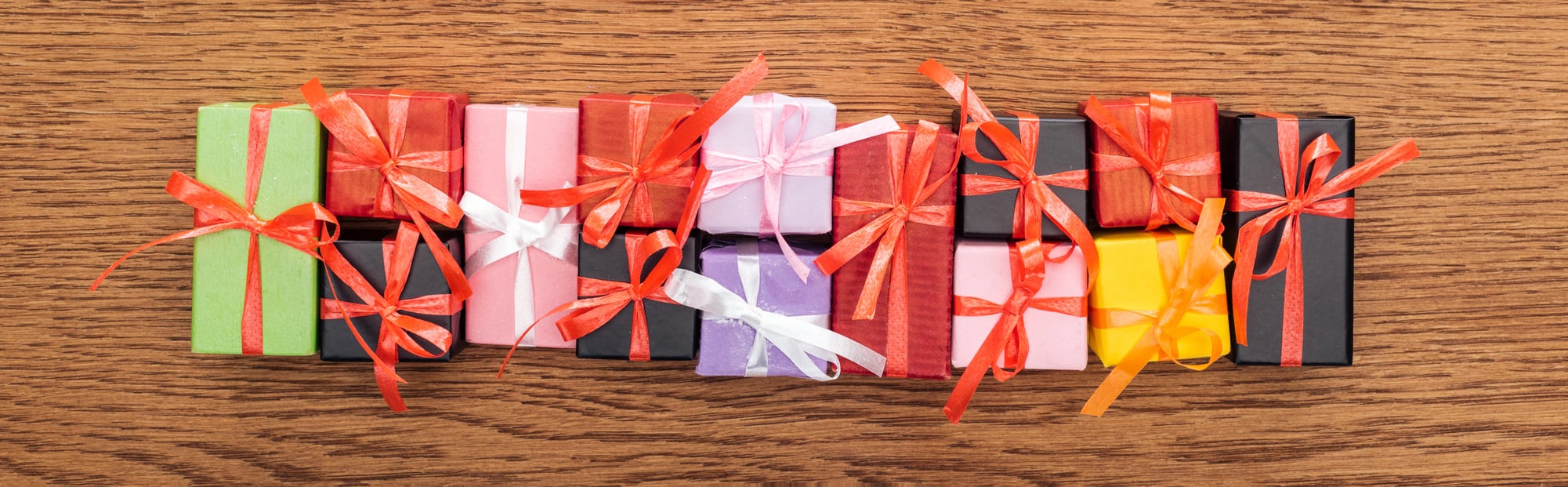
These gifts remind us that luxury once lived in different places. An apron with hand-sewn details meant more than its cost suggested. A radio in the kitchen represented connection to the wider world during hours of solitary work.
The mothers who treasured these items weren’t asking for less — they were finding richness in practicality, beauty in function, and joy in the recognition that their daily work deserved thoughtful tools and small indulgences. Sometimes the most meaningful gifts are the ones that make ordinary moments feel a little more special.
More from Go2Tutors!

- The Romanov Crown Jewels and Their Tragic Fate
- 13 Historical Mysteries That Science Still Can’t Solve
- Famous Hoaxes That Fooled the World for Years
- 15 Child Stars with Tragic Adult Lives
- 16 Famous Jewelry Pieces in History
Like Go2Tutors’s content? Follow us on MSN.