Movie Sequels That Pretended Originals Never Happened
Hollywood has always had a complicated relationship with its past. Sometimes a movie does so poorly that studios decide the best path forward is to simply act like it never existed.
Other times, filmmakers want to take a beloved franchise in a completely different direction and find that ignoring previous entries is the easiest way to do it. These sequels don’t just continue a story—they rewrite history.
The decision to ignore what came before is always risky. Fans who loved the original might feel betrayed, while others see it as a chance to fix mistakes and start fresh.
Halloween (2018)

This sequel arrived nearly 40 years after the original film terrified audiences, and it made a bold choice right from the start. Director David Gordon Green and his team decided that only John Carpenter’s 1978 classic actually happened.
Everything else—including the twist that Laurie Strode was Michael Myers’ sister—got tossed out the window. Jamie Lee Curtis returned as Laurie, now a grandmother still dealing with the trauma of that one terrible night.
The movie treated Michael as a force of pure evil rather than someone with family connections, which actually made him scarier. By wiping away decades of increasingly convoluted storylines, the film gave audiences a direct confrontation between survivor and monster that felt both fresh and familiar.
Superman Returns
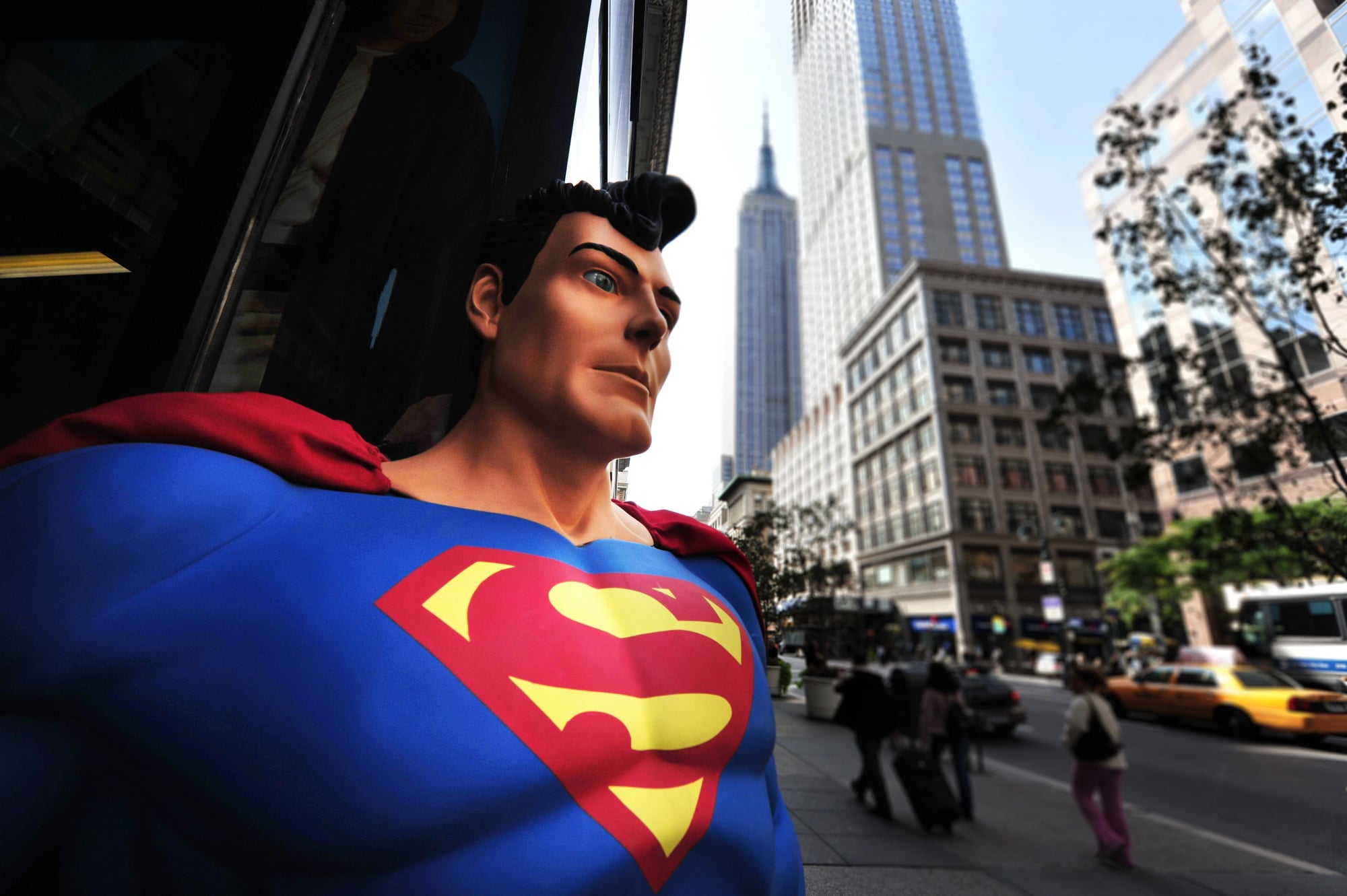
Bryan Singer’s 2006 film positioned itself as a direct follow-up to Superman II from 1980, completely skipping over the third and fourth films in the original series. Brandon Routh stepped into the role that Christopher Reeve had made iconic, and the movie treated Superman III and Superman IV: The Quest for Peace like they had never been made.
This choice made sense given how poorly those later films had been received, but it also created some confusion for viewers. The movie even used archived audio of Marlon Brando as Jor-El to strengthen its connection to the earlier films.
Unfortunately, the selective memory approach didn’t save the film from mixed reviews and disappointing box office numbers.
Terminator: Dark Fate

James Cameron returned as a producer for this 2019 entry and brought a simple message: forget everything after Terminator 2: Judgment Day. Rise of the Machines, Salvation, and Genisys all got erased from the timeline.
Linda Hamilton came back as Sarah Connor, older and still fighting machines from the future. The movie killed off John Connor in the opening scene, which shocked fans and made it clear this was a completely different path.
Arnold Schwarzenegger appeared as an aging Terminator who had built a normal life after completing his mission. Despite the bold reset and star power, audiences didn’t show up in large enough numbers to justify the approach.
Halloween H20: 20 Years Later

Before the 2018 reboot pulled the same trick, this 1998 film had already tried ignoring sequels. H20 pretended that parts four, five, and six never happened, picking up the story two decades after Halloween II.
Jamie Lee Curtis returned as Laurie Strode, now living under a fake name and running a private school in California. The movie kept the sibling connection between Laurie and Michael but ditched all the complicated cult storylines and mystical elements that had crept into the franchise.
It worked well enough that fans embraced it, though the series would eventually make more sequels that muddied the waters again. The film proved that sometimes less continuity creates more effective horror.
X-Men: Days of Future Past
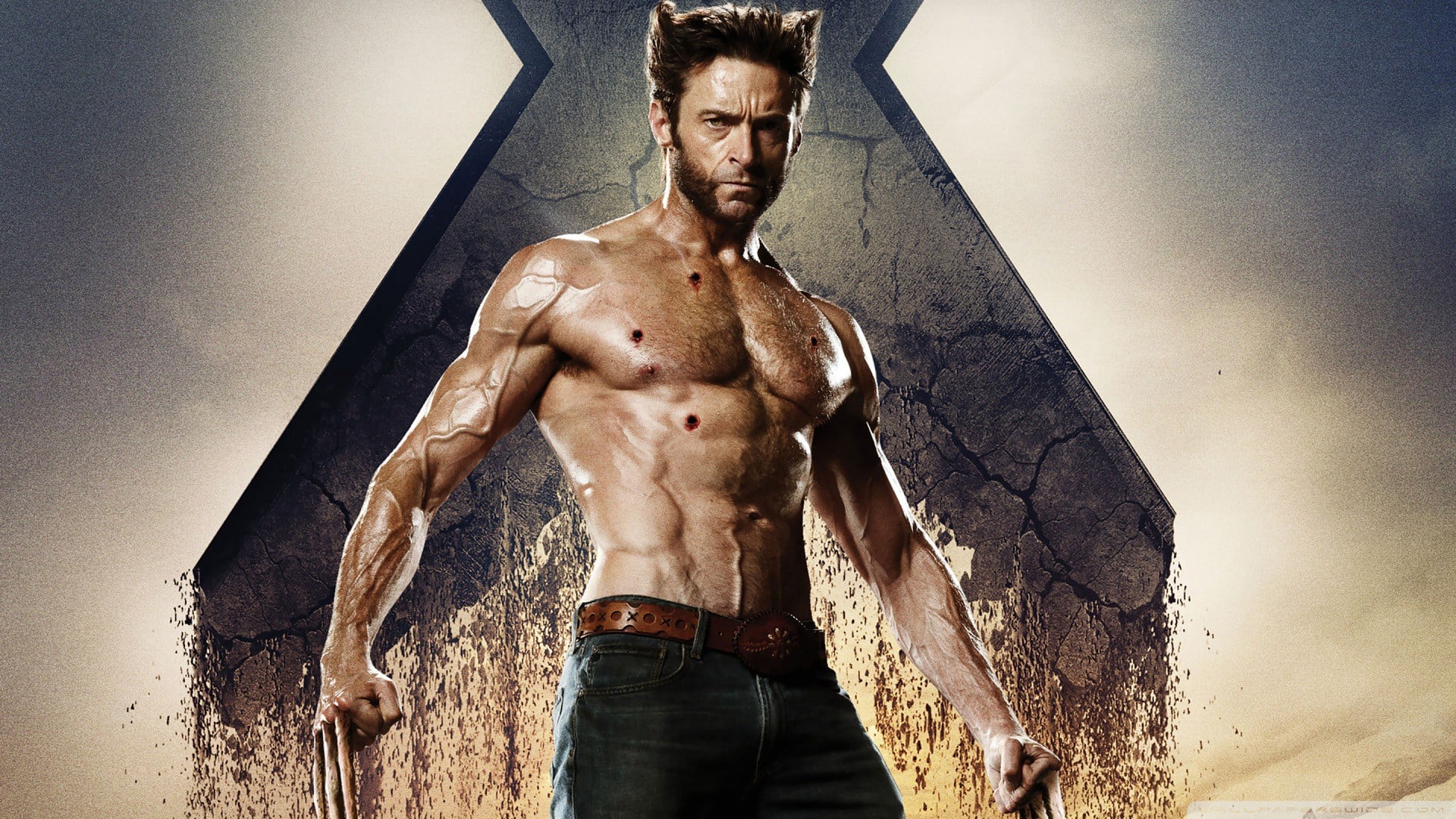
This 2014 film used time travel as a clever excuse to wipe away the mistakes of previous movies. The storyline allowed the X-Men to change the past, which conveniently erased The Last Stand from existence.
Wolverine traveled back to the 1970s to prevent an event that would lead to a dark future, and when he succeeded, the timeline reset. Suddenly, characters who had died were alive again, and plot points fans hated simply never occurred.
The movie brought together the original cast and the younger versions from First Class, creating a bridge between eras. By the time the credits rolled, the entire franchise had been given a fresh start without anyone having to directly apologize for earlier missteps.
The Exorcist (2023)
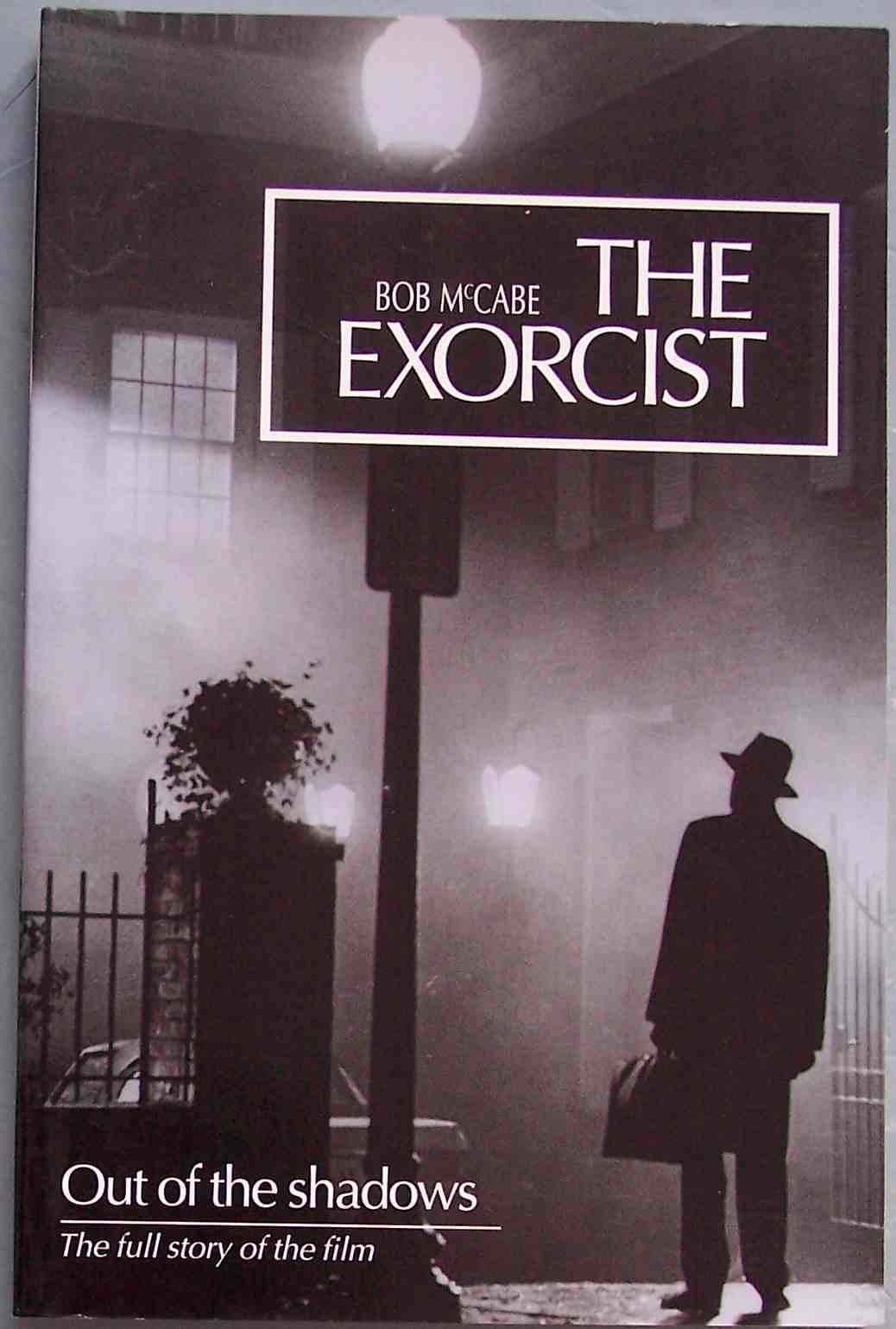
David Gordon Green, who had already erased Halloween sequels, did the same thing with this continuation of the possession horror classic. The new film treated only William Friedkin’s 1973 original as canon, ignoring Exorcist II: The Heretic and The Exorcist III entirely.
Ellen Burstyn returned as Chris MacNeil, the mother from the first film, now trying to help a new family facing demonic possession. The movie connected directly to the original story while skipping over decades of follow-ups that had tried and mostly failed to recapture the terror.
Critics and audiences both gave it a lukewarm reception, suggesting that pretending sequels didn’t exist wasn’t enough to guarantee quality. The approach worked better for some franchises than others.
Blade Runner 2049

Denis Villeneuve’s 2017 sequel had an unusual task because there weren’t really previous sequels to ignore—but it did have to navigate around various director’s cuts and alternate versions. The film picked up 30 years after the events of the original and treated Ridley Scott’s final cut as the definitive version of what happened.
Ryan Gosling joined the cast as a new replicant blade runner, while Harrison Ford returned as Deckard. The movie answered some questions while raising new ones, and it carefully respected the ambiguity that made the original so compelling.
By choosing one specific version of the first film as its foundation, it avoided the confusion that multiple edits had created over the years.
Candyman (2021)
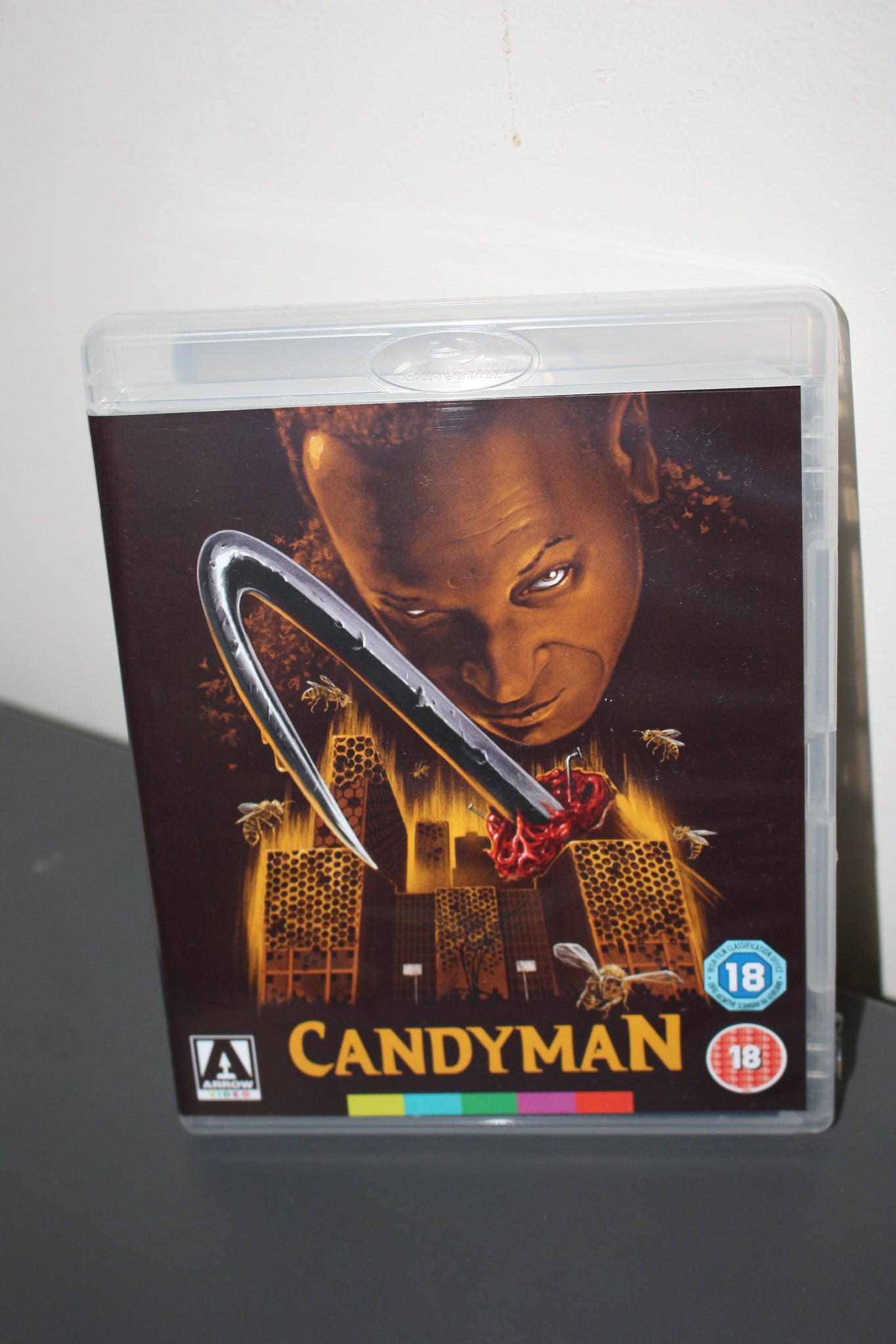
Director Nia DaCosta and writer Jordan Peele brought back the hook-handed urban legend by ignoring the two direct-to-video sequels from the 1990s. This film served as a direct sequel to Bernard Rose’s 1992 original, returning to the Cabrini-Green housing projects in Chicago.
The story examined how the legend had evolved and what it meant in a modern context, with themes of gentrification and systemic racism woven throughout. Yahya Abdul-Mateen II led the cast as an artist who becomes obsessed with the Candyman story, while original star Tony Todd made a brief appearance.
The movie used its selective continuity to explore deeper social issues rather than just recycling jump scares from earlier entries.
Jurassic World
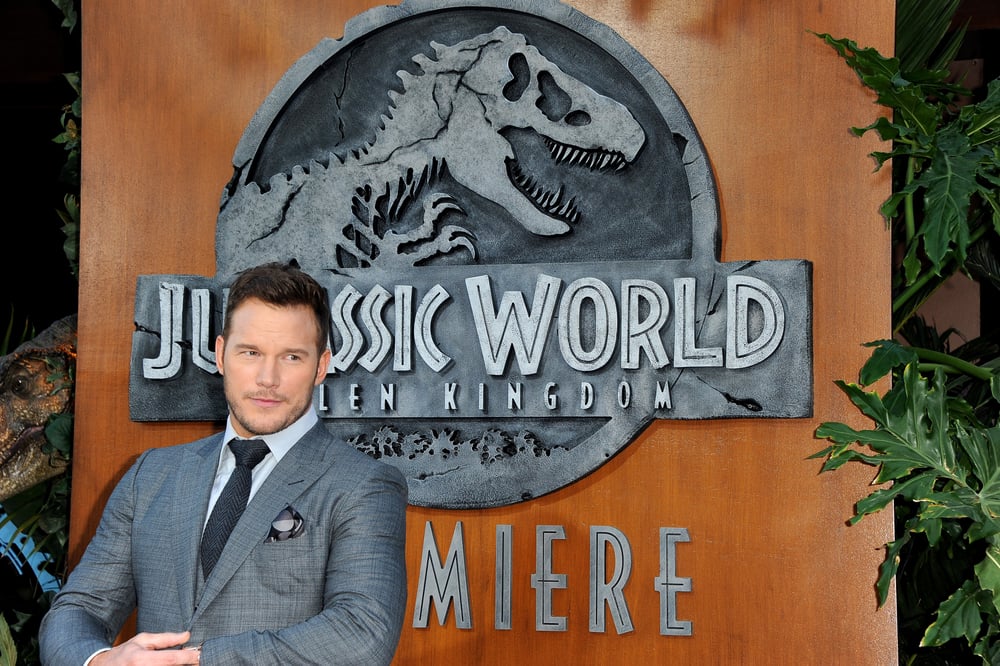
Colin Trevorrow’s 2015 film technically acknowledged the original Jurassic Park but largely ignored The Lost World and Jurassic Park III when building its story. The movie jumped forward in time to show a fully operational dinosaur theme park, the dream that John Hammond had tried to achieve.
Chris Pratt and Bryce Dallas Howard led a new generation of characters running from genetically modified dinosaurs. References to the 1993 film appeared throughout, but the two sequels might as well not have existed based on how little they mattered to the plot.
The soft reboot approach worked commercially, launching a new trilogy that earned billions at the global box office.
The Texas Chain Saw Massacre (2022)

Netflix released this direct sequel that picked up nearly 50 years after Tobe Hooper’s 1974 horror classic and pretended nothing else happened in between. Leatherface had been hiding in plain sight all those decades, and a group of young entrepreneurs accidentally unleashed him again when they tried to gentrify a Texas ghost town.
Sally Hardesty, the original film’s final girl, returned as an older woman seeking revenge for what happened to her and her friends. The movie ignored all the remakes, prequels, and sequels that had come before it, though keeping track of that continuity would have required a flow chart anyway.
Critics weren’t kind, but the film found an audience among slasher fans willing to overlook its flaws for more chainsaw action.
Ghostbusters: Afterlife

Jason Reitman, son of original director Ivan Reitman, made a sequel that honored the first two films while quietly stepping around the 2016 all-female reboot. The story followed the grandchildren of Egon Spengler as they discovered their family connection to the Ghostbusters legacy in a small Oklahoma town.
Paul Rudd joined the cast as a teacher fascinated by the paranormal, while the surviving original cast members appeared in supporting roles. The movie treated the 2016 film like it existed in a parallel universe rather than directly stating it never happened.
This approach satisfied fans who wanted continuity with the original series while avoiding the controversy that had surrounded the previous attempt to revive the franchise.
Scream (2022)

Directors Matt Bettinelli-Olpin and Tyler Gillett brought back Ghostface for a film that acknowledged all previous entries but made them feel somewhat optional. Neve Campbell, Courteney Cox, and David Arquette returned to pass the torch to a new generation, though the movie focused heavily on fresh characters.
The plot involved a killer targeting people connected to the original Woodsboro murders, but knowledge of Scream 3 and Scream 4 wasn’t really necessary to follow along. The film walked a careful line between respecting established continuity and making sure new viewers wouldn’t feel lost.
It proved successful enough to spawn another sequel that continued mining nostalgia while introducing new blood.
Star Trek (2009)
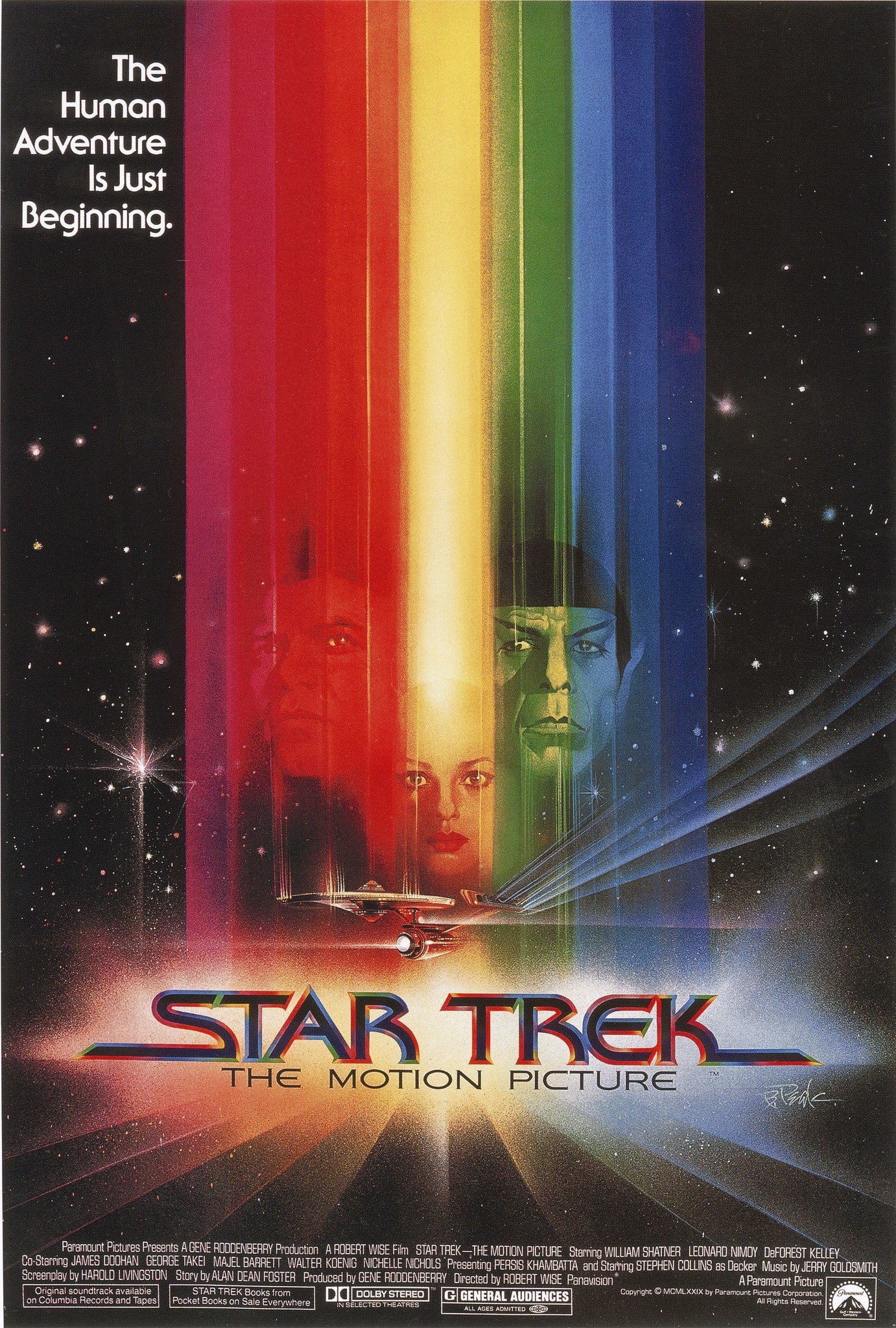
J.J. Abrams brought in time travel to shift things into a different path – this way, he could restart the series without wiping out years of movies and TV shows. A bad guy from the future messed with the past, sparking a whole new version of events.
Because of this twist, the old Star Trek universe stayed intact somewhere else, while Abrams built new tales using younger takes on Kirk, Spock, and the team. Old-school fans liked knowing their go-to episodes and films still mattered – somewhere across the endless universes.
It pulled in fresh viewers without setting off furious mail from diehards who’d spent years tracking every tiny bit of Star Trek history.
Saw X

This 2023 film took a twisty path – acting like both a follow-up and a flashback, slotting itself between the first two movies. Instead of moving forward, it hopped backward, bringing Tobin Bell back as John Kramer, the man behind Jigsaw’s mask.
Rather than dealing with tangled storylines from newer chapters, it skipped past them entirely. His journey starts with hope: heading to Mexico for a risky cure.
But when he uncovers fraud instead, anger takes over – and so begins another dark mission. Stepping back in time can actually push a story ahead.
With simpler plot flow plus spotlight on the original character, this movie got stronger reactions than any recent chapter in the series.
Godzilla (2014)

Gareth Edwards’ movie kicked off new for U.S. viewers – ignoring Roland Emmerich’s 1998 take completely. It echoed Japan’s original Godzilla tone yet built a separate world where nuke tests stirred an old beast from sleep.
Starring Bryan Cranston and Aaron Taylor-Johnson, it focused on personal bonds and tough choices, even when giant beasts clashed nearby. This time, Godzilla showed up like a force of nature, huge and serious – the way loyal followers always wanted.
Ditching memories of Matthew Broderick dodging a lizard in New York helped Legendary launch a lasting series of monster showdowns still going strong.
The Reset Button Gets Easier to Push
Folks running studios noticed people don’t mind ditching weak films – so long as there’s something better waiting. At first, only a few took daring steps; now, it’s normal for big series to chop off old bits they no longer want.
Streaming platforms make this smoother because newcomers just jump straight into whatever version feels like the true beginning today. How well things go down the line relies solely on what replaces the cut parts – and past examples prove clean slates never promise success, just another shot at messing up or nailing it.
More from Go2Tutors!

- The Romanov Crown Jewels and Their Tragic Fate
- 13 Historical Mysteries That Science Still Can’t Solve
- Famous Hoaxes That Fooled the World for Years
- 15 Child Stars with Tragic Adult Lives
- 16 Famous Jewelry Pieces in History
Like Go2Tutors’s content? Follow us on MSN.