Movie Twists Fans Still Don’t Get
Some movie endings leave audiences confused for days, weeks, or even years after the credits roll. Directors love throwing in twists that make people question everything they just watched, but sometimes those twists are so layered or subtle that viewers walk out scratching their heads.
Even after countless online debates and explanation videos, certain plot reveals still spark arguments about what actually happened. Here are some movie twists that continue to confuse people no matter how many times they rewatch.
The spinning top in “Inception”
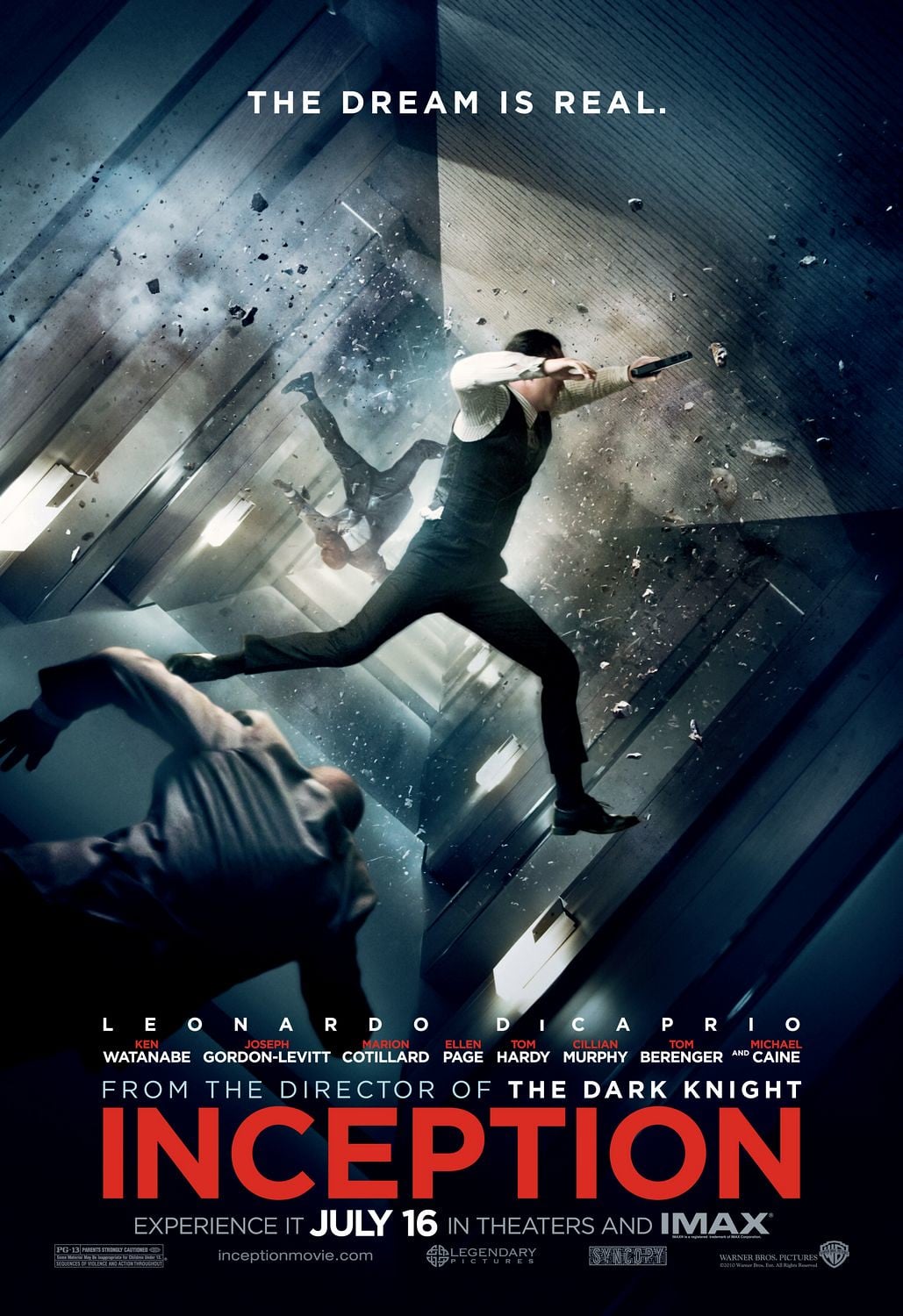
Christopher Nolan ended this 2010 mind-bender with Leonardo DiCaprio’s character spinning a top to check if he’s dreaming, then walking away before it stops. The camera holds on the top as it wobbles but cuts to black before showing whether it falls.
People have been arguing ever since about whether he’s still trapped in a dream or finally back in reality. Nolan himself has said the point isn’t whether the top falls, but that Cobb walks away without caring.
Most fans miss that detail completely and keep obsessing over that stupid spinning top.
Bruce Willis was dead the whole time in “The Sixth Sense”

Even though this 1999 twist became one of the most famous in movie history, plenty of people still don’t catch all the clues on their first watch. M. Night Shyamalan scattered hints throughout the entire film that Bruce Willis’s character died in the opening scene.
Nobody except the kid ever talks directly to him, his wife ignores him completely, and he’s wearing the same clothes from the night he got shot. Rewatching it makes everything obvious, but that first viewing tricks almost everyone into missing what’s right in front of them.
The multiple realities in “Donnie Darko”

This 2001 cult film confuses people so thoroughly that the director eventually released an extended cut trying to explain things better. Jake Gyllenhaal’s character deals with time travel, alternate universes, and a giant rabbit that predicts the end of the world.
The basic idea involves Donnie fixing a timeline that went wrong, but the movie layers so much symbolism and sci-fi theory that understanding it fully requires multiple viewings and probably a flowchart. Even fans who love it admit they’re not entirely sure what happened.
Why the aliens invaded in “Signs”
M. Night Shyamalan shows up again with this 2002 alien invasion film that left audiences baffled about why advanced beings would attack a planet covered in something deadly to them. Water kills these aliens instantly, yet they invade Earth without any protection or plan.
Some fans argue the creatures weren’t actually aliens but demons, which explains the water thing since holy water traditionally hurts evil beings. Others think Shyamalan just didn’t think the plot through very well. The debate continues.
The ending of “Enemy”
This 2013 Jake Gyllenhaal film about a man discovering his exact double ends with one of the strangest final shots ever put in a movie. After everything seemingly resolves, the main character opens a door and finds a giant spider in his apartment, then the movie ends.
Director Denis Villeneuve filled the film with spider imagery and symbolism about control and fear in relationships, but that last moment still baffles most viewers. Even people who understand the metaphor think it’s a weird way to end things.
What the monolith represents in “2001: A Space Odyssey”
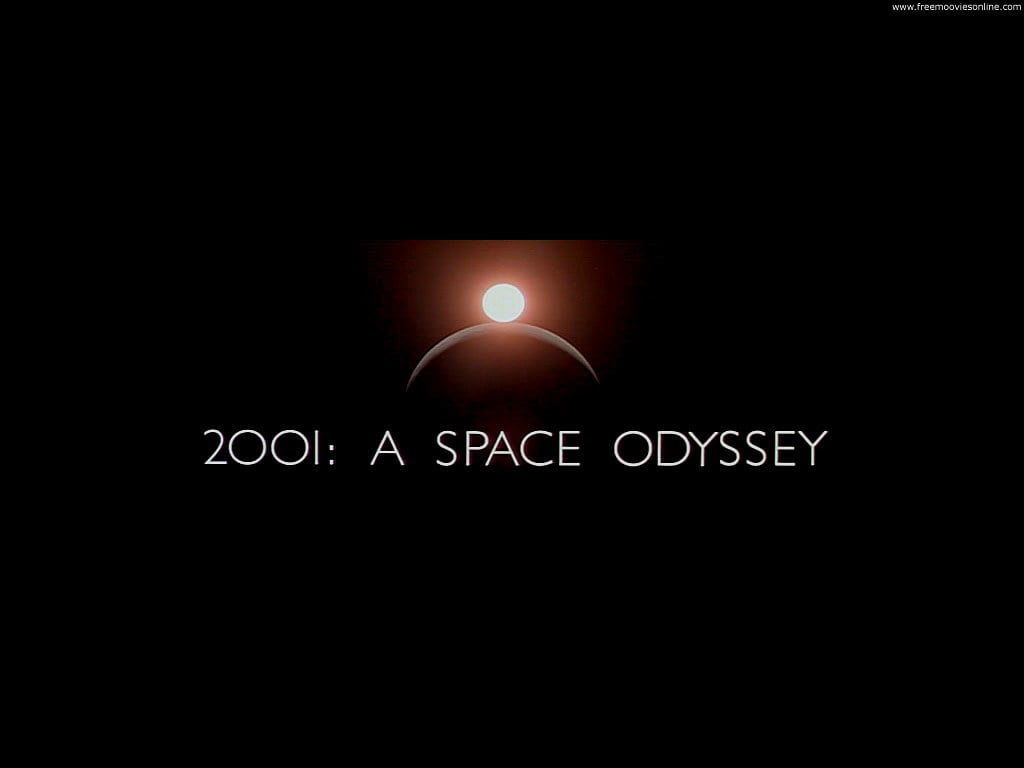
Stanley Kubrick’s 1968 science fiction epic features a mysterious black monolith that appears at key moments in human evolution, but the film never explains what it is or who made it. The final sequence shows an astronaut aging rapidly in a fancy room before transforming into a space baby staring at Earth.
Kubrick intentionally left things vague, wanting viewers to form their own interpretations. Decades later, people still can’t agree on what any of it means, and film students continue writing papers about it.
The entire plot of “Primer”
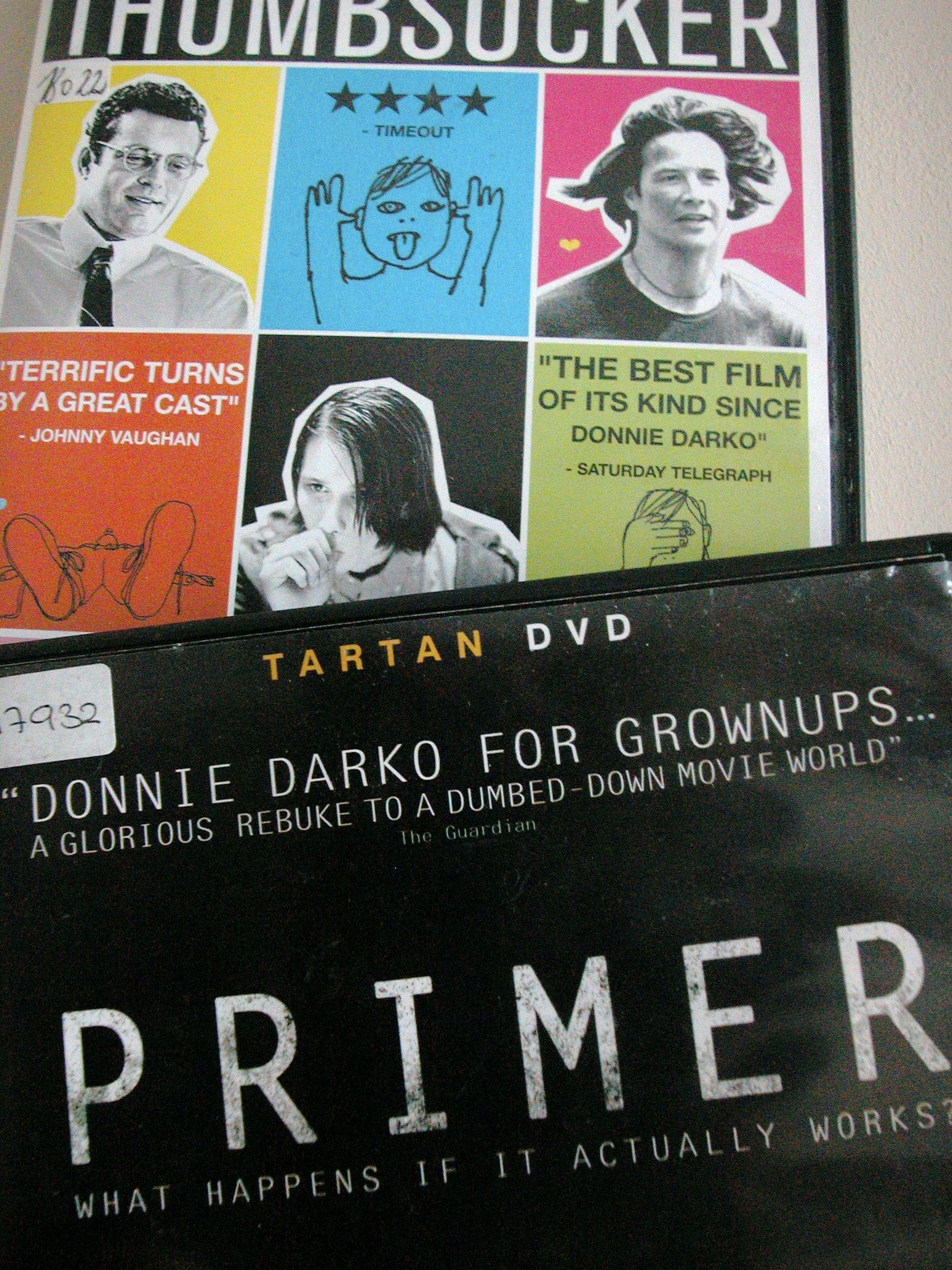
This 2004 ultra-low-budget time travel film might be the most confusing movie ever made. Two engineers accidentally build a time machine in their garage, then proceed to create overlapping timelines that become impossible to follow.
The director made a conscious choice to skip explanations and let viewers piece things together, but the movie requires such intense attention that most people give up. Fans have created elaborate timeline charts trying to map out who’s who and when things happen, and they still disagree on basic plot points.
The bathroom scene in “The Shining”
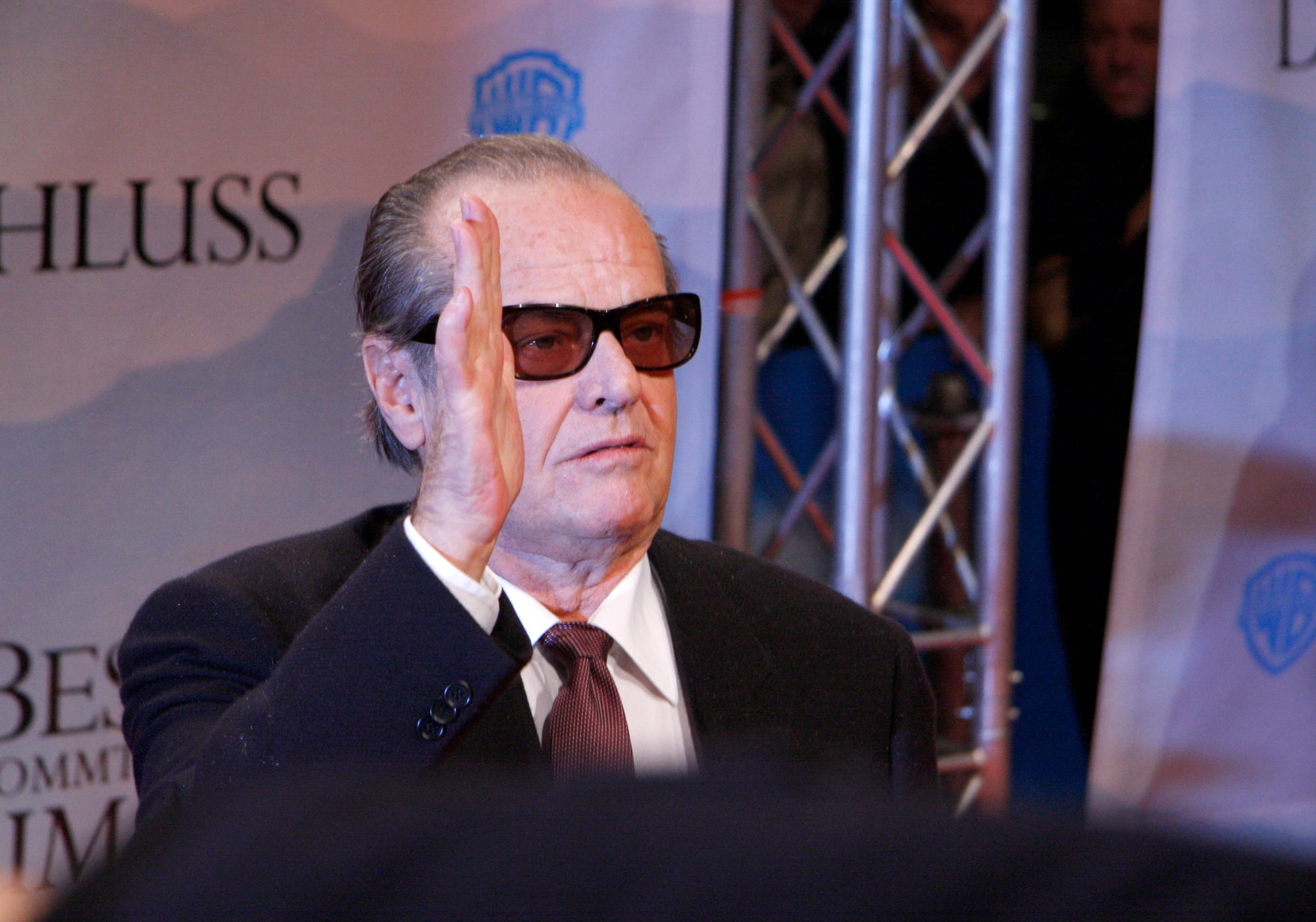
Stanley Kubrick’s 1980 horror masterpiece includes a scene where Jack Nicholson’s character kisses a beautiful woman who transforms into a rotting corpse. What confuses people is whether this actually happened or if Jack imagined the whole thing.
Later, another character seems to see evidence of the encounter, suggesting it was real. Kubrick loved ambiguity and filled the film with details that contradict each other on purpose. The bathroom scene is just one of many moments fans still debate.
Who planted the idea in “Inception”
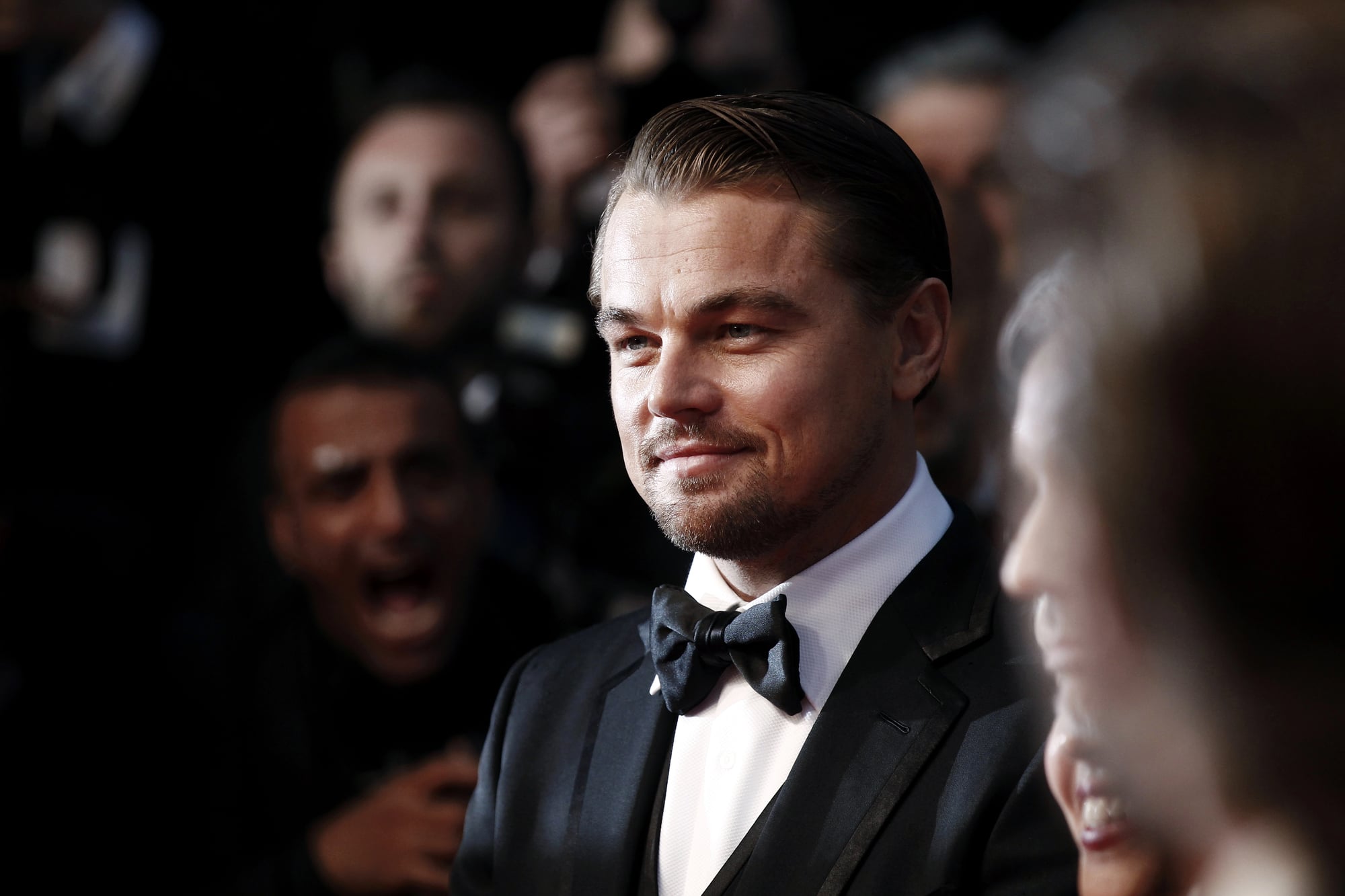
The whole movie revolves around planting an idea in someone’s mind through dreams, but some viewers think Leonardo DiCaprio’s character was the one who got incepted. His dead wife keeps appearing in his dreams trying to convince him he’s still asleep, and his father-in-law might have planted the idea that she was crazy.
The movie works on multiple levels, and Nolan deliberately left clues supporting different interpretations. Depending on how you read certain scenes, the entire mission could be someone else’s inception of Cobb.
What actually happened in “Shutter Island”

This 2010 psychological thriller starring Leonardo DiCaprio reveals that the main character is actually a patient at the mental hospital he’s investigating. The twist recontextualizes everything, but the final line suggests he might be faking his relapse to get lobotomized rather than live with his memories.
Director Martin Scorsese left that last moment deliberately ambiguous. Some think he’s genuinely regressed, while others believe he’s choosing to forget his past through the procedure.
The meaning behind “Under the Skin”

This 2013 sci-fi film shows Scarlett Johansson as an alien predator luring men to their deaths in Scotland. The movie offers almost no dialogue or explanation for what’s happening or why.
Her character eventually becomes curious about being human, which leads to her downfall. Director Jonathan Glazer created something intentionally mysterious and open to interpretation, but most viewers just find it baffling and boring.
Whether it was all a dream in “Total Recall”

Arnold Schwarzenegger’s 1990 sci-fi action film offers clues suggesting everything after the opening scenes is a dream implant gone wrong. The company that sells artificial memories warns that their product can cause permanent brain damage, and weird things happen that match exactly what they described.
Director Paul Verhoeven deliberately included evidence for both realities being true. Schwarzenegger himself has said he thinks it was all real, but the movie works either way.
The timeline in “Mulholland Drive”

David Lynch’s 2001 film switches between what seems like two different stories before revealing they’re connected in a non-linear way. The beautiful Hollywood dream in the first half transforms into a dark reality in the second half, but Lynch never explains what’s real versus fantasy.
Why everyone forgot in “Eternal Sunshine of the Spotless Mind”
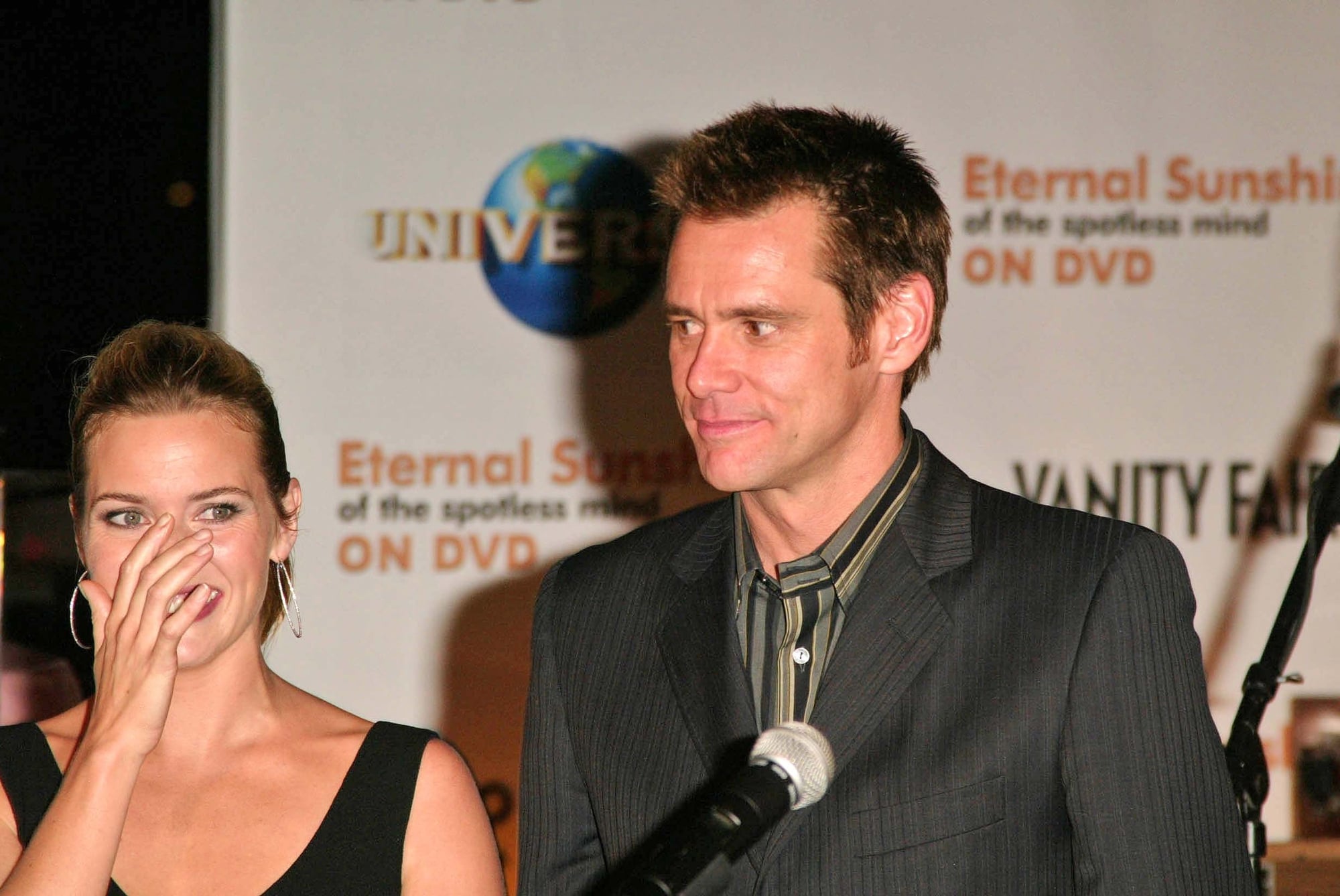
This 2004 romantic drama shows a company that erases memories of failed relationships from people’s brains. Jim Carrey and Kate Winslet’s characters have their memories of each other deleted, then meet again and start falling for each other without knowing their history.
The monster’s origin in “It Follows”

This 2014 horror film features a curse that passes through intimate contact, causing a supernatural entity to slowly walk toward its victim forever. The movie never explains what the creature is, where it came from, or what happens if it catches you.
When confusion becomes part of the experience

These movies share something beyond just confusing endings. Their directors often intended the ambiguity, crafting stories that work on multiple levels and reward repeat viewings with new details.
More from Go2More from Go2Tutors!

- The Romanov Crown Jewels and Their Tragic Fate
- 17 Halloween Costumes Once Considered Taboo
- Famous Hoaxes That Fooled the World for Years
- 15 Child Stars with Tragic Adult Lives
- 16 Famous Jewelry Pieces in History
Like Go2Tutors’s content? Follow us on MSN.