Mysteries in da Vinci’s Salvator Mundi
Leonardo da Vinci’s Salvator Mundi stands as one of art history’s greatest puzzles. This painting of Christ holding a crystal orb sold for a record-breaking $450 million in 2017, yet it remains surrounded by questions that experts still debate today.
From its mysterious disappearance after the auction to ongoing doubts about who really painted it, every aspect of this artwork seems to spark controversy and wonder. Let’s dive into the fascinating mysteries that make this painting one of the most talked-about artworks in the world.
Did Leonardo actually paint the entire work himself

Many have debated the accuracy of who painted it due to stylistic differences in parts of the subject matter. It is believed that Da Vinci had assistants who helped him.
Art experts notice that some sections look different from Leonardo’s usual style. The painting might be a collaboration between the master and his workshop students.
This was common practice during the Renaissance, but it makes determining the true value much harder.
The crystal orb defies the laws of physics

Critics argue the painting’s stiff composition and unconvincing depiction of the glass orb deviate from Leonardo’s known style. The orb’s scientifically impossible properties puzzle scientists and art lovers alike.
A real crystal sphere would bend and distort the image behind it, but this one doesn’t. Leonardo was famous for his scientific accuracy, so why would he paint something that breaks the rules of optics?
Some think this proves it’s not really his work.

Nobody knows where the painting is right now
Salvator Mundi has not been seen in public since the 2017 sale, despite Christie’s saying at the time of the auction that it would go on display. It was purchased by the Saudi crown prince Mohammed bin Salman (or MBS as he’s been dubbed), though his identity was only revealed to the public through later press reports.
Reports suggest it might be stored in Geneva or even on a luxury yacht. The world’s most expensive painting has simply vanished from public view.
The painting underwent massive restoration that changed everything

The badly damaged painting had to undergo very extensive restoration, which makes its original quality extremely difficult to assess. Experts spent years fixing cracks, filling gaps, and repainting sections.
So much of what people see today might not be Leonardo’s original work. The restoration was so extensive that some wonder if there’s anything left of the original painting underneath all the fixes.
It was once sold for just $45 at a country estate sale

Before anyone knew what it was, this masterpiece sold for pocket change at a small estate sale in 2005. The sellers thought it was just an old copy painted by one of Leonardo’s students.
For years, it hung in someone’s home as a nice but unremarkable religious painting. Only later did experts realize they might be looking at a lost Leonardo worth hundreds of millions.
Like Go2Tutors’s content? Follow us on MSN.
The painting’s original design might have been completely different
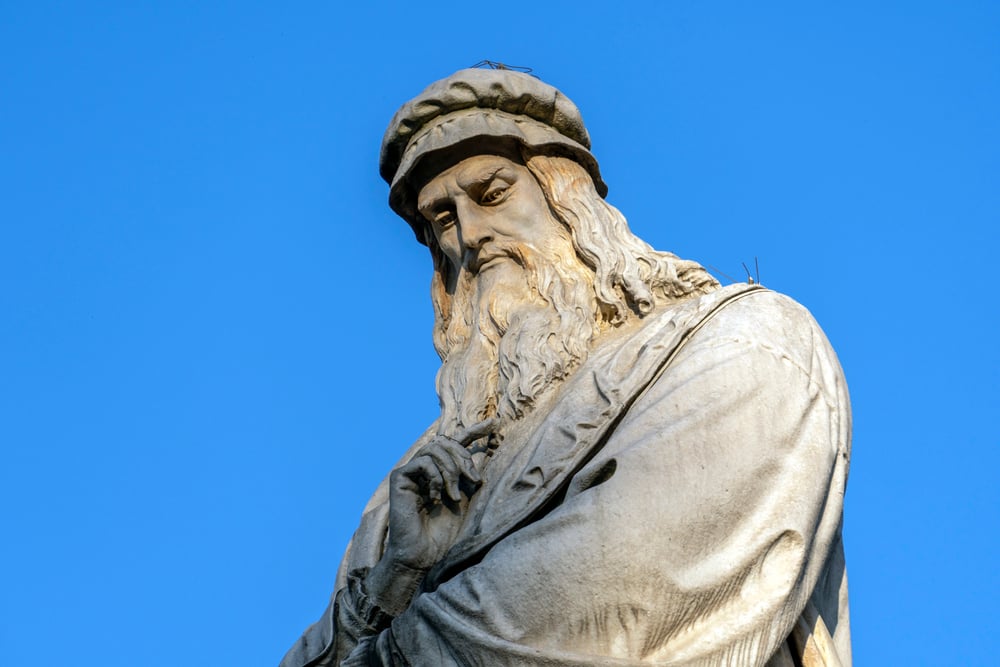
Two separate studies—including one led by the Louvre—add to the mystery surrounding the religious scene, suggesting that key portions of its composition weren’t part of Leonardo’s original design. Research shows that Leonardo might have painted something entirely different at first.
X-rays and other scientific tests reveal hidden layers beneath the current image. The Christ we see today might not be what Leonardo intended to create at all.
Major museums refuse to display it as a real Leonardo
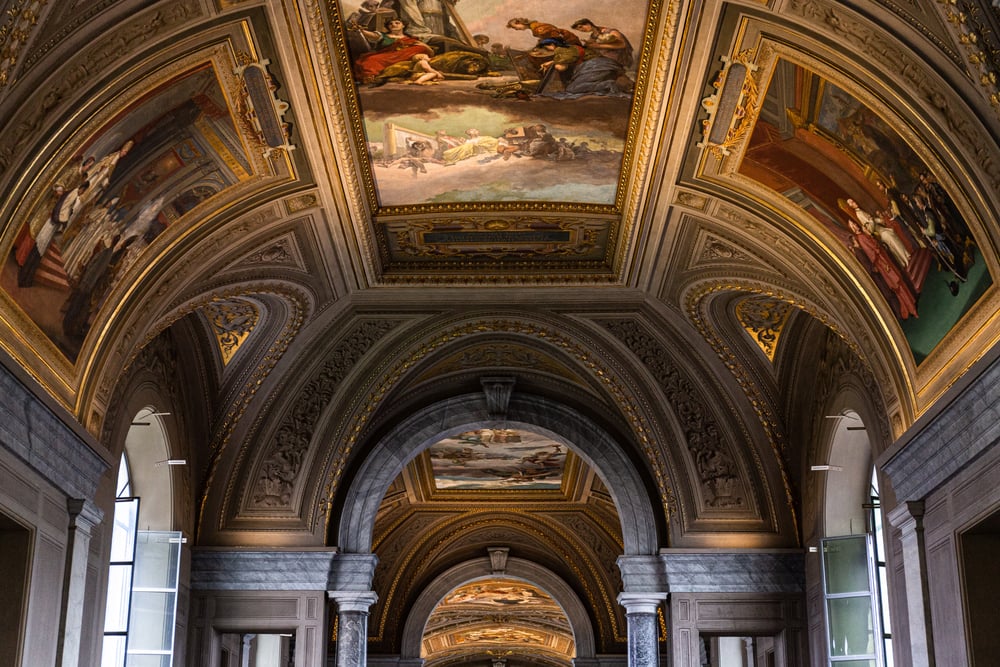
Publication for the Mona Lisa show puts the painting in the category of works that are attributed to, or authorised or supervised by the Renaissance master rather than calling it a pure Leonardo. Even prestigious institutions like the Prado museum have their doubts.
They list it as possibly by Leonardo or his workshop, not as a confirmed masterpiece. This official skepticism from experts makes the painting’s authenticity even more questionable.
The painting has a mysterious 500-year history with huge gaps

Historical records show the painting existed in royal collections centuries ago, then it completely disappears from documentation. For hundreds of years, nobody knew where it went or who owned it.
It shows up again in the 1900s, but even then, people didn’t recognize its potential importance. These missing centuries add another layer of mystery to an already puzzling artwork.
Its sale involved secret bidders and shady dealings

The 2017 auction at Christie’s wasn’t as straightforward as it seemed. Multiple bidders used intermediaries to hide their identities during the sale.
This transaction involved a high-profile dispute, including the involvement of Russian billionaires and art dealers. The true buyer’s identity remained secret for months, and rumors still swirl about who was really behind the purchase.
Leonardo’s famous sfumato technique looks different here

Leonardo was famous for his soft, smoky painting technique called sfumato, which you can see perfectly in the Mona Lisa. But in Salvator Mundi, this technique doesn’t appear consistently throughout the painting.
Some areas show the master’s touch, while others look harsh and mechanical. This inconsistency makes experts wonder if different hands worked on different parts of the painting.
The painting was supposed to appear at the Louvre but mysteriously didn’t
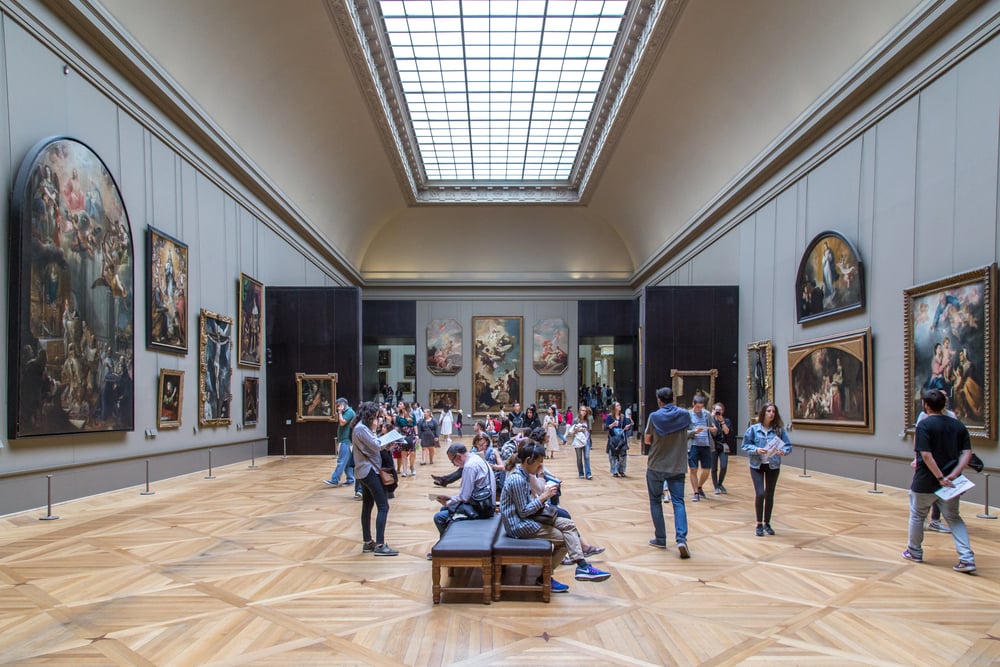
In 2019, the Louvre announced that Salvator Mundi would be part of a major Leonardo exhibition. Art lovers around the world planned trips to see it.
But at the last minute, the painting was quietly removed from the exhibition without explanation. The museum never gave a clear reason why the world’s most expensive painting suddenly couldn’t be shown.
Scientific analysis reveals confusing and contradictory evidence

Modern technology can tell us a lot about how old paintings were made, but Salvator Mundi’s test results don’t give clear answers. Some evidence supports Leonardo’s authorship, while other findings raise more questions.
The wood panel seems right for the period, but paint analysis shows mixed results. Even science can’t settle the debate about this mysterious painting.
The painting’s composition breaks Leonardo’s usual rules

Leonardo was known for dynamic, flowing compositions that drew viewers into the scene. But Salvator Mundi shows Christ facing straight forward in a rigid, formal pose.
This stiff arrangement doesn’t match Leonardo’s other religious paintings, where figures seem alive and moving. The unusual composition makes some experts doubt that Leonardo planned this particular design.
It might be one of several versions of the same painting
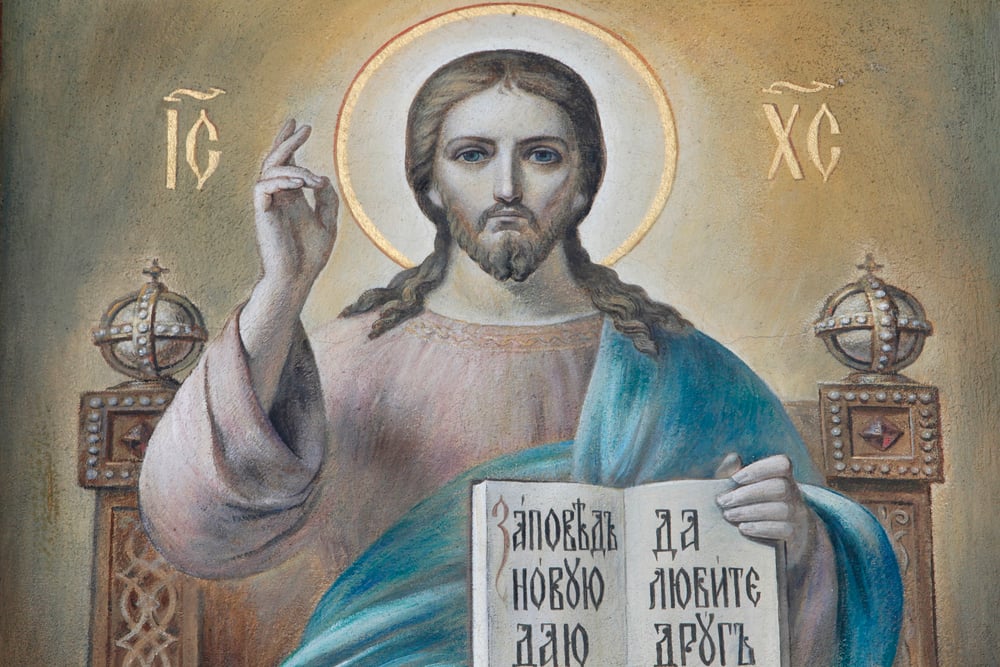
Historical records suggest Leonardo’s workshop produced multiple versions of Salvator Mundi for different patrons. Other copies exist in museums around the world, but they’re clearly not by Leonardo himself.
The question is whether the $450 million version is the original or just the best copy. Without clear documentation, it’s impossible to know which came first.
The painting’s current value makes it impossible to study properly

Because Salvator Mundi is worth so much money, its owner keeps it hidden away from researchers. Scientists who want to study it can’t get access to run the tests that might solve its mysteries.
The painting’s incredible value has become a barrier to understanding it. Ironically, the more it’s worth, the less we can learn about whether it’s really worth that much.
Legal disputes could keep it hidden for decades

Its current ownership remains a topic of speculation as collectors vie for this extraordinary piece linked to one of the most celebrated artists. Reports suggest there might be legal challenges to the sale or ownership.
If courts get involved, the painting could remain locked away in storage while lawyers argue. The mysteries might never be solved if legal battles prevent scholars from studying it properly.
From lost treasure to modern enigma

What started as a forgotten painting in someone’s attic has become the art world’s biggest mystery. The questions surrounding Salvator Mundi show how much we still don’t know about even the most famous artists in history.
Each scientific test and expert opinion seems to raise more questions than it answers. Whether this painting represents Leonardo’s lost masterpiece or the art market’s greatest mistake, it continues to capture imaginations and challenge everything we think we know about Renaissance art.
More from Go2Tutors!

- The Romanov Crown Jewels and Their Tragic Fate
- 13 Historical Mysteries That Science Still Can’t Solve
- Famous Hoaxes That Fooled the World for Years
- 15 Child Stars with Tragic Adult Lives
- 16 Famous Jewelry Pieces in History
Like Go2Tutors’s content? Follow us on MSN.