Obscure Cultural Traditions Fading From Modern Memory
The world moves fast these days, and somewhere in that rush, we’re losing pieces of ourselves. Not the big, obvious parts — those get preserved in museums and documentaries. It’s the smaller rituals, the quiet practices that once wove communities together, that slip away without ceremony.
These traditions didn’t disappear because they were wrong or outdated. They faded because we simply stopped making time for them.
Vigil Keeping for the Dead
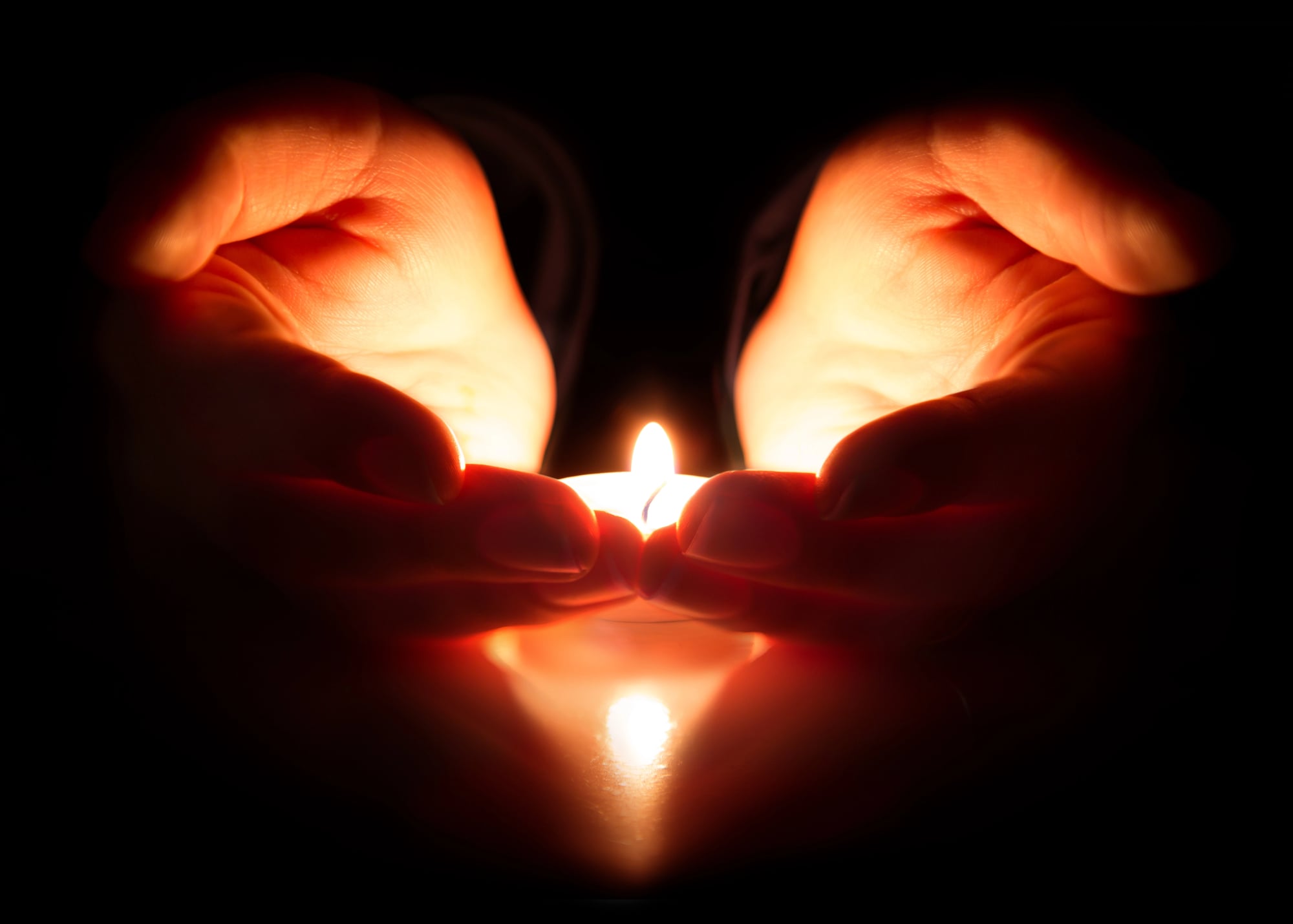
Someone had to stay awake with the body. That’s how it worked for centuries across cultures — from Irish wakes to Jewish shiva traditions. The recently departed weren’t left alone during their final nights above ground.
This wasn’t about superstition. It was about respect, community, and the simple human need to process grief together. Neighbors took shifts. Stories got told. The living said goodbye properly.
Apprenticeship Rituals

You didn’t just learn a trade — you were inducted into it. Master craftsmen performed ceremonies that marked the passage from apprentice to journeyman, complete with symbolic tools, oaths, and community recognition. These weren’t graduation parties. They were transformations with weight behind them.
The ritual mattered because it acknowledged something important: becoming skilled at work worth doing changes you. Modern job training (efficient as it may be, focused as it tends to be on immediate productivity rather than long-term mastery) misses this entirely — the idea that learning a craft well enough to teach others is itself worthy of ceremony.
And the old apprenticeship systems understood something else that we’ve largely abandoned: the relationship between master and student extended far beyond the technical transfer of knowledge.
Mending Circles

Picture this: a roomful of people, each holding something broken. Not their hearts or their dreams, though those might have been mended too in the quiet conversation that followed. Their clothes, their household linens, the fabric pieces that made daily life possible.
Mending wasn’t solitary work. Women gathered weekly, sometimes monthly, bringing their torn garments and their stories in equal measure. The needle moved in rhythm with the talk, and both served their purpose. What emerged wasn’t just repaired clothing, but the subtle maintenance of community bonds — the kind that fray without regular attention.
Barn Raising Reciprocity
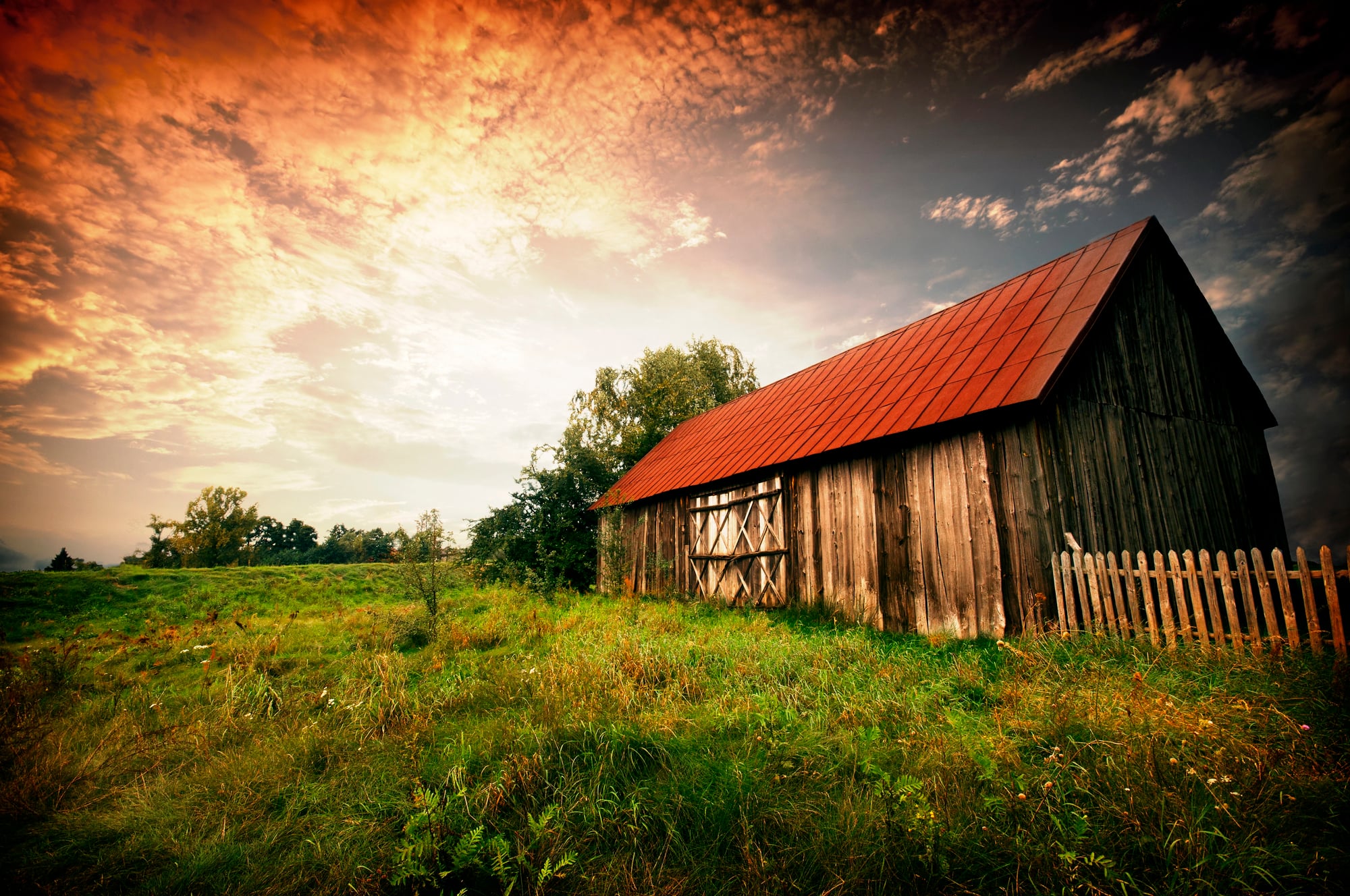
Rural communities had this figured out: when someone needed a barn, everyone showed up. Not because they were asked, exactly, but because that’s how it worked. You brought your tools, your back, and your understanding that someday you’d be the one needing help.
The tradition carried an unspoken contract that’s become increasingly rare. Your labor today became their obligation tomorrow, and the whole system ran on trust rather than transaction. Fair enough — it only worked in communities where people planned to stick around.
Seasonal Storytelling

Winter meant different stories than summer. Certain tales could only be told when the snow fell, others belonged to harvest time. Indigenous communities across North America maintained these calendars of narrative, understanding that stories, like seeds, had their proper seasons.
Letter Writing Protocols

There were rules. Real ones, with consequences for getting them wrong. The proper greeting for a widow versus a married woman. Which topics belonged in the first paragraph, which required their own separate correspondence entirely.
Social interaction moved at the speed of ink and postal delivery, so every word carried weight. People spent genuine time crafting sentences that would represent them across distance and time. The protocols weren’t just etiquette — they were a shared language that made written communication more precise, more respectful, and more likely to achieve its intended effect.
Memory Palace Construction

Before smartphones, before notebooks, before any external storage system, human minds held vast libraries of information. Medieval scholars, storytellers, and merchants built elaborate mental architecture to house everything they needed to know.
They didn’t just memorize lists. They constructed imaginary buildings, populating each room with specific knowledge, connecting ideas through spatial relationships that made recall almost automatic. The technique turned memory into something architectural, something you could walk through and explore.
Modern education teaches us to look things up. These traditions taught people to carry wisdom with them wherever they went.
Threshold Ceremonies

Every doorway held significance. Carrying a bride across the threshold, blessing a new home before the first night’s sleep, performing specific rituals before entering sacred spaces — these weren’t quaint customs. They marked the difference between one kind of space and another, one phase of life and the next.
The physical act of crossing over became a moment of transformation, witnessed and acknowledged by community. Modern life tends to blur these boundaries, which might explain why major life changes often feel less substantial than they once did.
Craft Guild Mysteries
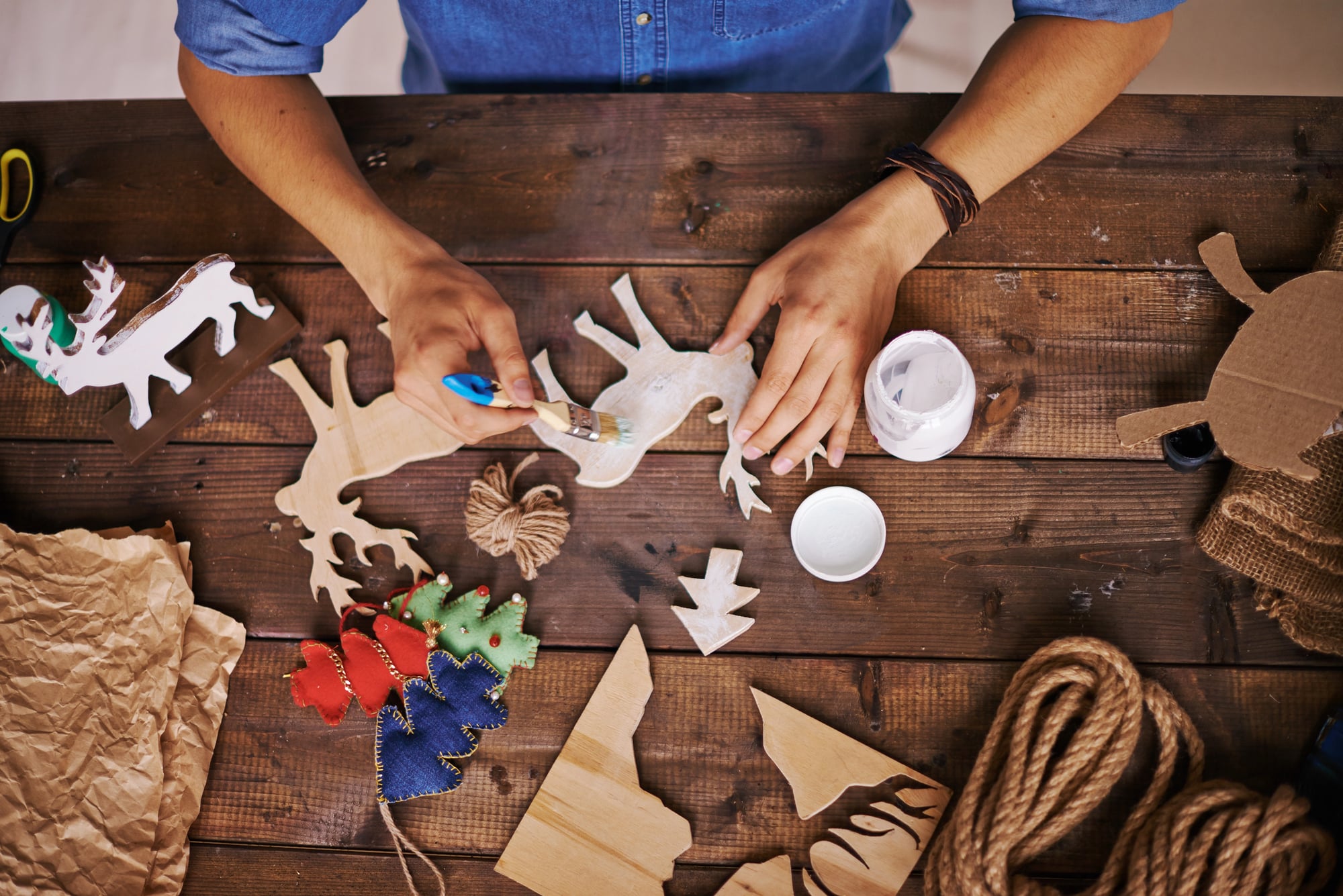
Master woodworkers, stonemasons, and metalworkers guarded their techniques like state secrets. Not out of greed, but because certain knowledge required preparation to receive properly. Advanced techniques were revealed only after years of character testing, skill development, and community integration.
The secrecy served multiple purposes: it maintained quality standards, protected the economic value of expertise, and ensured that dangerous or complex techniques weren’t attempted by the unprepared. Some knowledge was considered too powerful to share casually. The guild system recognized that technical skill and moral development needed to advance together.
Communal Bread Baking
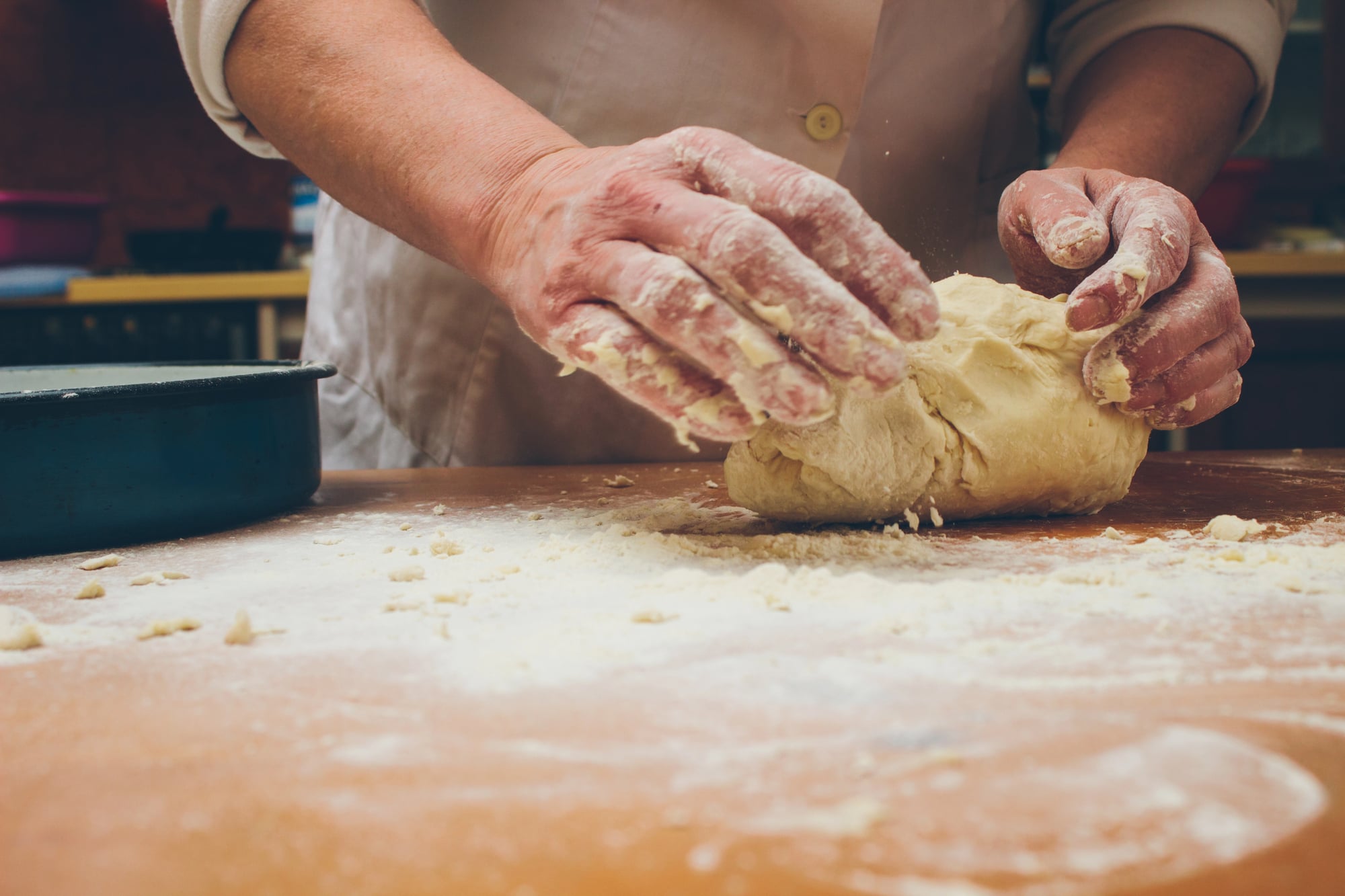
Villages shared ovens. Large stone constructions that took tremendous heat and held it for hours, perfect for baking multiple families’ worth of bread in sequence. The sharing wasn’t just economic — though few households could justify building their own oven — it was social infrastructure disguised as practical necessity.
Baking day meant coordination, conversation, and the kind of interdependence that modern convenience has largely eliminated. Your bread rose alongside your neighbors’, and everyone’s success depended on cooperation and timing.
Dowsing and Water Finding

Some people could find water with a forked stick. They walked property lines, holding the branch loosely, waiting for it to dip toward underground streams. Scientists remain divided on whether this works, but rural communities relied on dowsers for generations.
The practice required a specific kind of attention — part intuition, part environmental awareness, part faith in abilities that couldn’t be easily explained or replicated. Whether the stick actually moved toward water sources, the tradition represented a way of reading landscape that went beyond surface appearances.
Communal Preserving Seasons
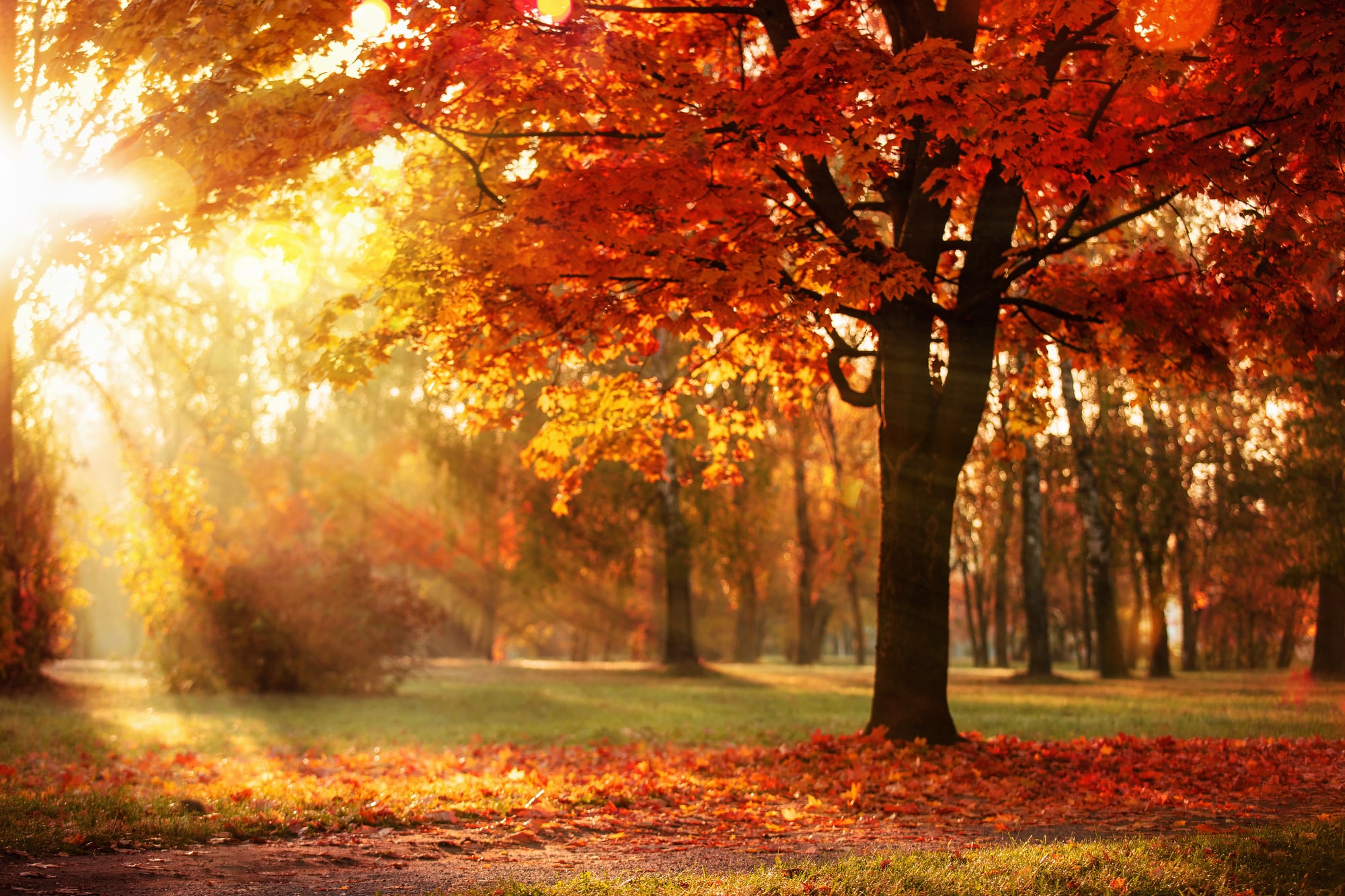
When fruit ripened, entire communities mobilized. Canning, drying, and storing food for winter wasn’t individual household work — it was collective preparation that required coordination, shared equipment, and distributed labor.
The preserving season created its own rhythm and social structure. Families with abundant orchards shared fruit; those with smoke equipment processed meat for multiple households. The work was intensive but temporary, and it bound communities together through mutual dependence and shared purpose.
Public Mourning Periods

Grief had prescribed duration and visible markers. Black clothing for specific periods, restrictions on social activities, community acknowledgment of loss through ritual and custom. Mourning wasn’t private therapy — it was public process with defined stages and social support.
The traditions gave shape to grief, providing structure when personal loss made ordinary life feel impossible. They also signaled to the broader community how to behave around the bereaved, creating space for healing while maintaining connection.
Seasonal Labor Exchanges
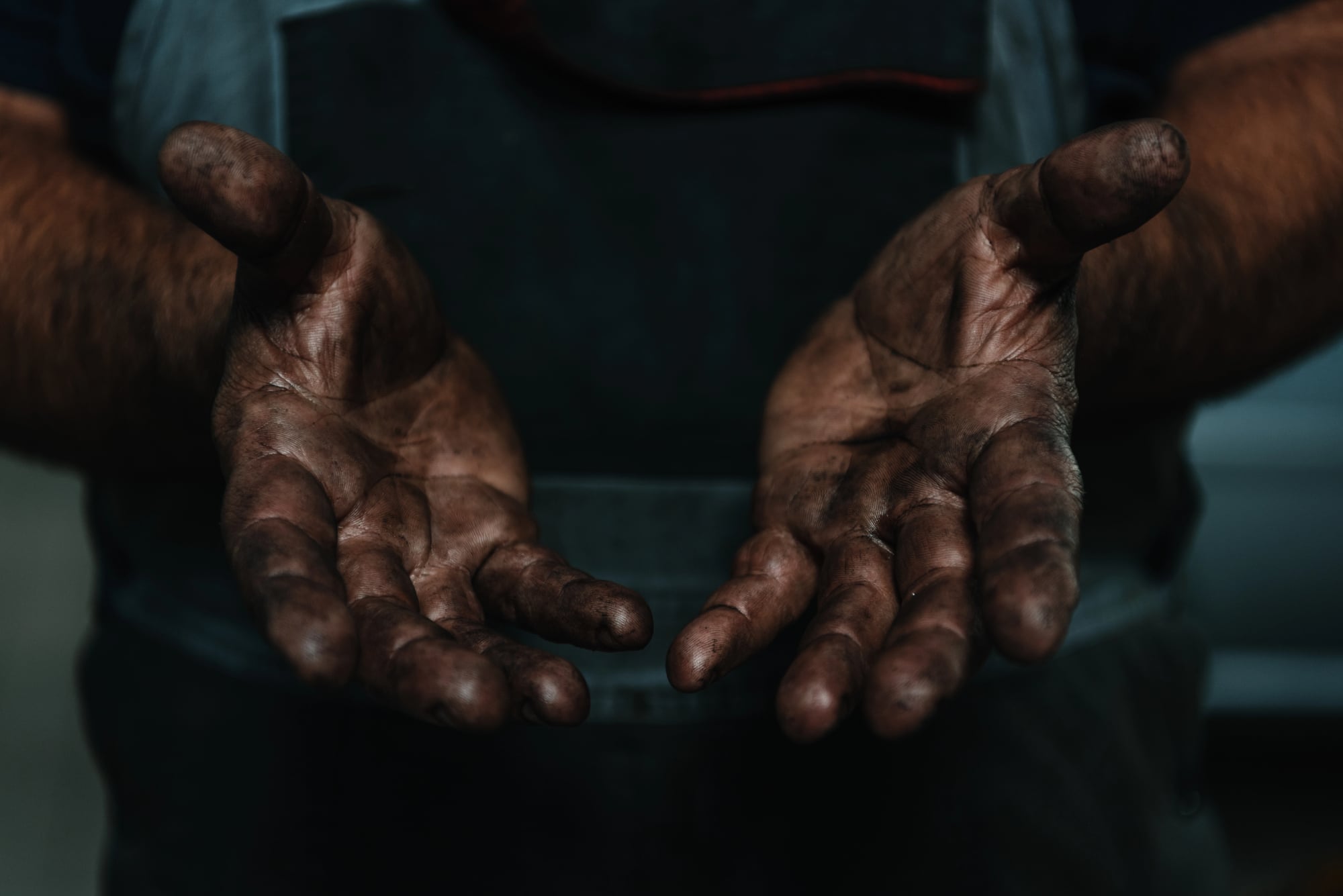
Planting season, harvest time, house construction — certain work required more hands than individual families could provide. Communities organized formal systems of labor exchange, tracking contributions and obligations across households and seasons.
The exchanges operated on trust and long-term reciprocity rather than immediate payment. Your help with spring planting earned assistance during your autumn harvest, creating economic relationships that strengthened social bonds and ensured that essential work got done regardless of individual family circumstances.
When Traditions Become Memory

These practices didn’t vanish overnight. They faded gradually, replaced by efficiency, convenience, and individual solutions to problems that were once communal challenges.
Some changes brought genuine improvements — modern medicine certainly beats folk remedies for serious illness. But something else disappeared in the transition: the daily experience of depending on each other for things that mattered.
The traditions themselves may be gone, but the human needs they served remain. Community, ritual, shared purpose, connection to seasonal rhythms — these aren’t nostalgic luxuries. They’re requirements for the kind of life that feels meaningful rather than merely productive.
More from Go2Tutors!

- The Romanov Crown Jewels and Their Tragic Fate
- 13 Historical Mysteries That Science Still Can’t Solve
- Famous Hoaxes That Fooled the World for Years
- 15 Child Stars with Tragic Adult Lives
- 16 Famous Jewelry Pieces in History
Like Go2Tutors’s content? Follow us on MSN.