Obscure Naval Battles Changing Global Trade Routes
Some of the most valuable treasures in the world were once sitting in dusty attic corners, forgotten garage sales, or thrift store bins with price tags that barely covered the cost of the sticker. The difference between junk and jackpot often comes down to timing, knowledge, or sheer dumb luck.
These stories remind you that fortune favors not just the prepared mind, but sometimes the curious hand willing to dig through someone else’s discarded memories.
Battle of Lepanto
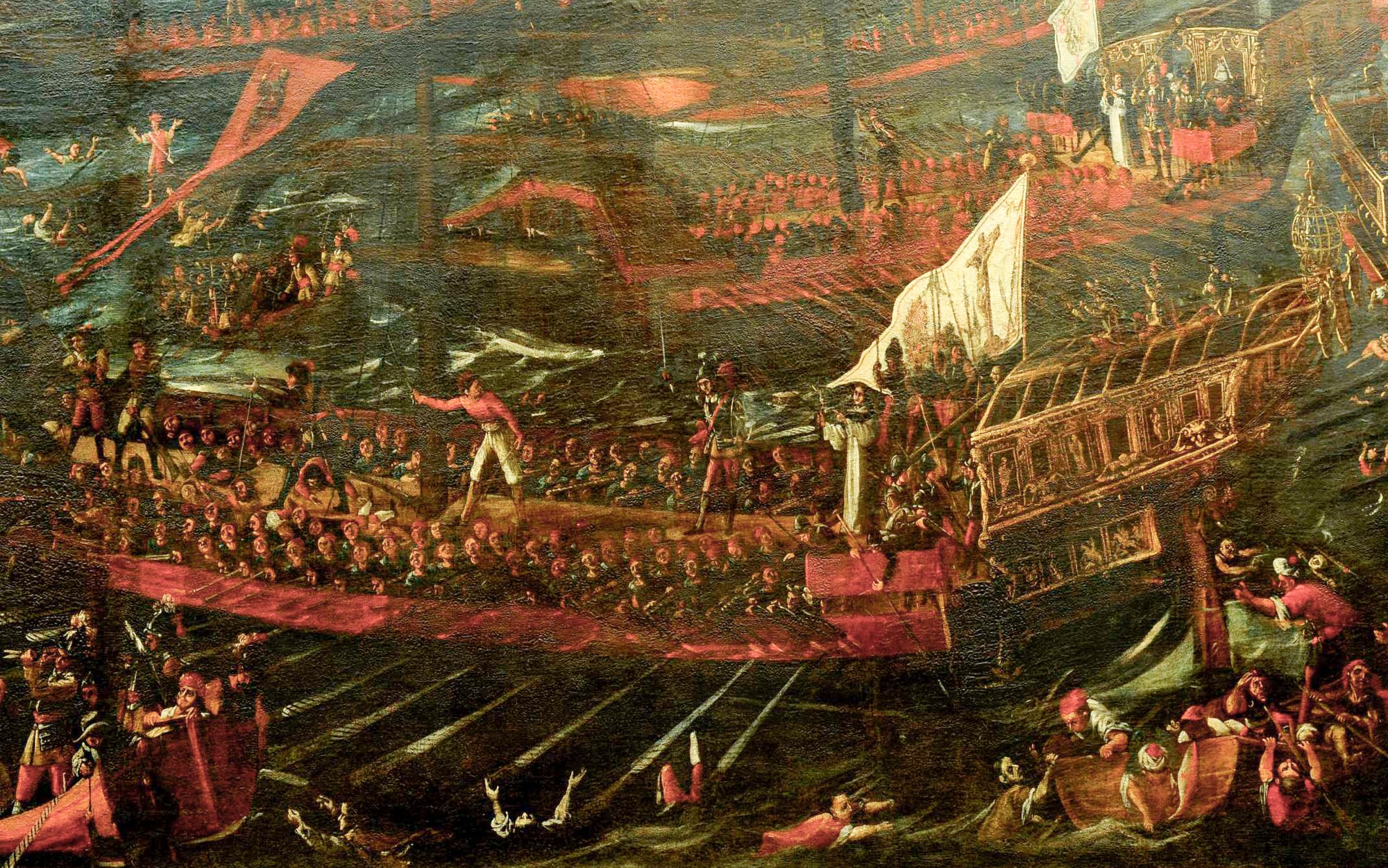
The Mediterranean had been an Ottoman lake for decades when the Holy League decided to challenge Turkish naval supremacy in 1571. This wasn’t just about religion or territory — it was about who would control the most profitable trade routes between Europe and Asia.
When the Christian fleet smashed the Ottoman navy near the Greek coast, it didn’t just end Turkish expansion into Western Europe. The victory reopened Mediterranean trade routes that had been increasingly dangerous for European merchants, allowing Italian city-states to reclaim their role as middlemen in the lucrative spice trade.
Venice and Genoa suddenly found themselves back in business, while Ottoman merchants watched their stranglehold on East-West commerce begin to slip.
Battle of Diu
Portugal’s grip on the Indian Ocean spice trade looked shaky in 1509 when a combined fleet of Egyptian, Ottoman, and Gujarati ships challenged Portuguese control of the Arabian Sea. The stakes couldn’t have been higher — whoever controlled these waters would dictate spice prices across Europe.
The Portuguese victory off the coast of Diu didn’t just secure their trading posts along the Indian coast. It established European naval dominance in the Indian Ocean for the next four centuries, forcing Arab and Indian merchants to operate under Portuguese oversight.
This fundamentally altered how spices, silk, and precious stones reached European markets. The battle turned Lisbon into one of Europe’s wealthiest cities almost overnight.
Battle of the Saintes
By 1782, the Caribbean had become the world’s sugar bowl, but French control of key islands threatened to strangle British access to these profitable markets. The encounter between Admiral Rodney’s British fleet and the French squadron under de Grasse near Dominica would determine which European power dominated Caribbean commerce.
The British breakthrough (which naval historians still study for its tactical innovation) didn’t just save Jamaica from French invasion — it secured Britain’s hold on the sugar trade that was financing its industrial revolution. French merchants found themselves locked out of the most lucrative routes in the Western Hemisphere.
British sugar planters could ship their product safely to European markets. The battle essentially guaranteed that London, not Paris, would become the financial center of the Atlantic economy.
Battle of Quiberon Bay
The year 1759 found Britain and France locked in a global struggle that reached from the snowy battlefields of Canada to the tropical trading posts of India, and the outcome would reshape not just political boundaries but the very arteries of world commerce. Admiral Hawke’s pursuit of the French fleet into the treacherous waters of Quiberon Bay during a November gale was the kind of desperate gamble that either wins wars or destroys careers — and in this case, it fundamentally altered how goods would flow between continents for the next two centuries.
The French had been planning to use their fleet to support an invasion of Britain, which would have reversed the entire balance of maritime power. The crushing British victory didn’t just eliminate the French invasion threat; it established British naval supremacy that would endure until the twentieth century.
French merchants found themselves cut off from their most profitable overseas markets, while British traders could operate with impunity across the world’s oceans.
Battle of Sluys
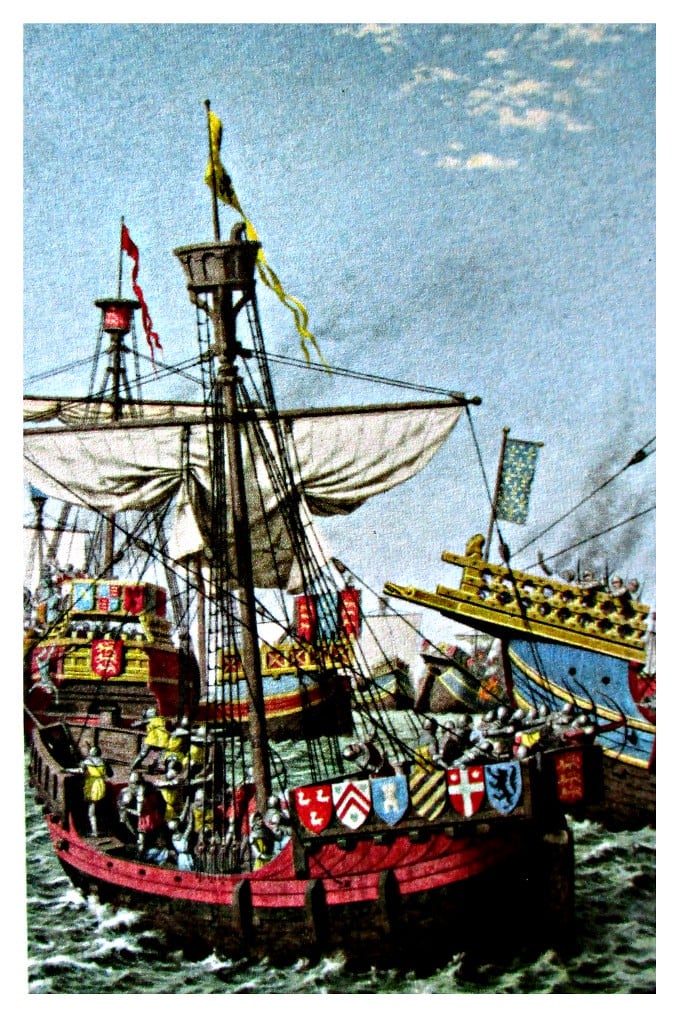
English longbows weren’t just deadly on land. When Edward III’s fleet encountered the French navy in 1340, the archers proved just as devastating at sea, turning what should have been a conventional naval engagement into a massacre that opened the English Channel to English commerce.
The destruction of the French fleet didn’t just secure England’s flanks for the Hundred Years’ War. It broke French control of Channel shipping routes, allowing English wool merchants to trade directly with Flemish weavers instead of paying French middlemen.
The battle transformed England from an isolated island kingdom into a major player in European commerce, while French ports watched their shipping revenues evaporate.
Battle of Gangut
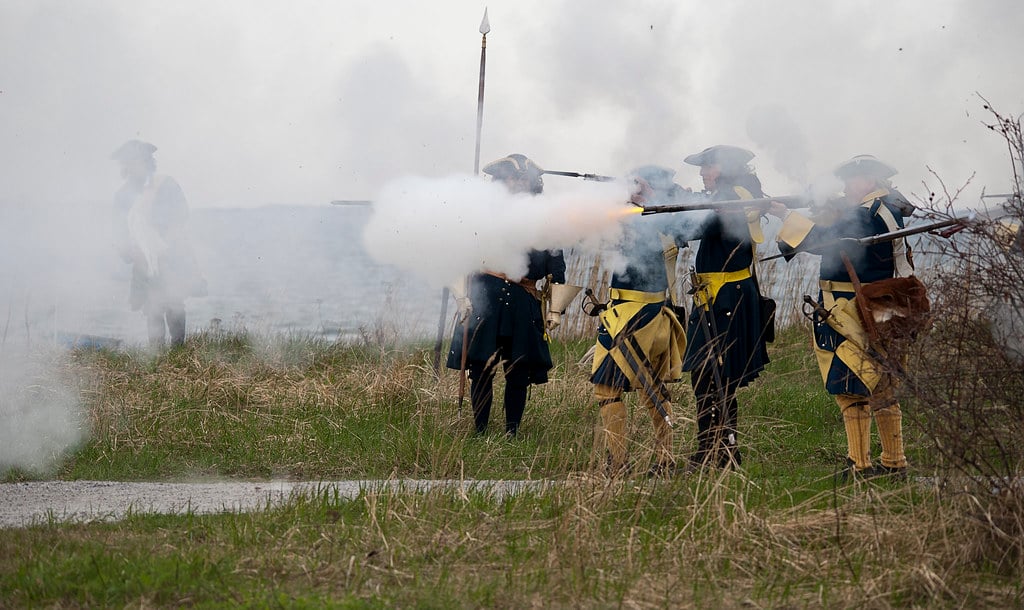
Peter the Great’s new Russian fleet looked untested when it faced seasoned Swedish warships in the Baltic in 1714. Like watching a teenager challenge a prizefighter — except the teenager had been secretly training with the best coaches money could buy, and the prizefighter had grown overconfident after too many easy victories.
Russia’s first major naval victory didn’t just announce its arrival as a maritime power. It broke Sweden’s stranglehold on Baltic trade routes, opening northern European commerce to Russian grain, timber, and furs.
Finnish and Estonian ports that had served Swedish interests for centuries suddenly found themselves redirecting trade toward St. Petersburg. Russian merchants gained direct access to Western European markets for the first time.
Battle of Cape Passaro
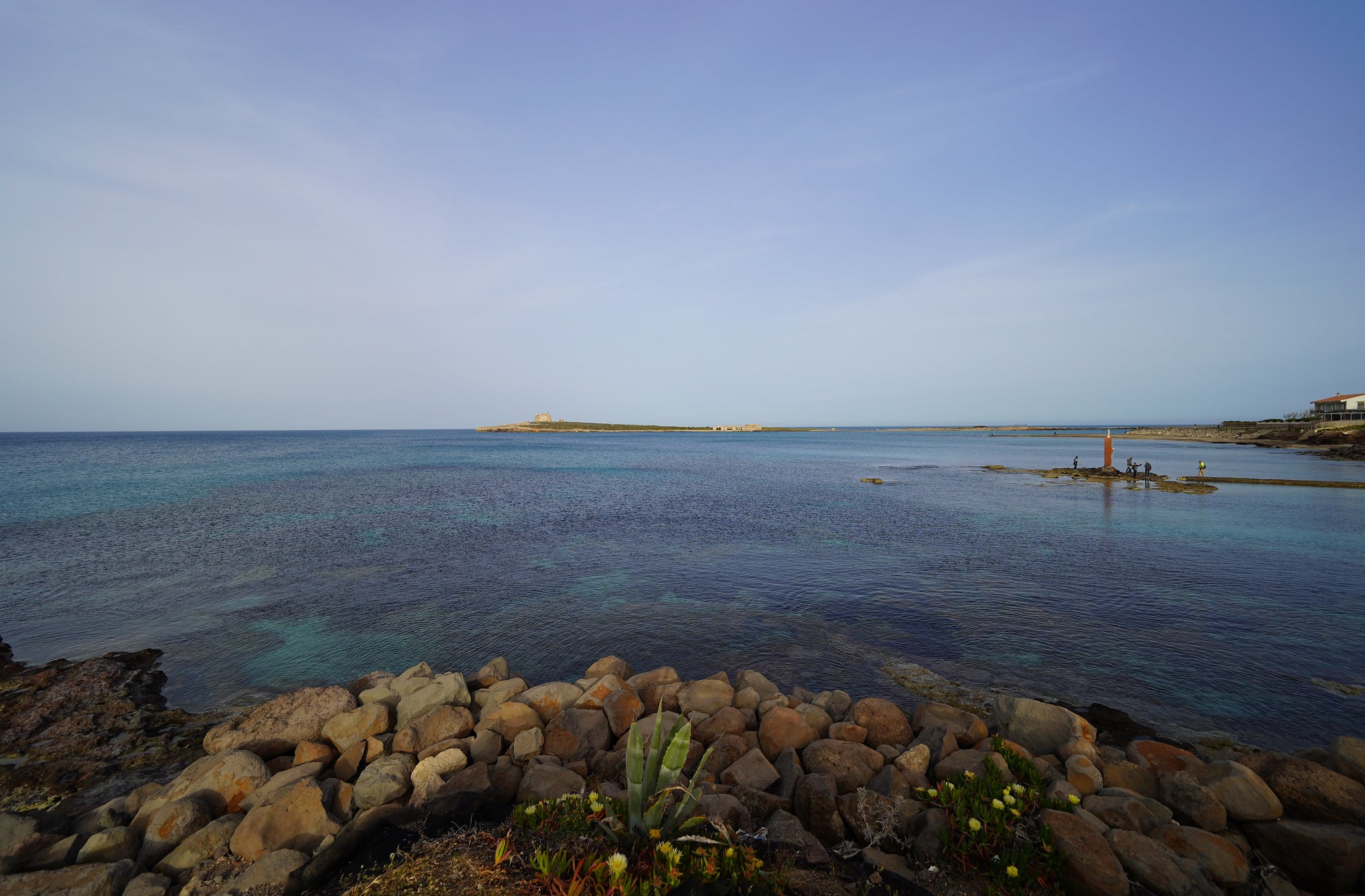
Spain’s attempt to reclaim its lost Mediterranean empire hit a wall in 1718 when Admiral Byng’s British squadron intercepted the Spanish fleet off Sicily. Spain had been rebuilding its navy with French help, hoping to challenge the post-Utrecht settlement that had stripped away much of its European territory.
The British demolition of the Spanish fleet didn’t just protect Austria’s hold on southern Italy. It confirmed Britain’s role as the Mediterranean’s new policeman, ensuring that British merchants could trade freely in ports from Gibraltar to Constantinople.
Spanish attempts to revive their old trade monopolies died in the waters off Cape Passaro. British commerce expanded into markets that had been closed to foreign competition for centuries.
Battle of the Virginia Capes
The Chesapeake Bay might seem like an unlikely place for a battle that would reshape global trade, but when the French fleet under de Grasse outmaneuvered the British squadron in 1781, it sealed Cornwallis’s fate at Yorktown and broke Britain’s monopoly on North American commerce.
French naval superiority in American waters lasted just long enough to ensure American independence, but the economic consequences stretched far beyond the thirteen colonies. Britain lost its captive market for manufactured goods.
American merchants gained the freedom to trade directly with European competitors. The battle opened North American ports to international competition and established the United States as an independent player in Atlantic commerce.
Battle of Sinope
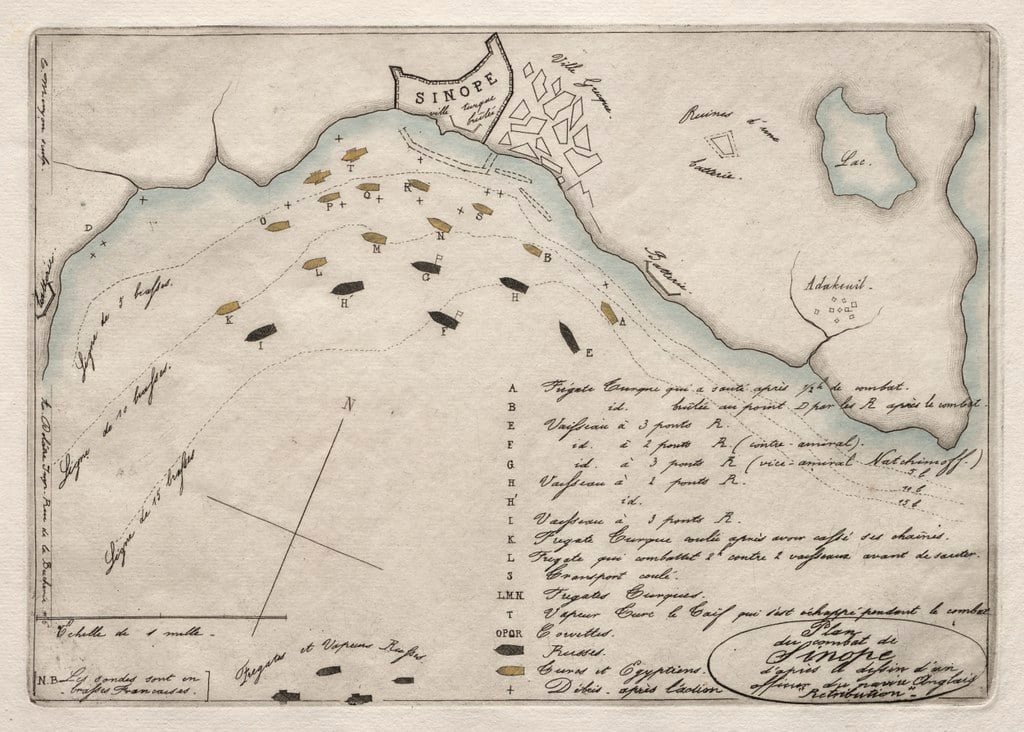
Russian shells turned the Ottoman fleet into floating wreckage in 1853, and the images of burning Turkish ships shocked European capitals into action. The massacre in this Black Sea port wasn’t just a military disaster for the Ottomans — it threatened to give Russia complete control over the grain trade flowing from Ukrainian ports to Mediterranean markets.
Britain and France couldn’t tolerate Russian dominance over such a crucial trade route. Their intervention in the Crimean War was as much about protecting commercial interests as defending Ottoman territory.
The battle forced Western European powers to guarantee free passage through the Black Sea, establishing international oversight of trade routes that had been purely Ottoman concerns for centuries.
Battle of Preveza
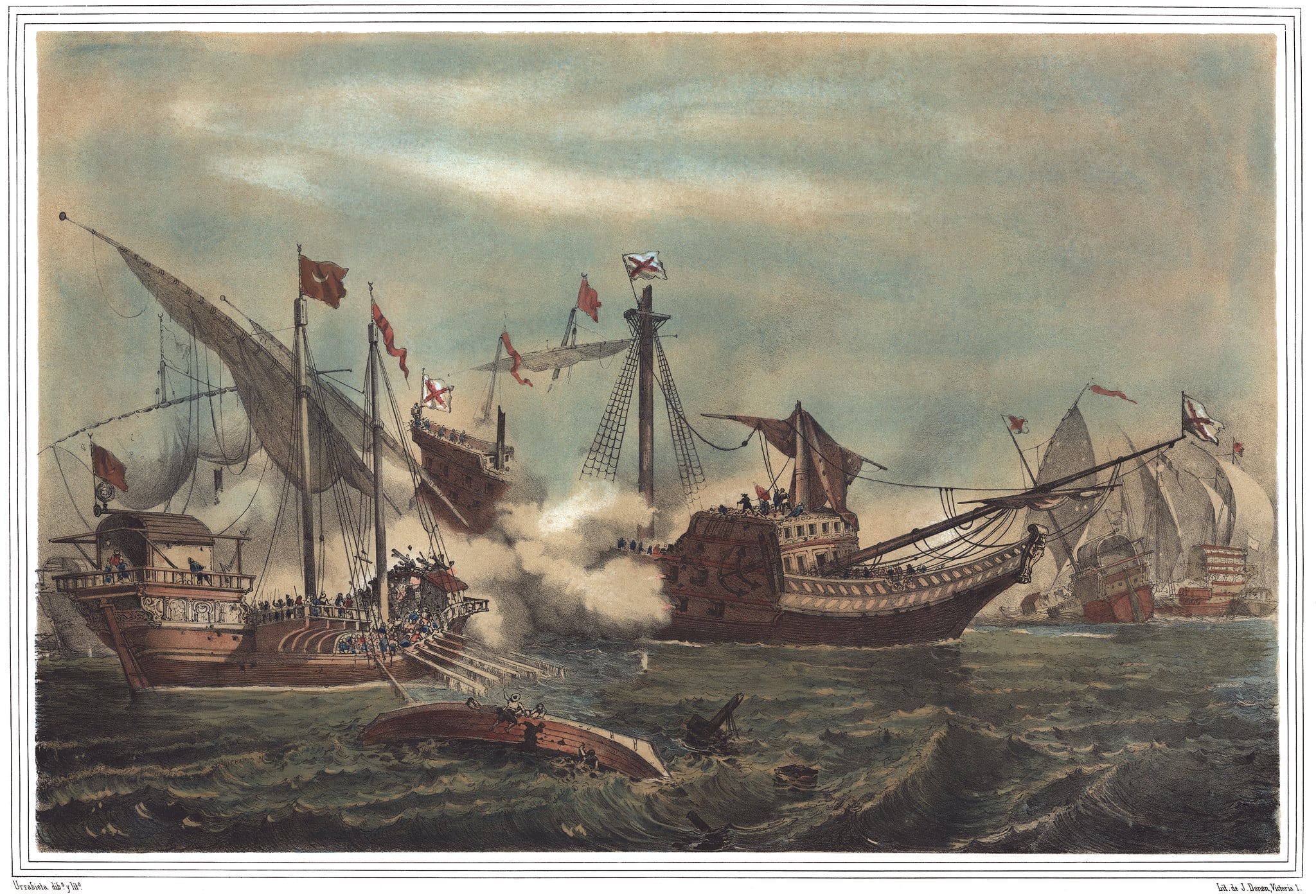
Barbarossa’s fleet shouldn’t have stood a chance against the combined Christian armada that assembled in 1538. The Ottoman admiral was outnumbered and outgunned, facing the best ships that Venice, Spain, and the Papal States could muster.
Military logic suggested a decisive Christian victory. The Ottoman triumph off the Albanian coast secured Turkish control of the Eastern Mediterranean for another century.
Venetian merchants watched their profitable routes to Constantinople disappear behind Ottoman naval patrols. Turkish traders enjoyed protected access to European markets.
Battle of Camperdown
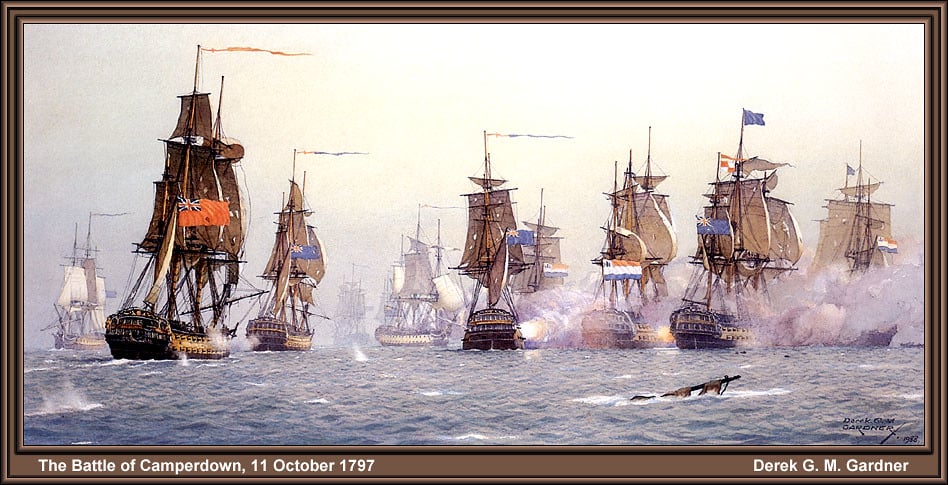
The Dutch fleet that Admiral Duncan encountered off the Netherlands coast in 1797 represented the last gasp of Amsterdam’s old commercial empire. The Netherlands had allied with France against Britain, hoping to break the British blockade that was strangling Dutch overseas trade.
The British victory didn’t just eliminate the Dutch threat to British shipping. It confirmed Amsterdam’s decline as a major commercial center, while London consolidated its position as Europe’s dominant financial hub.
Dutch merchants who had once competed with British traders across the world’s oceans found themselves reduced to junior partners in Britain’s commercial empire. The battle marked the end of the Dutch Golden Age and the beginning of Britain’s complete dominance over global maritime trade.
Battle of Navarino

The combined British, French, and Russian fleet that entered Navarino Bay in 1827 officially came to negotiate, but everyone knew the real agenda. Greek independence was just the surface issue — the deeper question was who would control the Eastern Mediterranean trade routes once the Ottoman Empire finally collapsed.
The destruction of the Ottoman fleet by European gunfire didn’t just guarantee Greek freedom. It opened previously restricted trade routes to European merchants, breaking Ottoman monopolies that had lasted for centuries.
The battle marked the beginning of the Eastern Question that would dominate European diplomacy for the next century, as Western powers maneuvered for control over the decaying empire’s commercial assets.
Battle of Jutland
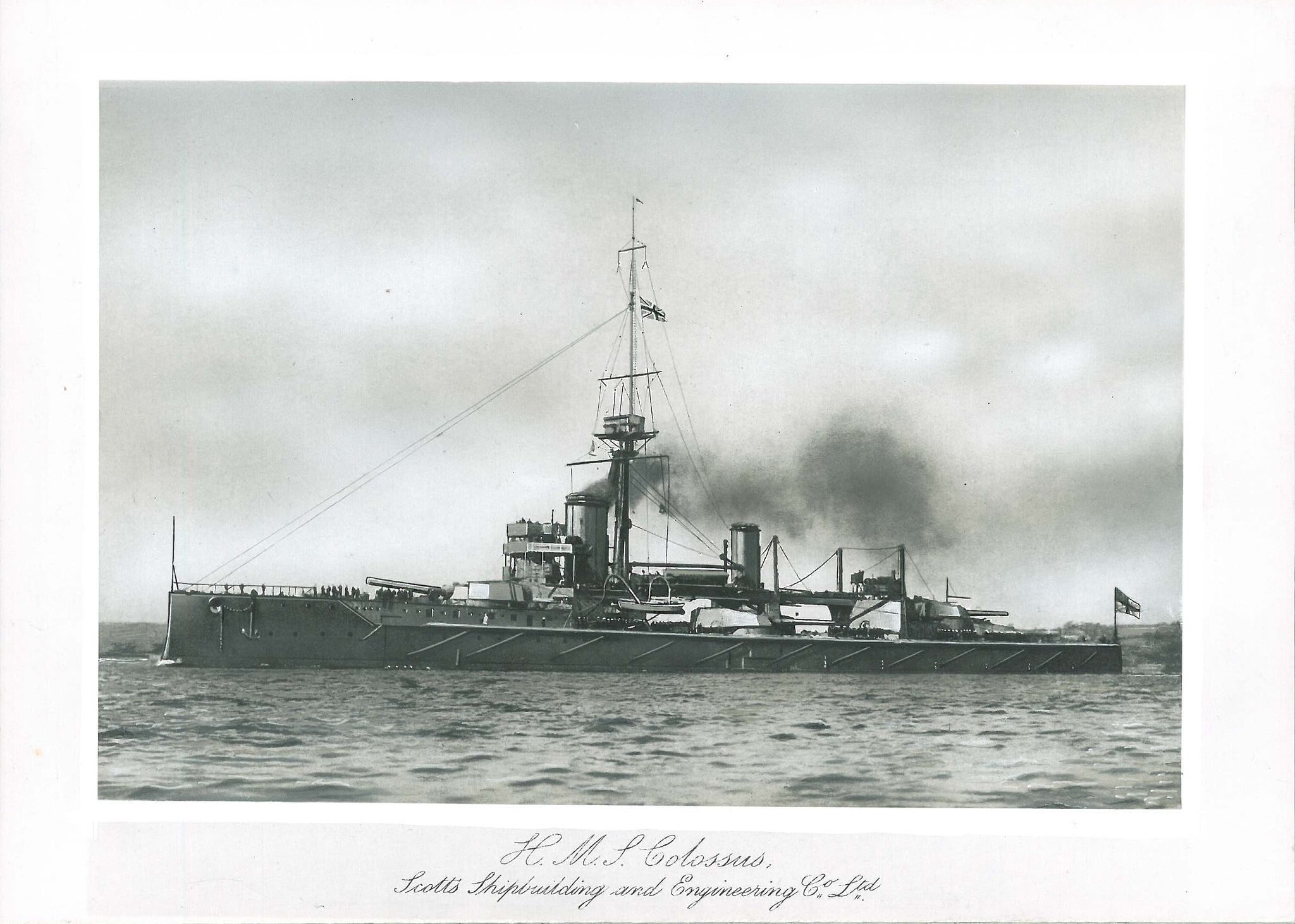
The largest naval engagement of World War I looked like a draw on paper, but its economic consequences were decisive. Germany’s High Seas Fleet returned to port after the battle and never seriously challenged British naval supremacy again, leaving Britain free to tighten its blockade of German commerce.
The German retreat to port didn’t just doom the Central Powers’ war effort. It confirmed Britain’s control over global shipping routes at the moment when modern industrial warfare made access to overseas resources crucial for national survival.
German merchants found themselves cut off from world markets, while British and Allied traders could move goods freely across the oceans. The battle ensured that the twentieth century’s emerging global economy would operate under Anglo-American rather than German direction.
Echoes Across The Centuries
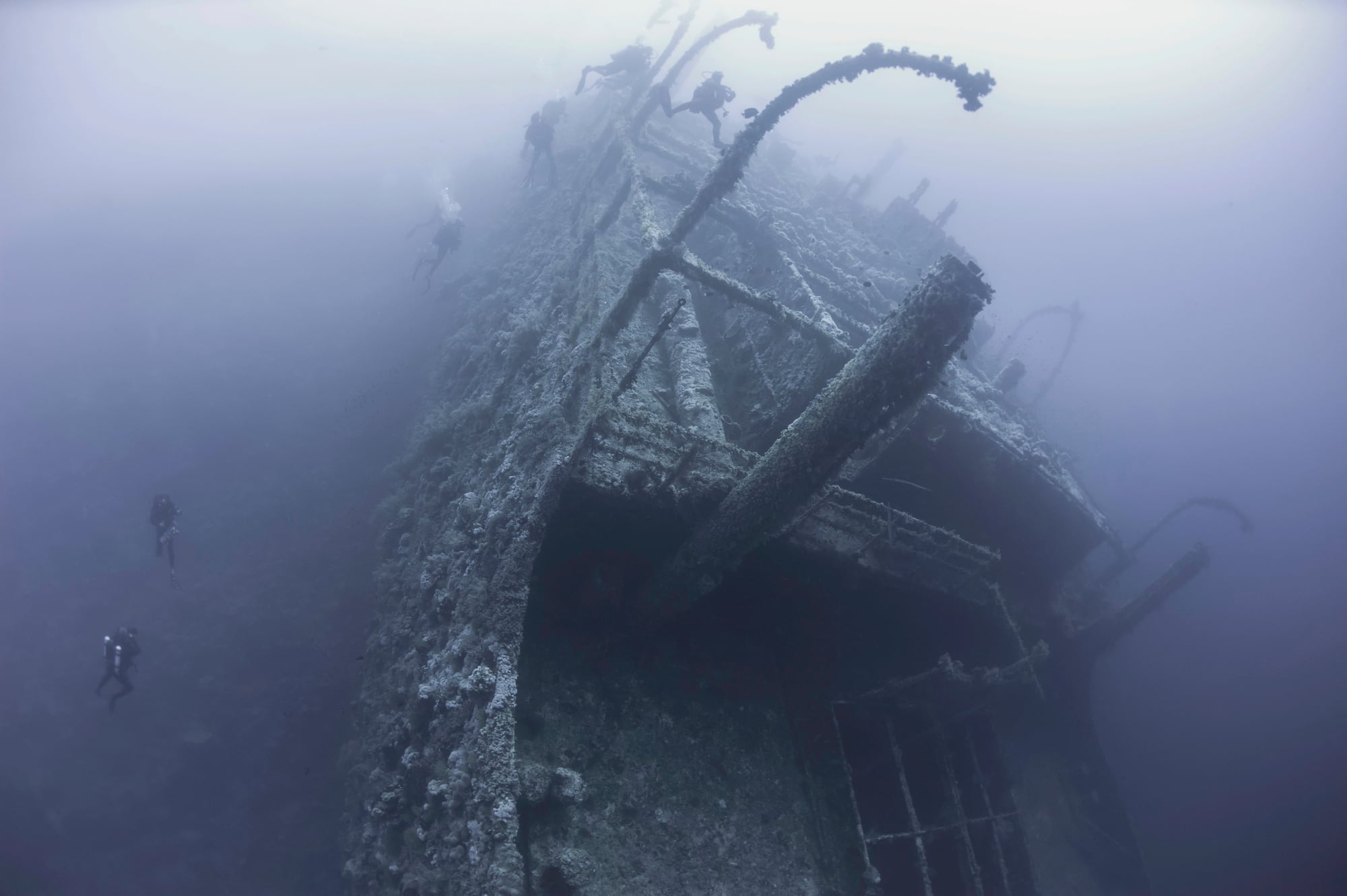
These forgotten battles created the skeleton on which modern global trade still hangs. The ports that prospered, the routes that opened, the monopolies that broke — all shaped by naval engagements that barely merit footnotes in most history books.
Every container ship crossing the Atlantic follows paths first carved out by warships whose crews have been dead for centuries.
The captains who fought these battles couldn’t have imagined GPS or satellite communications, but they understood something that modern logistics experts still grapple with: control the sea lanes, control the world’s wealth.
Their victories and defeats created the trade networks that built London’s banks, filled Amsterdam’s warehouses, and established the commercial relationships that evolved into today’s global economy.
More from Go2Tutors!

- The Romanov Crown Jewels and Their Tragic Fate
- 13 Historical Mysteries That Science Still Can’t Solve
- Famous Hoaxes That Fooled the World for Years
- 15 Child Stars with Tragic Adult Lives
- 16 Famous Jewelry Pieces in History
Like Go2Tutors’s content? Follow us on MSN.