Weird Things Rich People Did in the Gilded Age
There’s wealth, and then there’s Gilded Age wealth. The period roughly spanning from the 1870s to the early 1900s produced a class of American millionaires so obscenely rich that they ran out of normal things to spend money on pretty quickly.
Once you’ve bought the mansion, hired the staff, and worn the diamonds, what do you do next? Apparently, you go completely off the rails.
The ultra-rich of this era — Vanderbilts, Astors, Belmonts, and their circle — did not just live extravagantly. They competed.
They one-upped. They staged spectacles so bizarre that people wrote about them in scandalized newspaper columns for weeks.
Some of it was harmless fun. Some of it was genuinely unsettling. All of it was memorable.
The Party That Triggered a National Backlash
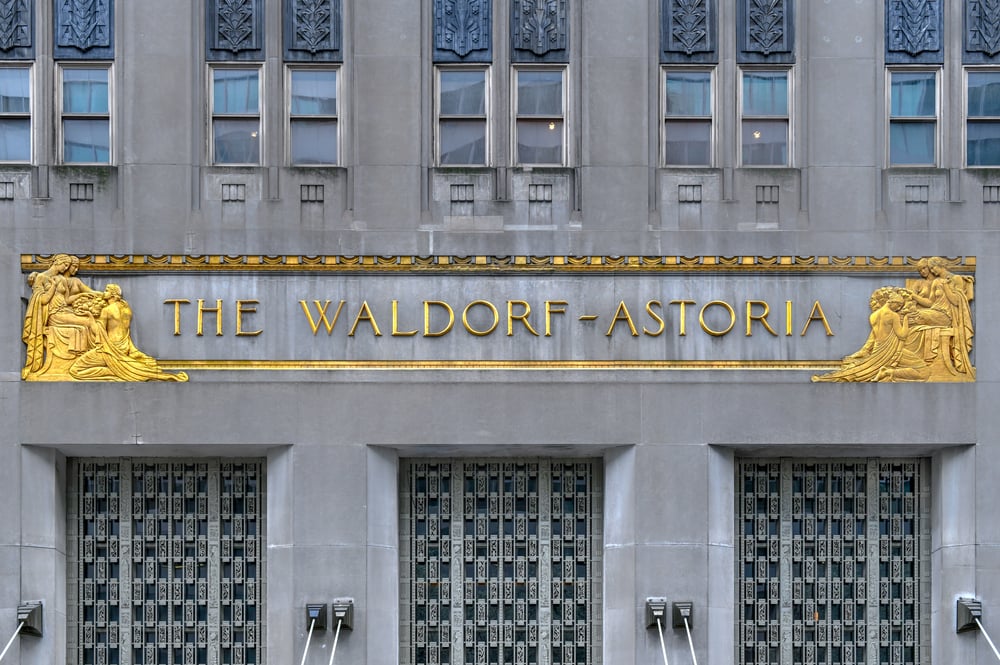
In 1897, Bradley Martin and his wife Cornelia threw a costume party at the Waldorf Hotel in New York that became one of the most talked-about events in American history — for all the wrong reasons.
Guests were asked to come dressed as figures from the court of Versailles. The Martins spent an estimated $369,000 on the event (the equivalent of roughly $13 million today).
The ballroom was transformed into a replica of the Palace of Versailles, and guests arrived dripping in jewels, some reportedly borrowing pieces from museums. The timing was terrible.
The country was in the middle of an economic depression. Newspapers tore them apart.
The backlash was so intense that the Martins eventually relocated to England and never returned to live in the United States. They threw one legendary party and essentially exiled themselves.
Dog Dinners Were a Real Thing
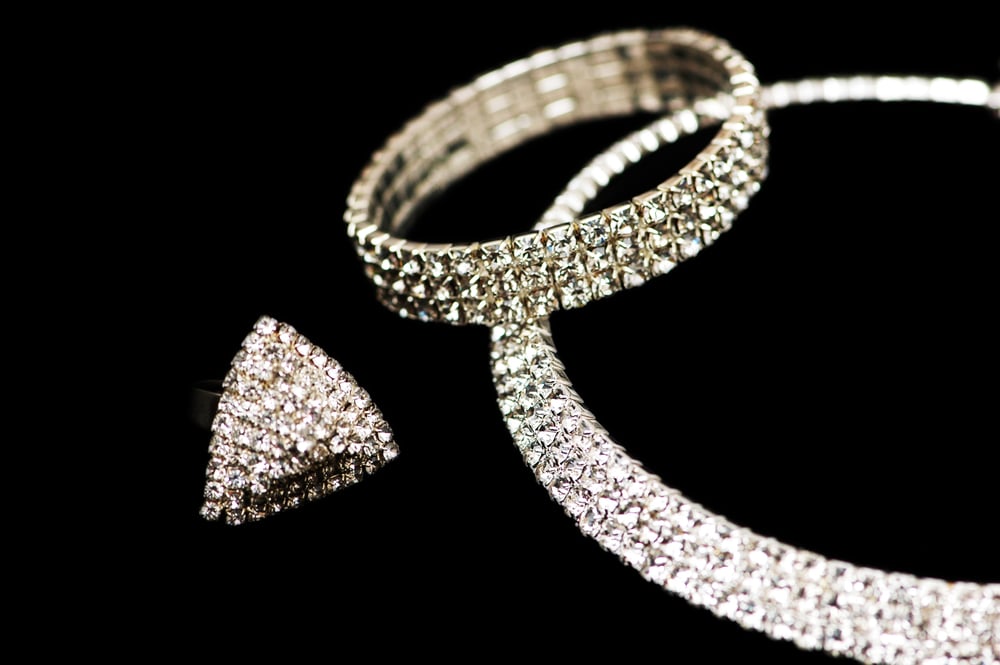
If you think people spoil their pets now, the Gilded Age had you beat. In 1901, a New York socialite named Mrs. Stuyvesant Fish threw a dinner party in honor of her dog.
The dog arrived wearing a $15,000 diamond collar. Guests — human guests — were seated at a formal dinner table and served a multi-course meal. The dog reportedly had its own place setting.
This was not an isolated incident. Wealthy families regularly included their pets in social events, dressed animals in custom outfits, and spent what would today be six-figure sums on their care and accessories.
The dogs lived better than most factory workers of the era.
Building Mansions You Only Used Six Weeks a Year
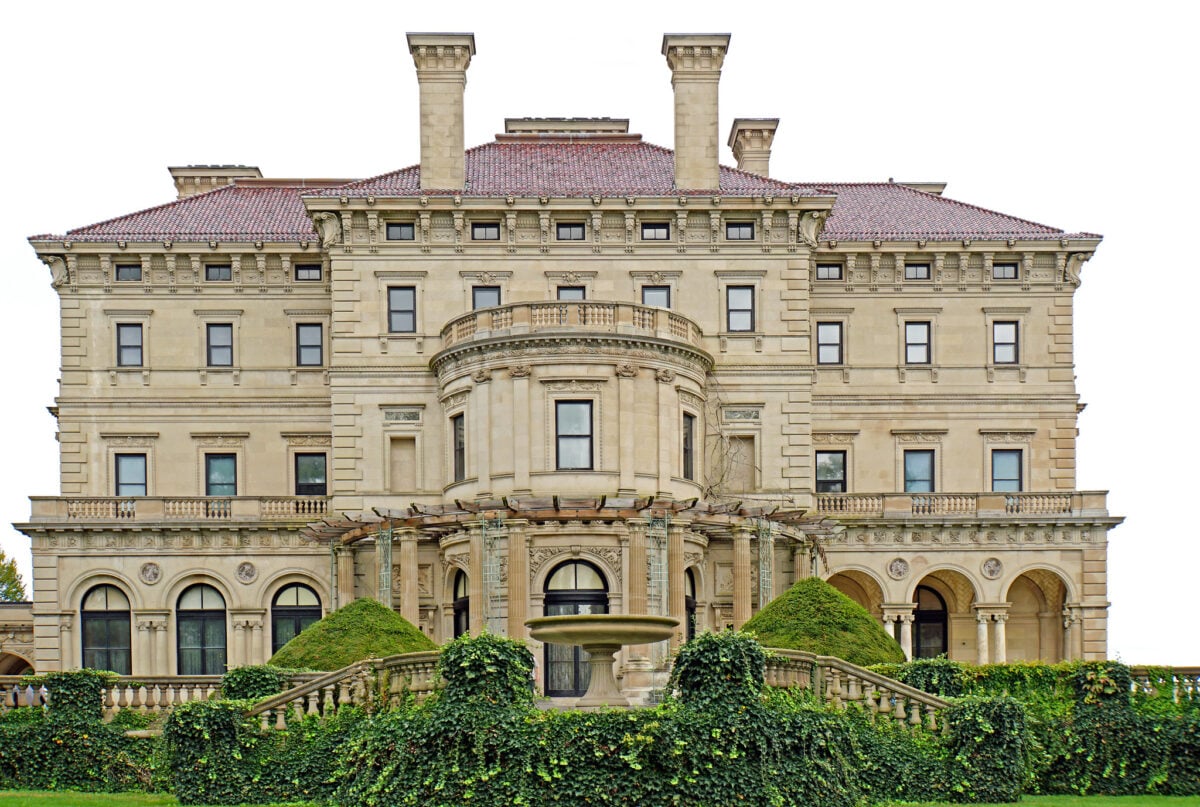
Newport, Rhode Island, became the summer playground of the Gilded Age elite. The Vanderbilts, Belmonts, Astors, and others built sprawling stone “cottages” — they actually called them cottages — along Bellevue Avenue, each one trying to outdo the last.
The Breakers, built by Cornelius Vanderbilt II, had 70 rooms and cost around $7 million to construct in the 1890s. The family used it for about six weeks each summer.
The rest of the year, a full staff maintained it in immaculate condition so it would be ready whenever the family arrived. The competition wasn’t just about size.
It was about the marble, the frescoed ceilings, the imported fountains, the manicured grounds. Spending more than your neighbor was the entire point.
Renting Aristocrats for Parties
European nobility had the titles. American millionaires had the money.
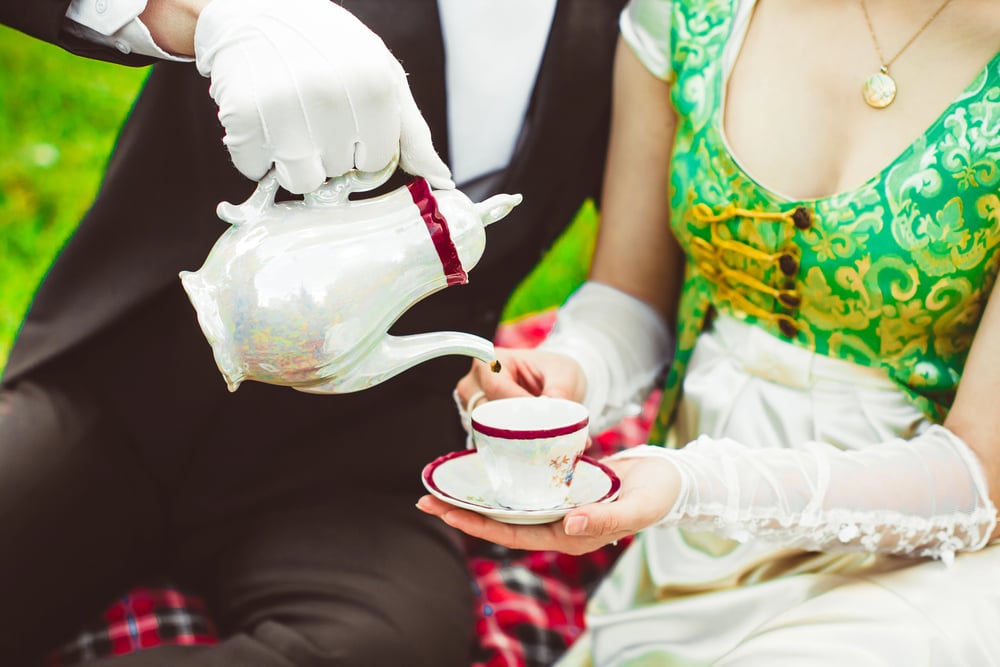
For a while, that created a lively exchange. Some wealthy American families would invite impoverished European aristocrats to attend their parties — covering travel, accommodation, and expenses — in exchange for the social cachet of having a duke or countess at the table.
It was a transactional arrangement that both sides generally understood perfectly well, even if no one said it out loud. This eventually evolved into straight-up marriages.
By some estimates, between 1870 and 1914, over 100 American heiresses married into British and European noble families, transferring something like $220 million in dowries across the Atlantic. The Vanderbilt family alone sent several daughters into the European aristocracy.
Consuelo Vanderbilt was famously pressured into marrying the Duke of Marlborough, which she reportedly cried through.
Ward McAllister and the Tyranny of the 400

No list of Gilded Age absurdity is complete without Ward McAllister, a man who made his entire career out of deciding who was important. McAllister served as the social secretary, advisor, and gatekeeper to Mrs. Caroline Astor, the reigning queen of New York society.
Together, they decided that the only people worth knowing in New York were a group they called “the 400” — allegedly the number of guests who could comfortably fit in Mrs. Astor’s ballroom. Being excluded from the 400 could damage your social standing for years.
Inclusion meant you mattered. McAllister published the list in 1892, and it caused exactly the sensation he intended.
He also coined the term “Four Hundred” as a social concept, essentially inventing the celebrity guest list as we know it.
Living Statues at Dinner Tables
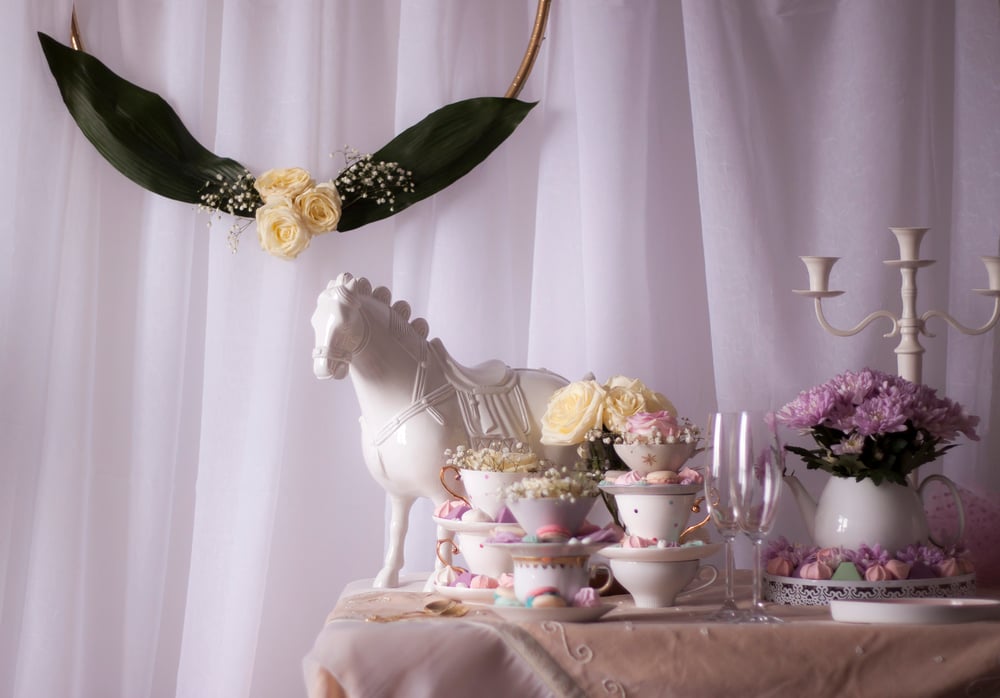
If you wanted to impress your guests at a Gilded Age dinner party, flowers and candles were fine. But if you really wanted to make a statement, you hired people to stand perfectly still at your dinner table and act as human decorations.
This was an actual practice. Young women — often performers or models — would be positioned around a dining room, sometimes in elaborate costumes, sometimes posed inside giant floral arrangements or decorative structures.
They were part of the aesthetic of the evening. Guests were expected to admire them in the same way they might admire a centerpiece.
The line between performance art, spectacle, and something more uncomfortable was not always clear. But it was considered the height of sophisticated entertainment in certain circles.
The Vanderbilt Costume Gala of 1883
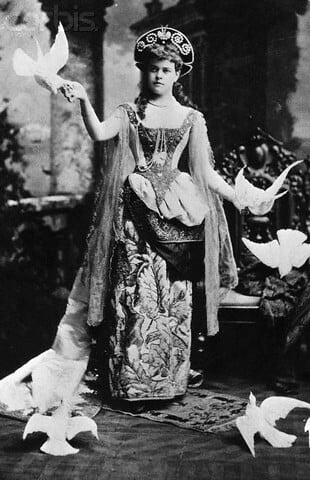
Alva Vanderbilt wanted to break into the highest tier of New York society, and she was willing to spend whatever it took to get there. In March 1883, she threw a costume gala at her newly completed mansion on Fifth Avenue.
The invitations went out to over a thousand guests. The theme was extravagant historical costumes, and the competition among guests to outdo each other was intense — women reportedly spent months and small fortunes on their outfits.
The masterstroke was that Alva pointedly did not invite Caroline Astor, who had previously refused to call on Alva (a social snub of considerable significance at the time). Members of Astor’s circle, desperate not to miss the party, convinced Mrs. Astor to pay a formal visit to Alva.
She complied. Alva’s invitation then arrived.
The entire episode was a calculated social chess move that permanently secured the Vanderbilt family’s position in New York’s elite.
Competitive Mourning

Death in the Gilded Age was, for the wealthy, another opportunity for display. Funerals became elaborate productions.
Coffins were custom-made from the finest materials, lined in silk, adorned with silver fittings. Mourning clothes for the family followed strict protocols and could run to enormous expense.
Elaborate mausoleums were constructed in cemeteries — some of them small buildings with stained glass, sculptures, and ornate ironwork. The receiving of condolences required specific rituals, the correct black-bordered stationery, and mourning periods of prescribed lengths that signaled respect and proper breeding.
Wealthy widows sometimes wore full mourning dress for years. To cut the period short invited gossip and social judgment.
Even grief had to be done correctly, and correctly meant expensively.
Horses Treated Better Than Employees

The wealthy of this era had a remarkable affection for their horses and a somewhat more complicated relationship with the people who worked for them. Stables were constructed with the same attention to detail as the main houses — tiled floors, elaborate woodwork, ventilation systems, and custom-fitted stalls.
Some stables had hot and cold running water before the servants’ quarters did. Horses were fed custom diets, cared for by dedicated veterinarians, and in some cases given names that appeared in the society columns.
Meanwhile, the domestic servants who maintained these estates typically worked 12 to 16 hour days, lived in small attic rooms or basement quarters, and had no formal employment protections of any kind. The contrast was not lost on the people living it.
Throwing Money at Flowers

The floral budgets of Gilded Age parties were extraordinary. Mrs. Cornelius Vanderbilt II reportedly spent $11,000 on flowers for a single event— roughly $350,000 in today’s money.
This was not unusual. Parties routinely involved thousands of roses, orchids flown in from distant locations, and elaborate floral constructions that required teams of designers to assemble and lasted a single evening before wilting.
Some hostesses rented entire greenhouses for weeks in advance to ensure the right blooms would be available. Florists who served the wealthy became well-known figures in society pages themselves.
A spectacular floral display was taken as seriously as the food, the music, or the guest list.
Importing Entire European Rooms

When you’ve run out of ways to decorate your house, you can always buy someone else’s house and put it inside yours. Several Gilded Age millionaires purchased entire rooms — paneling, fireplaces, ceilings, floors and all — from European estates and châteaux, then had them shipped across the Atlantic and reassembled inside their American mansions.
William Randolph Hearst, slightly later in the period, was famous for this, but the practice had earlier roots. The appeal was partly about authenticity.
You couldn’t fake a 16th-century carved wooden ceiling by having one built new. If you wanted the real thing, you bought the real thing, dismantled it, and moved it.
The Social Season as Full-Time Work
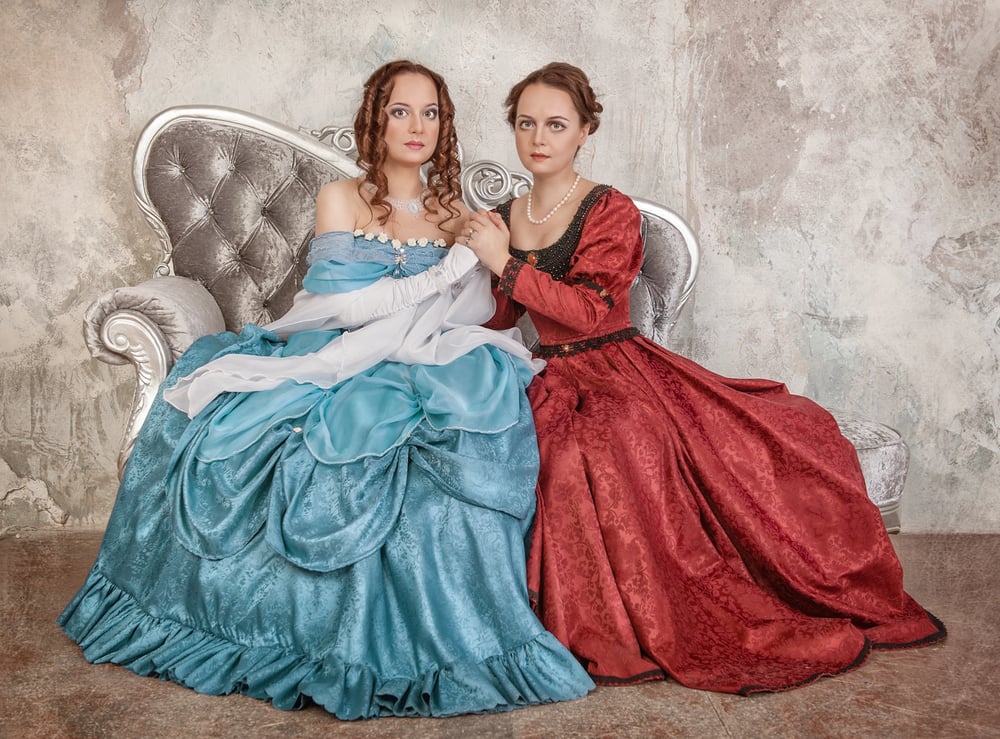
For women in this class, navigating the social season was genuinely a full-time occupation — and a high-stakes one. The season ran from roughly November to Lent and involved a relentless schedule of calls, dinners, opera performances, and luncheons.
Leaving a calling card at the correct houses in the correct order was a matter of protocol with real consequences. Appearing at the wrong event, or failing to appear at the right one, was noticed.
Wearing the wrong thing got written about. The social labor involved was immense.
Planning a single major dinner party required months of coordination — menus, seating arrangements, invitations, the hiring of extra staff, the sourcing of flowers and wines, the coordination of entertainment. Women at the top of this world were essentially running small event companies out of their homes, year-round, without any of it being acknowledged as work.
Children as Accessories

Strange routines shaped the lives of heirs born into wealth during America’s gilded era. Some grew up surrounded by luxury so intense it felt unreal.
By the time some kids turned three, they already had ponies of their own, staff dedicated just to them, along with clothes costing as much as their parents’ outfits. Newspapers would write about birthday celebrations for rich families’ children.
A famous example was when one youngster got a tiny but fully functional carriage drawn by two little ponies, plus a servant dressed in matching livery. Meanwhile, care mostly fell to nannies and governesses for these kids.
During meals or ceremonies, parents would show up. Love came in the form of gifts, not hugs or talk.
Some well-known inheritors later put pen to paper, recalling childhoods filled with luxury but also deep emptiness.
When the Money Finally Ran Out
Some gilded age riches faded fast. A few big spenders squandered family money – gone by the grandchildren’s time.
A few decades after Cornelius Vanderbilt passed in 1877 – when his wealth stood unmatched among American fortunes – the grand homes began vanishing. Some were sold.
Others were simply erased by wrecking crews. That huge house at 660 Fifth Avenue? Gone since 1947, flattened without ceremony.
Only The Breakers remains, tucked safely away thanks to an early handover to caretakers who vowed to keep it standing. Most big spenders weren’t the ones who earned the wealth.
Instead, it was their kids, then grandkids – growing up where cash felt endless, never seeing boundaries. Lavish events, huge homes, pets wearing gems – they seemed normal because deep down, they trusted the flow would never stop.
Most times it worked out that way.
Gilded, Not Golden
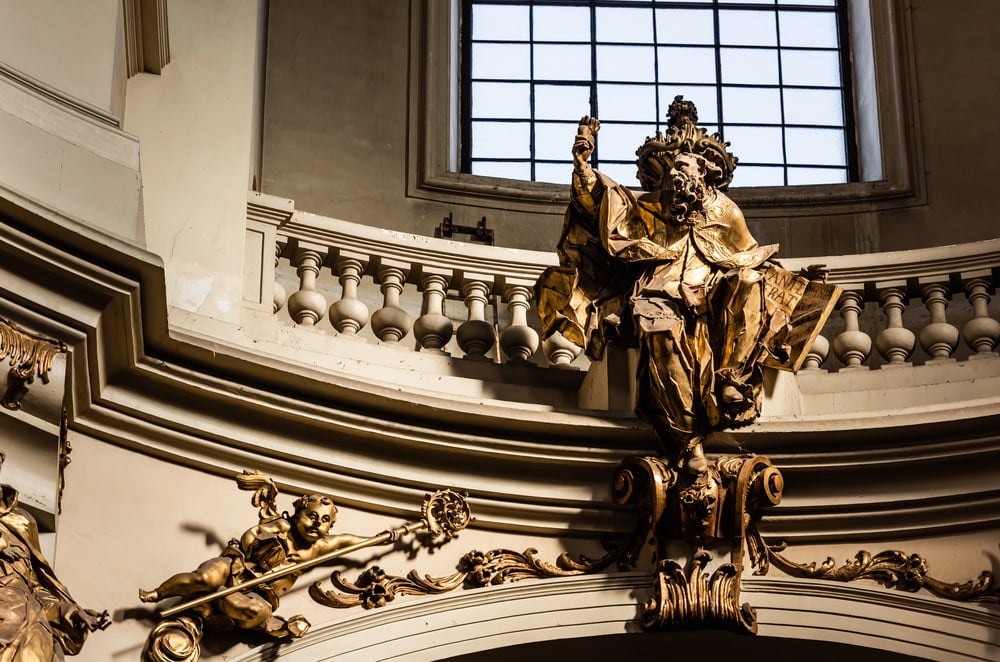
A thin coat of gold, that is what gilded suggests. Mark Twain picked the phrase “Gilded Age” on purpose.
Shiny surface, hollow core – that was his point. Appearances fooled people back then.
What glittered wasn’t valuable beneath. He saw spending mistaken for significance.
Show replaced depth. The outside dazzled while the inside lacked weight.
Wealthy people back then did not just relax into their money. Instead they showed it off, again and again, among themselves and before crowds who stared, caught between awe and anger.
Gatherings, strange feasts with dogs, even ceilings brought in from far away – these things were never really about fun. They served as signs: you made it, your name carried weight, the system allowed you a seat close to power.
Strange, really, to think about now – how much energy was poured into every piece. All those careful routines, trying to outspend each other, the constant worry over who liked you more than whom – it hardly resembles joy at all.
More like folks pushing themselves nonstop, desperate to believe, and make others believe too, that their worth matched what showed up on financial statements. Turns out, a few things stay pretty much the same.
More from Go2Tutors!

- The Romanov Crown Jewels and Their Tragic Fate
- 13 Historical Mysteries That Science Still Can’t Solve
- Famous Hoaxes That Fooled the World for Years
- 15 Child Stars with Tragic Adult Lives
- 16 Famous Jewelry Pieces in History
Like Go2Tutors’s content? Follow us on MSN.