Islands Owned by Other Countries
In today’s world of countries with clear boundaries, it might catch you off guard to find certain islands aren’t run by nearby mainland powers.
Even if a lot are tiny and barely lived on, others carry weight – culturally, financially, or in global power plays.
Take a peek at a few fascinating islands held by nations thousands of miles away – dive into how they got there, why they matter, or what changed because of it.
French Polynesia
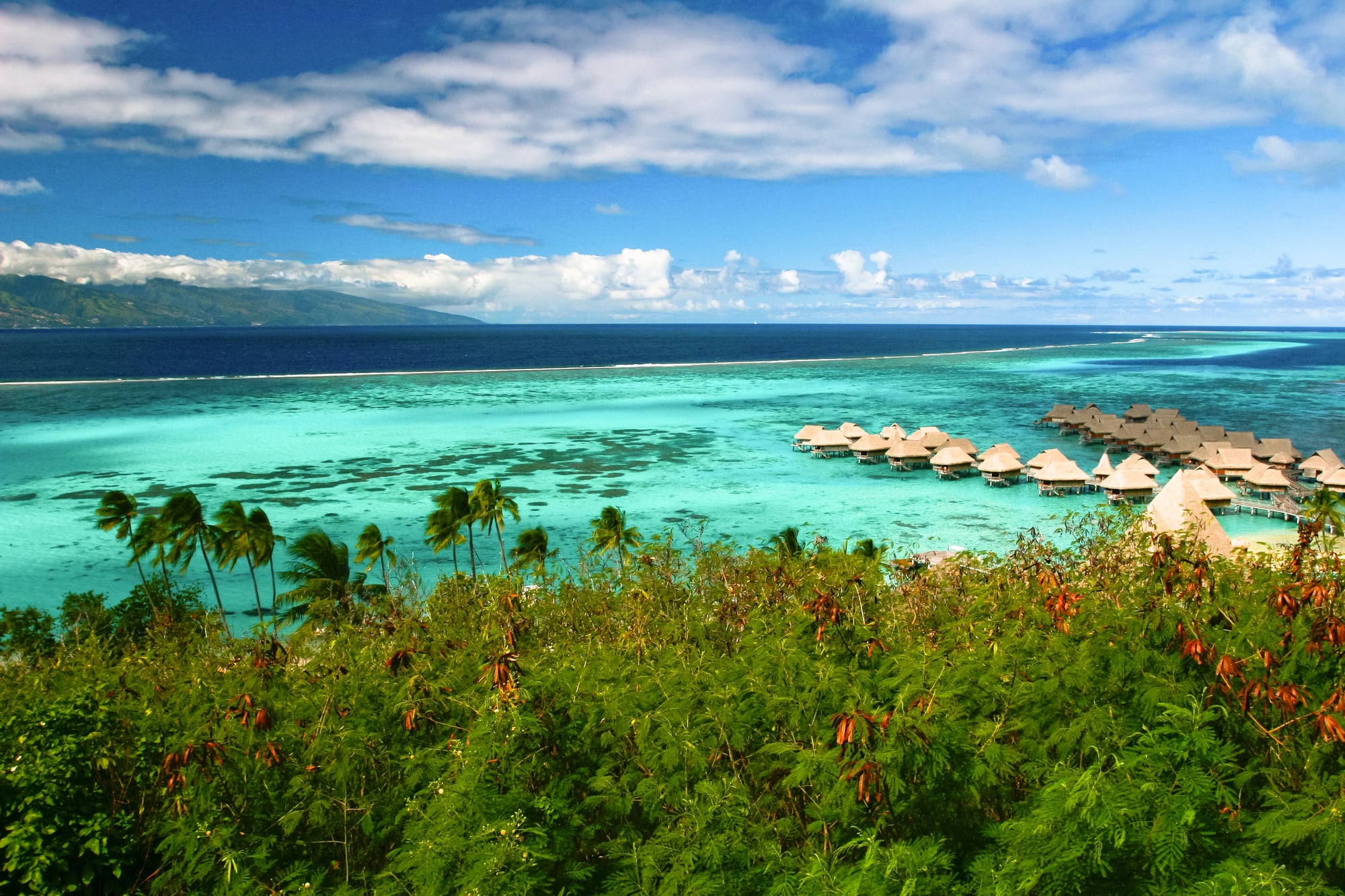
French Polynesia spreads across the South Pacific as a cluster of over 100 islands, located far from continental France by several thousand miles.
Though distant geographically, it functions as part of France due to its status as an overseas territory – so residents vote in national elections while benefiting from French public services.
Known for breathtaking coral lagoons, towering volcanoes, along with attracting travelers worldwide, these islands also carry layered historical weight.
Colonial rule started back in the 1800s when France expanded globally; since then, despite voices calling for sovereignty, most locals chose continuity through multiple votes rejecting full separation.
The islands aren’t just pretty places to visit.
But also hosted French military bases and atomic test zones that long shaped roads, jobs, and services.
Though tourists drive much of today’s activity, French customs – like speech and schools – still linger around daily routines.
Showing how control from afar quietly slips into regular moments, not loud but deep.
Greenland
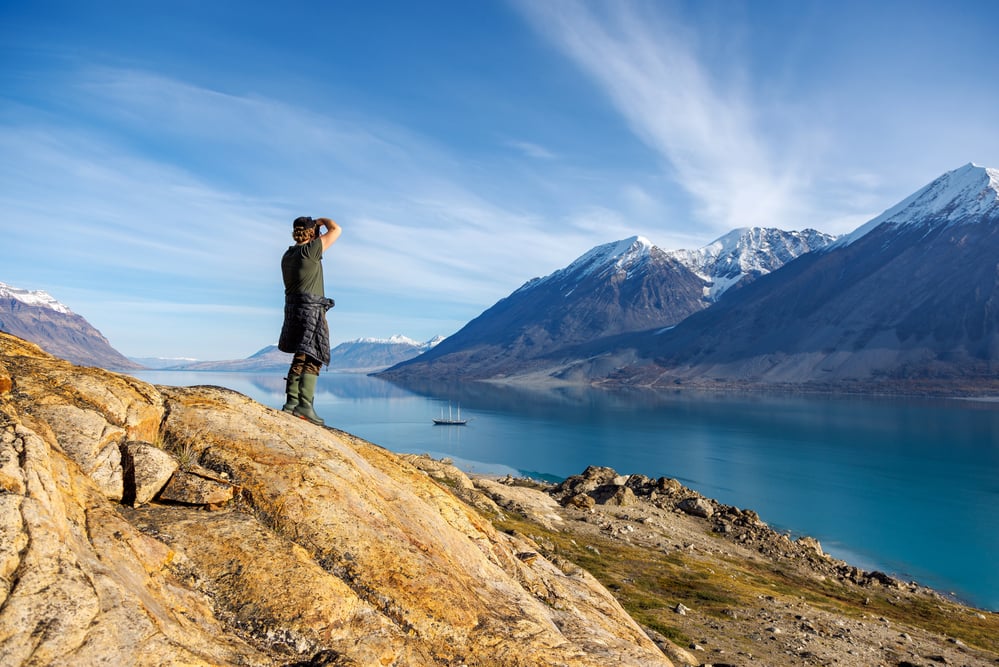
Greenland – the biggest island on Earth – sits near North America yet links to Europe through politics.
Though it’s under the Danish monarchy, it runs its own daily affairs thanks to limited independence.
Local leaders take charge of things like schools and healthcare, whereas Copenhagen stays responsible for military and diplomacy.
That balance helps locals keep their traditions alive, control key industries such as seafood harvesting, plus tap into growing mining opportunities – all backed by economic aid from Denmark.
The significance of Greenland’s position has increased lately due to melting Arctic ice, creating fresh pathways for ships and chances to reach hidden reserves.
Not simply leftover from history – Denmark’s control shapes real-world power dynamics today, pulling this frozen stretch into global talks on warming trends, transport corridors, or defense matters up north.
Folks there gain benefits like smoother trips through Europe and links to updated services, while still holding tight to their unique Inuit roots and self-rule.
Puerto Rico
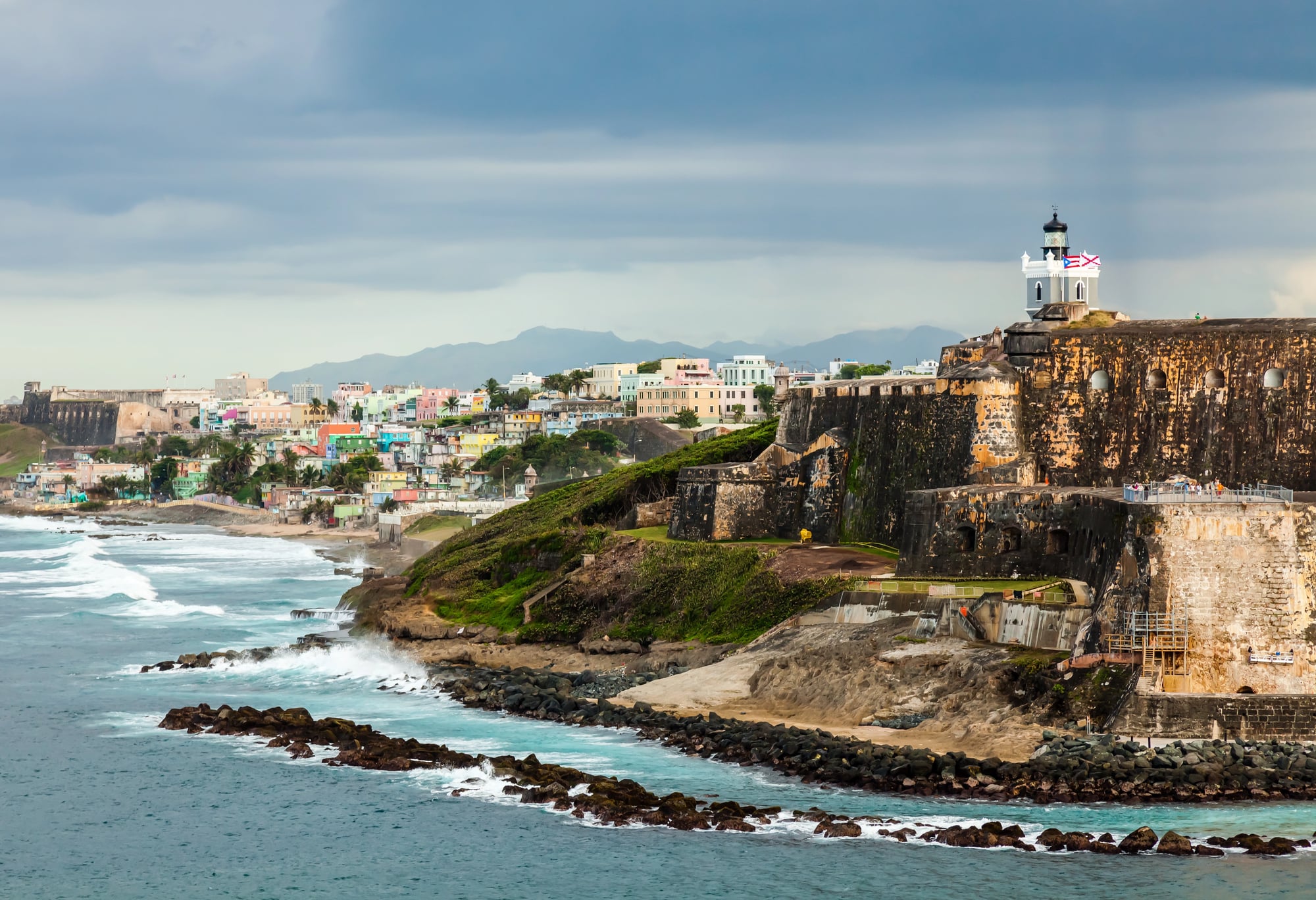
Puerto Rico sits in the Caribbean, right next to the Dominican Republic – but it’s not one of the 50 states.
It’s what the U.S. calls an unorganized territory, a label affecting how things like laws and rights work there.
People born on the island are American citizens, get access to federal aid, and also move around the mainland without hassle – still, they can’t vote for representatives in Congress.
That half-in, half-out situation has sparked long-running arguments over becoming a state, breaking away completely, or sticking with how things stand.
Economists point out how Puerto Rico leans on American cash – especially in making goods or hosting travelers – even as it keeps its own lively traditions mixing Spanish roots, African beats, and native Taíno spirit.
When storms like hurricanes hit, the link to a faraway country shows upsides along with flaws.
Sure, help comes from Washington’s emergency funds; still, getting supplies often seems cold and delayed, revealing friction caused by geography despite political control.
The Falkland Islands
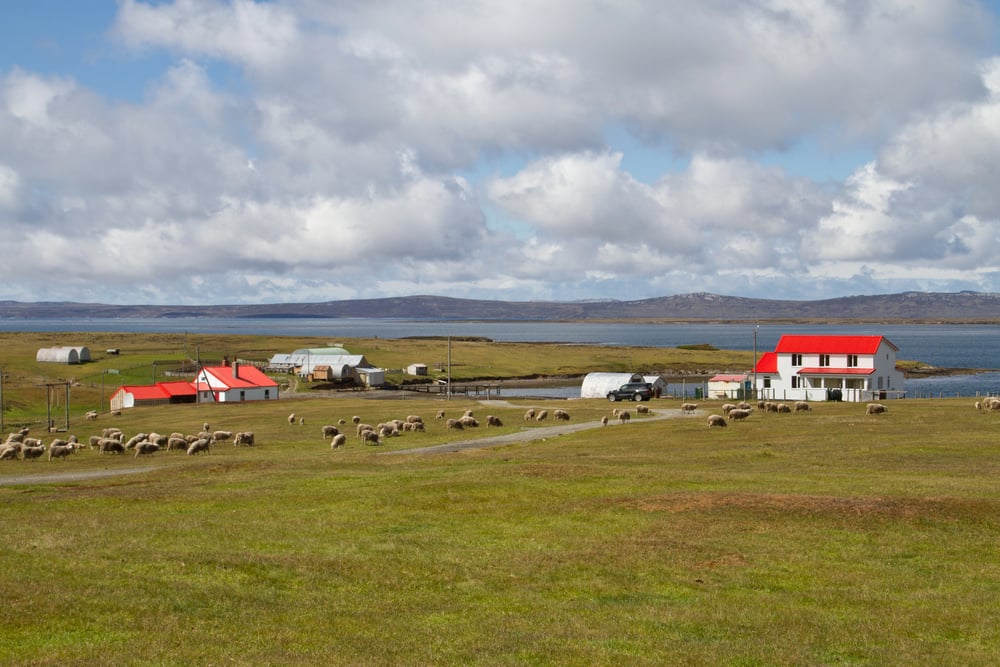
The Falkland Islands – a scattered group of far-off islands in the South Atlantic – sit roughly 300 miles off Argentina’s coast, yet they’re still under UK control.
Disagreements over who truly owns them have sparked tension worldwide, especially during the war back in ’82 involving Argentina and Britain.
People living there number just a few thousand, most tracing roots to Britain, getting by through fishing or raising sheep.
The Falklands show that power and money often matter more than distance.
Despite being far away, the UK keeps troops there along with tight control to hold onto land it claims.
Locals get schools, medical care, and laws from Britain – part of everyday island life.
Though small and isolated, these islands affect global tensions because big countries use them as leverage, turning rocky outposts into tools of influence instead of just dots in the ocean.
Saint Pierre and Miquelon
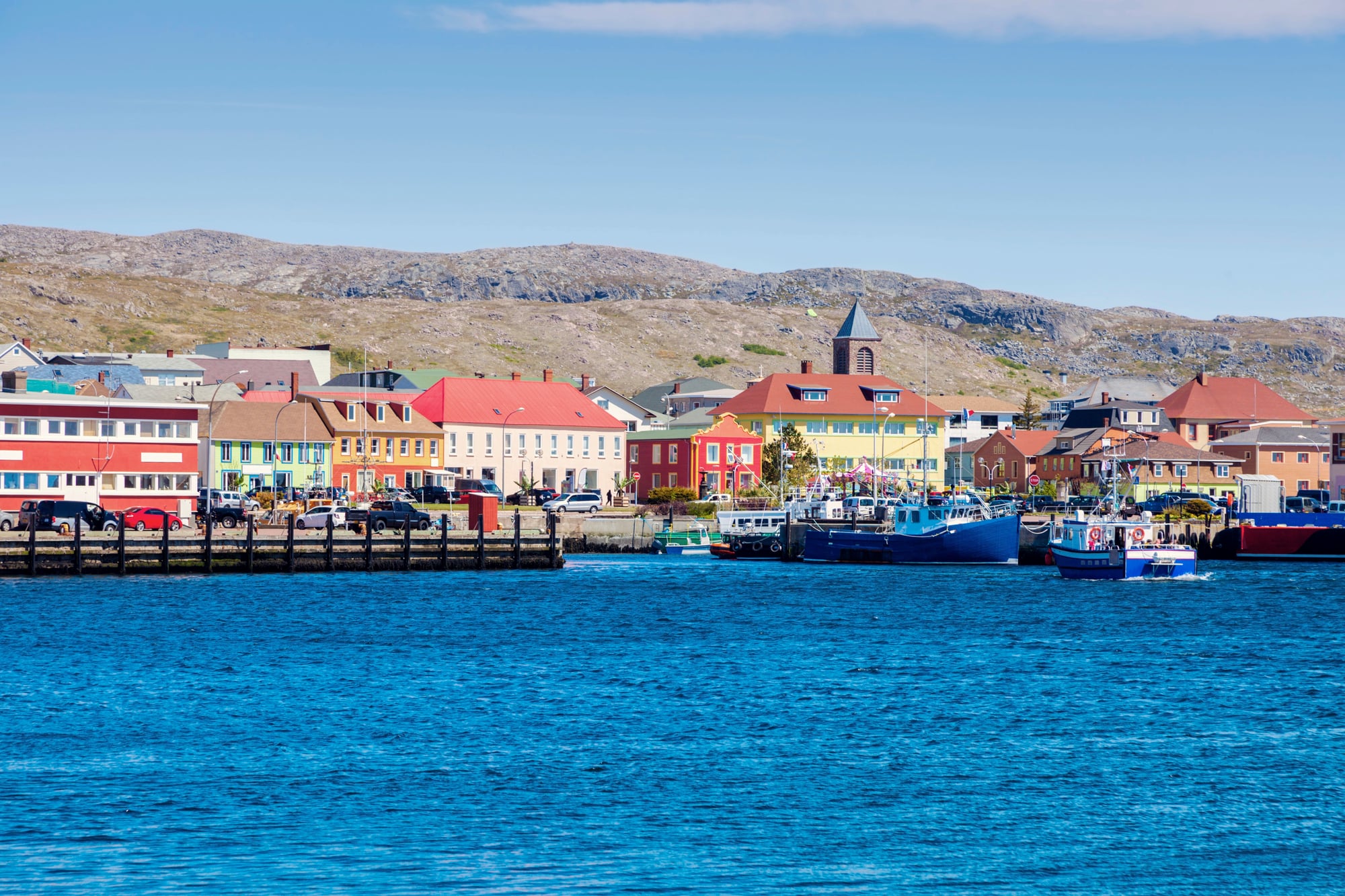
Just south of Newfoundland in Canada sits Saint Pierre and Miquelon – tiny islands tied to France, leftovers from its old colonies across the Atlantic.
Though close to Canadian shores, these lands stick with French laws, money, and ways of life, even with less than six thousand residents living there.
While fishing once held everything together economically, visitors and modest trade have slowly started stepping up.
Instead of relying only on nets and boats, locals now lean a bit more on travelers and small business moves.
The islands’ character comes from both French and North American roots – this blend forms a rare cultural combo you won’t see much around here.
Folks there use French daily, mark traditional French festivals, while also keeping food customs totally different from Canada next door.
Their special situation shows how being an island can protect heritage, despite outside political or money-driven pushes to just merge with neighboring countries.
Svalbard
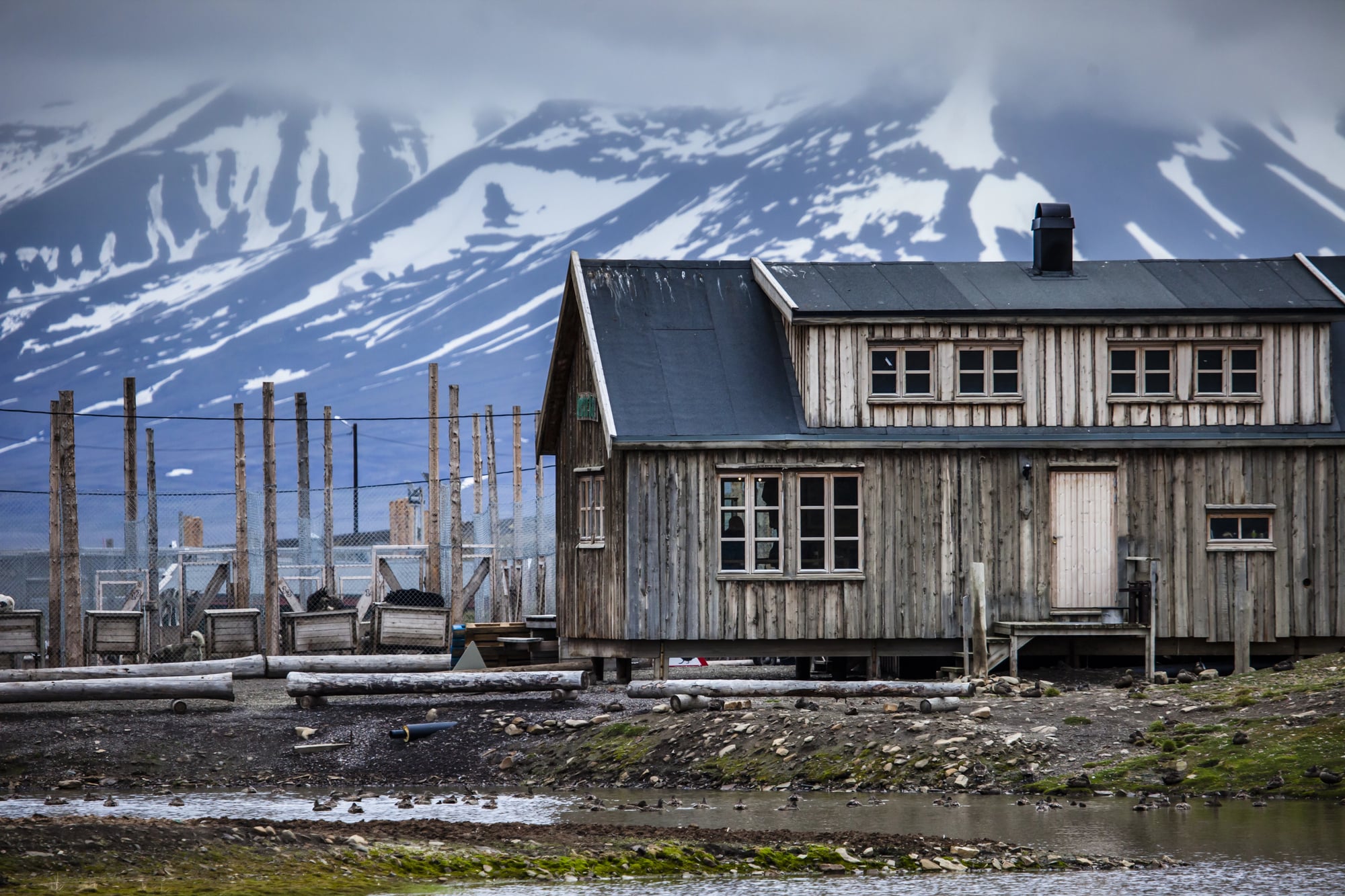
Svalbard stands out as an icy outpost shaped by unusual international rules.
Sitting deep in the Arctic waters, it belongs to Norway yet operates under a special agreement from 1920 – opening doors for people from member nations to settle or earn a living on fair terms.
Life here is quiet, with few residents spread across small hubs where science, coal digging, and visitor trips keep things running.
Svalbard’s unique rule shows what happens when global deals shape lands that belong to one country yet involve many.
While Oslo runs day-to-day operations and guards nature, the accord lets other countries step in – especially for research or tapping resources.
The arrangement reveals a subtle truth about claiming islands: having control doesn’t mean going it alone, and far-flung outposts might become shared spaces instead of flashpoints.
Why It Still Matters
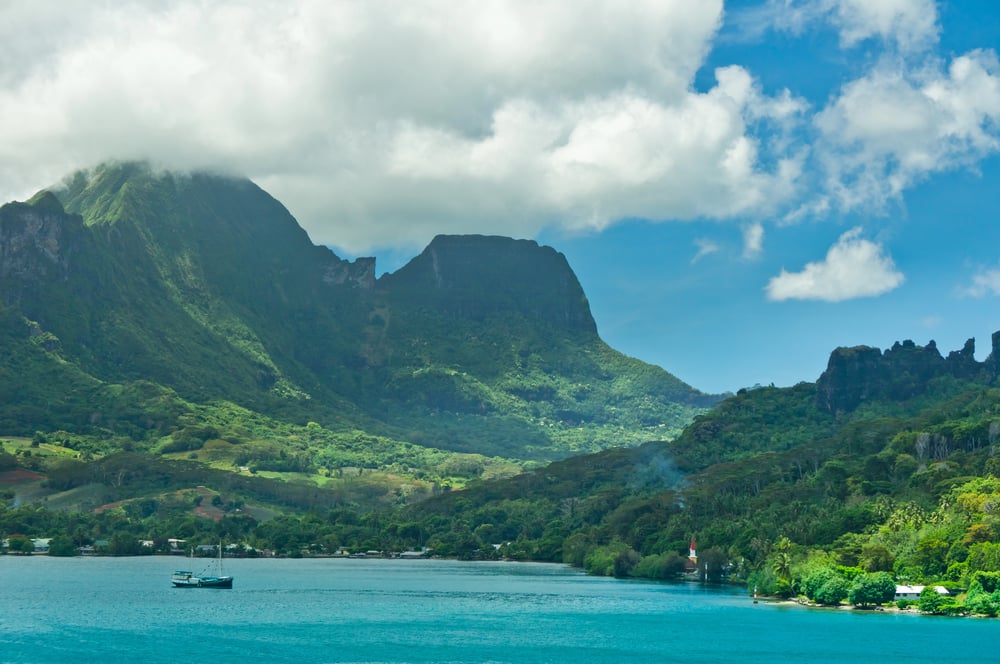
The tale of islands controlled by foreign nations isn’t just odd trivia – it’s a way to see past events, power moves, or how people adjust over time.
These lands highlight how old empires still affect today’s world layout, why far-off rule often comes down to military value, yet also reflect how residents handle belonging and chances when ruled from afar.
What happens there proves possession goes beyond lines drawn on terrain, instead weaving together customs, money matters, along with everyday realities.
In a linked-up world, these far-off places show how old events still matter now.
Choices from hundreds of years back keep shaping commerce, global talks, and daily routines at present.
Checking out, researching, or just hearing about such islands gives you a fresh look at how countries stay connected across seas – through bonds that mix usefulness, meaning, and deep personal roots.
More from Go2Tutors!

- The Romanov Crown Jewels and Their Tragic Fate
- 13 Historical Mysteries That Science Still Can’t Solve
- Famous Hoaxes That Fooled the World for Years
- 15 Child Stars with Tragic Adult Lives
- 16 Famous Jewelry Pieces in History
Like Go2Tutors’s content? Follow us on MSN.