15 Historical Emergency Plans That Saved Entire Cities
When disaster strikes, the difference between survival and catastrophe often comes down to one thing: preparation. Throughout history, cities have faced floods, fires, plagues, and wars that could have wiped them off the map entirely. Yet some communities managed to pull through thanks to brilliant emergency planning, quick thinking, and sometimes a bit of luck.
Here’s a list of 15 remarkable emergency plans that literally saved entire cities from destruction.
London’s Great Fire Firebreaks
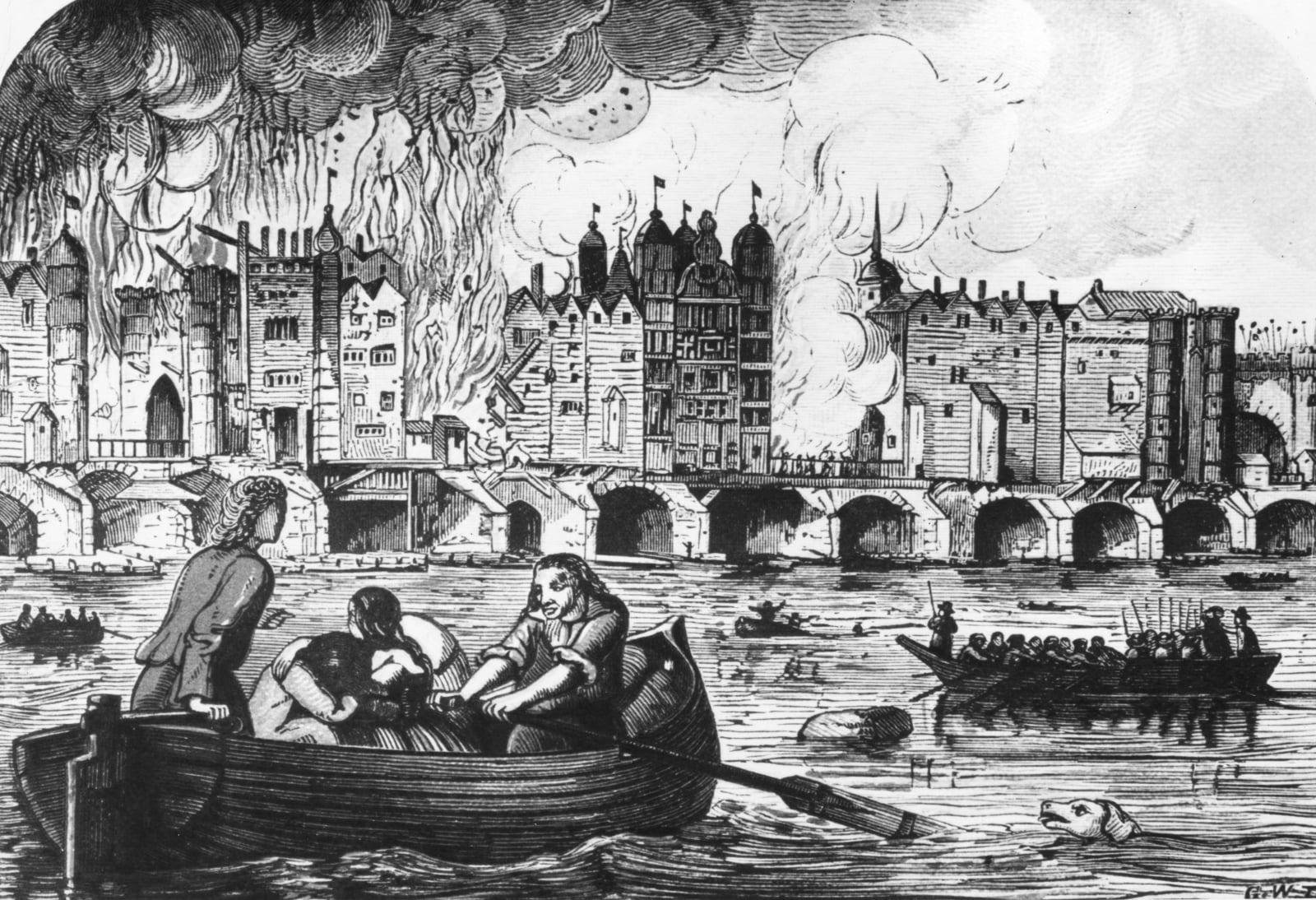
The Great Fire of London in 1666 burned for four days straight, consuming most of the medieval City of London. What saved the remaining parts wasn’t luck—it was the emergency decision to create firebreaks by demolishing entire rows of buildings.
Christopher Wren and other officials ordered the systematic destruction of houses in the fire’s path, creating gaps too wide for flames to jump across. This desperate measure worked, preventing the fire from reaching areas like the Tower of London and saving thousands more lives.
Venice’s Plague Quarantine System
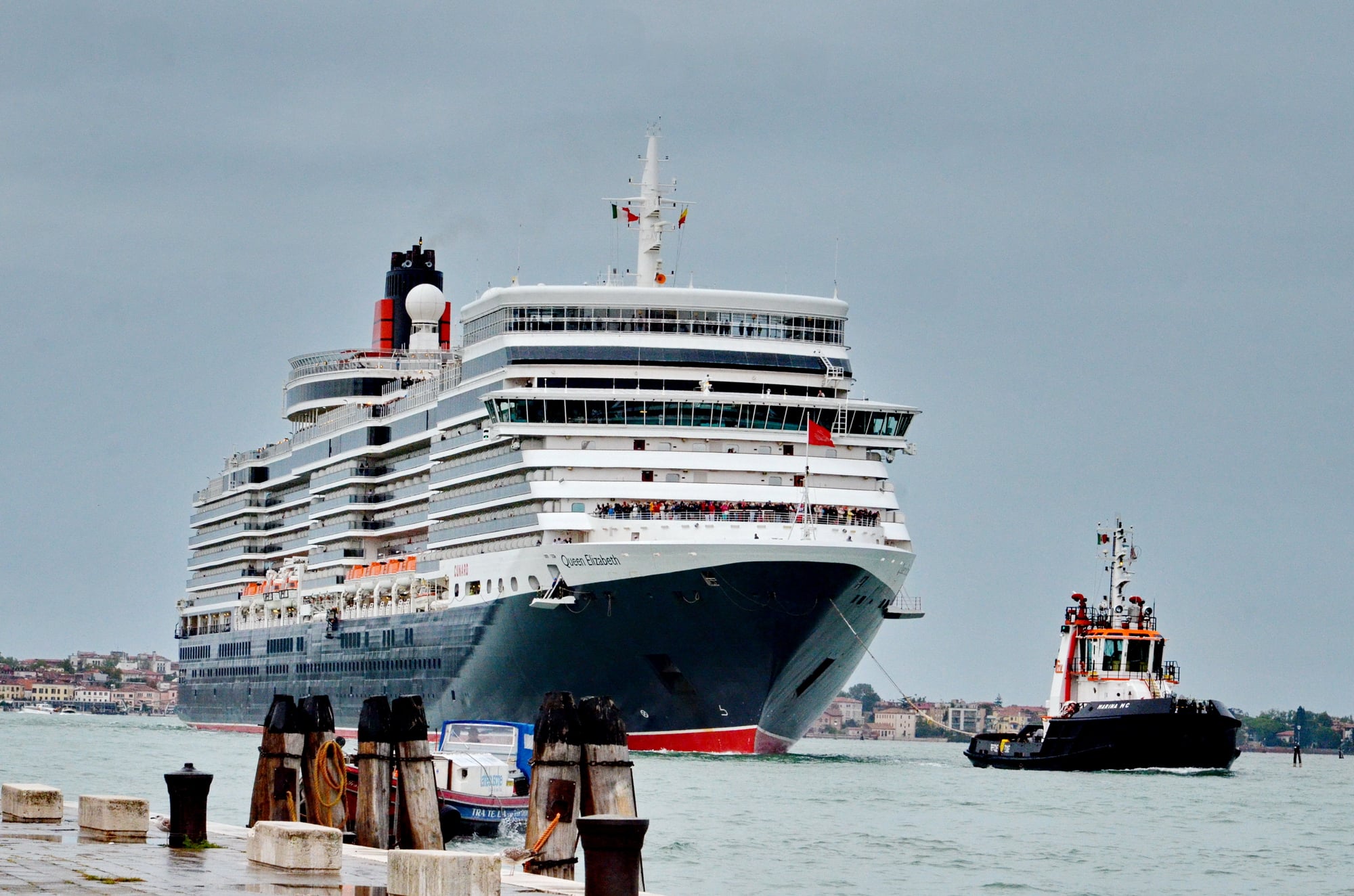
When the Black Death hit Europe in the 14th century, Venice developed the world’s first systematic quarantine system. Ships arriving at the port had to wait 40 days (quaranta giorni in Italian, which gave us the word ‘quarantine’) before passengers could enter the city.
The Venetians also established isolation hospitals on nearby islands and implemented strict movement controls. This comprehensive approach helped Venice maintain its position as a major trading hub while other European cities lost up to half their populations.
Tokyo’s Post-Earthquake Building Codes
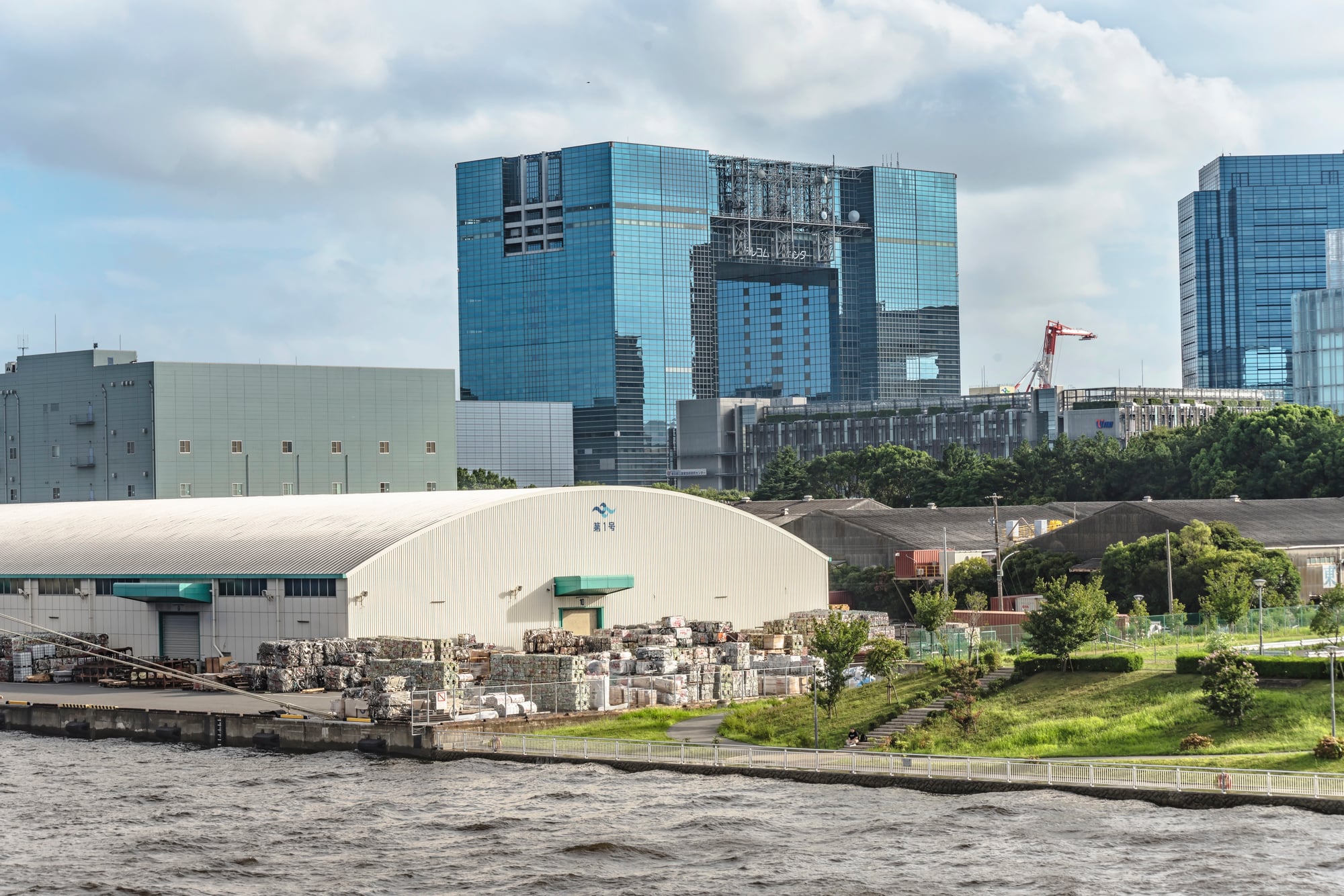
After the devastating 1923 Great Kanto Earthquake flattened much of Tokyo, city planners didn’t just rebuild—they revolutionized construction standards. The emergency reconstruction plan included wider streets, earthquake-resistant building techniques, and strategically placed parks that could serve as evacuation areas.
These changes proved their worth during World War II air raids and subsequent earthquakes. Modern Tokyo’s ability to withstand seismic activity traces directly back to these 1920s emergency planning decisions.
Like Go2Tutors’s content? Follow us on MSN.
Amsterdam’s Flood Defense Strategy
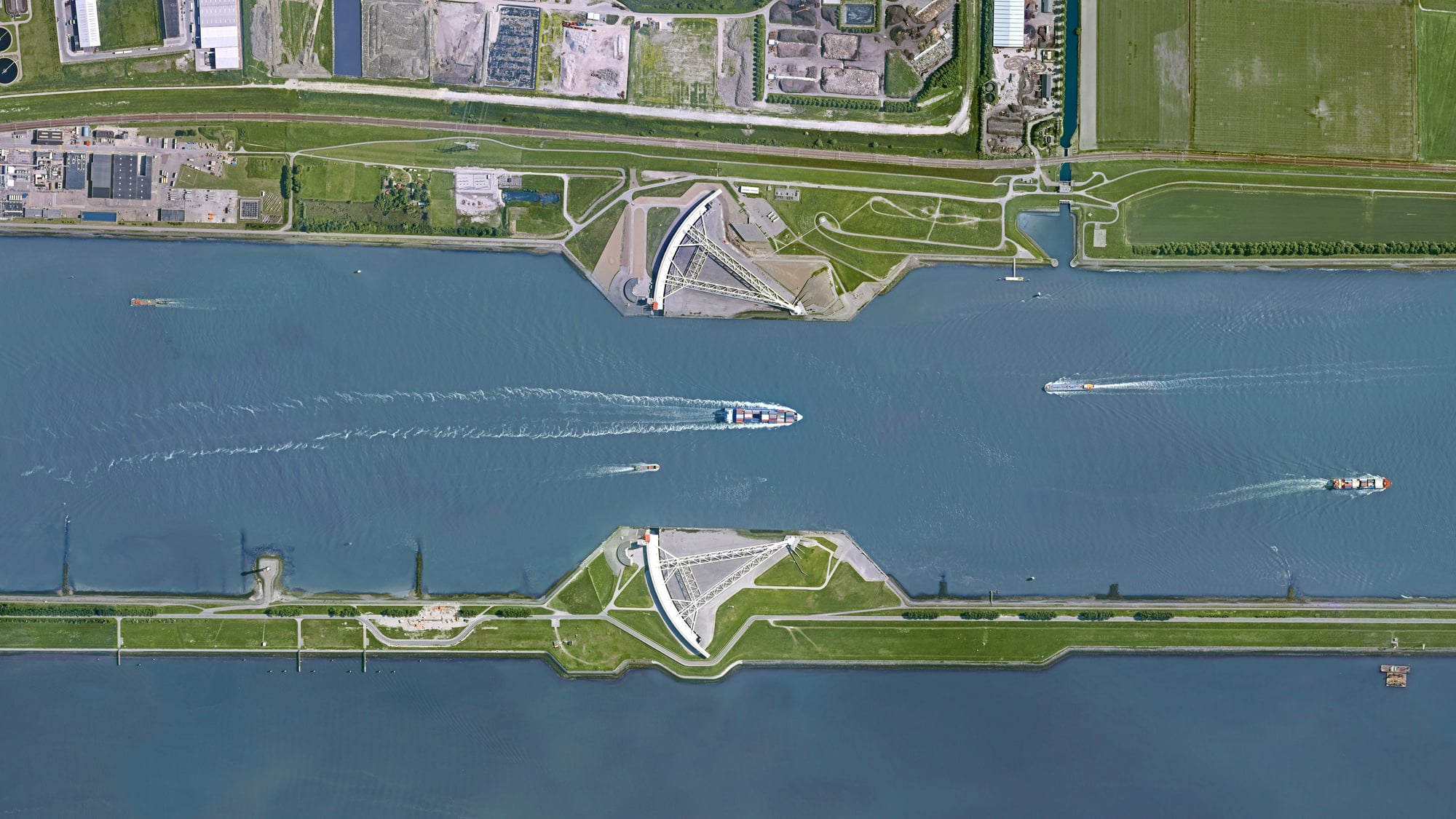
Amsterdam has always been a city built on borrowed time, sitting below sea level in a region prone to devastating floods. In 1953, after catastrophic flooding killed over 1,800 people in the Netherlands, Amsterdam implemented the Delta Works project—one of history’s most ambitious flood control systems.
The plan included massive storm surge barriers, reinforced dikes, and early warning systems. Today, this engineering marvel protects not just Amsterdam but the entire low-lying region from North Sea storms that would otherwise submerge the city.
Chicago’s Fire Department Reorganization

The Great Chicago Fire of 1871 exposed fatal flaws in the city’s emergency response system. The fire department was understaffed, poorly equipped, and relied on wooden water mains that burned along with everything else.
Chicago’s post-fire emergency plan completely restructured the fire department, installed iron water pipes throughout the city, and mandated fire-resistant construction materials for new buildings. The rebuilt Chicago became a model for urban fire safety that other cities copied for decades.
Lisbon’s Earthquake Recovery Plan
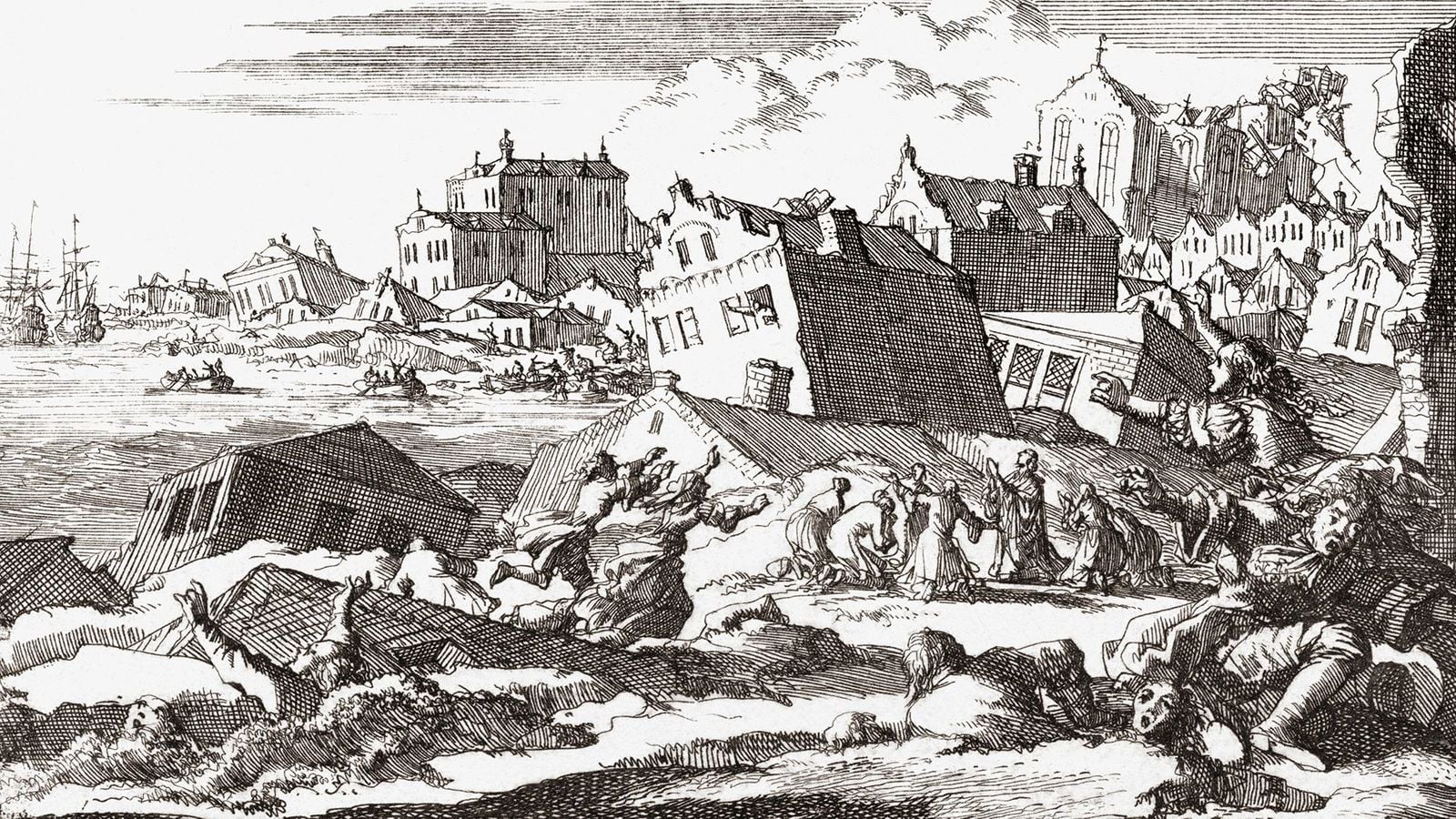
When a massive earthquake struck Lisbon in 1755, it was followed by tsunamis and fires that destroyed 85% of the city. The Marquis of Pombal’s emergency response became a template for disaster recovery worldwide.
His plan included immediate burial of the dead to prevent disease, distribution of food to prevent looting, and a complete urban redesign with wider streets and earthquake-resistant construction. Pombal’s famous question ‘What now? We bury the dead and heal the living’ became the motto for the systematic reconstruction that created modern Lisbon.
Like Go2Tutors’s content? Follow us on MSN.
Singapore’s Water Independence Plan

Singapore faced a water crisis in the 1960s when tensions with Malaysia threatened their main water supply. The city-state’s emergency plan focused on achieving water independence through a combination of rainwater collection, water recycling, and desalination.
The ‘Four Taps’ strategy transformed Singapore from a water-dependent territory into a model of water security. This long-term emergency planning ensured that political disputes could never again threaten the city’s survival.
San Francisco’s Seismic Safety Program
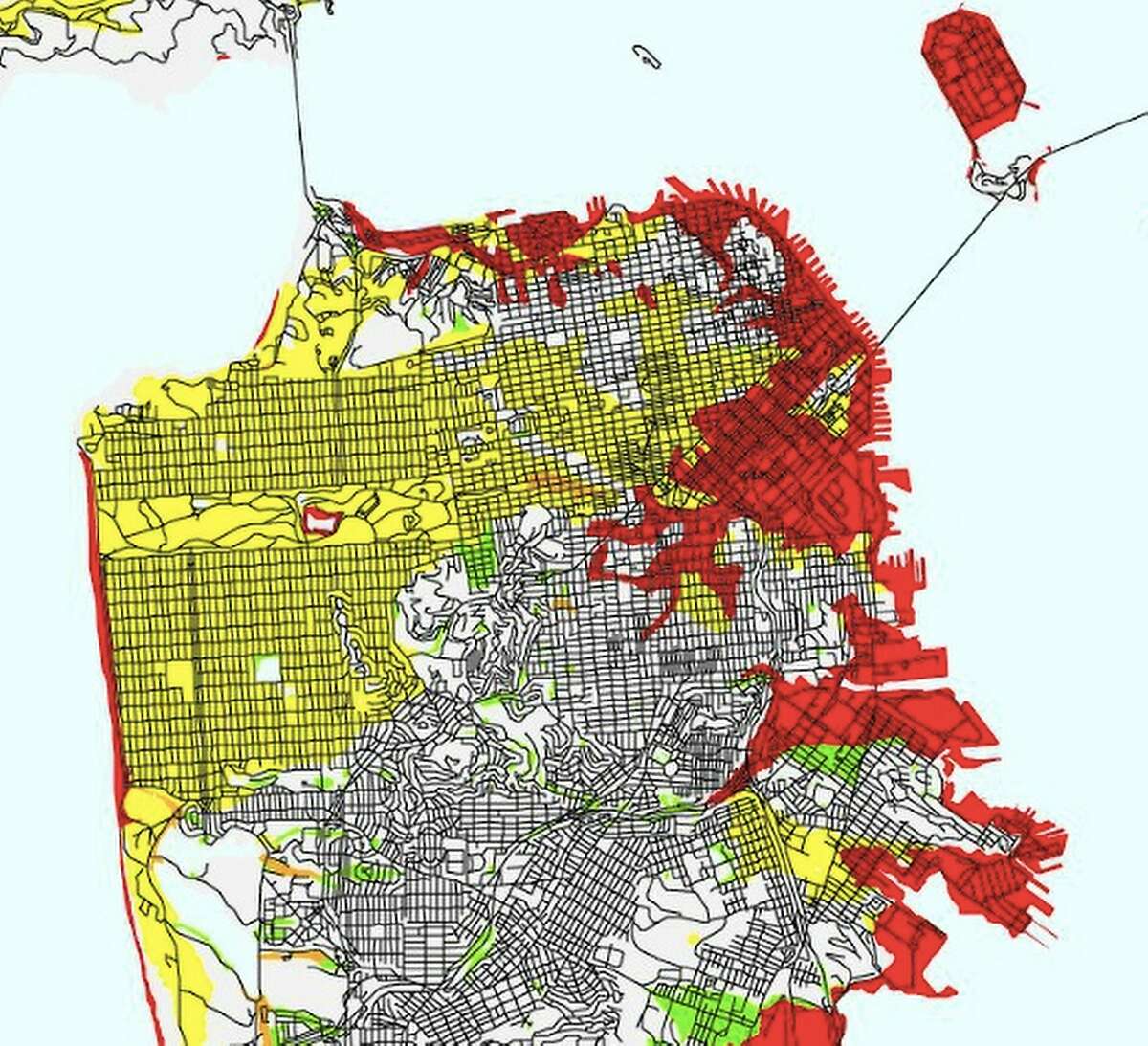
After the 1906 earthquake and fire destroyed most of San Francisco, the city implemented comprehensive seismic safety measures that went far beyond building codes. The emergency plan included mapping geological hazards, creating flexible utility systems that could withstand ground movement, and establishing emergency response protocols.
The city also developed the concept of ‘soft story’ retrofitting for older buildings. These measures helped San Francisco survive the 1989 Loma Prieta earthquake with relatively minimal damage compared to what could have been.
London’s World War II Evacuation Plan
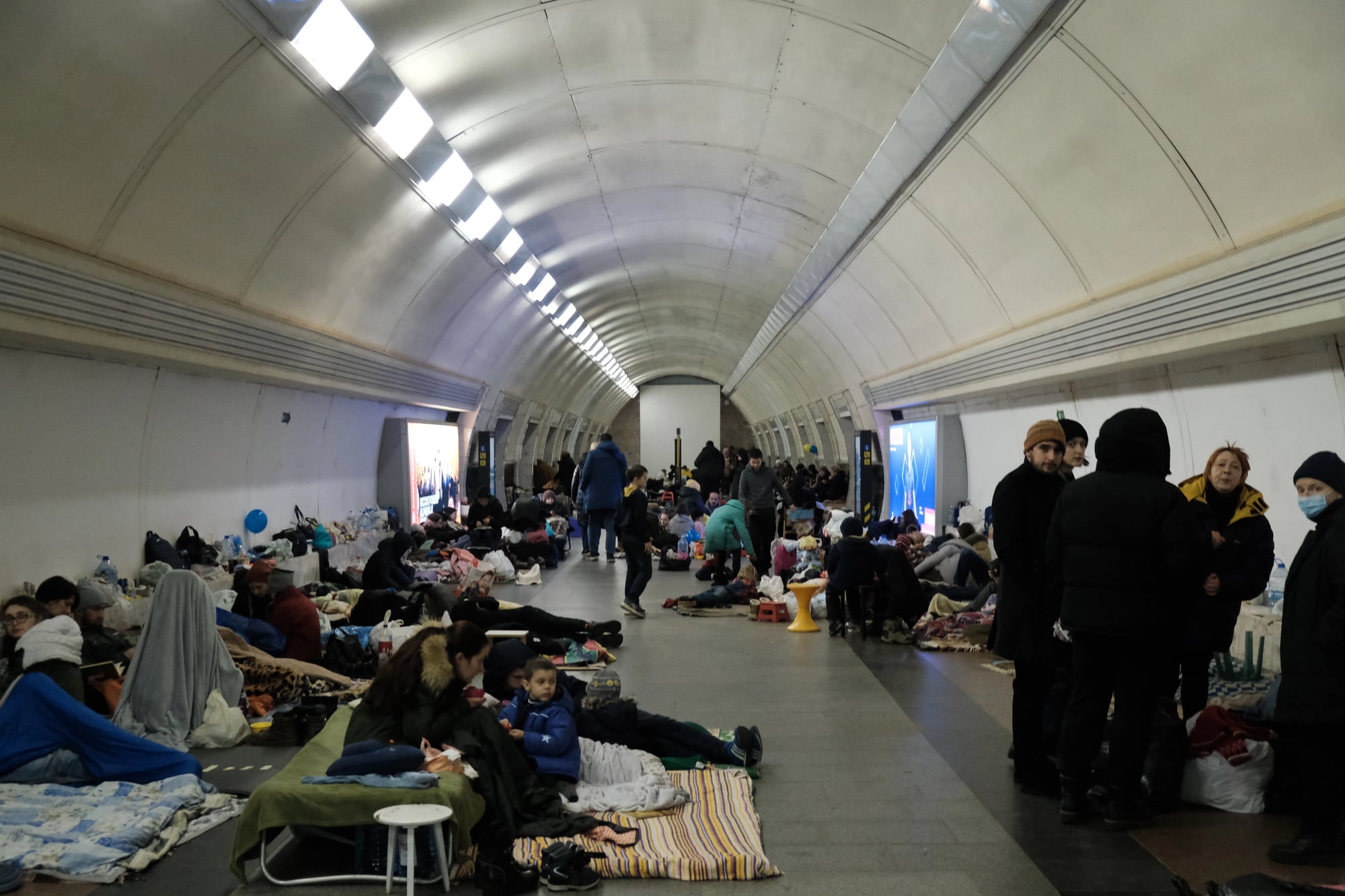
When World War II began, London faced the prospect of devastating air raids that could kill hundreds of thousands of civilians. The government’s emergency evacuation plan moved over 1.5 million people, mostly children, from London to safer rural areas in just three days.
The plan also converted subway stations into bomb shelters and distributed gas masks to every resident. While the Blitz was still devastating, this massive evacuation effort saved countless lives and kept London functioning as Britain’s capital throughout the war.
Like Go2Tutors’s content? Follow us on MSN.
Galveston’s Hurricane Protection System
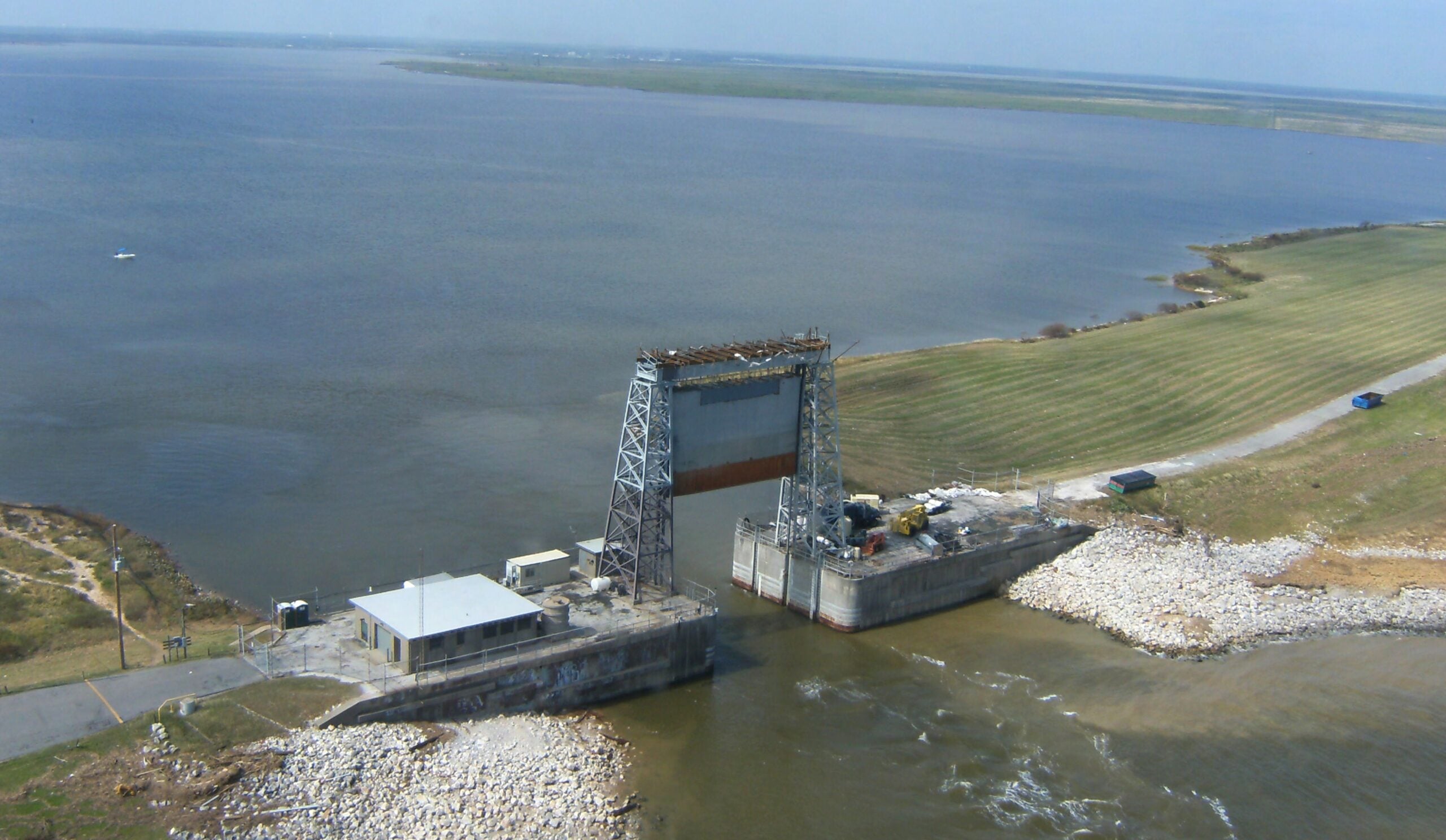
The 1900 Galveston Hurricane remains the deadliest natural disaster in U.S. history, killing over 8,000 people. Galveston’s response was extraordinary: they raised the entire city by up to 17 feet and built a massive seawall along the coast.
The emergency plan involved pumping sand and water under every building, street, and sidewalk to lift the city above future storm surge levels. This engineering feat took seven years but transformed Galveston from a disaster-prone island into one of the most hurricane-resistant cities in America.
Rome’s Aqueduct Emergency Systems

Ancient Rome’s survival depended entirely on its water supply, making the aqueduct system a critical vulnerability. Roman engineers built redundancy into every aspect of their water infrastructure, with multiple aqueducts serving the same areas and emergency reserves stored throughout the city.
When barbarian armies cut the aqueducts during sieges, Rome’s emergency water plan included sealed cisterns, underground springs, and rationing systems. These backup measures allowed Rome to survive multiple sieges that would have forced other cities to surrender within days.
Pompeii’s Evacuation Warning System

Before Mount Vesuvius’s famous eruption in 79 AD, Pompeii actually had several earlier close calls that prompted the development of evacuation procedures. Archaeological evidence suggests the city had established warning systems based on ground tremors and animal behavior.
While the final eruption happened too quickly for these systems to save everyone, earlier evacuations during smaller eruptions had saved thousands of lives. The tragedy of Pompeii overshadows the fact that these early warning systems actually worked multiple times before the catastrophic final event.
Like Go2Tutors’s content? Follow us on MSN.
Boston’s Molasses Flood Response

The 1919 Great Molasses Flood in Boston sounds almost comical today, but it killed 21 people and destroyed entire city blocks when a massive storage tank burst. Boston’s emergency response included immediate medical triage, structural engineering assessments of damaged buildings, and new industrial safety regulations.
The city’s quick action prevented secondary disasters and led to the first comprehensive industrial safety codes in America. This response framework became the model for handling industrial accidents in urban areas.
New Orleans’ Hurricane Betsy Evacuation
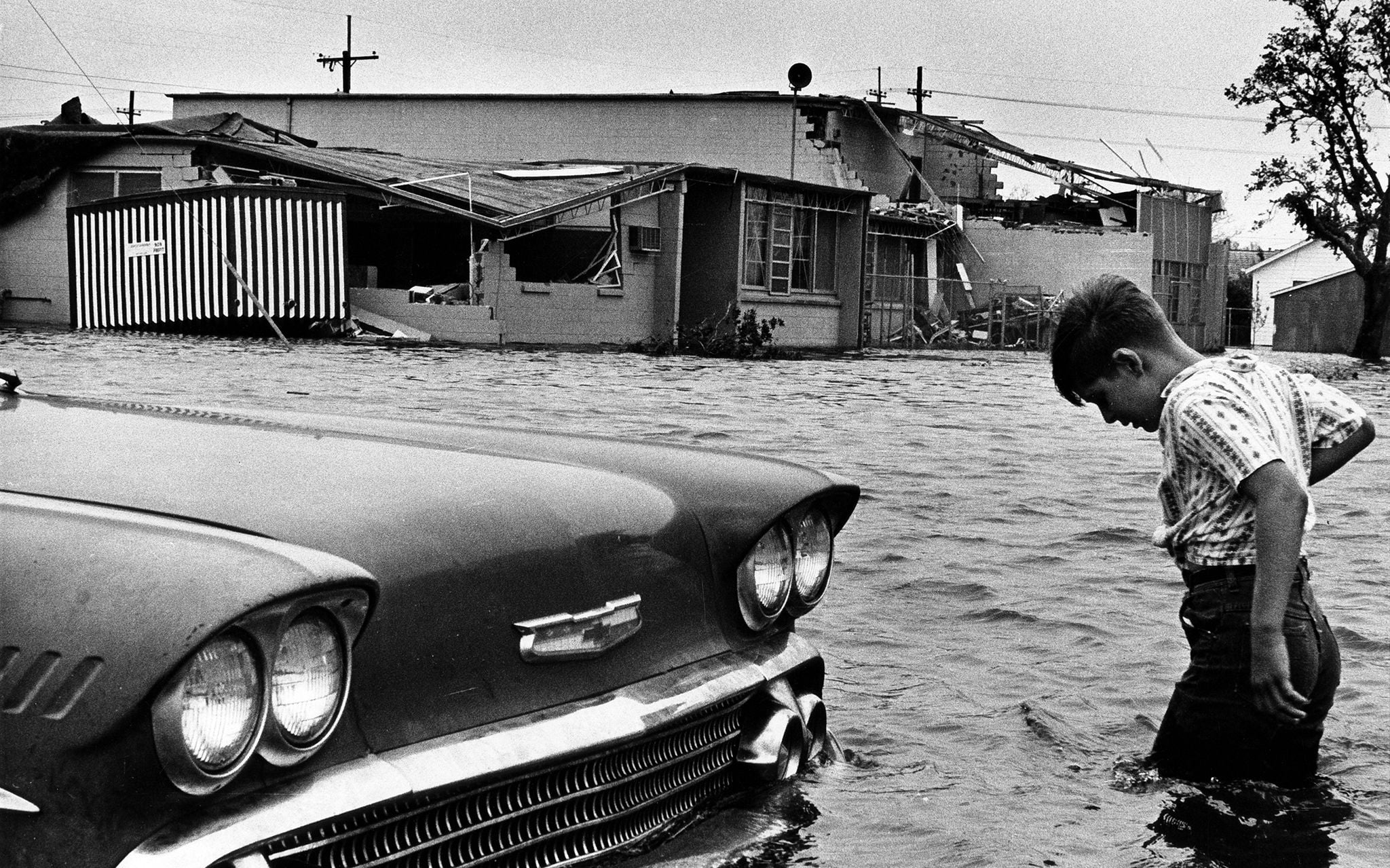
Hurricane Betsy in 1965 was a wake-up call for New Orleans’ emergency planners, who realized the city’s unique geography made evacuation extremely challenging. The emergency plan developed after Betsy included the ‘Contraflow’ system, which reverses traffic flow on highways to speed evacuation.
They also established shelter locations on higher ground and created detailed neighborhood-by-neighborhood evacuation routes. While Hurricane Katrina revealed flaws in these plans, the Betsy-era innovations have saved thousands of lives in subsequent storms.
Constantinople’s Siege Preparation
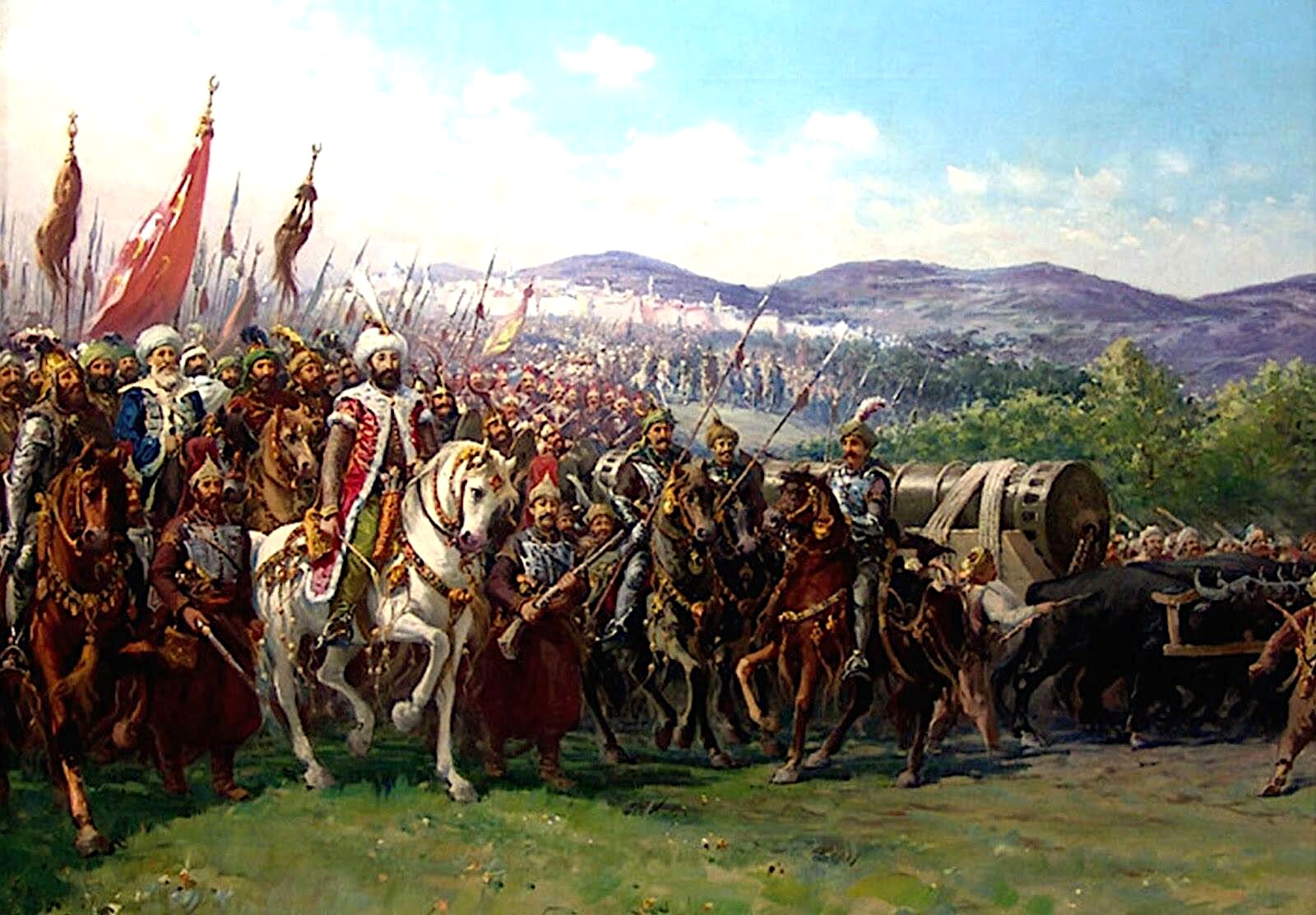
Constantinople’s survival during countless sieges over 1,000 years relied on meticulous emergency planning that began with the city’s founding. The city maintained massive grain stores that could feed the population for months, built cisterns to ensure water supply during blockades, and developed protocols for distributing resources during emergencies.
The famous chain across the Golden Horn was just one part of a comprehensive defense system that included early warning beacons, evacuation routes for civilians, and backup food production within the city walls.
Planning for the Unthinkable

These historical examples share a common thread: successful emergency planning requires thinking beyond immediate threats to consider cascading effects and long-term survival. Cities that merely reacted to disasters often suffered repeatedly, while those that learned from near-misses and implemented comprehensive preparation systems thrived for centuries.
The most effective plans combined immediate response capabilities with fundamental changes to infrastructure, governance, and community organization. Today’s emergency planners still reference many of these historical strategies, proving that good crisis management principles remain constant even as the specific threats evolve.
More from Go2Tutors!

- 18 Unexpectedly Valuable Collectibles You Might Have Lying Around
- 20 Little-Known Historical Battles That Had Huge Consequences
- 20 Historical Artifacts That Scientists Can’t Explain
- 15 Inventions That Were Immediately Banned After Being Created
- 20 Actors Who Were Almost Cast in Iconic Roles
Like Go2Tutors’s content? Follow us on MSN.



