Old Children’s Books That Shaped Reading Traditions
Books for kids weren’t always colorful and filled with fancy illustrations. The old ones were simple, sometimes even stern.
But these stories changed everything about how families approached reading. They turned bedtime into story time and made learning feel like an adventure worth taking.
The books that grandparents and great-grandparents read became the foundation for every reading tradition that followed.
Here are the titles that built the reading habits we still see today.
Where the Wild Things Are
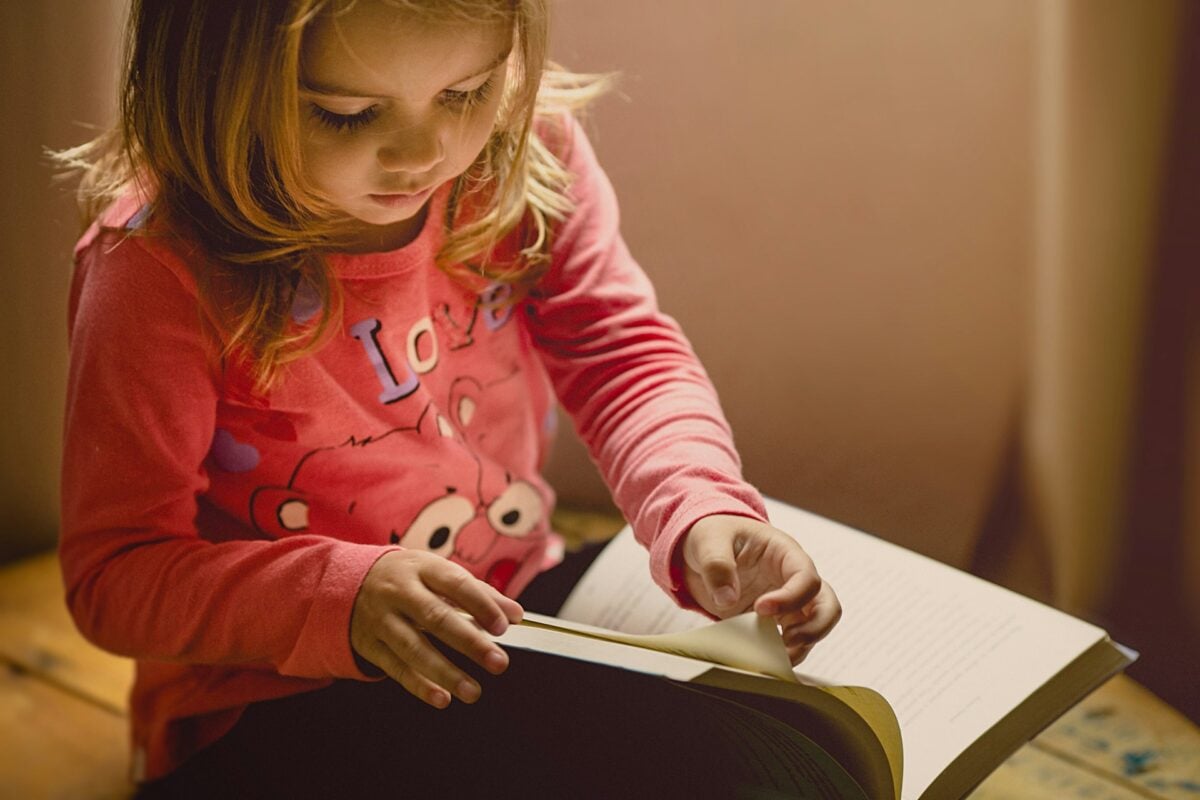
Maurice Sendak released this book in 1963, and parents weren’t sure what to think at first. The illustrations looked different from anything else on shelves.
Kids loved it immediately because Max felt real, not perfect. The book taught families that bedtime stories could be a little bit wild and still end with love and comfort.
Reading aloud became more theatrical in living rooms across America.
The Cat in the Hat
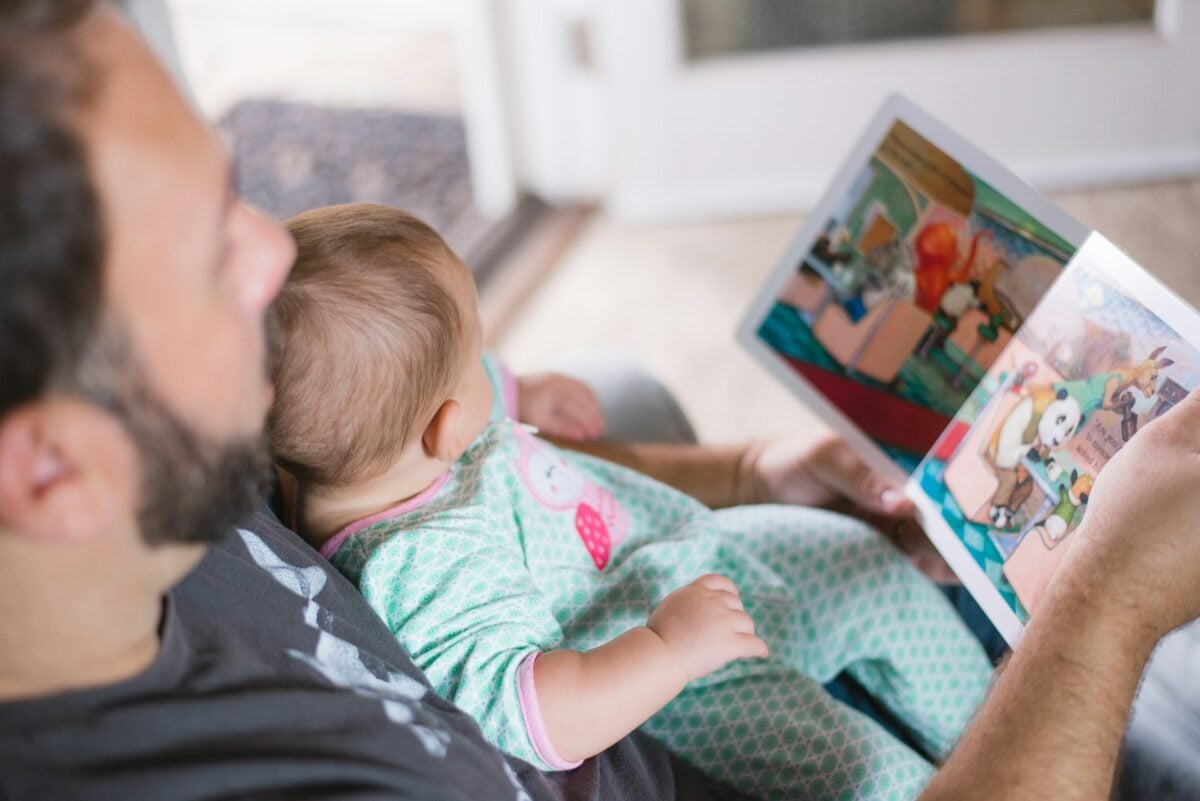
Dr. Seuss changed everything in 1957 with this troublemaking cat. Schools had been using boring books to teach kids how to read.
Then along came a story with rhythm and silly words that made learning fun. Teachers started reading it in classrooms and suddenly kids wanted to read on their own.
The book proved that education and entertainment could live together on the same page.
Like Go2Tutors’s content? Follow us on MSN.
Charlotte’s Web

E.B. White wrote about a spider and a pig in 1952, and it made children cry for the first time over a book. This wasn’t just a happy farm story.
It dealt with friendship, loss, and what it means to care about someone. Parents discovered they could use stories to help kids understand difficult feelings.
Reading became a way to prepare children for real life, not just entertain them.
Goodnight Moon
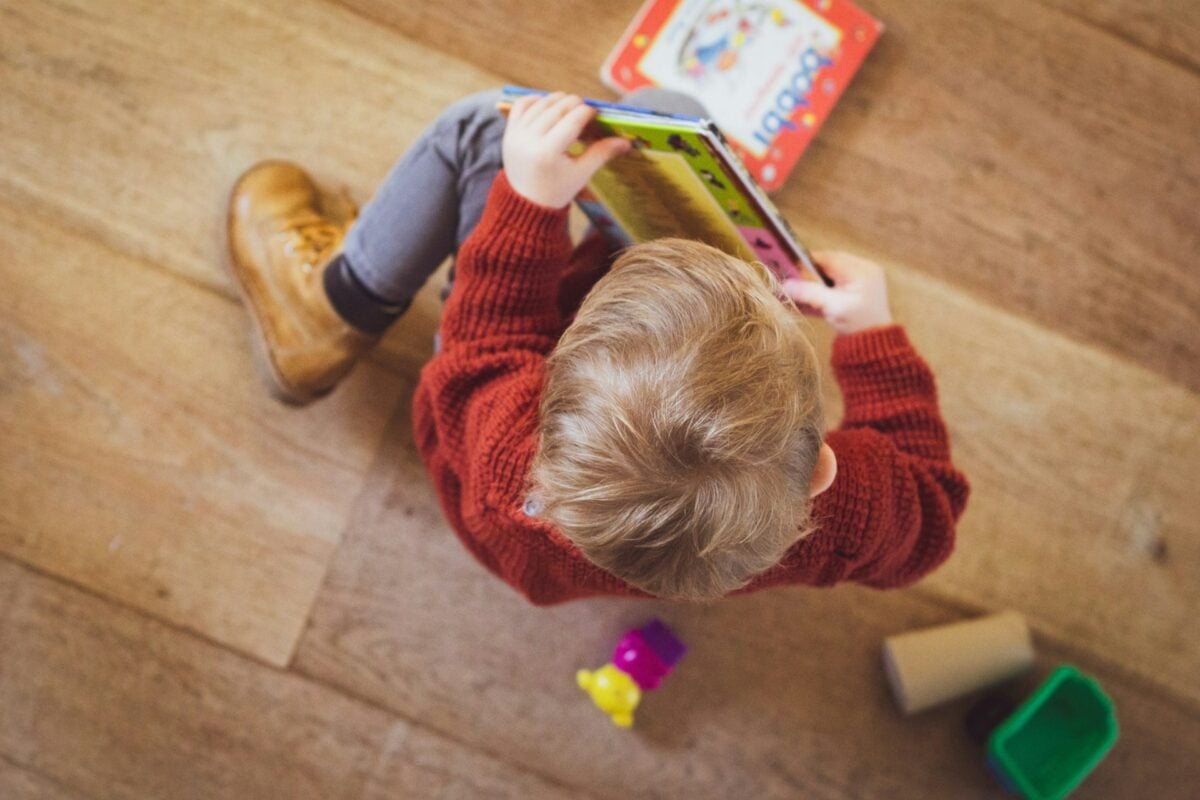
Margaret Wise Brown created the perfect bedtime book in 1947. The simple routine of saying goodnight to everything in a room felt natural to toddlers.
Parents found that reading it every night actually helped their kids fall asleep faster. This book single-handedly created the bedtime reading ritual that millions of families still follow.
The rhythm of the words became as soothing as a lullaby.
The Tale of Peter Rabbit

Beatrix Potter published this in 1902, and it became one of the first books designed specifically for small hands. The size made it feel like the book belonged to the child, not the parent.
Peter’s naughty behavior resonated with kids who also got into trouble sometimes. Families started buying books as gifts for children, turning reading into something special and personal.
The illustrations showed that pictures could tell just as much of the story as words.
Like Go2Tutors’s content? Follow us on MSN.
Are You My Mother?
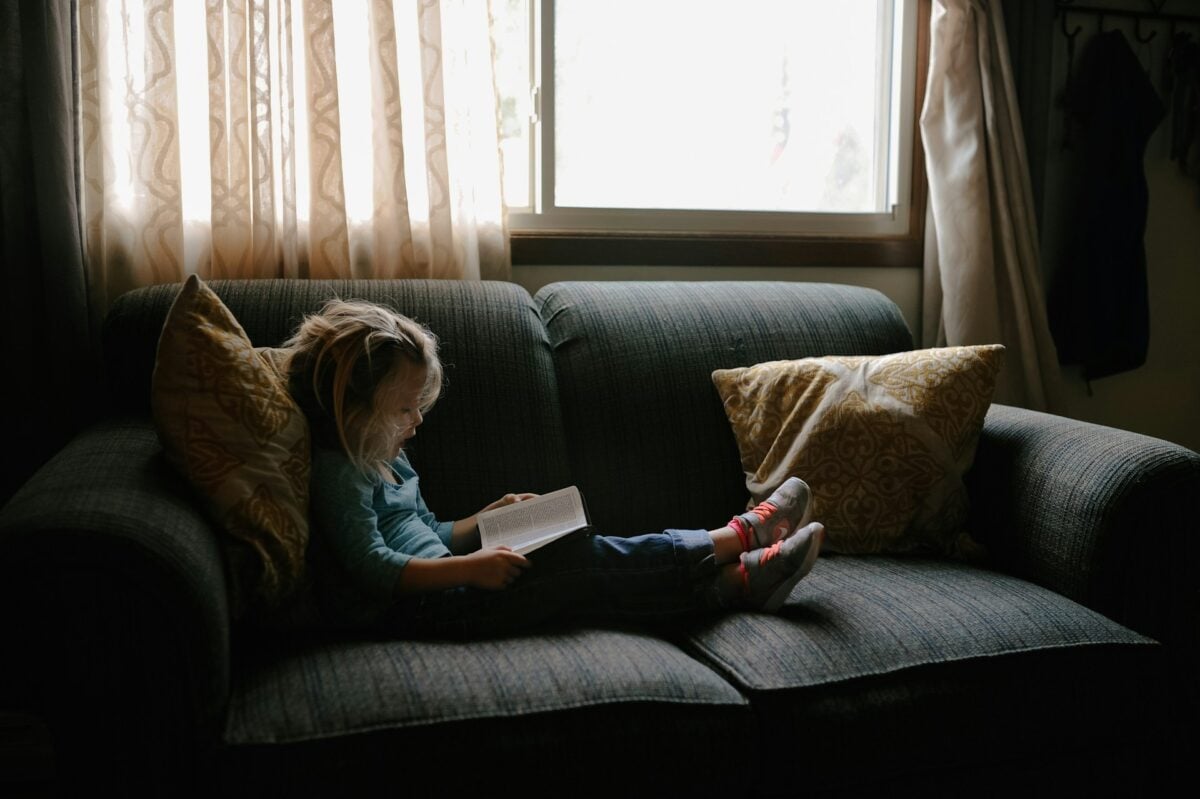
P.D. Eastman wrote this in 1960, and toddlers couldn’t get enough of the baby bird searching for his mom. The repetition helped young readers predict what came next.
Parents found that kids wanted to “read” it themselves after hearing it a few times. This built confidence in children who were just starting to recognize words.
The book proved that simple stories could be just as powerful as complex ones.
Curious George
H.A. Rey and Margret Rey introduced this monkey in 1941, and kids recognized themselves in his endless questions and mistakes. George never got punished too harshly, which felt refreshing to young readers.
The books showed that curiosity was something to celebrate, not squash. Families started seeing reading time as a chance to encourage their children’s natural wonder about the world.
The series format meant the fun didn’t have to end after one book.
The Velveteen Rabbit
Margery Williams published this tear-jerker in 1922 about a toy that wanted to become real. The concept of becoming real through being loved hit hard, even for adults reading to their kids.
This book taught families that children’s stories could carry deep meaning. Parents started choosing books more carefully, looking for messages worth sharing.
Reading became a way to pass down values without lecturing.
Like Go2Tutors’s content? Follow us on MSN.
Madeline
Ludwig Bemelmans created the fearless little girl in 1939, and she stood out for her bravery and independence. The rhyming text made it fun to read aloud with dramatic flair.
Girls especially loved having a character who wasn’t afraid of anything. The distinctive illustration style showed children that art could be unique and still beautiful.
Families learned that books could inspire confidence and courage in young readers.
Green Eggs and Ham

Dr. Seuss used only fifty words to create this entire story in 1960. It became a challenge for beginning readers to tackle on their own.
Kids felt proud when they could read every single word without help. Teachers used it to prove that you didn’t need fancy vocabulary to tell a good story.
The book made reading feel achievable instead of impossible for struggling students.
Winnie-the-Pooh
A.A. Milne brought these characters to life in 1926, and they felt like real friends. The Hundred Acre Wood became a place children visited in their imaginations every night.
Parents loved the gentle humor that worked on multiple levels. The book created a tradition of reading chapter by chapter, making story time last longer.
Families bonded over their favorite characters and quoted lines to each other during the day.
Like Go2Tutors’s content? Follow us on MSN.
The Little Engine That Could

Watty Piper published this励志tale in 1930, and the phrase “I think I can” entered everyday language. Parents used the book to encourage their children through difficult tasks.
The story taught persistence in a way that felt natural, not preachy. Kids started applying the lesson to everything from tying shoes to learning to ride bikes.
Reading became connected to building character and determination.
Harold and the Purple Crayon

Crockett Johnson created pure imagination on paper in 1955. Harold drew his own adventure, and kids realized they could do the same.
The book inspired children to pick up crayons and create their own stories. Parents saw reading and creativity merge into one activity.
This simple concept changed how families thought about the connection between books and art.
The Giving Tree

Shel Silverstein published this controversial story in 1964, and families argued about its meaning for decades. Some saw it as beautiful, others as troubling.
But everyone agreed it sparked important conversations about giving, taking, and relationships. Parents discovered that books could be starting points for difficult discussions.
Reading became more interactive as children asked questions and shared their interpretations.
Like Go2Tutors’s content? Follow us on MSN.
Make Way for Ducklings

Robert McCloskey won awards in 1941 for this tale of a duck family crossing Boston. The detailed illustrations showed real places that families could visit.
Kids learned that stories could be set in actual cities, not just fantasy lands.
From pages to lasting traditions
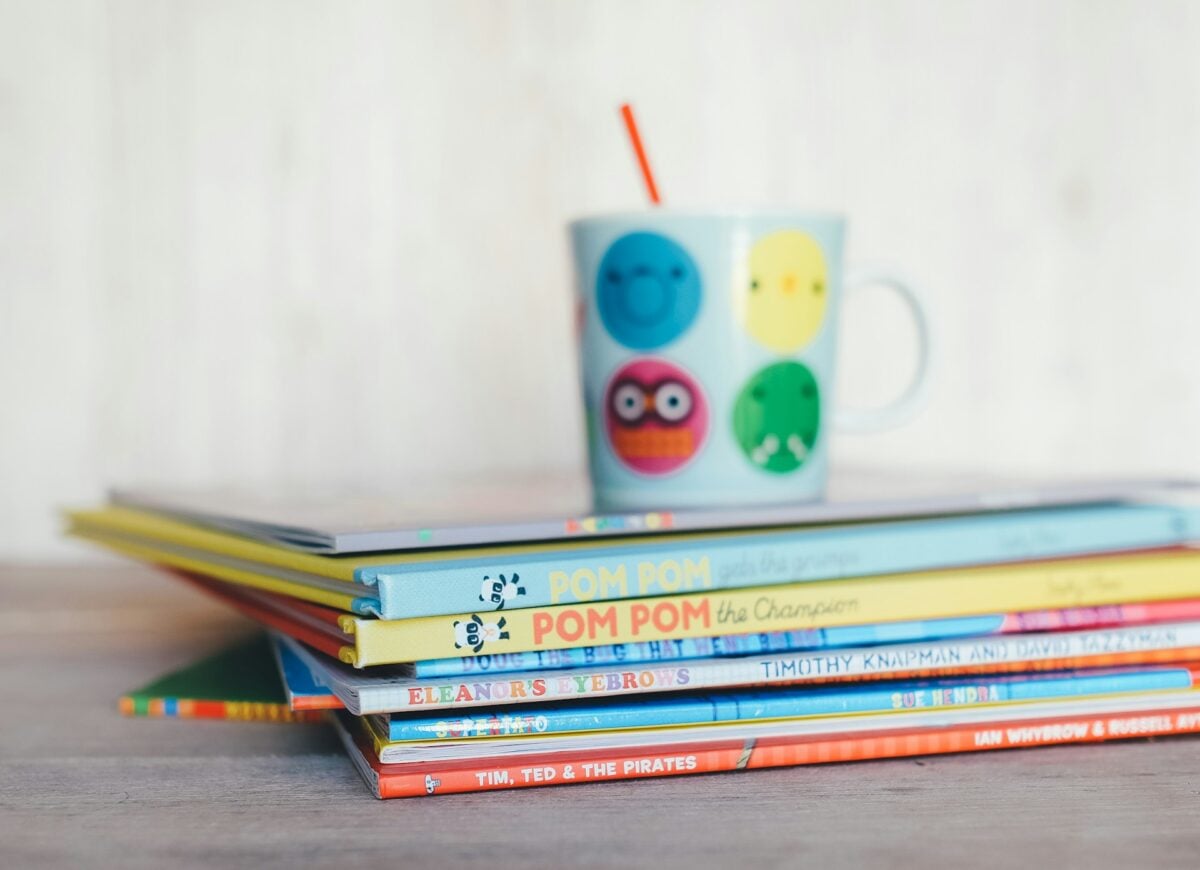
Those old books created rituals that stuck around long after the original readers grew up. Grandparents now read the same stories to grandchildren that their parents once read to them.
The worn covers and dog-eared pages carry memories across generations
More from Go2Tutors!

- 16 Historical Figures Who Were Nothing Like You Think
- 12 Things Sold in the 80s That Are Now Illegal
- 15 VHS Tapes That Could Be Worth Thousands
- 17 Historical “What Ifs” That Would Have Changed Everything
- 18 TV Shows That Vanished Without a Finale
Like Go2Tutors’s content? Follow us on MSN.