Once-Famous Places That Faded Into Obscurity
Locations that were once the center of attention have an eerie quality.
Landmarks that were featured on postcards sent home with excitement, towns that attracted thousands of tourists, and resorts where celebrities congregated.
After their brief moment in the spotlight, they quietly faded into the background of memory for both predictable and peculiar reasons.
A few of them turned into abandoned towns.
Others are still in existence in theory, but they are burdened by their former renown like an old coat that no longer fits.
Their decline can be attributed to a wide range of factors, including changes in what people find exciting, environmental disasters, and economic collapse.
The uncanny sense of abandonment—the sense that time passed and they were left behind—is what unites them.
Here’s a closer look at some of these forgotten landmarks and what happened when the crowds stopped coming.
The Salton Sea
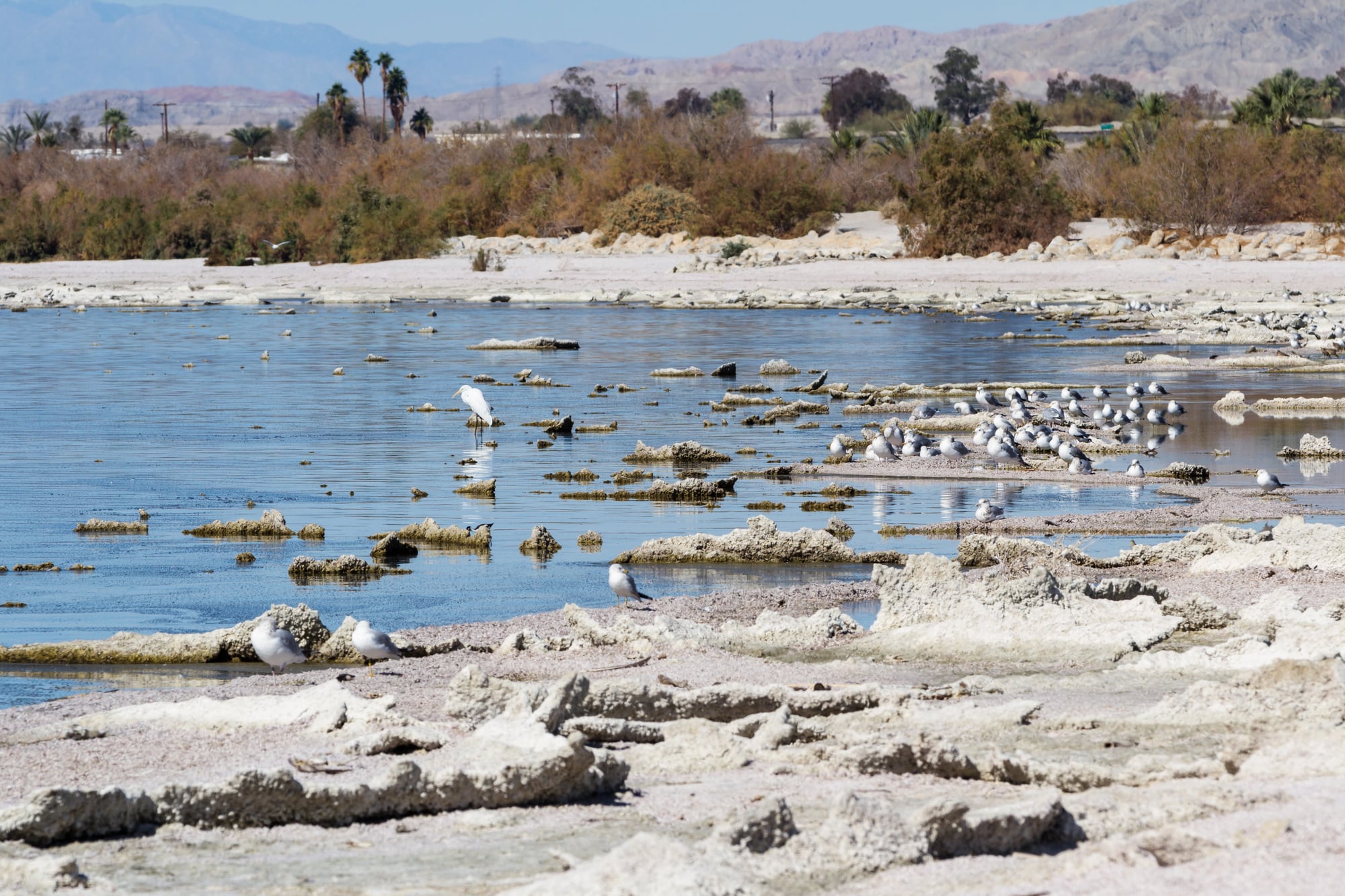
California’s Salton Sea was never supposed to exist in the first place.
Created accidentally when the Colorado River breached an irrigation canal and flooded the Salton Basin from 1905 to 1907, this massive inland body of water quickly became a desert oasis.
By the 1950s and 60s, it had transformed into a genuine resort destination, drawing Hollywood stars and wealthy tourists to its shores.
Yacht clubs sprouted up.
Speedboat races attracted spectators.
For a brief, shining period, the Salton Sea was being compared to the French Riviera, which seems almost impossible to believe now.
The decline came from multiple directions at once.
Agricultural runoff steadily increased the water’s salinity, eventually exceeding that of the Pacific Ocean.
Fish began dying in massive numbers, their carcasses piling up on beaches and creating an overwhelming stench.
The lack of any outlet meant that pollutants and chemicals simply accumulated, turning the water increasingly toxic.
As the sea began to shrink due to reduced water inflow, the exposed lakebed released toxic dust into the air, creating serious health hazards for nearby communities.
The resorts closed one by one, and the yacht clubs fell silent.
Today, the area is a surreal landscape of abandoned buildings and beached boats, a testament to how quickly paradise can turn into something else entirely.
Centralia, Pennsylvania

Few American towns can claim to have been destroyed by an underground fire that’s still burning after more than 60 years.
Centralia was a typical Pennsylvania mining town, home to around 1,400 people in its heyday, sustained by the anthracite coal deposits beneath its streets.
The exact cause of the fire remains debated, but most accounts trace it back to May 27, 1962, when the town’s practice of burning garbage in an abandoned mine pit apparently ignited a coal seam.
What seemed like a manageable problem turned into an unstoppable subterranean inferno.
The fire spread through the maze of old mine tunnels beneath the town, releasing carbon monoxide and causing the ground to collapse unpredictably.
Temperatures in some areas reached over 900 degrees.
Sinkholes opened up without warning.
In 1981, a 12-year-old boy named Todd Domboski nearly died when a sinkhole four feet wide and 150 feet deep suddenly appeared beneath his feet.
The federal government eventually stepped in with relocation funds, and most residents accepted buyouts and left.
The state seized the property through eminent domain in 1992, and the ZIP code was revoked in 2002.
Today, only a handful of residents remain, stubbornly clinging to their homes despite the smoke still rising from cracks in the earth.
The town’s former main street, parts of which are now overtaken by graffiti-covered sections of abandoned Route 61, has become an unlikely tourist attraction for those drawn to apocalyptic landscapes.
Bodie, California
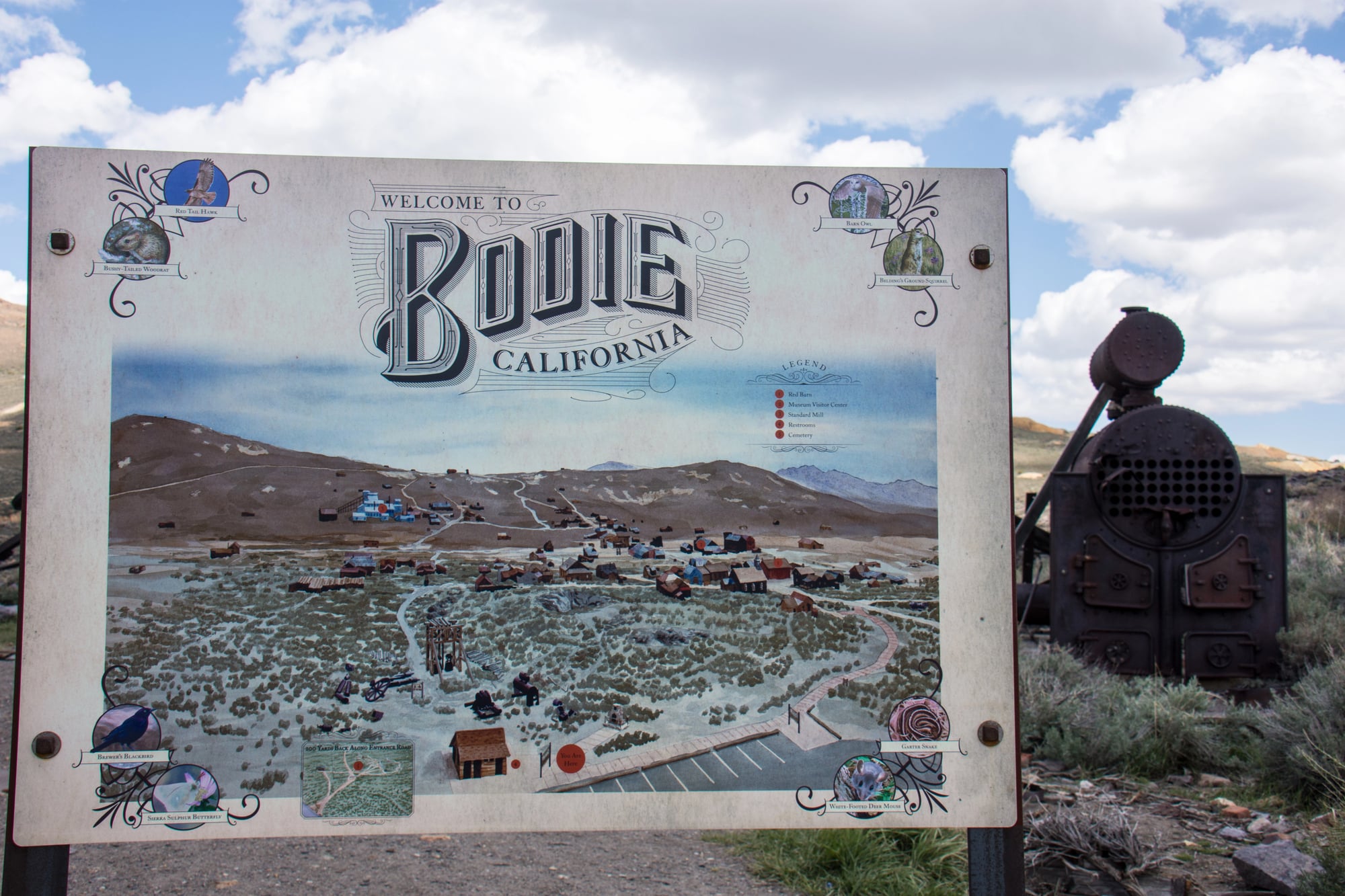
Unlike most entries on this list, Bodie’s obscurity is now actually part of its appeal.
This gold-mining town in the eastern Sierra Nevada boomed spectacularly in the late 1870s, growing from a small camp to a city of nearly 10,000 people almost overnight.
At its peak, Bodie had about 65 saloons lining its streets, along with numerous gambling halls, dance houses, and breweries.
The town had a reputation for lawlessness that matched any Wild West stereotype.
Shootouts were common enough that the phrase ‘Bad Man from Bodie’ entered the local lexicon.
The gold didn’t last forever, and neither did Bodie’s prosperity.
Production declined through the 1880s, and a devastating fire in 1892 destroyed much of the business district.
A second major fire in 1932 sealed the town’s fate, burning down about 90 percent of what remained.
The few holdouts gradually departed, and by 1942, Bodie was completely abandoned.
What saved it from total disappearance was its remoteness and high elevation, which discouraged scavengers and vandals.
In 1962, it became a state historic park, preserved in a state of ‘arrested decay.’
Walking through Bodie today feels like stepping into a time capsule, with buildings still containing furniture, goods on store shelves, and personal items left behind.
It’s famous again, but as a museum of abandonment rather than a living town.
Prypiat, Ukraine
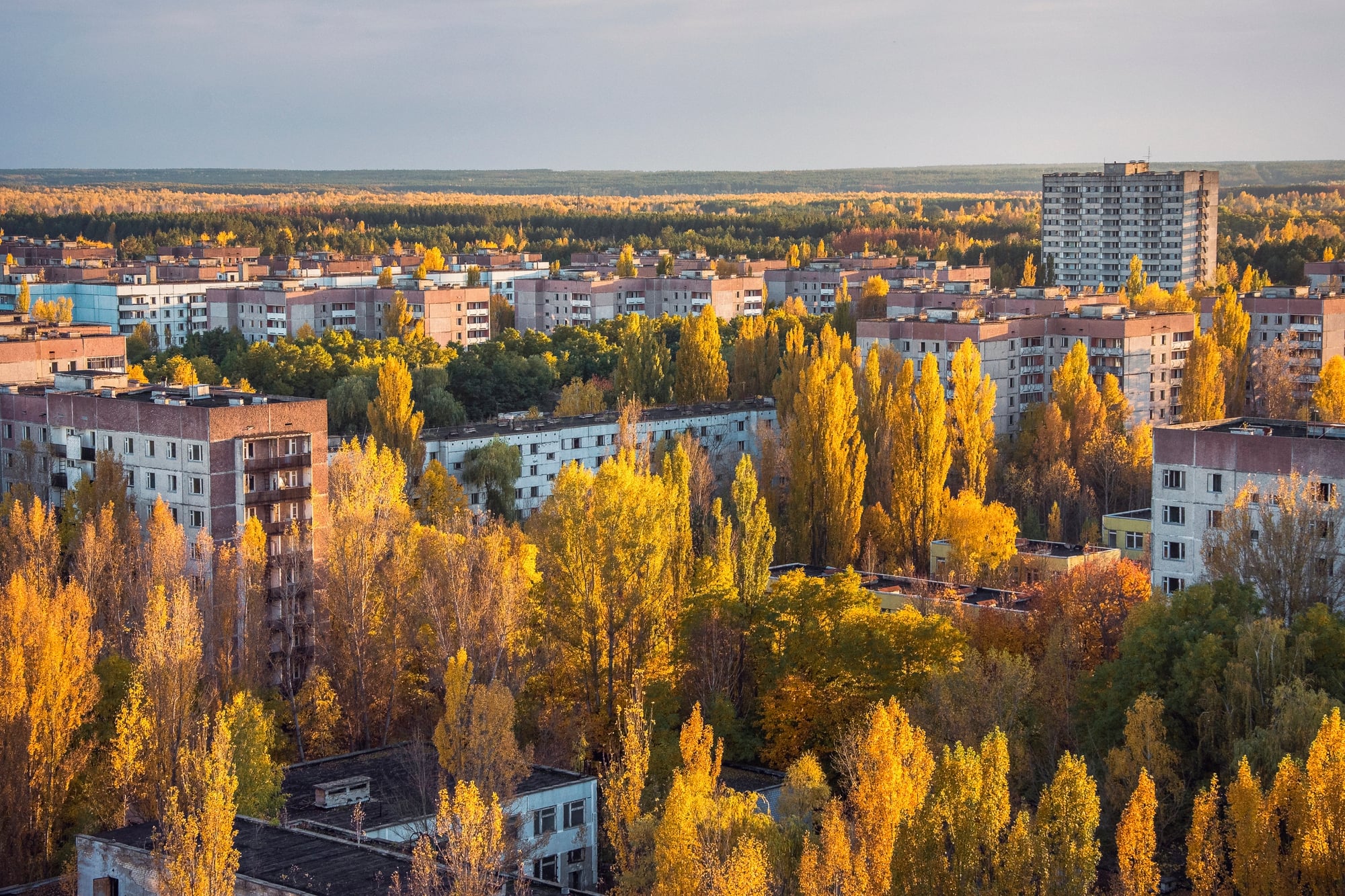
Before April 26, 1986, Prypiat was a model Soviet city, home to nearly 50,000 people who worked at or supported the nearby Chernobyl Nuclear Power Plant.
Built in 1970, the city boasted amenities that were luxurious by Soviet standards: an amusement park, cultural center, swimming pools, and even a hospital equipped with some of the most advanced medical technology available.
The population skewed young, with an average age of 26, giving the city an energetic, optimistic atmosphere.
Prypiat represented the Soviet Union’s technological future.
That future ended in 36 hours.
Following the catastrophic reactor explosion at Chernobyl, authorities evacuated the entire city on April 27, telling residents they would return within a few days.
They never did.
The city remains abandoned, frozen in time, its buildings slowly being reclaimed by nature.
The famous Ferris wheel in the amusement park, which had been scheduled to open on May 1, 1986, for the May Day celebrations, never officially opened to the public and has become an iconic symbol of the disaster.
Radiation levels have decreased enough that guided tours now operate in the exclusion zone, allowing visitors to walk through empty schools with textbooks still on desks and hospitals with rusting equipment in hallways.
The site has gained a strange second life as a dark tourism destination, drawing those fascinated by catastrophe and abandonment.
Video games and television shows have helped cement its place in popular culture, making Prypiat simultaneously forgotten as a real place and famous as a symbol.
Hashima Island, Japan
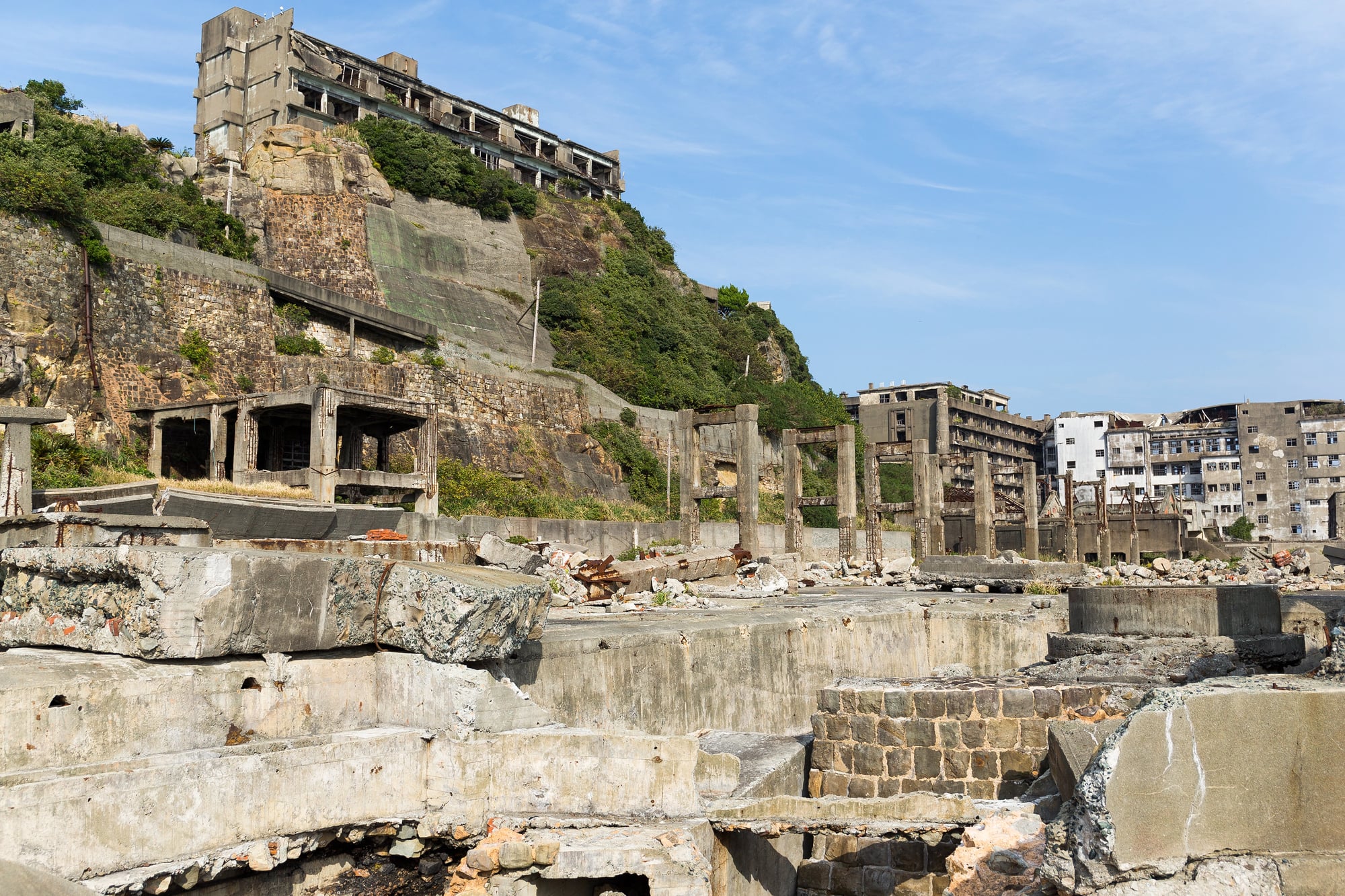
From a distance, Hashima Island looks like a battleship floating off the coast of Nagasaki, which earned it the nickname Gunkanjima or ‘Battleship Island.’
Up close, it reveals itself as something far stranger: a tiny island packed with concrete apartment blocks and industrial structures, all built to house workers mining coal from undersea deposits.
At its peak in 1959, Hashima was the most densely populated place on Earth, with 5,259 people crammed into just 16 acres.
The island had everything a small city needed: schools, shops, temples, hospitals, even a cinema and rooftop gardens.
The coal ran out, as coal always does.
When petroleum replaced coal as Japan’s primary energy source in the 1960s, Hashima’s purpose evaporated.
Mitsubishi officially closed the mine in January 1974, and within months the island was completely deserted.
For decades it remained off-limits, slowly crumbling under the assault of typhoons and salt air.
The Japanese government finally opened portions of the island to tourists in 2009, and it gained UNESCO World Heritage status in 2015, though that designation proved controversial due to the island’s history of forced labor during World War II, when Korean and Chinese workers were compelled to work in brutal conditions in the undersea mines.
Today, visitors can walk a small section of the island on guided tours, viewing the densely packed ruins of concrete buildings that nature is slowly tearing apart.
The place appeared in the James Bond film ‘Skyfall,’ introducing its eerie landscape to a global audience, but few of those viewers likely understood they were looking at what was once the world’s most crowded community.
Glenrio, Texas and New Mexico

Glenrio existed solely because of Route 66.
Straddling the border between Texas and New Mexico, this tiny town served travelers on America’s most famous highway, offering gas stations, motels, and diners to the steady stream of cars heading west.
During Route 66’s golden age from the 1930s through the 1950s, Glenrio was a reliable stopping point, one of many small communities sustained entirely by automobile tourism.
The town’s name, a portmanteau combining ‘glen’ and ‘rio,’ reflected the optimistic spirit of the highway era, when new roads seemed to promise endless possibilities.
Interstate 40 killed Glenrio, as it killed dozens of similar Route 66 towns.
The new highway bypassed the town completely in 1975, routing traffic miles to the north.
Without the steady flow of travelers, Glenrio’s businesses closed almost immediately.
The gas pumps went dry, the neon signs went dark, and the motels locked their doors.
By 1980, the population had dwindled to two people.
Today, the town is a collection of abandoned buildings slowly succumbing to the harsh Texas-New Mexico climate.
The old Texaco station, the First Motel/Last Motel (depending on which direction you were traveling), and other structures remain as monuments to a particular moment in American culture.
Despite its abandonment, the town was added to the National Register of Historic Places in 2007, recognizing its significance to Route 66 history.
Route 66 enthusiasts still make pilgrimages to places like Glenrio, drawn by nostalgia for an era of road trips and motor courts.
The town is famous among a very specific crowd, but for everyone else, it’s just another cluster of ruins beside an old road that no one uses anymore.
The Lasting Echo
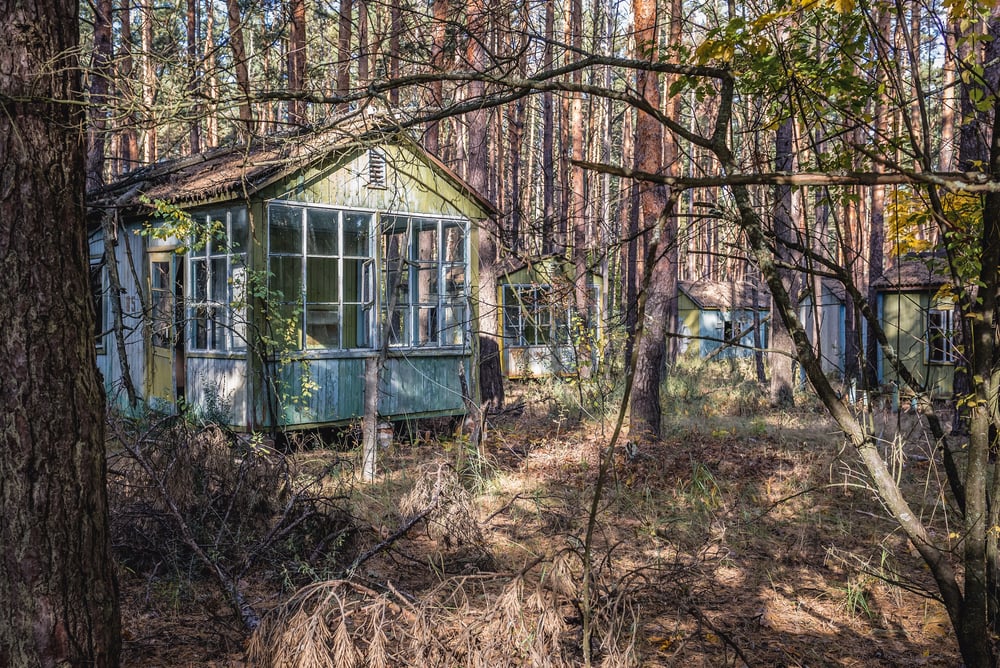
These locations have more in common than their decline.
They stand for times when advancement—or what appeared to be advancement at the time—suddenly veered off course, leaving some places stranded.
Even the most ambitious attempts to alter nature can have disastrous results, as the Salton Sea serves as a reminder.
Centralia shows that, despite our best efforts, some issues are simply unavoidable.
The American West’s ghost towns illustrate what happens when a town’s resources run out and its purpose just vanishes.
These locations are compelling not only because they are abandoned but also because of how quickly they fall.
Within a generation, and occasionally in a matter of years, the majority went from flourishing to empty.
They act as unsettling reminders that the places we take for granted may not be permanent and that notoriety and significance are more brittle than we would like to think.
More from Go2Tutors!

- The Romanov Crown Jewels and Their Tragic Fate
- 17 Halloween Costumes Once Considered Taboo
- Famous Hoaxes That Fooled the World for Years
- 15 Child Stars with Tragic Adult Lives
- 16 Famous Jewelry Pieces in History
Like Go2Tutors’s content? Follow us on MSN.