Beloved 80s Cartoons That Are Bizarre Now
If you grew up in the 80s, Saturday morning cartoons were basically sacred. You’d wake up at dawn, pour yourself a bowl of sugary cereal, and park yourself in front of the TV for hours of animated glory.
But here’s the thing—if you go back and watch these shows now, a lot of them are absolutely unhinged. The premises make no sense, the animation is questionable, and the “lessons” are sometimes more disturbing than educational.
Let’s dive into some of the most beloved cartoons from that era that feel completely bizarre when you watch them through adult eyes.
He-Man and the Masters of the Universe
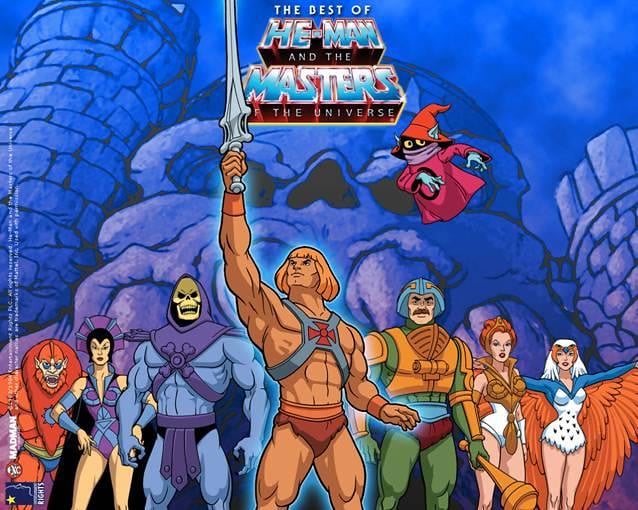
This show was basically a toy commercial disguised as entertainment (and honestly, most 80s cartoons were). The premise: a prince named Adam lives on a planet called Eternia and transforms into He-Man, the most powerful man in the universe, by holding up a magic sword and shouting.
His main enemy is Skeletor, a literal skeleton-faced villain who lives in Snake Mountain. The whole thing was designed to sell action figures, and it worked.
What’s truly bizarre is how everyone pretends they don’t know He-Man is Prince Adam. He literally just gets a tan and changes his outfit.
It’s the Clark Kent problem but somehow even more obvious. And why does he ride a giant green tiger? Nobody questions this.
The Smurfs
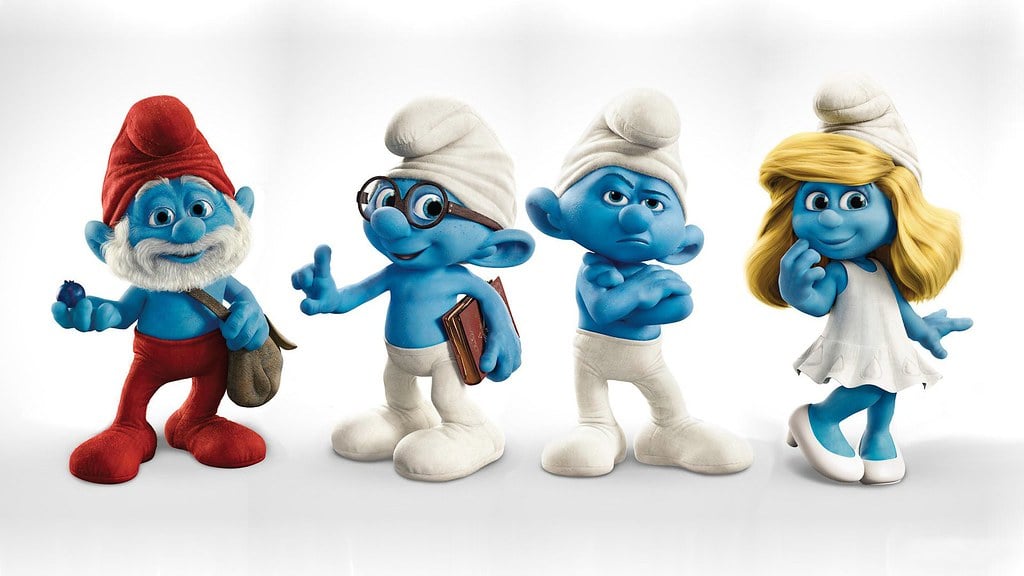
Tiny blue creatures living in mushroom houses in a forest, all named after their dominant personality trait. One female smurf for like 99 male smurfs (until Sassette showed up later).
They’re hunted by an evil wizard named Gargamel who wants to eat them or turn them into gold or something—his motivation changes constantly. The gender ratio alone is deeply weird when you think about it now.
And Papa Smurf was giving serious cult leader vibes, let’s be honest. Plus they’re like three apples high? What does that even mean as a measurement system?
Jem and the Holograms
A woman named Jerrica Benton inherits a company and uses holographic technology (created by her dead father) to transform into Jem, a pink-haired rock star. She keeps this secret from her boyfriend Rio, who then develops feelings for Jem, not realizing she’s also Jerrica.
So he’s essentially cheating on his girlfriend with his girlfriend. The show was trying to sell dolls and cassette tapes, but the psychological implications are wild.
Rio is basically in love with two versions of the same person and nobody addresses how messed up that is. Also, the Misfits (the rival band) were honestly more interesting than Jem’s group, but they were framed as villains just for being competitive.
The early songs were bangers though.
ThunderCats
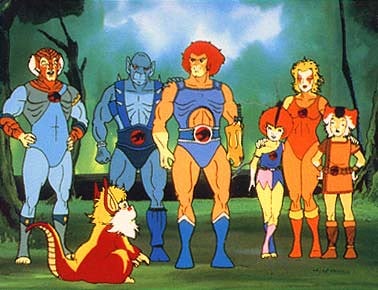
Humanoid cat aliens escape their dying planet and crash-land on “Third Earth” where they fight mummies, mutants, and an ancient devil priest named Mumm-Ra. The leader, Lion-O, is physically aged to adulthood during the journey but mentally still a kid.
So you’ve got what looks like a grown man with the mind of a child leading a team and making life-or-death decisions. That setup is ethically questionable at best.
And Snarf, the annoying sidekick creature, was nightmare fuel with his weird voice and anxious personality. The Sword of Omens could “see beyond what is visible,” which was never properly explained, and the “ThunderCats, ho!” battle cry has not aged well.
G.I. Joe: A Real American Hero
A cartoon about an anti-terrorist military unit fighting an evil organization called Cobra that wants to take over the world. Cobra’s leader literally wears a hood and is named Cobra Commander.
Their plans ranged from stealing weather-control devices to brainwashing people with subliminal messages in TV shows (meta, honestly). The bizarre part? Nobody ever died.
Pilots would eject from exploding planes at the last second, every single time. The show was basically military propaganda for children, complete with PSAs at the end where the characters taught kids about safety and “knowing is half the battle.”
The other half was presumably buying the toys.
Care Bears
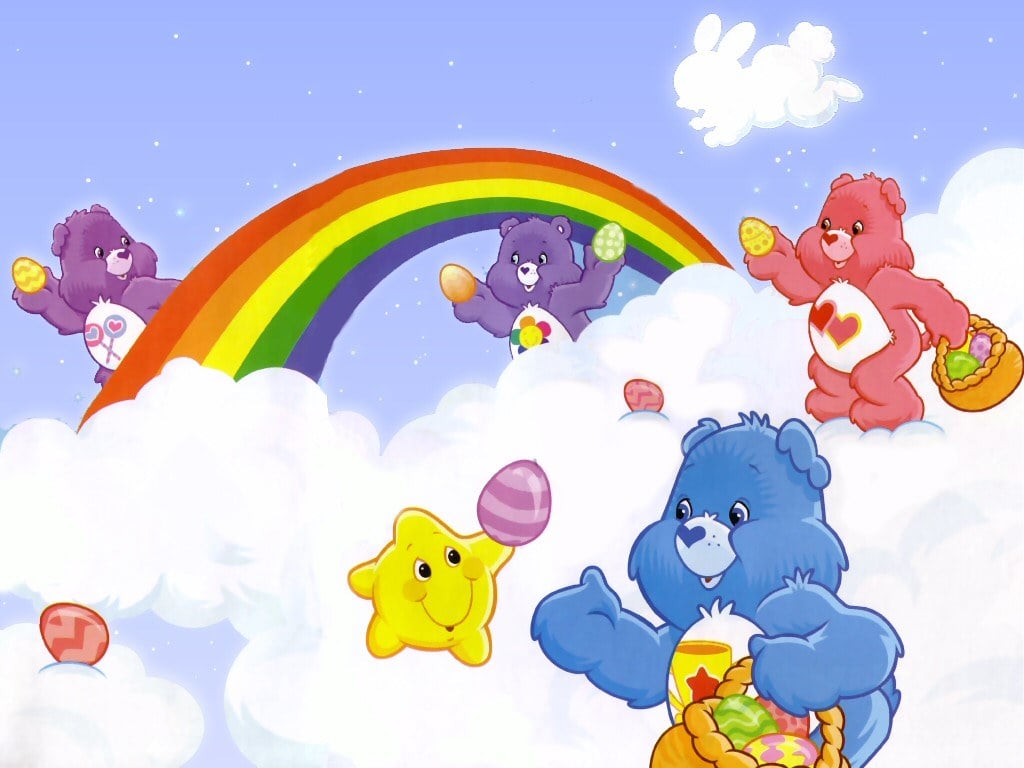
Bears that live in the clouds and shoot feelings out of their stomachs to solve problems. Each bear has a symbol on their belly that represents their personality—there’s a bear for literally every emotion and situation.
Their main enemy was a lonely magician who just wanted friends but kept being mean about it. Looking back, the whole concept is unsettling.
They’re surveillance bears watching Earth from above, judging people’s emotions, and then intervening by blasting them with care beams. It’s like an authoritarian emotion police state but it makes it cute.
And why do they live in clouds? Do they need to breathe? (These questions were never answered.)
Teenage Mutant Ninja Turtles
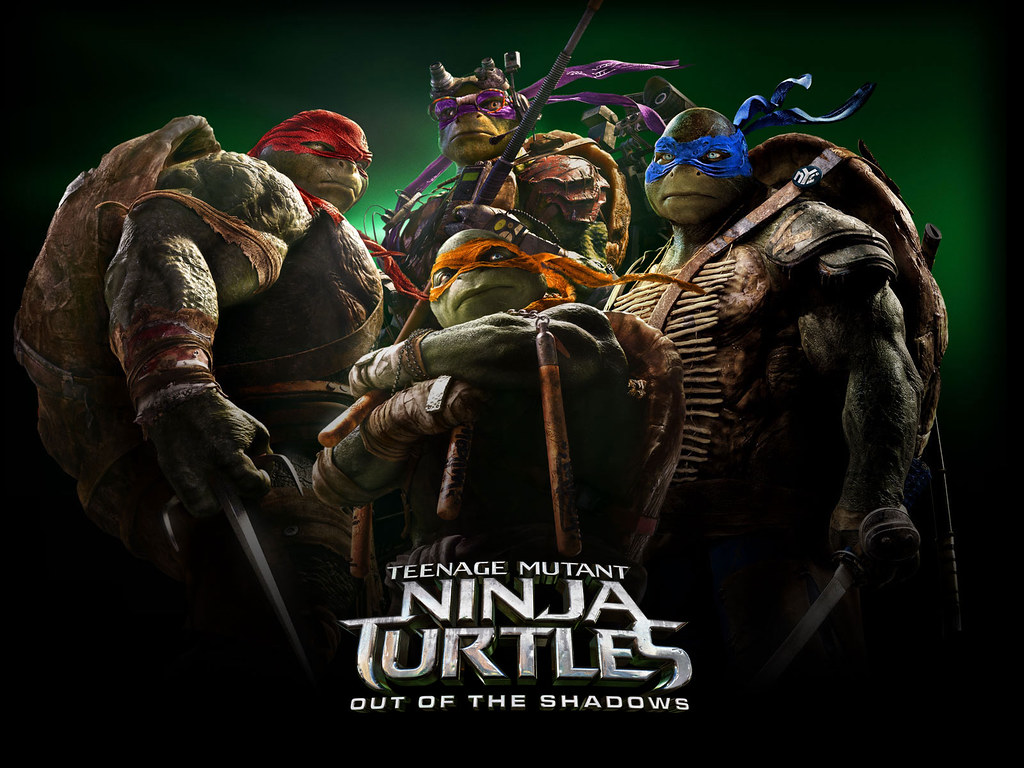
Four turtles get mutated by radioactive ooze, are raised by a rat who learned ninjutsu by watching his owner, live in the sewers of New York, eat pizza constantly, and fight crime against a ninja clan led by a brain alien named Krang who lives in the stomach of a guy in armor. When you write it out like that, it sounds like someone was making up a story on the spot and just kept adding random elements.
But it worked. The show was massive. Michelangelo’s surfer dude personality, the obsession with pizza, Shredder’s incompetence despite being a supposed master villain—it was all gloriously absurd.
And April O’Neil was just a reporter who somehow became best friends with mutant turtles and accepted this as her life now.
Rainbow Brite
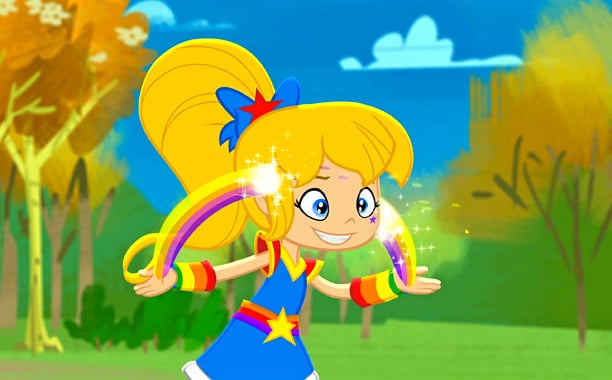
A girl brought to a colorless world becomes Rainbow Brite and must bring color back to the universe with the help of Color Kids and Sprites. She rides a white horse named Starlite and fights the King of Shadows who wants to keep everything dark and gloomy.
The premise is essentially color theory as a children’s show, which is actually kind of bold. But the execution was weird—the Sprites were forced labor basically, mining Color Crystals in caves, and Rainbow Brite was their overseer who occasionally gave them attention.
The capitalist undertones were probably not intentional, but they’re there if you look. Plus, why did she have so many outfit changes?
The show was definitely designed to sell multiple dolls.
DuckTales
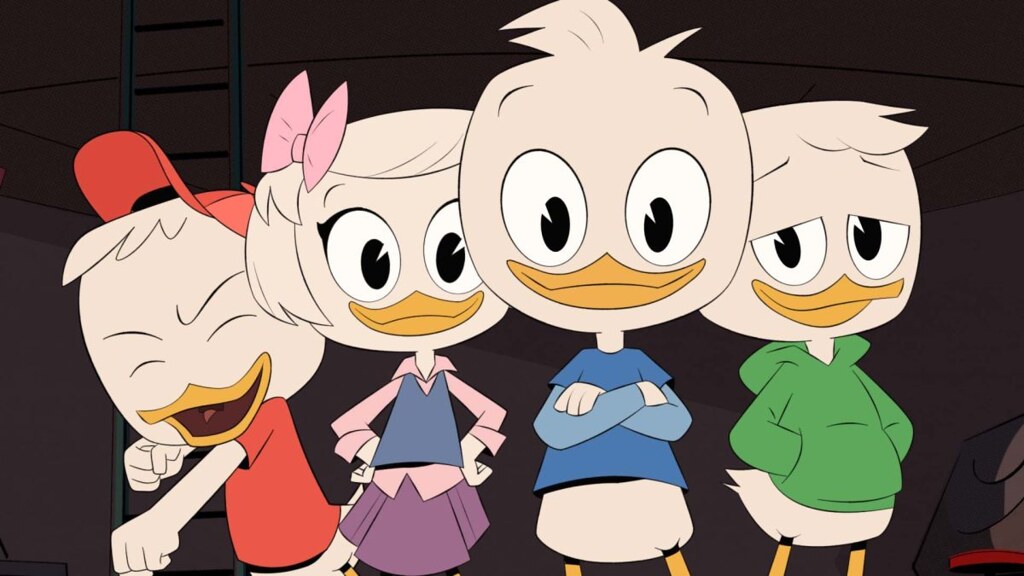
Scrooge McDuck, the richest duck in the world, becomes the guardian of his three identical nephews (Huey, Dewey, and Louie) and takes them on treasure-hunting adventures. He has a giant money bin where he literally swims in gold coins, which would actually be incredibly painful and probably break your neck, but physics don’t apply in Duckburg.
The show was genuinely entertaining and had great storytelling. But the casual acceptance of extreme wealth inequality was baked into every episode.
Scrooge’s primary character trait was being obscenely rich and obsessed with getting richer. And where were the boys’ parents?
The show never explained why Donald Duck just dumped his nephews with his uncle and vanished (he was in the Navy apparently, but still).
Inspector Gadget
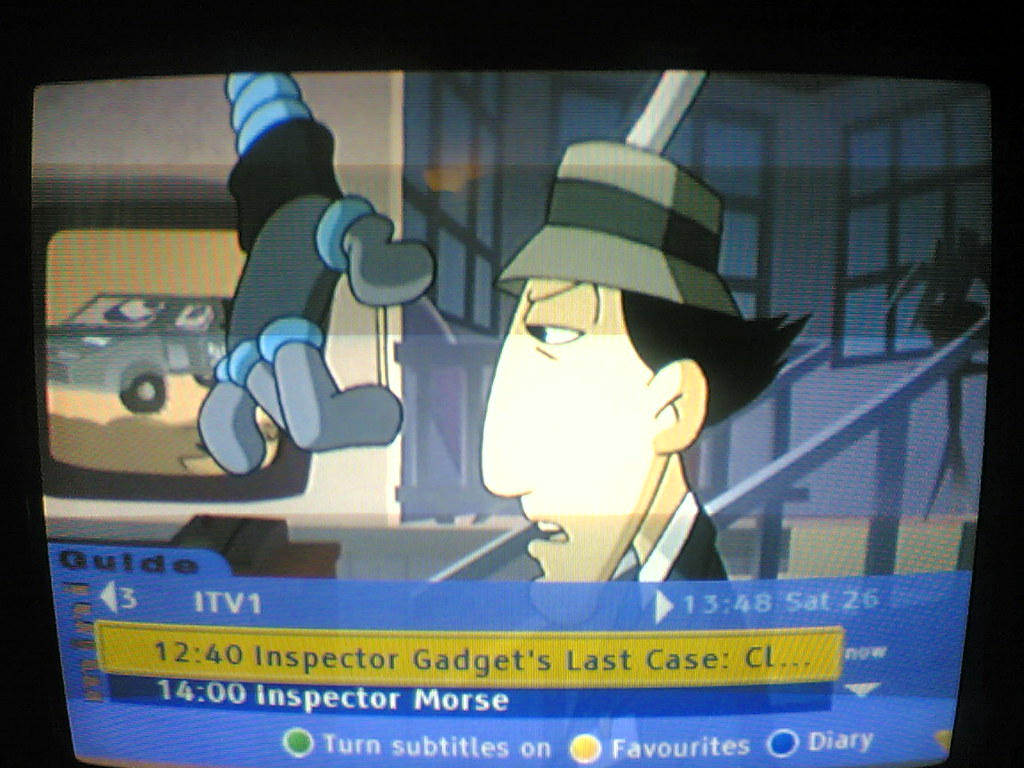
A detective with countless gadgets built into his body is completely incompetent and solves crimes by accident while his niece Penny and dog Brain do the actual detective work. He’s up against Dr. Claw, a villain whose face you never see.
The whole setup is bizarre because Gadget is terrible at his job. Penny is clearly the capable one, but she has to operate in secret and let her uncle take credit.
It’s a weird commentary on adult incompetence and how children often have to fix their elders’ mistakes (which, to be fair, is somewhat realistic). Also, Gadget’s boss Chief Quimby gives him assignments via self-destructing notes, which seems like an unnecessarily complicated system.
Voltron: Defender of the Universe
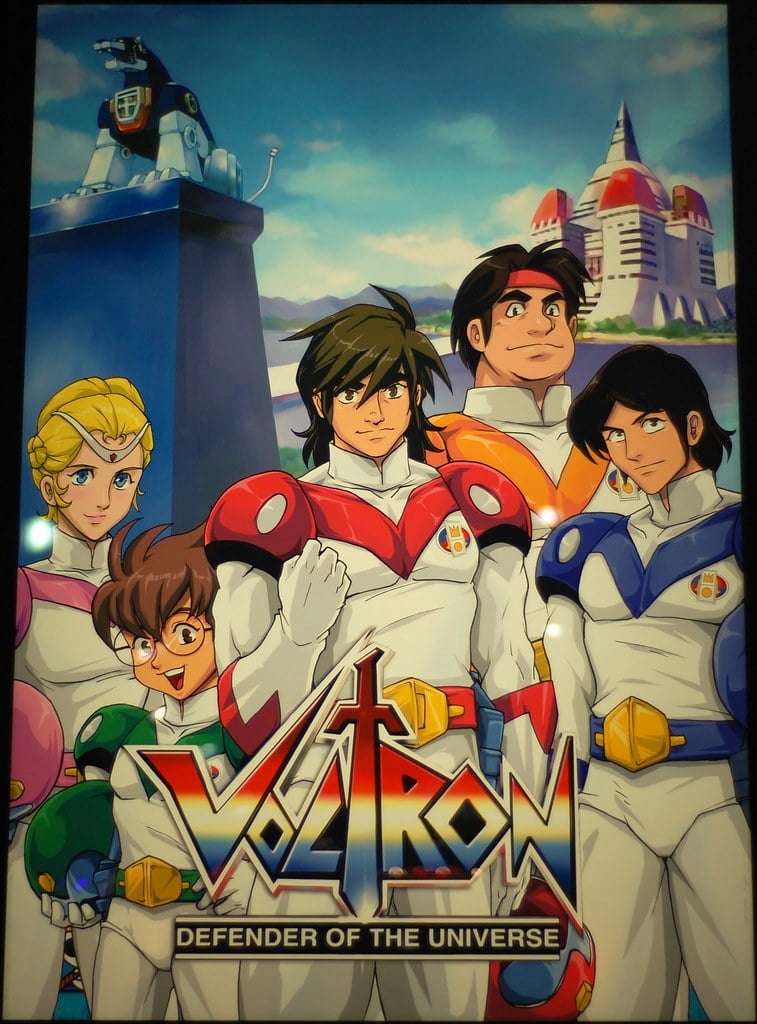
Five pilots fly robot lions that combine into a giant robot named Voltron to fight against the Drule Empire (and later, different enemies depending on which version you watched). The lions are color-coded, and they always form Voltron the exact same way, which you’d think the villains would develop a strategy around after like the third battle.
The bizarre part is the whole show was heavily edited from a Japanese anime and the plot often made no sense because they cut out major story elements to make it “appropriate” for American children. Characters would reference events that never happened in the US version.
And why did they always wait so long to form Voltron? Just form Voltron immediately and save everyone the trouble.
My Little Pony (Original Series)
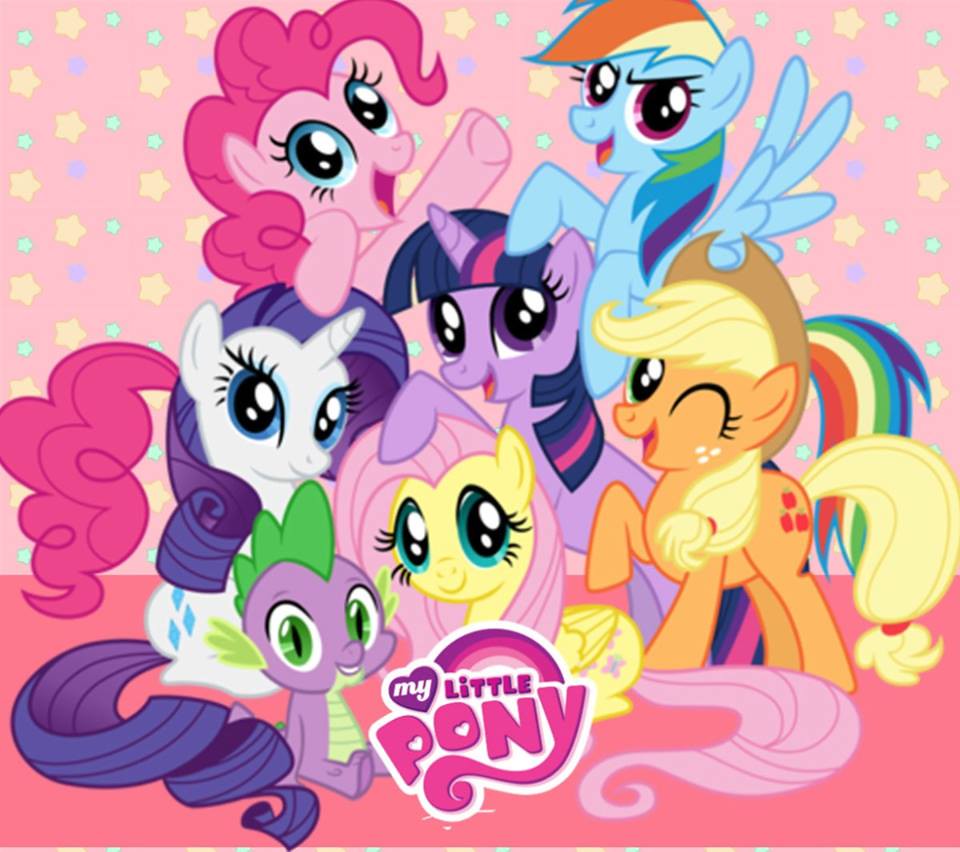
Magical ponies living in Dream Valley fight witches, monsters, and various villains who want to steal their magic or turn them into dragons or whatever the threat of the week happened to be. The ponies each had symbols on their flanks (cutie marks) and special abilities, and they primarily dealt with problems by being nice and working together.
What’s weird looking back is how dark some episodes got. There was literal slavery, apocalyptic scenarios, and body horror transformations that were genuinely disturbing.
The Smooze, a sentient purple ooze that consumed everything, was nightmare fuel. The show was basically “friendship solves everything” meets genuinely dark fantasy plots, and the tonal whiplash was real.
She-Ra: Princess of Power
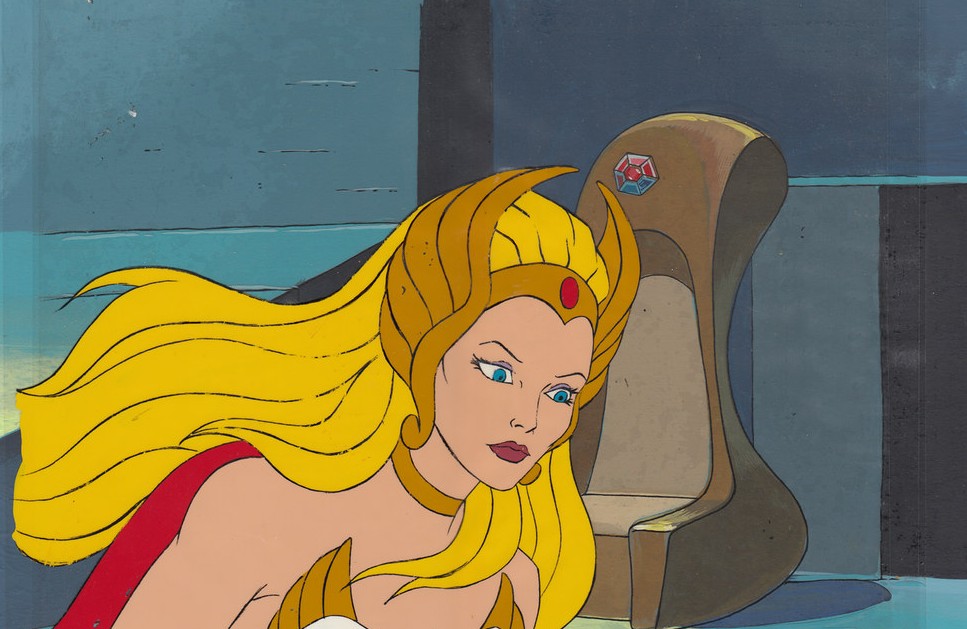
He-Man’s twin sister Adora was kidnapped as a baby, raised by the evil Horde, then discovers her true identity and becomes She-Ra. She leads a rebellion against the Horde with a group called the Great Rebellion.
Her sword transforms her and also turns her horse into a winged unicorn named Swift Wind who can talk. The show was essentially He-Man but “for girls” (which was how it was marketed), and the gender dynamics were odd.
She-Ra was powerful, but the show still found ways to make her storylines more relationship-focused compared to He-Man’s action-heavy plots. And the fact that she was raised by villains who constantly tried to manipulate her should have required way more therapy than the show addressed.
Also, Swift Wind was kind of annoying—not every horse needs to talk.
Captain Planet and the Planeteers
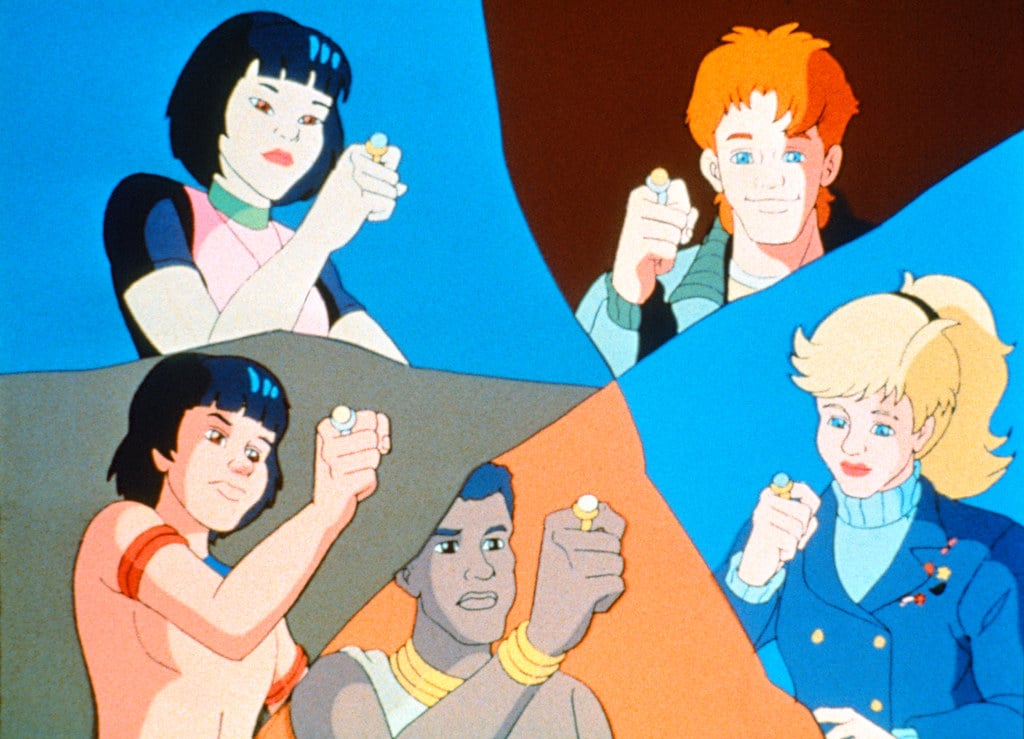
Five teenagers from different continents are given magic rings by Gaia, the spirit of Earth, to fight environmental destruction. When combined, their rings summon Captain Planet, a blue superhero with green hair who speaks in environmental puns and beats up polluters.
The show’s heart was in the right place, but the execution was heavy-handed. The villains were comically evil—like, one guy’s whole personality was loving pollution and destruction for no reason.
Real environmental issues are complex, but Captain Planet made it seem like the only problem was cartoon villains dumping toxic waste for fun. Also, why didn’t the Planeteers just keep Captain Planet summoned all the time?
They’d split up to handle small problems when they could’ve just called him immediately.
Why They Worked Despite Being Absolutely Bonkers

These shows were products of their time—a Wild West era of children’s television where toy companies basically funded entire series to sell products, and networks had minimal oversight compared to today. The animation was often outsourced and rushed, the writing was secondary to selling merchandise, and educational content was tacked on to satisfy FCC regulations (thanks, PSAs that taught us not to talk to strangers or do drugs).
But there was something magic about them anyway. Maybe it was the creativity that came from not overthinking things, or maybe we just didn’t know any better as kids.
Either way, these bizarre cartoons shaped a generation and remain beloved despite (or because of) their complete absurdity. You can stream most of them now, and honestly? They’re even weirder than you remember.
More from Go2Tutors!

- The Romanov Crown Jewels and Their Tragic Fate
- 13 Historical Mysteries That Science Still Can’t Solve
- Famous Hoaxes That Fooled the World for Years
- 15 Child Stars with Tragic Adult Lives
- 16 Famous Jewelry Pieces in History
Like Go2Tutors’s content? Follow us on MSN.