Photos from Iconic 80s Concerts That Shaped Music
There’s something about a concert photograph that freezes a moment in a way video never quite manages. You get the sweat, the light, the exact angle of a guitarist’s arm mid-solo.
The 1980s produced more of these moments than any other decade — a time when arena rock reached its physical peak, when pop became spectacle, and when certain nights felt genuinely historic even to the people living through them. These are some of those nights.
Live Aid, Wembley Stadium — July 1985
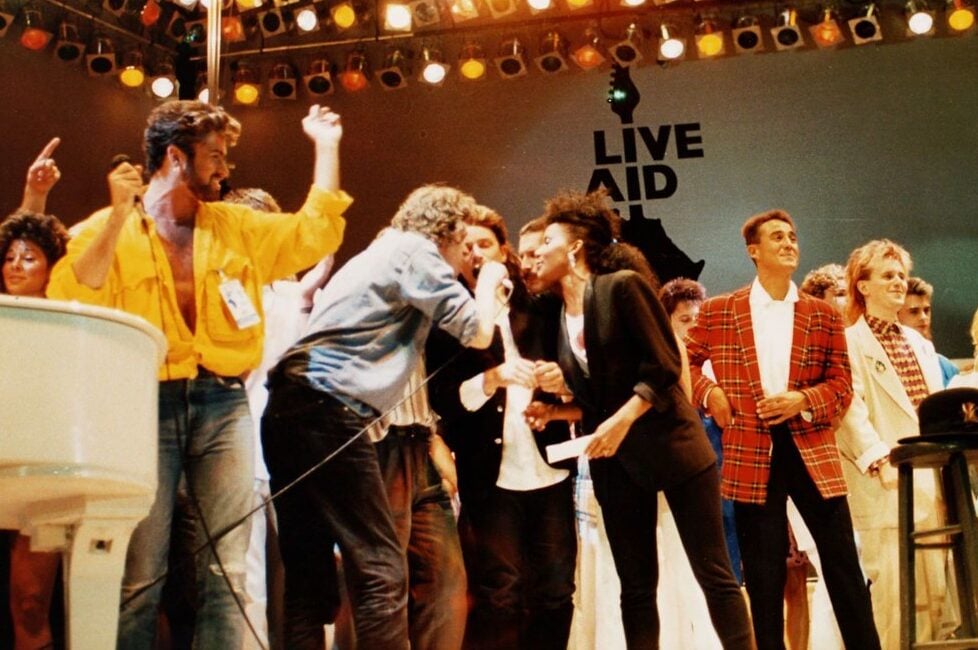
Live Aid defined how 80s rock looked better than anything else. Wembley’s pictures reveal an audience fading into haze, so vast it feels unreal.
Only someone like Freddie Mercury could make such a massive stage seem small by comparison. One famous shot catches him stepping forward, arm high, facing seventy-two thousand fans – yet even that scene seems too narrow to hold his presence.
A different kind of image came through when shows happened in both London and Philly at once. Moving fast from one setup to another left little time for posing; shots landed mid-breath, half-thought.
Faces showed fatigue, sharp attention, sometimes disbelief at the rush swirling nearby.
Michael Jackson Victory Tour 1984

Frozen in time, the Victory Tour shots still stand among the sharpest live photographs from that era. Right before Michael struck a stance – mid-spin or gliding back on his toes – the camera clicked, trained by repetition.
Huge light setups shaped each frame, lending scenes a dramatic sweep, like moments pulled from film. What you see carries weight, built not just from motion but how light bent around it.
Photos behind the scenes show something else entirely. There he stands, dressed up, head down, quiet just moments before stepping out.
Around him, his siblings move without hurry. The guards nearby seem way bigger than those you’d see now at concerts.
Not much says it better than these stills do.
Prince Purple Rain Tour 1984–85
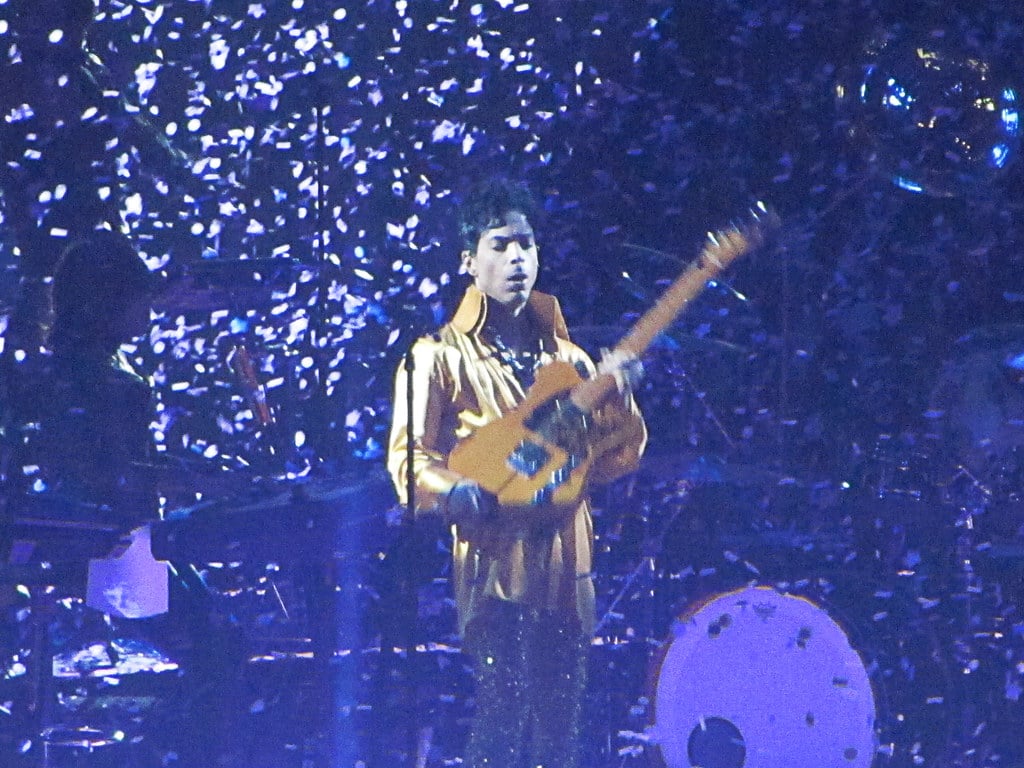
Midway through a 1984 concert, Prince moved under lights that seemed designed just for him. His clothes caught the glow in ways that felt planned, though nothing was.
Photographers found themselves chasing moments that looked too sharp to be real. A flick of his wrist on the guitar became drama.
Instead of simply dancing, he challenged the air around him. Each shot held tension, as if frozen mid-sentence.
Light bent to his shape. Motion didn’t blur – it sharpened.
A hush hangs over those first shows, tiny places where the sound wraps tight around everyone. Closer he stands to the front rows, almost touching, while colored beams slice through smoke like knives.
Faces glow under flickering lights, mouths open mid-shout, eyes wide – moments gone once stages grow too far, too loud. Big halls swallow what small rooms hold.
The Clash Combat Rock Tour 1982

That tour under the Combat Rock banner stretched The Clash further than before, yet left traces of strain caught in snapshots. Sweat soaks Joe Strummer’s shirt during a set at US Festival – heat not only from lights but pressure too.
Meanwhile, Mick Jones stands apart, gaze drifting beyond the stage, an absence hinting at fractures ahead. Each image holds weight, like moments pulled from a slow unraveling.
Frames flickered with raw edges. Mid-shout, mid-fumble – cameras froze moments that didn’t pretend.
Roughness stuck around longer than smooth takes ever did.
Madonna The Virgin Tour 1985

A look at pictures from The Virgin Tour pulls you into a time when money hadn’t yet exploded around Madonna. Back then, little filled the stage – so eyes stayed locked on her alone.
Fans watching didn’t quite grasp who she was becoming; their expressions hung between curiosity and sharp focus. Those old snapshots of crowds capture something raw, almost electric in its uncertainty.
Already her look had taken shape – necklaces piled on, delicate fabric showing through, hands half-covered by gloves without fingers. Not every photographer realized it then but their cameras caught what was just starting, something huge unfolding behind the scenes.
U2 — The Unforgettable Fire Tour, 1984–85

Early U2 live photography has this quality of a band straining against the size of the spaces they were filling. The Unforgettable Fire era produced images of Bono scaling speaker stacks and reaching toward the back rows of arenas, The Edge locked in behind him, Adam and Larry holding the whole thing together.
The photos are full of motion, full of effort. Brian Eno and Daniel Lanois were in the production conversation, and that atmospheric quality translated visually.
The lighting was more thoughtful than most rock tours of the period, and the photographs show it.
Bruce Springsteen — Born in the USA Tour, 1984–85

Picture after picture from the 1980s sticks most with that Born in the USA trek. There he is – Springsteen, wearing jeans and a worn denim coat, nothing flashy behind him, yet hours of songs ahead.
While fans packed arenas wall to wall, the E Street Band stood shoulder to shoulder on stages suddenly seeming too narrow. Instead of props or drama, it was raw sound meeting sheer stamina.
Each frame captured something real: sweat, effort, connection. Not one moment felt staged, even under blinding lights. Because of those nights, cameras found gold in simplicity.
Standing next to each other, Clarence Clemons and Springsteen formed a picture that summed up an entire era – two souls fully alive, playing music like it was breathing. Those concert crowds?
They tell their own story. Faces up front wearing looks of disbelief, as if reality had bent just slightly out of shape.
David Bowie on stage during the Serious Moonlight Tour in 1983

Blond now, under softer light, Bowie fills bigger halls on the Serious Moonlight run – his look shifting toward wider appeal. These photos catch that change, standing apart from earlier rawer times like Ziggy or Diamond Dogs.
Shiny surfaces appear here, something new in his visual tone. A few years back, the rooms were smaller, the mood less polished.
Yet some raw glimpses slip through – Bowie mid-rehearsal, eyes on the stage from the shadows, quiet with his group behind the curtain – each one revealing that familiar, odd depth again. Cameras never needed a reason to follow him.
Run DMC and Beastie Boys on tour together in 1987

A camera caught something shifting on that run. Not just big rooms packed with hip-hop sound now.
One act here, another there – styles clashing yet somehow fitting together like they’d always belonged. Shots from the shows reveal faces you rarely saw at rock gigs back then – fresher, broader mix, dressed in ways soon everyone would copy without thinking.
What filled those halls wasn’t past trends but what came right after. Something about Run-DMC felt carefully built.
Adidas gear. Hats pulled low.
How they gripped the mic – each detail meant something. Beside that control, the Beastie Boys looked like snapshots of energy just escaping order.
That difference – the tight versus the wild – kept cameras busy from start to finish.
Depeche Mode Some Great Reward Tour 1984 to 1985

Pictures rarely did justice to most European synth groups, yet Depeche Mode stood apart. By then, Dave Gahan had begun shaping a commanding live persona – one he would deepen steadily across the years – while the concert lights took on a gritty, mechanical mood, one that felt sharp and striking when seen in monochrome.
Fans dressed in black, staring straight ahead, appear caught in something deep during these shows. Not smiling much, yet clearly part of what Depeche Mode brings.
Something about the way the group stands matches the look in the crowd’s eyes. They seem less like performers and followers, more like pieces fitting together after a long search.
Whitney Houston Early Arena Concerts 1987 to 1988
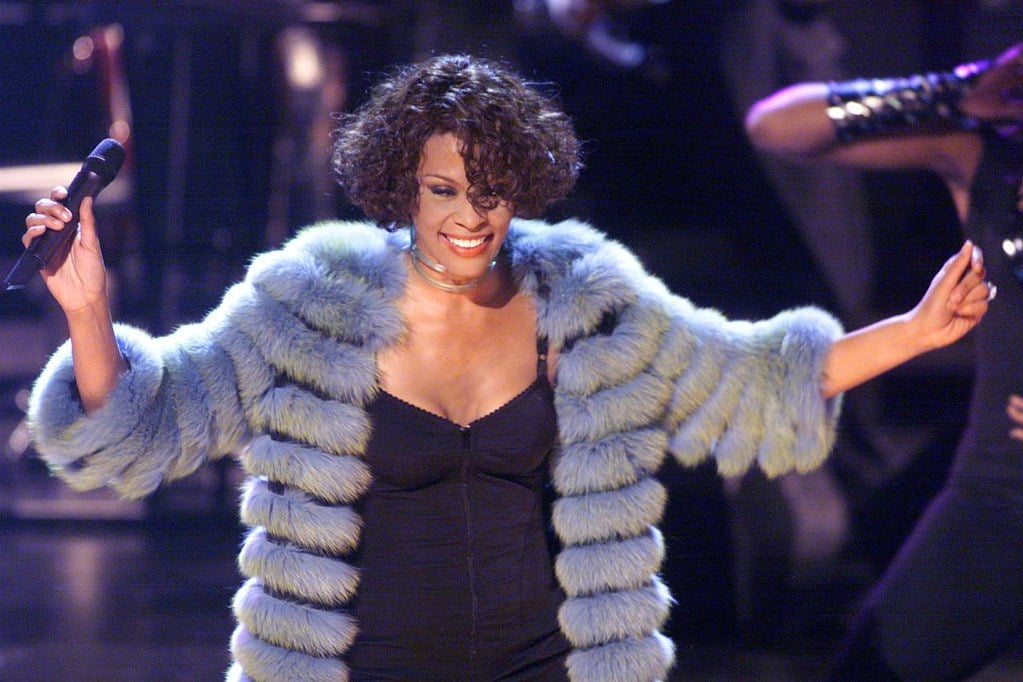
Frozen in time, Whitney lit up cameras the moment she stepped forward under hot lights. True, the music carried weight.
But posture spoke just as loud – head tilted slightly back, arm stretched toward the crowd, giving everything without holding anything behind. Snapshots held volume even if they stayed mute.
That stillness rang clear since her gestures acted like promises kept. Meaning showed in how she stood there, alive inside each second.
Quiet strength moved through her, a calm that didn’t need noise. Behind, activity rose like tides – yet never pulled focus.
Her stillness held weight, drawing glances back again and again. Even when the air stirred, it was her silence that people noticed.
Queen The Works Tour 1984–85

Photographs of Queen during the mid-1980s look almost too perfect to be real. Not just because of how Freddie dressed – each outfit dramatic on its own – but because he turned concerts into moments between individuals.
From one edge of the arena to another, he moved with purpose, locking eyes even with those buried deep in distant seats. A raised finger singled someone out like they were the only person there.
What images show best is that split second where it feels personal, though thousands stood watching. Out there in the spotlight, Brian May’s solos shaped a look all their own – head tilted, fingers moving slow on that red Special, strands of hair glowing under stage beams.
That instrument became part of him, not just held but lived in, every note pulling shape from stance and shadow alike.
The Smiths Multiple UK Shows 1984 to 1986

Midway through the eighties, pictures from Smiths concerts stood apart. Not just flowers in hand – Morrissey holding gladioli like a quiet rebellion.
Venues hummed with feedback, layered under songs that felt heavy without trying to be. Look at the crowd shots: faces lit by stage glow, caught in moments where music wasn’t background noise but something closer to shelter.
These weren’t passive onlookers. Something passed between band and room – a current, unspoken, real.
Watching Johnny Marr move feels like catching lightning – his playing danced with a freewheeling pulse the lens loved. Instead of grand shows, the group leaned into raw presence, so each frame built its own quiet weight.
Talking Heads Stop Making Sense Tour 1983–84
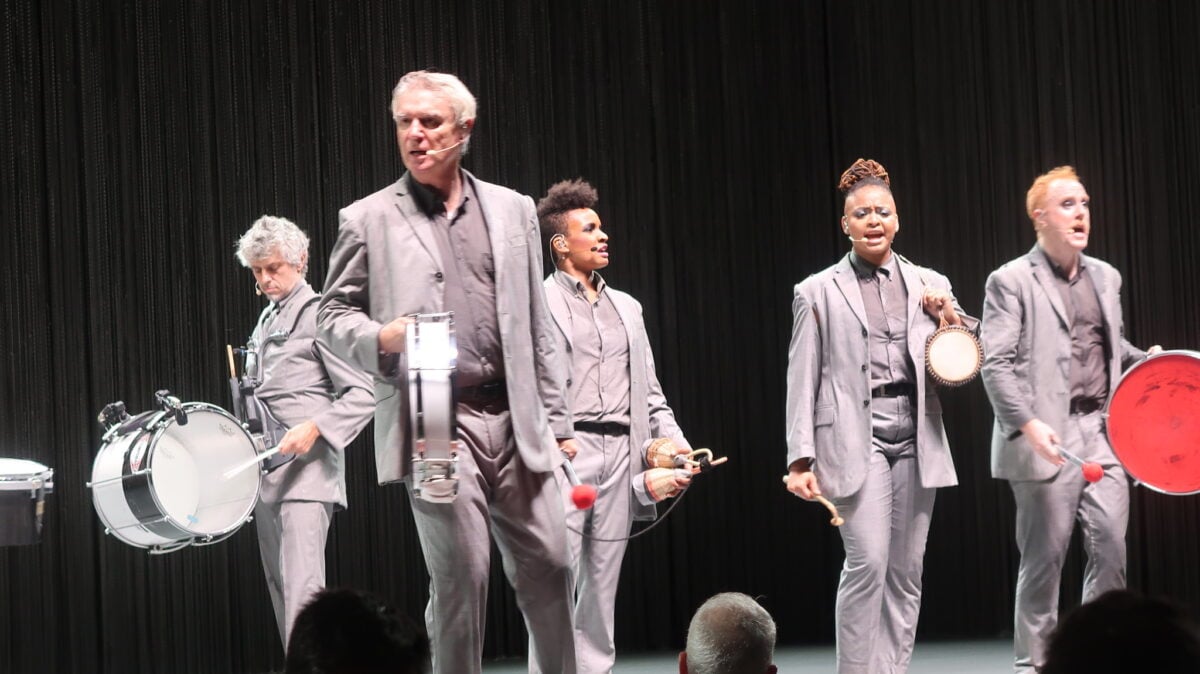
That concert movie by Jonathan Demme showed one version. The photos from the Stop Making Sense tour whisper another.
Not just echoes – something sharper. That wide suit around David Byrne didn’t just hang there – it floated free, untethered.
Copies came fast. Jokes followed.
Then homages. Now it lives on its own, a shape without the man who wore it.
Behind the scenes, tangled movements filled each frame. Not just musicians now – every gesture meant something.
A look here, a step there, all adding up without trying too hard. What you saw was never pretend.
Each photo caught them living their idea, nothing more.
When the Flash Went Off Something Remained
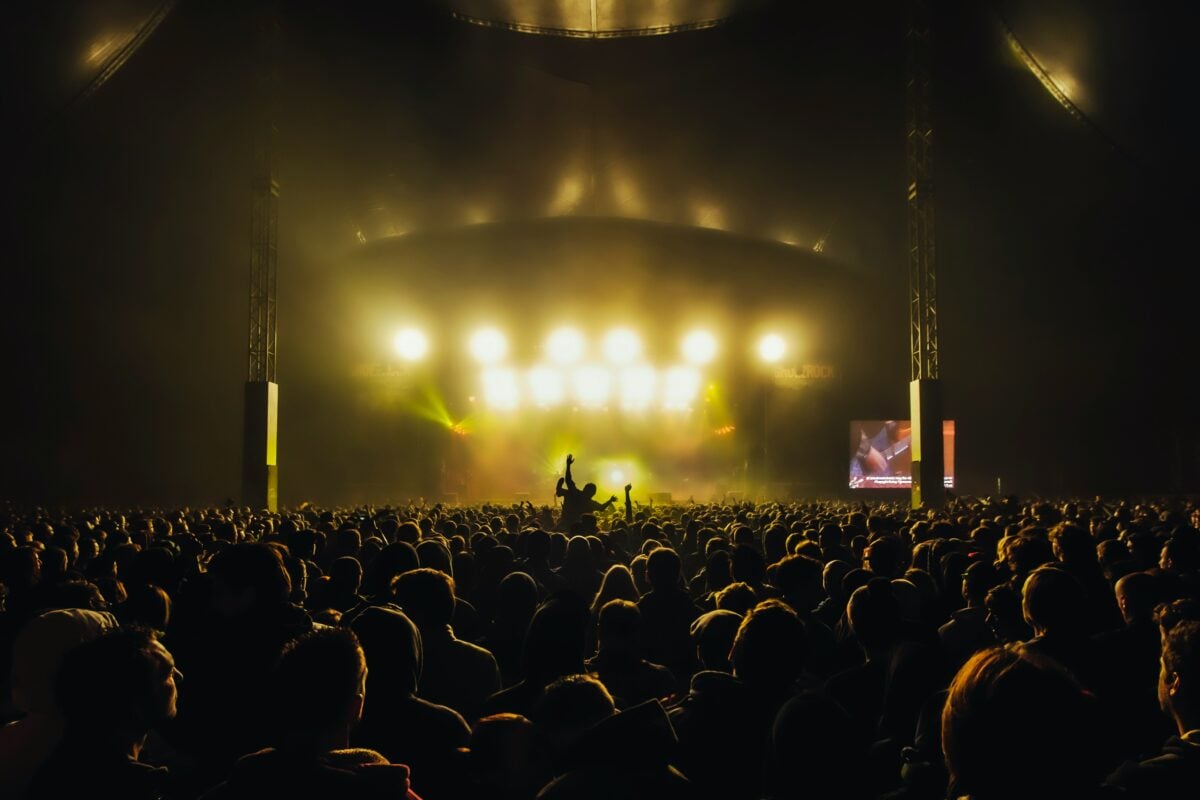
Shows back in the eighties didn’t just make songs people remember. Pictures taken during them hold weight sound files never could – damp walls, packed floors, real faces caught mid-scream or laugh, building energy only live moments create.
Now, when eyes land on these frames, warmth rises off the photo paper. Around each frozen second hums noise just beyond earshot, voices lost behind shutter clicks.
Here is how concert photos come alive. Not merely recording moments.
They turn noise into something you can see.
More from Go2Tutors!

- The Romanov Crown Jewels and Their Tragic Fate
- 13 Historical Mysteries That Science Still Can’t Solve
- Famous Hoaxes That Fooled the World for Years
- 15 Child Stars with Tragic Adult Lives
- 16 Famous Jewelry Pieces in History
Like Go2Tutors’s content? Follow us on MSN.