War Treasures That Disappeared Forever
Plunder has always been as much a part of war as power. Numerous treasures have disappeared into the shadows of history, from art collections looted during wartime to golden thrones concealed in crumbling empires.
While some were lost and stolen, while others were buried and forgotten, they all tell tales of mystery, ambition, and greed that endure. These 13 war treasures have vanished forever.
The Amber Room

Originally constructed in Prussia and later given to Russia, the Amber Room was dubbed the “Eighth Wonder of the World” and was composed entirely of amber panels, mirrors, and gold leaf. It was disassembled by Nazi forces during World War II and transported to Königsberg (now Kaliningrad), where it disappeared in 1945 as a result of Allied bombings.
Though replicas now honor its lost brilliance, the original room has never been located despite innumerable searches. In an effort to locate it, German bunkers have been dug up and divers have searched sunken ships over the years.
Some historians think it still rests sealed in a secret room deep in the Baltic countryside, while others think it burned during air raids. Every new assertion rekindles interest around the world, demonstrating that even an amber room can create a centuries-long shadow.
Yamashita’s Gold

Named after Japanese General Tomoyuki Yamashita, this treasure supposedly consisted of looted Southeast Asian gold, hidden in the Philippines during World War II. Witnesses claimed it was buried in tunnels and caves before Japan’s surrender.
Decades of excavations have turned up rumors and frauds but no definitive proof, leaving Yamashita’s gold suspended between myth and possibility. The story gained global attention after postwar investigations suggested U.S. intelligence officials may have secretly recovered part of it to fund Cold War operations.
Others insist that local hunters still stumble upon traces of the buried caches, though none have ever produced verifiable evidence. Whether a historical truth or a masterful deception, Yamashita’s gold remains one of the most persistent legends born from war’s chaos.
The Romanov Jewels

When Russia’s last royal family was executed in 1918, many of their jewels were confiscated or smuggled out of the country. Some surfaced in auctions years later, but others — including priceless diamonds and heirlooms — were never recovered.
They remain symbols of a vanished empire and the chaos of revolution. Historians have documented that a few pieces were hidden by loyal servants, while others were sold discreetly to fund exile families.
The missing gems include elaborate tiaras and Fabergé eggs once worn by the tsarinas. Even today, auction houses quietly evaluate items that might trace back to the Romanovs, but without clear provenance, the mystery remains unsolved — glittering fragments of a dynasty lost to history.
The Confederate Gold

As the American Civil War ended, stories spread that Confederate leaders fled Richmond with millions in gold coins and bullion. According to legend, it was lost during the retreat or hidden in secret caches across the South.
None of it has ever been officially recovered, despite decades of treasure hunts and endless speculation. Some theories claim the train carrying the gold was ambushed, while others suggest it was intentionally buried to fund a future Confederate uprising.
Small discoveries of coins near Georgia and Alabama keep the legend alive, though historians lean toward the theory that most of the funds were quietly spent or stolen. In small Southern towns, the myth endures as both local folklore and a reminder of how desperation can turn wealth into ghost stories.
The Lost Jewels of King John

In 1216, England’s King John attempted to cross the tidal estuary known as The Wash while fleeing his enemies. His baggage wagons, carrying the crown jewels and royal treasure, were swallowed by quicksand and tides.
Despite modern searches using radar and drones, the treasure remains lost beneath centuries of mud. Chroniclers of the time described carts vanishing under rising waters as soldiers panicked, unable to save the valuables.
The king himself died days later, possibly never knowing the full extent of what was lost. For archaeologists, the Wash remains a tantalizing site — part battlefield, part royal tomb — holding one of England’s oldest unresolved mysteries beneath its shifting sands.
The Florentine Diamond

A 137-carat yellow diamond once belonging to the Medici family became part of the Austrian crown jewels. It disappeared after World War I when Austria-Hungary collapsed and the Habsburgs went into exile.
Some believe it was recut and sold under a different name; others think it’s still hidden in a private collection. The gem’s documented history stretches back to Renaissance courts and royal banquets, where it symbolized immense prestige.
Its disappearance coincided with the empire’s collapse, as royal assets were moved, sold, or stolen. Modern gemologists occasionally claim to have traced its facets in other stones, but without definitive proof, the Florentine Diamond remains a dazzling ghost in the world of lost royal treasures.
The Polish Gold Train

In 2015, two treasure hunters claimed to have found a buried Nazi train near Wałbrzych, Poland, supposedly filled with gold, art, and valuables taken during World War II. Excavations followed but found nothing.
Historians believe the train may never have existed — yet the legend persists, luring fortune seekers to this day. The story first gained traction after wartime records described trains leaving Breslau as Soviet forces advanced.
Entire convoys vanished during the final weeks of the war, fueling decades of speculation about hidden tunnels beneath Lower Silesia. Even though ground-penetrating radar scans disproved the 2015 claim, the possibility of undiscovered Nazi transports continues to capture imaginations across Europe.
The Crown Jewels of Ireland

Stolen in 1907 from Dublin Castle, these jewels — actually insignia of the Order of St. Patrick — vanished just before a royal visit. Despite official inquiries, no culprit was ever found, and the missing treasure has become one of Ireland’s enduring mysteries tied to political intrigue and possible espionage.
Some historians suspect inside help, as the jewels were taken from a supposedly secure strongroom without any signs of forced entry. Others think they were stolen to embarrass British rule in Ireland.
Over the years, investigators, journalists, and even former police officers have proposed suspects, yet no trace of the emerald-encrusted insignia has ever surfaced. It remains Ireland’s most infamous case of royal theft.
The Spanish Gold of Lima
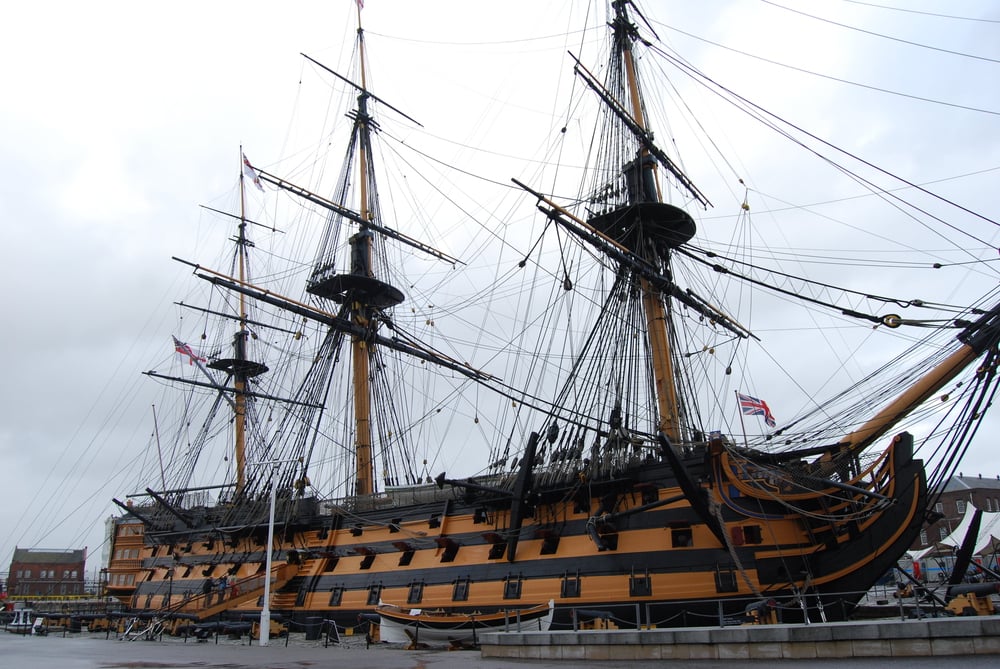
In 1820, as Spain’s grip on South America weakened, officials in Lima entrusted a British ship, the Mary Dear, to transport the city’s treasure to Mexico for safekeeping. The crew mutinied, murdered the guards, and hid the loot — then killed each other over it.
The treasure, estimated at hundreds of millions in today’s value, has never been recovered. Some divers have claimed to find fragments near the Cocos Islands, off Costa Rica, but official searches have failed.
The story’s allure lies in its mix of greed and betrayal, with multiple treasure maps emerging over the centuries. Despite modern technology, the Pacific still guards Lima’s stolen gold, a cautionary tale of fortune that turned to ruin.
The Nazi Gold of Lake Toplitz

As Germany collapsed in 1945, Nazi officials reportedly dumped crates of gold, art, and counterfeit currency into Austria’s Lake Toplitz to prevent Allied capture. Divers have retrieved fake banknotes and military documents, but no gold.
The lake’s dense logs and dangerous depths make further searches nearly impossible, keeping its secrets sealed underwater. During the Cold War, scientific expeditions attempted to reach deeper layers, only to be hindered by underwater hazards.
Some believe the lake hides SS archives or valuables intended for a postwar Nazi network. Whether true or not, Toplitz remains one of Europe’s eeriest war relics, where divers chase rumors as much as riches.
The Treasure of the Knights Templar
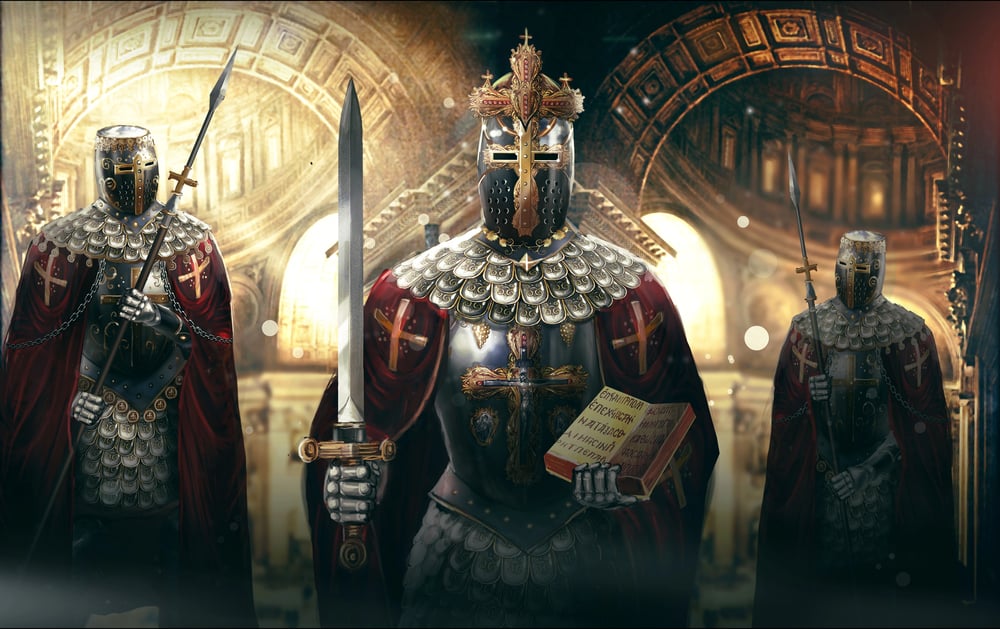
When the Templar order was dissolved in 1312, its vast wealth — gold, relics, and religious artifacts — vanished without a trace. Many believe it was secretly moved before the arrests began, possibly influencing later myths like those of the Holy Grail.
Despite centuries of speculation, nothing tangible has ever surfaced. Records from the era suggest the Templars’ treasurers managed to evacuate chests of valuables from Paris before the king’s soldiers arrived.
Over time, theories have placed the hoard everywhere from Portugal to Nova Scotia. Though most historians doubt it still exists, the legend of a hidden Templar fortune has inspired everything from secret-society theories to blockbuster films.
The Hungarian Crown of Saint Stephen

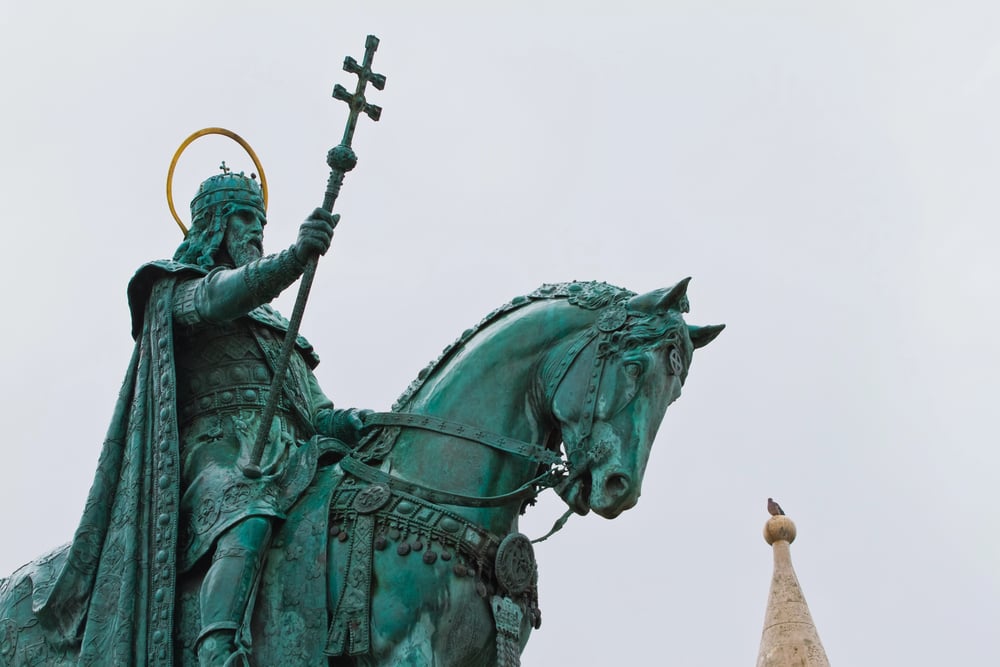
This medieval crown, symbolizing Hungary’s monarchy, was seized by the Nazis in 1945 and later hidden by Hungarian forces to prevent Soviet capture. It resurfaced decades later under U.S. protection, but several jewels and relics historically associated with it remain missing, scattered by wartime chaos.
The crown itself was safeguarded in Fort Knox for over thirty years before being returned to Hungary in 1978. However, the accompanying regalia — scepters, orbs, and robes — were partially lost, separated, or destroyed.
For Hungarians, the crown’s survival represents resilience, even as fragments of its royal past remain scattered by the turbulence of the 20th century.
The Treasure of the Four Brothers

During Napoleon’s retreat from Moscow in 1812, French officers supposedly buried wagons filled with gold, silver, and icons to lighten their load. Eyewitnesses referred to it as the Treasure of the Four Brothers after a nearby village.
Modern searches across Russia and Belarus have failed to locate it, but fragments occasionally turn up, fueling hope that the rest is still out there. Historians believe the treasure may have been buried hastily as the freezing army faced starvation and pursuit.
Local farmers have found pieces of French military equipment, but no gold. The story perfectly captures how desperation on the battlefield can turn empires into scavengers of their own wealth.
Shadows of Greed and Glory
The distinction between conquest and theft has been muddled by war throughout each century. From the Amber Room to Confederate gold, every lost treasure symbolizes not only the loss of tangible goods but also the human desire to have beauty, strength, and legacy even when empires fall apart.
These lost fortunes are silent witnesses to the cycles of ambition and disaster throughout history. Unaffected by time, they might occasionally still be concealed beneath ruins, lakes, or mountains.
But what really endures is the fascination itself, evidence that the promise of discovery keeps people looking for light in the darkest places of history, even in the ruins of war.
More from Go2Tutors!

- The Romanov Crown Jewels and Their Tragic Fate
- 13 Historical Mysteries That Science Still Can’t Solve
- Famous Hoaxes That Fooled the World for Years
- 15 Child Stars with Tragic Adult Lives
- 16 Famous Jewelry Pieces in History
Like Go2Tutors’s content? Follow us on MSN.



