Photos of 15 Deadly Animals
Few beasts seem too gentle or tiny to ever harm anyone. Yet hidden beneath quiet eyes or soft fur often lies a threat few expect.
A stillness in their gaze might fool you. Beauty sometimes comes with teeth. Small size does not mean safety.
The ground they walk on stays silent about what they carry. Looks rarely tell the truth here. Danger wears disguises more often than not.
A quick glance at fifteen creatures that mean serious business – each one carries risks you really do not want to test. What makes them dangerous becomes clear when you understand how they operate.
Saltwater Crocodile
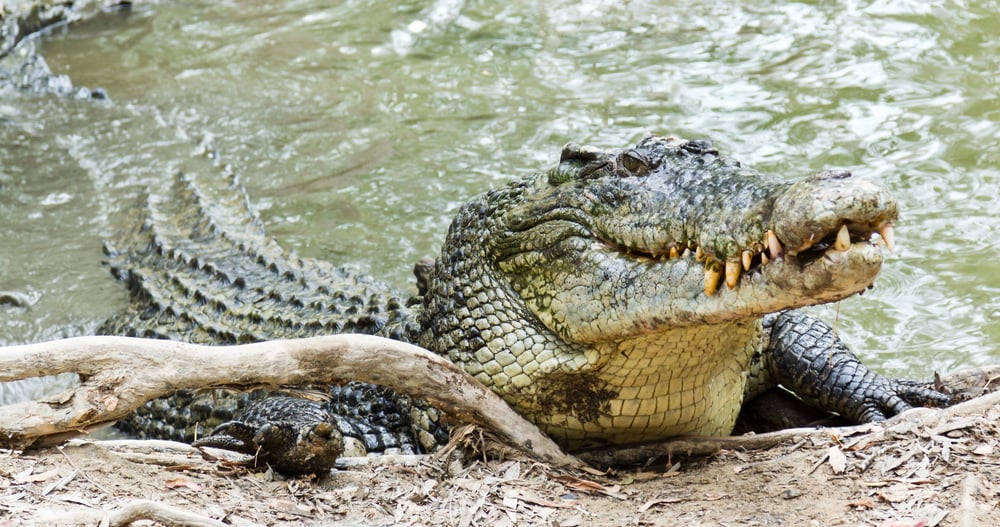
A giant lurks in swamps and rivers – the saltwater crocodile, Earth’s biggest reptile. Its jaws deliver more crushing power than any known creature.
Over twenty feet long some get heavier than automobiles they become. Under still water they linger, silent, waiting. Sudden movement breaks the calm when they strike.
Across southern Asia and up through northern Australia, people know their danger well. Hundreds fall victim each year.
Box Jellyfish
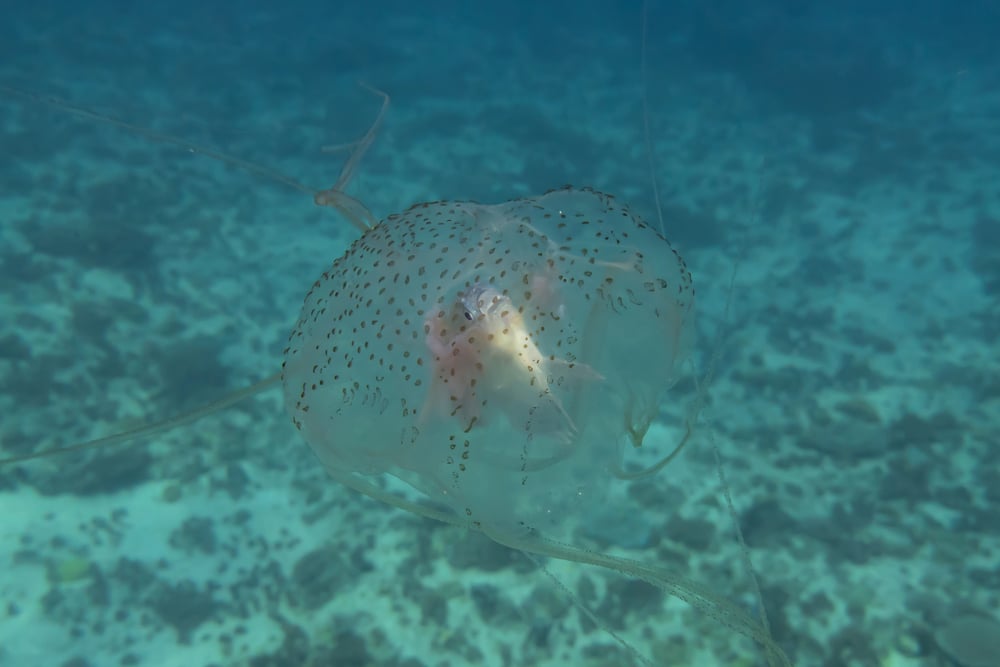
Annoying creatures fill the sea, yet jellyfish usually cause little more than irritation. Not so with the box kind – its danger stands apart.
Venom runs through its tentacles, strong enough to halt a person’s heartbeat fast. This creature hides in plain sight near Australia and across the Indo-Pacific seas.
Clear like glass, it blends into the waves without warning. Pain arrives before most realize what has touched them.
Cape Buffalo
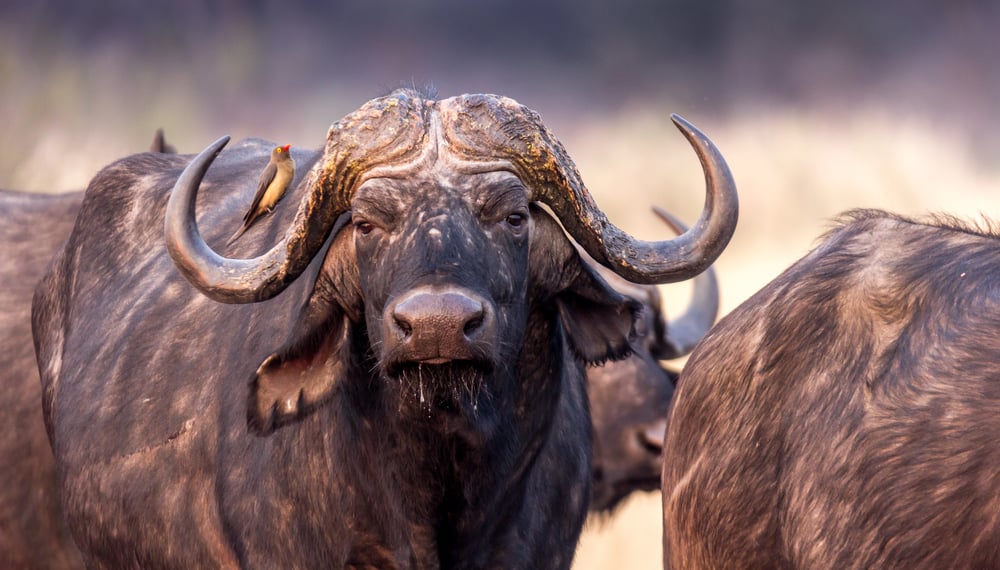
Out here in Africa, they call this creature “the black death” – a name it wears well. Unpredictable moods define the cape buffalo, plus sudden aggression when least expected.
Without clear signs, it may lunge forward fast. Heavy? Try more than 1,500 pounds on the scale. Speed hits 35 miles every hour.
Lions, tough as they are, often pause before picking a fight.
Cone Snail
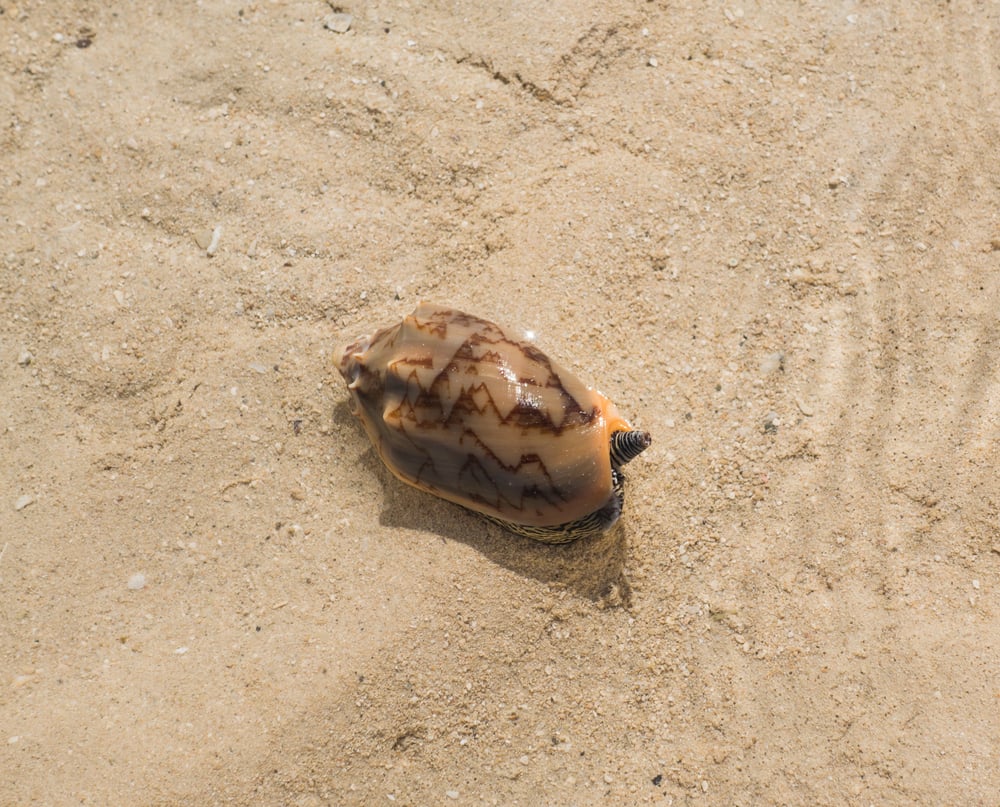
A seashell shape might catch your eye along the shore. Smooth curves, bright lines across its surface – just right for holding.
Trouble hides beneath beauty. From inside comes a needle-fast strike loaded with poison. Scientists have yet to find anything that reverses its effect.
Size means nothing here – a little one carries more than enough power to stop a grown person.
Hippopotamus
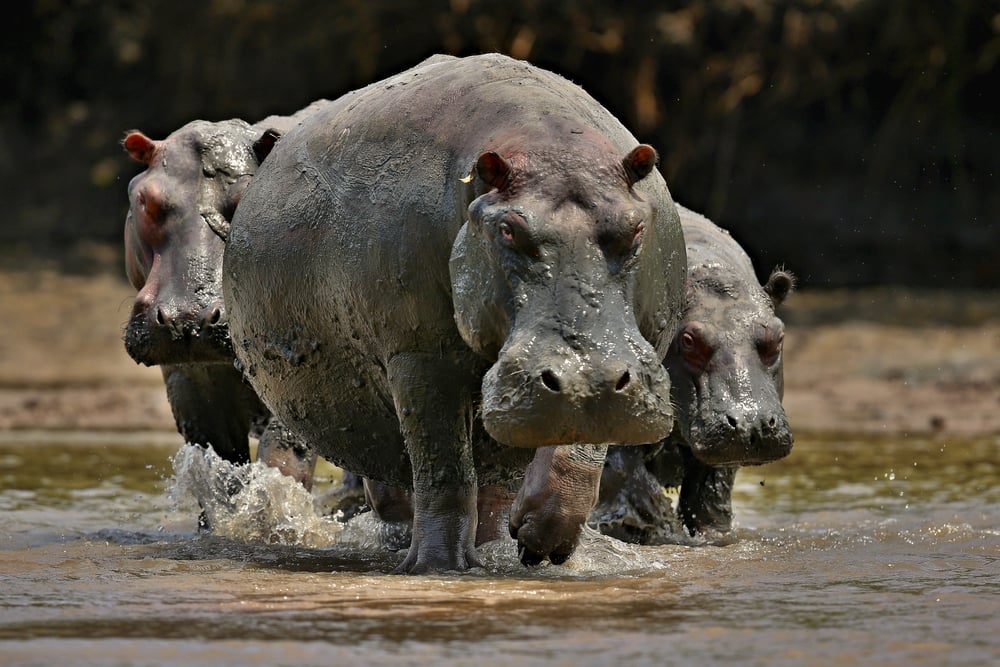
Those big gray creatures seem clumsy, yet that calm hides something dangerous. Actually among Africa’s deadliest, they attack more humans than lions ever do.
Moving fast despite short legs, reaching speeds near twenty mph when needed. Water is their domain – enter without care and things go wrong quickly.
Crafts floating nearby tend to get smashed, sometimes sinking without warning.
Inland Taipan
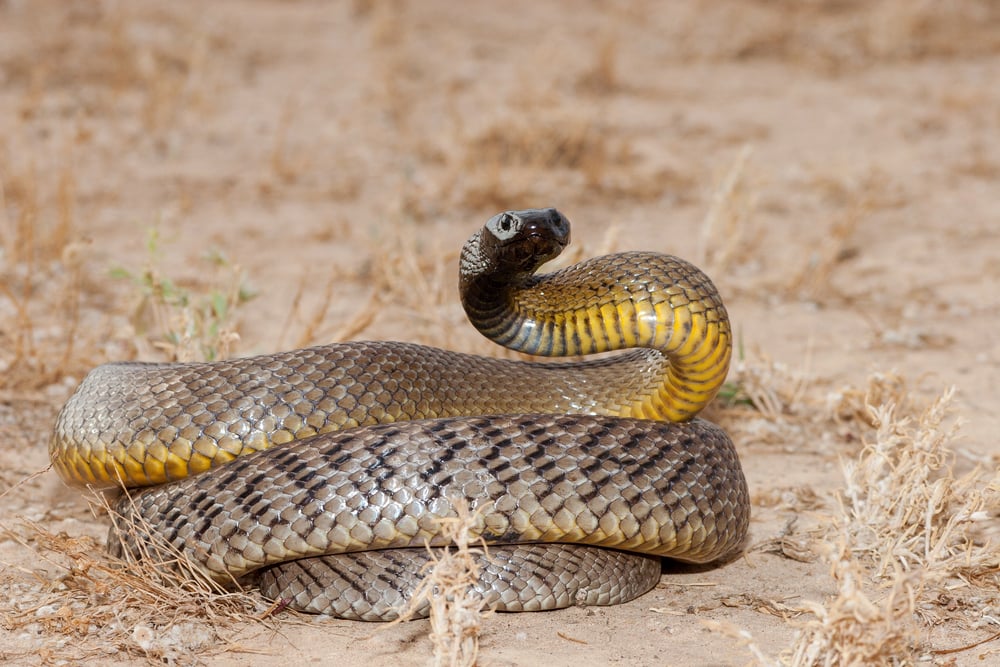
Out in the middle of Australia hides a snake called the inland taipan – its venom beats every other land snake by far. One strike carries poison strong enough to take down more than a hundred grown people without treatment.
Though nervous around us, it won’t hesitate to lash out quickly and again if trapped. Lucky for folks, run-ins hardly happen since it sticks to places few ever go.
African Lion
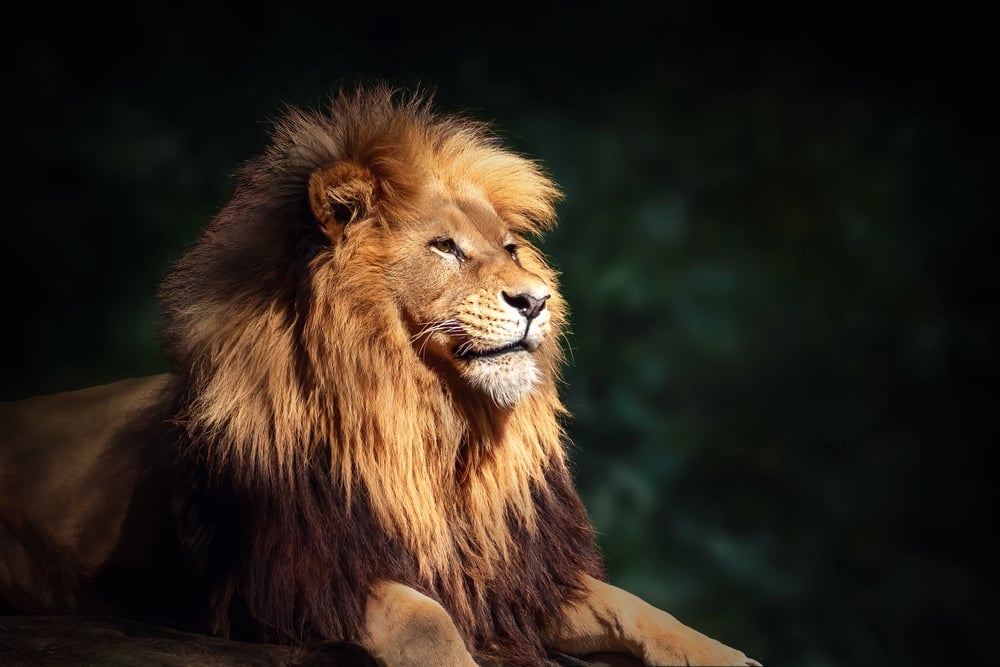
Lions are powerful, coordinated hunters that work in groups to take down prey far larger than themselves. A male lion can weigh up to 500 pounds, and a single swipe from its paw can break bones.
Lions are responsible for hundreds of human deaths each year, particularly in sub-Saharan Africa. The danger is highest at night when lions are most active and hardest to see.
Poison Dart Frog
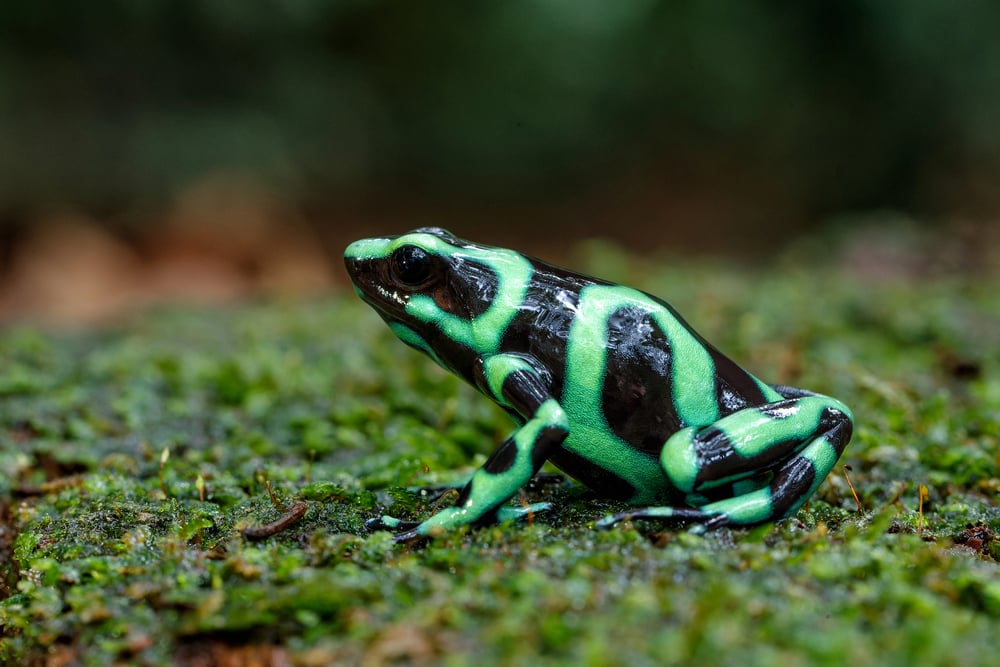
Something this small and this colorful should not be deadly, but the poison dart frog absolutely is. The golden poison dart frog carries enough toxin on its skin to kill 10 adult humans.
Indigenous hunters in South America used its secretions to coat blowgun darts, which is exactly how it got its name. The bright colors are a warning to predators, and it’s one warning worth taking seriously.
Great White Shark
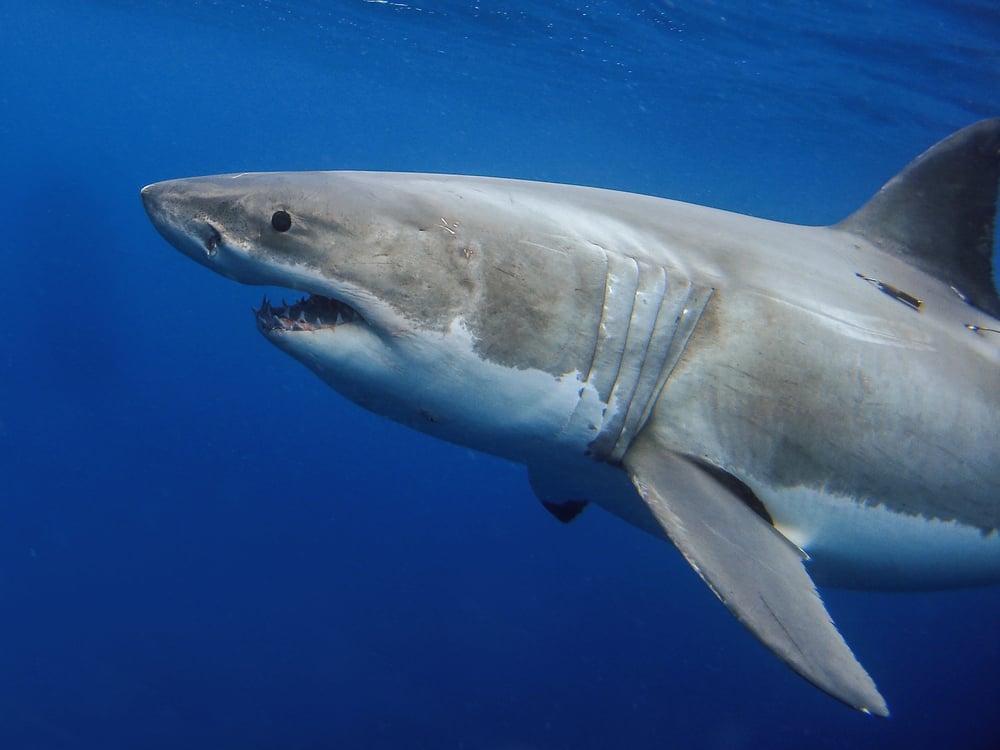
The great white shark is one of the ocean’s most efficient predators, with rows of serrated teeth and the ability to detect a drop of blood from miles away. Adults can grow up to 20 feet long and weigh over 4,000 pounds.
While unprovoked attacks on humans are relatively rare, when they happen, the outcome is often fatal. Their speed and size make escape nearly impossible once an attack begins.
Mosquito
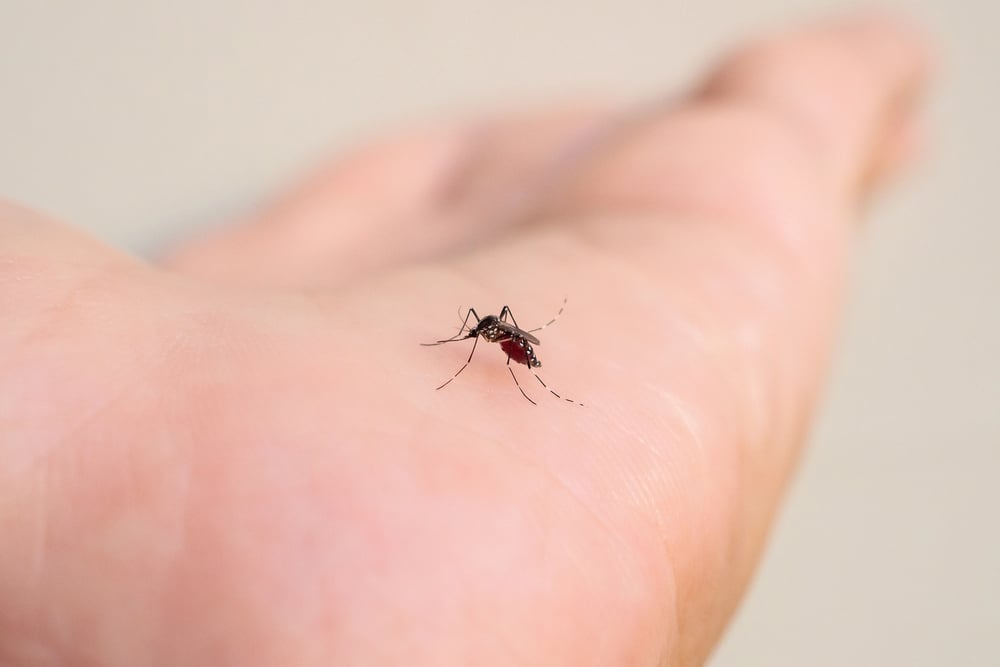
No animal on the list kills more humans per year than the mosquito. It transmits diseases like malaria, dengue fever, yellow fever, and Zika virus, which together kill over one million people annually.
It’s easy to dismiss something that small, but mosquitoes are responsible for more human deaths than all wars in history combined. The most dangerous versions are found across tropical and subtropical regions worldwide.
Komodo Dragon
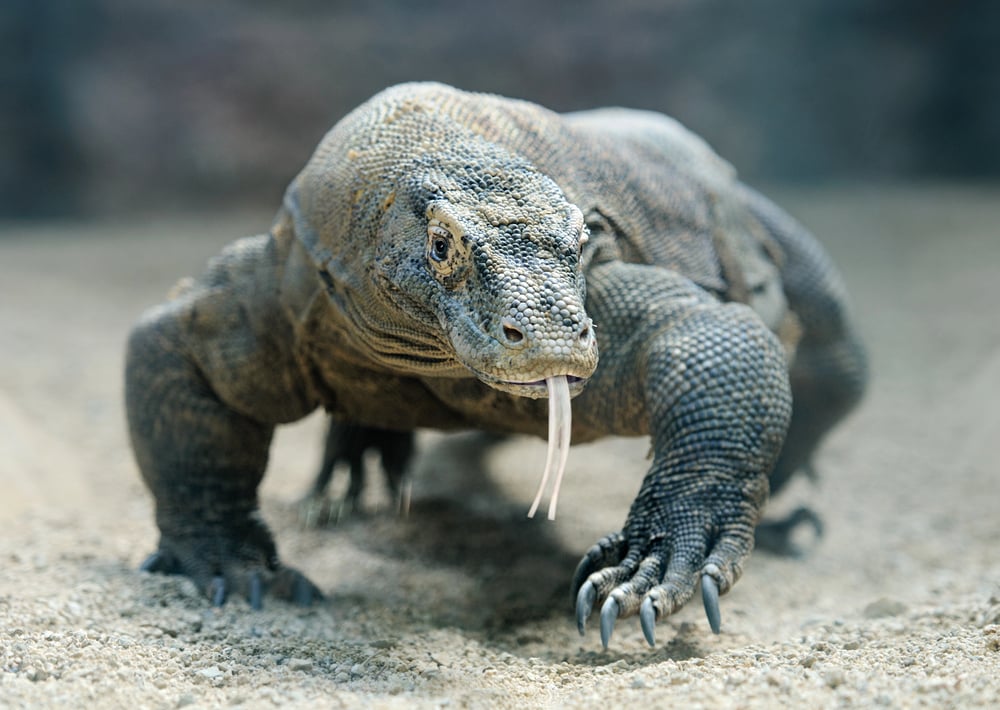
The Komodo dragon is the largest lizard alive today, reaching up to 10 feet in length. For years, scientists thought bacteria in its mouth caused its deadly bites, but research now confirms it also has venom glands that prevent blood from clotting.
Prey that escapes a Komodo attack often doesn’t survive long because of rapid blood loss. These animals are also surprisingly fast, capable of running up to 12 miles per hour in short bursts.
Puffer Fish
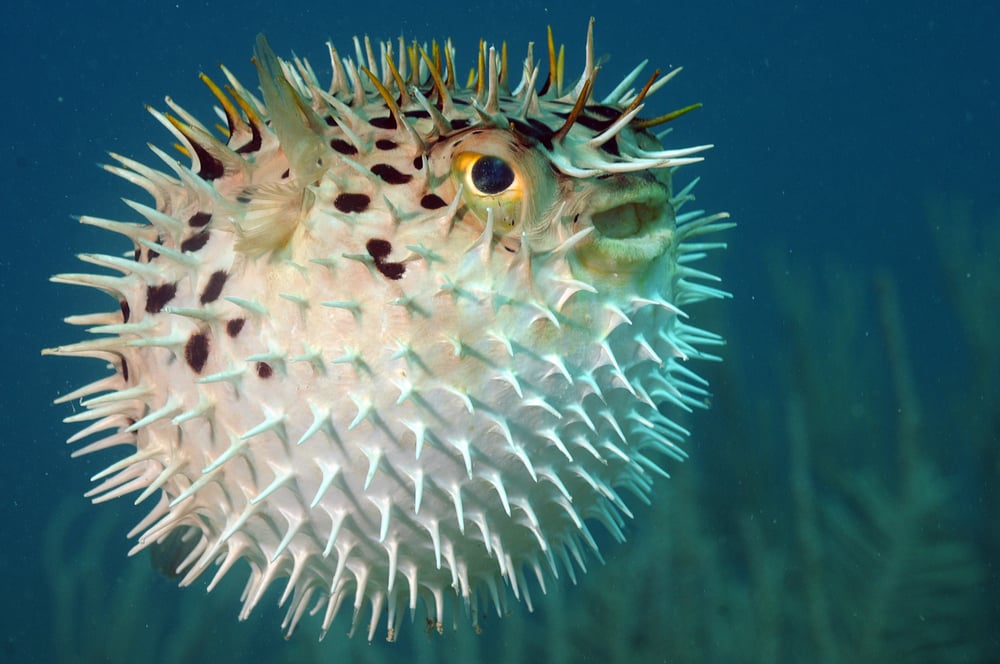
The puffer fish contains tetrodotoxin, a poison 1,200 times more lethal than cyanide, and there is no antidote. A single fish carries enough toxin to kill 30 adult humans.
It’s considered a delicacy in Japan, where specially trained chefs prepare it, but even with training, accidental deaths still happen. The fish puffs up as a defense to make itself harder to swallow, which is the least of your worries if you’re already this close.
African Elephant
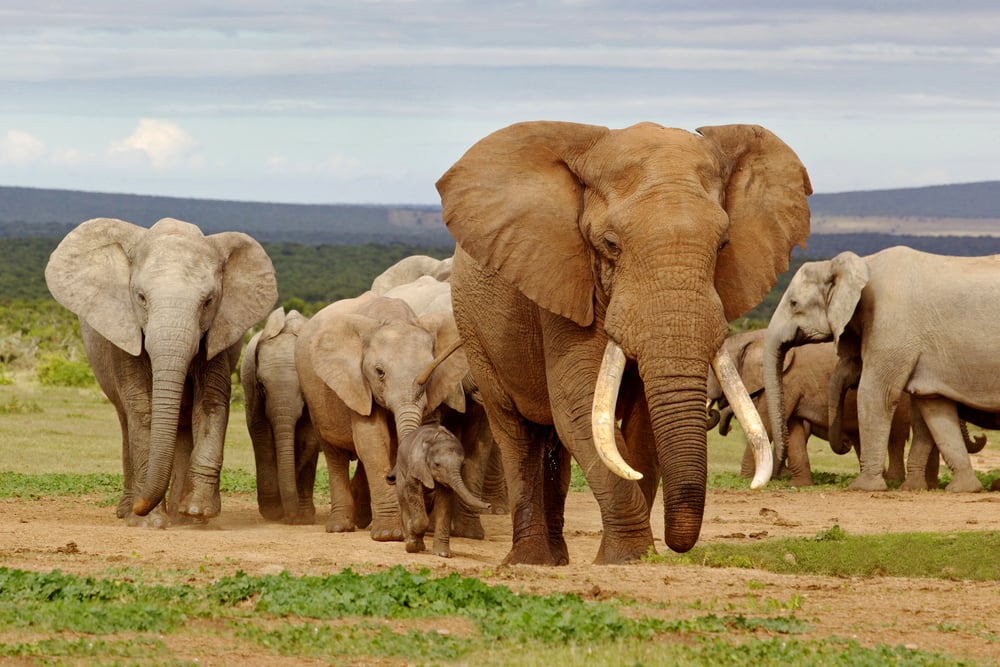
African elephants are the largest land animals on Earth, and they are fully capable of killing humans. A charging elephant can reach speeds of 25 miles per hour, and its sheer size means even a bump can be fatal.
They kill around 500 people per year, often farmers whose crops they raid. Males in a state called ‘musth’ are especially dangerous, as their testosterone levels spike dramatically and they become highly aggressive.
Blue-Ringed Octopus

This small octopus, about the size of a tennis orb, carries venom powerful enough to kill 26 adults in minutes. It’s found in tide pools and shallow reefs across the Pacific and Indian Oceans.
The bright blue rings only appear as a warning when the animal feels threatened, and by then, it may already be too late. There is no antivirus available, and victims often stop breathing without ever feeling much pain.
Brazilian Wandering Spider
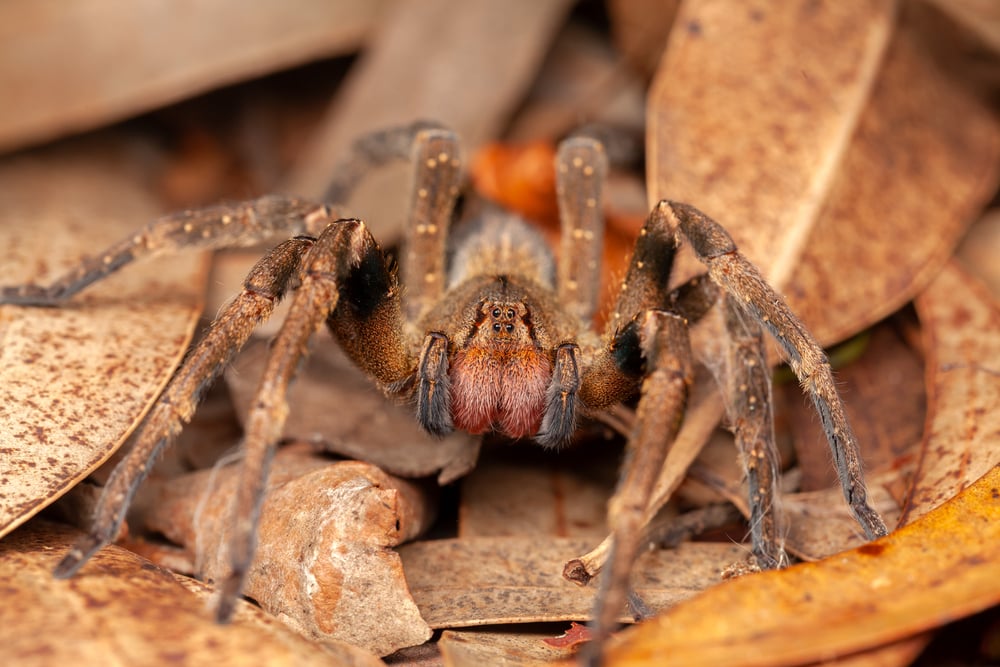
The Brazilian wandering spider holds a Guinness World Record as the world’s most venomous spider. Unlike most spiders that hide away, this one actively wanders at night in search of prey, sometimes ending up in shoes, clothing, or banana shipments.
A bite from this spider causes intense pain, inflammation, and without treatment, can be fatal. They are found across South America and have been discovered in imported fruit boxes in other countries.
Why These Animals Demand Respect
Deadly animals are not villains. They are simply built to survive, and every defense or hunting skill they carry developed over millions of years of evolution.
The real risk comes when humans enter their space without caution or understanding. Knowing what these animals are capable of is not about fear. It’s about respect, because in the wild, the difference between a close-up photo and a very bad day often comes down to how much you knew before you got there.
More from Go2Tutors!

- The Romanov Crown Jewels and Their Tragic Fate
- 13 Historical Mysteries That Science Still Can’t Solve
- Famous Hoaxes That Fooled the World for Years
- 15 Child Stars with Tragic Adult Lives
- 16 Famous Jewelry Pieces in History
Like Go2Tutors’s content? Follow us on MSN.