Photos of 16 Mayan Ruins to Explore in Guatemala
Guatemala holds the heart of the ancient Maya world within its borders, where stone temples pierce jungle canopies and centuries-old plazas still echo with history. The ruins scattered across this Central American country tell stories that stretch back over two millennia, each site offering something different — from towering pyramids that rival Egypt’s monuments to intricate carvings that reveal the sophisticated mathematics and astronomy of Maya civilization.
These archaeological treasures aren’t museum pieces locked behind glass. They’re living landscapes where howler monkeys call from temple tops and colorful birds nest in ancient doorways. Some sites require multi-day jungle expeditions to reach, while others sit conveniently along well-traveled routes.
Each ruin carries its own personality, its own mysteries, and its own particular way of making visitors feel both humbled and amazed.
Tikal
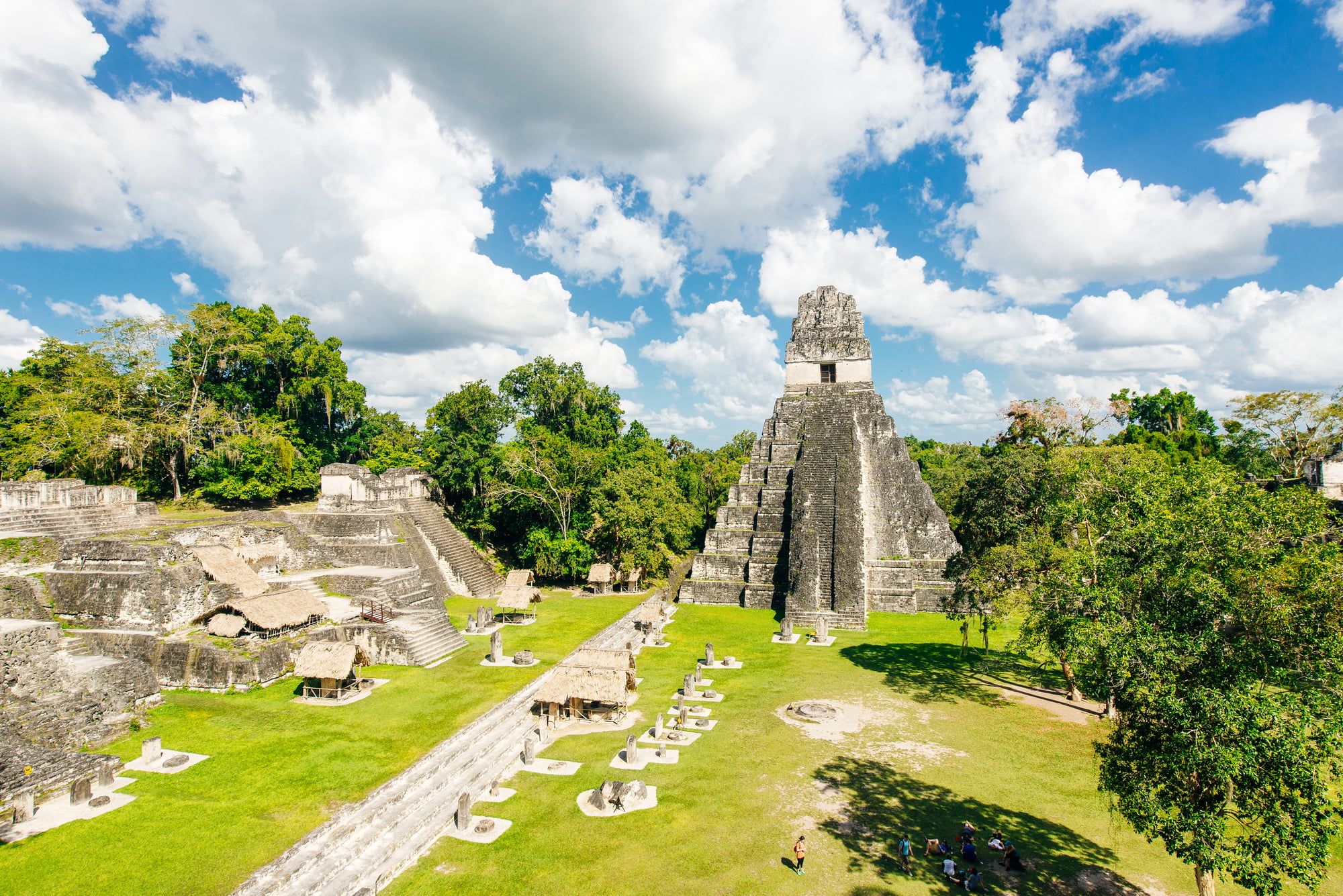
Tikal doesn’t mess around. Temple IV reaches 213 feet above the jungle floor, making it the tallest pre-Columbian structure in the Americas.
The site covers 222 square miles. Six large temples, dozens of smaller ones, and more wildlife than most national parks.
El Mirador
The logistics alone should tell you something about El Mirador (because getting there requires either a helicopter or a grueling multi-day trek through dense jungle where the path disappears for stretches and your guide navigates by memory and instinct). And yet. The effort pays dividends that compound the longer you spend wandering through what archaeologists now believe was the largest Maya city ever built.
La Danta pyramid complex rises higher than Tikal’s famous temples, though the jungle has been so aggressive in its reclamation project that you might walk past structures without realizing they’re there until someone points out that the hill you’re climbing is actually a temple that’s been wearing a coat of vegetation for over a thousand years.
Yaxha
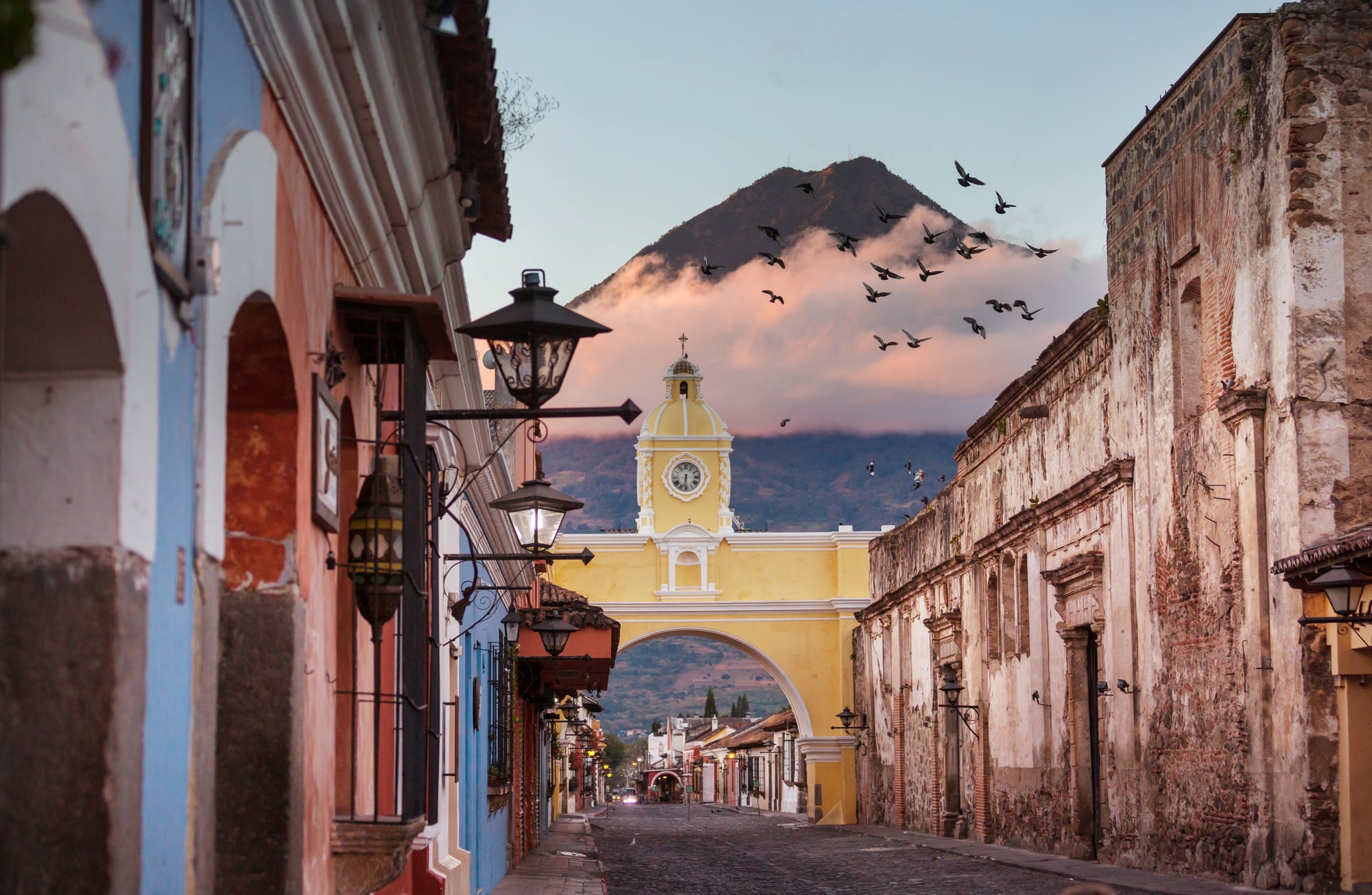
Standing on Temple 216 at Yaxha feels like being let in on a secret that the jungle has been keeping for centuries. The view stretches across Lake Yaxha toward distant hills, and the silence that settles over the water at sunset carries something that feels almost sacred.
The name means “blue-green water” in Maya, which makes sense once you see how the lake shifts color throughout the day. But there’s something else here that the guidebooks don’t quite capture: a sense of completeness.
Caracol
Caracol sits in Belize, technically, but belongs in any conversation about Guatemala’s Maya heritage. The site once controlled territory that extended well into Guatemala’s Petén region.
At its peak around 650 AD, Caracol housed roughly 120,000 people and defeated the mighty city-state of Tikal in warfare. The pyramid complex rises in perfect symmetry above the jungle canopy.
Hieroglyphic inscriptions tell stories of conquest and ritual that read like ancient newspapers. The entire site covers roughly 65 square miles, though only a fraction has been excavated.
Nakum

Here’s what archaeologists have figured out about Nakum: it was continuously occupied for over 1,500 years. The site sits roughly halfway between Yaxha and Tikal — a strategic location that allowed Nakum’s residents to benefit from trade routes while maintaining enough distance to avoid getting dragged into every political conflict.
The craftsmanship shows what happens when a civilization has time to perfect its techniques: door lintels carved with hieroglyphs so precise they look like they were completed yesterday. But perhaps most impressive is what archaeologists call Structure X — a palace complex so well-preserved that you can still see the original red paint on interior walls.
El Zotz
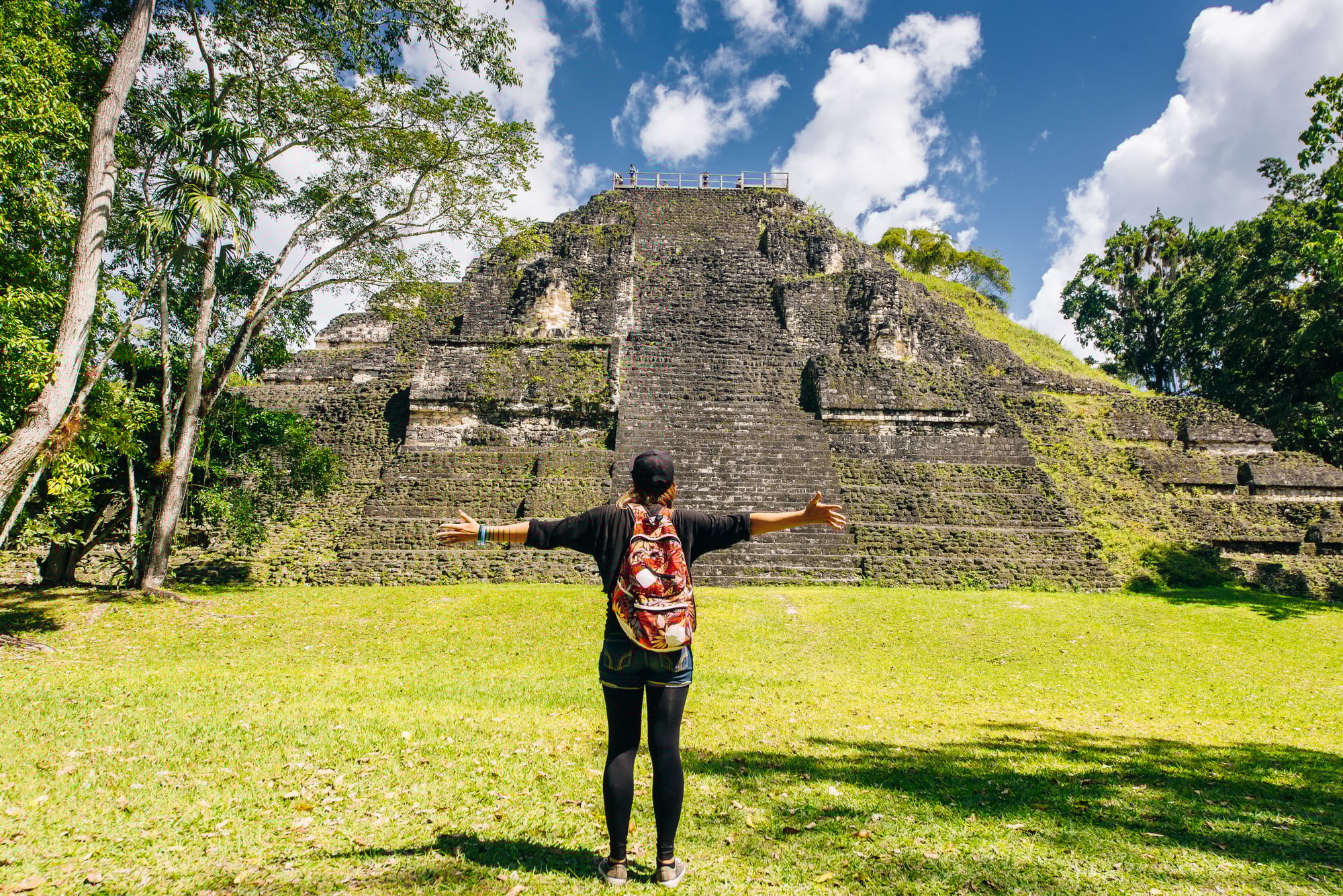
The name means “the bat” in Maya, which becomes clear at sunset when thousands of bats pour from cave openings like smoke from underground fires. But El Zotz earned its archaeological reputation through different means entirely — this was where Maya royalty came to be buried with more gold, jade, and ceremony than almost anywhere else.
The Devil’s Pyramid rises through the forest canopy with the kind of architectural confidence that suggests its builders never doubted their work would last forever. They were probably right.
Uaxactun
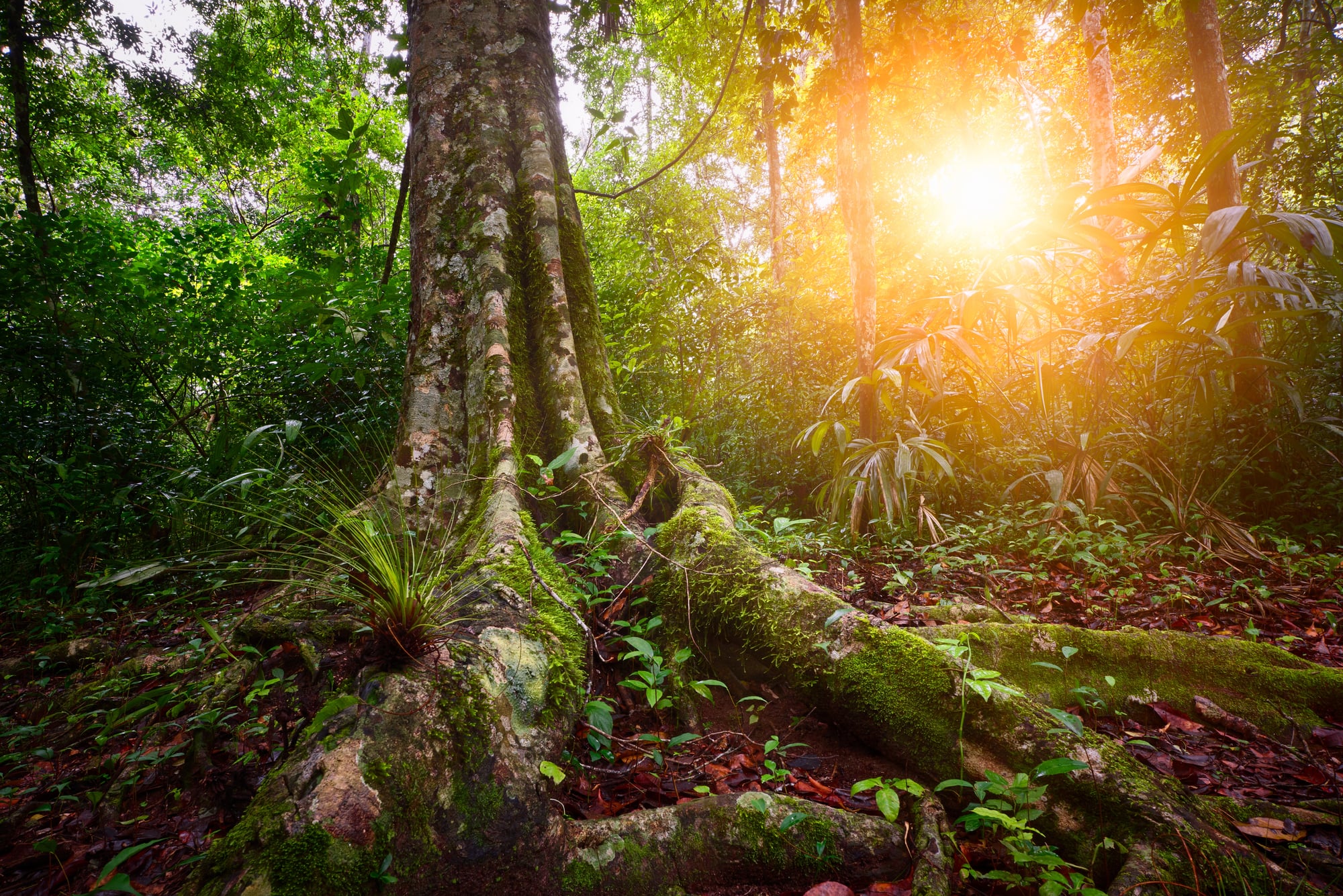
Uaxactun gets overlooked, which is completely unfair to what amounts to one of the most important astronomical centers in the ancient Maya world. The site’s Group E complex functions as a massive solar calendar — stand in the right spot on the right day, and distant temples align perfectly with sunrise to mark solstices and equinoxes.
The engineering required to pull this off shouldn’t be underestimated. Maya architects had to account for the movement of celestial bodies across years and decades, then translate those calculations into stone structures positioned with survey-level precision.
La Blanca
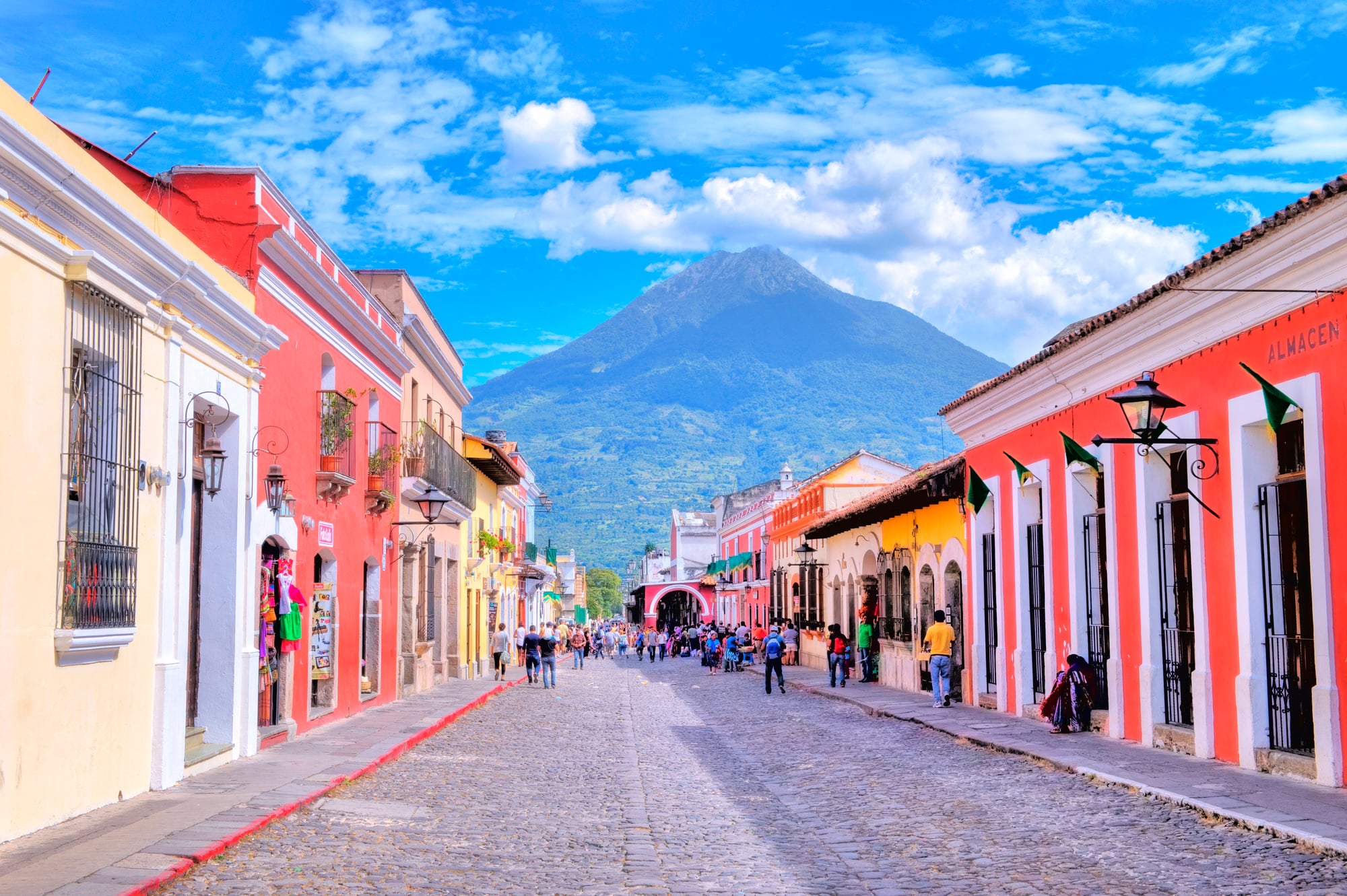
There’s something almost stubborn about La Blanca’s persistence, the way its main acropolis continues to rise from the jungle floor despite centuries of neglect. The site dates to the Late Classic period, roughly 600 to 900 AD, when Maya civilization was reaching peaks of artistic and architectural achievement that wouldn’t be matched in the Americas for another several centuries.
What sets La Blanca apart isn’t size — other sites dwarf it in terms of total area — but the quality of preservation in specific areas: ball courts where you can still see original plaster, residential complexes where room divisions remain clear, and most remarkably, a series of carved monuments that have somehow avoided looting.
Ceibal

Ceibal defies the typical Maya collapse narrative entirely. While other major centers were being abandoned around 900 AD, Ceibal was hitting its architectural stride, building new temples and commissioning elaborate stone monuments that rank among the finest examples of Late Classic Maya art.
The site’s stelae tell stories of rulers who maintained power and prosperity while their contemporaries were dealing with drought, warfare, and political dissolution. The craftsmanship stays consistent right through periods when other sites show clear signs of decline.
Aguateca

Aguateca was abandoned so quickly that archaeologists have been able to reconstruct daily life with unusual precision — cooking pots still sat on hearths, tools remained scattered in workshops, and personal possessions lay where people dropped them.
The defensive walls tell part of the story. Aguateca’s residents built fortifications that suggest they knew trouble was coming and tried to prepare for it.
Dos Pilas
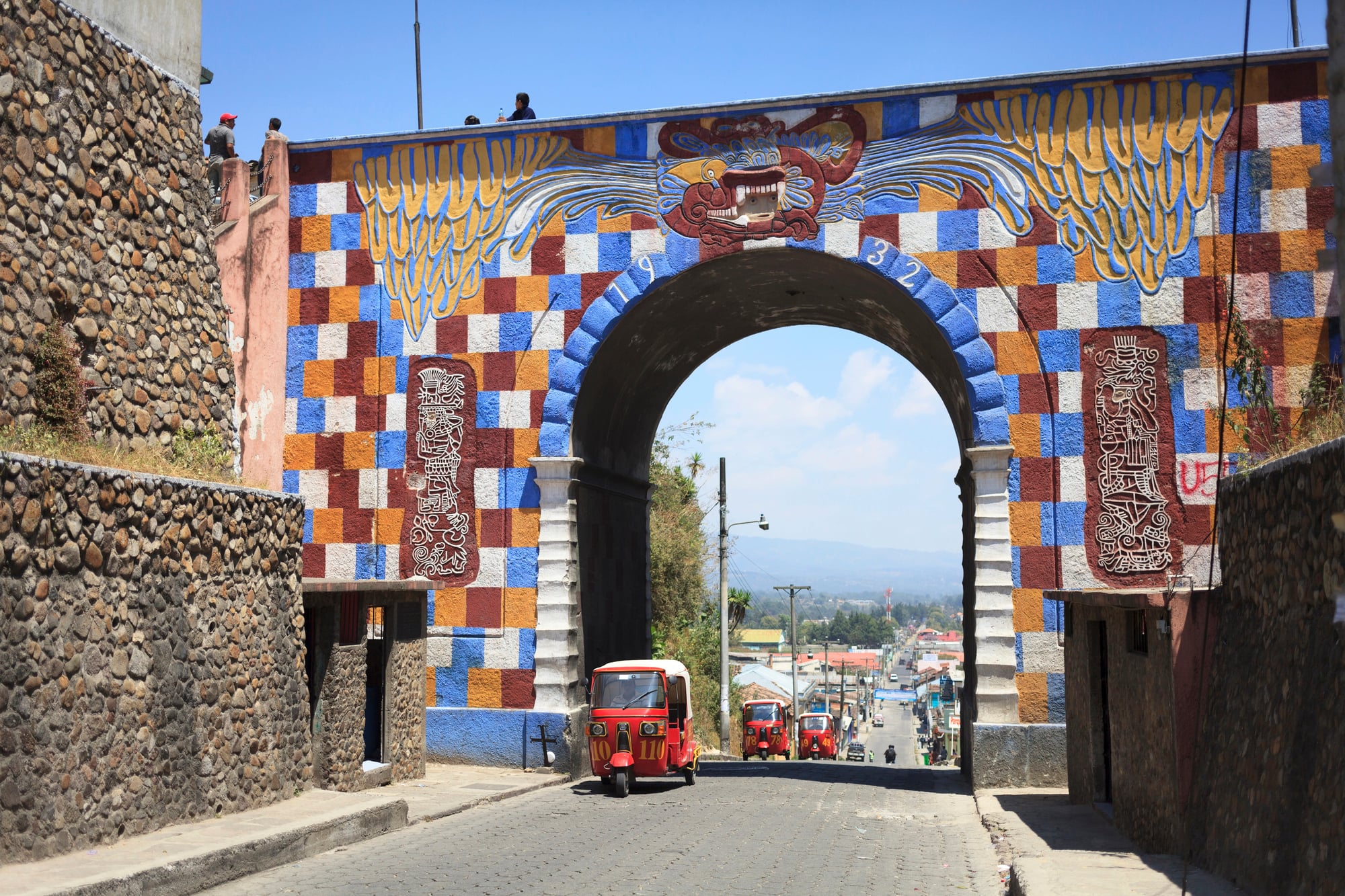
The politics of Dos Pilas read like a medieval drama, complete with shifting alliances, royal marriages gone wrong, and military campaigns that redrew territorial boundaries across the Maya world. The site’s founder was a refugee prince from Tikal who established his own dynasty after being exiled during a succession dispute.
Dos Pilas was built quickly, abandoned quickly, and then cannibalized by its own former residents who tore apart temples and palaces to build defensive walls during the final desperate years before total abandonment. The hieroglyphic stairways contain one of the longest inscriptions in the Maya area, chronicling the military history of the site’s most successful ruler.
Cancuen
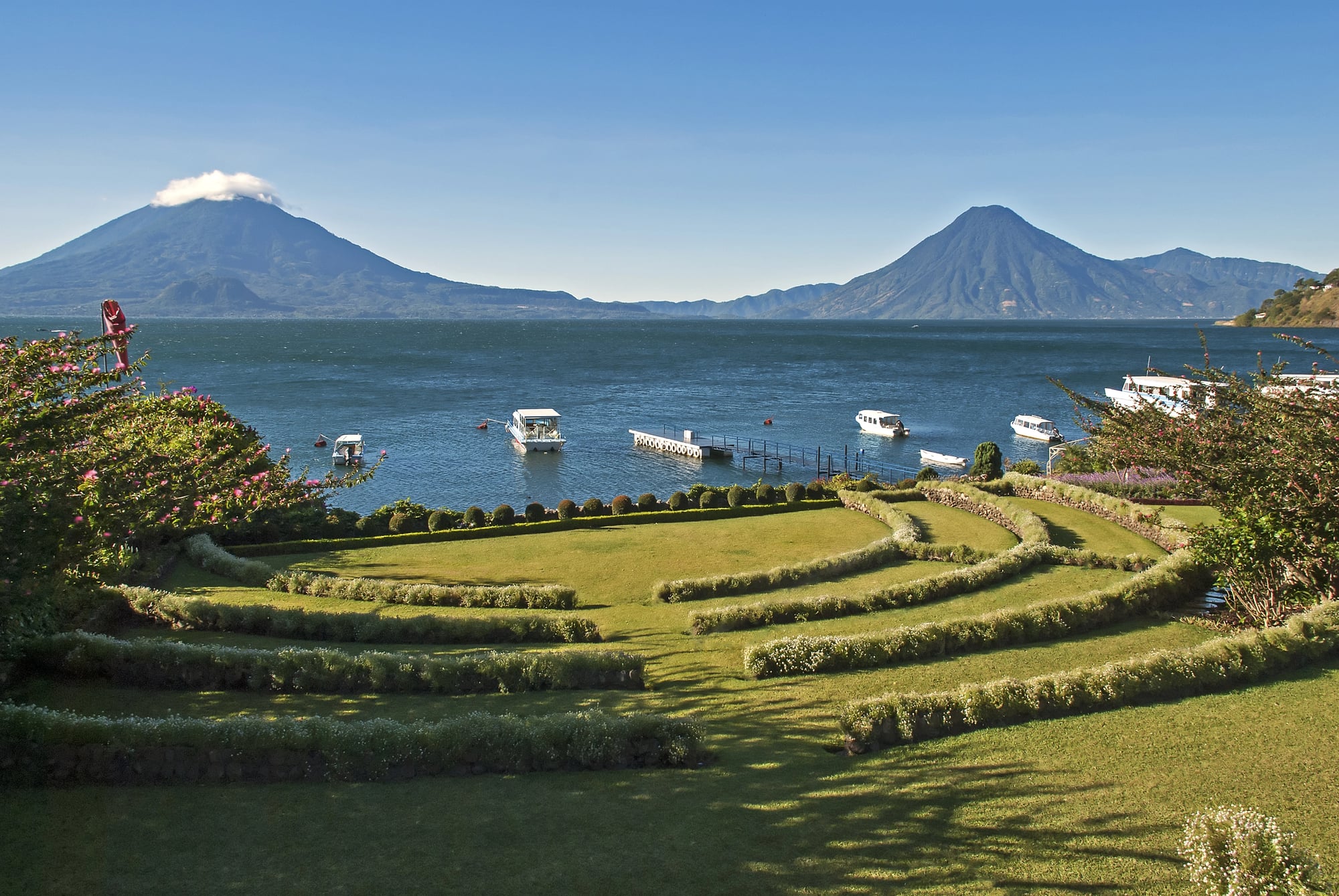
Cancuen breaks every rule about Maya cities, which makes it one of the most important archaeological sites in Guatemala for understanding how diverse and sophisticated Maya civilization actually was. There are no tall temples here, no defensive walls, and very little evidence of the warrior culture that dominated other Classic period sites.
Instead, Cancuen appears to have been a trading center where Maya merchants accumulated wealth through commerce rather than conquest. The site sits at a strategic point where the Pasion River becomes navigable, making it a natural port for goods moving between the Maya highlands and lowlands.
Machaquila
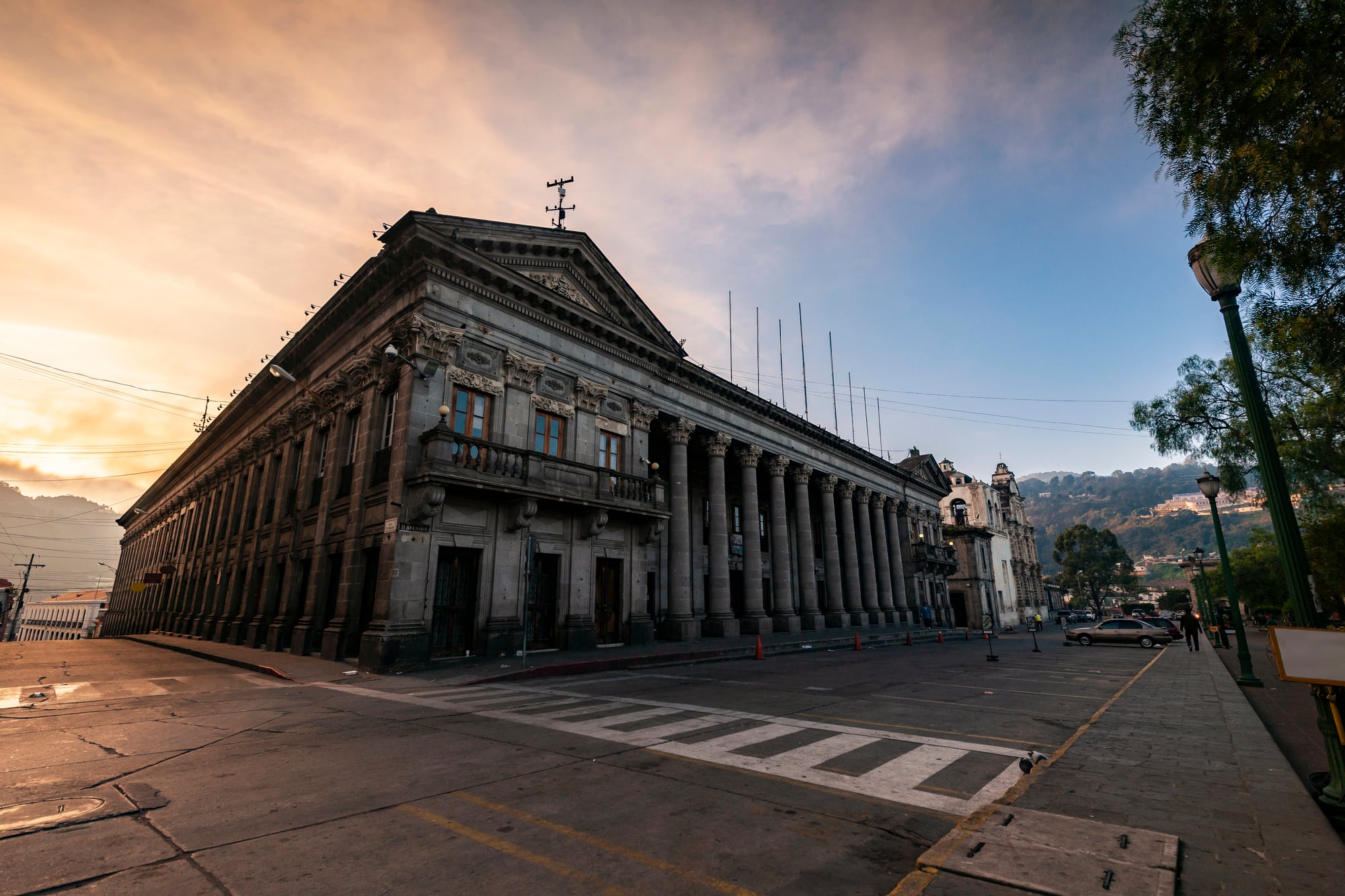
Machaquila specialized in stone carving with a level of artistic achievement that puts it among the finest examples of Maya sculpture anywhere in Central America. The stelae here feature full-figure glyphs — hieroglyphs carved as complete human and animal forms rather than simplified symbols.
The site’s monuments chronicle the military victories of its rulers with the kind of detailed boasting that suggests Machaquila punched well above its weight in regional politics. Several inscriptions record defeats of much larger cities, which seems improbable until you see the quality of craftsmanship and realize this was a place with serious resources.
Piedras Negras
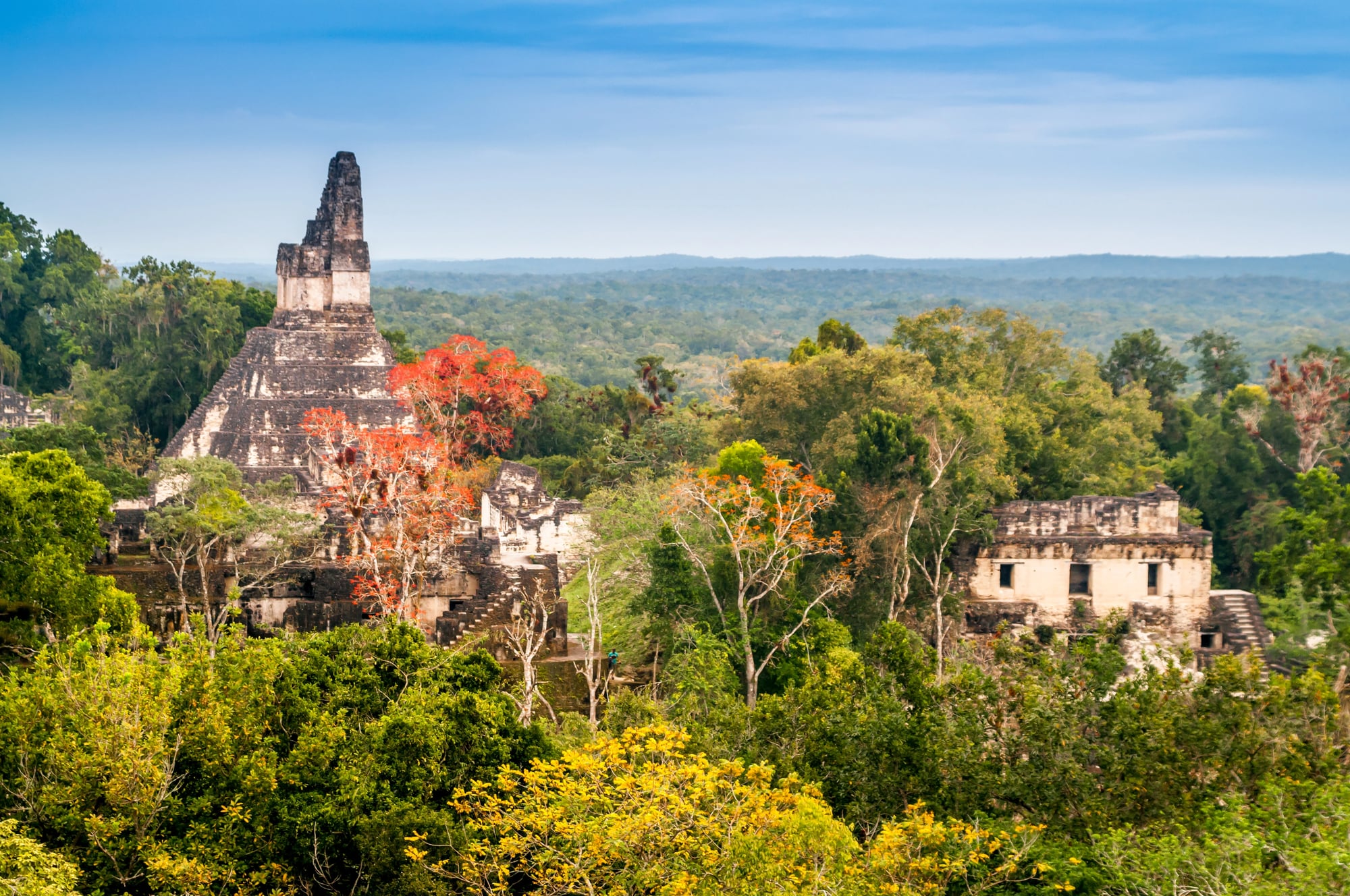
Piedras Negras sits on a limestone bluff overlooking the Usumacinta River, and the setting alone explains why this became one of the most powerful cities in the Maya world during the Late Classic period. The river provided both a major trade route and a natural defensive barrier, while the high ground offered clear sightlines in multiple directions.
The real treasure at Piedras Negras isn’t architectural: it’s the hieroglyphic inscriptions that provide the most detailed political history available for any Maya city-state. The monuments chronicle everything from royal births and marriages to military campaigns and diplomatic negotiations.
Quirigua

Quirigua proves that size doesn’t determine significance in Maya archaeology. The site covers less than two square miles, but it houses the tallest stone monuments erected anywhere in the Maya world — Stela E reaches 35 feet in height and weighs roughly 65 tons.
The craftsmanship represents Maya stone carving at its absolute peak. Full-figure glyphs cover the monuments with a level of artistic detail that required master sculptors working with bronze-age tools.
Topoxte
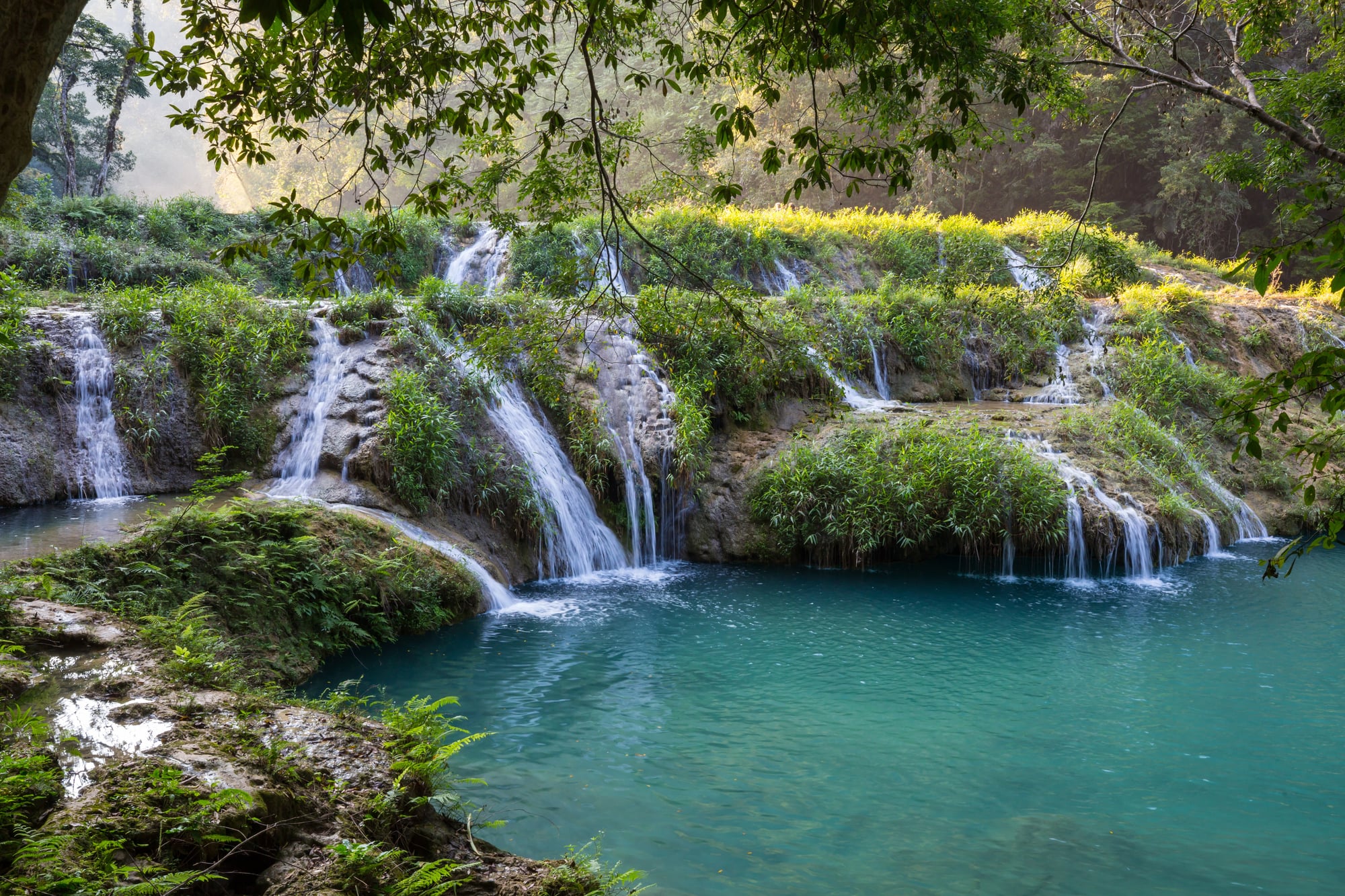
There’s something almost defiant about Topoxte’s location on a small island in Lake Yaxha. The strategy apparently worked — while mainland sites were being abandoned or destroyed during the Spanish conquest, Topoxte continued to function as a ceremonial center well into the colonial period.
The architecture reflects this pragmatic approach to survival. Rather than massive pyramids designed to impress visitors from great distances, Topoxte’s buildings focus on functionality and defense.
Standing Where Centuries Converge
Walking through Guatemala’s Maya ruins changes something fundamental about how time feels. These aren’t just archaeological sites — they’re places where the ancient world refuses to stay buried, where centuries of history layer themselves into something you can touch and climb and stand inside.
Each ruin offers its own version of this experience, but collectively they form something larger: a landscape where one of humanity’s great civilizations still speaks for itself, in its own voice, through the permanence of stone and the persistence of memory.
More from Go2Tutors!

- The Romanov Crown Jewels and Their Tragic Fate
- 13 Historical Mysteries That Science Still Can’t Solve
- Famous Hoaxes That Fooled the World for Years
- 15 Child Stars with Tragic Adult Lives
- 16 Famous Jewelry Pieces in History
Like Go2Tutors’s content? Follow us on MSN.