15 Times Ordinary People Made History
Most stories about the past fixate on leaders, soldiers, or stars. Yet quiet shifts often begin with someone ordinary – no credentials, no office, no ambition for renown.
Timing placed them where things cracked open. A single act, unplanned, rewrote what came after.
Rosa Parks On The Bus

December first, 1955 – Rosa Parks sat still. A tailor by trade, forty-two years old, riding home through Montgomery, Alabama.
The bus driver demanded she move so a white man could sit; she stayed put. Not because her feet ached, though they did after hours at the sewing table – but because something deeper had worn thin.
Vasili Arkhipov’s Refusal

In 1962, amid the Cuban Missile Crisis, a Soviet sub crew thought they were being attacked – so they readied a nuclear torpedo. Launching it needed approval from three top officers; two gave their go-ahead without hesitation.
Yet one man, Vasili Arkhipov, held firm and refused. Because of that moment, war between the U.S. and USSR likely didn’t erupt.
Stanislav Petrov Decides

That night in late September eighty three, alarms flashed at a bunker outside Moscow. A warning came through – five incoming American warheads spotted by orbiting sensors.
Orders said pass it upward, let higher ranks respond. But Petrov sat still, eyes fixed on screens glowing under dim light.
Nicholas Winton Quiet Mission

A young British banker named Nicholas Winton visited Czechoslovakia in 1938, just as German troops advanced. Though only twenty-nine, he stepped into chaos where Jewish families faced growing peril.
Instead of looking away, he set up a quiet mission, working past endless official delays. Trains were arranged one by one, each carrying kids toward safety across the border.
Ryan White’s Fight

A boy named Ryan White lived in Indiana. Because he had trouble clotting blood, doctors gave him treatments that carried a virus – HIV.
In 1985, school leaders said he could not come to class. He stood up against their decision, alongside his parents, speaking out where many could hear.
Erin Brockovich and the Water
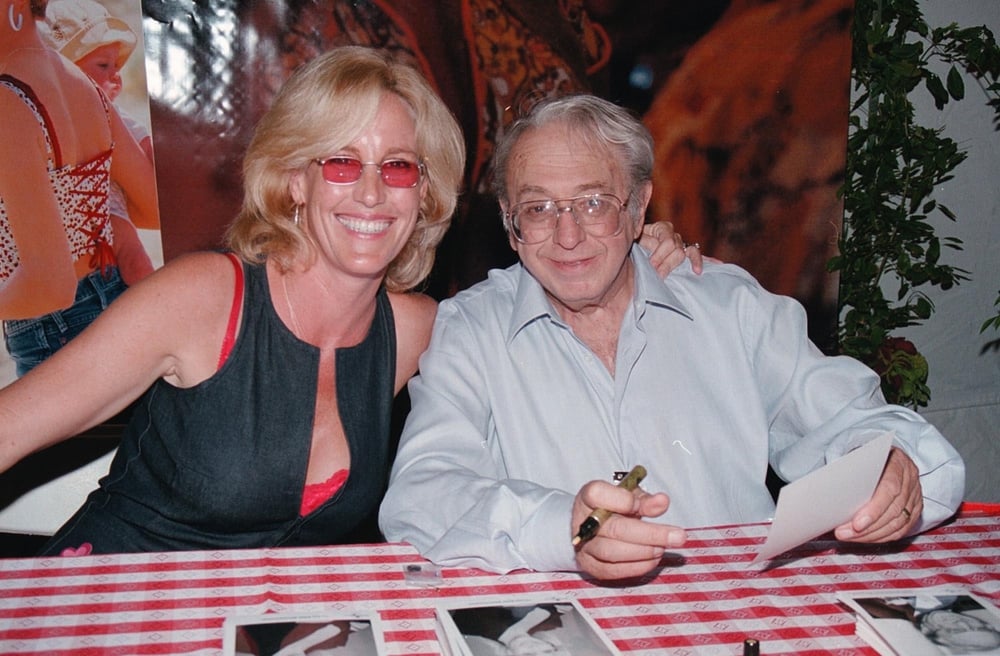
A lone mom working as a file clerk in California, Erin Brockovich held no law diploma yet spotted odd details in medical files linked to property documents. From there, her curiosity pulled her deeper into overlooked data.
Behind those records sat a pattern – water in Hinkley tainted by chromium-6, spilled year after year by Pacific Gas and Electric. The result? A record-shattering payout of 333 million dollars through a personal injury suit.
Malala Yousafzai’s Notebook

Malala Yousafzai was 11 years old when she started writing an anonymous blog for the BBC about life under Taliban rule in Pakistan’s Swat Valley. She described what it was like to watch girls lose access to education, writing in a clear and steady voice that the world had not heard from that region before.
In 2012, she survived a targeted attack and used the global attention that followed to build one of the most recognized education advocacy organizations on the planet. She became the youngest person ever to receive the Nobel Peace Prize in 2014.
Greta Thunberg’s First Friday

In August 2018, a 15-year-old Swedish student named Greta Thunberg skipped school and sat in front of the Swedish parliament with a handmade sign that read ‘School Strike for Climate.’ She did this alone, every Friday, for weeks.
Within months, millions of young people across the world were joining similar strikes in what became the Fridays for Future movement. No organization backed her initial protest, no campaign strategist helped plan it.
Mathew Crawford and the Mine

In 2010, 33 miners were trapped nearly half a mile underground after a cave-in at the San José copper mine in Chile. The world watched for 69 days as rescue teams worked around the clock.
Mathew Crawford was part of the international team that designed the drill plan that eventually reached the miners, but the real story belonged to the miners themselves, particularly shift foreman Luis Urzúa. He was the last one to leave the mine.
Lenny Skutnik’s Dive
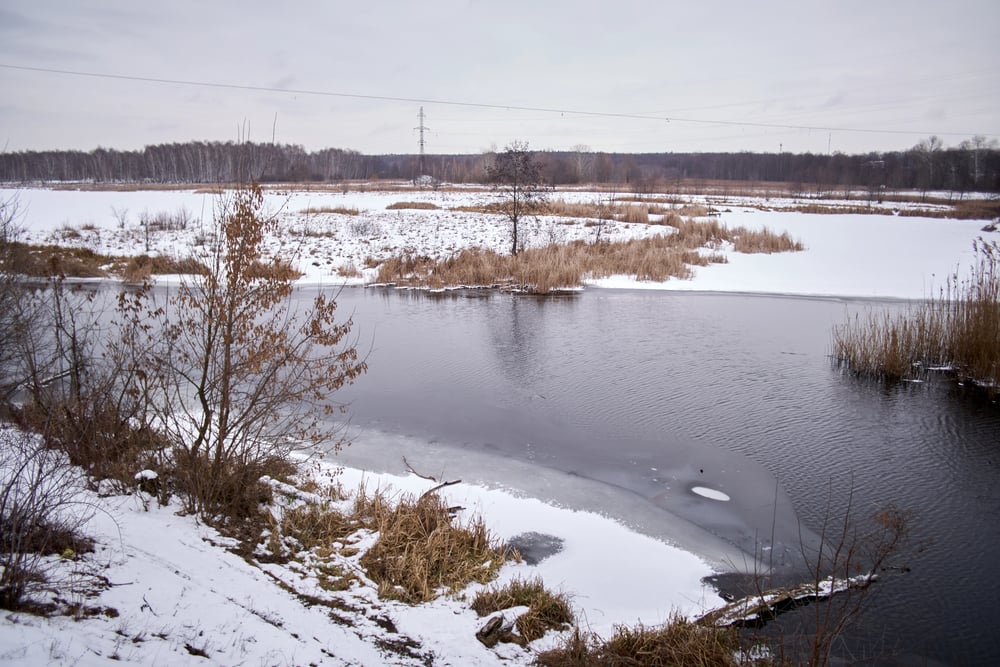
On January 13, 1982, Air Florida Flight 90 crashed into Washington D.C.’s Potomac River in freezing temperatures shortly after takeoff. Lenny Skutnik was a government office worker who had stopped to watch the rescue efforts from the riverbank.
When he saw a passenger too weak to hold on to a rescue line, he took off his coat and dove into the icy water. He pulled her to safety.
The Tank Man of Tiananmen

On June 5, 1989, a lone man stood in front of a column of military tanks in Beijing the morning after the Chinese government’s violent crackdown on pro-democracy protesters. He was never identified.
He carried shopping bags and placed himself directly in the path of the lead tank, forcing it to stop repeatedly as he shifted to block its path. The image became one of the most reproduced photographs of the twentieth century.
Wangari Maathai’s Trees
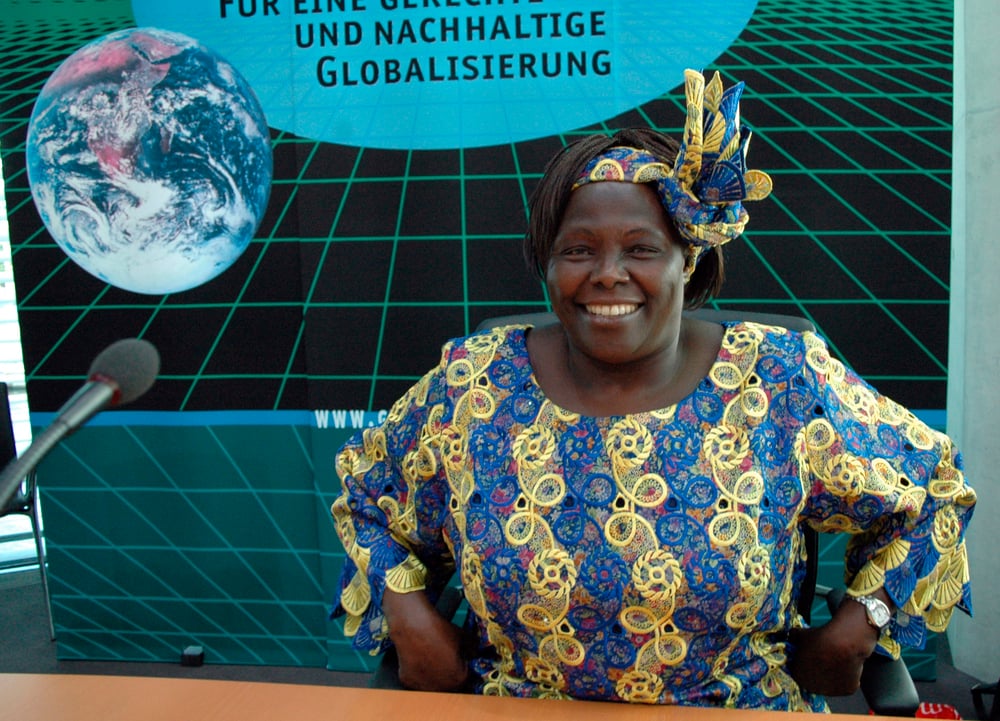
Wangari Maathai was a Kenyan woman who, in 1977, started encouraging rural women to plant trees in response to environmental degradation and food shortages. The effort started small, as a local community project with seeds and soil.
It grew into the Green Belt Movement, which planted more than 51 million trees across Africa over the following decades. In 2004, Maathai became the first African woman to receive the Nobel Peace Prize.
The Greensboro Four
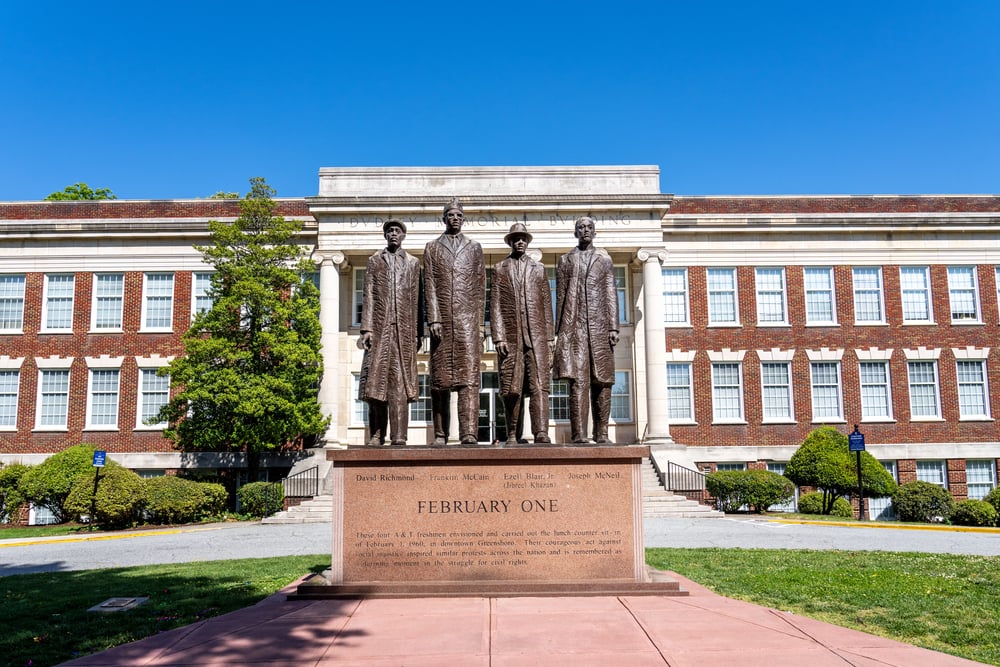
On February 1, 1960, four Black college students, Ezell Blair Jr., David Richmond, Franklin McCain, and Joseph McNeil, sat down at a whites-only lunch counter at a Woolworth’s store in Greensboro, North Carolina, and politely asked to be served. They were refused and they stayed.
The next day more students came, and then more, spreading to other cities within weeks. The sit-in movement became a direct and powerful strategy in the civil rights movement.
Viktor Frankl’s Manuscript
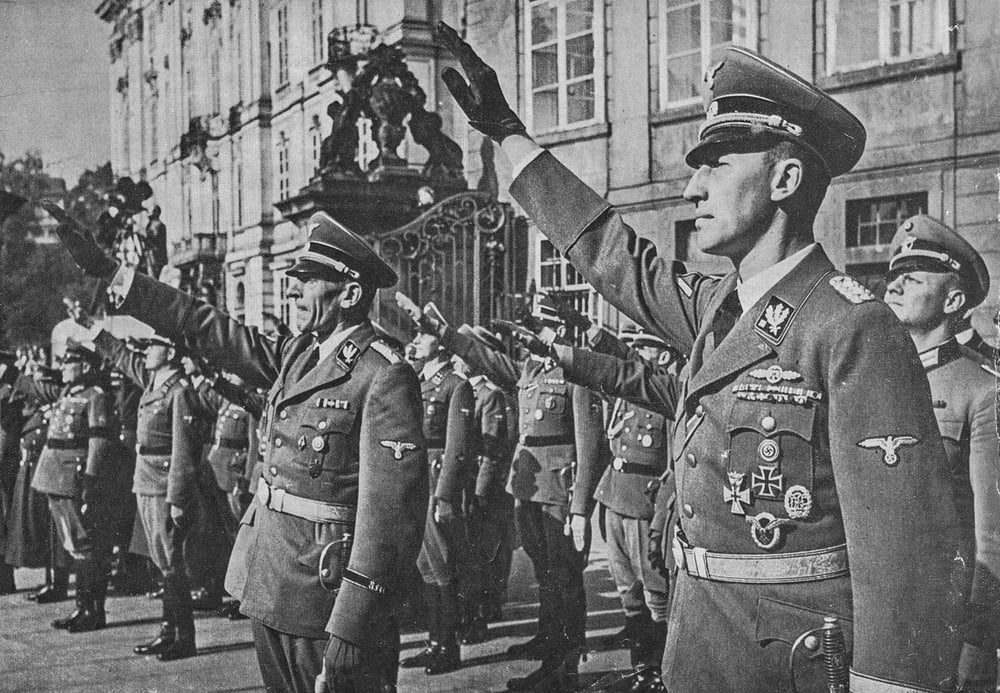
Viktor Frankl was a Jewish psychiatrist who survived four Nazi concentration camps, including Auschwitz. While imprisoned, he mentally reconstructed a manuscript that the guards had destroyed, holding onto his ideas as a way to stay alive.
After liberation, he wrote ‘Man’s Search for Meaning’ in nine days. The book has since sold over 16 million copies and is consistently listed among the most influential books ever written.
Claudette Colvin’s Earlier Stand
Most people know Rosa Parks, but fewer know that nine months before Parks refused to give up her seat, a 15-year-old girl named Claudette Colvin did the same thing on a Montgomery bus and was arrested. Civil rights leaders at the time chose not to build their campaign around Colvin partly because of her age and circumstances, but her act of refusal came first.
Legal cases stemming from Colvin’s arrest were later cited in the federal court ruling that declared bus segregation unconstitutional. History remembered Parks, but Colvin planted the seed that made it possible.
The Courage Behind the Story

What these moments share is not heroism in the dramatic, movie-poster sense. They are moments where someone decided that the cost of staying quiet or staying still was higher than the risk of acting.
Parks, Petrov, Arkhipov, Winton, and the rest of them were not waiting for a spotlight. The world changed because they moved first, often without knowing what would follow.
More from Go2Tutors!

- The Romanov Crown Jewels and Their Tragic Fate
- 13 Historical Mysteries That Science Still Can’t Solve
- Famous Hoaxes That Fooled the World for Years
- 15 Child Stars with Tragic Adult Lives
- 16 Famous Jewelry Pieces in History
Like Go2Tutors’s content? Follow us on MSN.