Photos of Fictional Haunted Houses You’d Maybe Live in
There’s something peculiar about the way fictional haunted houses capture the imagination. Unlike their real-world counterparts (which tend toward the genuinely unsettling), these homes from movies, TV shows, and literature often possess an architectural charm that transcends their supernatural baggage.
Maybe it’s the Gothic grandeur, the ornate details, or simply the fact that someone else dealt with the ghosts before you moved in. Whatever the reason, these fictional properties have a way of making you think: sure, it’s haunted, but look at those crown moldings.
The Addams Family Mansion
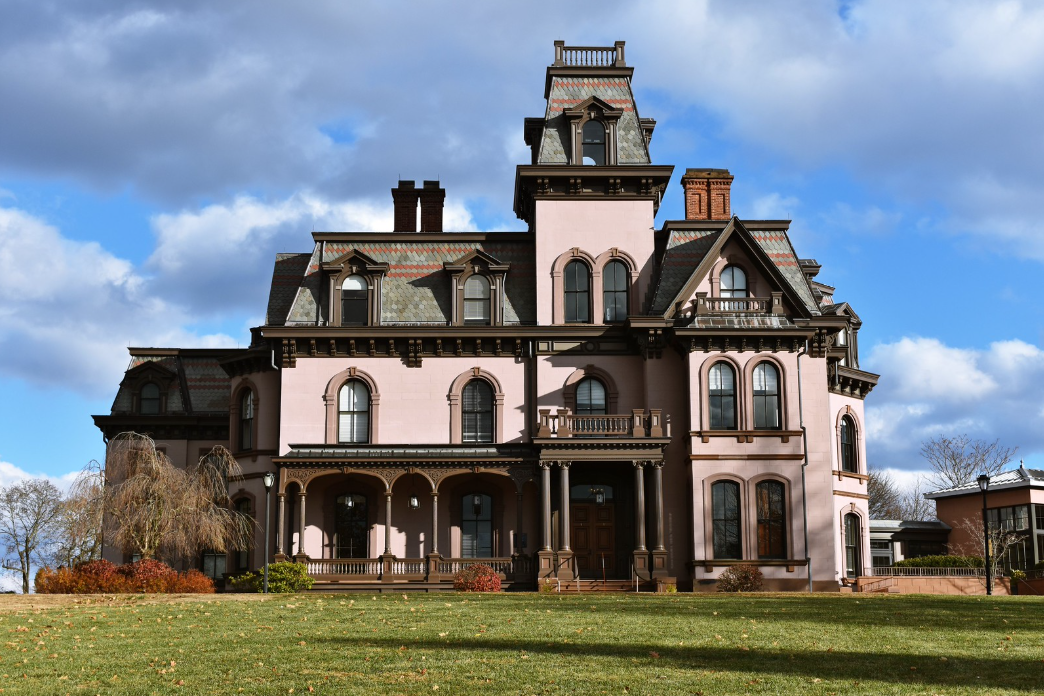
The Addams Family mansion gets haunted housing right. Victorian Gothic architecture with rooms designed for both the living and the undead.
No apologizing for the aesthetic. The house works because it embraces what it is.
Pointed arches, wrought iron details, and enough square footage to avoid your ghostly roommates when needed. Plus the family already worked out a functional relationship with their supernatural residents.
Hill House
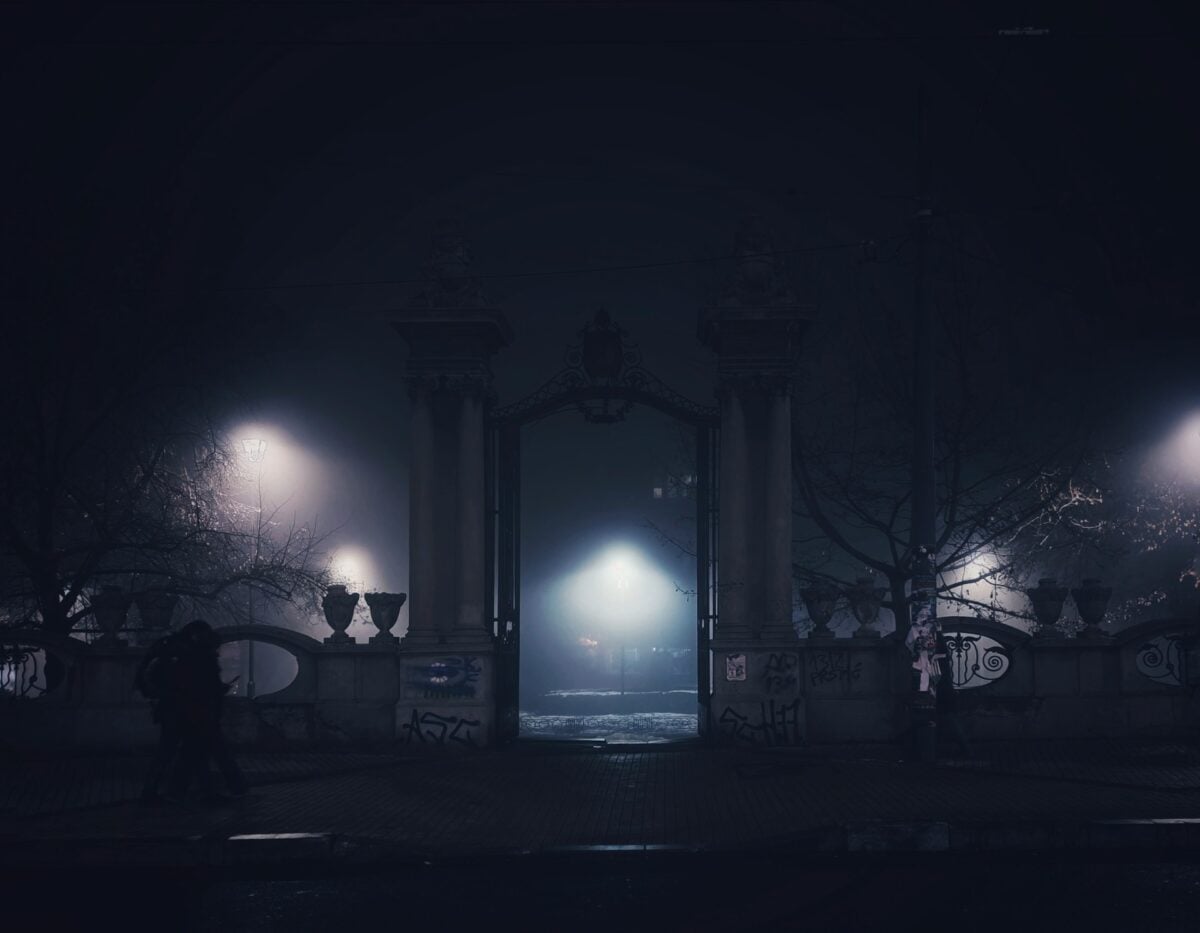
There’s something about Shirley Jackson’s Hill House that operates like an optical illusion in reverse — the wrongness becomes familiar the longer you stare at it. The doors close slightly off-center, the angles don’t quite meet where they should, and the house seems to breathe in ways that architecture shouldn’t, but (and this is where it gets complicated) those same geometric impossibilities create spaces that feel oddly protective once you stop fighting them.
So maybe the walls lean inward at degrees that defy physics. Maybe the library exists in a space larger than the house’s exterior dimensions should allow.
But consider this: a house that rearranges itself according to some interior logic might actually be responding to what you need rather than what you think you want — which, when you’ve spent enough time in places built by developers who never bothered to notice how light moves through rooms, starts to sound less like a curse and more like architecture that finally pays attention. The house chooses its inhabitants, which means it already decided you belong there.
And belonging somewhere, even somewhere impossible, beats the alternative.
The Overlook Hotel
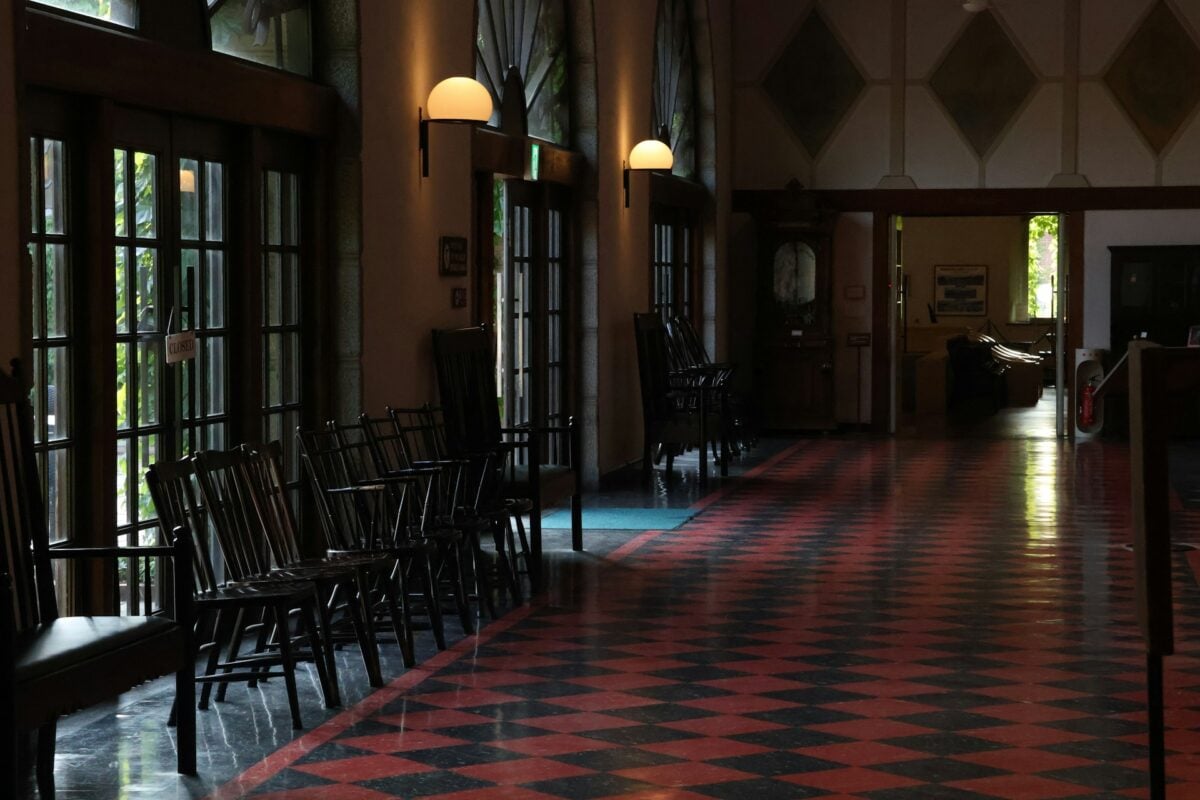
The Overlook Hotel is a bad place to spend the winter but an excellent place to own. All that square footage in the Colorado Rockies, and the ghosts only really get active during the off-season when tourism drops anyway.
The ballroom alone justifies the property taxes. Art Deco fixtures, that hedge maze, and enough period details to make any renovation unnecessary.
The previous incidents were mostly about isolation and cabin fever, which becomes less of an issue when you’re not trapped there for months. Sure, Room 237 stays off-limits, but every house has that one room you use for storage.
Thornfield Hall
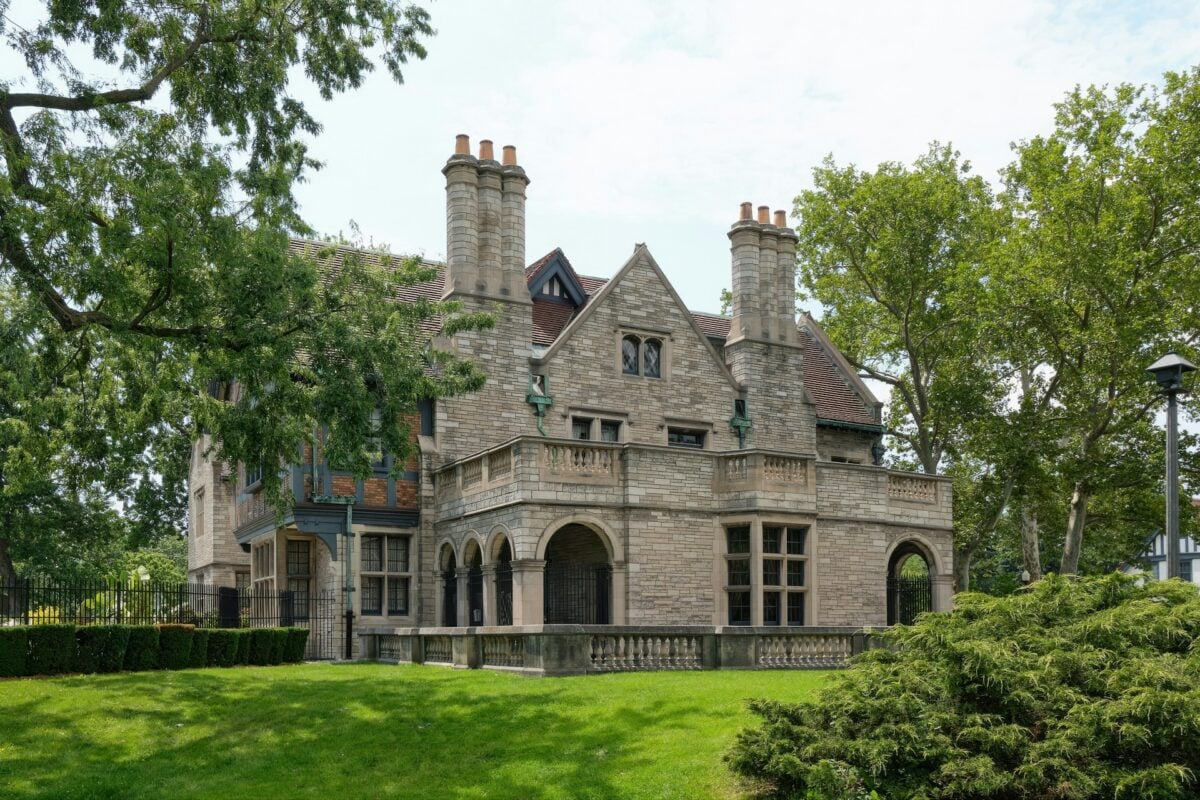
Thornfield Hall carries the kind of architectural melancholy that seeps into your bones like afternoon light through tall windows — the sort of place where grief and grandeur have learned to coexist in the stone itself. The manor spreads across the Yorkshire landscape with the confidence of old money, its Gothic Revival lines softened by decades of weather and compromise, and while the third floor holds secrets that occasionally make themselves known through unexplained sounds (footsteps in empty hallways, doors that swing open when the house settles), there’s something almost companionable about sharing space with a sorrow that predates your own.
The house understands that some stories don’t end cleanly. Some just learn to live with themselves.
And if you’re the sort of person who finds peace in imperfection — in libraries with books whose spines have cracked from actual reading, in fireplaces that draw properly because someone cared enough to maintain the chimney, in rooms that have witnessed enough human complexity to stop judging — then Thornfield’s particular brand of haunting might feel less like an intrusion and more like proof that the house has always known how to hold space for difficult truths. The gardens alone would justify the property taxes, even without the literary pedigree.
The Haunted Mansion
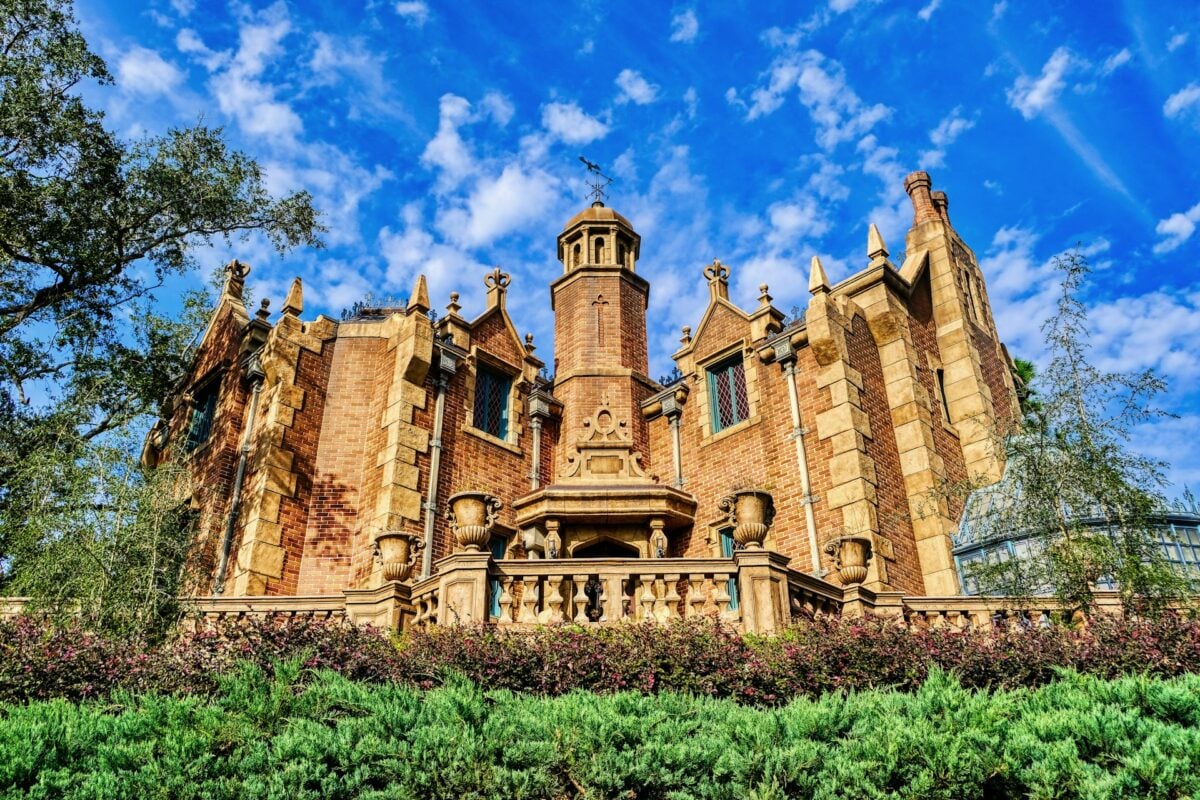
Disney’s Haunted Mansion represents the gold standard of livable haunted real estate. The 999 happy haunts have already established a functional community, complete with social activities and organized events.
The mansion’s antebellum architecture provides both grandeur and practical living space. High ceilings, multiple parlors, and a ballroom that hosts regular gatherings.
The supernatural residents seem genuinely welcoming to newcomers, and the property maintenance appears to handle itself. The only real drawback is the tourist foot traffic, but that comes with any landmark property.
Bly Manor
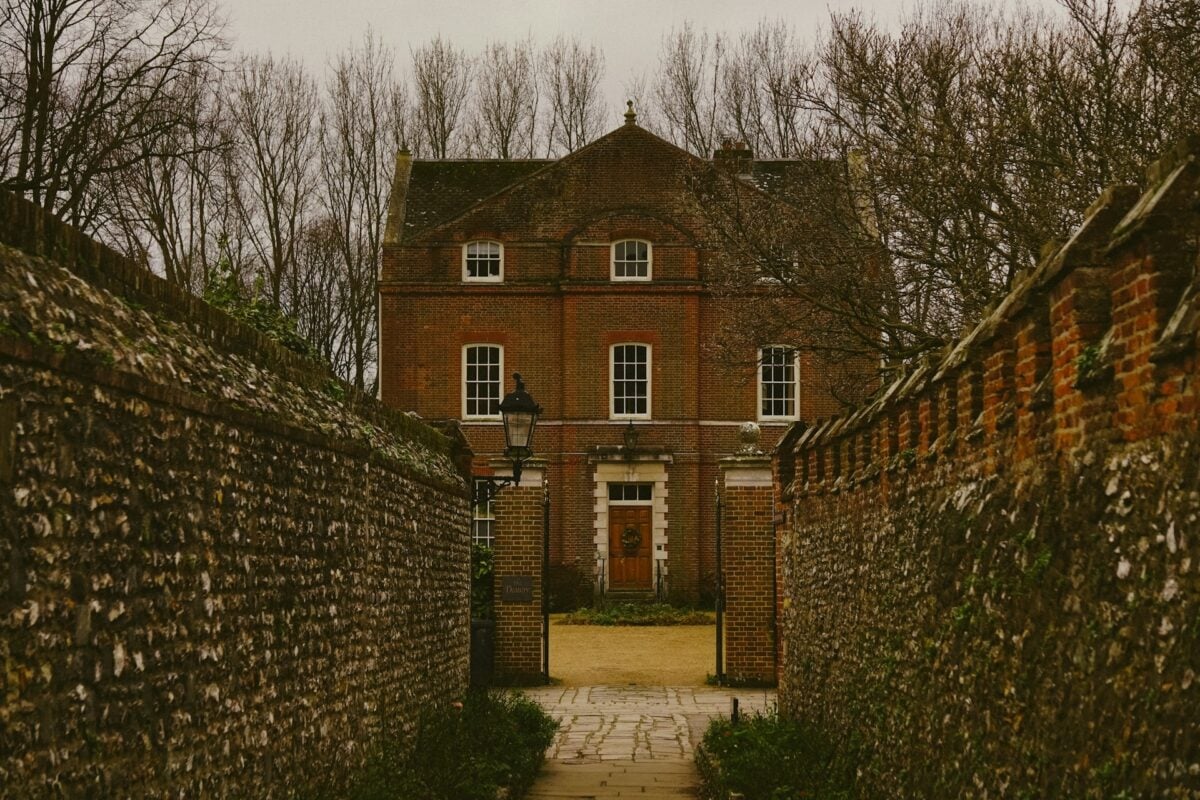
The thing about Bly Manor (and this applies whether you’re talking about Henry James’s original or any of its various adaptations) is that it suffers from a case management problem rather than a fundamental structural issue — the ghosts have legitimate grievances that previous owners simply never bothered to address, which created a backlog of supernatural complaints that accumulated over decades until the whole situation became unmanageable. But strip away the unresolved trauma and what remains is a Georgian country house with impeccable bones: symmetrical facade, well-proportioned rooms, gardens designed by someone who understood that landscape should complement architecture rather than compete with it, and enough bedrooms to house a small staff (should you choose to hire living employees instead of relying on the existing spectral workforce).
The lake provides both scenic value and recreational opportunities, assuming you’re comfortable with the occasional apparition emerging from the water — though honestly, lake houses always come with some form of maintenance issue, and at least ghosts don’t require winterization or dock repairs. So the previous tenants never left.
So they occasionally reenact their personal tragedies in the hallways. But they’re bound to the property anyway, which means they have a vested interest in maintaining its value, and that’s more than you can say for most HOA situations.
The Winchester Mystery House
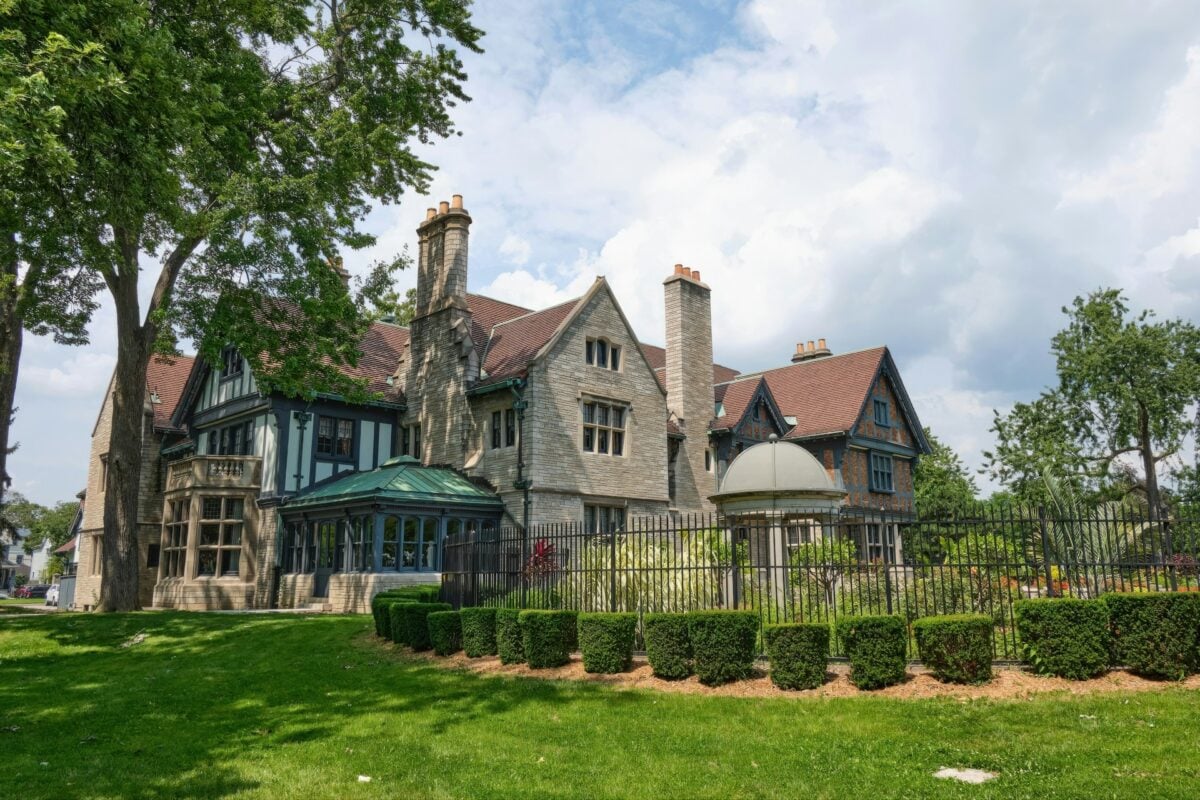
The Winchester Mystery House solves the fundamental problem of haunted house architecture: it gives the ghosts something to do. Sarah Winchester built continuously for decades, creating a maze of staircases to nowhere and doors that open onto walls.
The house functions as both residence and elaborate supernatural distraction device. The spirits stay busy navigating the architectural puzzles while you live in the parts that make sense.
It’s like having a built-in entertainment system for your ghostly roommates. Plus the property value in San Jose has only gone up since construction ended.
Gracey Manor
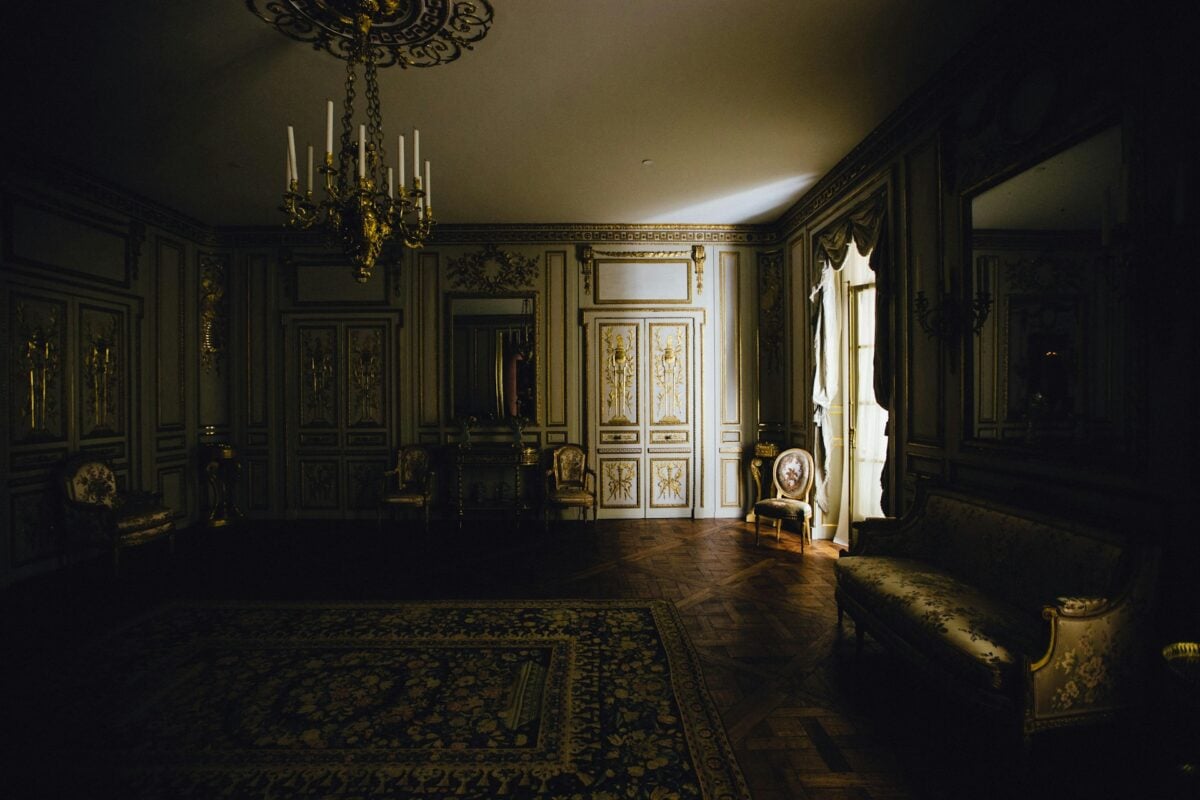
The thing about Gracey Manor is that it operates on the principle that elegance and supernatural activity can coexist without compromising either — the sort of place where crystal chandeliers illuminate both dinner parties and séances with equal sophistication. The mansion’s Georgian architecture provides a framework sturdy enough to support both the living and the dead: formal dining rooms where conversation flows around the table regardless of which guests require chairs and which prefer to hover, libraries where books turn their own pages but only to passages worth reading, and ballrooms spacious enough that you can waltz with your partner while the previous owners glide through their own eternal dance without anyone stepping on anyone else’s toes (metaphorically speaking, since some of the residents no longer have feet).
Master Gracey himself seems to have accepted his circumstances with a dignity that extends to his hospitality — the sort of host who ensures that both corporeal and incorporeal guests feel welcome, which suggests a household management style that could easily accommodate one more living resident without disrupting the established social dynamics. The grounds include formal gardens that maintain themselves, which eliminates the need for landscaping services.
And the local real estate market has never seen a property quite like this one, which means comparable sales won’t limit your negotiating position.
Amityville House
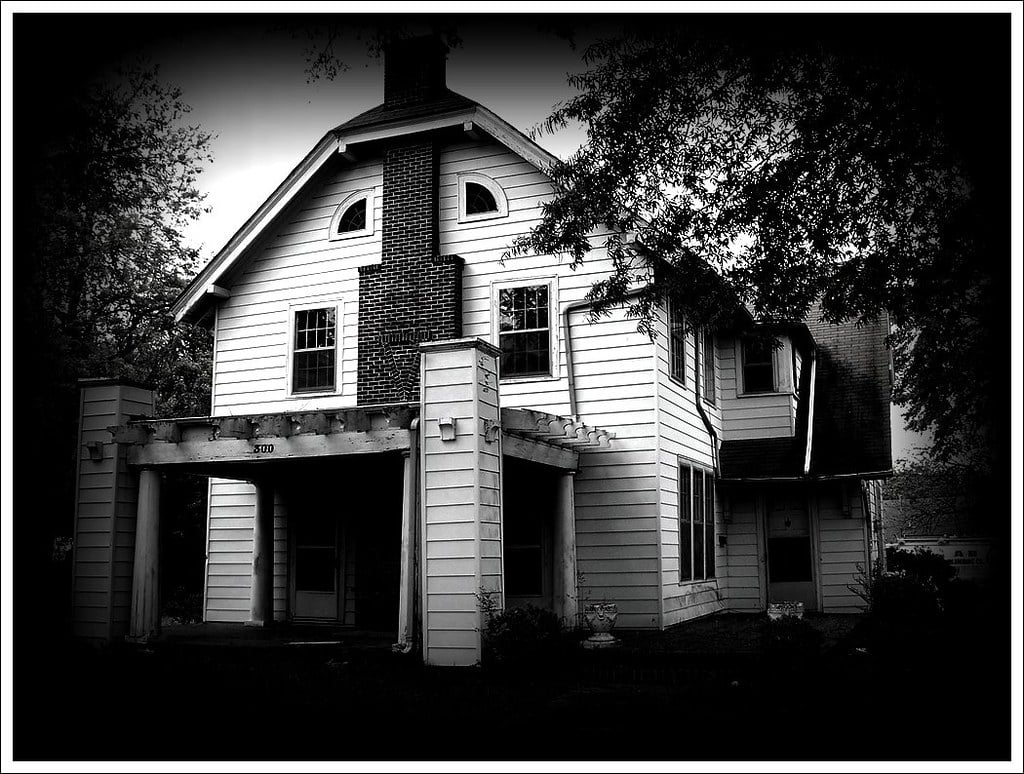
The Amityville house represents a different category of haunted real estate: the fixer-upper with a reputation problem. Dutch Colonial architecture, waterfront location, and enough square footage for a growing family.
The supernatural issues stem from specific historical events rather than architectural design flaws. Previous owners simply lacked the proper perspective on dealing with aggressive spiritual activity.
A little sage, some boundary-setting, and maybe a good exorcist could resolve the outstanding issues. Long Island waterfront property doesn’t come cheap, and the house’s notoriety keeps the asking price reasonable.
The House from Poltergeist
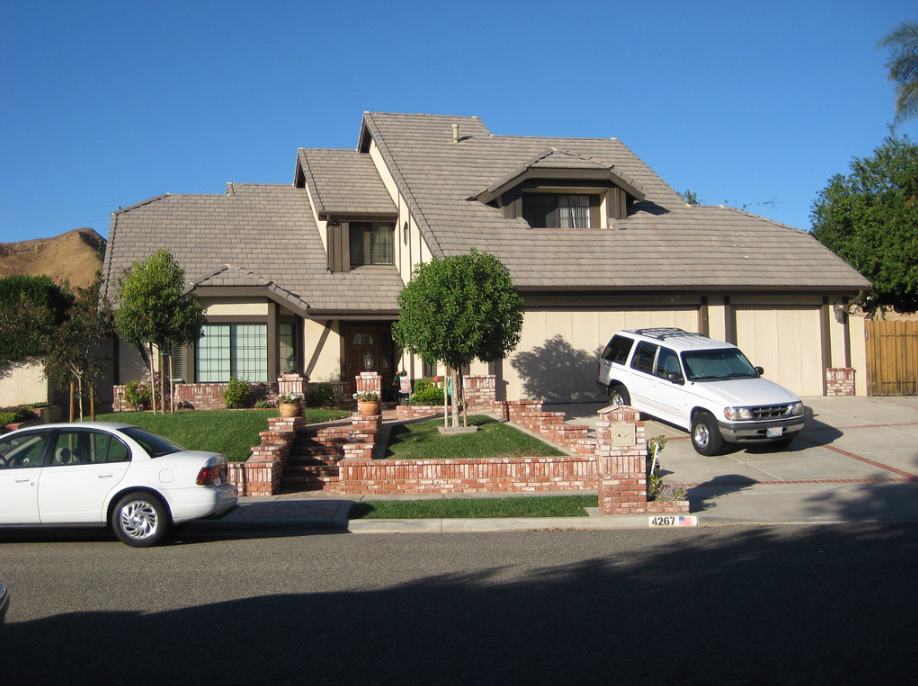
Here’s the thing about suburban tract housing built on questionable land: the ghosts aren’t actually the problem, they’re just the symptom of poor due diligence during the original development process. The Freeling house in Poltergeist represents perfectly serviceable 1980s architecture — split-level design, attached garage, neighborhood with decent schools — that happened to get constructed by developers who prioritized profit margins over proper land surveys and respectful relocation of existing grave sites.
But consider the upside: once you’ve properly addressed the underlying issues (respectful reinterment, appropriate spiritual cleansing, maybe some community outreach to acknowledge past wrongs), you’re left with a house in an established neighborhood where the HOA fees are reasonable and the commute to downtown isn’t terrible. The swimming pool needs some work after the whole tree incident, but pool renovation was probably in the budget anyway.
And the resale value has nowhere to go but up once you resolve the supernatural complaints.
Ravenshollow Manor
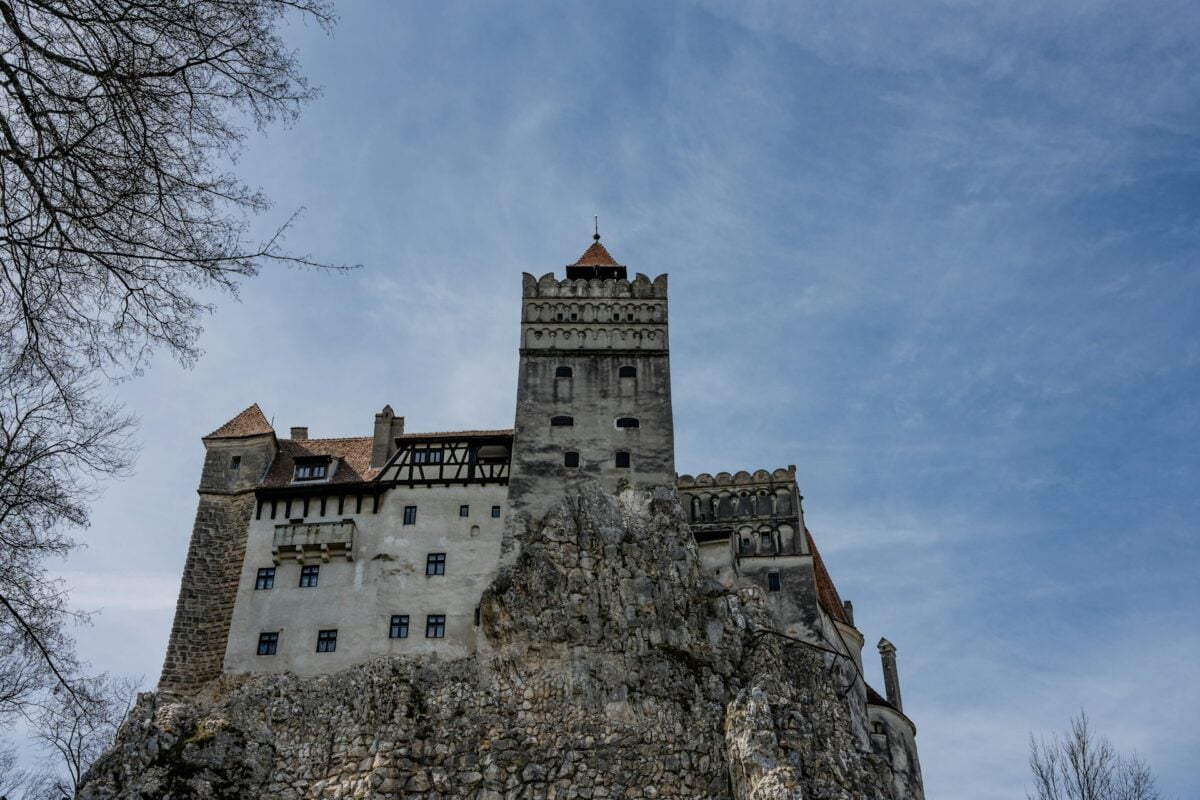
The fictional Gothic estates that populate Victorian literature all seem to follow the same architectural principle: build something grand enough that the ghosts feel appropriately housed, then live around them like sophisticated roommates who happen to exist in different centuries. Ravenshollow Manor — a composite of every fog-shrouded, windswept estate that ever appeared in a Gothic novel — represents this approach at its finest.
Stone construction that’s built to last, towers that provide excellent views of the surrounding countryside, and enough secret passages to make daily life interesting without becoming impractical. The supernatural residents typically stick to their own wings of the house, emerging mainly for dramatic effect during thunderstorms.
The Canterville Chase
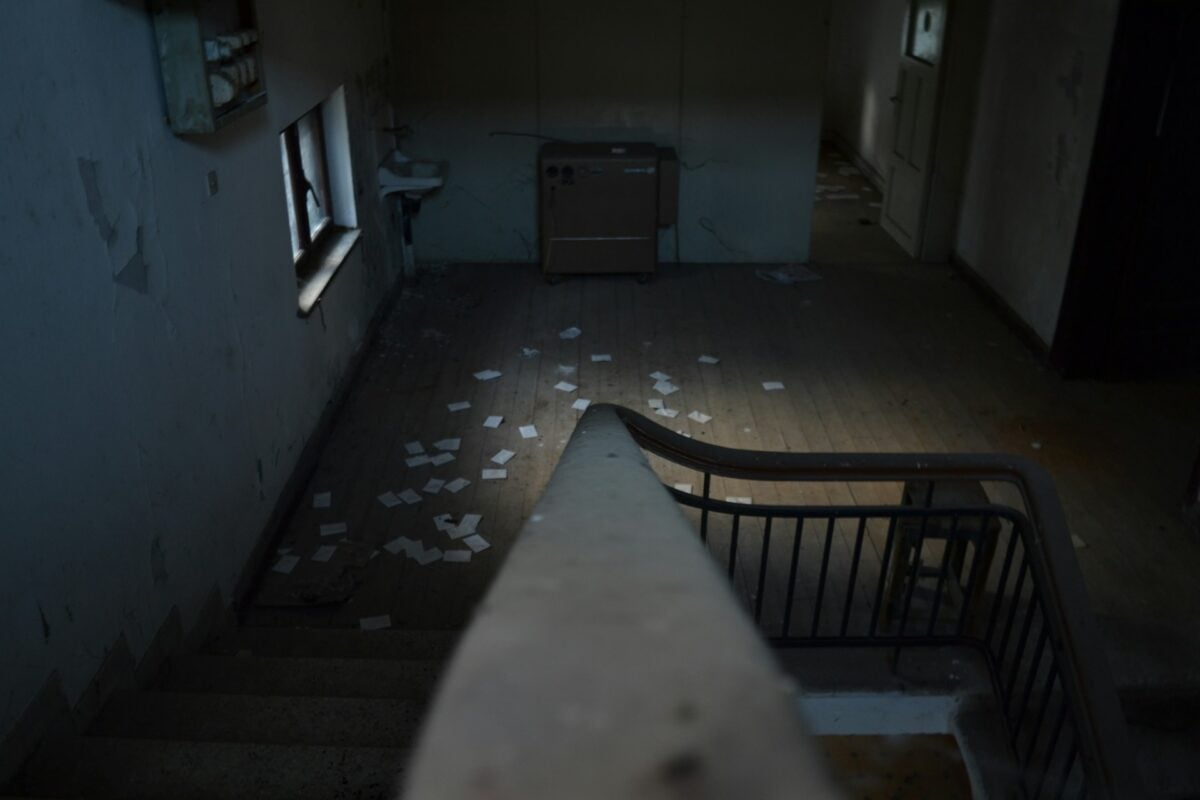
Oscar Wilde’s Canterville Chase operates on the premise that British politeness can resolve even the most persistent supernatural disputes — which turns out to be surprisingly accurate when you apply proper etiquette to ghost-human relations. Sir Simon de Canterville has been rattling chains and clanking around the property for centuries, but mainly because previous residents never bothered to address his concerns with appropriate courtesy and cultural sensitivity (the American family in Wilde’s story initially treats him like a tourist attraction rather than a long-term resident with legitimate grievances about his living conditions).
But once you establish proper protocols — acknowledge his historical significance, respect his scheduled haunting hours, maybe set aside a room where he can pursue his hobbies without interference — the arrangement becomes quite civilized. The Chase itself offers everything you’d want in a country estate: period architecture that hasn’t been ruined by modern renovations, grounds extensive enough for privacy, and a ghost who’s had centuries to perfect his craft, which means the supernatural entertainment is genuinely professional-quality rather than amateur-hour poltergeist activity.
Plus Sir Simon comes with the property, so you’re essentially getting a live-in caretaker who’s deeply invested in maintaining the estate’s historical integrity.
Hill House Redux
Sometimes the question isn’t whether you’d live in a haunted house, but whether you’re already living in one and just haven’t noticed yet. Hill House forces that recognition — not through jump scares or obvious supernatural phenomena, but through the slow realization that the building responds to inhabitant psychology in ways that regular architecture simply doesn’t.
The house amplifies what’s already there. It doesn’t create problems so much as make existing ones impossible to ignore.
Which means living there successfully requires a certain level of self-awareness and psychological stability. But for someone who’s already done that work, Hill House offers something most properties can’t: complete honesty about what it is and what it expects from its residents.
Living with the inevitable
The appeal of fictional haunted houses isn’t really about the ghosts at all — it’s about the architecture, the history, and the strange comfort that comes from knowing exactly what you’re dealing with. These properties offer something that regular real estate can’t: transparency about their supernatural residents and a proven track record of coexistence between the living and the dead.
The ghosts come with the house, but they also come with established patterns, known preferences, and generally predictable behavior. Which beats dealing with unpredictable neighbors, unreliable landlords, or HOA boards that change the rules without notice.
More from Go2Tutors!

- The Romanov Crown Jewels and Their Tragic Fate
- 13 Historical Mysteries That Science Still Can’t Solve
- Famous Hoaxes That Fooled the World for Years
- 15 Child Stars with Tragic Adult Lives
- 16 Famous Jewelry Pieces in History
Like Go2Tutors’s content? Follow us on MSN.