Photos of Street Foods That Define Cities’ Identities
Street foods provide a unique lens for understanding the personality of a city. These foods may have started as a solution for busy workers or travelers, but they evolve into symbols of culture beyond their original environment.
Despite the evolution of the city, the street vendors help preserve the tradition of the past. The smells, tastes, and brief conversations with the vendors at these stands are a reminder that the personality of a city is often defined by the everyday experiences that occur on the street.
New York City — Hot Dogs
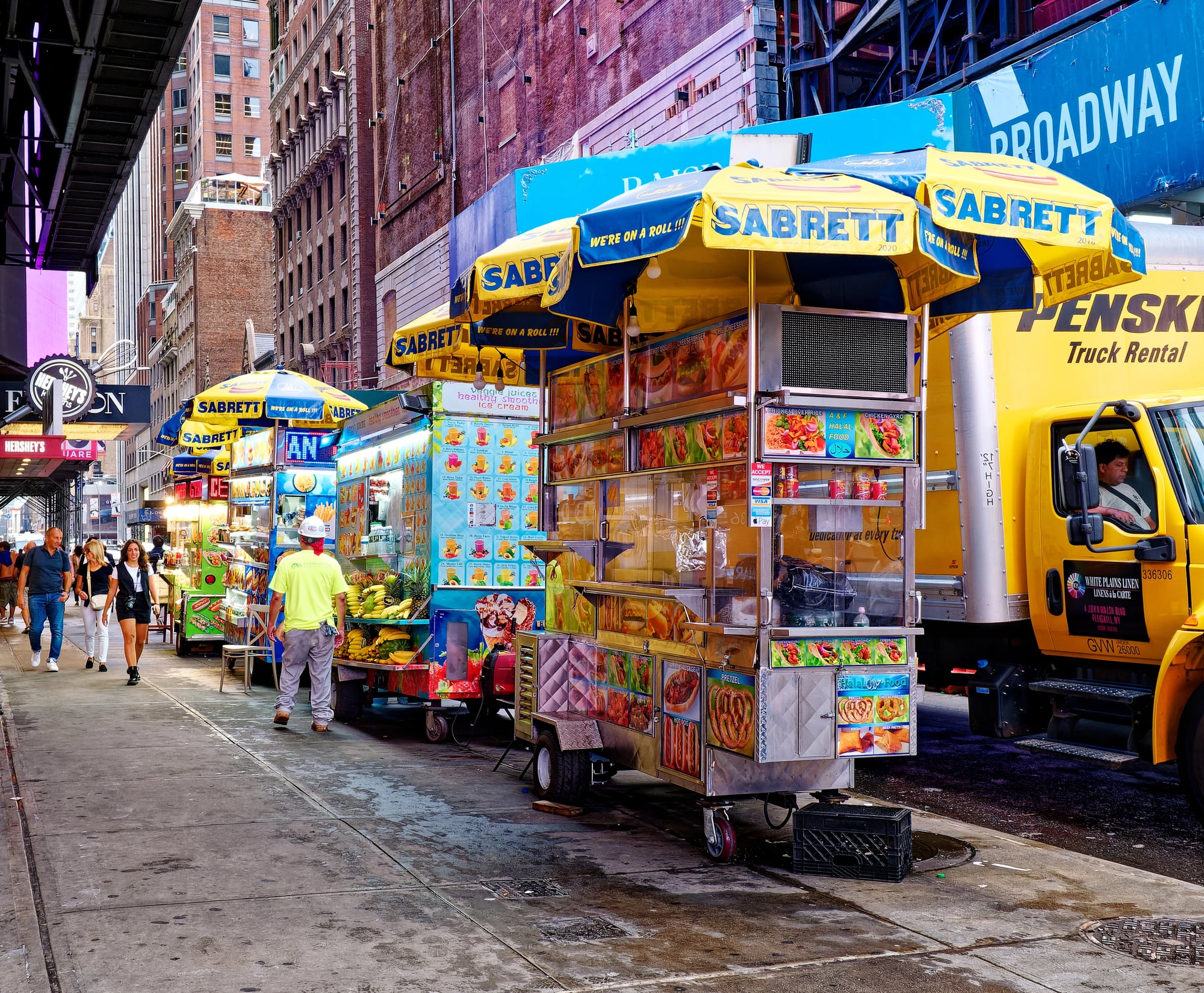
Few foods feel more closely tied to New York City than the classic hot dog from a street cart. Vendors stationed near parks, subway entrances, and busy intersections have been serving them for generations.
The simplicity of the dish—a grilled sausage in a bun with mustard, onions, or sauerkraut—makes it quick to prepare and easy to eat while walking. The tradition dates back to the late 19th century, when German immigrants introduced sausages that quickly became a favorite among city residents.
Today, grabbing a hot dog from a sidewalk vendor remains a familiar part of the New York experience.
Mexico City — Tacos al Pastor
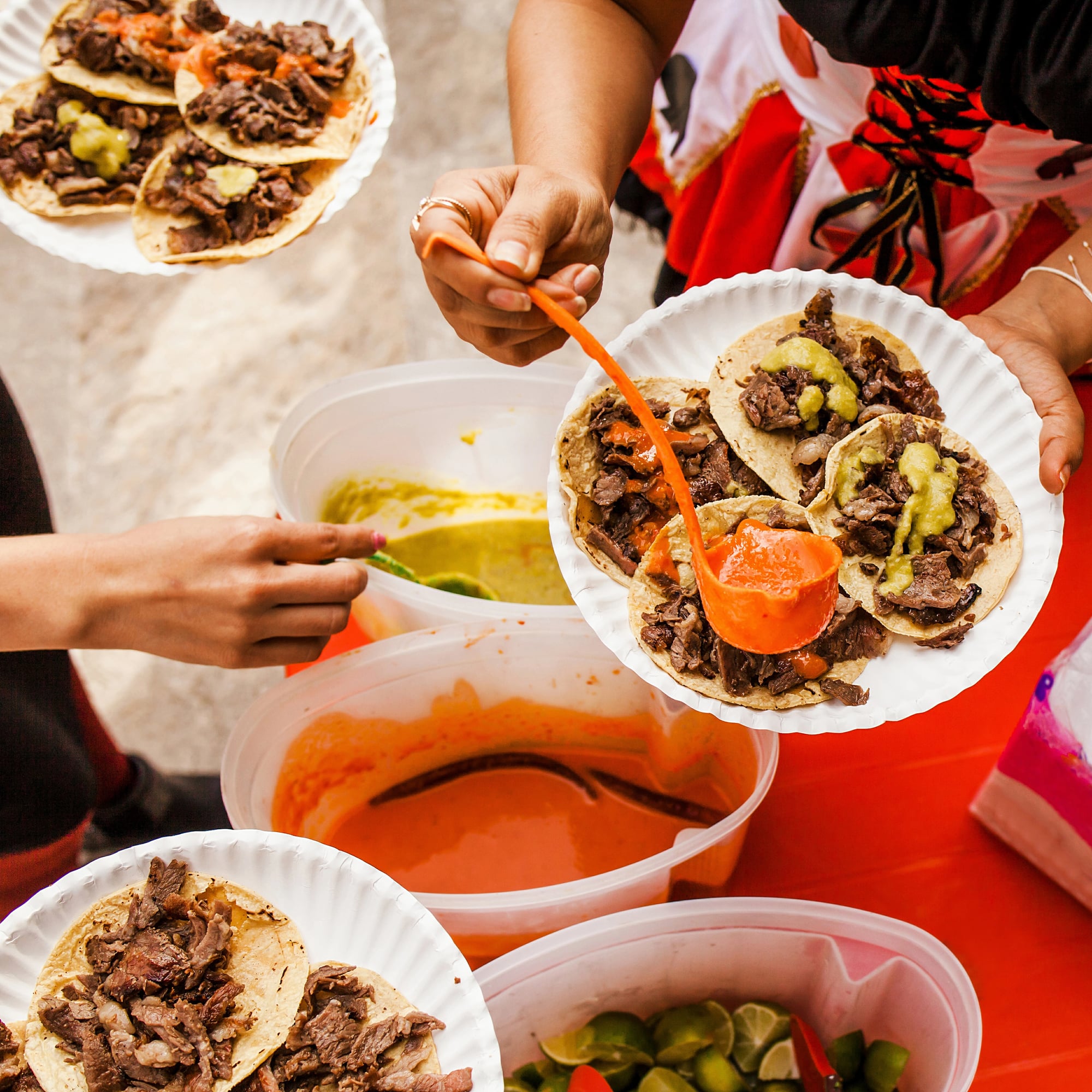
Tacos al pastor represent one of Mexico City’s most recognizable street foods. The dish features thin slices of marinated pork cooked on a vertical spit and shaved directly onto small tortillas.
Pineapple, onions, and cilantro often complete the final bite. The cooking method reflects the influence of Lebanese immigrants who brought similar techniques for roasting meat.
Over time, the recipe evolved into something uniquely Mexican, and today tacos al pastor appear on countless street corners throughout the city.
Istanbul — Simit

In Istanbul, the scent of freshly baked simit often drifts through busy streets early in the morning. These circular bread rings are coated in sesame seeds and baked until golden brown.
Vendors carry trays of them or display stacks on small carts across the city. Simit is commonly eaten for breakfast or as a quick snack during the day.
Its crisp exterior and soft interior make it simple yet satisfying. It has become one of the most recognizable foods associated with Istanbul.
Bangkok — Pad Thai
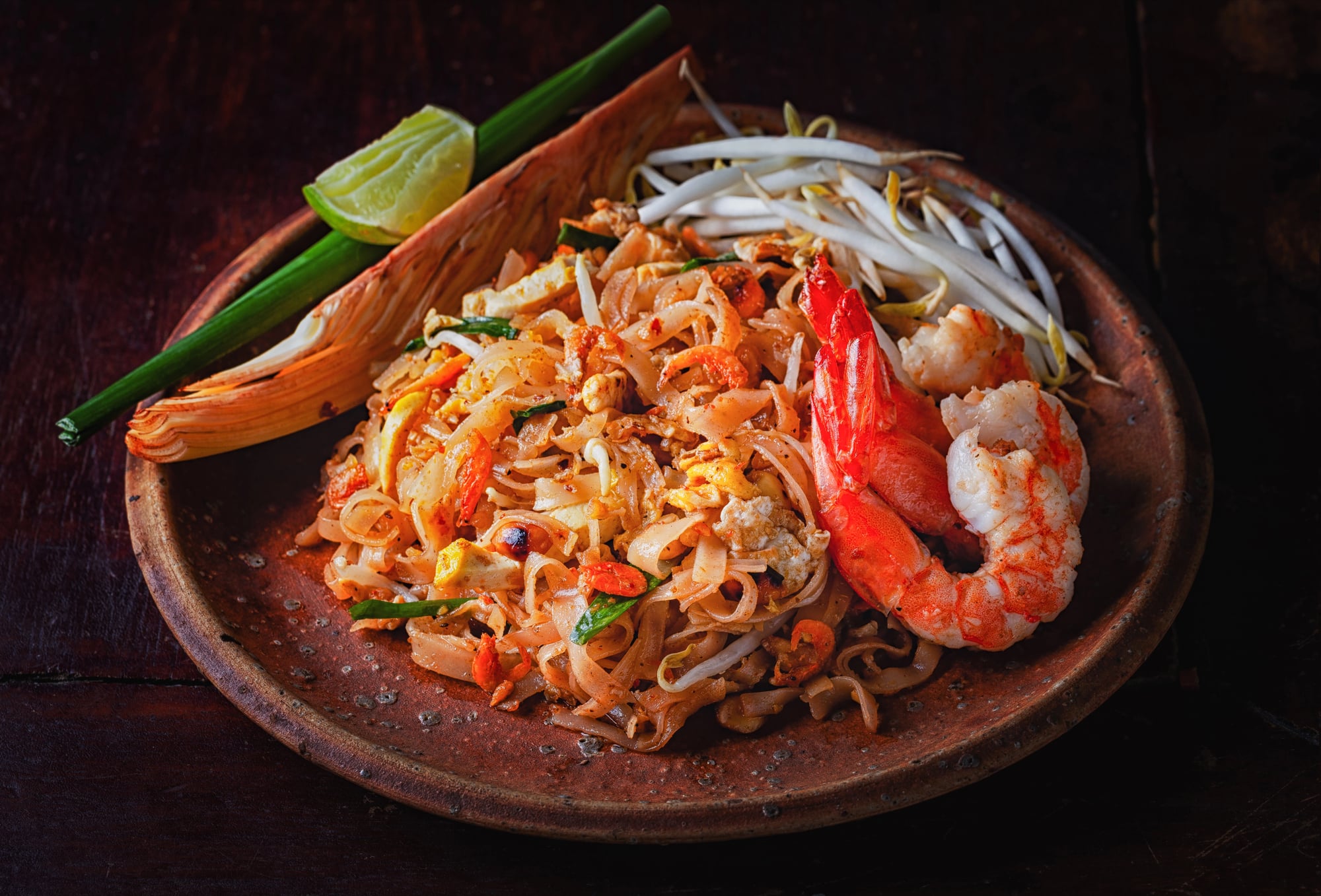
Bangkok’s streets are famous for sizzling woks and the constant movement of food vendors. Among the many dishes available, pad thai stands out as a staple of the city’s street food culture.
Rice noodles are stir-fried with eggs, tofu, shrimp, peanuts, and lime. The dish gained popularity during the mid-20th century and quickly became a symbol of Thai cuisine.
Today it remains a common sight along Bangkok’s lively night markets and roadside stalls.
Tokyo — Takoyaki
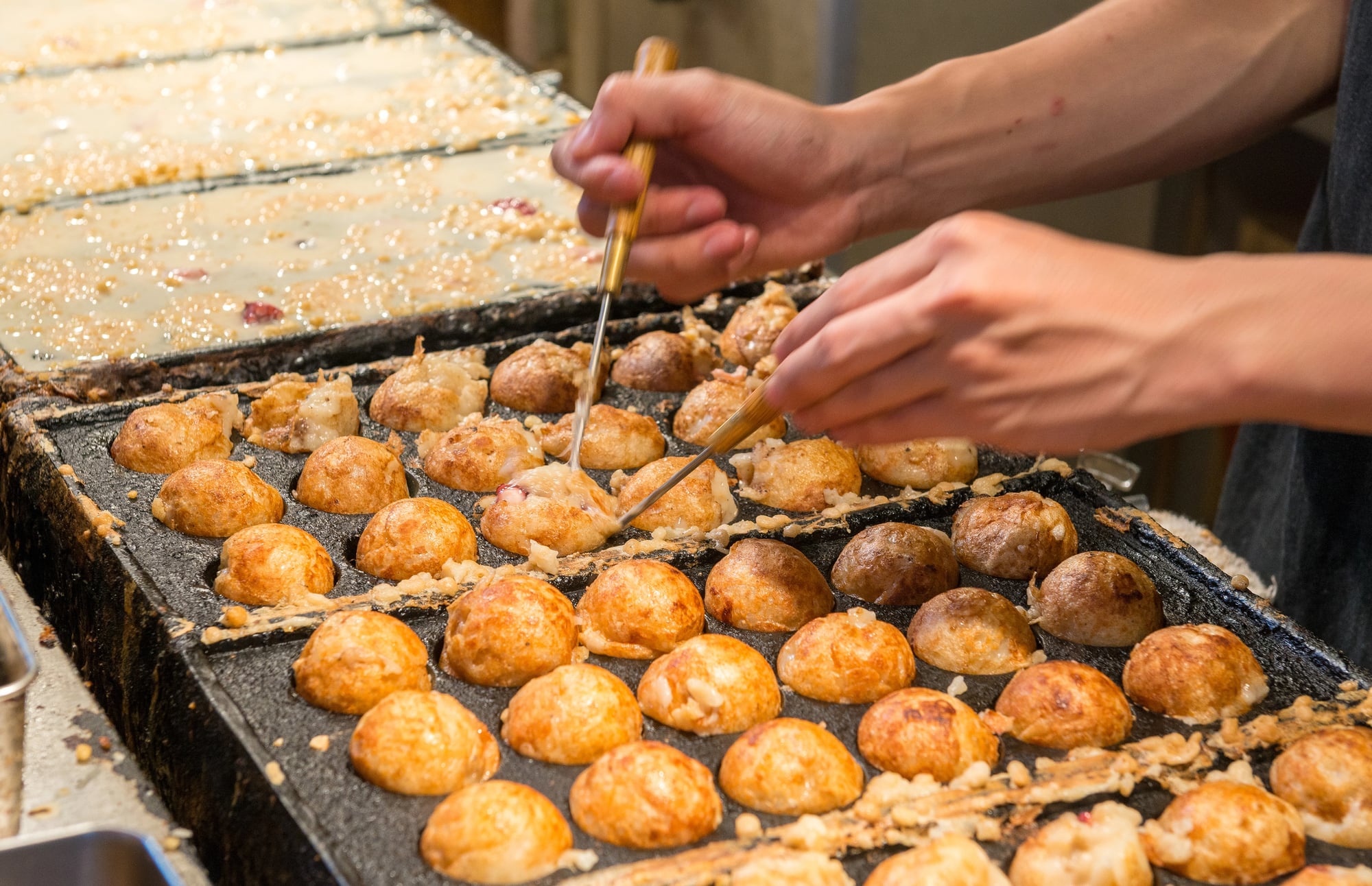
Takoyaki is a popular street snack in Tokyo and other Japanese cities. The dish consists of small round batter orbs filled with pieces of octopus, cooked in special molded pans until crispy on the outside and soft inside.
Once cooked, the rounds are topped with savory sauce, mayonnaise, and flakes of dried fish that move slightly from the heat. The result is a flavorful bite-sized snack that people often enjoy while strolling through busy shopping streets.
Berlin — Currywurst
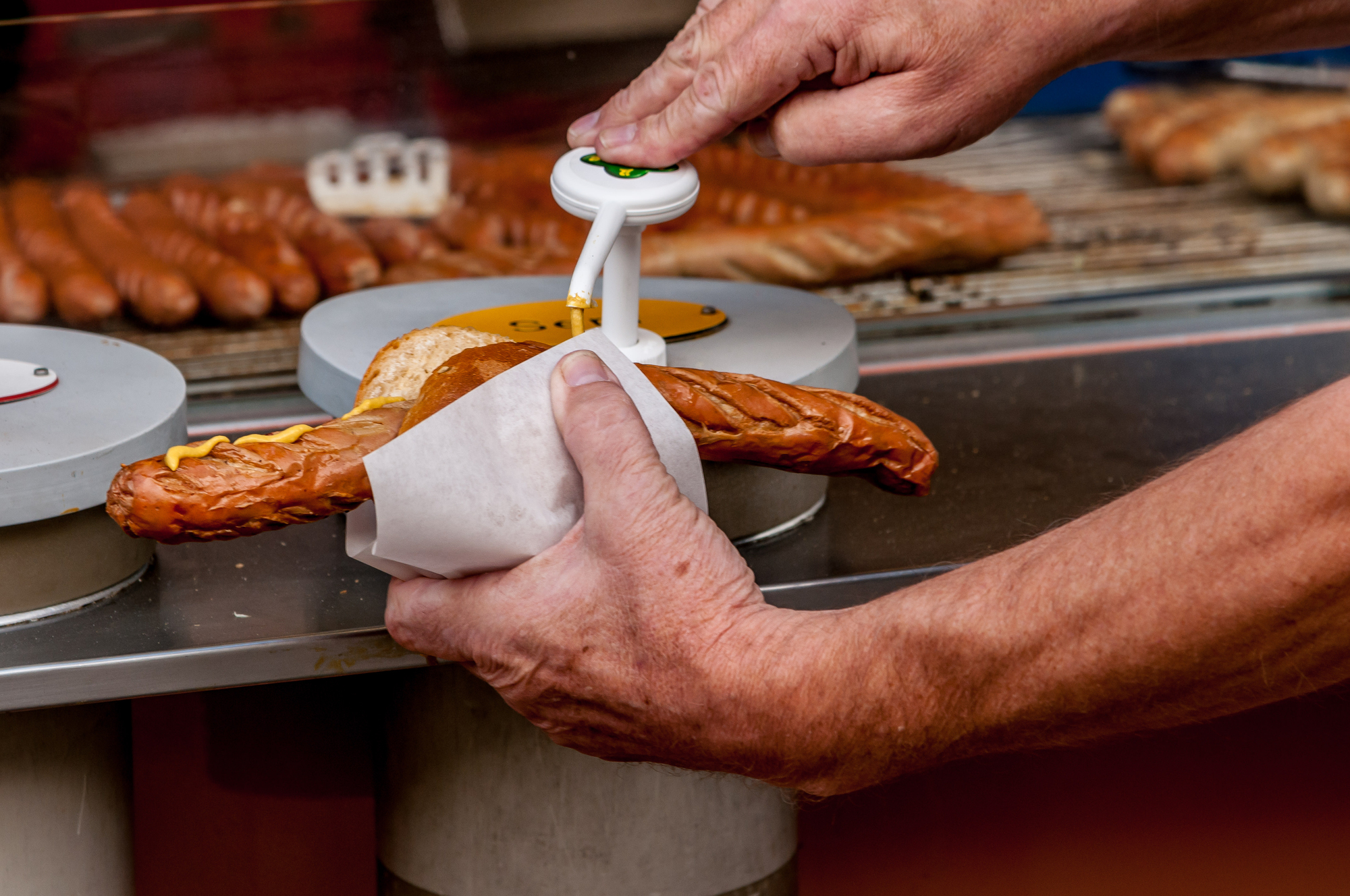
Currywurst holds a special place in Berlin’s street food culture. The dish features sliced sausage covered in a tangy tomato-based sauce flavored with curry powder.
It is usually served with fries or bread on the side. The recipe emerged in postwar Berlin and quickly became a favorite among locals looking for a quick and filling meal.
Today, currywurst stands remain scattered across the city, keeping the tradition alive.
Mumbai — Vada Pav
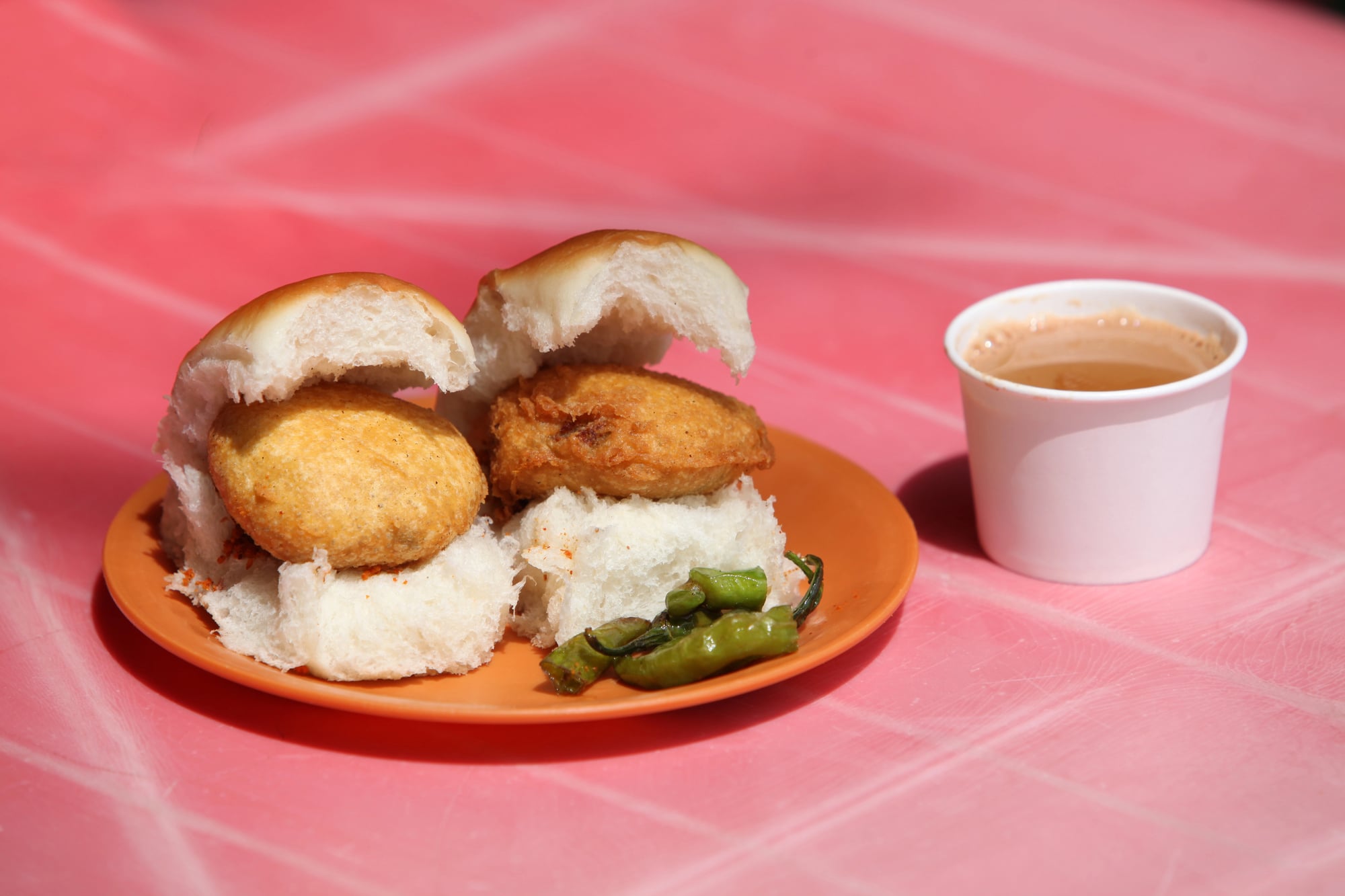
Vada pav is often described as Mumbai’s most beloved street snack. It consists of a spiced potato fritter placed inside a soft bread roll, usually accompanied by chutneys and fried peppers.
The dish is affordable, filling, and easy to eat while moving through the crowded streets of the city. For many residents, it represents the fast-paced energy of Mumbai itself.
Paris — Crepes

Parisian street corners often feature small stands preparing crepes on wide circular griddles. The thin pancakes can be filled with sweet options such as chocolate spread or fruit, or savory ingredients like cheese and ham.
Watching a vendor spread batter and flip the crepe quickly becomes part of the experience. The food is simple yet elegant, reflecting the relaxed café culture associated with Paris.
Seoul — Tteokbokki
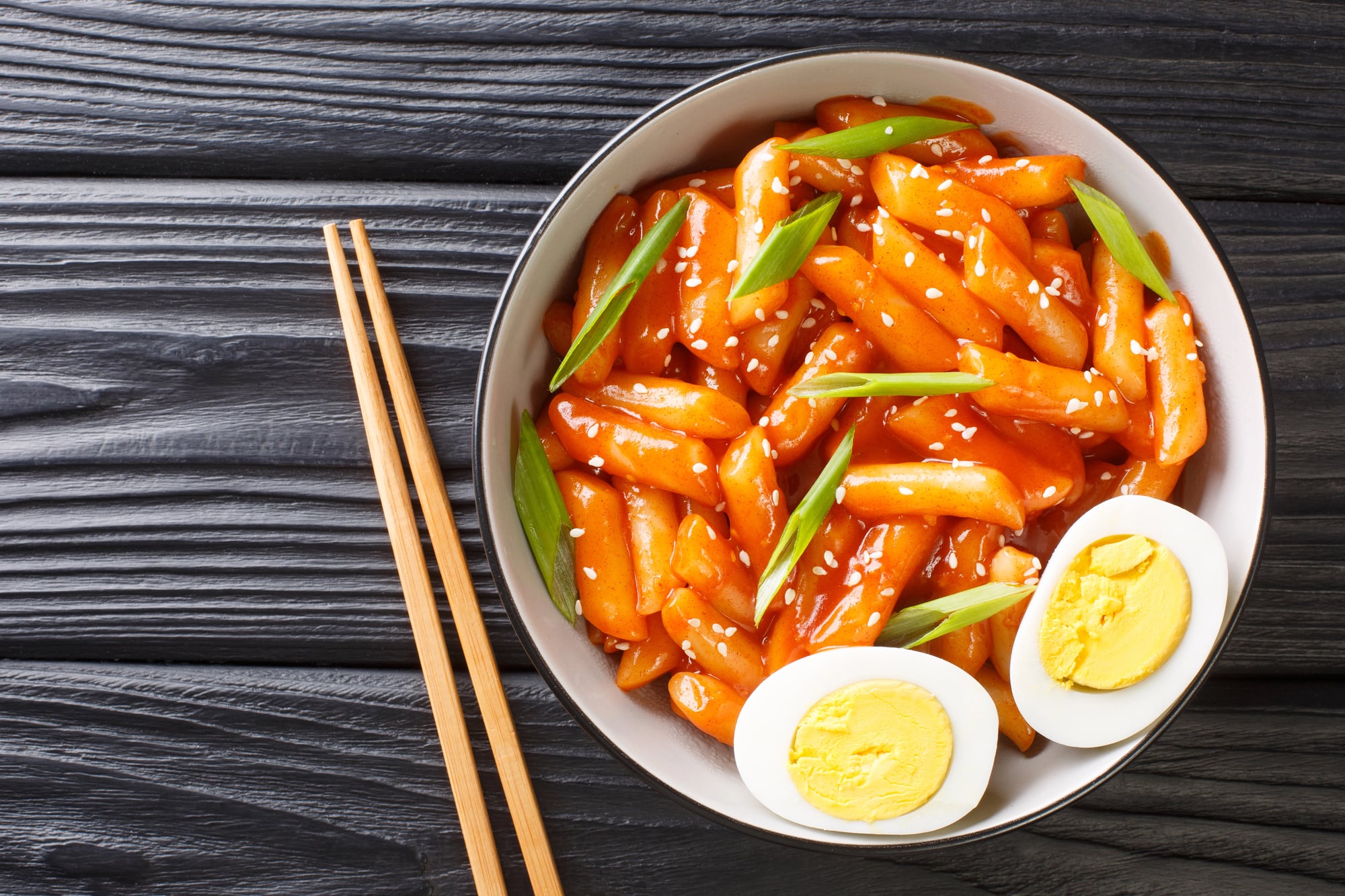
Seoul’s markets and food streets frequently feature large pans filled with tteokbokki. This dish consists of chewy rice cakes simmered in a spicy red sauce, often accompanied by fish cakes and vegetables.
The aroma alone draws crowds toward the stalls. The dish delivers a balance of heat and sweetness that has made it one of Seoul’s most recognizable street foods.
Athens — Souvlaki
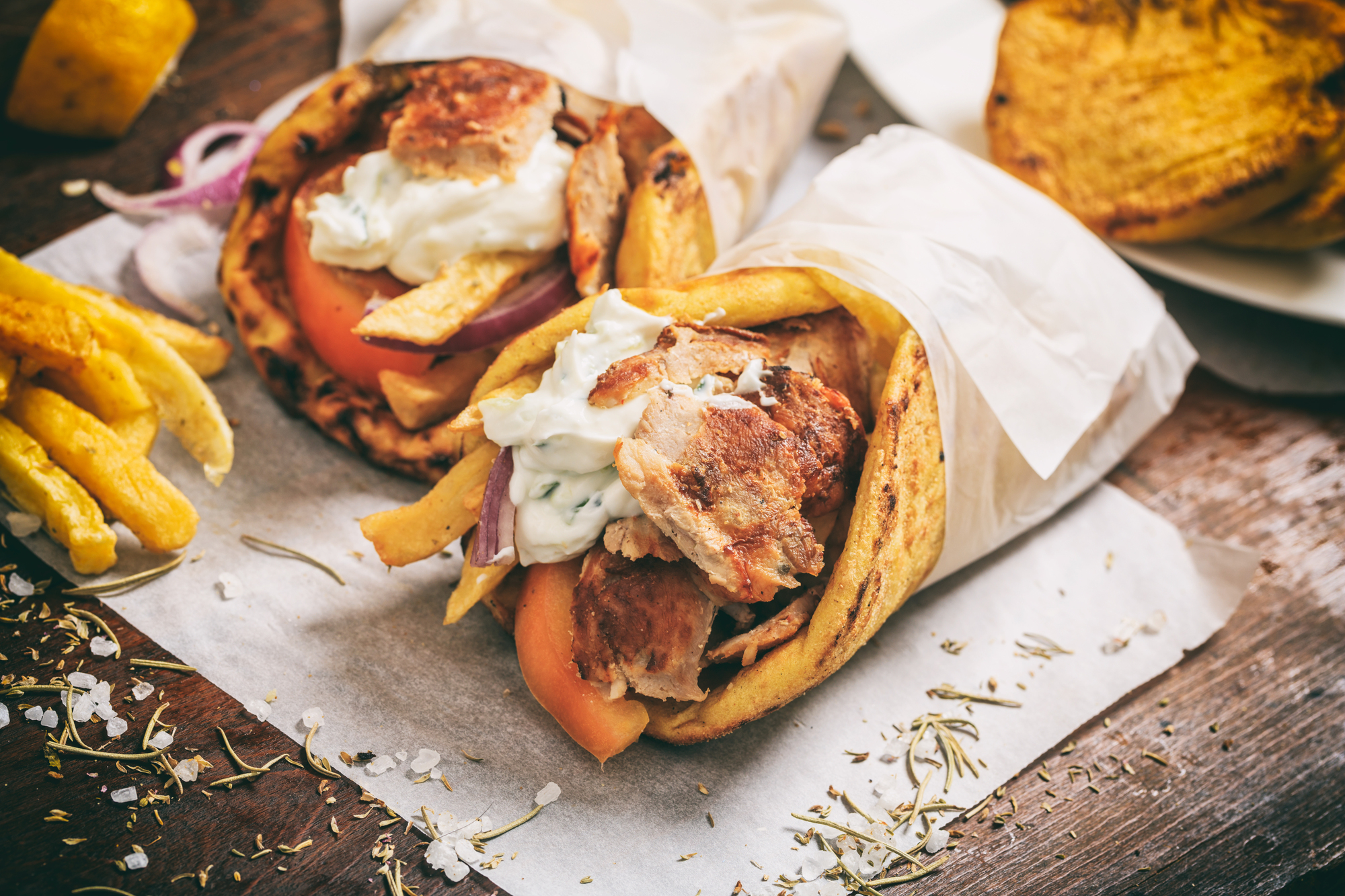
In Athens, souvlaki stands are easy to find throughout the city. The dish usually includes grilled meat served in flatbread with tomatoes, onions, and a creamy sauce.
Its popularity comes from both flavor and convenience. Travelers and locals alike often grab a souvlaki while exploring the narrow streets of the city’s historic neighborhoods.
Hanoi — Banh Mi
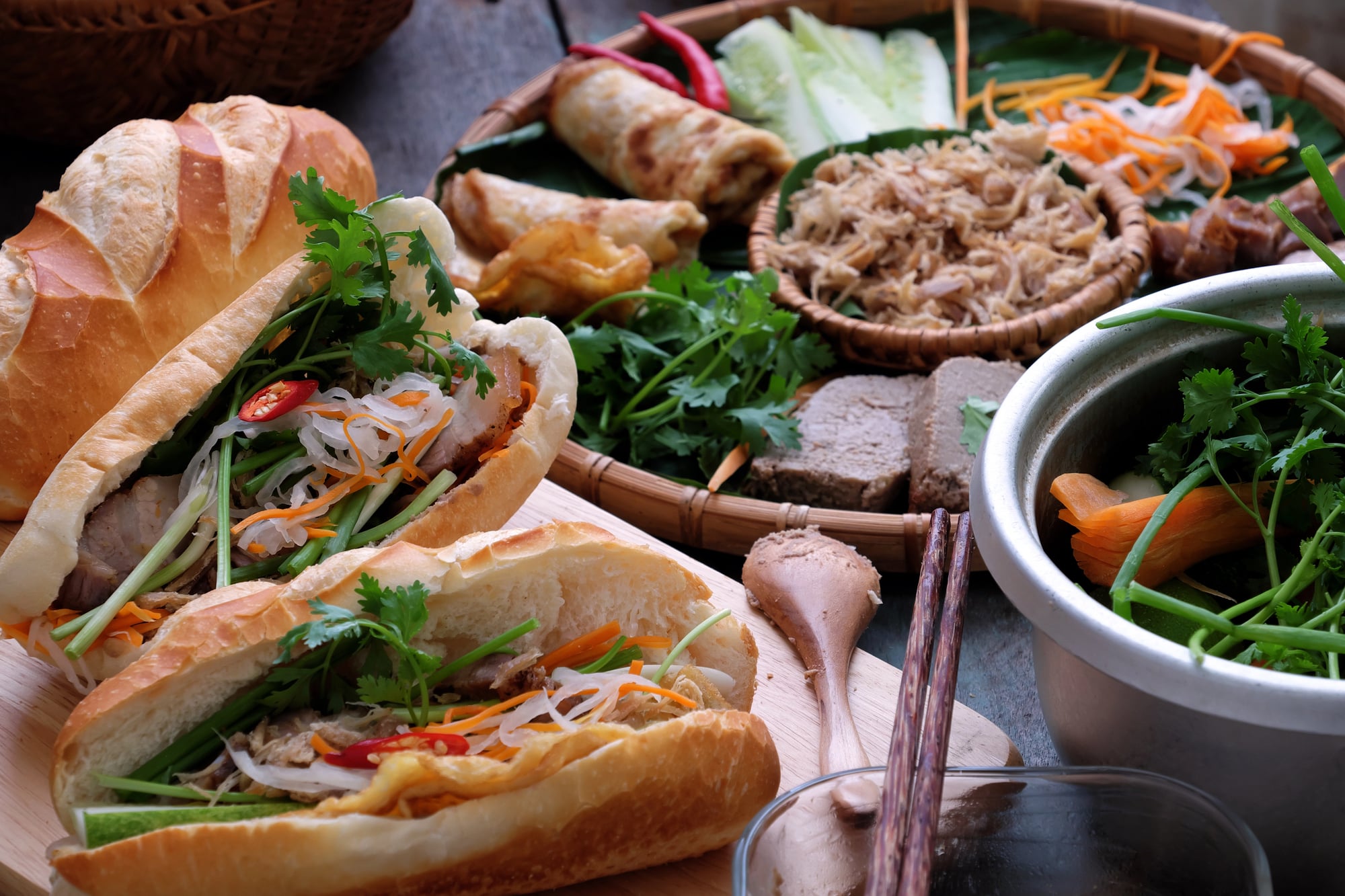
Banh mi sandwiches represent a fusion of Vietnamese and French culinary traditions. The bread resembles a light baguette, filled with meats, herbs, pickled vegetables, and sauces.
Street vendors in Hanoi prepare the sandwiches quickly, making them ideal for people on the move. The mix of textures and flavors has made banh mi a global favorite.
Rome — Supplì
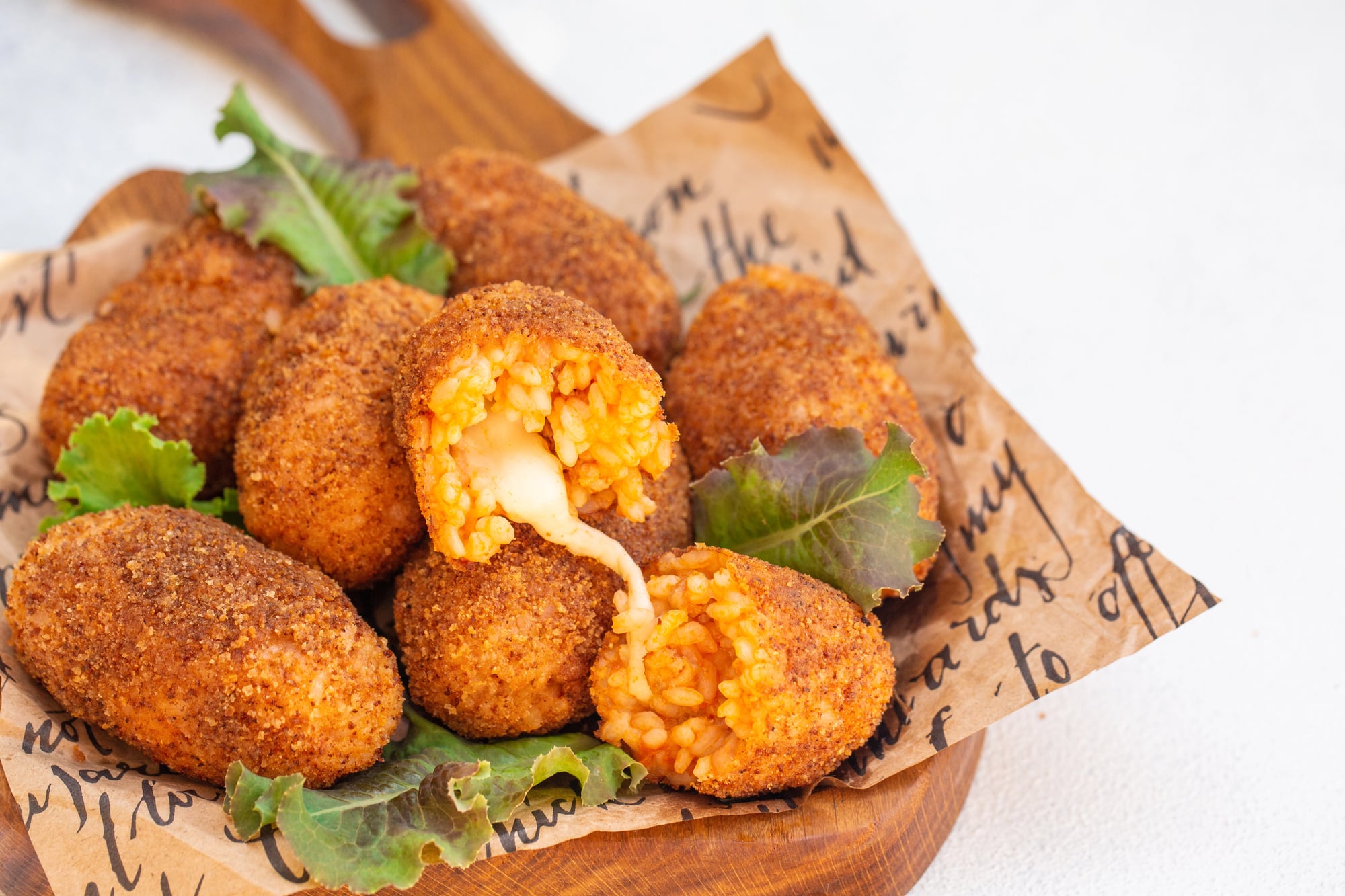
Supplì are deep-fried rice orbs filled with tomato sauce and melted cheese. Vendors in Rome often serve them as a quick snack for people passing by small takeaway counters.
When broken open, the melted cheese stretches in a way that locals often compare to a telephone wire. This playful detail has helped make the snack memorable among visitors and residents alike.
Istanbul — Doner Kebab
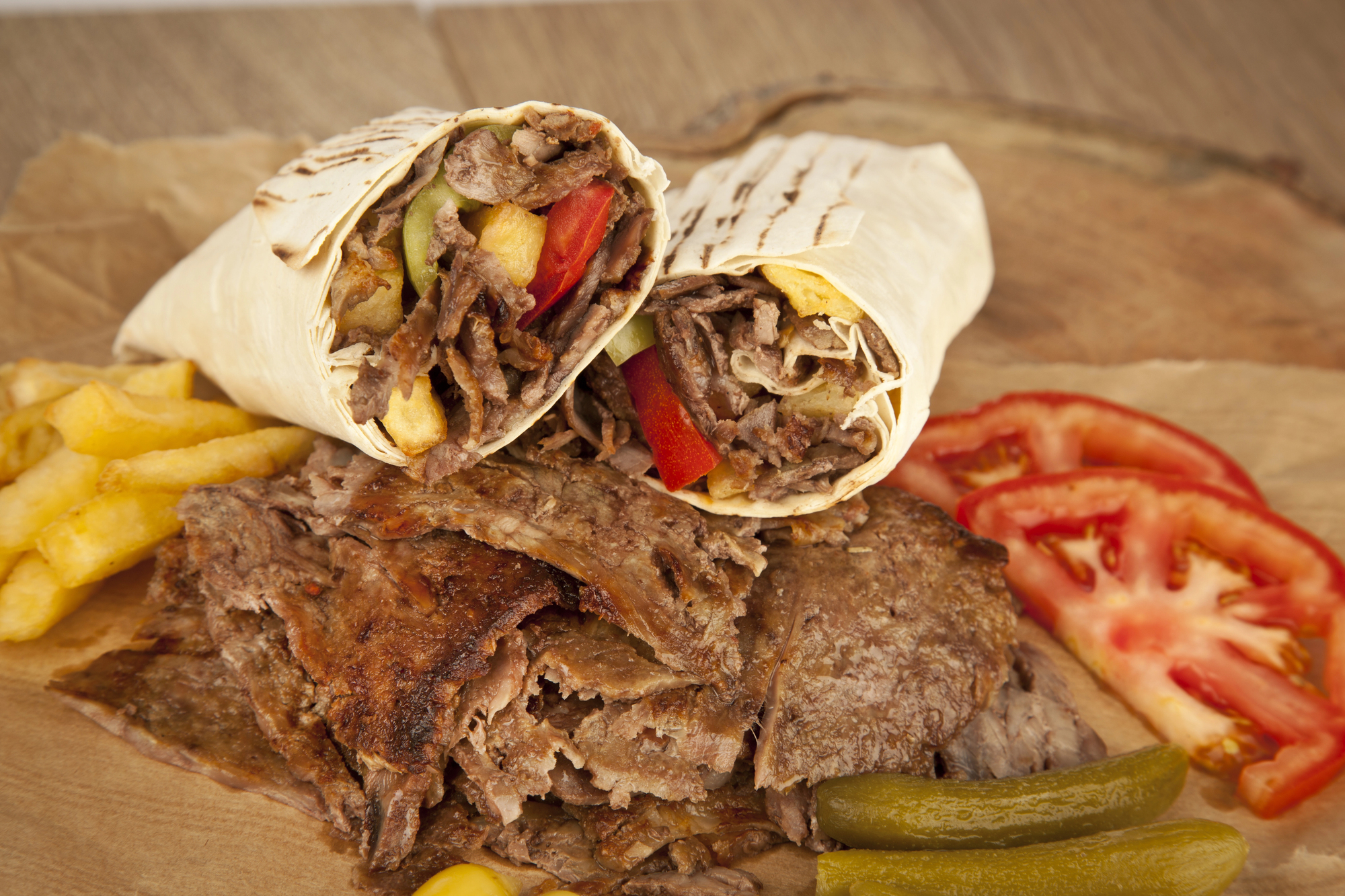
Another iconic street food found across Istanbul is the doner kebab. Thin slices of seasoned meat are shaved from a rotating spit and placed into bread with vegetables and sauces.
The dish has influenced street food traditions far beyond Turkey, appearing in many cities around the world. Still, its roots remain firmly connected to Istanbul’s bustling streets.
Los Angeles — Taco Trucks
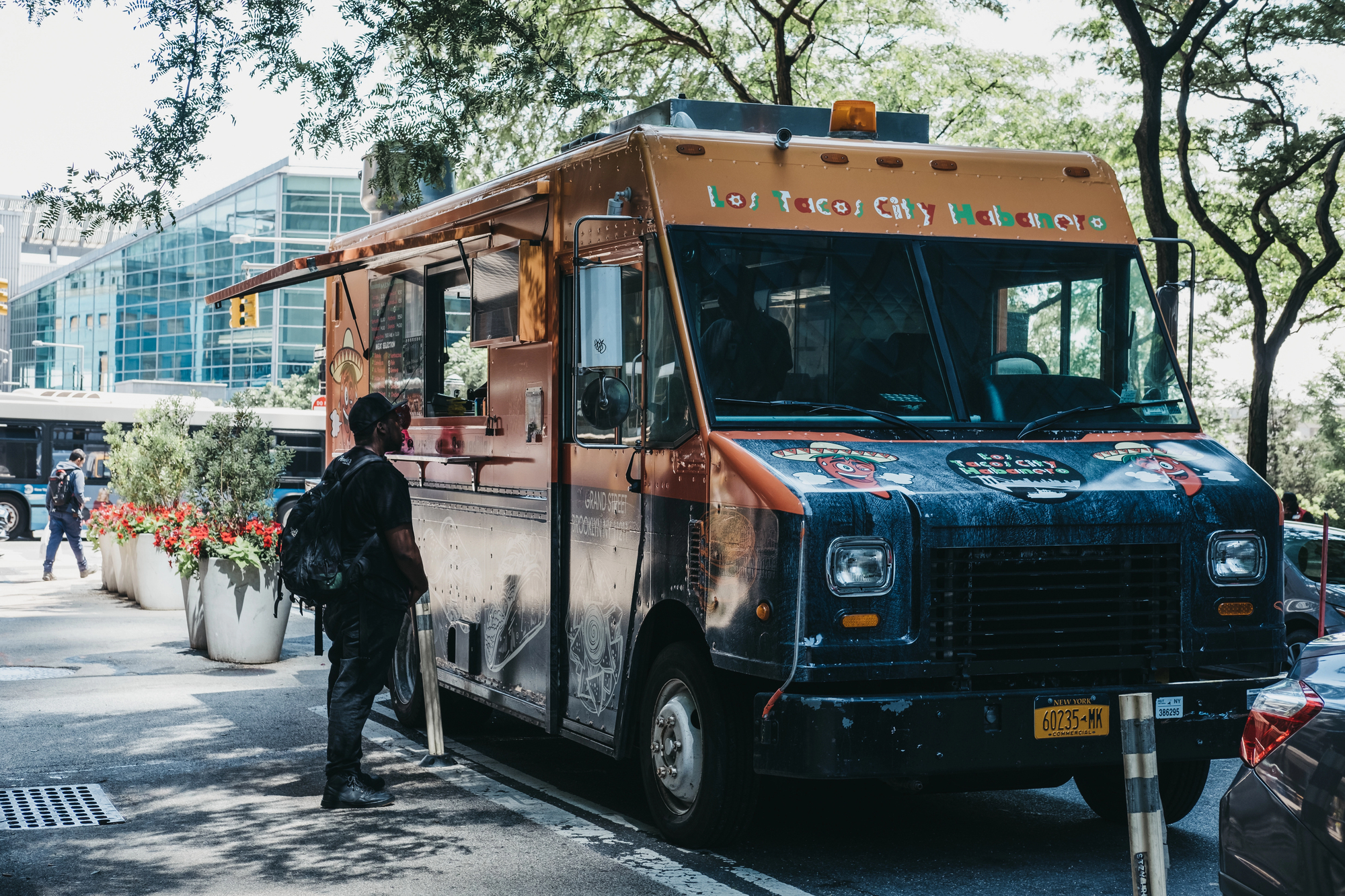
Los Angeles developed a unique street food culture built around taco trucks parked along busy roads and neighborhoods. These trucks serve a wide range of tacos prepared quickly and packed with flavor.
The tradition reflects the city’s diverse culinary influences and strong Mexican heritage. Late at night, the glow of taco trucks often signals where people gather for a quick meal.
Singapore — Hainanese Chicken Rice
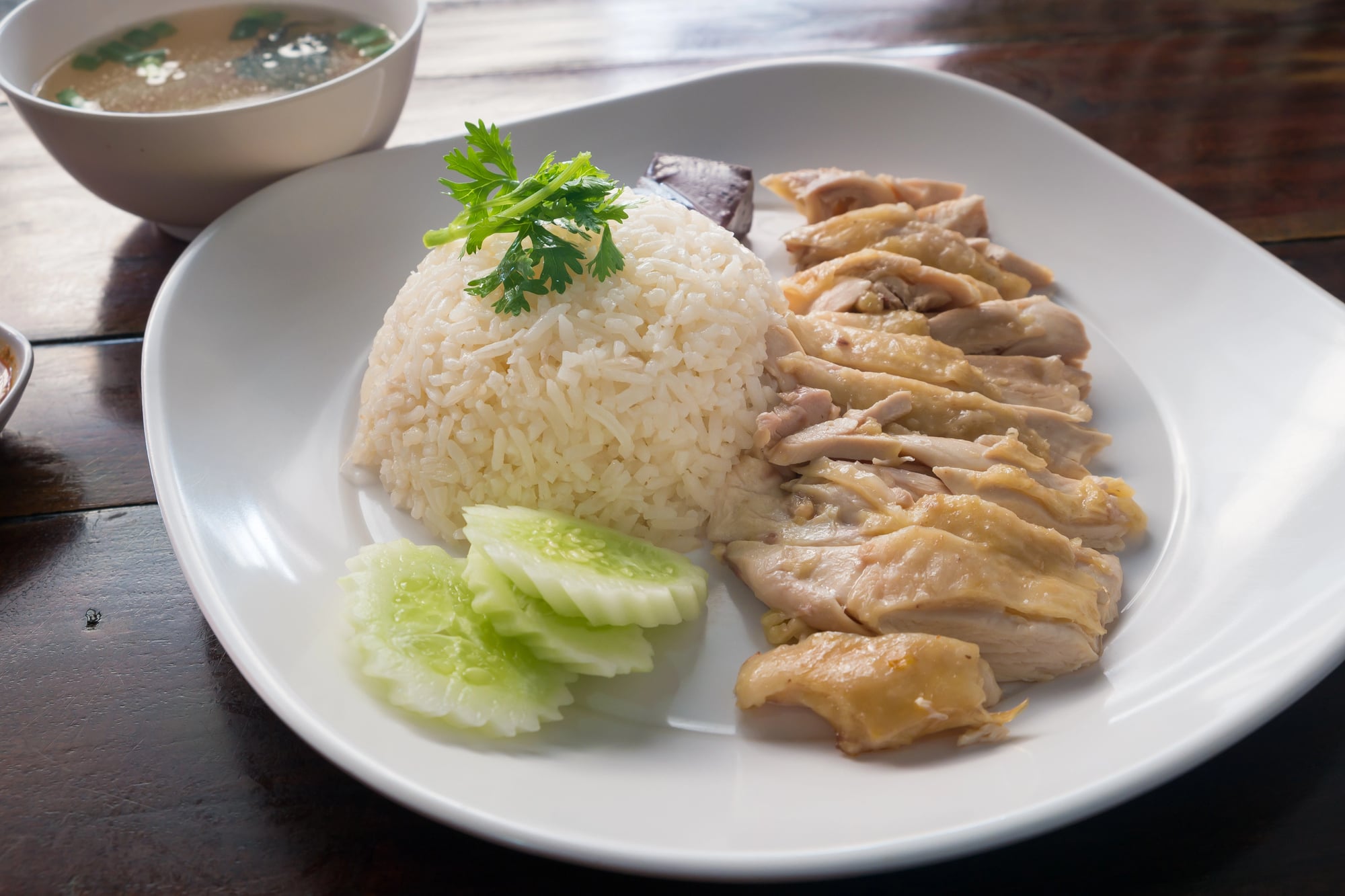
Singapore’s street food culture thrives in its famous hawker centers, where vendors prepare dishes that represent the country’s multicultural heritage. Among the most beloved is Hainanese chicken rice.
The dish features tender poached chicken served with fragrant rice cooked in broth. Simple ingredients combine into a meal that many locals consider a national comfort food.
The Flavor of a City
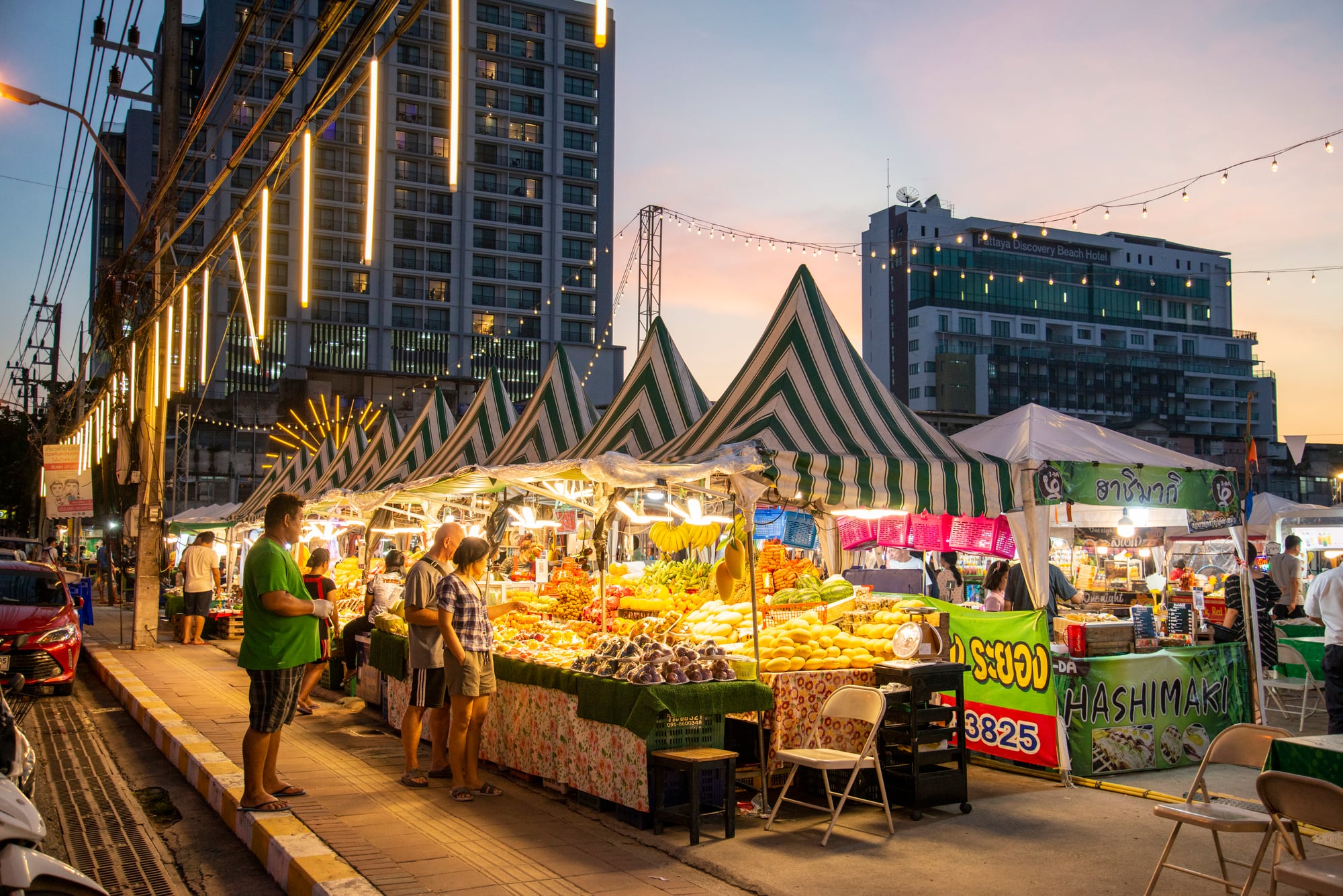
Street foods provide a unique lens for understanding the personality of a city. These foods may have started as a solution for busy workers or travelers, but they evolve into symbols of culture beyond their original environment.
Despite the evolution of the city, the street vendors help preserve the tradition of the past. The smells, tastes, and brief conversations with the vendors at these stands are a reminder that the personality of a city is often defined by the everyday experiences that occur on the street.
More from Go2Tutors!

- The Romanov Crown Jewels and Their Tragic Fate
- 13 Historical Mysteries That Science Still Can’t Solve
- Famous Hoaxes That Fooled the World for Years
- 15 Child Stars with Tragic Adult Lives
- 16 Famous Jewelry Pieces in History
Like Go2Tutors’s content? Follow us on MSN.