Photos Of World Famous Coffee Shops Around the World
You know that feeling when you walk into a coffee shop and something just clicks? Maybe it’s the smell of fresh beans, the way light falls through the windows, or the quiet buzz of conversations happening around you.
Some coffee shops manage to bottle that feeling so perfectly that people travel across continents just to sit at their tables. These places aren’t famous because of clever marketing or fancy social media campaigns.
They earned their reputations the hard way—one cup at a time, sometimes over centuries. Some witnessed revolutions being planned at their tables.
Others became sanctuaries for writers who couldn’t afford rent. A few just happened to roast beans so well that word spread faster than they could keep up.
Caffe Florian: Where Venice Takes Its Morning Espresso
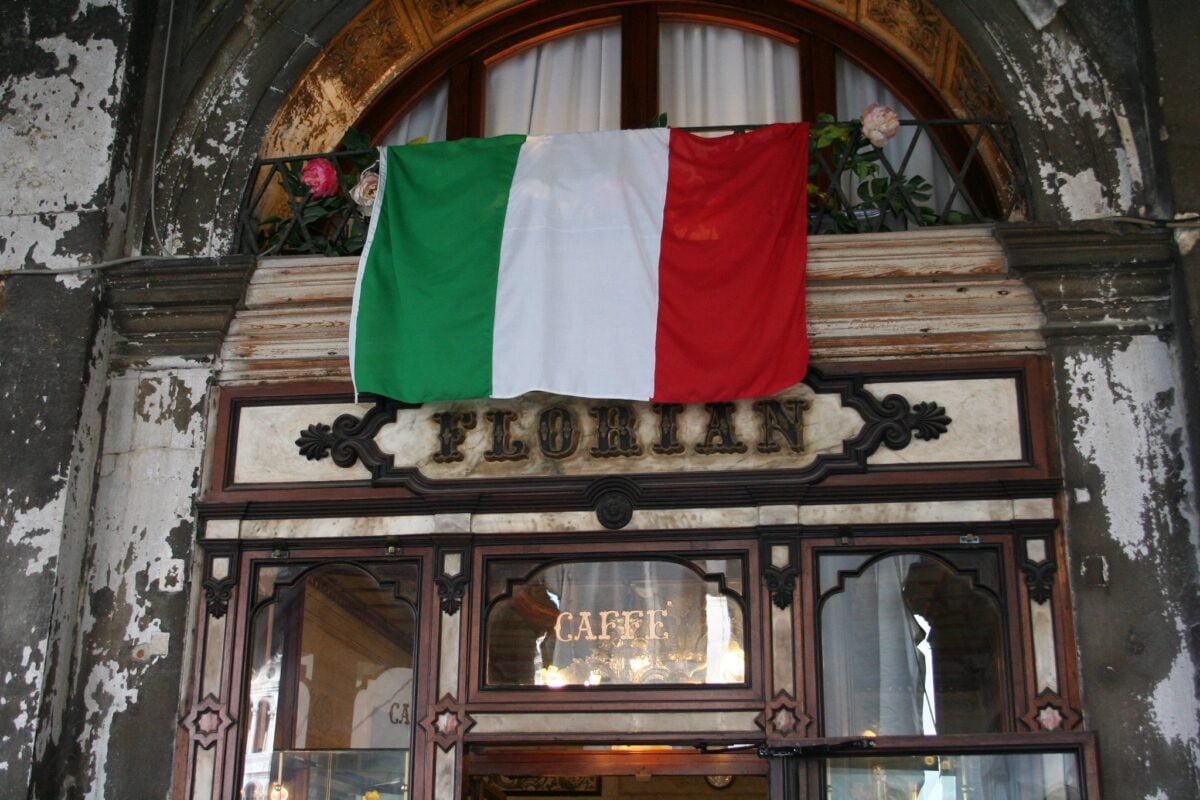
The oldest cafe in continuous operation sits right on St. Mark’s Square in Venice. Caffe Florian opened in 1720, and you can still see the original gilded mirrors and frescoed ceilings that made it famous.
Mozart used to drink here. So did Lord Byron and Charles Dickens.
The prices reflect that history—you’re paying for more than coffee when you sit at these tables. But here’s the thing: locals still come here.
Not every day, obviously. But for special occasions, when they want to remember what made Venice special before the cruise ships arrived.
The waiters wear white jackets and bow ties. An orchestra plays in the square outside.
You sit there with your espresso and watch the world pass by, just like people have done for three hundred years.
Antico Caffe Greco: Rome’s Literary Living Room
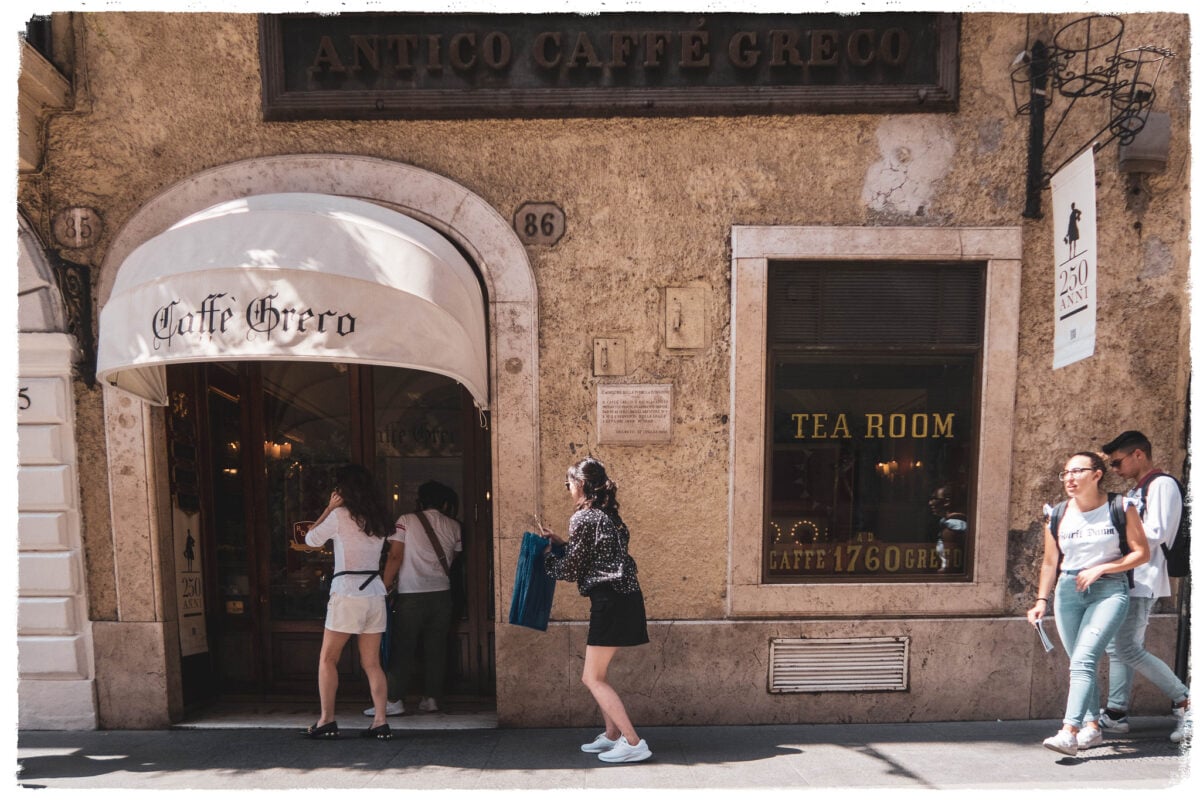
Walk down Via dei Condotti in Rome and you’ll pass designer boutiques charging more for a handbag than most people earn in a month. Tucked between them sits Antico Caffe Greco, looking exactly as it did in 1760.
Red velvet seats, marble tables, paintings covering every inch of wall space. Goethe wrote here.
Keats came here when he was dying of tuberculosis, seeking comfort in familiar surroundings. Casanova probably schemed here.
The place feels like a museum, except you can actually sit down and order a cappuccino. The coffee costs triple what you’d pay anywhere else in Rome.
But you’re not really buying coffee. You’re renting a chair that Stendhal might have sat in, breathing air that smells the same as it did when Byron was causing scandals down the street.
Cafe de Flore: The Intellectual’s Second Home
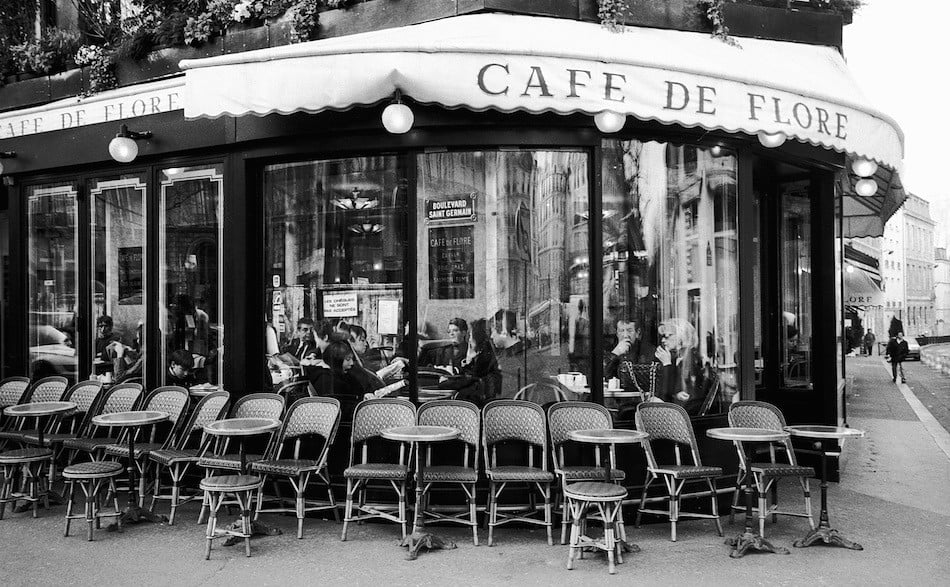
Two cafes dominate the Saint-Germain-des-Prés neighborhood in Paris. Most tourists pick Les Deux Magots because the name sounds fancier.
Parisians who care about coffee go to Cafe de Flore. Simone de Beauvoir wrote entire books at these tables.
Jean-Paul Sartre held court here during World War II, when his apartment was too cold to think about. The existentialists made this place their headquarters, and something of that intensity still hangs in the air.
The red seats haven’t changed. The mirrors still reflect endless conversations.
The waiters still have that particular Parisian ability to be simultaneously attentive and completely indifferent to your existence. You order a cafe creme and suddenly understand why people write novels about drinking coffee in Paris.
% Arabica Kyoto: Minimalism Meets Obsession
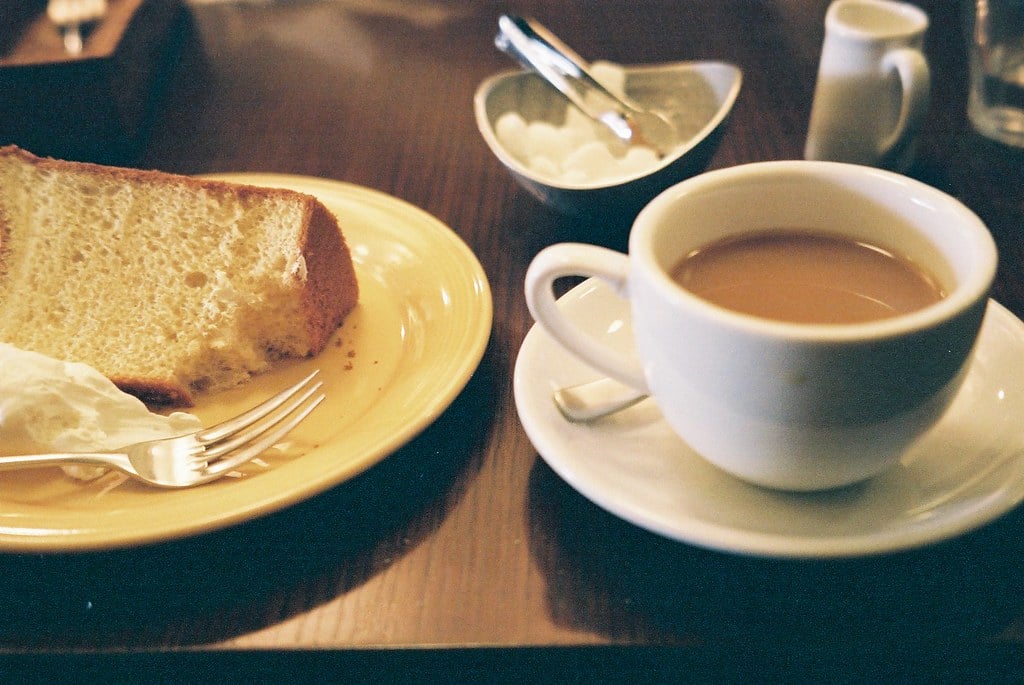
The storefront on the Kamo River in Kyoto looks almost too simple to be famous. White walls, wood counters, a view of the river through floor-to-ceiling windows.
But the line outside tells you everything you need to know. % Arabica started in Hong Kong but found its soul in Kyoto.
The founder wanted to make the perfect cup of coffee, which in Japan means studying every variable until you achieve something close to transcendence. They source single-origin beans, roast them in-house, and train their baristas like they’re learning a martial art.
The shop near Arashiyama bamboo grove gets photographed more than most temples. People post pictures of their latte art with the river in the background.
But walk in at 7 AM and you’ll find local salarymen getting their morning fix before work. That’s when you taste what the fuss is really about.
Cafe Tortoni: Buenos Aires Before the Tango
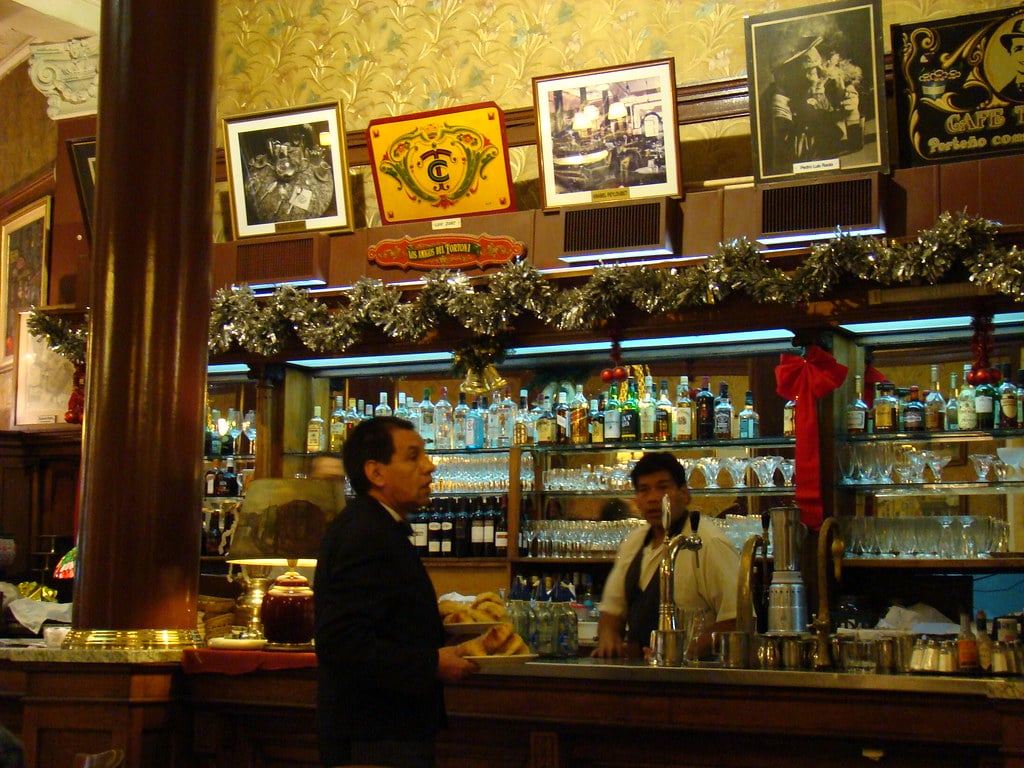
You can’t understand Buenos Aires without understanding Cafe Tortoni. It opened in 1858, back when Argentina was rich enough to compete with European powers.
The ceiling stretches so high you could fit another floor up there. Stained glass, polished wood, marble everywhere.
It looks like the lobby of an opera house that serves coffee. Borges used to read here.
Carlos Gardel, the tango singer whose face still appears on murals across the city, performed in the basement room. Politicians made deals.
Artists argued about art. Regular people came for the hot chocolate, which remains unreasonably good.
The neighborhood around it crumbled decades ago, but Cafe Tortoni refused to follow. Walking in feels like time travel.
The waiters wear the same uniforms they wore in 1900. The pastries taste the same. For two hours, you can pretend Argentina never lost its golden age.
Tomoca Coffee: Where Ethiopia Remembers Its Gift to the World
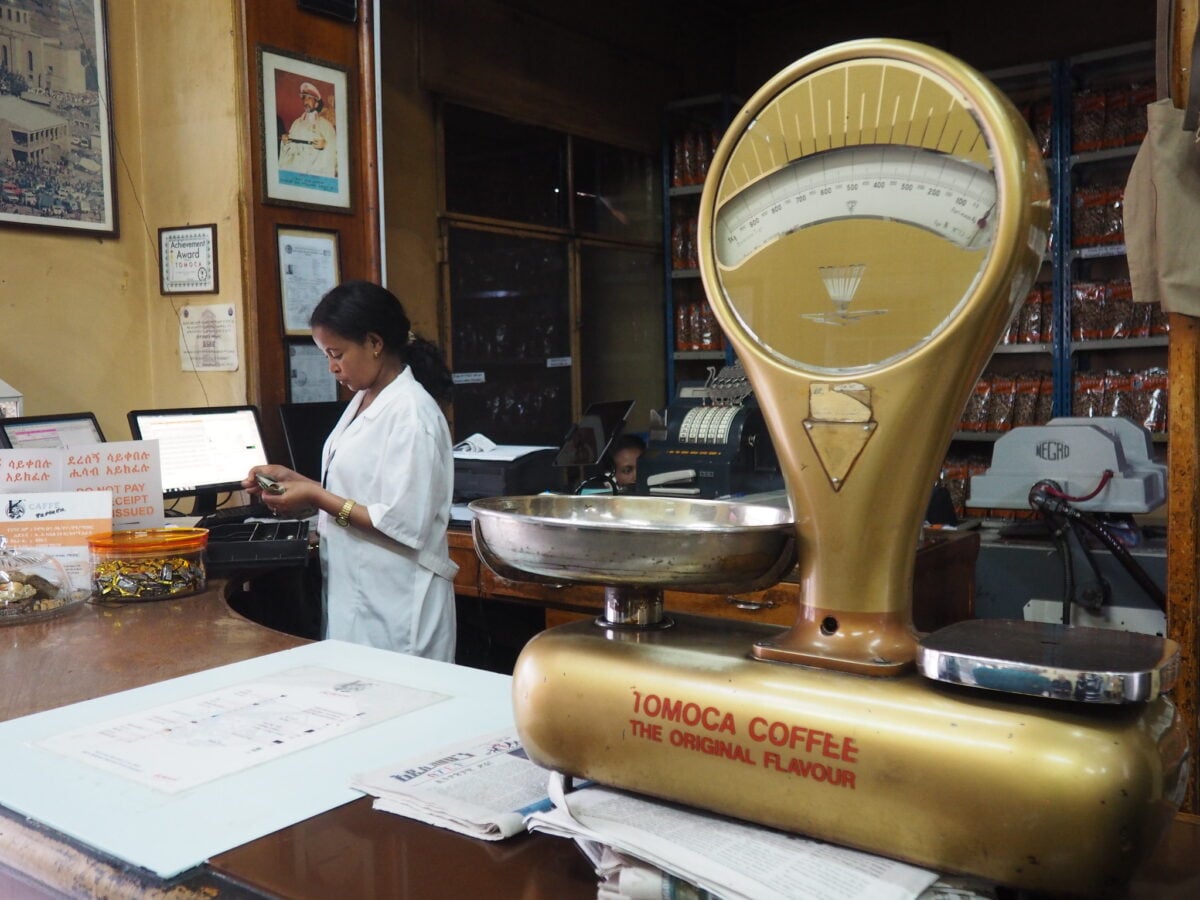
Ethiopia gave coffee to the world, and Tomoca Coffee in Addis Ababa hasn’t let anyone forget it. The place opened in 1953 in an Italian-built building that survived wars, famines, and political upheavals.
It still roasts beans the old way, in giant drums over open flames. The smell hits you half a block away.
Inside, men in white coats pour coffee with a ceremony that makes Japanese tea service look casual. You can order it in three styles: light roast, medium roast, or dark roast.
That’s it. No lattes.
No flavored syrups. Just coffee the way it was meant to taste.
Locals come here to argue about politics and football. Tourists come because they read about it in guidebooks.
Everyone leaves understanding why Ethiopians look slightly offended when you praise coffee from anywhere else.
Blue Bottle Coffee: When Silicon Valley Learned to Slow Down
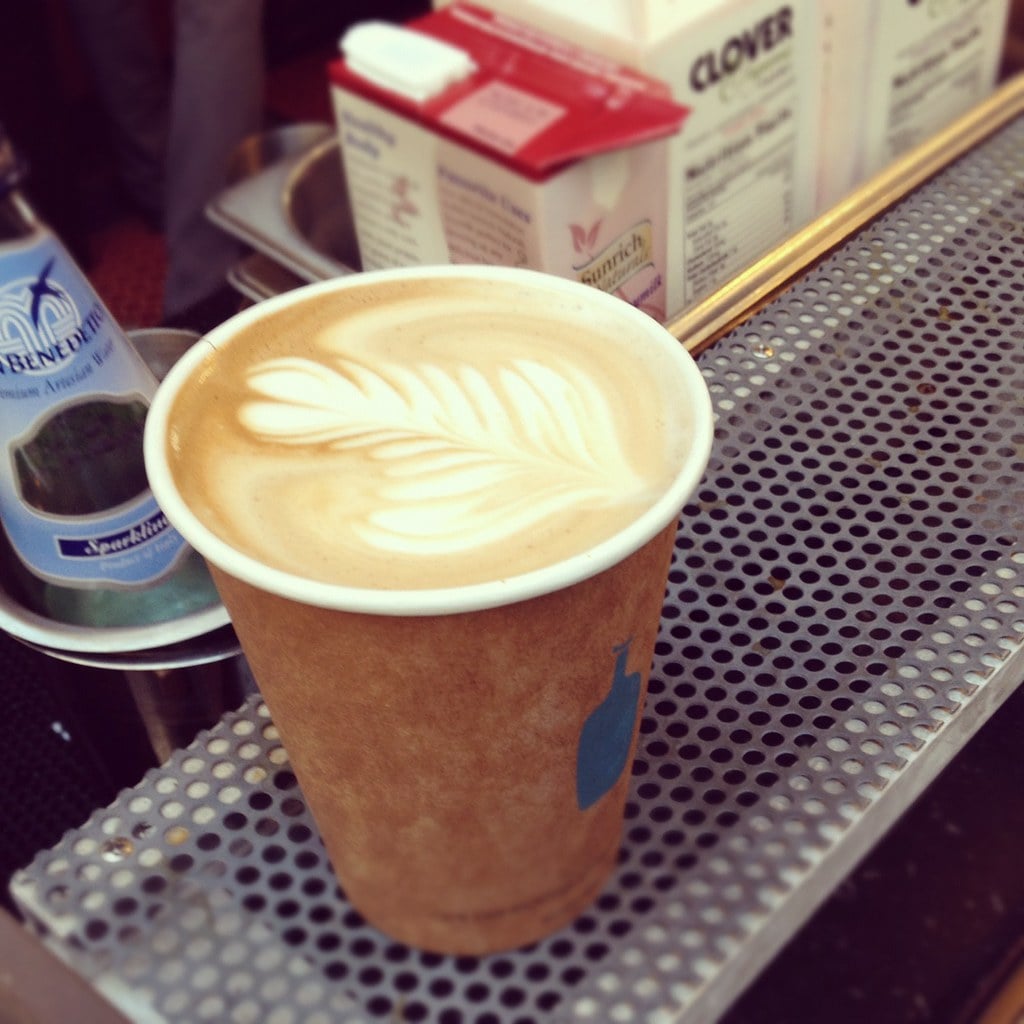
The original Blue Bottle Coffee kiosk in San Francisco started as a cart in Hayes Valley. James Freeman, a former clarinetist, decided he wanted to make coffee that tasted like the stuff he’d had in Tokyo and Vienna.
He roasted beans in his garage and sold them at farmers markets. That was 2002. Now Blue Bottle operates across three continents.
But the Ferry Building location, with its long counter and minimalist design, still feels like the original vision. Baristas weigh beans to the gram.
Water temperature gets monitored like it’s a scientific experiment. Each cup takes longer to make than seems reasonable.
People complained about the prices until they tasted the coffee. Then they complained about the prices while standing in line.
The shop proved that Americans would pay attention to coffee if you made it well enough. Every third-wave coffee shop that opened afterward owes something to Blue Bottle’s obsessive approach.
Intelligentsia Coffee: Chicago’s Contribution to the Coffee Revolution
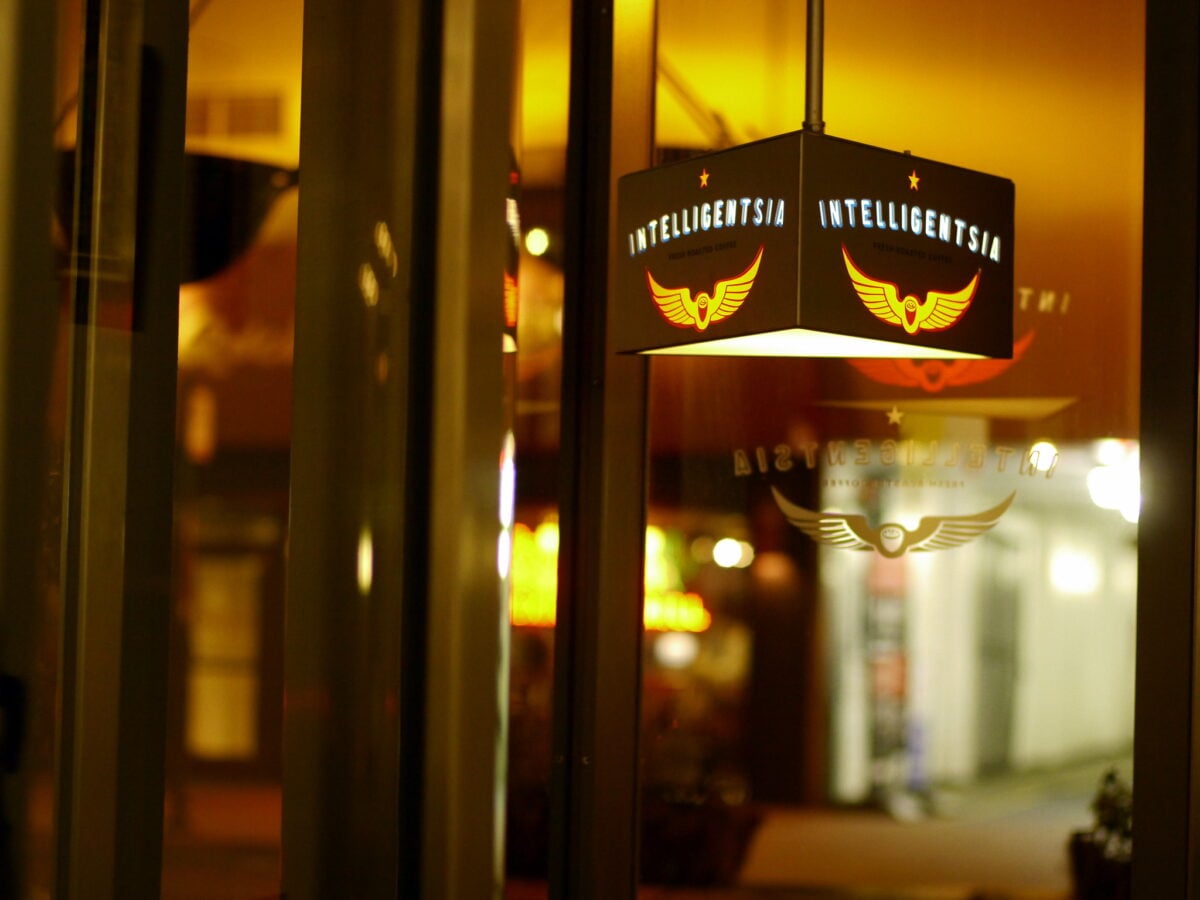
Intelligentsia started in Chicago’s Wrigleyville neighborhood in 1995, back when specialty coffee meant anything that wasn’t Folgers. The founders wanted to source beans directly from farmers, pay them fairly, and roast everything to bring out specific flavors instead of just burning it dark.
The Millennium Park location became their showcase. Glass walls let you watch the roasting process.
Baristas trained for months before they were allowed to make drinks for customers. The menu explained where each bean came from, which confused people used to ordering “medium roast.”
Chicago embraced it anyway. The city already had a deep coffee culture from waves of European immigrants.
Intelligentsia just pushed it in a new direction. Now when you order a pour-over and the barista asks which single-origin you prefer, you have Intelligentsia to thank for that particular form of coffee snobbery.
Stumptown Coffee Roasters: Portland’s Gift to Bleary-Eyed Mornings
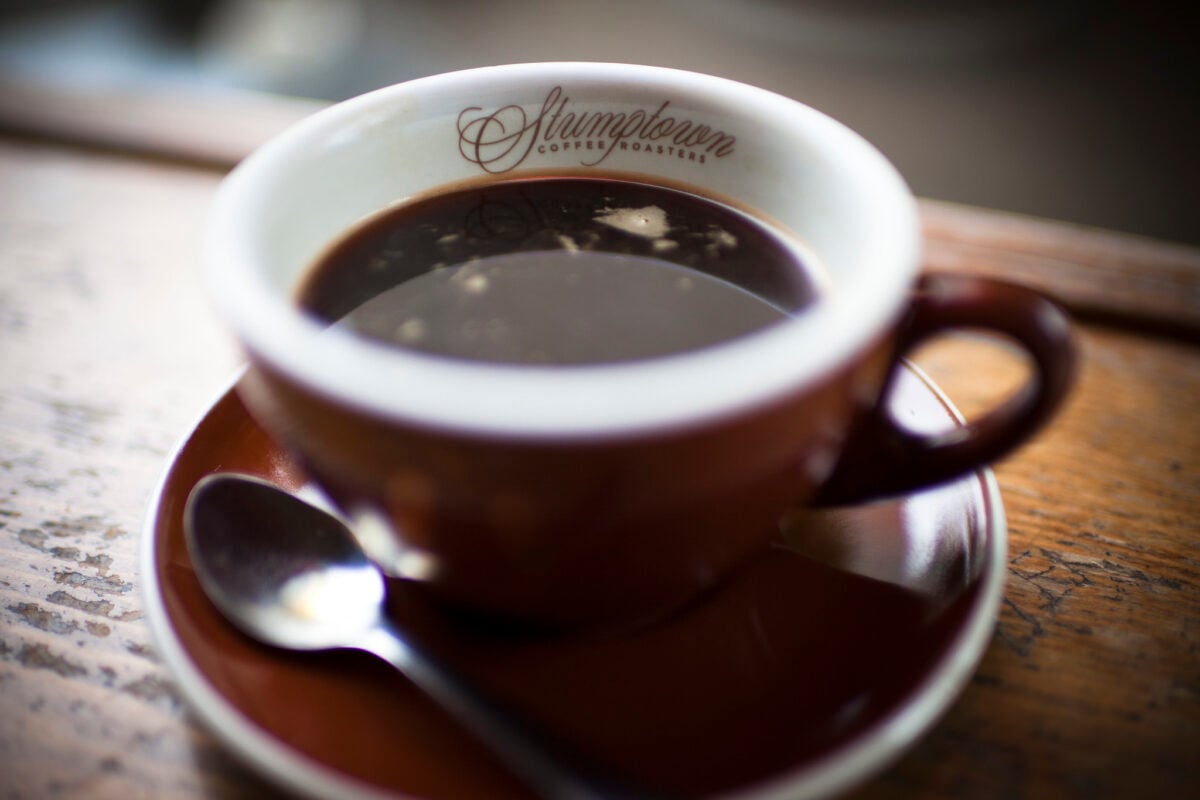
Portland already had good coffee before Stumptown opened in 1999. But Stumptown had better coffee, and they weren’t shy about it.
The downtown location on Third Avenue became legendary for its uncompromising standards and the slightly intimidating baristas who enforced them. They bought a roaster big enough to supply restaurants across the country.
Started cold brew before cold brew was everywhere. Opened locations in New York and Los Angeles, which felt like betrayal to Portlanders who considered Stumptown their secret.
But the original location still draws lines. Office workers grab their morning fix before heading to desks they hate.
Cyclists stop in still wearing their helmets. The coffee remains excellent, even if you can now buy Stumptown beans at your local grocery store.
Sometimes success doesn’t ruin things.
Monmouth Coffee Company: London’s Answer to Coffee Mediocrity
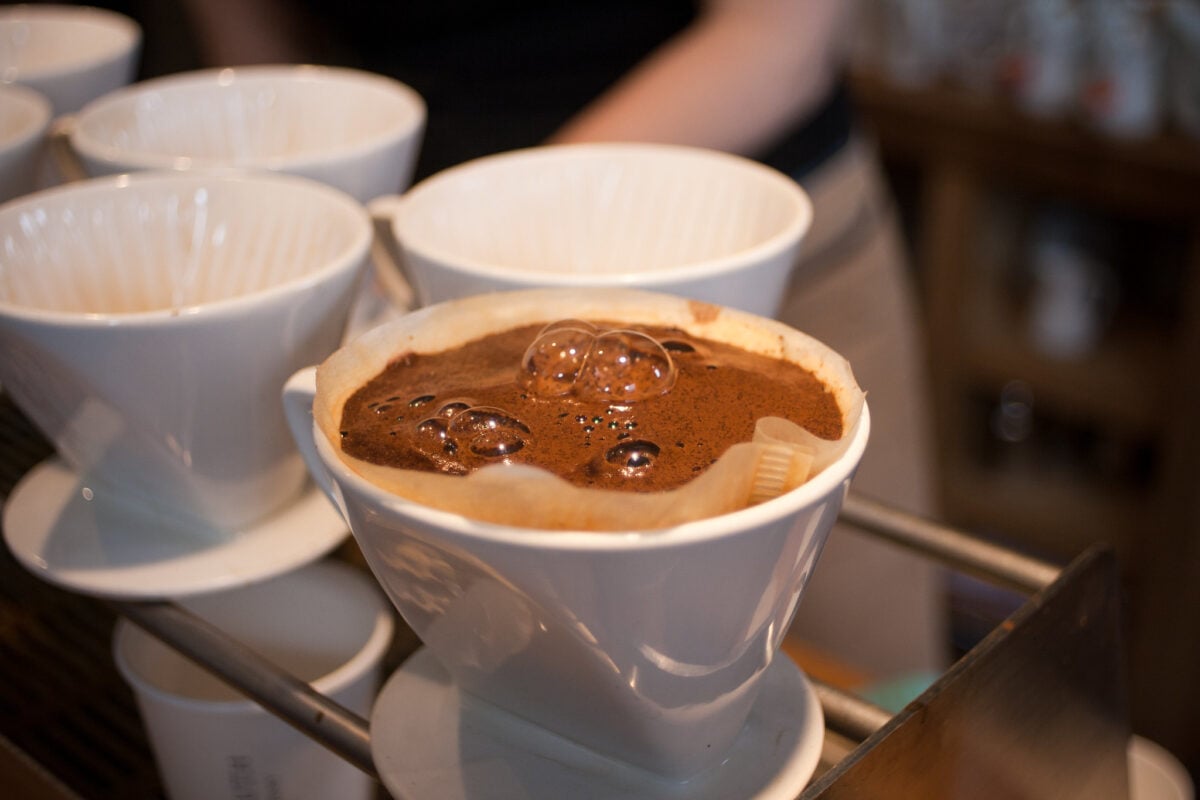
London spent centuries drinking terrible coffee and pretending it was fine because they had good tea. Then Monmouth Coffee opened in Covent Garden in 1978 and proved that British people could appreciate good coffee if someone bothered to make it.
The original shop near Borough Market looks like it hasn’t been renovated since opening day. Burlap sacks of beans line the walls.
The espresso machine is older than most of the customers. But the coffee tastes like someone actually cares about what they’re doing.
They roast everything on-site. Source beans from specific farms they’ve worked with for decades.
Serve filter coffee in glass cups so you can see exactly what you’re drinking. The shop helped spawn London’s modern coffee scene, which now rivals any city in the world.
All because someone decided that instant coffee wasn’t good enough.
Toby’s Estate Coffee: Sydney’s Roasting Revolution
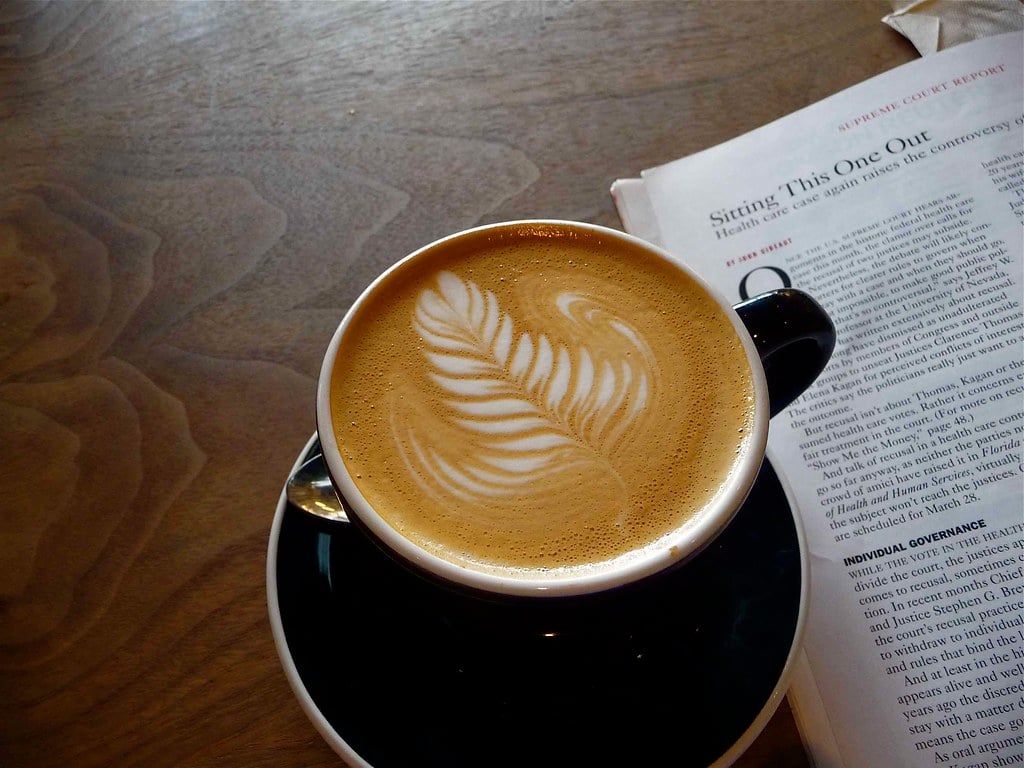
Sydney’s Chippendale neighborhood used to be industrial wasteland. Then Toby’s Estate moved into an old warehouse in 2004 and started roasting beans that smelled good enough to change the neighborhood.
The cafe attached to the roastery became a destination. Floor-to-ceiling windows let natural light flood the space.
Concrete floors and exposed brick gave it that carefully casual Australian vibe that coffee shops everywhere now copy. The baristas could actually make coffee, which wasn’t always a given in Sydney’s cafe culture.
They won international competitions. Opened shops in New York.
Sold to a larger company but somehow kept making the same quality coffee. The original location still feels like the best place to drink coffee in Sydney, which is saying something in a city that takes its coffee very seriously.
Coffee Collective: Copenhagen’s Obsessive Perfectionism
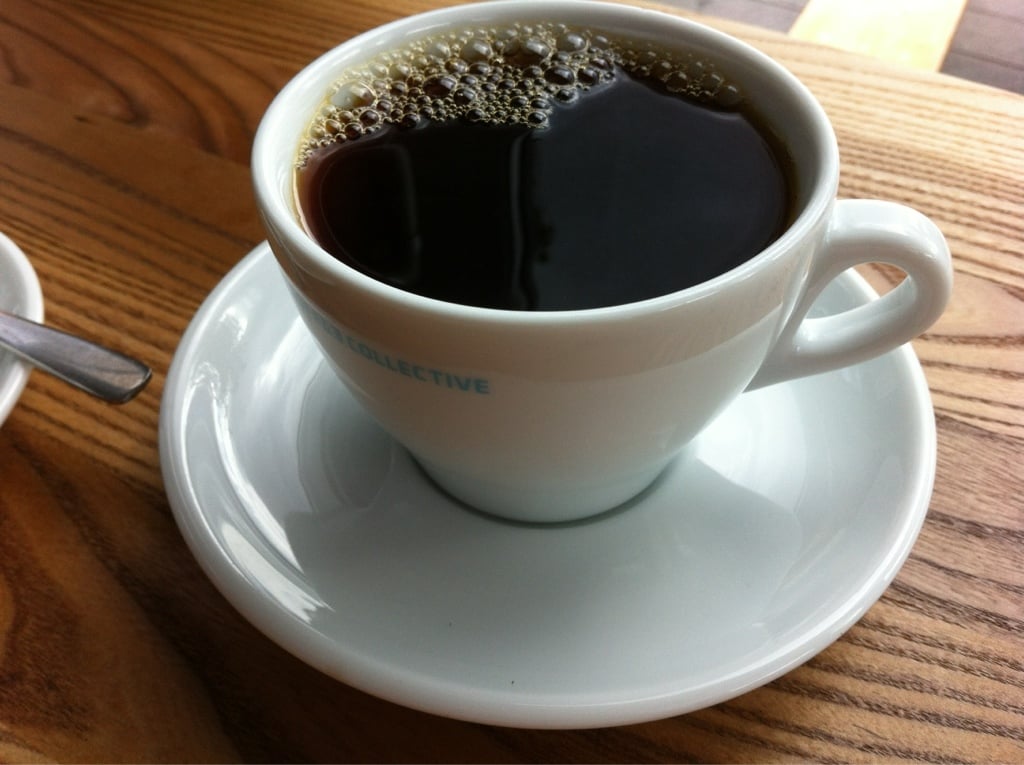
Denmark already had hygge and excellent pastries. Then Coffee Collective opened in 2007 and decided Copenhagen needed world-class coffee to go with its cinnamon rolls.
They weren’t wrong. The shop in Torvehallerne market pulls shots with the kind of precision you’d expect from watchmakers.
Each bean gets sourced from specific farms. Roasting happens in small batches.
The baristas will cheerfully explain the flavor profile of whatever you’re drinking, unless you just want to enjoy your coffee without a lecture. Three founders started the company because they couldn’t find coffee in Copenhagen that met their standards.
Now they operate multiple shops and supply cafes across Scandinavia. The original location still has lines out the door, filled with locals who refuse to compromise on their morning coffee.
Two Hands: New York’s Australian Invasion
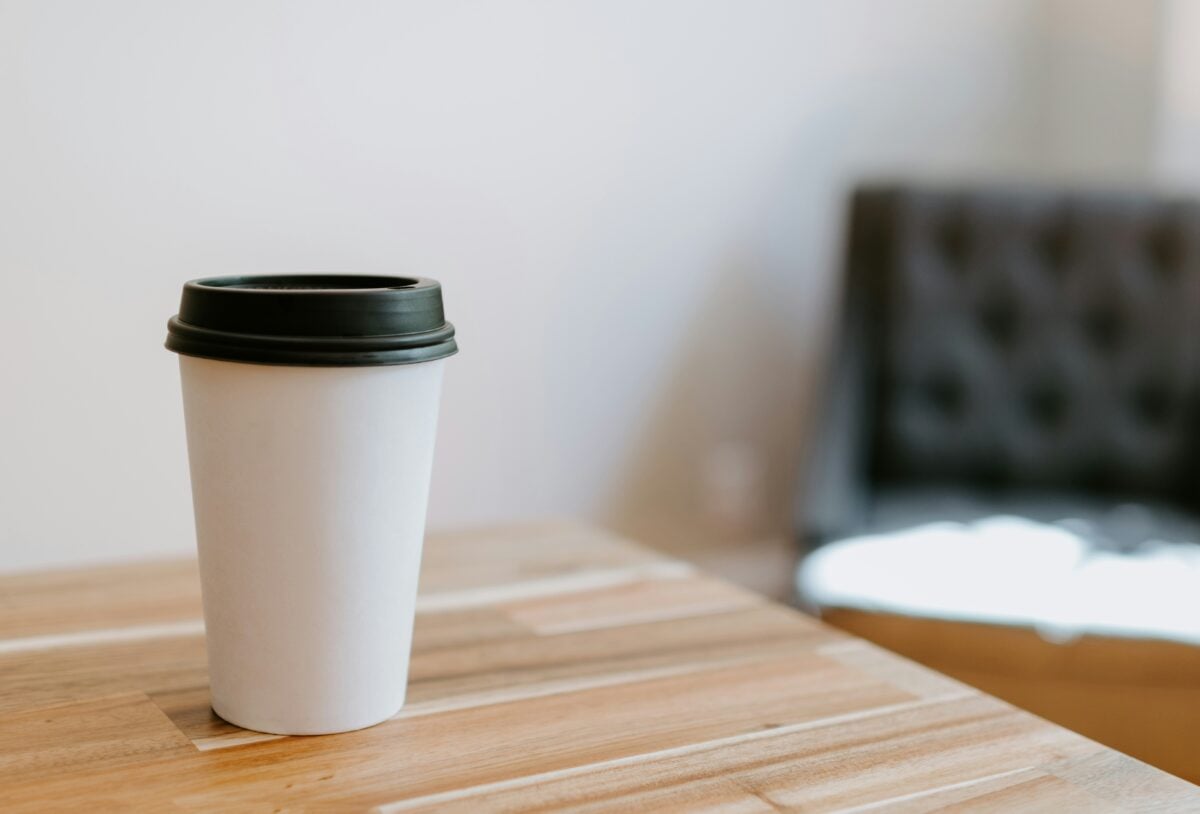
New Yorkers thought they knew coffee until Australians started opening cafes in Manhattan. Two Hands opened in 2015 and showed the Lower East Side what a proper flat white should taste like.
The Australian owners brought their cafe culture with them—good coffee, fresh food, relaxed atmosphere that still moves fast enough for New York pace. The space looks Instagram-perfect without trying too hard.
White tiles, hanging plants, natural light pouring through big windows. But the coffee backs up the aesthetics.
They use beans from Toby’s Estate and train baristas in Australian-style milk texturing, which makes a difference you can taste. Lines form on weekend mornings with people waiting for avocado toast and lattes.
The cafe proved that New York, despite its own coffee pride, still had things to learn about making a perfect flat white. Sometimes you need outsiders to show you what you’re missing.
El Pendulo: Where Books and Coffee Share Space
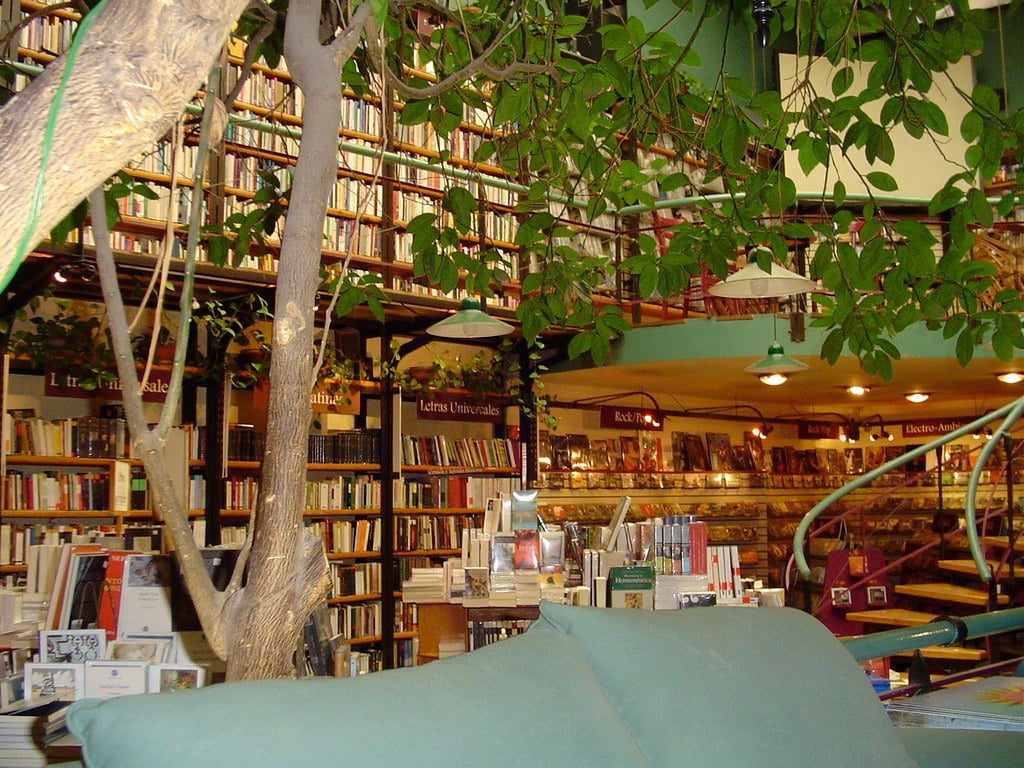
Hidden among the streets of Mexico City’s Condesa district sits a quiet blend of books and greenery. Not quite a shop, more like pages breathing under glass.
Tall walls overflow with titles while vines trail down beside them. Tables appear where reading meets sipping coffee.
Time slows once you step in – traffic fades, horns disappear. This place doesn’t shout; it whispers.
Outside chaos slips away because attention lands on leaves, ink, stillness. A cup here starts in Chiapas, moves through Veracruz – beans kept close, roasted on home ground rather than sent off to feed another’s profit.
Afternoon light fills the room where students linger, notebooks open, a single drink stretched across hours of reading. Nobody checks their clock.
Nowhere else feels quite like the first café in Condesa, even though there are more spots around Mexico City today. That quiet spark remains – offering what you didn’t realize was missing until you walked in.
Inside, hours stretch longer because coffee pours slowly, pages turn gently, thoughts settle deeper than the noise beyond the door.
The Language of Coffee
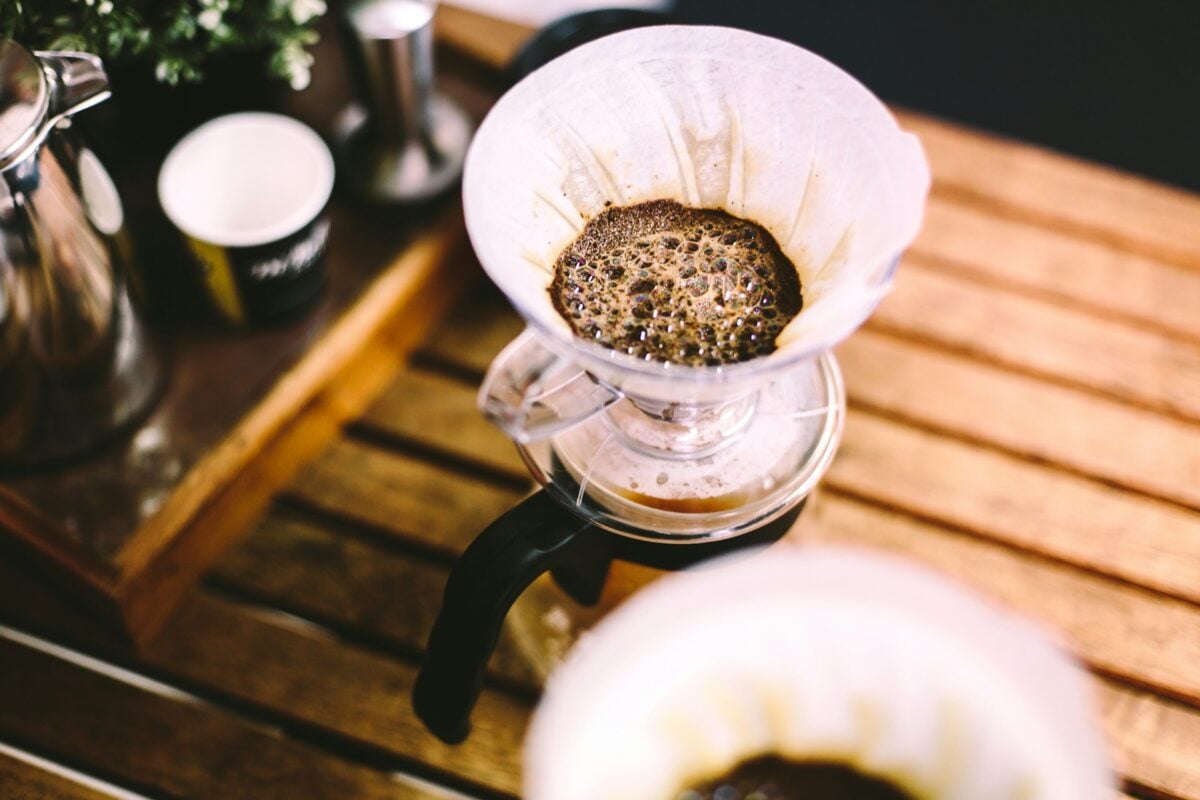
Worlds apart, these cafes still have a quiet link – not just great coffee or workers who know how to pour milk right. Each one shaped rooms where folks sit near strangers, lost in personal ideas, yet never interrupting the calm around them.
Seems uncommon, even though everyone passes by such places every day. That feeling cannot be made on demand.
Efforts pop up in marketing teams now and then. Room layouts get drawn by architects hoping to spark it.
Yet it shows up only if it wants to. When present, eyes light up.
Return visits follow naturally. Others arrive through word of mouth.
Miles crossed quietly – just to claim one particular seat and finally see what was mentioned.
Sure, the coffee counts.
After all, who flies to Rome for average espresso? Yet fame found these spots not just through beans, but by giving more than a jolt.
Instead of routine, they handed out room to simply be – somewhere between office and apartment where expectations relaxed. Look at the pictures: it is not only about sleek design or foam shaped right.
It is proof, really, that corners like this survive – even as everything else pushes them out.
More from Go2Tutors!

- The Romanov Crown Jewels and Their Tragic Fate
- 13 Historical Mysteries That Science Still Can’t Solve
- Famous Hoaxes That Fooled the World for Years
- 15 Child Stars with Tragic Adult Lives
- 16 Famous Jewelry Pieces in History
Like Go2Tutors’s content? Follow us on MSN.



