Unconventional Ways to Climb Mountains
Mountains have beckoned adventurers for centuries, their towering peaks representing the ultimate challenge for those seeking to test their limits. While traditional hiking and technical climbing remain popular methods to reach summits, some mountaineers have developed innovative—and sometimes bizarre—approaches to conquering these natural giants.
Here is a list of 16 unconventional ways people have tackled mountain ascents, proving that human creativity knows no bounds when it comes to reaching new heights.
Ski Mountaineering

Combining skiing with mountaineering, this approach uses specialized equipment that allows for both uphill travel and downhill skiing. Practitioners attach climbing skins to their skis for traction during ascent, then remove them for an exhilarating descent.
This method has gained tremendous popularity in recent years as it offers the dual reward of a challenging climb and an adrenaline-pumping ski back down.
Via Ferrata
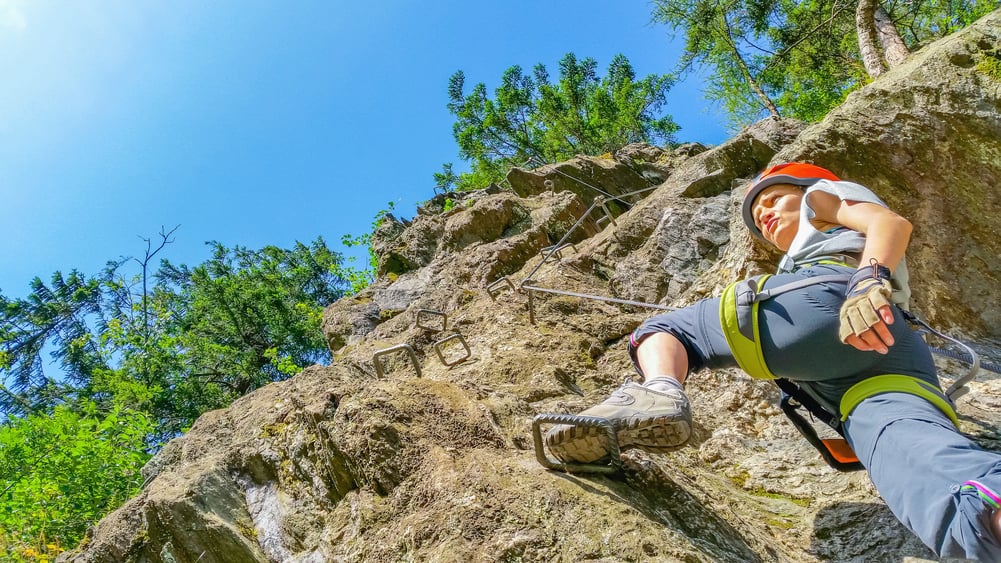
Italian for ‘iron path,’ via ferrata routes use permanently fixed cables, ladders, and bridges to help climbers navigate difficult terrain. Originally installed in the Italian Dolomites during World War I to move troops efficiently, these routes now allow less experienced climbers to access peaks that would otherwise require advanced technical skills.
The specialized harness system keeps climbers continuously attached to the safety cable, significantly reducing the risk of serious falls.
Like Go2Tutors’s content? Follow us on MSN.
Paragliding Ascents
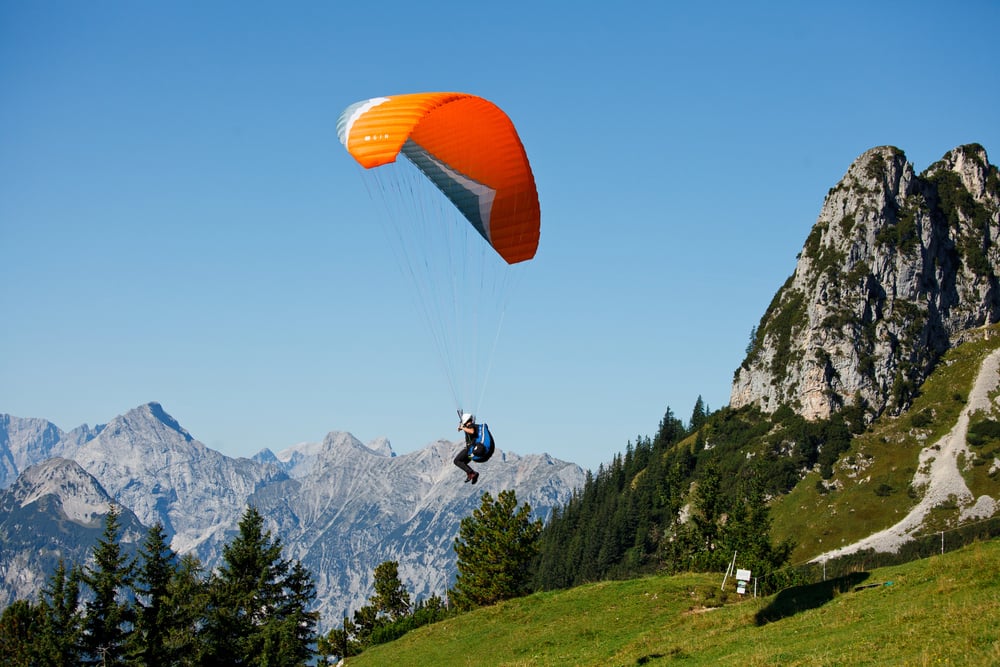
Some adventurous souls use thermal updrafts to paraglide up mountain slopes rather than hiking them. By catching rising air currents, skilled paragliders can actually gain altitude and reach surprising heights without physical exertion.
The technique requires patience and precise meteorological knowledge, as pilots must identify and navigate invisible columns of rising warm air.
Speed Running

This technique involves climbing mountains as quickly as humanly possible, often following established routes but at breakneck pace. Elite mountain speed runners train specifically for minimal rest, efficient movement, and optimized gear weight.
Some remarkable records include Kilian Jornet’s ascent and descent of Mount Everest in 26 hours—a journey that typically takes climbers several days.
Barefoot Climbing

Eschewing traditional footwear, barefoot mountaineers claim a better connection with the terrain and enhanced sensitivity that improves climbing ability. Proponents develop incredibly tough feet through gradual conditioning, allowing them to handle rough surfaces that would quickly injure most people.
This approach works better on some mountains than others, as extreme temperatures and particularly sharp terrain can make it impractical.
Like Go2Tutors’s content? Follow us on MSN.
Night Ascents

Climbing mountains under the cover of darkness offers several advantages: cooler temperatures, harder snow conditions, and reduced risk of rockfall and avalanches. Headlamps light the way as climbers navigate by starlight and moonlight, creating an almost mystical experience.
Many mountaineers find that the reduced visual field actually helps them focus better on immediate challenges rather than becoming intimidated by the full scale of what lies ahead.
Packrafting Approaches
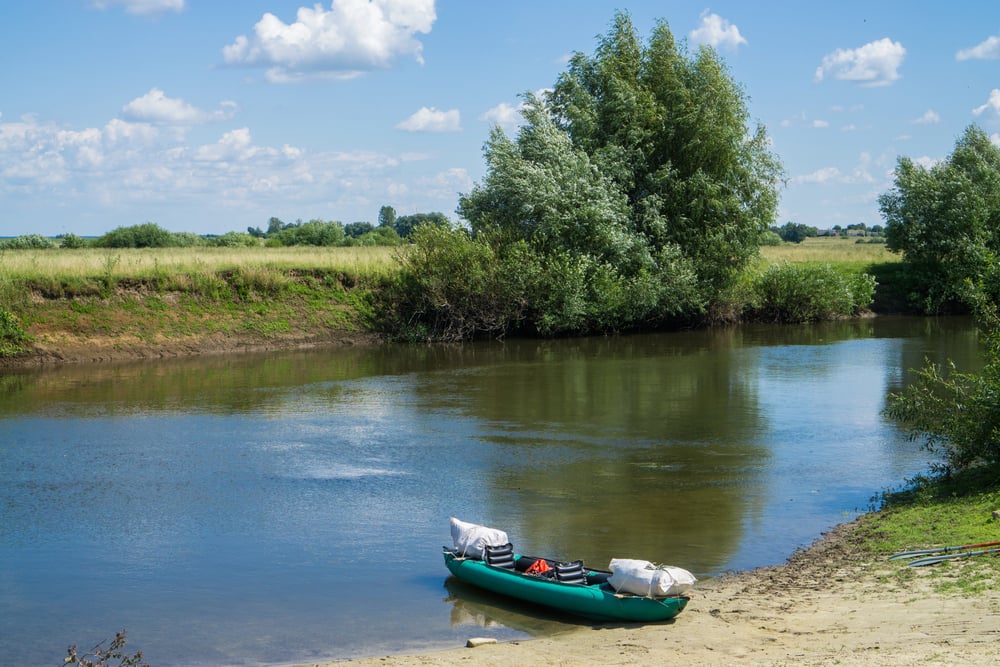
Combining hiking with portable inflatable boats, packrafters access remote mountains by navigating waterways that would otherwise require lengthy detours. The specialized rafts weigh just a few pounds and pack down small enough to carry in a backpack.
This hybrid approach allows mountaineers to cross lakes or travel downstream after a summit, creating loop routes that would otherwise be logistically impossible.
Winter Soloing
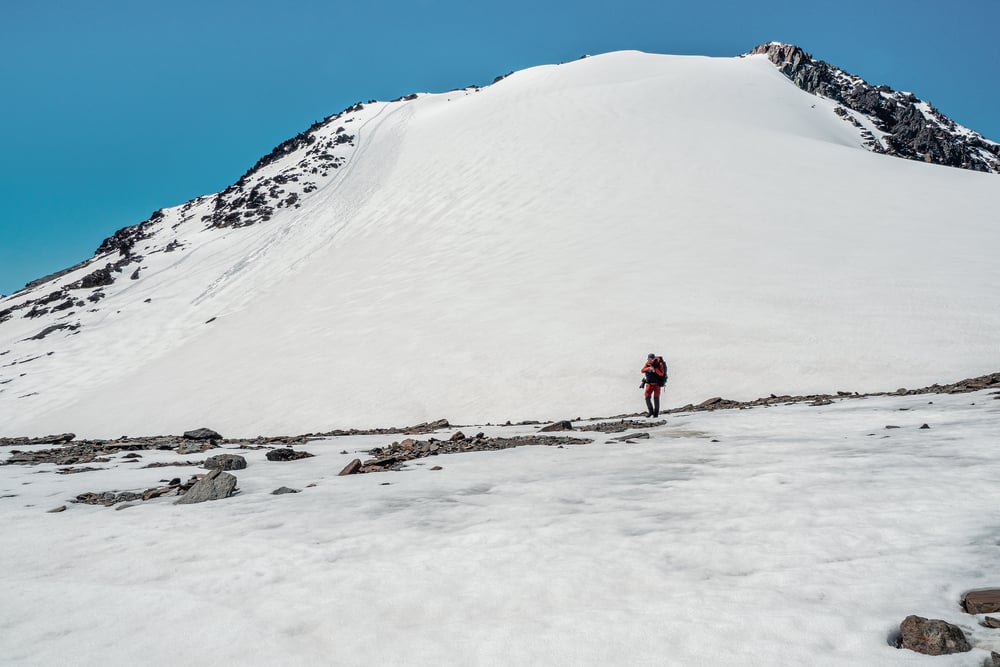
Perhaps the most mentally demanding approach, winter solo climbing involves tackling mountains alone during the harshest season. The solitude combined with extreme conditions creates an intense psychological challenge alongside the physical demands.
Mountaineers who practice this approach often speak of profound personal insights gained through this intense form of self-reliance in hostile environments.
Like Go2Tutors’s content? Follow us on MSN.
Canyoneering Combinations
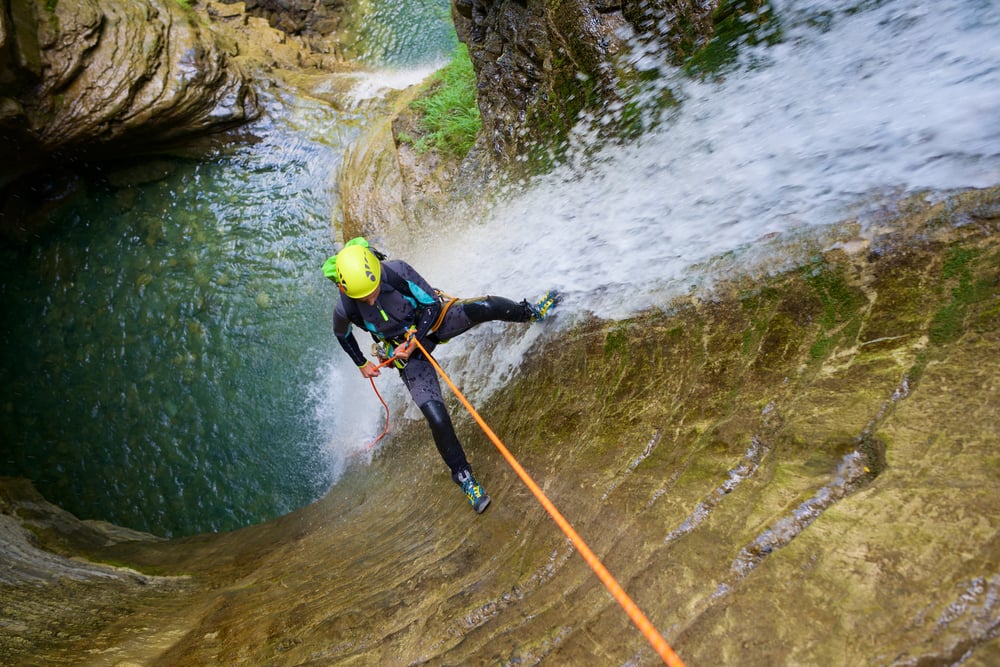
This method creates dynamic routes that incorporate diverse habitats by combining mountain ascents with descents through gorges sculpted by water. After reaching the top of a peak, climbers may rappel down through slot canyons that are teeming with pools and waterfalls.
This strategy calls for proficiency in a variety of abilities, such as swimming and rock climbing, in addition to specific gear for both dry and wet environments.
Bikepacking Approaches
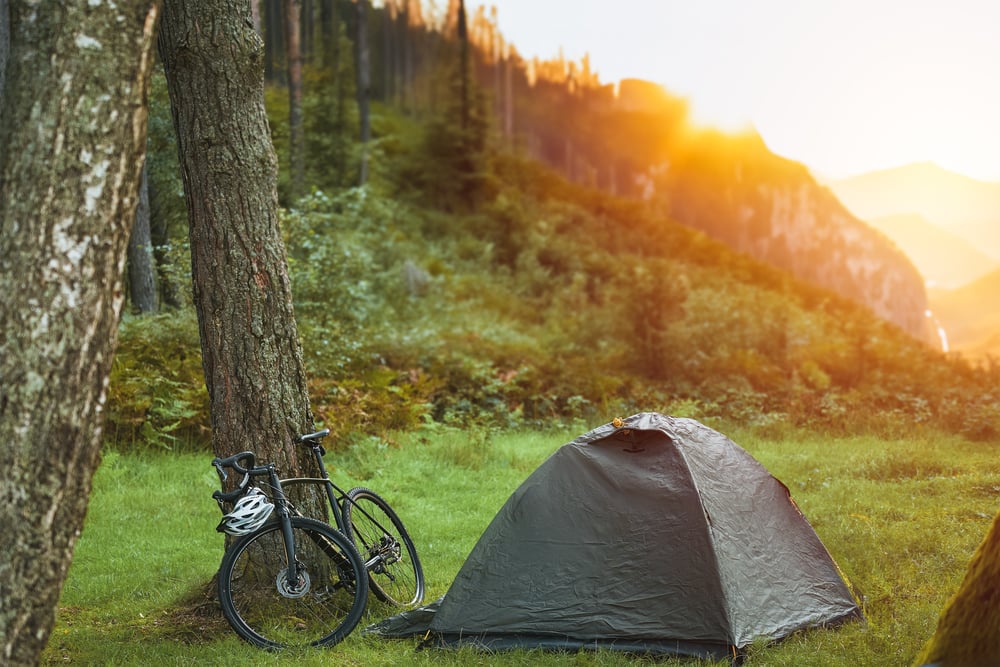
Using specially outfitted mountain bikes, bikepackers can cover long approach distances to remote peaks more efficiently than hiking. Once terrain becomes too technical, the bikes are either cached or carried on specialized backpack frames.
By eliminating days of hiking just to reach a mountain base, climbers conserve energy for the technical portions that really demand it.
Kite Skiing
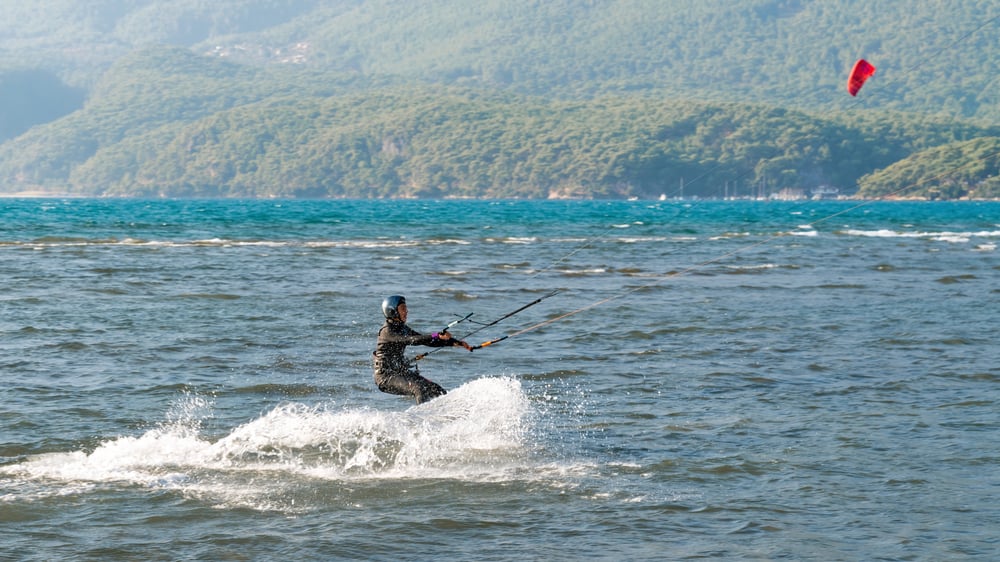
Harnessing wind power with large controllable kites, adventurers can literally be pulled up snow-covered slopes without expending much personal energy. The technique originated in polar exploration but has been adapted for mountain environments with consistent wind patterns.
Skilled practitioners can cover tremendous distances uphill on suitable terrain, though the method requires specific weather conditions to work effectively.
Like Go2Tutors’s content? Follow us on MSN.
Slacklining Between Peaks

For the truly daring, walking across thin nylon webbing strung between mountain summits represents the ultimate balancing challenge. Often requiring helicopter support to install, these highlines stretch across dizzying drops, allowing athletes to literally walk through thin air from one peak to another.
Practitioners always use safety tethers, but the mental fortitude required to step out onto a one-inch line thousands of feet above the ground remains extraordinary.
Animal Assistance

From horses to yaks, people have used animals to help them reach the top of mountains throughout history. In certain areas, modern adaptations involve trained mountain goats carrying light quantities of supplies, or even llama trekking in the Andes.
In addition to hauling equipment, these animals frequently have innate mountaineering skills and can find steady ground in dangerous situations.
Wheelchair Mountaineering

Adaptive equipment has opened mountain adventures to people with mobility limitations, proving that summits are accessible to determined individuals regardless of physical constraints. Specialized off-road wheelchairs with heavy-duty suspensions and powerful motors can navigate surprisingly rough terrain.
Many mountains now have dedicated programs and modified routes specifically designed to accommodate adaptive equipment.
Like Go2Tutors’s content? Follow us on MSN.
Cave-Through Routes
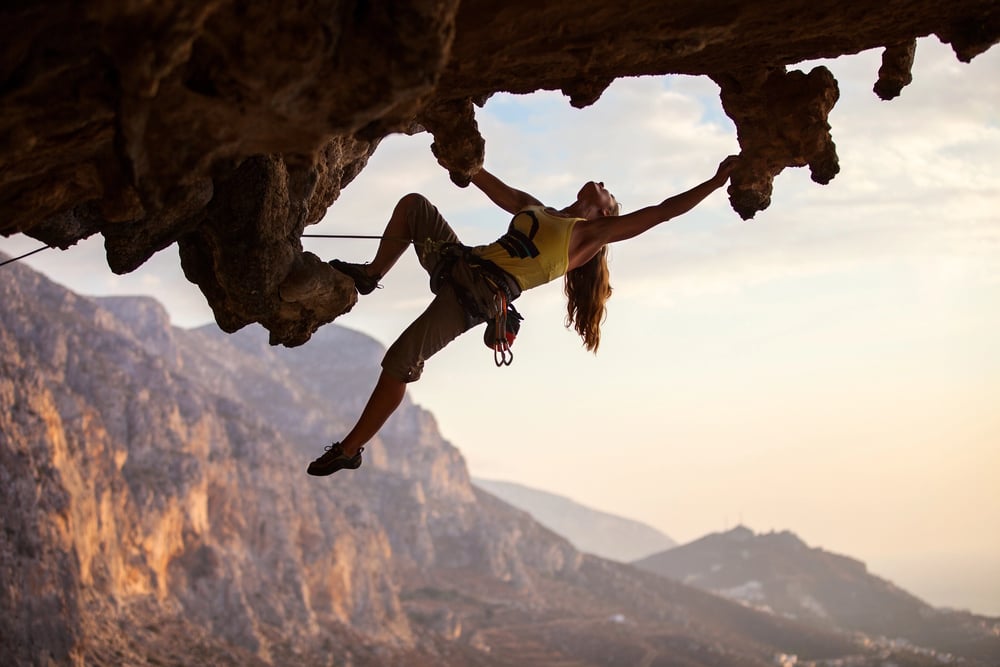
Some mountains contain extensive cave systems that allow climbers to ascend partially through the mountain rather than entirely over it. These subterranean shortcuts often feature underground rivers, massive chambers, and natural tunnels that create surreal journeys to the summit.
Combining traditional climbing skills with spelunking techniques, these routes offer protection from weather while adding an element of exploration.
Balloon-Assisted Climbing

Though controversial among purists, some expeditions have used weather balloons or small blimps to transport equipment or even lift climbers over particularly dangerous sections of mountains. The technique involves attaching lift capacity to climbers or gear, reducing effective weight during critical passages.
While not widely practiced, this approach demonstrates how technology continues to influence even traditional mountaineering pursuits.
The Endless Innovation of Mountain Enthusiasts
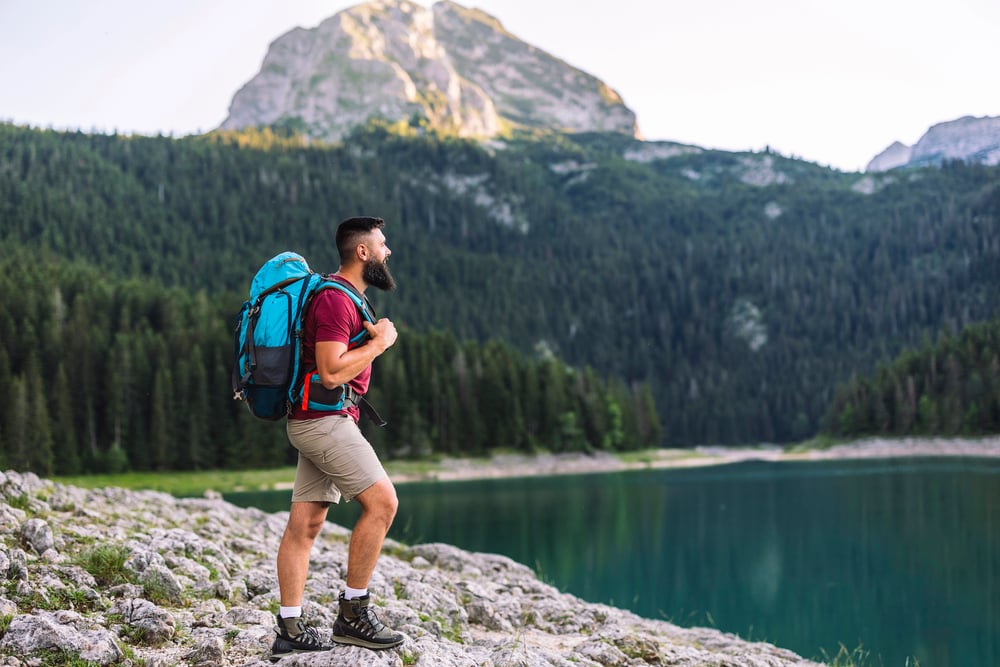
Throughout history, humans have demonstrated remarkable creativity in their quest to reach mountain summits. From ancient foot paths to modern technological approaches, our relationship with mountains continues to evolve.
These unconventional climbing methods not only showcase human ingenuity but also reflect our enduring fascination with exploring the vertical realm in increasingly diverse ways.
Like Go2Tutors’s content? Follow us on MSN.
More from Go2Tutors!

- 18 Unexpectedly Valuable Collectibles You Might Have Lying Around
- 15 Things Every Teenager in the ’70s Did That Teens Today Wouldn’t Understand
- 15 Strange Things People Have Tried to Ban (And Failed)
- 15 Inventions That Were Immediately Banned After Being Created
- 20 Actors Who Were Almost Cast in Iconic Roles
Like Go2Tutors’s content? Follow us on MSN.