Phrases You Should Never Say In The UK
Navigating British culture feels like learning an unspoken language that everyone assumes you already know. The wrong phrase at the wrong moment can turn a friendly conversation into an awkward silence faster than you can say “fanny pack.”
While Brits are generally forgiving of cultural missteps, certain phrases will immediately mark you as an outsider — or worse, someone who doesn’t understand the delicate art of British politeness.
I Could Care Less
This phrase makes British ears hurt. The logic is backwards and everyone knows it.
If you could care less, that means you still care somewhat. The correct phrase is “I couldn’t care less” — meaning your care level has hit absolute zero.
Fanny Pack
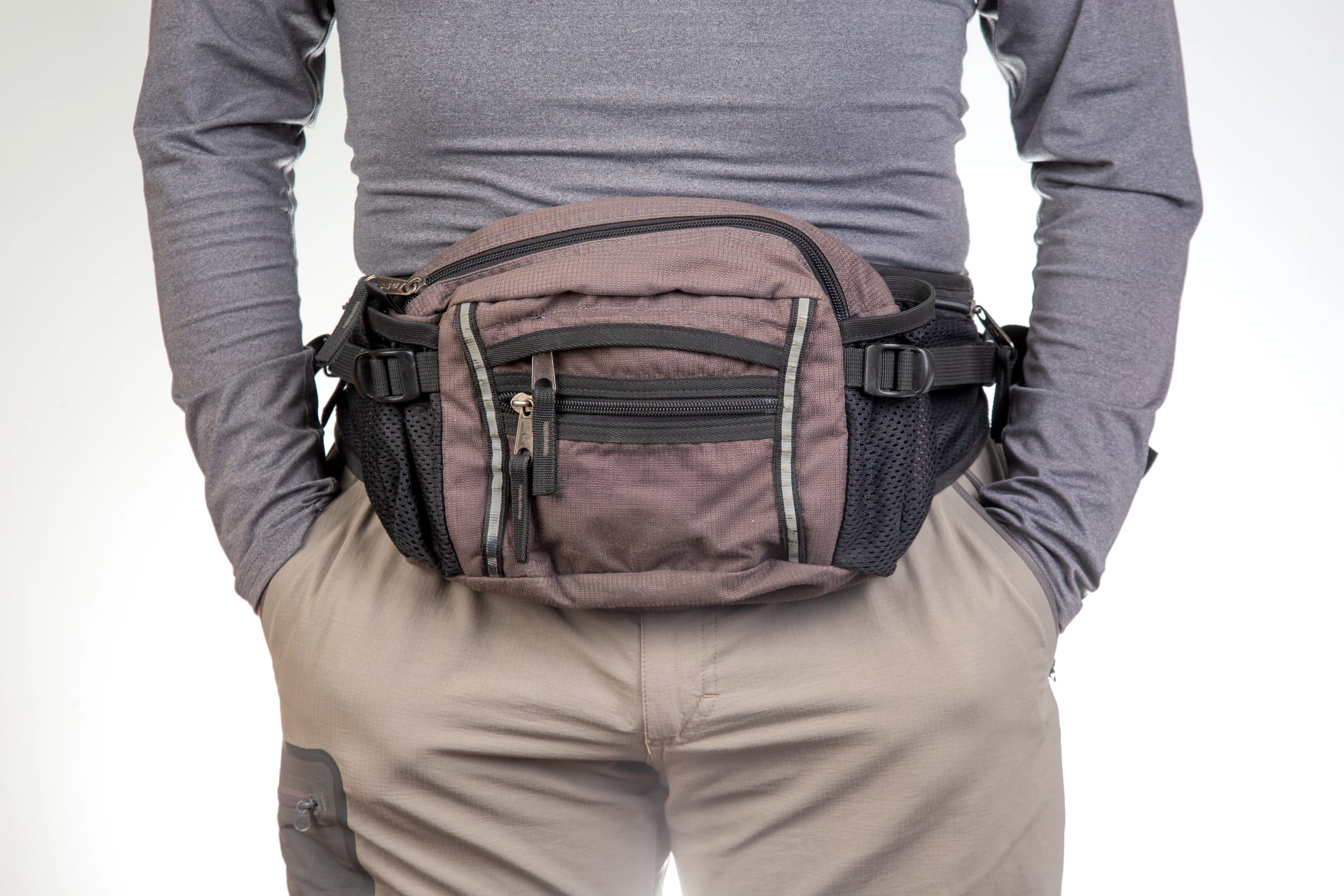
Don’t call it a fanny pack. In British English, “fanny” refers to female genitalia, not your backside.
What Americans call a fanny pack, Brits call a bum bag. The confusion this creates isn’t just linguistic — it’s anatomical.
How Are You?
Americans toss this question around like confetti at a wedding, but in Britain (and this is where things get wonderfully complicated because the British relationship with casual inquiry runs deeper than their relationship with tea), the phrase carries weight that most visitors never anticipate. Brit strangers don’t expect the question.
Colleagues don’t want the real answer. And yet — here’s the peculiar part — if you skip the pleasantries entirely, you’re considered rude in a completely different way.
But casual acquaintances get suspicious when Americans ask too enthusiastically. So you’re caught between seeming disinterested and seeming invasive, which is exactly the kind of social tightrope that makes British small talk an art form rather than a reflex.
I’m Good
Americans are always “good” — good when offered tea, good when asked about their day, good when clearly struggling with a massive suitcase on the Tube stairs. Brits find this relentless positivity suspicious.
They prefer “I’m well” for health and “I’m fine” for everything else. “Good” sounds like you’re grading yourself, which strikes them as presumptuous.
Math

It’s mathematics, which gets shortened to “maths” — never “math.” Dropping that final ‘s’ sounds like you gave up halfway through the word.
The same rule applies to “sport” versus “sports.” In Britain, you play sport, you don’t play sports.
One less letter, completely different meaning.
The British approach to abbreviation follows its own logic (which is to say, no logic that outsiders can detect): they’ll shorten “mathematics” to “maths” but extend “photo” to “photograph” in formal writing. They’ll say “uni” instead of university but never “math” instead of mathematics.
Go figure.
Can I Get
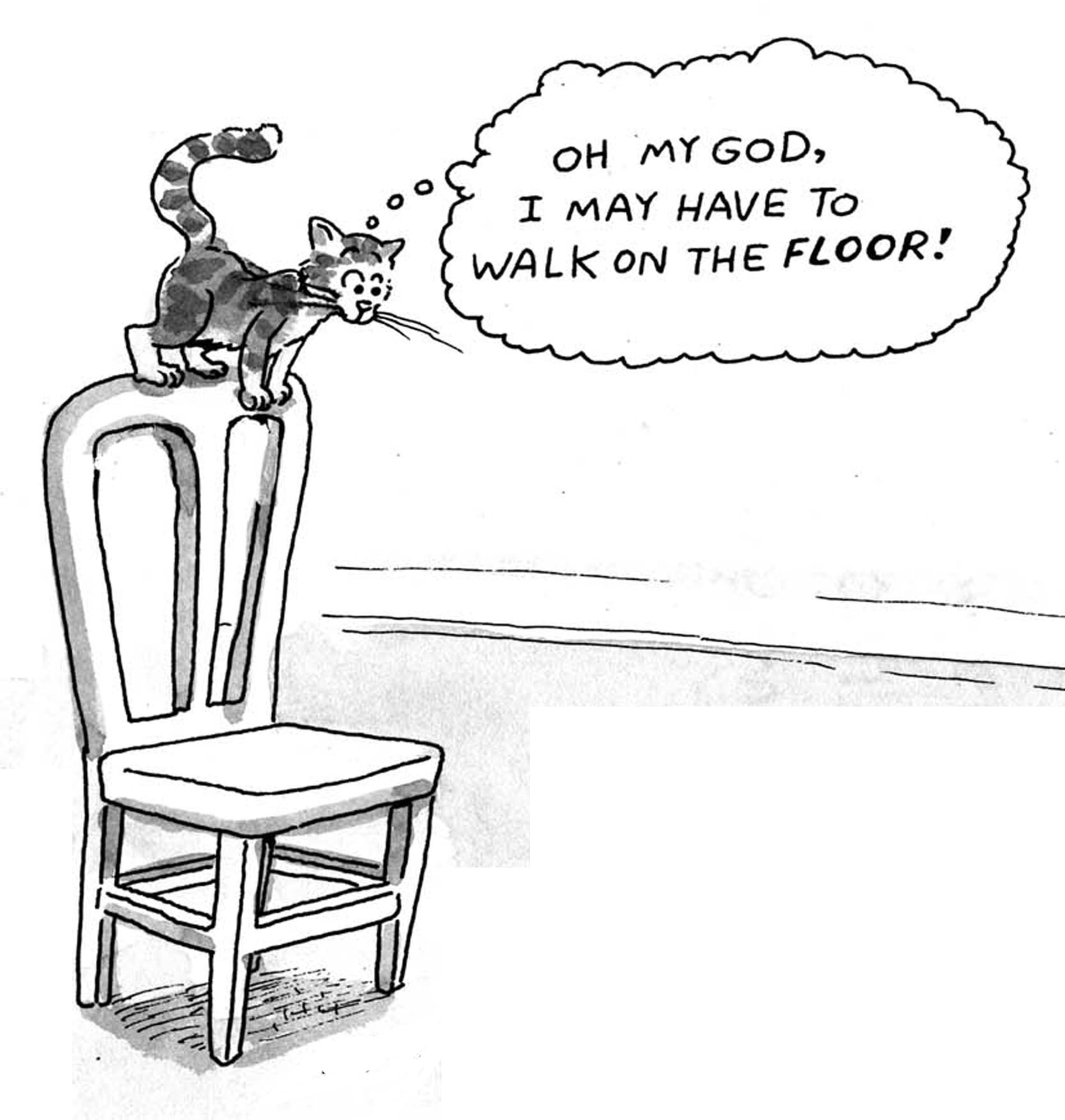
Walk into any British establishment and say “Can I get a coffee?” — you’ve just announced your nationality louder than wearing a stars-and-stripes t-shirt. The phrase sounds demanding to British ears.
They prefer “Could I have” or “May I have” — softer approaches that acknowledge the server’s agency in the transaction.
Spunk

This word means something completely different in British English, and that something is not suitable for polite conversation. Americans use “spunk” to describe someone with spirit or determination.
In Britain, it’s slang for semen. Your compliment about someone having “real spunk” will be met with horrified silence.
You’re Welcome

British politeness operates like an intricate dance where both partners know the steps but never discuss the choreography. When someone thanks you, “you’re welcome” sounds too formal, too American, too much like you’re acknowledging that yes, they should indeed be grateful.
Brits prefer “no worries,” “not at all,” or “don’t mention it” — responses that downplay the favor rather than accept the gratitude.
The difference isn’t just linguistic. “You’re welcome” accepts thanks as deserved.
British responses deflect thanks as unnecessary.
I’m Pissed

This phrase will get you strange looks, but not for the reason you think. In American English, being pissed means being angry.
In British English, being pissed means being drunk. Tell a Brit you’re pissed about the weather and they’ll wonder how you managed to get intoxicated by 2 PM on a Tuesday.
Rubber
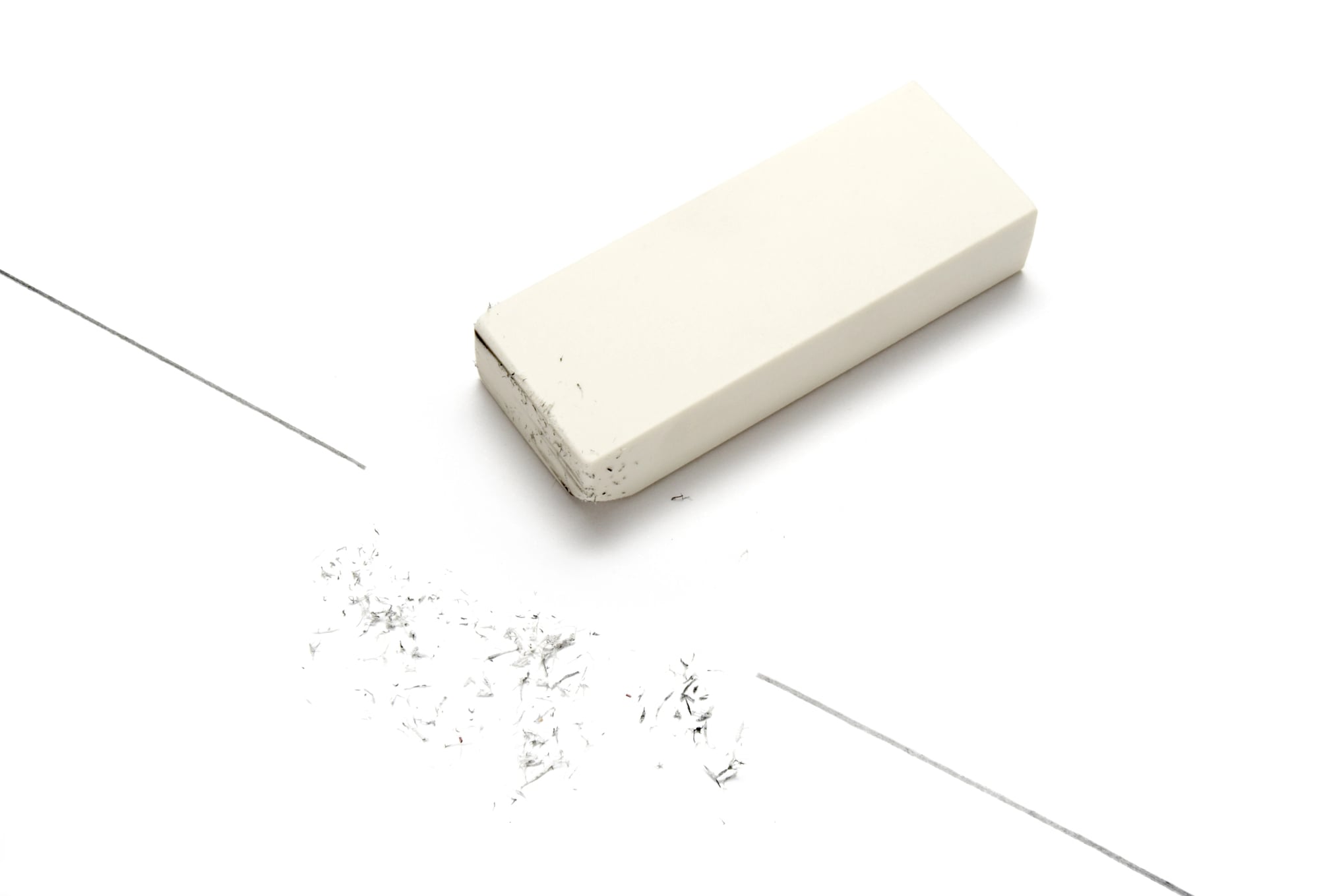
Ask to borrow a rubber in Britain and you’ll get an eraser. Ask for one in America and you’ll get condoms.
The confusion works both ways, but it’s Americans visiting Britain who usually make this particular mistake in primary school classrooms.
Quite

Americans use “quite” for emphasis — quite good means very good. British “quite” does the opposite: it diminishes.
When a Brit says your presentation was “quite good,” they’re damning it with faint praise. The word that Americans think strengthens their compliments actually weakens them beyond repair.
Pants
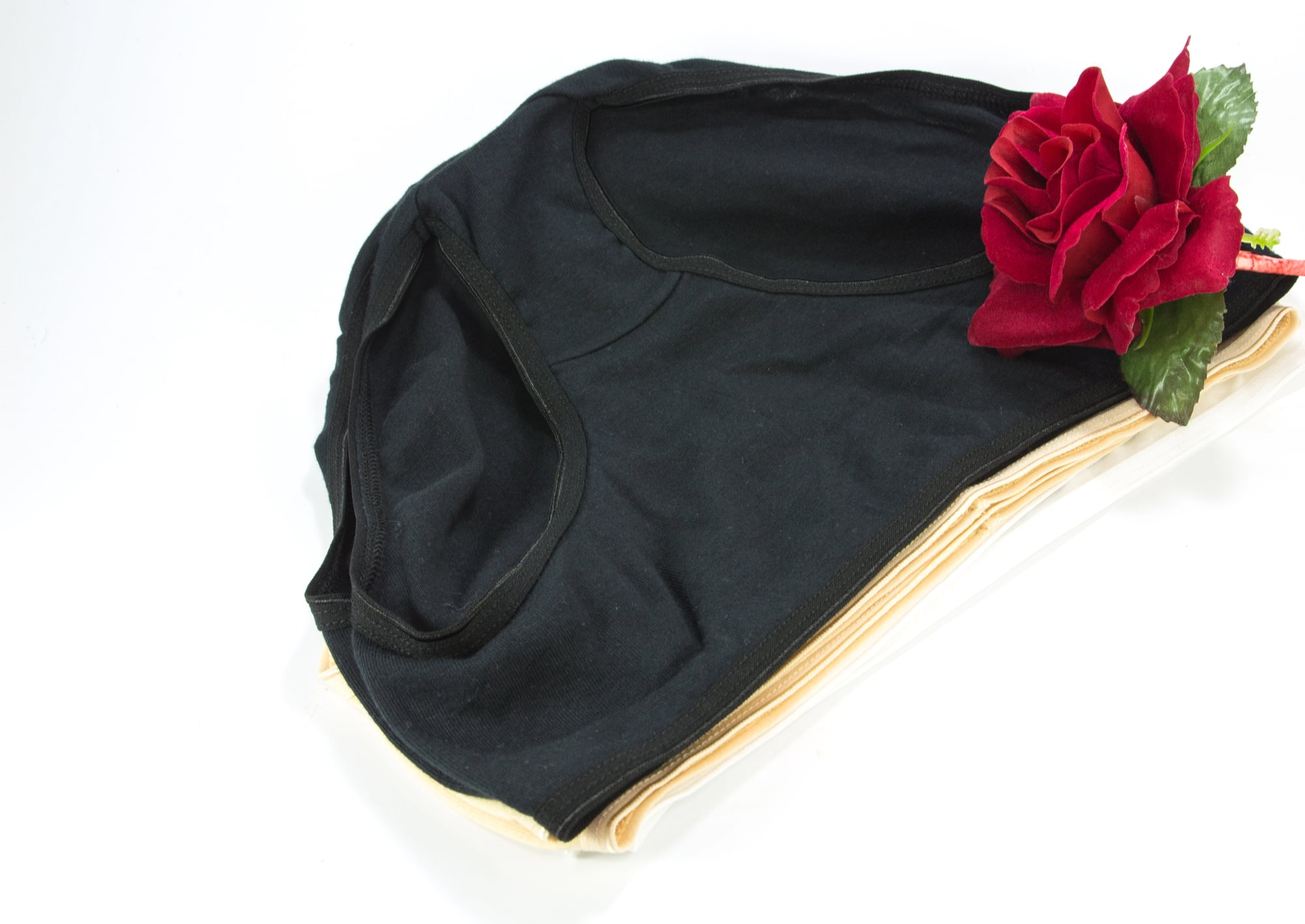
In Britain, pants are underwear. What Americans call pants, Brits call trousers.
Complimenting someone’s pants in Britain means you’ve been looking places you shouldn’t be looking. The mistake is innocent enough, but the mental image it creates isn’t.
Taking The Wee

Don’t try to use this phrase if you’re not British. Getting it wrong is worse than not using it at all.
Americans often misunderstand it as meaning “getting angry” when it actually means “making fun of” or “mocking.” The phrase requires perfect timing and cultural context — two things visitors rarely possess.
Rubber Johnny
This is slang for condom, but Americans sometimes use “rubber johnny” to refer to rubber boots or rain gear.
The confusion is spectacular and the embarrassment is mutual. Stick to “wellies” for rain boots and avoid any phrase containing both “rubber” and a person’s name.
The Full Monty
Americans picked up this phrase from the movie but often use it wrong. It doesn’t mean “going all the way” in a romantic sense — it means “the whole thing” or “everything included.”
Misuse it in the wrong context and you’ll sound like you’re making an inappropriate suggestion when you’re just talking about getting the complete package deal.
Crossing The Pond

This phrase marks you as trying too hard to sound British. Actual Brits don’t say they’re “crossing the pond” when traveling to America — that’s what Americans say when they’re trying to sound charmingly British.
It’s the linguistic equivalent of fake enthusiasm, and everyone can hear it
More from Go2Tutors!

- The Romanov Crown Jewels and Their Tragic Fate
- 13 Historical Mysteries That Science Still Can’t Solve
- Famous Hoaxes That Fooled the World for Years
- 15 Child Stars with Tragic Adult Lives
- 16 Famous Jewelry Pieces in History
Like Go2Tutors’s content? Follow us on MSN.