Ports That Handle the Most Cargo
The global economy runs on shipping, and a handful of massive ports keep everything moving. These bustling hubs process millions of containers every year, filled with everything from smartphones to sneakers to the coffee beans that fuel morning routines.
Without these ports working around the clock, store shelves would empty and factories would grind to a halt. The sheer scale of operations at these locations is hard to wrap your head around until you see the numbers.
Let’s explore the ports that move more cargo than anywhere else on Earth. These are the places where globalization happens in real time, one container at a time.
Port of Shanghai
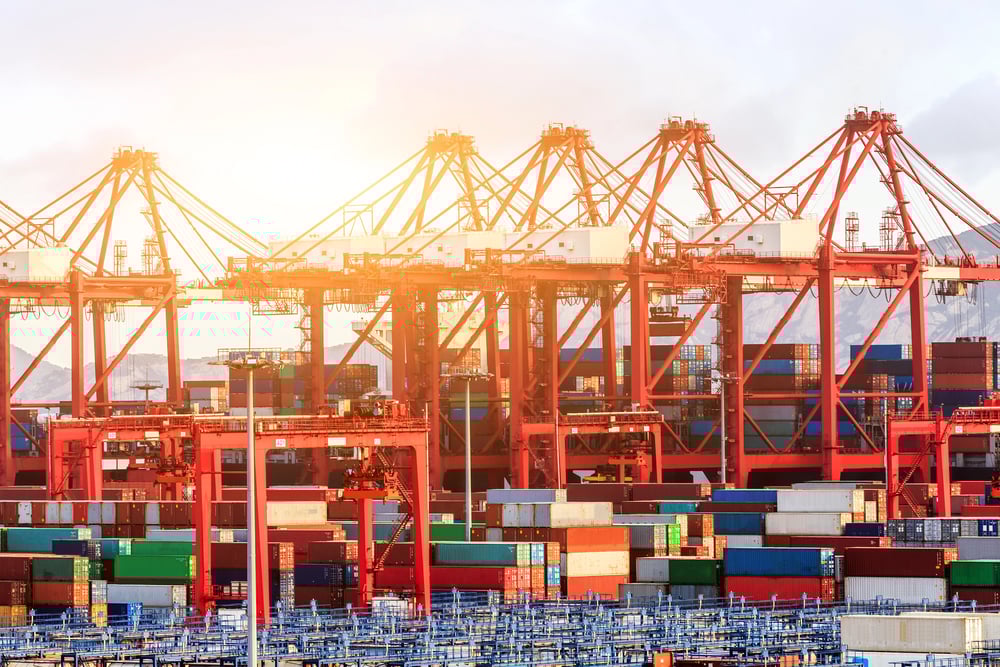
Shanghai handles more cargo than any other port on the planet, processing over 47 million container units annually. The port stretches along China’s coast and the Yangtze River, covering an area larger than some small countries.
Ships arrive and depart constantly, loaded with electronics, textiles, machinery, and just about everything else China manufactures for the world. The port’s efficiency comes from automated cranes, advanced logistics systems, and workers who keep operations running 24 hours a day.
Shanghai’s position as a manufacturing powerhouse and its deep-water access make it the natural choice for companies shipping goods across the Pacific.
Port of Singapore
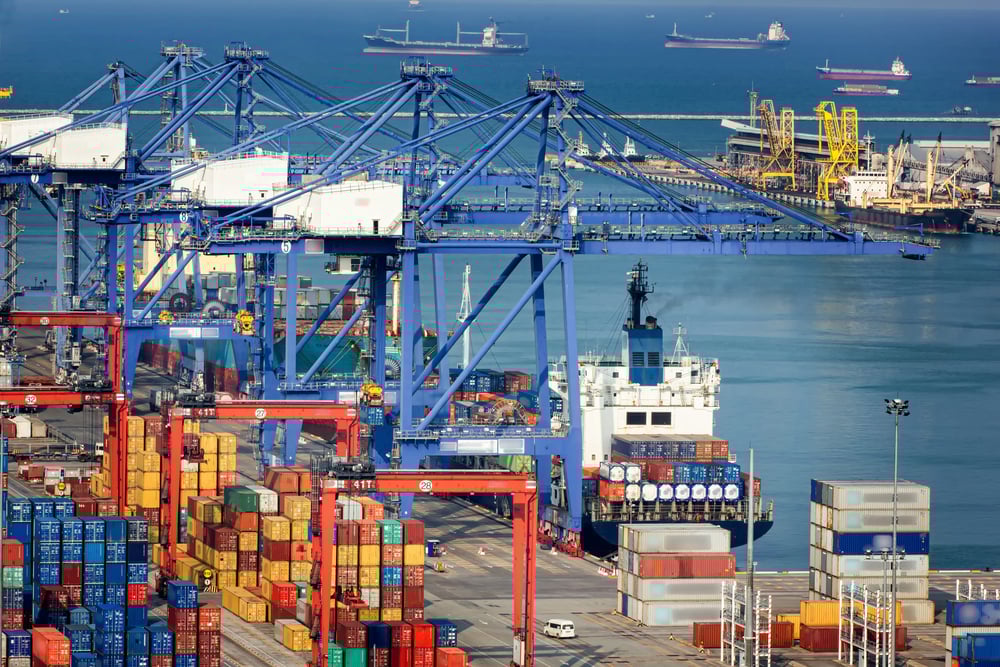
Singapore’s port moves around 37 million containers each year despite the country being smaller than New York City. The port serves as a crucial transfer point where cargo gets moved from huge ocean vessels to smaller ships heading to other parts of Asia.
Singapore invested heavily in automation and technology, allowing the port to handle massive volumes with impressive speed. Its location at the southern tip of the Malay Peninsula puts it right on one of the world’s busiest shipping routes.
The government runs the port with strict efficiency standards that other countries try to copy.
Port of Ningbo-Zhoushan
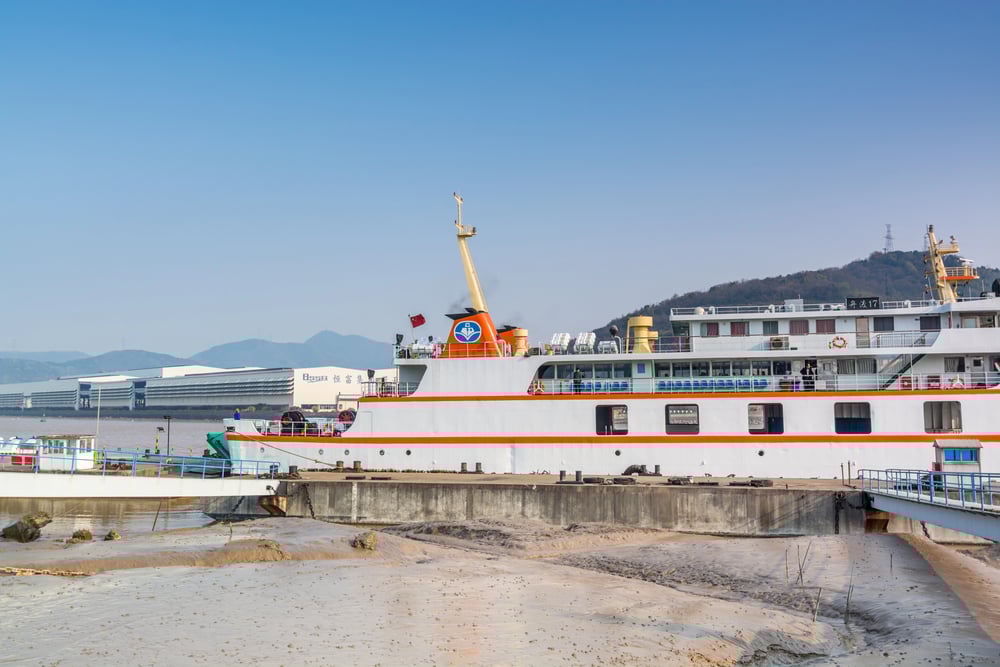
This Chinese port handles about 33 million containers annually and has the advantage of deep natural harbors that can accommodate the biggest ships afloat. Ningbo-Zhoushan actually combines several port areas along China’s eastern coast into one massive operation.
The port specializes in bulk cargo like iron ore and coal alongside containers, making it versatile for different shipping needs. Its proximity to major manufacturing regions in Zhejiang Province keeps a steady stream of exports flowing.
The port has expanded rapidly over the past decade as China’s economy has grown.
Port of Shenzhen
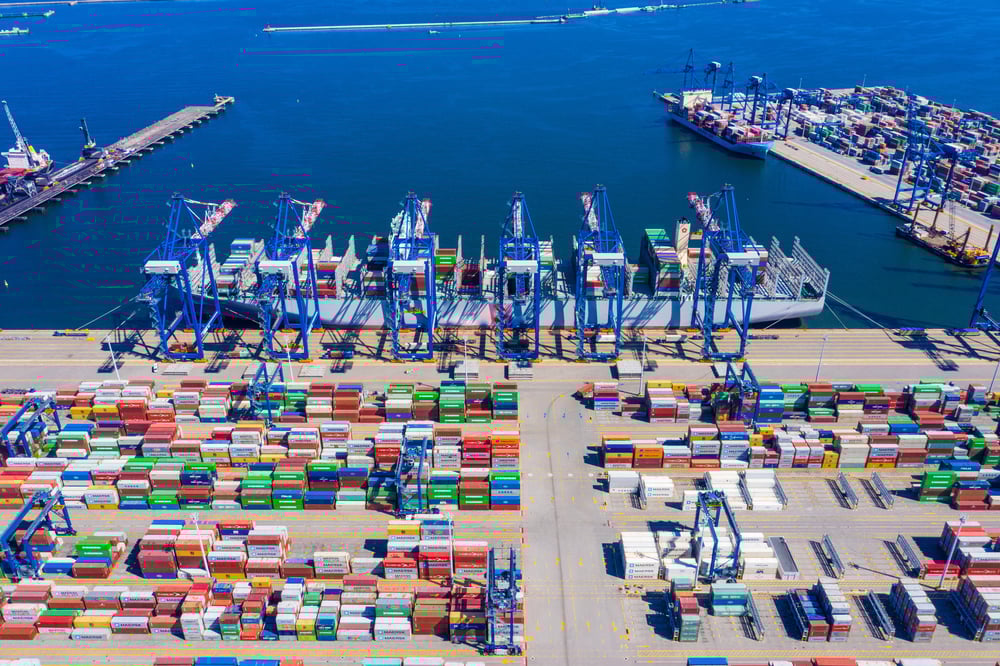
Shenzhen processes around 30 million containers each year, serving the Pearl River Delta manufacturing region. This area produces a huge percentage of the world’s consumer electronics, from phones to laptops to tablets.
The port operates multiple terminals spread across the coastline, each specializing in different types of cargo. Shenzhen’s growth mirrors the city’s transformation from a small fishing village to a technology manufacturing hub in just a few decades.
The port’s modern infrastructure can turn ships around quickly, reducing wait times that cost shipping companies money.
Port of Guangzhou
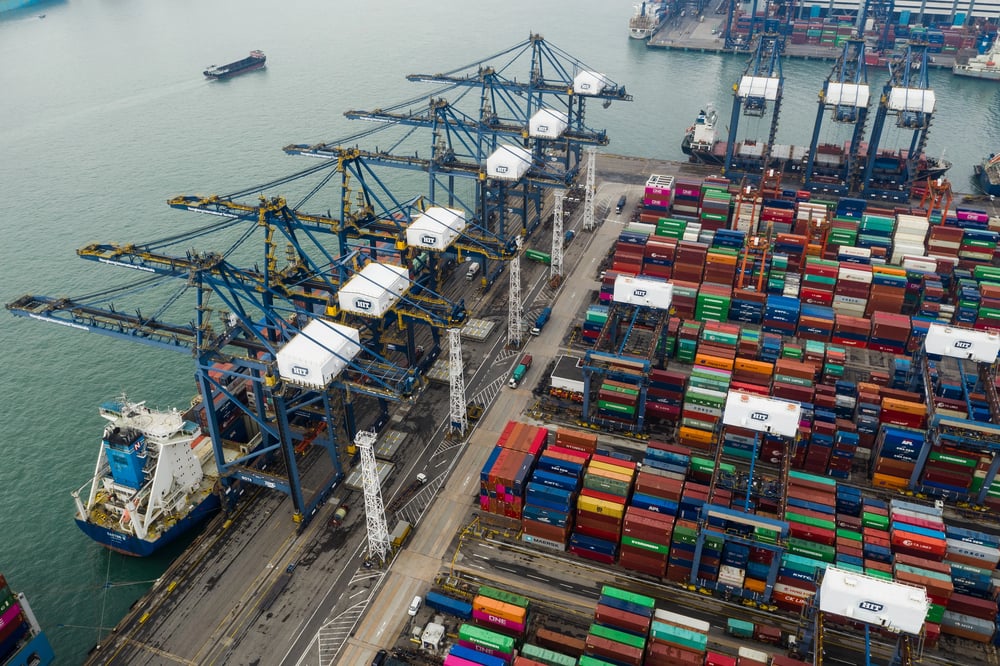
Guangzhou handles approximately 25 million containers annually, serving southern China’s enormous manufacturing base. The port sits on the Pearl River and has been a major trading center for over a thousand years, though it looks nothing like it did in ancient times.
Modern Guangzhou port uses computerized systems to track every container and optimize loading patterns on ships. The port serves industries ranging from automobiles to appliances to clothing.
Its inland river connections allow cargo to move deep into China’s interior without needing trucks for the entire journey.
Port of Qingdao
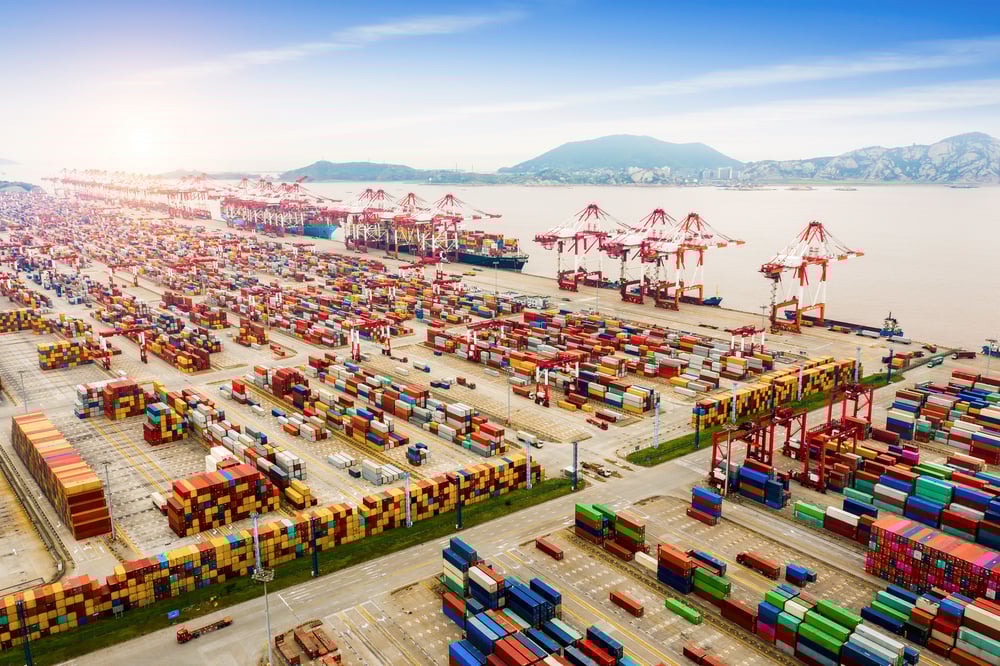
This northern Chinese port processes about 24 million containers each year and serves as a gateway to Korea and Japan. Qingdao has natural deep-water harbors that stay ice-free year-round, unlike some other northern ports.
The port handles significant amounts of oil and bulk cargo alongside containers. Major Chinese companies like Haier, the appliance manufacturer, ship products through Qingdao to reach global markets.
The port has invested in green technology to reduce emissions, recognizing that environmental concerns affect its future growth.
Port of Busan
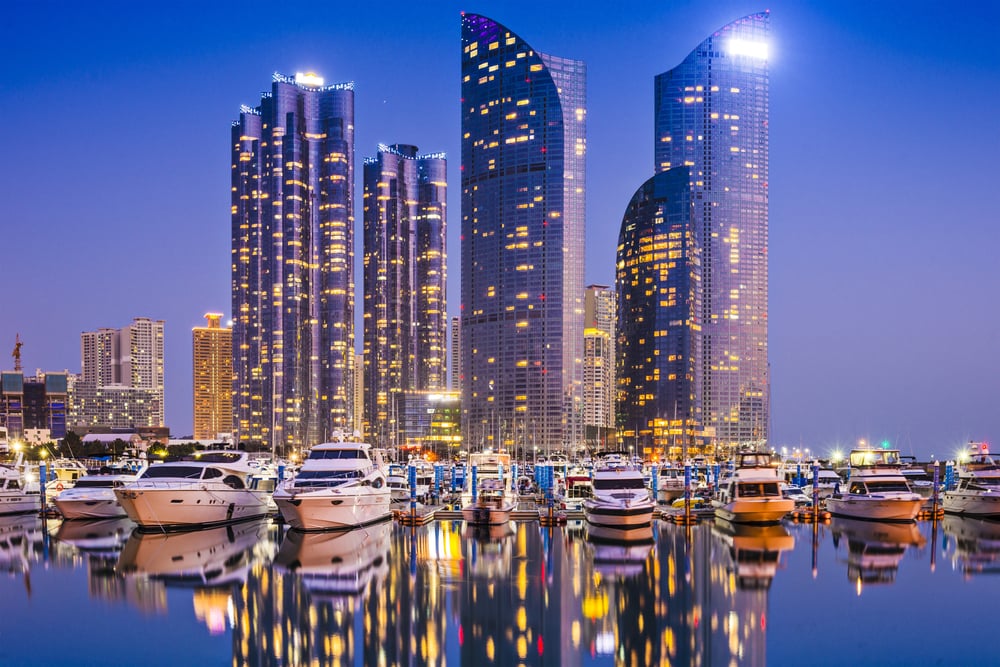
South Korea’s largest port handles around 22 million containers annually, serving as Northeast Asia’s main transfer hub. Busan benefits from being close to major shipping routes between China, Japan, and the Americas.
The port operates with impressive efficiency, often turning container ships around in less than a day. Korean companies like Samsung and Hyundai rely on Busan to ship electronics and vehicles worldwide.
The port’s location on the southeastern tip of the Korean peninsula gives it natural deep-water access without extensive dredging.
Port of Tianjin
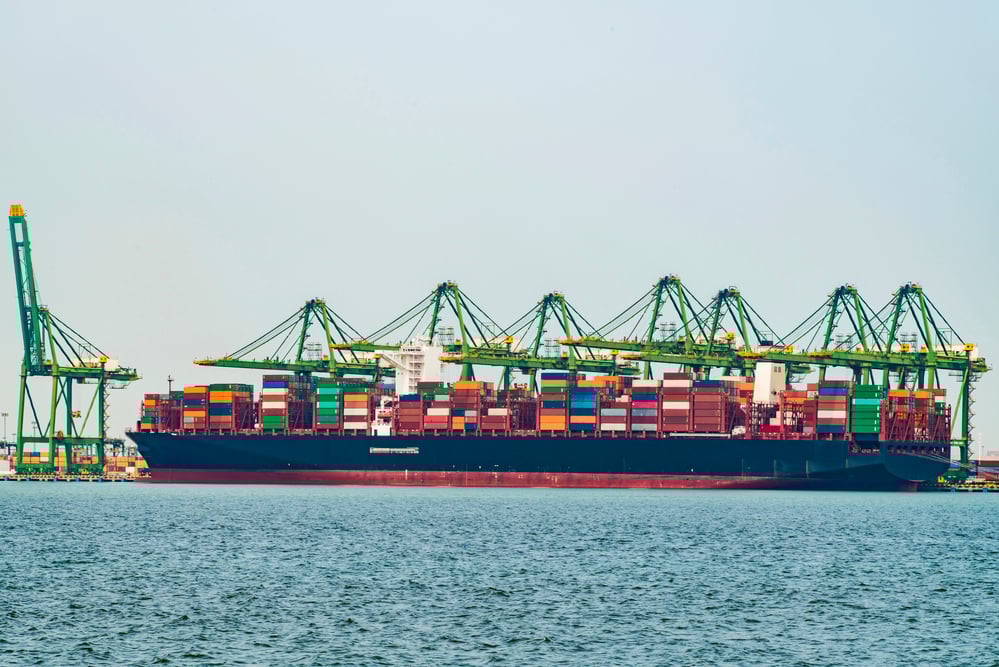
Tianjin processes approximately 21 million containers each year and serves Beijing and northern China. The port sits at the mouth of the Hai River and has expanded dramatically to handle growing trade volumes.
Tianjin specializes in heavy machinery and equipment alongside standard containers. The Chinese government designated it as a free trade zone, encouraging international companies to use the port for imports and exports.
Winter ice can sometimes slow operations, but icebreakers keep channels open during cold months.
Port of Hong Kong
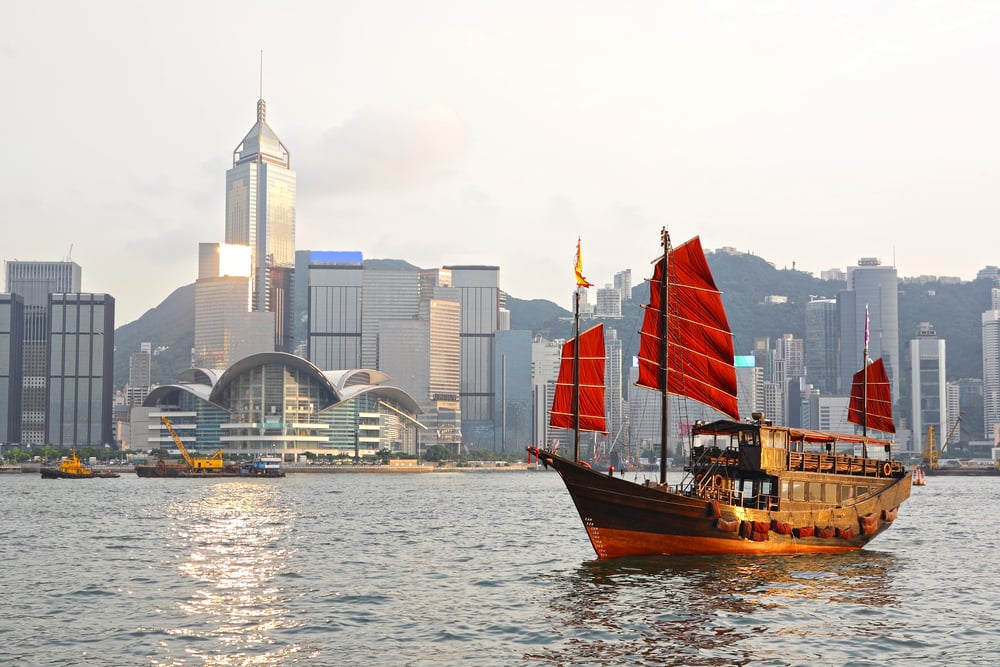
Hong Kong’s port handles about 18 million containers annually, though its dominance has decreased as mainland Chinese ports have expanded. The port still serves as a major financial and logistics center for Asian shipping.
Hong Kong’s container terminals are among the most automated in the world, using robotic systems to move cargo with minimal human intervention. The port’s deep natural harbor has made it a trading center for centuries.
Its connection to the Pearl River Delta gives it access to massive manufacturing regions just across the border.
Port of Rotterdam
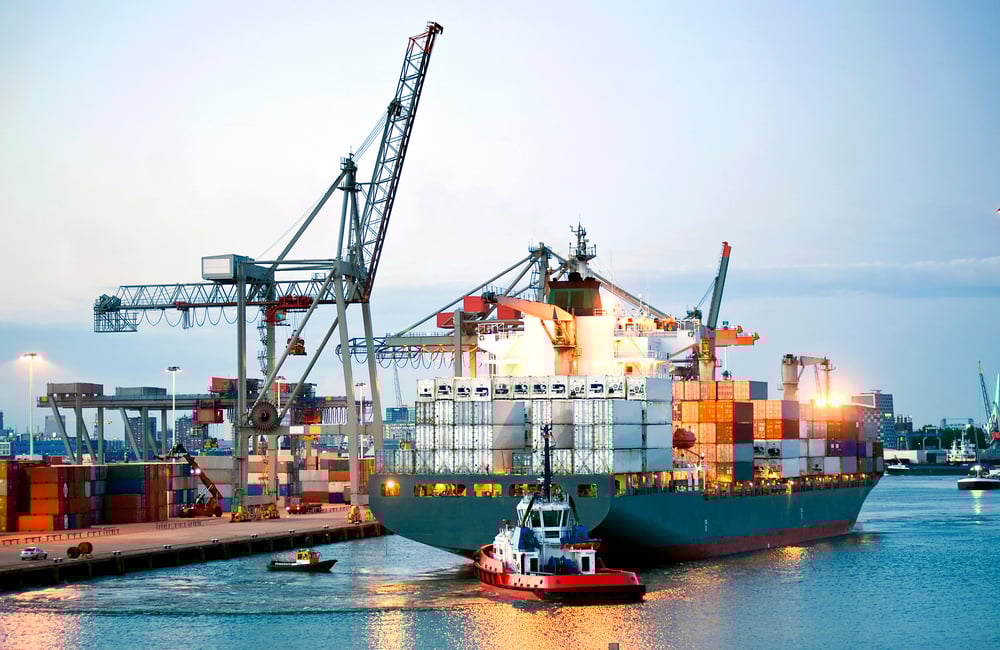
Rotterdam is Europe’s largest port, processing around 15 million containers each year. The Dutch port serves as the main entry point for goods coming into the European Union from Asia and the Americas.
Rotterdam’s location on the Rhine River allows cargo to move by barge deep into Germany, France, and Switzerland. The port has some of the most advanced automated terminals in the world, where computer systems guide cranes and trucks without human operators.
Its efficiency and connections make it the preferred choice for companies shipping to European markets.
Port of Antwerp
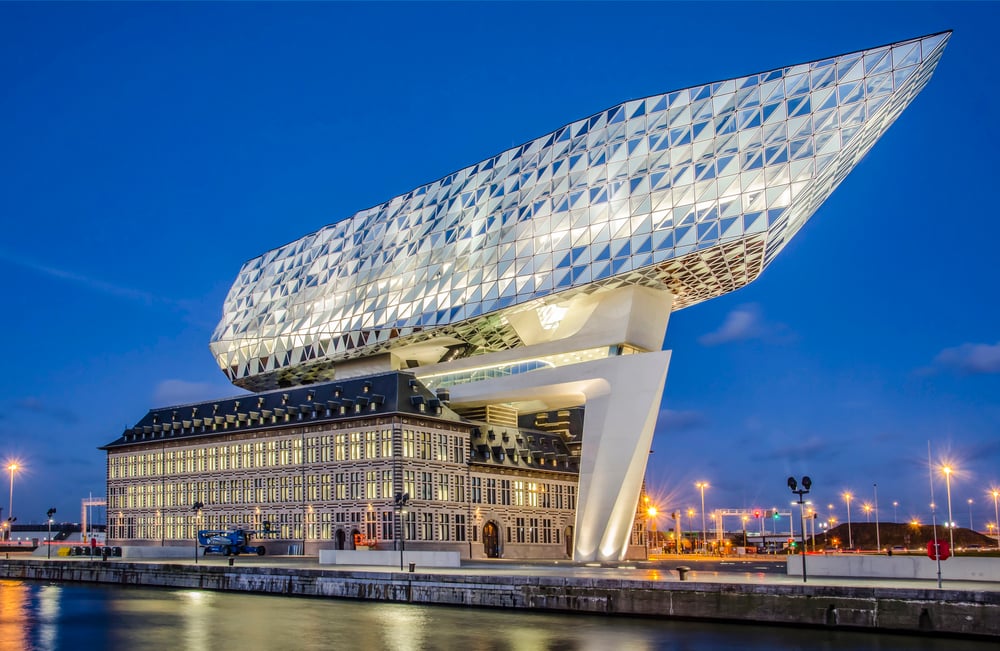
Belgium’s main port handles approximately 14 million containers annually and competes directly with Rotterdam for European cargo. Antwerp sits further inland on the Scheldt River but has deep channels that allow the largest ships to dock.
The port specializes in chemical products alongside general cargo, with massive tank farms storing petroleum and industrial chemicals. Antwerp’s rail connections reach across Europe, making it a good choice for companies shipping to central European markets.
The port has operated for over 500 years and keeps modernizing to stay competitive.
Port of Los Angeles
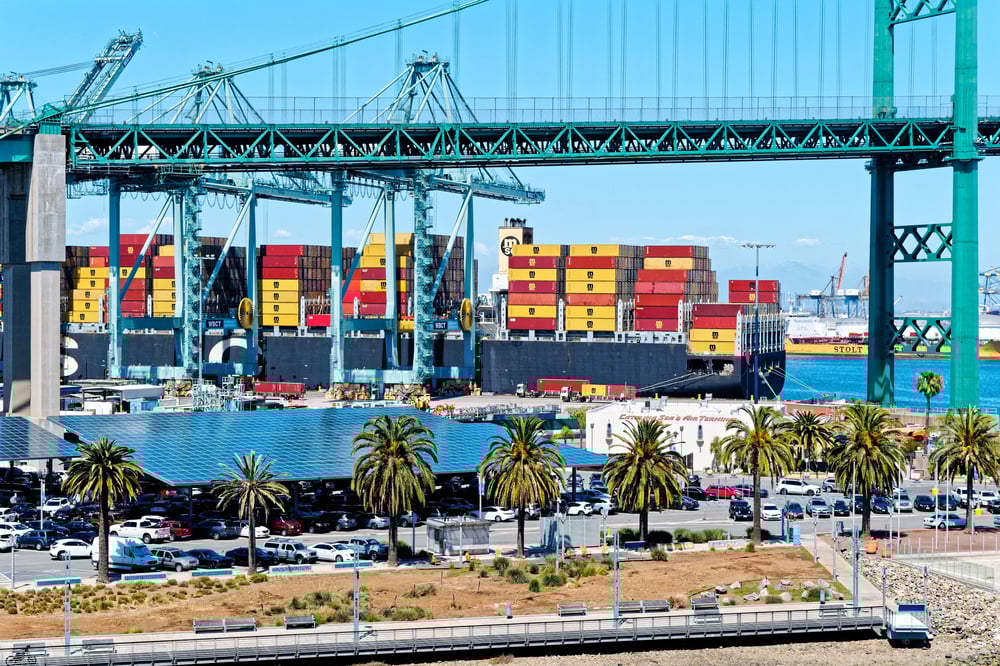
The busiest American port processes about 10 million containers each year, serving as the main gateway for Asian goods entering the United States. Los Angeles Harbor is actually a human-made port, dredged and built out over decades to handle growing trade.
The port connects directly to rail lines that carry containers to distribution centers across the country. Traffic congestion and labor disputes sometimes slow operations, highlighting the challenges American ports face.
Despite these issues, LA remains crucial for retailers restocking shelves with products made overseas.
Port of Long Beach
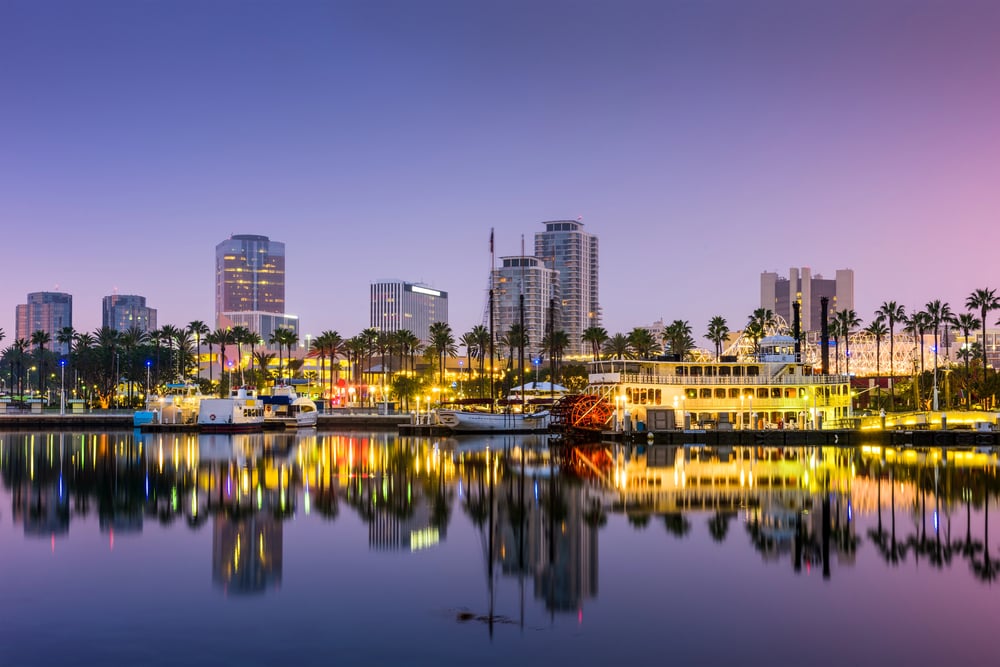
Right next to Los Angeles, Long Beach handles around 9 million containers annually and often works in tandem with its neighbor. The two ports together form the San Pedro Bay Port Complex, the largest in the Western Hemisphere.
Long Beach has invested heavily in environmental technology, using cleaner-burning equipment to reduce air pollution. The port serves major retailers and logistics companies that distribute products throughout North America.
Trucks, trains, and warehouses all connect seamlessly to move cargo away from the docks as quickly as possible.
Port of Hamburg
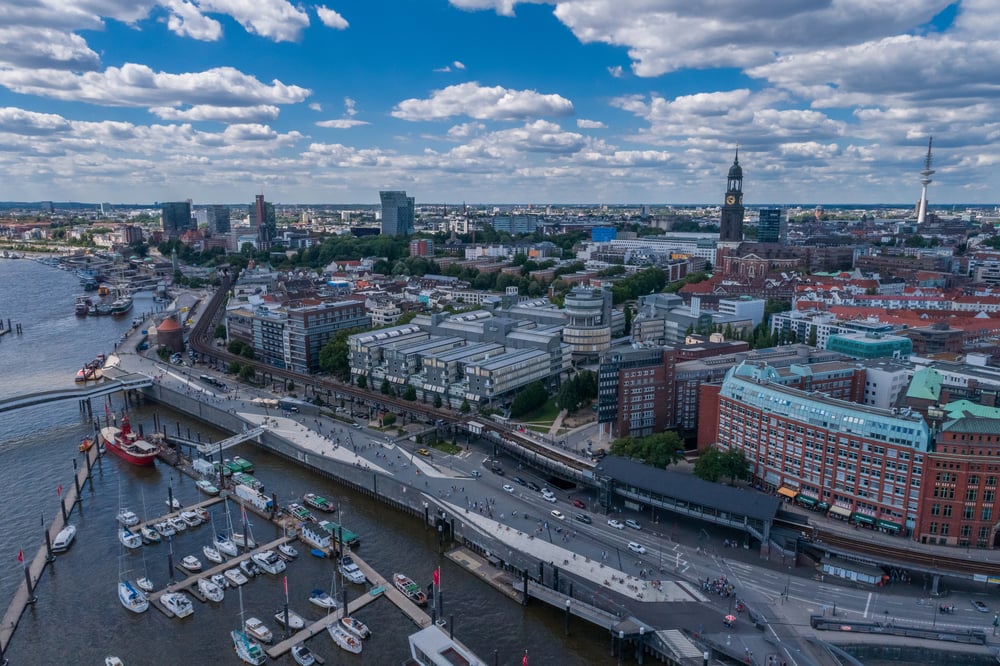
Germany’s largest port processes approximately 9 million containers each year and has served as a trading center since medieval times. Hamburg sits about 80 miles inland on the Elbe River, but the channel is deep enough for ocean-going vessels.
The port handles significant cargo bound for Scandinavia and Eastern Europe alongside German imports and exports. Hamburg’s historic brick warehouses have been converted into museums and offices, while modern terminals handle today’s container traffic.
The port freezes less often than other northern European ports, giving it an advantage during winter months.
Port of Jebel Ali
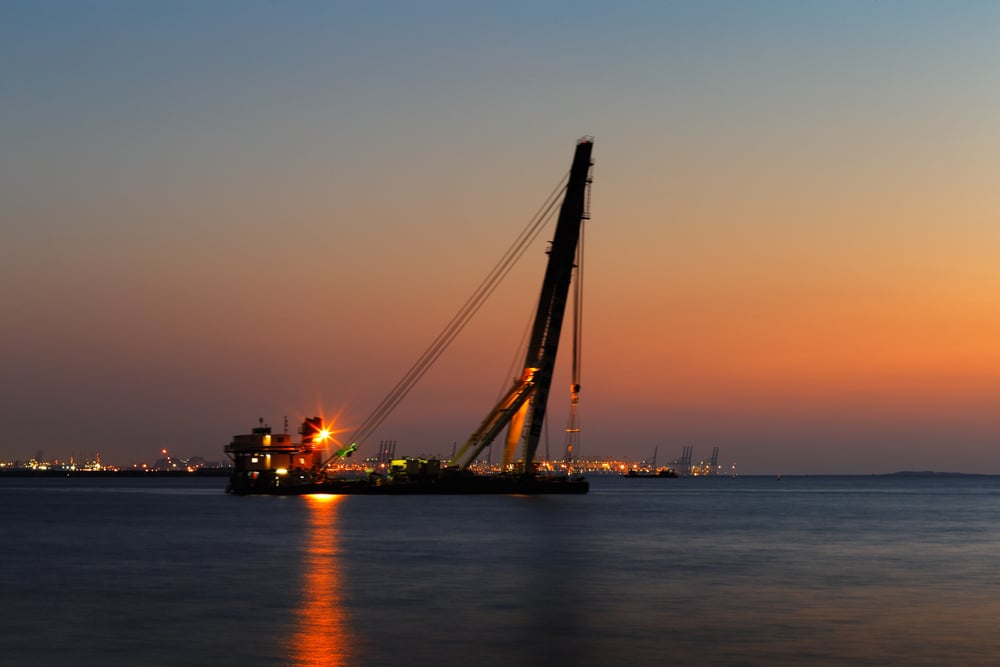
Dubai’s main port handles about 14 million containers annually and serves as the Middle East’s primary shipping hub. Jebel Ali was built from scratch in the desert, using dredged channels and human-made harbors where nothing existed before.
The port’s location makes it a natural stopping point for ships traveling between Asia and Europe through the Suez Canal. Dubai’s free trade zone policies encourage companies to use the port for distribution throughout the Middle East and Africa.
The port operates in extreme heat that would shut down operations in other locations.
Port of Laem Chabang
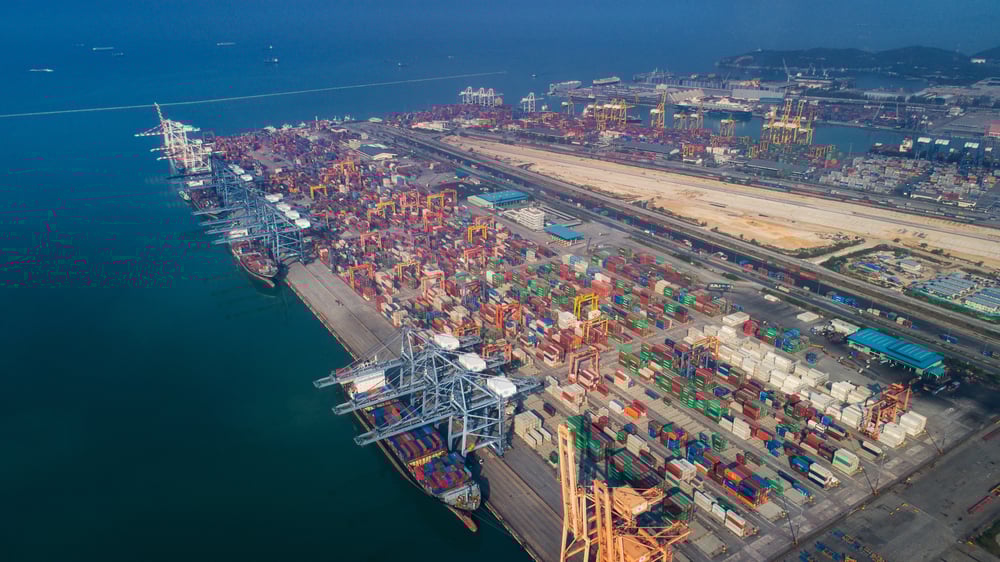
Around eight million shipping boxes move through Thailand’s primary harbor every year, linking inland nations across Southeast Asia. From Laem Chabang, highways and train lines stretch toward factories in Thailand itself, reaching into places such as Laos and Cambodia.
Vehicles built by Japanese companies and local makers pass through here before heading overseas. Positioned near the middle of the region, the country gives the terminal an edge when shifting goods around.
As more cargo flows in and out, upgrades keep rolling forward to handle the load.
Port of Kaohsiung
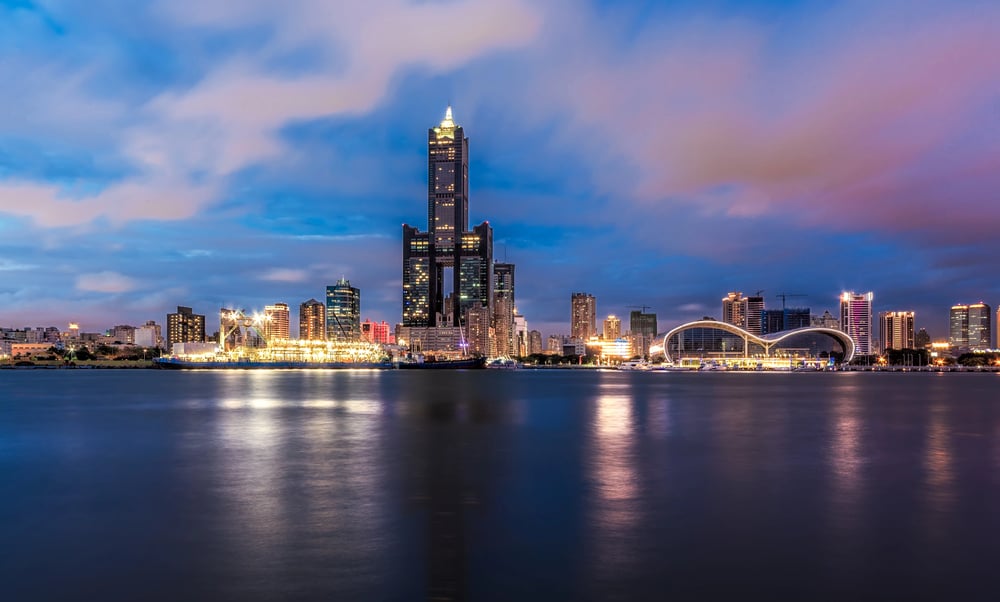
Every year, around ten million containers move through Taiwan’s biggest harbor, supporting factories that build electronic devices. Sheltered bays and up-to-date docking areas allow Kaohsiung to welcome today’s largest cargo vessels.
Firms producing microchips, parts, and complete gadgets rely on this hub for reaching customers worldwide. Located near China’s shoreline, the port sits along key sea paths linking northern and southern Asian regions.
Even when political strain arises, shipments keep moving despite shifts in international relations.
People everywhere buy things here
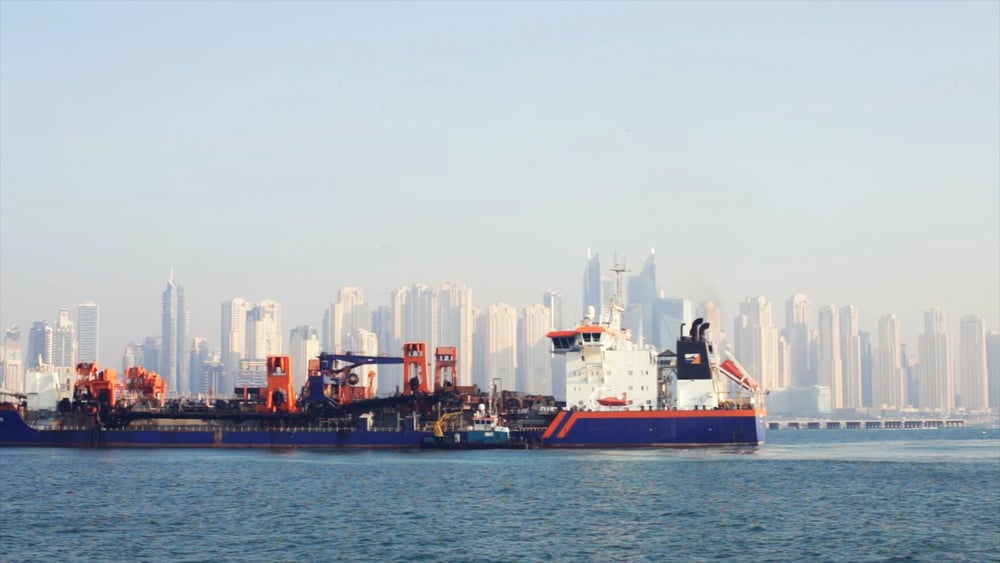
Out by the water, huge gates open to let ships unload boxes from faraway places. From sunrise to dark, cranes swing metal cubes onto trucks bound inland.
Every smartphone, chair, or jacket bought online likely rode here on a cargo deck. More clicks on screens mean more vessels lining up offshore, waiting their turn.
Behind each delivery tag is a maze of rails, lifts, and tireless crews moving nonstop. This constant hum of engines and radios shows how tightly linked distant lives truly are.
Boxes arrive cracked open under floodlights, then vanish into networks stretching everywhere. No speeches needed – just steel, salt air, and schedules running like clockwork.
What happens at these docks turns maps into living circuits of motion and exchange. A doorstep knock echoes labor that crossed entire seas without stopping once.
More from Go2Tutors!

- The Romanov Crown Jewels and Their Tragic Fate
- 13 Historical Mysteries That Science Still Can’t Solve
- Famous Hoaxes That Fooled the World for Years
- 15 Child Stars with Tragic Adult Lives
- 16 Famous Jewelry Pieces in History
Like Go2Tutors’s content? Follow us on MSN.



