Presidential Trivia for Presidents’ Day
February brings store signs shouting discounts, extra days off work. Hidden beneath those ads lies a date tied to George Washington’s arrival into the world, later stretched to nod at U.S. leaders overall.
Not just one man’s birthdate anymore, instead a pause – odd customs, repeated gestures, real people with flaws shaping what power looks like here.
A peek behind the curtain of presidents reveals quirks that color history in odd shades. Moments stack up, not always grand – sometimes sideways.
A fact here, a twist there shapes how we see what happened next. These bits don’t shout – they lean in close.
What sticks isn’t always the speech but the stumble before it. Details pile where you least expect.
One moment changes tone because of a joke, a hat, a silence. The weight shifts quietly.
The Holiday Was Once Just Washington’s Birthday
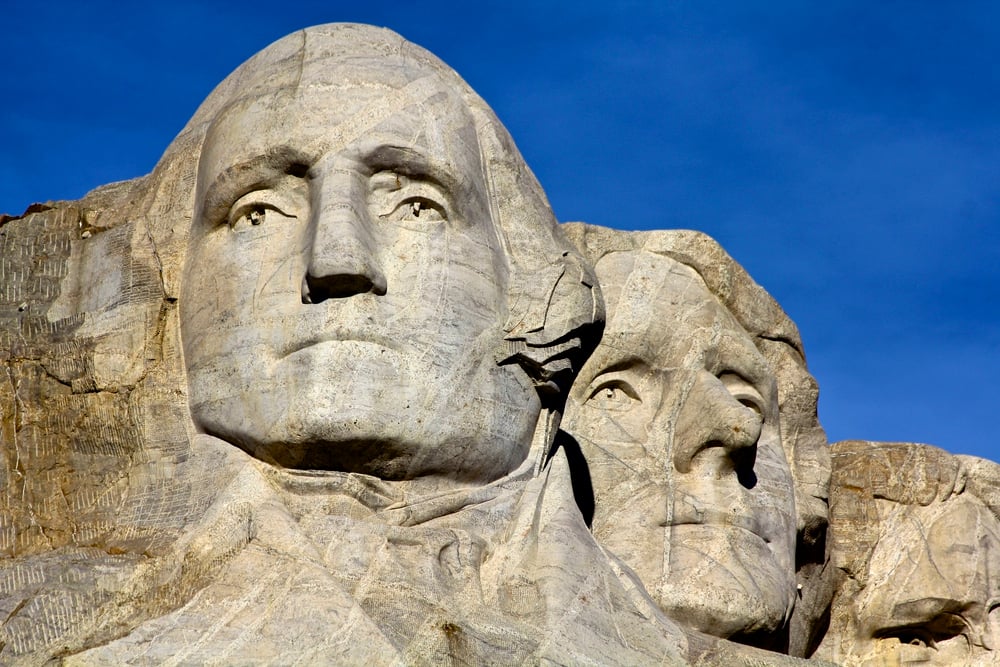
Falling on February 22, Presidents’ Day started out honoring George Washington’s birth. Back in 1879, Congress made it official – joining just a few early national holidays tied to a single person.
While years passed with celebrations fixed on that exact date, the choice highlighted his role unlike any other – as the country’s inaugural president.
Things took a new turn in 1971 when the Uniform Monday Holiday Act moved some federal holidays to Mondays – aiming for longer weekend breaks. Washington’s Birthday landed on the third Monday of February, thanks to that change.
Funny enough, the date now skips past February 22 entirely. As years passed, people started calling it Presidents’ Day, pulling in more than just one leader.
The celebration slowly grew wider, stretching beyond its original mark.
George Washington Never Lived in the White House

It feels almost cinematic to imagine George Washington pacing the halls of the White House, but he never set foot in it. Construction on the executive mansion began in 1792, during his presidency, but it was not completed until 1800.
Washington spent his time in office working from residences in New York City and Philadelphia, which were then serving as temporary capitals.
The first president to live in the White House was John Adams. He and his wife, Abigail, moved in while the building was still unfinished, with damp walls and an unlandscaped yard.
That image contrasts sharply with today’s polished tours and ceremonial grandeur, reminding observers that even iconic institutions start out a little rough around the edges.
Abraham Lincoln Created the Secret Service — For a Different Reason
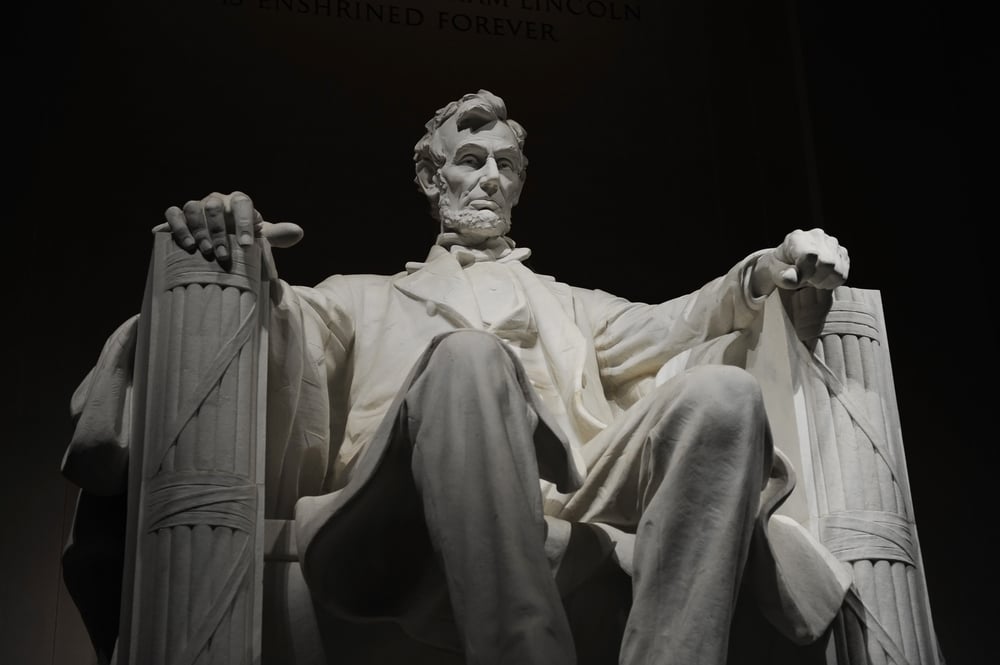
The Secret Service is now synonymous with presidential protection, but its origin story is more complicated. Abraham Lincoln signed legislation creating the agency in 1865.
Its primary purpose was not personal security but combating counterfeit currency, which was rampant at the time and destabilizing the post-Civil War economy.
Lincoln was assassinated the same evening he signed the bill, and the Secret Service did not assume full-time presidential protection duties until decades later.
The evolution from financial crime unit to protective detail illustrates how government roles often shift in response to national trauma. It also underscores how history rarely unfolds in tidy, predictable ways.
Theodore Roosevelt Inspired the Teddy Bear

The image of Theodore Roosevelt as a rugged outdoorsman is well documented, but one hunting trip in 1902 had an unexpected cultural ripple effect. During the excursion, Roosevelt refused to shoot a captured bear that had been tied to a tree, deeming it unsporting.
A political cartoon depicted the moment, and it quickly caught public attention.
A toy store owner saw an opportunity and created a stuffed bear named ‘Teddy’s bear.’ The nickname stuck, and the teddy bear was born.
What began as a commentary on sportsmanship became a global childhood staple. It is a reminder that presidential moments can drift far beyond policy and into everyday life.
William Henry Harrison’s Presidency Lasted Just 31 Days
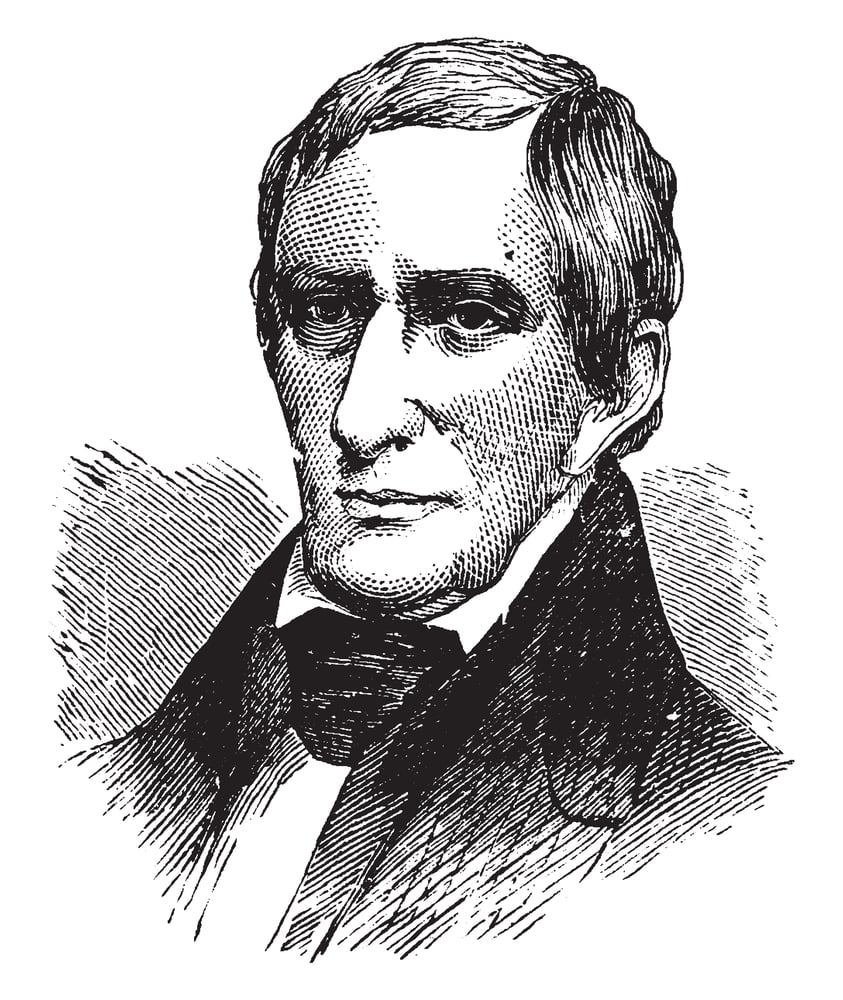
William Henry Harrison holds the record for the shortest presidency in U.S. history. In 1841, he delivered the longest inaugural address ever given, speaking for nearly two hours in cold, wet weather without a coat or hat.
He soon fell ill and died just 31 days after taking office.
The circumstances led to constitutional uncertainty about succession, ultimately clarifying that the vice president would assume the full powers of the presidency.
Harrison’s brief tenure became a turning point in defining the continuity of executive authority. Sometimes even the shortest chapters leave lasting institutional marks.
Thomas Jefferson and John Adams Died on the Same Day
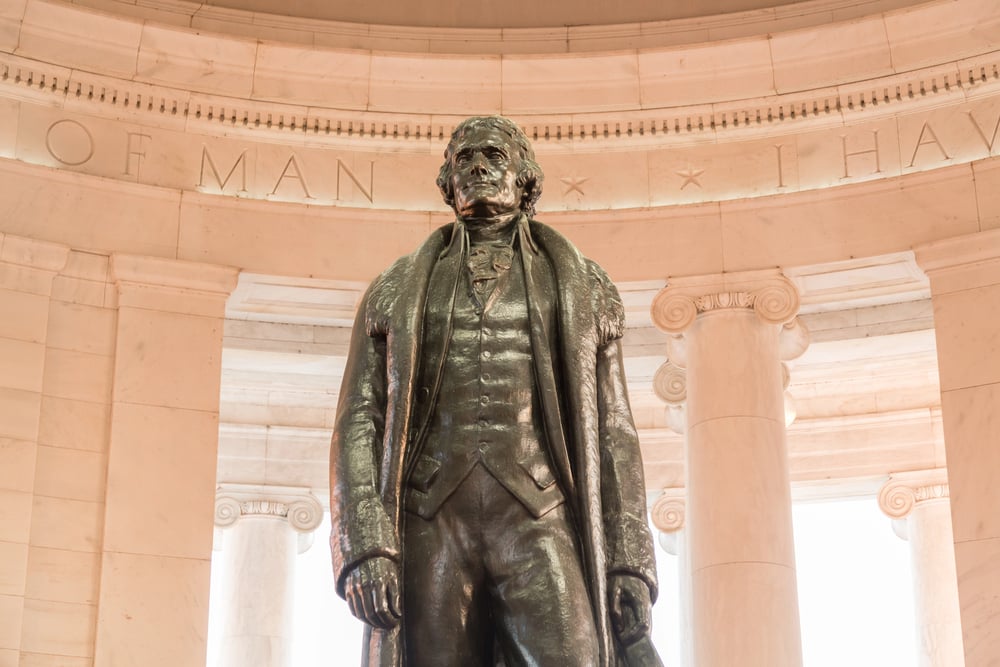
Thomas Jefferson and John Adams were once political rivals and later friends. Their relationship mirrored the early republic’s ideological tensions, particularly between Federalists and Democratic-Republicans.
After years of estrangement, they resumed correspondence late in life, exchanging thoughtful letters about governance and philosophy.
In one of history’s most striking coincidences, both men died on July 4, 1826, exactly 50 years after the signing of the Declaration of Independence.
The symbolic weight of that date was not lost on the nation. It felt as though the founding generation had exited the stage together, closing a formative era.
Franklin D. Roosevelt Was Elected Four Times
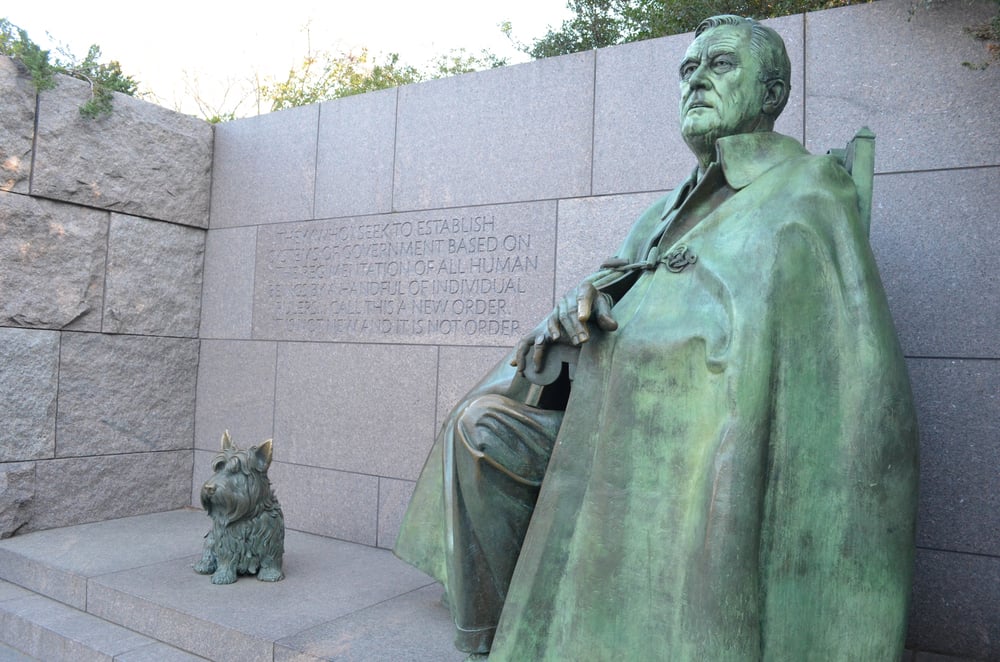
Franklin D. Roosevelt remains the only U.S. president elected to more than two terms. He won four elections between 1932 and 1944, guiding the country through the Great Depression and most of World War II.
His leadership during the prolonged crisis reshaped expectations of federal involvement in economic and social life.
After his death in 1945, concerns about concentrated executive power led to the 22nd Amendment, which limits presidents to two terms.
The amendment formalized what had previously been a tradition dating back to Washington. Roosevelt’s tenure demonstrated both the appeal and the tension of extended leadership in turbulent times.
The White House Has Had Some Unusual Residents
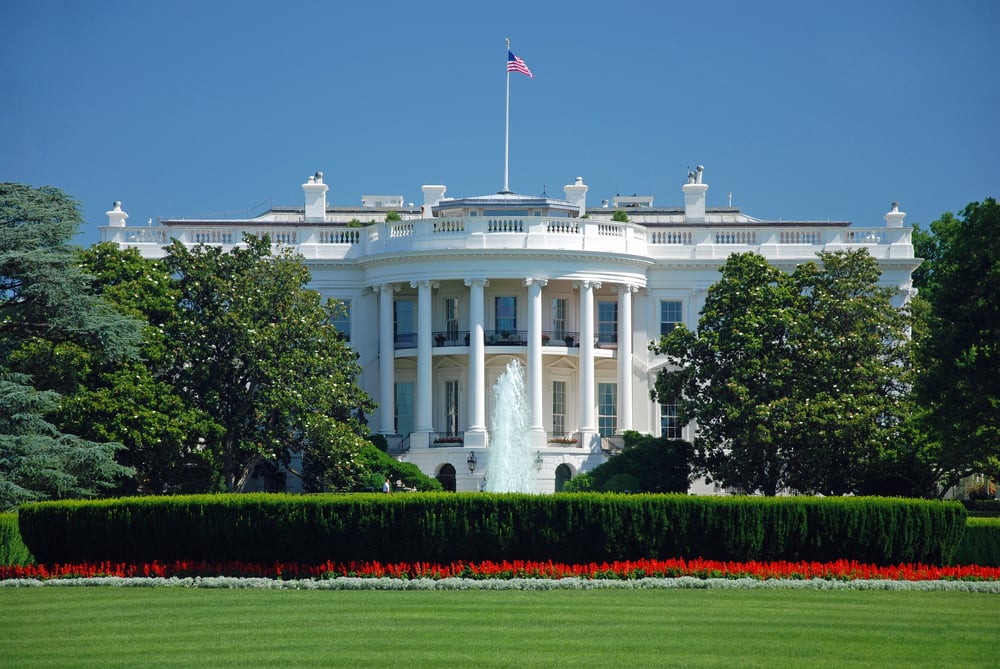
Presidents often bring pets to the White House, and some of them have been memorable. John Quincy Adams reportedly kept an alligator in a bathroom, a gift from the Marquis de Lafayette.
Calvin Coolidge had a menagerie that included raccoons and a pygmy hippopotamus.
These stories add a layer of humanity to the presidency. Amid policy debates and global diplomacy, there were also moments of domestic chaos involving exotic animals wandering the grounds.
It serves as a reminder that the executive mansion is both a workplace and a home, blending statecraft with everyday life.
James Buchanan’s Unique Social Life
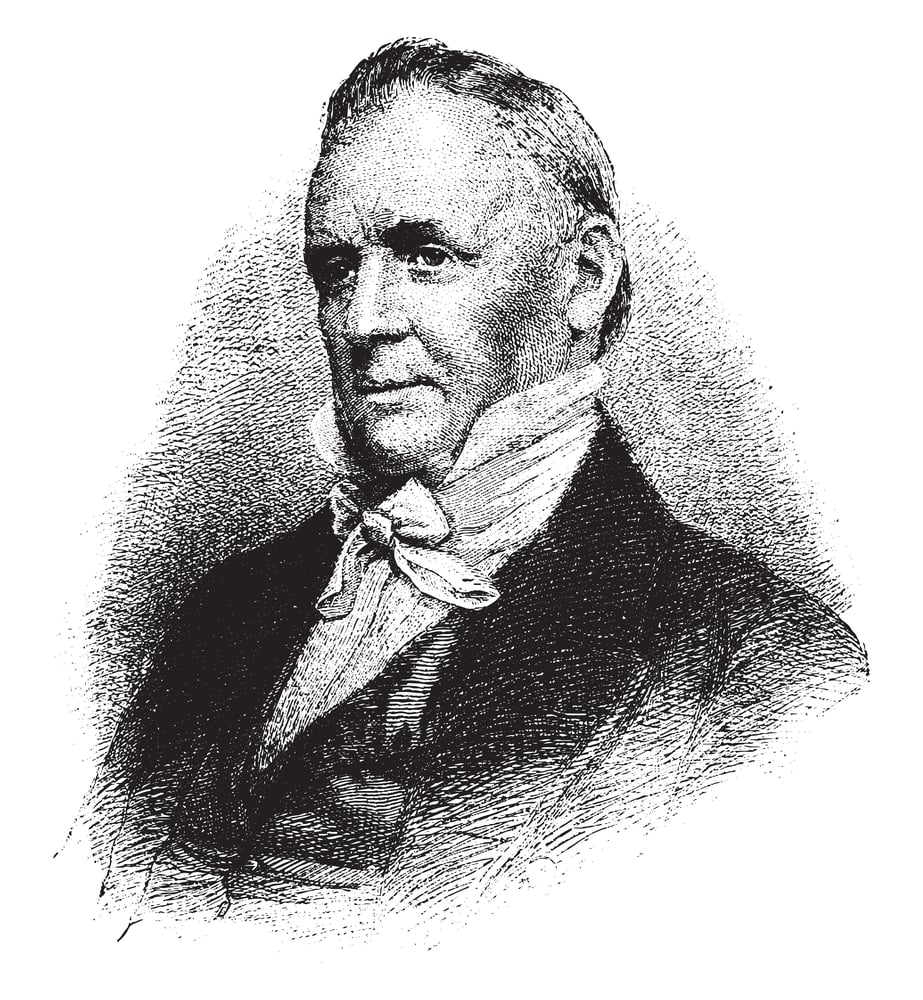
James Buchanan remains the only U.S. president who never married. During his time in Washington, he lived with Senator William Rufus King, and their close friendship drew attention from contemporaries.
In a society far more rigid about public image than today, their arrangement sparked gossip.
Historians continue to debate the nature of their relationship, though definitive conclusions remain elusive.
What stands out is how even in the 19th century, the private lives of presidents invited scrutiny. The presidency has always carried an undercurrent of curiosity about the person behind the title.
Why It Still Resonates Today
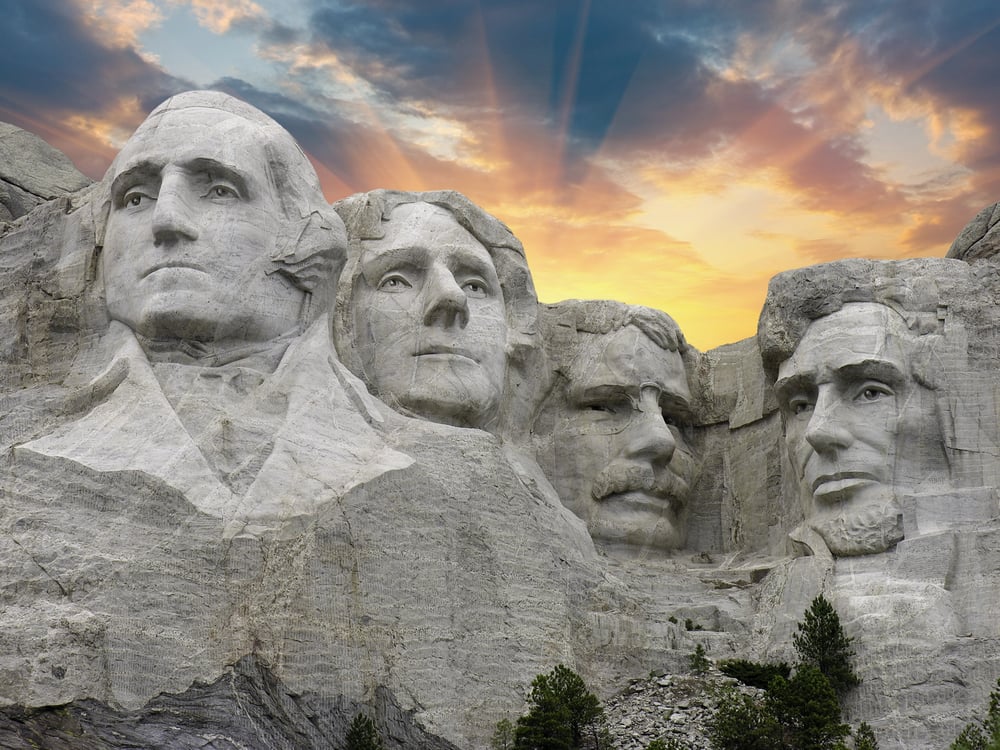
History feels less rigid when we learn odd facts about presidents. Unusual decisions they made suddenly make them feel familiar, like neighbors rather than icons.
Close bonds between leaders show warmth behind power. Strange animals lived in the White House, adding quirks to serious halls.
Speeches dragging on past reason remind us even great orators lose track. These glimpses do not shrink their importance – instead, they ground it in real life.
Now and then, a holiday like Presidents’ Day pulls us back into quieter thoughts about people, not just policies.
Though grand acts make headlines, it’s ordinary moments from extraordinary lives that stick around longest. Behind every decision was someone breathing, doubting, choosing – never flawless, always human.
When today’s debates grow loud and distant, fragments of old letters or small routines bring warmth to cold facts.
History moves through faces we think we know, yet never fully do, shaping what comes next without saying a word.
More from Go2Tutors!

- The Romanov Crown Jewels and Their Tragic Fate
- 13 Historical Mysteries That Science Still Can’t Solve
- Famous Hoaxes That Fooled the World for Years
- 15 Child Stars with Tragic Adult Lives
- 16 Famous Jewelry Pieces in History
Like Go2Tutors’s content? Follow us on MSN.