Product Names That Are Offensive in Other Languages
Companies spend millions developing the perfect product name. They test it with focus groups, check trademark databases, and refine it until everyone agrees it captures the brand essence.
Then they launch internationally and discover their carefully chosen name means something unfortunate in another language. These mistakes happen more often than you’d think.
Even major corporations with massive marketing budgets have stumbled into embarrassing translation failures. The results range from mildly awkward to genuinely offensive, and they all serve as reminders that global markets require more than just translating your advertising copy.
Chevrolet Nova in Spanish-Speaking Markets
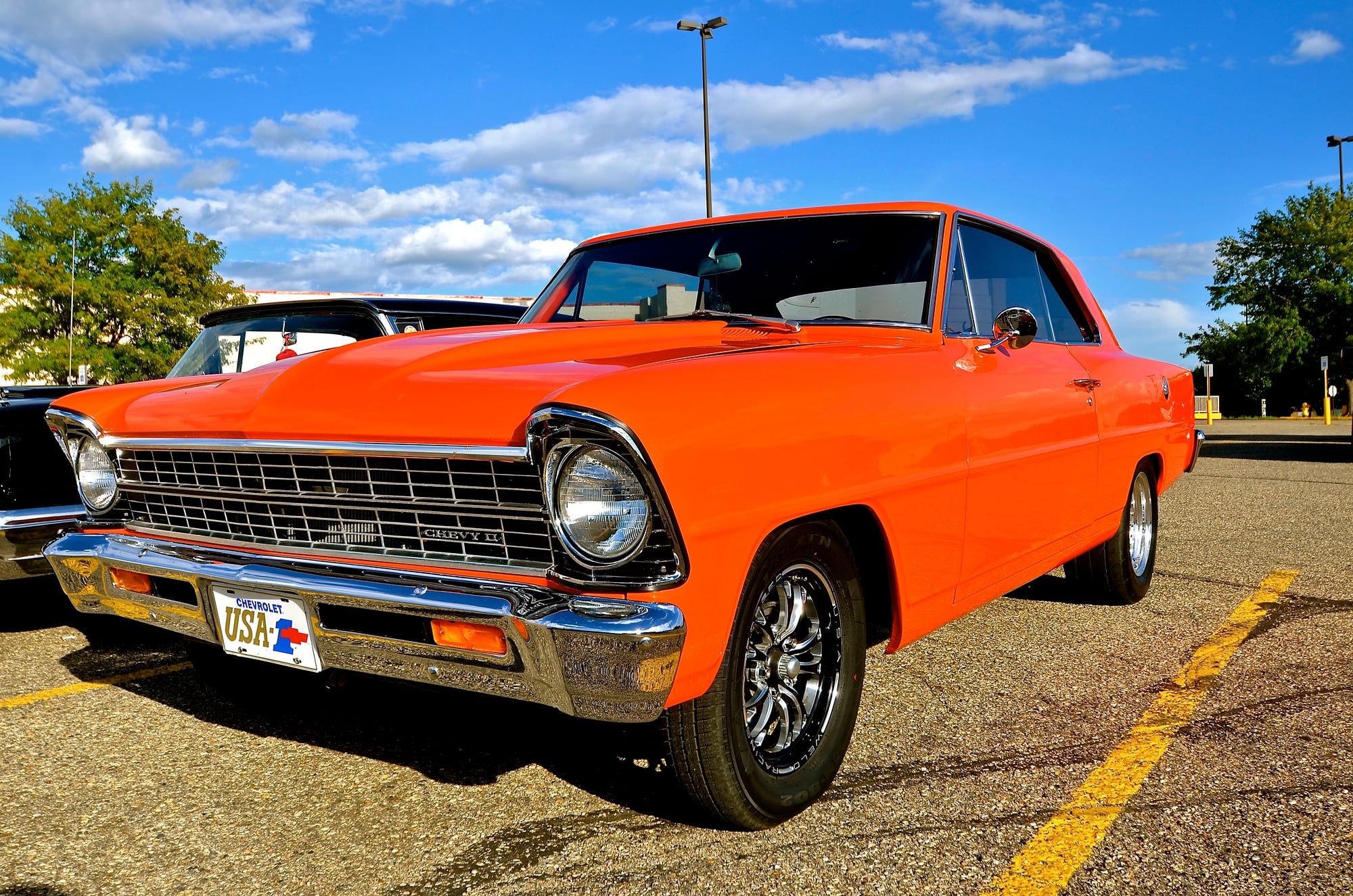
General Motors launched the Chevrolet Nova with high hopes for Latin American sales. The name worked fine in English, suggesting something new and bright like a star.
But Spanish speakers noticed an issue right away. “No va” in Spanish means “doesn’t go.”
Imagine trying to sell a car with a name that suggests it won’t run. Despite the marketing team’s insistence that the story is exaggerated, sales never met expectations in Spanish-speaking countries.
The urban legend persists because it perfectly captures how a small linguistic oversight can undermine an entire campaign.
Mitsubishi Pajero
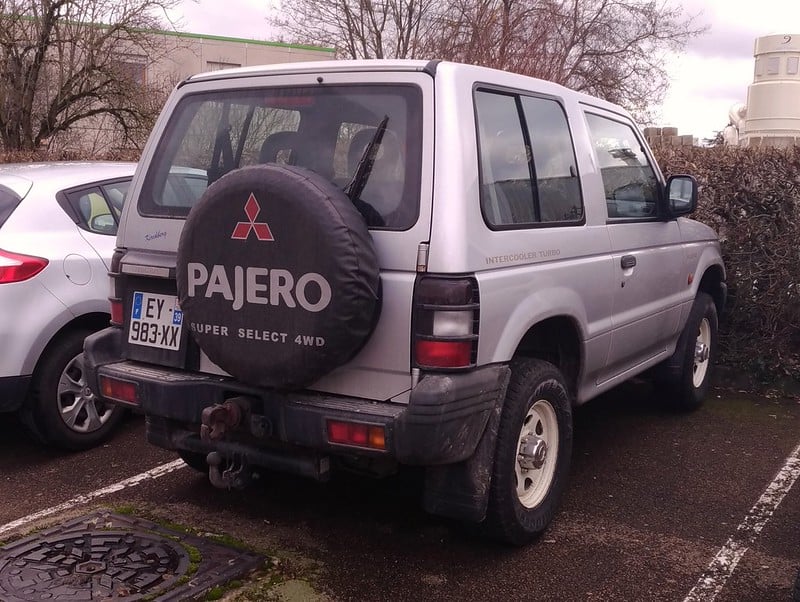
Mitsubishi named one of their SUV models the Pajero, which comes from a South American wildcat. The name sounds strong and adventurous.
Unfortunately, in Spanish slang across many countries, “pajero” refers to someone who engages in a private adult activity. The company had to rebrand the vehicle as the Montero in Spanish-speaking markets.
They caught the issue before launching, but it still demonstrates how animal names don’t always translate as heroically as intended. The European and Asian markets kept the original name without problems.
Colgate in France

Colgate toothpaste entered the French market without changing its name, which seemed safe since it’s a proper noun. The problem emerged when French consumers noticed the name sounds very close to “Colgate,” which in French slang can mean something unfortunate related to hanging.
The similarity wasn’t strong enough to kill sales, but it created enough discomfort that people joked about it. Colgate decided the brand recognition outweighed the awkwardness and kept the name.
Sometimes companies just push through the embarrassment.
Pschitt Lemonade

A French soft drink called Pschitt faced the opposite problem when considering English-speaking markets. The name comes from the sound of opening a fizzy drink bottle.
In French, it works perfectly. In English, it sounds exactly like what you’d expect.
The company never seriously tried to market it in the United States or United Kingdom because the name would guarantee juvenile jokes and limit shelf placement. Sometimes the best strategy is knowing your limits.
Calpis from Japan

Japan’s Calpis is a popular yogurt-based drink with a name that combines “calcium” and “salpis,” an old Sanskrit word for one of the dairy ingredients. When pronounced by English speakers, it sounds disturbingly close to “cow urine.”
The company renamed it Calpico for English-speaking markets, which completely solved the problem. The reformulated name still hints at calcium and keeps a similar sound while avoiding any unpleasant associations.
A simple vowel change made all the difference.
IKEA’s Fartfull and Jerker

IKEA names its products using Swedish words, which usually works fine. Then they released a desk lamp called Fartfull.
In Swedish, “fart” means speed and “full” means full, so “Fartfull” means “speedy.” English speakers saw something very different.
The company also sold a desk called Jerker, which is a Swedish name but creates obvious problems in English markets. IKEA eventually discontinued both product lines, though they claim design changes rather than naming issues drove the decisions.
The company now screens product names more carefully for international markets.
Clairol Mist Stick in Germany

Clairol launched a curling iron called the Mist Stick in Germany without checking the translation. “Mist” in German means manure or dung.
German consumers weren’t interested in a product that sounded like a manure wand. The product failed quickly, and Clairol had to pull it from shelves and rebrand.
They learned an expensive lesson about checking every word in your product name against the local language, not just the product description.
Ford Pinto in Brazil
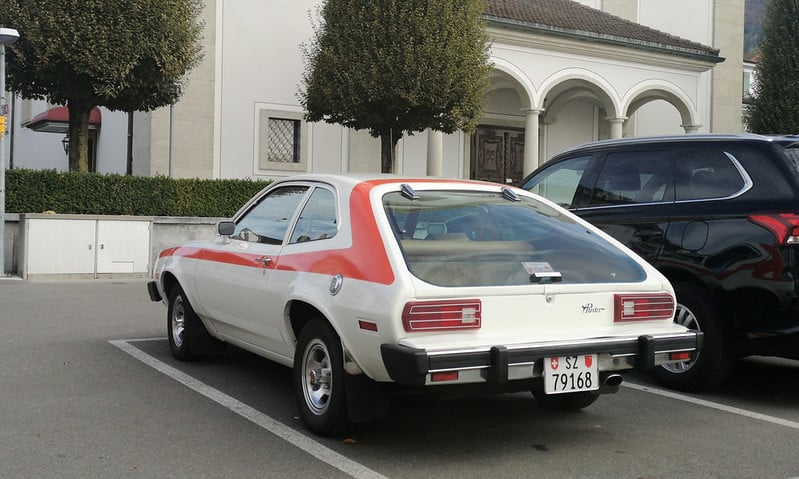
Ford’s Pinto faced minimal issues in most markets, but Brazil presented a unique challenge. In Brazilian Portuguese slang, “pinto” is a crude term for male anatomy, specifically that of young boys.
The association made the car name sound inappropriate and slightly creepy. Ford rebranded it as the Corcel in Brazil, which means “horse” and carries much more dignified associations.
The change required new marketing materials but saved the product line.
Vicks in Germany

The cough drop brand Vicks ran into pronunciation issues in Germany. When Germans say the brand name, it sounds like a vulgar slang term for intimate relations.
The similarity is strong enough that German speakers can’t help but smirk. Procter & Gamble changed the name to Wicks for the German market, which completely eliminates the problem with just one letter swap.
The company maintains Vicks everywhere else, showing how targeted regional changes can solve specific linguistic issues.
Electrolux in America

Swedish appliance maker Electrolux used the slogan “Nothing sucks like an Electrolux” in their home market, where “sucks” simply means the vacuum’s suction power. The phrase worked perfectly in Sweden.
When they tried the same slogan in America, where “sucks” carries a strong negative connotation, the campaign backfired spectacularly. Americans interpreted it as the company admitting their products were terrible.
Electrolux quickly pulled the ads and developed new messaging that didn’t inadvertently insult their own products.
Pepsi in China

Pepsi entered China with their classic slogan “Pepsi brings you back to life.” The translation came out as “Pepsi brings your ancestors back from the grave.”
Chinese consumers found this both confusing and slightly disturbing. The company fixed the translation and learned to work with native speakers during the localization process rather than relying on direct translation.
The initial mistake didn’t destroy the brand, but it required damage control and new marketing spend.
Schweppes Tonic Water in Italy

Schweppes marketed their tonic water in Italy without considering how Italians would pronounce the brand name. When spoken with an Italian accent, “Schweppes” sounds very similar to a crude slang term that implies someone is bad in bed.
The company couldn’t easily change the brand name since Schweppes had global recognition. They adjusted their Italian marketing to emphasize the written name and used visual advertising more heavily than audio.
Sometimes you work around a problem rather than solving it directly.
Honda Fitta

Honda planned to name a new car model the Fitta for European markets. Someone on the team finally checked Nordic languages and discovered “fitta” is an extremely crude word for female anatomy in Swedish and Norwegian.
Honda changed the name to Jazz before launch, avoiding what would have been a catastrophic mistake. The close call shows how important it is to check product names against all major languages in your target regions, not just the dominant ones.
The Cost of Not Checking

Take these cases – they follow a trend. Firms pick catchy names in their native tongue, but later realize the name means something awkward or rude somewhere else.
Money losses come from relabeling products, fewer customers buying, plus harm to how people see the brand. Still, it’s not just cash at stake – these blunders show what folks assume about language.
Just ’cause a term doesn’t have an exact match elsewhere doesn’t mean it won’t backfire. Sounds alike? That alone can stir trouble.
Add informal usage or local vibes tied to a word, suddenly things get messy. Firms that nail global reach aren’t guessing – they check deeply with people who actually speak the tongue before locking in any name.
When Words Travel

Words don’t sit still – they move, shift, change. When items travel between countries, their names start fresh somewhere else.
A term that feels plain here might stir something strong over there. It’s not always about the word – sometimes it’s the tone, the sound, or an old memory it drags up.
The top product names fit well in different languages – no awkward meanings tagged along. Getting there means effort, time, while staying open-minded about blind spots.
Firms ignoring this usually end up paying – and then some.
More from Go2Tutors!

- The Romanov Crown Jewels and Their Tragic Fate
- 13 Historical Mysteries That Science Still Can’t Solve
- Famous Hoaxes That Fooled the World for Years
- 15 Child Stars with Tragic Adult Lives
- 16 Famous Jewelry Pieces in History
Like Go2Tutors’s content? Follow us on MSN.