Products Pulled from Shelves After Going Viral
Going viral can be a dream come true for brands. Millions of eyes on a product, social media buzzing, and sales shooting through the roof.
But sometimes, that spotlight reveals things companies wish had stayed hidden. A product might take off for all the wrong reasons, sparking safety concerns, legal battles, or public backlash that forces it off shelves faster than it arrived.
So let’s look at some products that went from viral sensations to retail casualties in record time.
Buckyballs magnetic desk toys

These tiny magnetic spheres became a desk toy phenomenon in the late 2000s. People loved stacking them, creating shapes, and posting their magnetic sculptures online.
The satisfying click of hundreds of little magnets snapping together made for perfect viral content before viral content was really a thing. But the Consumer Product Safety Commission had a different view.
Kids were swallowing these magnets, and when multiple magnets got ingested, they’d attract each other through intestinal walls, causing serious internal damage. After years of legal battles, the company finally ceased operations in 2017, and the original Buckyballs disappeared from stores for good.
Kinder Surprise eggs

These chocolate eggs with toys inside have been beloved in Europe and other parts of the world for decades. Americans saw them in viral videos and wanted them desperately, creating a black market for candy.
But there was one problem: they’ve been banned in the United States since 1938 under a law prohibiting non-food items inside food products. The viral demand didn’t change that.
U.S. Customs has confiscated thousands of these eggs at borders, and people have faced fines for bringing them into the country. The company eventually created Kinder Joy as a workaround, but the original surprise eggs remain contraband in America.
Fidget spinners from unknown manufacturers

Fidget spinners exploded everywhere in 2017, with viral videos showing tricks and claiming they helped with focus and anxiety. Everyone wanted one, and suddenly every store and gas station stocked them.
The problem wasn’t the concept but the flood of cheap knockoffs from manufacturers cutting corners. Reports started pouring in about spinners catching fire while charging, parts breaking off and becoming choking hazards, and lead paint on products marketed to children.
Major retailers pulled thousands of units from unknown brands, and many schools banned them entirely after the safety concerns emerged.
Jelly fruit TikTok snacks
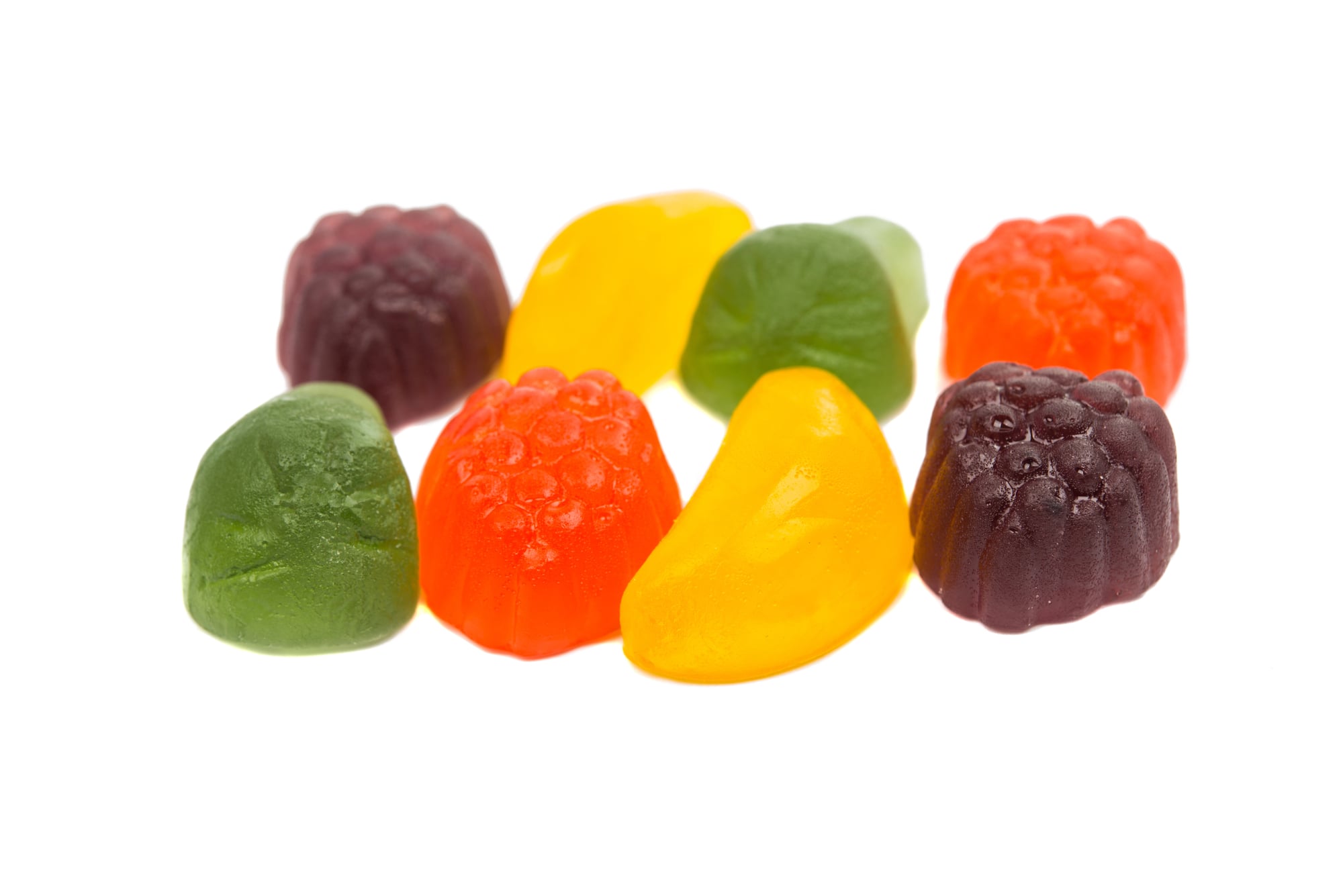
These colorful, jelly-filled cups went absolutely wild on TikTok in 2023. Videos showed people popping the entire thing in their mouths and chewing the burst of fruity jelly.
The problem became obvious quickly: they were the perfect size and texture to block airways. Multiple choking incidents were reported, including fatalities, particularly among children and elderly people.
The FDA issued warnings, and major retailers yanked various brands of these snacks from their shelves. The viral challenge that made them popular turned into a genuine public health concern almost overnight.
Lush bath bombs with glitter
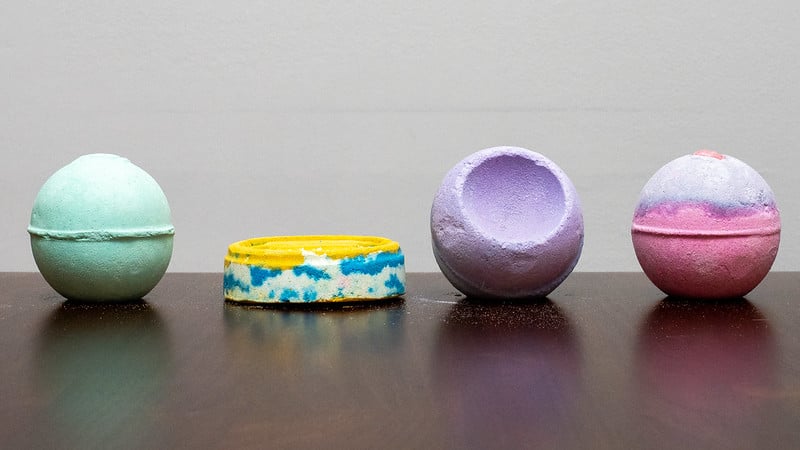
Bath bombs were already popular, but certain Lush products went viral for creating spectacular glittery water that looked incredible in photos and videos. People couldn’t get enough of posting their colorful, sparkly baths online.
Then environmental groups raised concerns about the microplastics in that glitter washing into water systems. Studies showed these tiny plastic particles were ending up in oceans and being consumed by marine life.
Lush and other companies faced pressure to reformulate or discontinue products with plastic glitter. Many stores pulled these specific varieties while companies scrambled to find biodegradable alternatives.
Essence Beauty glazed donut highlighter

This highlighter went absolutely bonkers on TikTok when beauty influencers showed how it created a dewy, glazed skin effect. Stores couldn’t keep it in stock, and it sold out repeatedly online.
But as more people used it, reports of severe skin reactions flooded social media. Breakouts, rashes, and allergic reactions became common complaints.
Testing revealed contamination issues in certain batches, and Essence had to pull affected products from shelves. The viral success had pushed production beyond what their quality control could handle safely.
Prime energy drinks in certain countries

Logan Paul and KSI’s Prime drink became a viral sensation, with kids lining up and reselling bottles for ridiculous prices. But several countries, including Australia and Canada, pulled some varieties from shelves due to excessive caffeine content that exceeded legal limits for beverages marketed to young people.
The viral marketing worked too well with an audience too young for that much caffeine. Schools banned the drinks, and health officials warned parents.
Some regions still don’t allow certain Prime products, despite the massive demand.
Benadryl during the TikTok challenge

Benadryl had been on shelves safely for decades until a viral TikTok challenge in 2020 encouraged people to take dangerous amounts to hallucinate. Reports of teens overdosing and being hospitalized prompted some retailers to move the medication behind pharmacy counters or limit purchases.
The viral challenge turned a safe medication into something requiring restricted access. Johnson & Johnson issued warnings, and stores had to balance accessibility for legitimate users with preventing abuse by people chasing viral fame.
Black charcoal ice cream

This photogenic black ice cream went viral on Instagram for its striking appearance and supposed detoxifying properties from activated charcoal. It looked amazing in photos, and shops selling it saw lines around the block.
But the FDA warned that activated charcoal can interfere with medications, reducing their effectiveness. This was particularly concerning for birth control and other essential prescriptions.
Many ice cream shops removed it from their menus, and retailers stopped carrying pre-packaged versions after the health warnings gained traction.
Exploding hoverboards

Hoverboards were the must-have gift after viral videos showed celebrities and influencers gliding around effortlessly. But reports of boards catching fire and exploding made headlines.
Cheap batteries and poor manufacturing led to numerous house fires, injuries, and even deaths. Major retailers like Amazon, Target, and Toys R Us pulled hoverboards from shelves until they met safety standards.
Many airlines banned them entirely. The viral toy became a cautionary tale about rushing products to market to capitalize on trends.
Dry shampoo with benzene

Dry shampoo had been popular for years, but pandemic lockdowns and viral hair care videos made it absolutely essential for many people. Then in 2022, independent testing found benzene, a cancer-causing chemical, in numerous popular brands.
Companies issued massive recalls affecting millions of cans from brands like Dove, Nexxus, Suave, and TRESemmé. Stores cleared entire sections of their shelves.
The contamination likely came from the propellant used in aerosol cans, and companies had to completely reformulate their products.
Elf Cosmetics Poreless Putty Primer

This primer went viral for its unique putty texture and incredible price point. TikTok beauty creators couldn’t stop raving about it, and it became one of the most talked-about products of 2019.
But as millions more people used it, patterns of severe reactions emerged. Dermatologists started seeing patients with contact dermatitis and allergic reactions.
While not officially recalled, many stores temporarily pulled it while Elf investigated reports and adjusted their formula. The viral success exposed sensitivities that smaller-scale testing hadn’t caught.
Nip Fab glycolic fix night pads
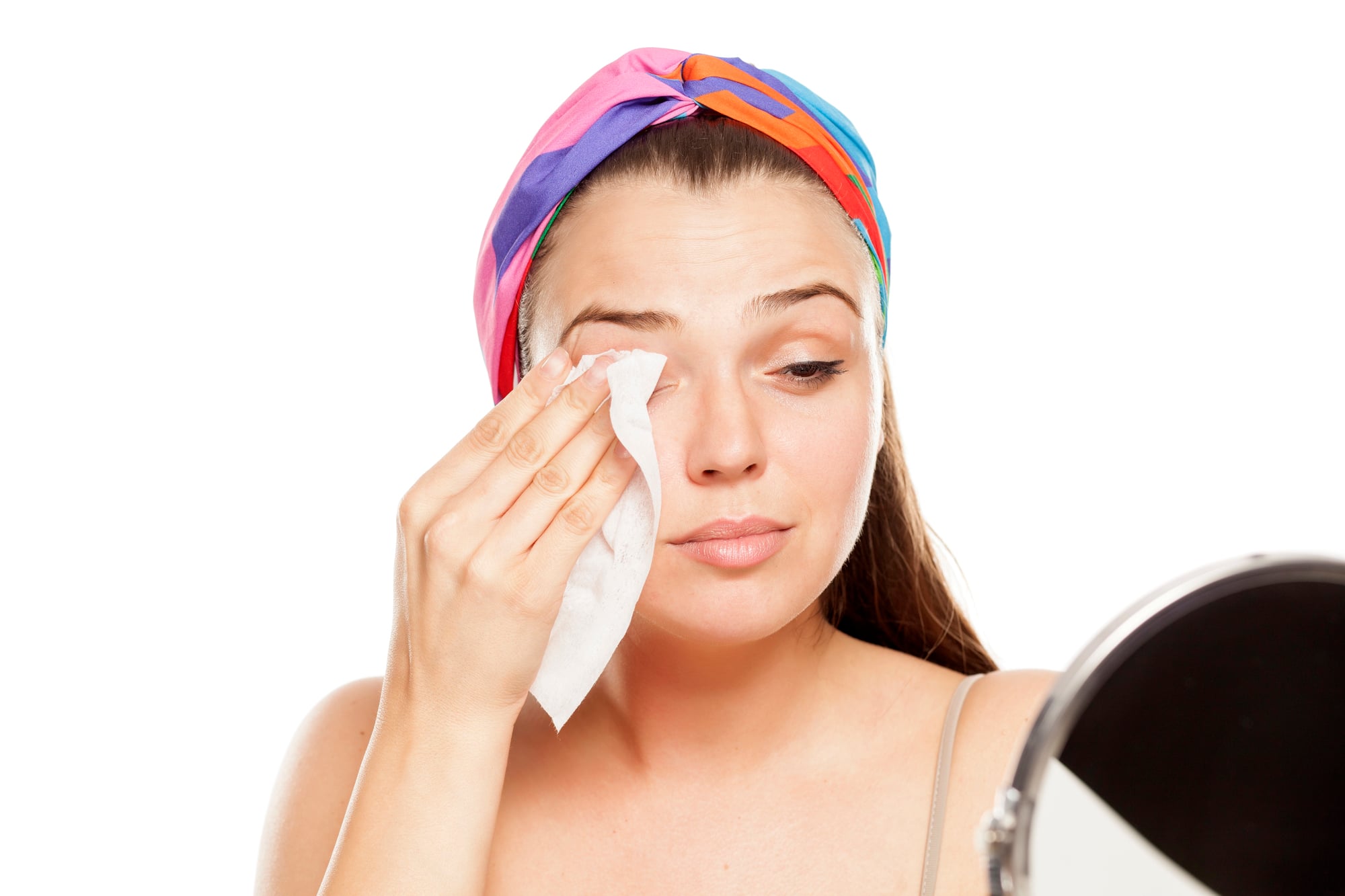
These peeling wipes blew up fast after beauty bloggers posted shocking transformation pics. They sold out quickly – stores couldn’t keep them in stock.
Still, people began complaining about painful burns, marks, or ruined skin. Turns out, certain lots packed way more glycolic acid than shown on the bottle.
So the brand yanked those versions, while big sellers stopped carrying any until safer ones were tested and approved.
Baby Yoda soup cups

As soon as The Mandalorian hit screens, stuff with Baby Yoda – real name Grogu – took off fast. A certain instant noodle meal arrived in a little pottery bowl made to look just like him, which fans couldn’t get enough of.
Yet the paint on those bowls had way too much lead, posing real risks. Since these items were aimed at kids, having toxic lead around became even more alarming.
Target along with some stores pulled them fast. Online hype made factories rush – turns out a fun toy turned risky real quick.
Magnetic lashes that have way too much nickel inside them
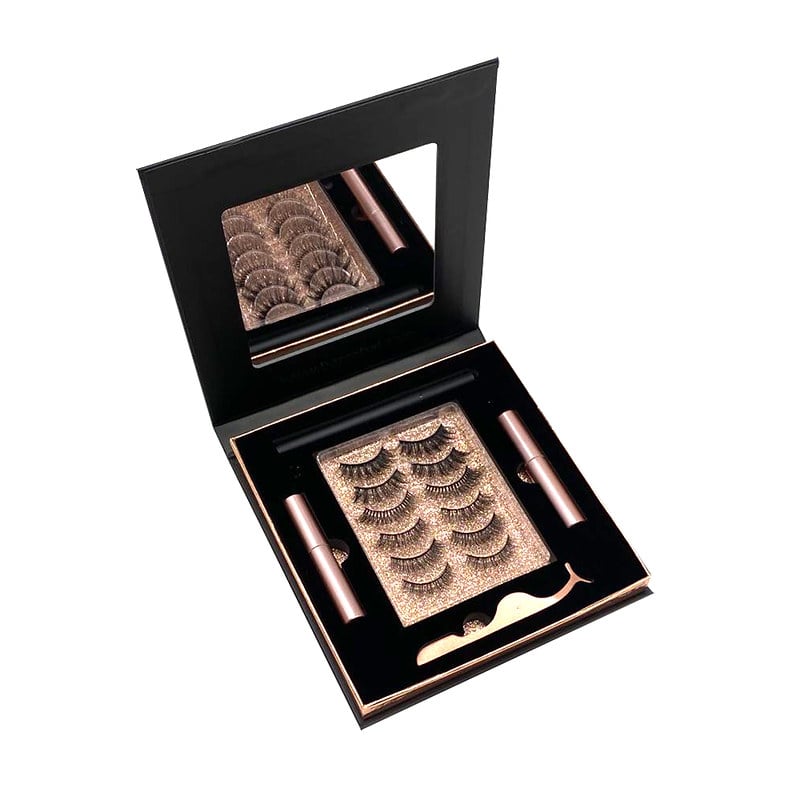
Magnetic lashes blew up online after makeup fans posted videos proving they’re way simpler than regular fake ones – no glue needed. Instead of struggling with messy adhesives, folks switched fast once influencers pushed them hard.
Yet doctors began spotting weird eye issues popping up more often lately. Some people ended up with swollen lids, irritation, or even painful rashes near their eyes.
Lab checks later found high levels of nickel tucked inside the magnets; turns out, it’s a frequent trigger for allergic responses. Shops yanked multiple labels, so firms scrambled to tweak formulas.
What started as a trendy skincare trick became a rash-filled mess for people with delicate skin.
Past batch of spinach pulled due to salmonella risk

Folks online began sharing sickness stories after eating spinach from one particular farm – quickly drawing attention. The CDC stepped in, found salmonella, so shops across the country yanked it off shelves.
Social media didn’t just share facts – it also fueled fear, making things feel out of control. Even so, those fast-spreading posts got word out quicker than old-school alerts ever would.
Turns out, blowing up online can occasionally save people from harm.
Sleep gummies with incorrect melatonin levels

Melatonin gummies blew up when lockdowns hit, as social media stars pushed them for restful nights. Some companies suddenly got famous overnight – orders skyrocketed.
Yet lab checks showed big gaps between actual doses and label info, often 4x or even 5x more than stated. That caused real concern for bottles aimed at kids.
The FDA got involved, so stores removed several brands. That popular health craze moved faster than oversight or checks could keep up.
Eyelash magic by Princess Mascaras

This fan-loved mascara blew up online by giving luxury looks without the steep cost. It got so big, shelves emptied fast everywhere.
But then people began mentioning sore eyes, weird side effects, or goopy formulas. Turns out, fake versions and old batches were popping up – sold by shady vendors who hoarded supply when it was scarce.
Stores responded by cutting off outside sellers and tightening rules to block fakes and keep items new.
Once popular, now avoided – luck stepped in just in time
The trend shows something real about how we shop today. Once a product blows up online, it spreads like wildfire – no time to check if it’s safe, so tiny risks hit big crowds.
Platforms fuel hunger for new stuff quicker than factories or testers can keep up. Firms scramble to make more, skip steps, or just fail to manage checks at this speed.
The very tools that boost a product’s fame can just as fast reveal its weaknesses. Something going viral over days might turn into a warning within moments, swapping full store racks for bare ones – and trust for doubt.
More from Go2Tutors!

- The Romanov Crown Jewels and Their Tragic Fate
- 13 Historical Mysteries That Science Still Can’t Solve
- Famous Hoaxes That Fooled the World for Years
- 15 Child Stars with Tragic Adult Lives
- 16 Famous Jewelry Pieces in History
Like Go2Tutors’s content? Follow us on MSN.