Professional Athletes Who Had Wild Side Jobs
Most people assume professional athletes spend their off-seasons lounging by pools or traveling the world. The reality looks different.
Many athletes work second jobs to pay bills, gain experience, or simply stay busy. Some pick up ordinary gigs.
Others find themselves in surprisingly unusual positions that have nothing to do with their sport. These aren’t your typical endorsement deals or business ventures these are actual day jobs that would surprise anyone who knows their athletic resumes.
Adrian Dantley Directs Traffic as a Crossing Guard

NBA Hall of Famer Adrian Dantley makes less than $15,000 per year standing at an intersection outside Eastern Middle School in Silver Spring, Maryland. The six-time All-Star and two-time scoring champion helps kids cross the street twice a day.
He doesn’t need the money. Dantley was notoriously frugal during his 15-year NBA career and paid off his $1.1 million home in 1996.
But the NBA doesn’t provide health insurance to former players, and crossing guards in Montgomery County do. So Dantley took the job.
He’s saved two kids from getting hit by cars during his tenure. When asked why a Hall of Famer would become a crossing guard, he responds simply that he’s not famous just a crossing guard who happens to be in the Hall of Fame.
A.J. Francis Drives for Uber Between Games

Miami Dolphins defensive tackle A.J. Francis made $615,000 with the Washington Redskins but still drove for Uber in his spare time. The 330-pound lineman would pick up passengers in his 2014 Dodge Charger, earning $40 to $50 per hour.
He started the gig in 2015 when he wasn’t sure if he’d make the Dolphins roster. Francis kept driving even after securing his contract because he wanted broadcasting experience after football.
Apparently nothing prepares you for interviewing like navigating Miami traffic while making small talk with strangers.
Jordy Nelson Works His Family Farm

Green Bay Packers wide receiver Jordy Nelson spends five to six weeks each off-season driving combines and herding the 1,000-cow operation on his family’s Kansas farm. Despite his $39 million contract, Nelson told reporters he identifies more as a farmer than a football player.
Around his hometown, he’s just the farm kid everyone has always known. He cuts wheat, rounds up cattle, and handles the kind of manual labor that would exhaust most NFL players before training camp even starts.
Bernard Reedy Drives a Wheelchair Transport Van

New England Patriots wide receiver Bernard Reedy worked an $11-per-hour job driving for Car Ride, a transportation company for people in wheelchairs. He picked up the gig in St. Petersburg, Florida, after the Atlanta Falcons dropped him in 2015.
Whenever his NFL career frustrated him, Reedy thought about the people he transported those on life support or who couldn’t walk. He decided those challenges seemed way more serious than running around playing football.
The perspective kept him grounded during an unstable career.
Brandon Copeland Works as a Financial Analyst
Detroit Lions defensive end Brandon Copeland knows professional sports end eventually. That’s why he works remotely as an analyst for Weiss Multi Strategy Advisers during the off-season.
The Wharton School graduate told reporters that football will be over someday, and he needs to prepare for that reality. Unlike many athletes who scramble for work after retirement, Copeland is building a career while still playing.
His teammates probably ask him for investment advice in the locker room.
Matt Elam Sells Shoes at Finish Line
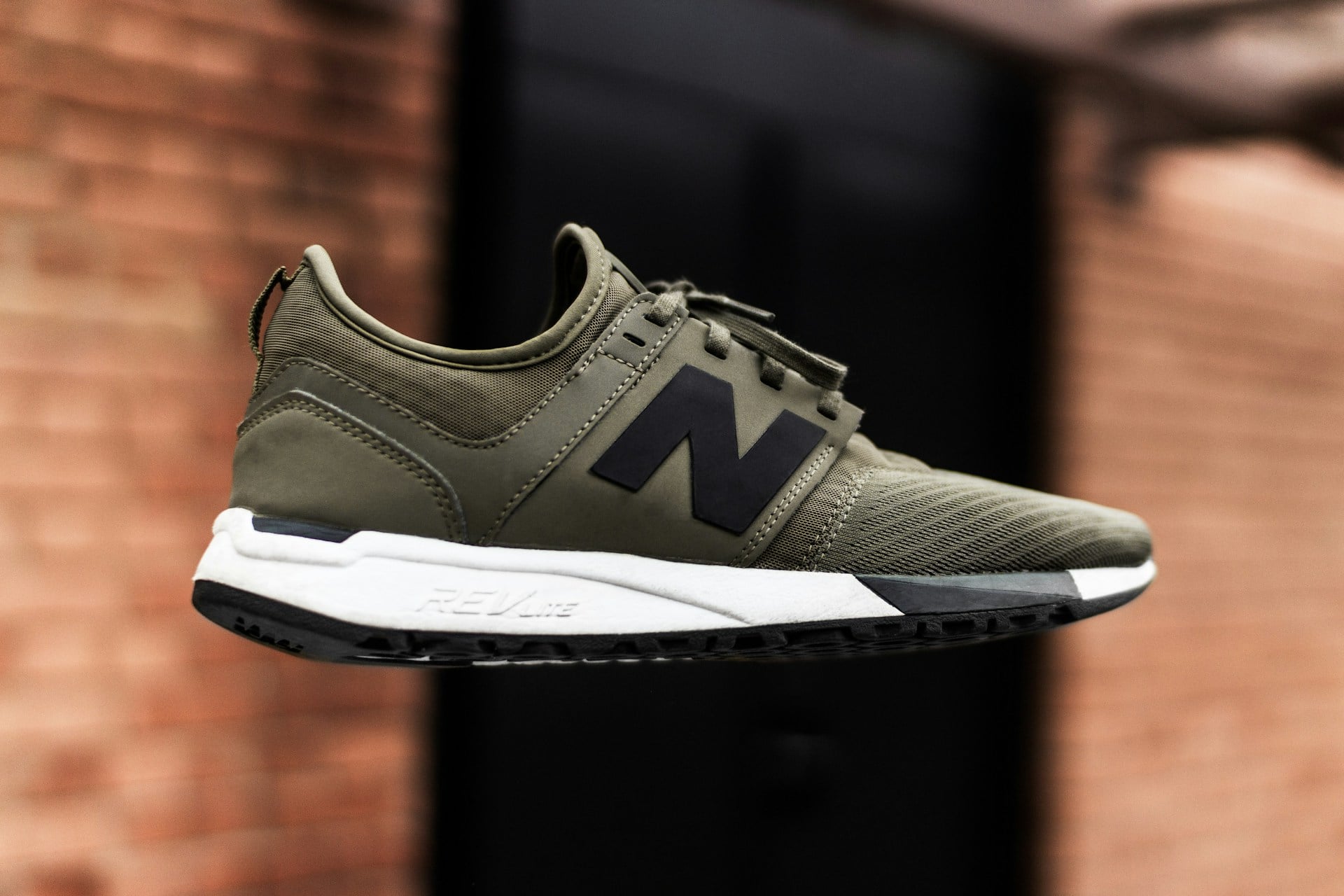
Baltimore Ravens first-round pick Matt Elam works off-season shifts at Finish Line sporting goods store. He’s not there because he needs money he wants retail knowledge.
Elam plans to eventually own his own sports merchandise store and decided the best way to learn the business was from the ground up. So he rings up customers, restocks shelves, and learns inventory management between training camps.
When it’s time to hang up his cleats, he’ll already know how to run his next business.
John Urschel Teaches Math to Middle Schoolers

Baltimore Ravens guard John Urschel has a master’s degree in mathematics from Penn State and plans to complete his doctorate eventually. During off-seasons, he spends time in Maryland classrooms spreading what he calls the mathematical gospel to middle school students.
He also writes an advanced stats column for The Players’ Tribune. Urschel’s teammates probably avoid him when questions about splitting restaurant checks come up.
Roger Federer Worked as a Personal Driver

When tennis legend Roger Federer suffered hip and shin injuries in 2001, he became a chauffeur for friend and fellow tennis player Michael Lammer. Lammer was recovering from a torn ligament and hobbling around on crutches.
Federer picked him up at train stations, drove him to school and physical therapy appointments, and generally acted as a personal taxi service. This happened years before Federer became arguably the greatest tennis player of all time with over 1,000 career wins.
Sometimes friendship means putting someone else’s recovery ahead of your own training schedule.
Cullen Loeffler Carves Ice Sculptures

NFL long snapper Cullen Loeffler partnered with Minnesota Ice Sculptures after meeting co-owner Robbie Harrell on an airplane. Loeffler admitted he knew nothing about ice sculptures before that conversation but saw it as a good opportunity to learn a business.
He told reporters that the NFL stands for “not for long,” so athletes always need backup plans. When the Minnesota Vikings released him, he already had another career waiting.
His ability to snap a football with precision probably translated well to precision ice carving.
C.J. Watson Pursues Voice Acting

NBA guard C.J. Watson spent his off-seasons working with voice-over coach Marc Graue in California. Watson hasn’t landed paying gigs yet but takes the training seriously.
Most athletes transition into broadcasting or coaching. Watson decided he’d rather provide voices for commercials, video games, or animation.
His teammates probably make him read bedtime stories on road trips.
Vernon Davis Runs an Art Gallery

San Francisco 49ers tight end Vernon Davis founded the Vernon Davis Foundation for the Arts and opened Gallery 85, an art gallery in San Jose, California. Davis combines his passion for art with his charitable foundation, creating a space that promotes both emerging and established artists.
Most NFL players invest in car dealerships or restaurants. Davis chose fine art.
His opponents probably don’t expect someone who makes bone-crushing tackles to curate gallery exhibitions.
Israel Idonije Publishes Comic Books

Former NFL defensive tackle Israel Idonije started his own publishing company, Athlitacomics, while still playing professional football. He produced several comic books, proving that massive men who spend Sundays hitting other massive men can also appreciate graphic novels and sequential art.
Idonije understood that football careers end abruptly and wanted creative outlets beyond the field. His publishing venture gave him something meaningful to build while his body could still handle NFL violence.
Olympic Swimmer Works as an Electrical Engineer

Olympic champion Nic Fink completed his master’s degree in electrical and electronic engineering from Georgia Tech and works for Quanta Utility Engineering. The expectant father told reporters that having a completely different focus outside the pool helps his swimming performance.
When he’s not training or competing, he’s answering engineering questions and solving technical problems. His flexible remote work schedule lets him balance both careers.
Most people can barely manage one demanding job. Fink juggles Olympic-level swimming with professional engineering work.
Olympic Boxer Works as a Birthday Party Clown
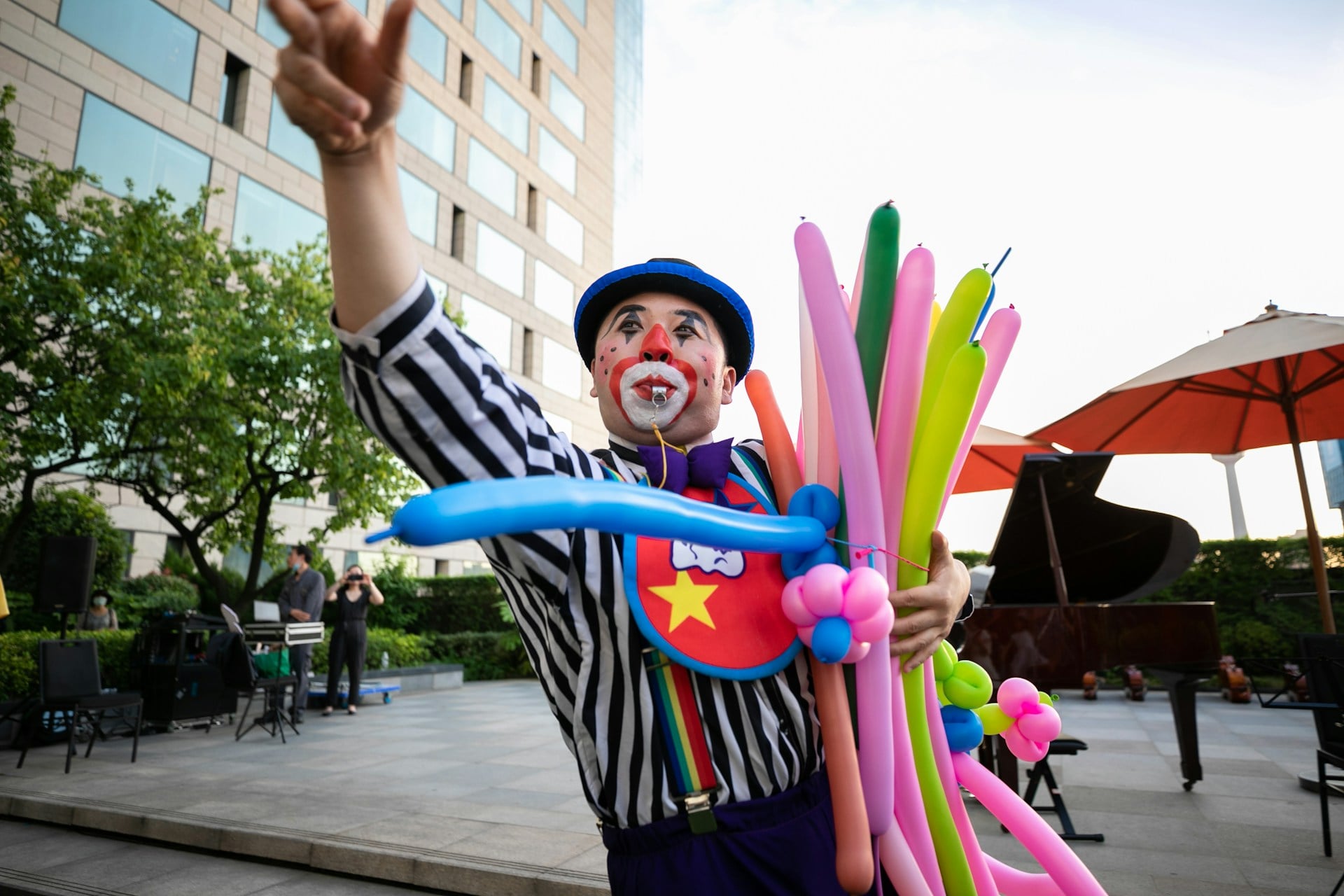
Olympic boxer Morelle McCane worked as a birthday party clown, daycare supervisor, and mailroom worker starting at age 17. She needed multiple income streams to fund her Olympic dreams.
While other kids her age worried about high school drama, McCane was painting faces at children’s parties and sorting mail to afford training expenses. The contrast between making kids laugh at birthday parties and then stepping into the ring to punch opponents couldn’t be sharper.
But McCane did whatever it took to keep fighting.
When the Paycheck Stops

These athletes share something important. They understand that sports careers end faster than most professions.
The average NFL career lasts three years. NBA careers average five seasons.
Olympic athletes often compete for even shorter windows. Smart athletes prepare for the transition before it arrives.
Some work second jobs for money. Others build skills for future careers.
A few simply want health insurance or something productive to do with their time. The Hall of Famer directing school traffic and the Super Bowl champion carving ice sculptures both recognized the same truth athletic glory fades, but bills keep arriving.
More from Go2Tutors!

- The Romanov Crown Jewels and Their Tragic Fate
- 13 Historical Mysteries That Science Still Can’t Solve
- Famous Hoaxes That Fooled the World for Years
- 15 Child Stars with Tragic Adult Lives
- 16 Famous Jewelry Pieces in History
Like Go2Tutors’s content? Follow us on MSN.