Punishments History Tried to Forget
Throughout human history, societies have come up with some pretty disturbing ways to punish people. Here are some of the harshest punishments that most history books don’t spend much time talking about.
Being buried alive for breaking vows

Ancient Rome had a particularly horrible punishment for Vestal Virgins who broke their sacred vows. They’d be sealed in an underground chamber with just a bit of bread, water, and a lamp.
Keelhauling on pirate and navy ships

Sailors who broke the rules on ships faced something called keelhauling. The person would be tied to a rope and dragged underneath the entire length of the ship from one side to the other.
Like Go2Tutors’s content? Follow us on MSN.
The brazen bull that cooked people alive
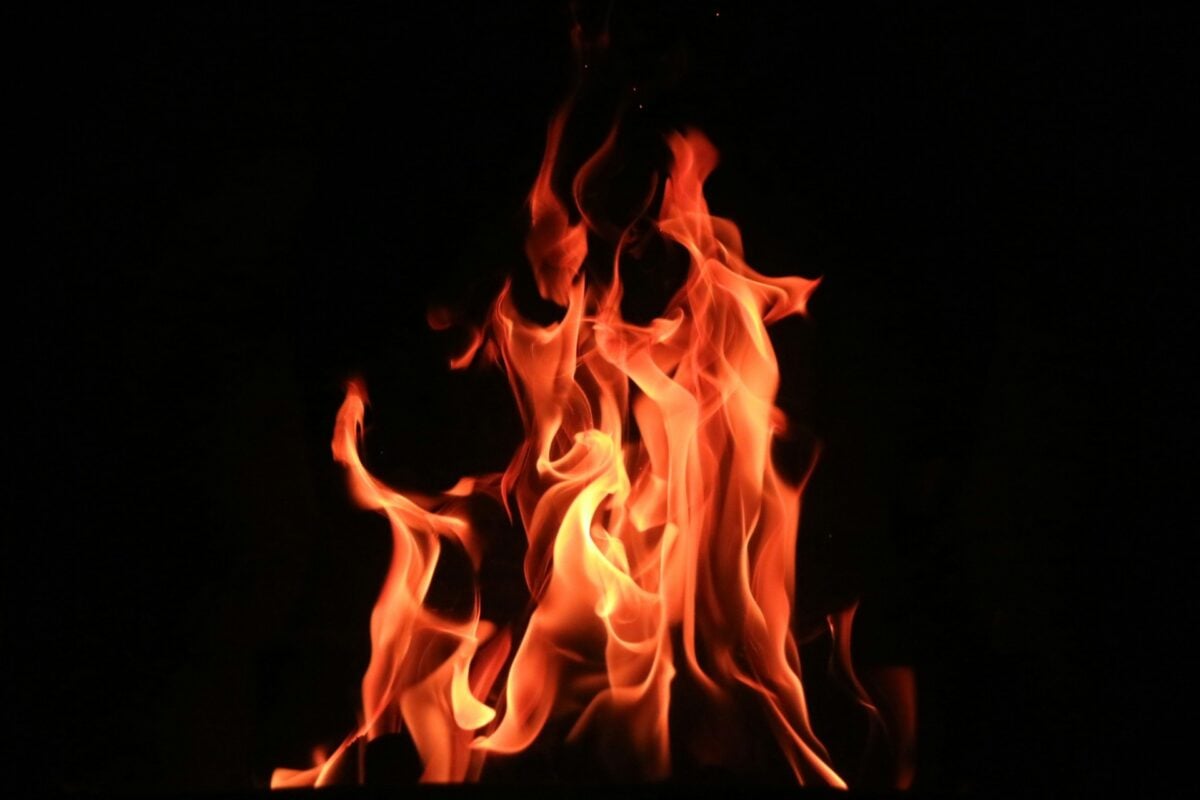
A Greek tyrant named Phalaris had a bronze bull built specifically for executions. People would be locked inside this hollow metal bull, and a fire would be lit underneath it.
Scaphism covered victims in milk and honey

The ancient Persians came up with scaphism, which sounds almost nice until you hear what it actually involved. A person would be trapped between two boats with their arms, legs, and head sticking out.
They’d be force-fed milk and honey until they got sick.
Rat torture used animals as weapons

One method that popped up in different places involved trapping a rat against someone’s body, usually their stomach. A cage or pot would hold the rat in place, then heat would be applied to the other side.
Like Go2Tutors’s content? Follow us on MSN.
Breaking on the wheel in medieval Europe
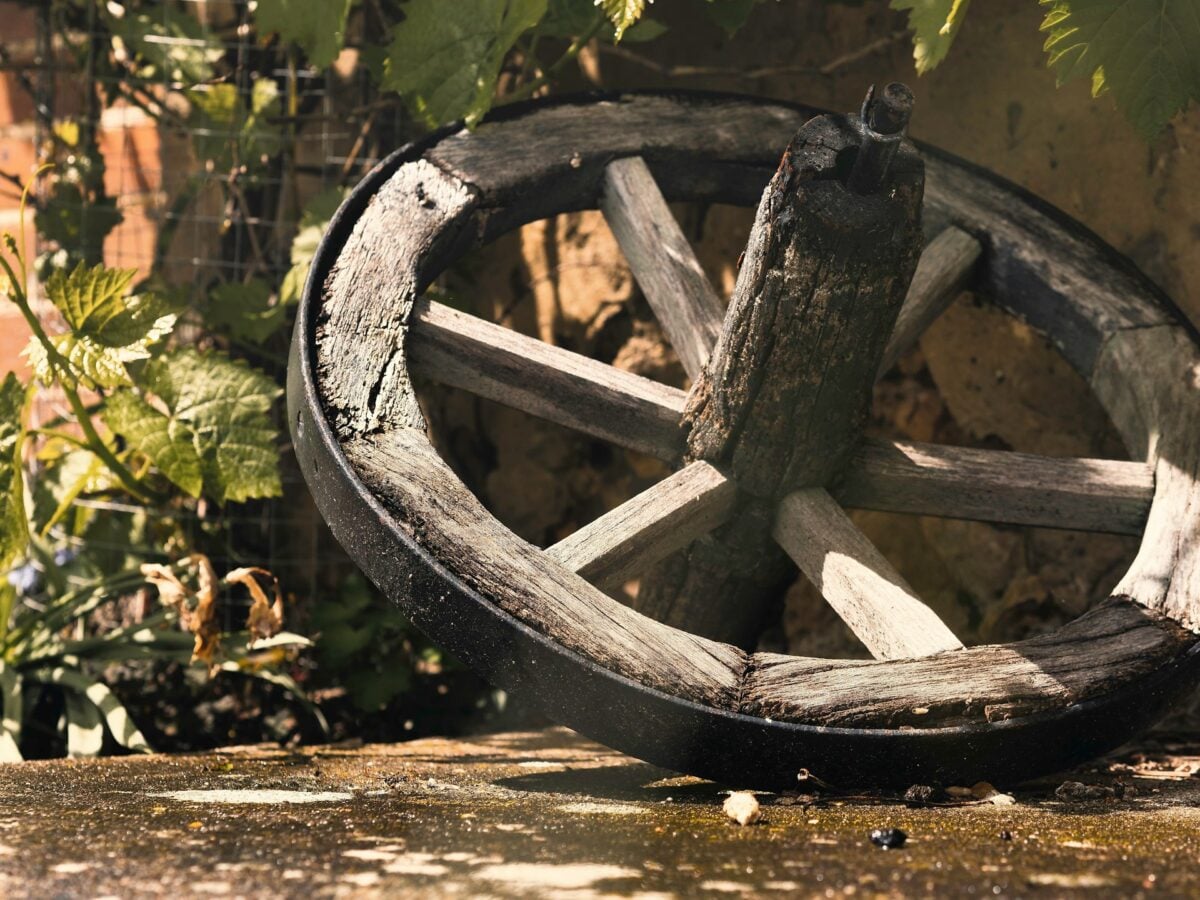
In medieval Europe, criminals would be tied to a large wooden wheel. Executioners would then use heavy tools to break their bones systematically, one at a time.
After breaking most of the bones in their body, the person would be left on the wheel to die slowly.
Boiling people in oil or water

England under Henry VIII used boiling as a legal form of execution. People convicted of poisoning others would be slowly lowered into a large pot of boiling water or oil.
The whole process was public and meant to be a deterrent. It was so brutal that even in those harsh times, people eventually pushed to get rid of it.
The law allowing this punishment lasted for about five years before being removed.
The iron maiden wasn’t what most people think

— Photo by marcorubino
Despite what many believe, the iron maiden probably wasn’t used as much as movies suggest. But versions of it did exist in Germany.
It was basically a cabinet with spikes inside. When closed on a person, the spikes would pierce their body without hitting vital organs right away.
They’d be trapped inside, slowly dying from multiple puncture wounds. Most historians now think it was more of a torture device to scare confessions out of people than an actual execution method.
Like Go2Tutors’s content? Follow us on MSN.
Crushing with heavy stones took days

In England and early America, people who refused to enter a plea in court faced something called pressing. Heavy stones or weights would be placed on a board over their chest.
More weight would be added gradually over hours or days until the person either entered a plea or died. One man named Giles Corey famously endured this for two days during the Salem witch trials.
His only words were “more weight” before he finally died.
Sawing people in half from the middle

Several cultures practiced a form of execution where a person would be hung upside down and sawed in half vertically. Being upside down kept blood flowing to the brain longer.
This meant the person stayed conscious for more of the process. It was used in parts of Europe and Asia at different times.
The sheer horror of this method meant even describing it was enough to keep people in line.
Flaying removed all the skin

Flaying meant removing someone’s skin while they were still alive. The Assyrians were particularly known for doing this to enemies and rebels.
Sometimes the skin would be displayed or used to cover drums as a way to intimidate others. A person could survive for hours during this process before dying from shock or infection.
Some cultures would start from the face, while others began with the limbs.
Like Go2Tutors’s content? Follow us on MSN.
The judas cradle was simple but awful

This device was basically a pyramid-shaped seat. A person would be slowly lowered onto the point.
Gravity and their own body weight would do the rest. The process could be drawn out for hours or even days if executioners wanted.
Sometimes weights would be added to speed things up or make it worse. It was used mainly to extract confessions during the Spanish Inquisition and other periods of religious persecution.
Gibbeting displayed bodies in cages

After execution, some criminals would be placed in human-shaped metal cages and hung up in public places. The body would be left there to rot as a warning.
These cages, called gibbets, were common in England and Scotland. Sometimes people were put in them while still alive and left to die from exposure and starvation.
The last recorded use in England was in the early 1800s, but the practice continued in some places even after that.
Bamboo torture relied on fast plant growth

Some accounts from Asia describe a torture method using bamboo shoots. A person would be tied over young bamboo plants.
Bamboo can grow incredibly fast, sometimes several inches in a day. The shoots would slowly grow through the person’s body over time.
Whether this was actually used or just a scary story is debated among historians. But the fact that people even thought it up says something about human cruelty.
Like Go2Tutors’s content? Follow us on MSN.
Wooden horse caused internal damage
The wooden horse was a sharp-edged plank set up like a sawhorse. A person would be forced to sit on the sharp edge with weights attached to their legs.
The edge would cut into them as gravity pulled them down. This was used in military settings as punishment for soldiers.
It could cause permanent damage even if the person survived. Some versions had spikes added to make it even worse.
Tongue removal silenced critics permanently

Throughout history, cutting out someone’s tongue was a common punishment for speaking against rulers or breaking certain rules. The Byzantine Empire was particularly fond of this for political prisoners.
Without modern medicine, many people died from infection afterward. Even those who survived were left unable to speak or eat normally.
It sent a clear message to anyone else thinking about speaking up.
Crocodile shears targeted specific body parts

During the Middle Ages, a tool called crocodile shears was used in parts of Europe. These metal devices looked like two tubes covered in spikes.
They’d be heated until red hot, then used to tear off body parts. People who attempted to harm royalty often faced this punishment.
It was designed to cause maximum pain before death. The shape supposedly resembled a crocodile’s jaws, which is where the name came from.
Like Go2Tutors’s content? Follow us on MSN.
Drawing and quartering was England’s worst

England reserved drawing and quartering for the crime of treason. A person would be dragged through the streets, then hanged until almost dead.
Then they’d be cut down and their insides would be removed while they watched. Finally, the body would be cut into four parts.
Each part would be displayed in different locations. This punishment lasted in England until 1870, which is surprisingly recent for something so brutal.
Why we moved past these dark practices

Looking back at these punishments shows how far societies have come in understanding human rights and dignity. What people once considered normal justice now seems unthinkably cruel.
The shift happened gradually as more people questioned whether any crime deserved such treatment. Today most countries have banned cruel punishments entirely, recognizing that even guilty people deserve basic humanity.
These dark chapters remind us that progress isn’t automatic and that we have to keep working to treat all people with respect, no matter what they’ve done.
More from Go2Tutors!

- 16 Historical Figures Who Were Nothing Like You Think
- 12 Things Sold in the 80s That Are Now Illegal
- 15 VHS Tapes That Could Be Worth Thousands
- 17 Historical “What Ifs” That Would Have Changed Everything
- 18 TV Shows That Vanished Without a Finale
Like Go2Tutors’s content? Follow us on MSN.