Time Capsules Still Waiting to Be Opened
There’s something irresistible about the idea of a time capsule. Someone decades or centuries ago carefully selected objects that mattered to them, sealed them away, and trusted future generations to appreciate the gesture.
The anticipation builds with each passing year, and the mystery grows deeper as the opening date approaches. Some capsules wait just a few years, while others won’t see daylight for thousands of years.
Around the world, countless time capsules sit buried beneath buildings, monuments, and parks. Most people walk past them every day without knowing they’re there.
Here is a list of time capsules still waiting for their moment, each one holding a piece of the past that hasn’t been revealed yet.
Seward, Nebraska

The world’s largest time capsule sits in Seward, Nebraska, and it’s actually two capsules in one. Harold Davisson built the first vault in 1975 as a 45-ton concrete structure measuring 20 feet by 8 feet by 6 feet.
When the Guinness Book of World Records told him another capsule was bigger, he simply built a pyramid over the original in 1983 to claim the title. The contents read like a fever dream: a 1975 Chevy Vega, a Kawasaki motorcycle, plenty of booze, and about 5,000 other items including letters from Nebraska residents predicting the future.
Davisson wanted to include a skeleton and 25 pounds of hamburger meat to prank future generations into thinking someone got trapped inside, but thankfully abandoned that idea. His daughter Trish will oversee the opening on July 4, 2025.
Disneyland Time Castle
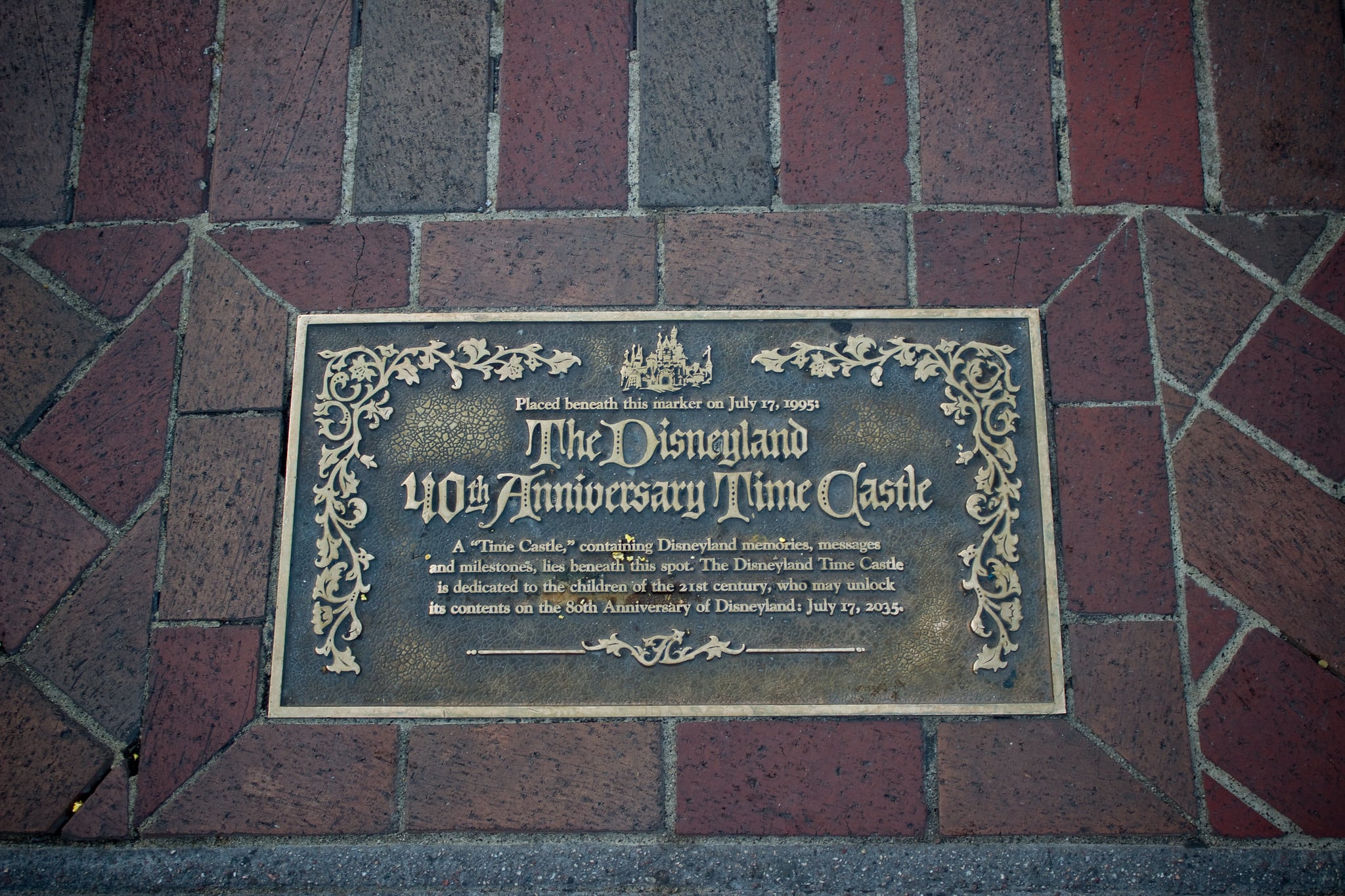
A small plaque on Main Street USA marks the spot where Disney buried its ‘Time Castle’ on July 17, 1995. Thousands of guests walk past it daily without noticing.
The capsule, shaped like Sleeping Beauty Castle, contains 40th anniversary merchandise, cast member name tags, park maps, Indiana Jones Adventure memorabilia from the attraction that had just opened, video recordings of park events, and photos. Disney scheduled the opening for the park’s 80th anniversary on July 17, 2035.
That’s just over a decade away now, which means some of the cast members who buried it will still be around to see what survived.
Disney California Adventure

Not to be outdone, Disney California Adventure buried its own time capsule in February 2012 during the construction of Buena Vista Street. The plaque sits near the front of the park, right after you walk through the entrance turnstiles.
Details about the contents remain vague, but it captures a specific moment when the park was reinventing itself after a rocky first decade. The opening date is set for June 15, 2037, exactly 25 years after burial.

BTS Time Capsule
On South Korea’s inaugural Youth Day in 2019, the K-pop group BTS handed a purple time capsule to President Moon Jae-in. The group curated items representing their ‘musical achievements, memories, love, and gratitude toward our fans,’ according to member RM.
The capsule now sits in the National Museum of Korean Contemporary History in Seoul. Future K-pop fans will get to open it on September 19, 2039, during the 20th anniversary of Youth Day.
The global reach of BTS means this opening will probably draw more attention than most government time capsules ever do.
University of Pennsylvania

Franklin Delano Roosevelt wrote a speech for this time capsule when it was buried in the university’s quad in 1940. That’s about all anyone knows for certain.
The capsule weighs 450 pounds, which raises obvious questions about what else could be inside. Secret military documents from World War II? Personal letters? Canned goods?
The weight suggests something substantial, but the mystery will persist until 2040 when someone finally cracks it open.
Nickelodeon Studios

In 1992, Nickelodeon asked kids to help decide what best represented their generation. The result was pure 1990s: a Nintendo Game Boy, a jar of Gak, a skateboard, a VHS copy of Home Alone, and a box of Twinkies.
The Kids World Council helped curate the collection, making this one of the few time capsules actually chosen by children. It’s buried in front of the old Nickelodeon Studios at Universal City, California, and won’t be opened until April 30, 2042.
Anyone who grew up in that era will be middle-aged by then, probably showing their own kids what passed for entertainment before smartphones took over.
General Dynamics San Diego

When General Dynamics celebrated the fifth anniversary of its Astronautics facility in San Diego in 1963, researchers created a time capsule with a twist. Inside sits a booklet titled ‘2063 A.D.’ where prominent astronauts, world leaders, researchers, and military personnel wrote predictions about where space exploration would stand a century later.
The capsule opens in 2063, giving us a chance to see how accurate those mid-century predictions were. Space travel looked very different in 1963 when the moon landing was still six years away.
Los Angeles Bicentennial

Los Angeles celebrated its 200th birthday in 1976 by burying a capsule full of items that perfectly captured the era. A pet rock sits inside alongside a dress worn by Cher and a jersey from Lakers legend West.
The city probably threw in some smog for good measure, given how bad the air quality was back then. The capsule waits for the city’s tricentennial in 2076, which feels impossibly far away but will arrive faster than anyone expects.
Queen Elizabeth’s Sydney Letter
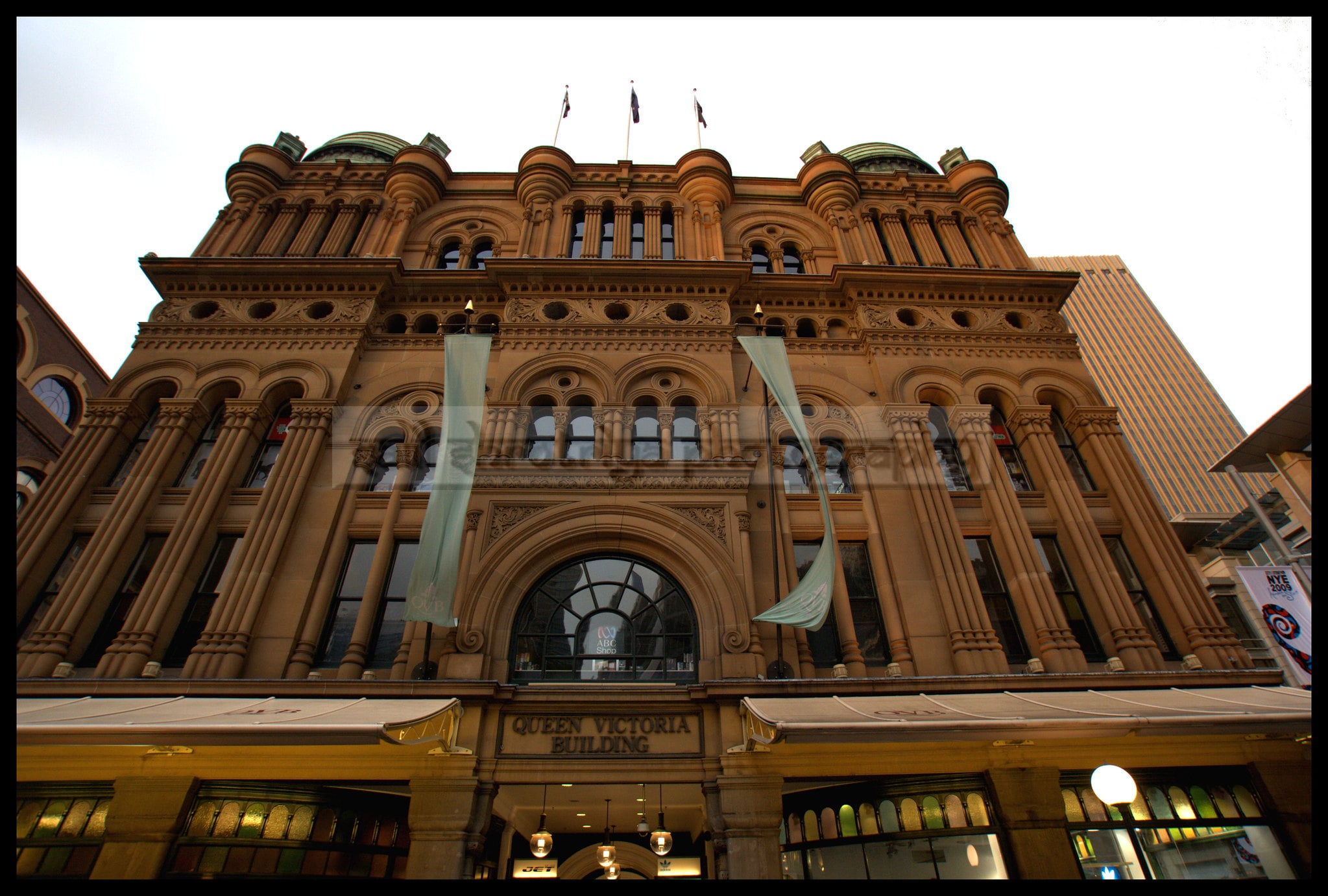
Before Queen Elizabeth II passed away, she wrote a secret letter and placed it in a time capsule in Sydney. The instructions are oddly specific: ‘On a suitable day to be selected by you in the year 2085AD, would you please open this envelope and convey to the citizens of Sydney my message to them.’
No one knows what the letter says, and the vagueness of ‘a suitable day’ means someone in 2085 will need to make that call. The mystery adds to the appeal, and the Queen’s handwriting will connect future Australians to a monarch they never knew.
National Millennium Time Capsule

The White House assembled this capsule in 1999 to represent America at the turn of the millennium. Ray Charles’s sunglasses made the cut, along with a piece of the Berlin Wall, audio from the Metropolitan Opera, a transoceanic cable, and a cell phone.
Someone wanted to include a Twinkie, but officials removed it over concerns about attracting vermin. The National Archives will store everything until 2100, giving historians a century to reflect on what mattered to Americans as they crossed into a new millennium.
Queen Elizabeth II Diamond Jubilee
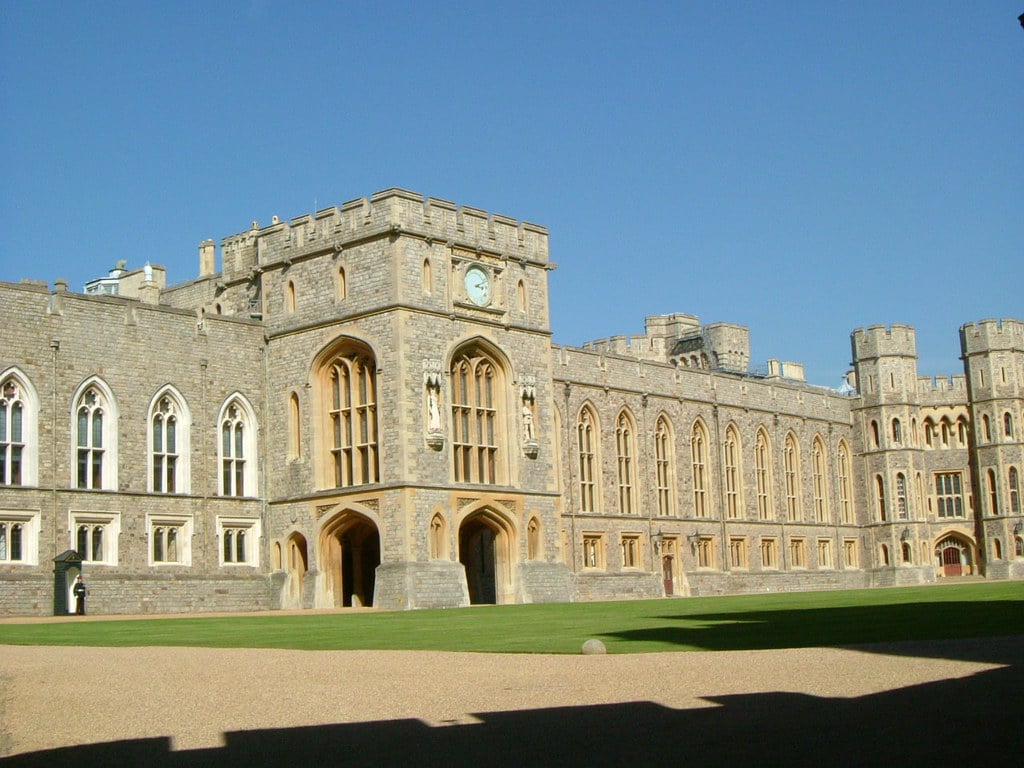
To mark Queen Elizabeth II’s Diamond Jubilee in 2012, a time capsule was buried in the grounds of Windsor Castle. It contains photographs, letters, and children’s artwork representing modern Britain during her reign.
The capsule will remain sealed until 2112, ensuring it stays part of British history for generations who will grow up never having known her. Windsor Castle’s grounds provide a fitting resting place for items tied to the longest-reigning British monarch.
Seoul Millennium Capsule
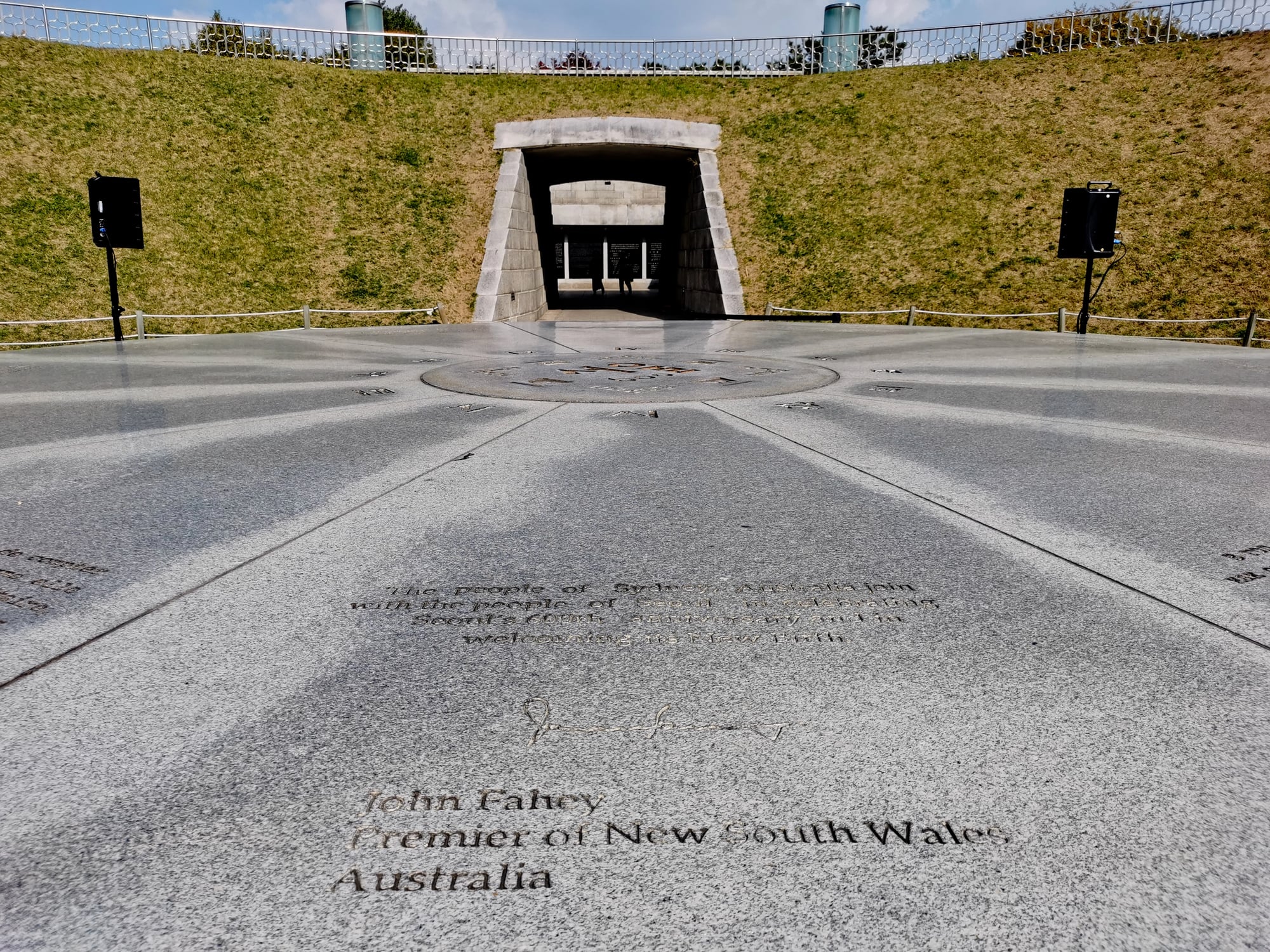
Seoul buried this massive time capsule in 1994 at Namsangol Hanok Village to celebrate the city’s 600th anniversary as Korea’s capital. The capsule contains 600 items chosen to represent the city at that moment in its history.
The opening date is November 29, 2394, marking Seoul’s 1000th anniversary. That’s 400 years of waiting, which means dozens of generations will pass before anyone sees what’s inside.
MIT Time Capsule
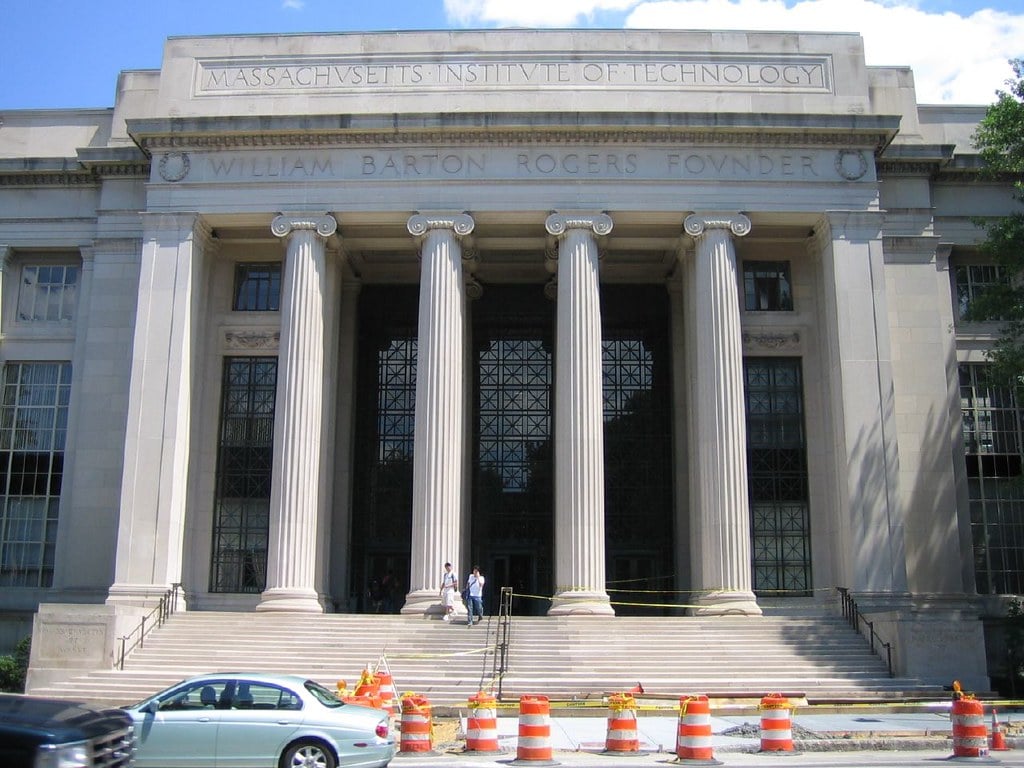
In 1957, MIT president James R. Killian and professor Harold Edgerton buried a time capsule to honor the opening of a new laboratory. They marked it with instructions not to open it until 2957, a full millennium after burial.
To preserve the books, coins, and MIT memorabilia inside for such a long period, they filled the capsule with argon gas. They also added a small amount of carbon-14 so future scientists could carbon-date the package.
The capsule was briefly unearthed during construction of a new research facility, but MIT decided to honor the original plan and keep it sealed until the 30th century.
Westinghouse Time Capsules

During the 1939 New York World’s Fair, Westinghouse buried a torpedo-shaped cylinder inside a 50-foot-deep well on the fairgrounds in Flushing Meadows. This was the first capsule to be called a ‘time capsule’ after a publicist coined the term.
The cylinder contains newsreels, seeds, a Sears Roebuck catalog, and a message from Albert Einstein. Westinghouse buried a second capsule nearby in 1965 with an electric toothbrush, freeze-dried food, a Beatles album, and birth control pills.
Both capsules are scheduled to open simultaneously in 6939 AD, exactly 5,000 years after the first was sealed.
Osaka Expo ’70
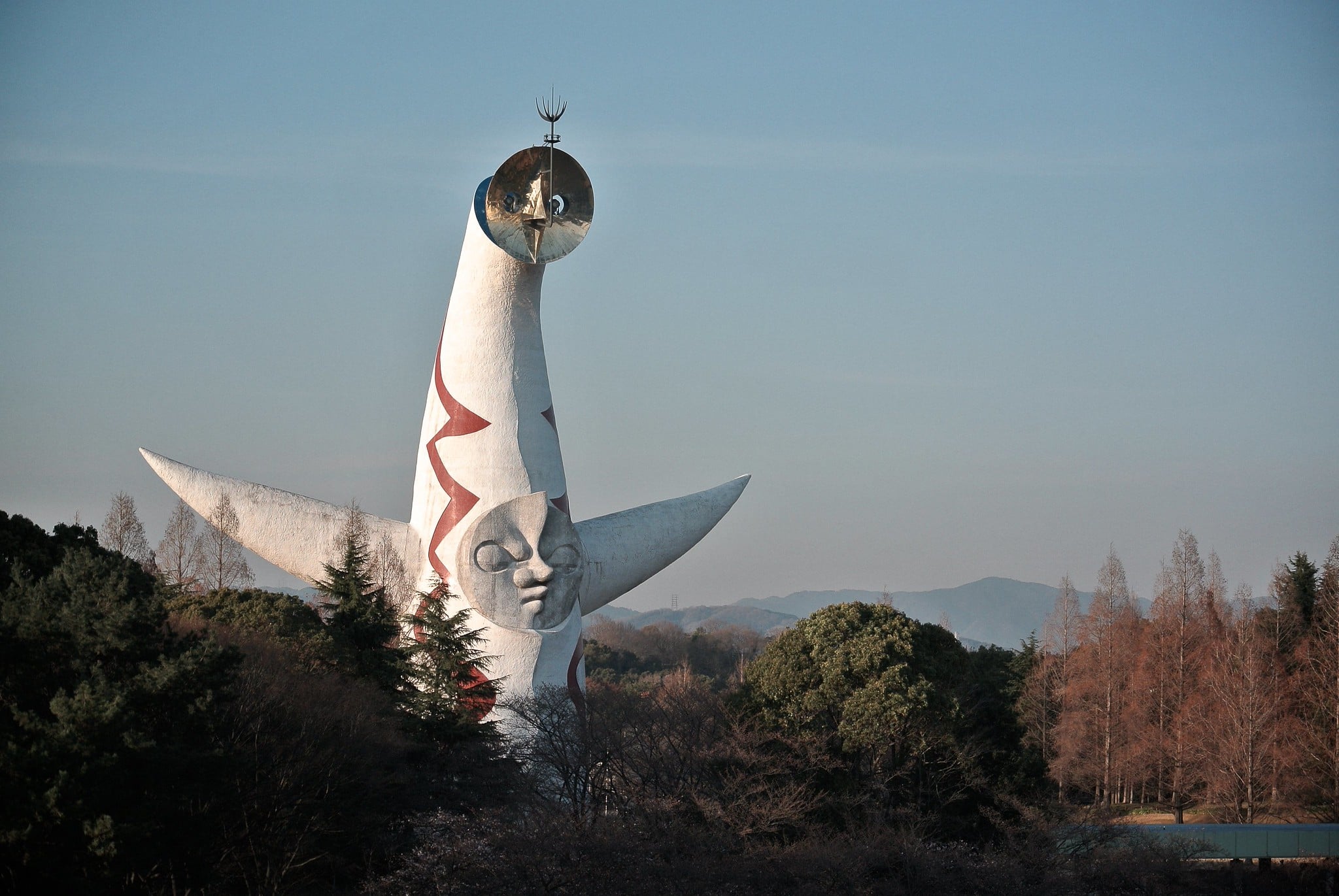
For the 1970 World’s Fair in Osaka, Panasonic constructed a kettle-shaped capsule designed to remain unopened for 5,000 years. The main container was filled with argon gas to protect its contents, and project leaders built a second ‘control’ capsule that gets opened and inspected every 100 years to ensure everything stays intact.
Each capsule contains 2,098 culturally significant objects suggested by the public, including films, seeds, microorganisms, a ceremonial kimono, a Slinky, and the blackened fingernail of a survivor from 1945. The first inspection happened in 2000, and the capsules will remain sealed until 6970 AD.
Crypt of Civilization
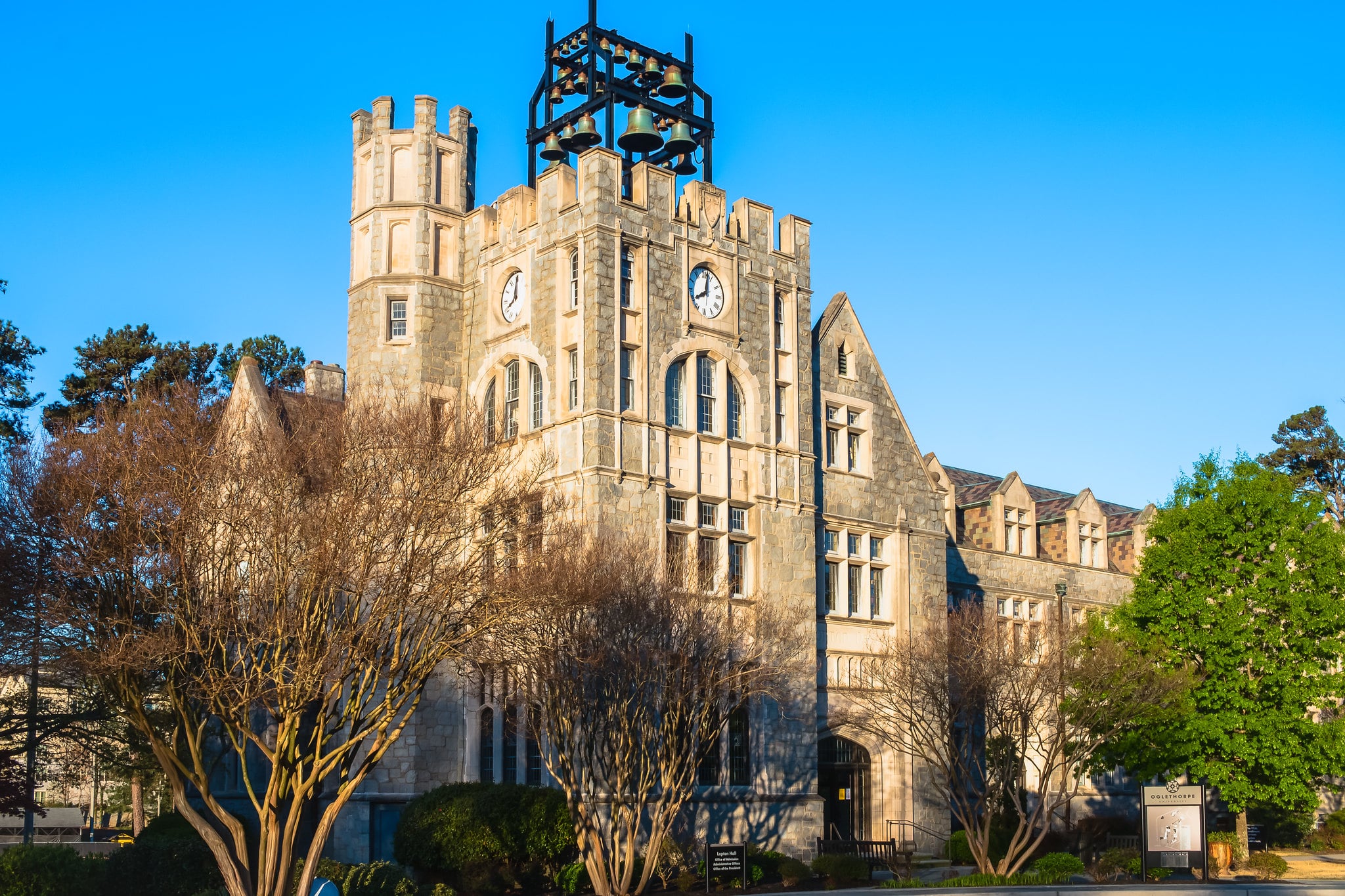
Oglethorpe University president Thornwell Jacobs wanted to preserve all of human knowledge for future archaeologists. Starting in 1937, he converted a 20-by-10-foot underground chamber into a museum of civilization containing 640,000 pages of microfilmed books, religious texts, an early television, a container of beer, toy Lincoln Logs, and even a ‘language integrator’ to help teach English to whoever finds it.
The vault was welded shut behind an airtight stainless steel door in May 1940. Jacobs decreed it should remain closed for 6,177 years, the same amount of time that had then passed since the beginning of recorded history.
The opening date is May 28, 8113.
Hornsund Arctic Capsule
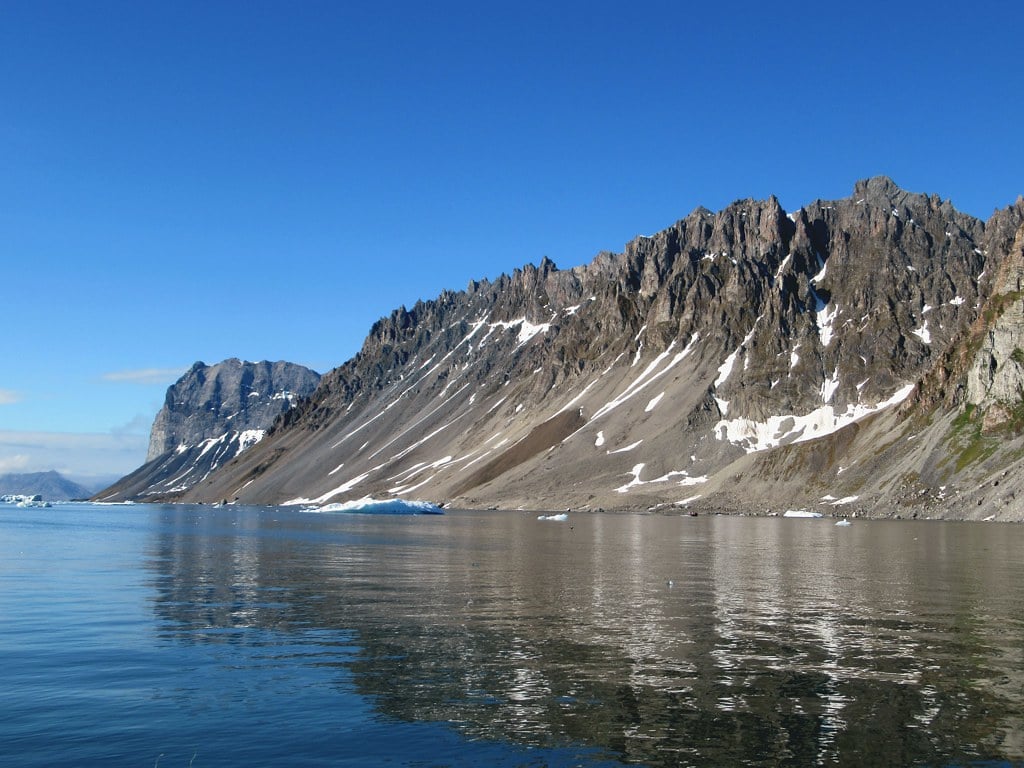
Polish Academy of Sciences permafrost specialist Marek Lewandowski organized the most ambitious time capsule project in 2017. He buried a steel tube 13 feet into the ground on the Arctic fjord of Hornsund in Norway with instructions to keep it sealed for half a million years.
The goal is helping future archaeologists ‘understand who we are,’ assuming humans or whatever comes after us can still read the instructions. The tube contains human and rat DNA samples, a cell phone, a meteorite sample, and 300 live tardigrades.
Those microscopic creatures can survive extreme conditions, making them perfect time capsule passengers for a journey spanning geological epochs.
What These Capsules Tell Us

Time capsules reveal more about the people who create them than about the objects they contain. The choice to bury a pet rock or a Beatles album says something about what mattered in that moment, even if those items seem silly later.
Every generation believes its artifacts will fascinate future people, but the real value lies in that act of faith. Someone took the time to gather these objects, seal them away, and trust that future generations would care enough to open them.
That optimism about the future persists even when the present looks uncertain, making time capsules small monuments to hope.
More from Go2Tutors!

- The Romanov Crown Jewels and Their Tragic Fate
- 13 Historical Mysteries That Science Still Can’t Solve
- Famous Hoaxes That Fooled the World for Years
- 15 Child Stars with Tragic Adult Lives
- 16 Famous Jewelry Pieces in History
Like Go2Tutors’s content? Follow us on MSN.