Vegetables That Grow in Surprising Ways
You probably picture vegetables in neat garden rows or grocery store bins. But if you saw how some of them actually grow, you’d do a double take.
Nature doesn’t always follow the rules you expect, and some of the most common vegetables in your kitchen have growth patterns that seem almost designed to confuse you.
Pineapples grow from the ground, not trees
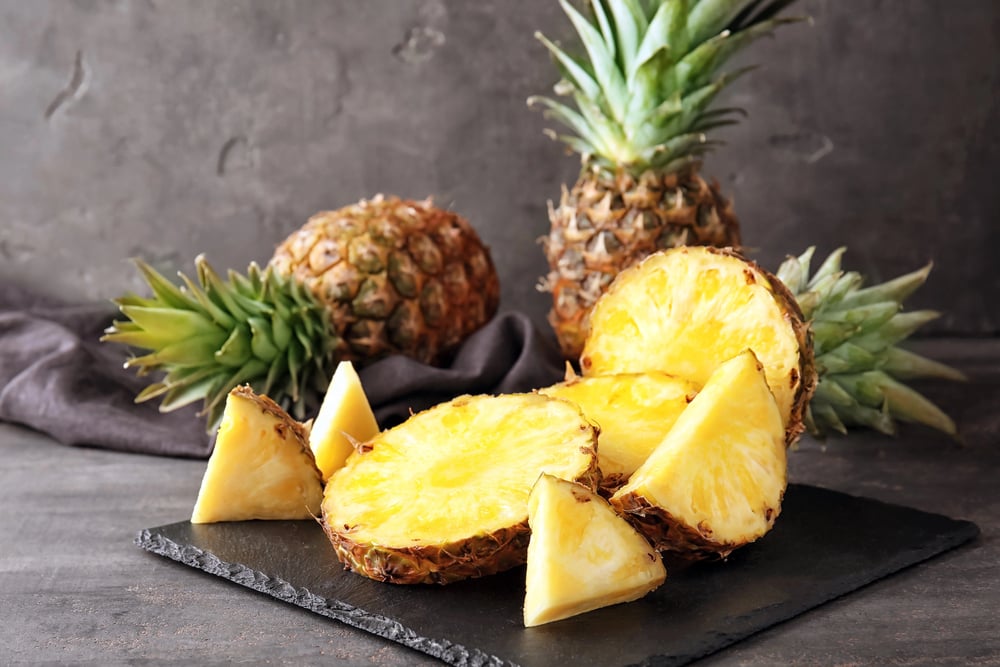
Walk into any tropical-themed restaurant and you’ll see pineapples hanging from fake palm trees. Real pineapples grow much closer to earth.
They sprout from the center of a spiky, low-lying plant that looks more like a giant succulent than a fruit producer. The pineapple itself sits right in the middle, pushing up from the crown of leaves.
One plant produces just one pineapple, which takes about two years to mature. After harvesting, the plant sends up side shoots that can produce more fruit, but that original pineapple is a one-and-done deal from that central crown.
Brussels sprouts line up on tall stalks like buttons
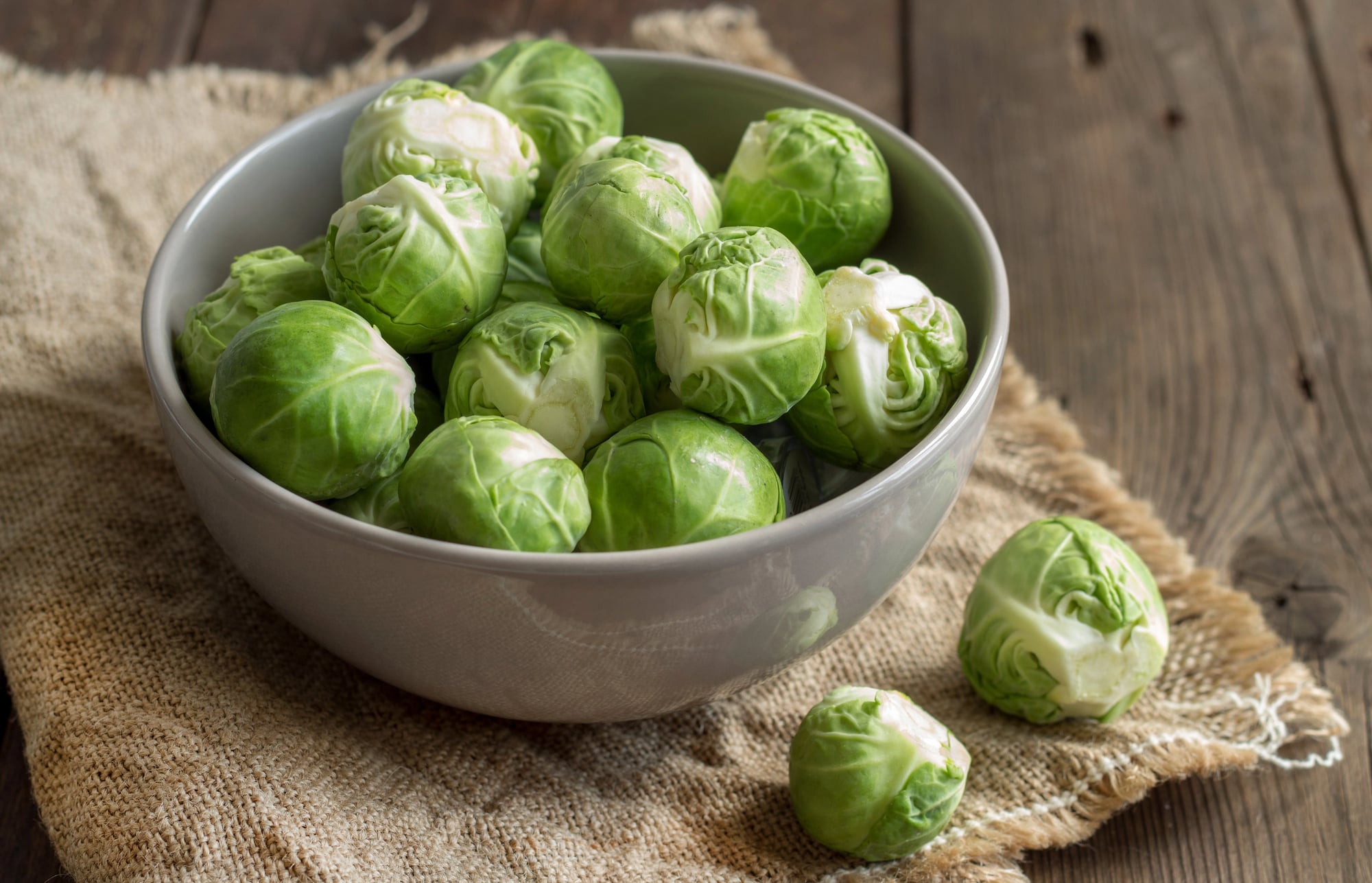
If you’ve only seen Brussels sprouts in bags at the store, you’d never guess they grow on stalks that reach three feet tall. The sprouts form along the main stem in a spiral pattern, tucked into the spots where leaves connect to the stalk.
They look like tiny cabbages fastened up and down a thick green pole. Farmers harvest them by cutting the entire stalk and stripping the sprouts off later.
Some farms sell the whole stalks at markets, and they always draw stares from people who had no idea this is what Brussels sprouts looked like before someone bagged them up.
Peanuts develop underground in complete darkness
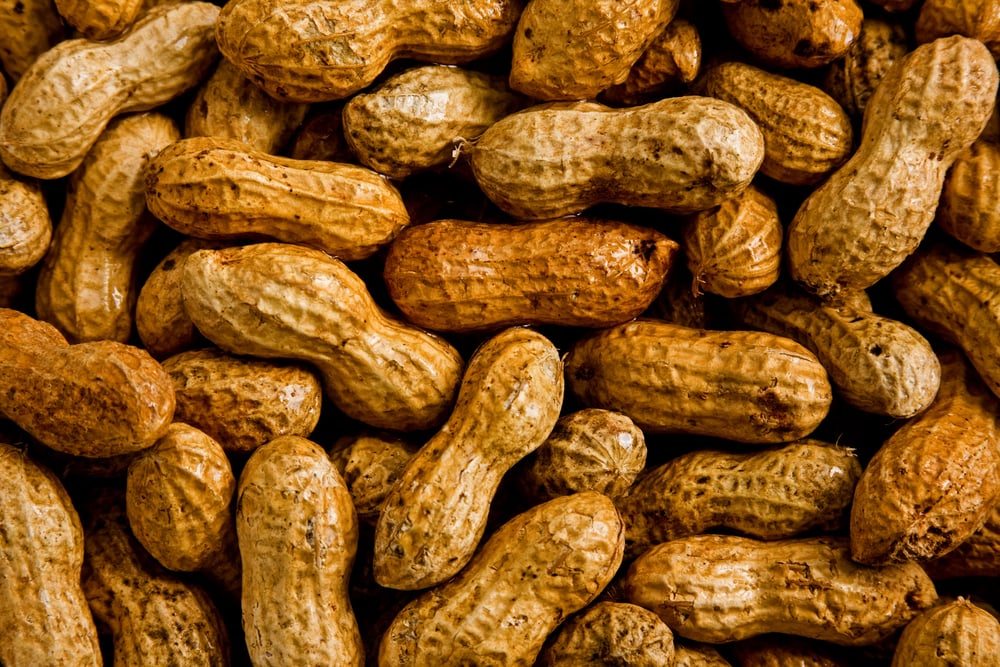
Peanuts aren’t nuts at all—they’re legumes, like beans and peas. But unlike those relatives, peanuts have a bizarre growing process.
The plant flowers above ground like a normal plant, but after pollination, something strange happens. The flower stem bends down and burrows into the soil.
The peanut pods then develop underground, in total darkness. When harvest time comes, farmers have to pull up the entire plant to get at the peanuts clinging to the roots.
It’s the only major crop that flowers in the sun but fruits in the earth.
Asparagus shoots up like a fern gone wild
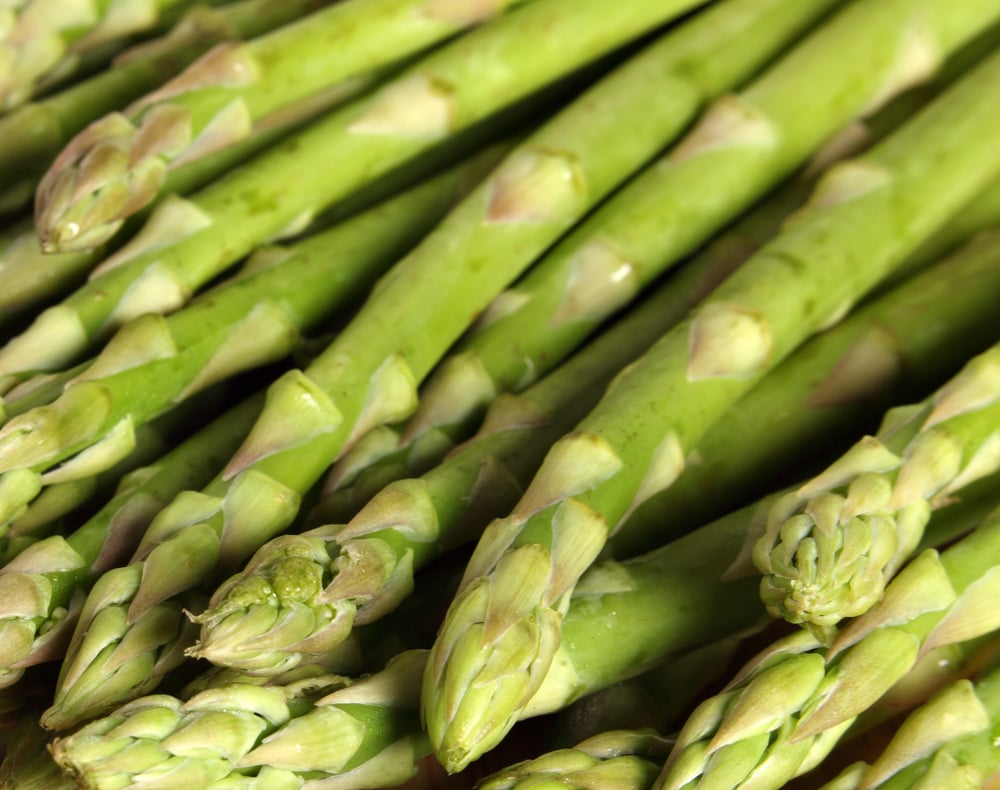
Those tender asparagus spears you grill or roast are actually baby plants. If you leave them alone, they keep growing into tall, feathery ferns that can reach six feet high.
Most people never see mature asparagus because farmers harvest the spears while they’re young and tender. But in the wild or in gardens where someone forgets to pick them, asparagus transforms into something that looks nothing like food.
The delicate, fern-like foliage even produces small red berries. An asparagus patch can produce spears for 15 years or more, sending up new shoots every spring while the roots spread underground.
Cauliflower needs its own blanket to stay white

That pristine white cauliflower head doesn’t happen by accident. As the head forms, farmers have to tie the surrounding leaves up and over it to block out sunlight.
Without this protection, the cauliflower turns yellow or purple and develops a stronger, less desirable flavor. This process, called blanching, means someone has to physically wrap each cauliflower plant by hand.
Some newer varieties self-blanch, with leaves that naturally curl over the developing head, but traditional white cauliflower still needs human intervention to maintain its pale appearance.
Ginger sprawls sideways underground like fingers

Ginger root isn’t actually a root at all—it’s a rhizome, a type of underground stem. Instead of growing down into the soil, ginger spreads horizontally just below the surface.
It sends out these knobby, finger-like projections that branch off in different directions. The visible plant above ground consists of tall green shoots with leaves, but all the ginger you eat comes from those underground stems.
You can harvest pieces of the rhizome and leave others to keep growing. The plant essentially clones itself through these spreading underground branches.
Artichokes are just flower buds that you eat before they bloom
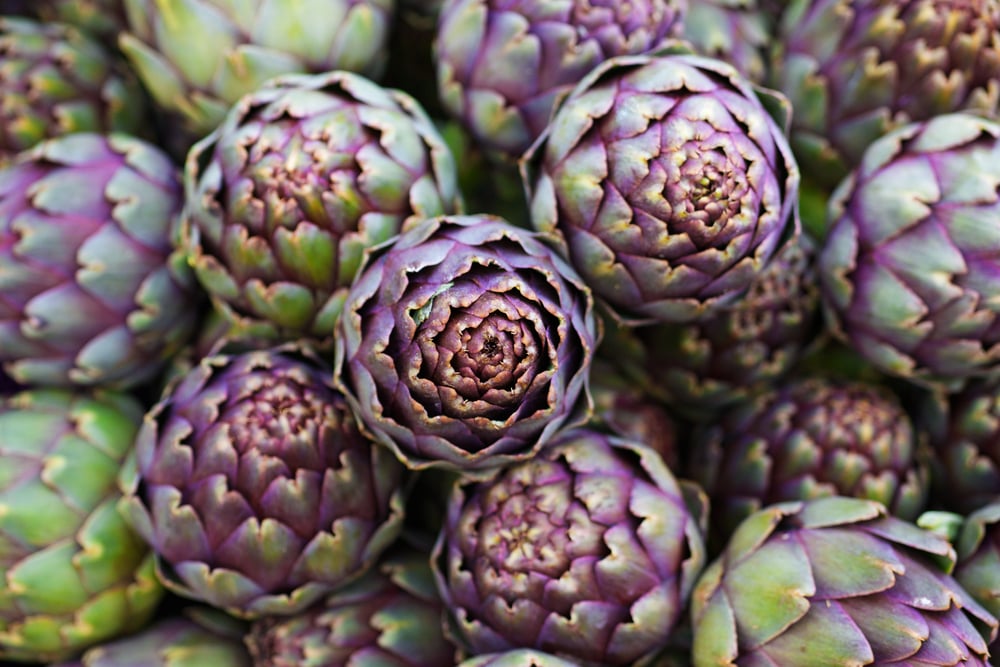
An artichoke isn’t a vegetable in the traditional sense. You’re eating an immature flower bud.
If you leave an artichoke on the plant, it opens into a stunning purple-blue flower that looks like a giant thistle. The “leaves” you peel off are actually petal-like structures called bracts, and that fuzzy “choke” in the center would become the flower itself.
Farmers harvest artichokes before they bloom because once they flower, the edible parts turn tough and inedible. The whole plant can grow six feet wide and produces multiple flower buds throughout the season.
Cashews hang outside their own fruit like ornaments
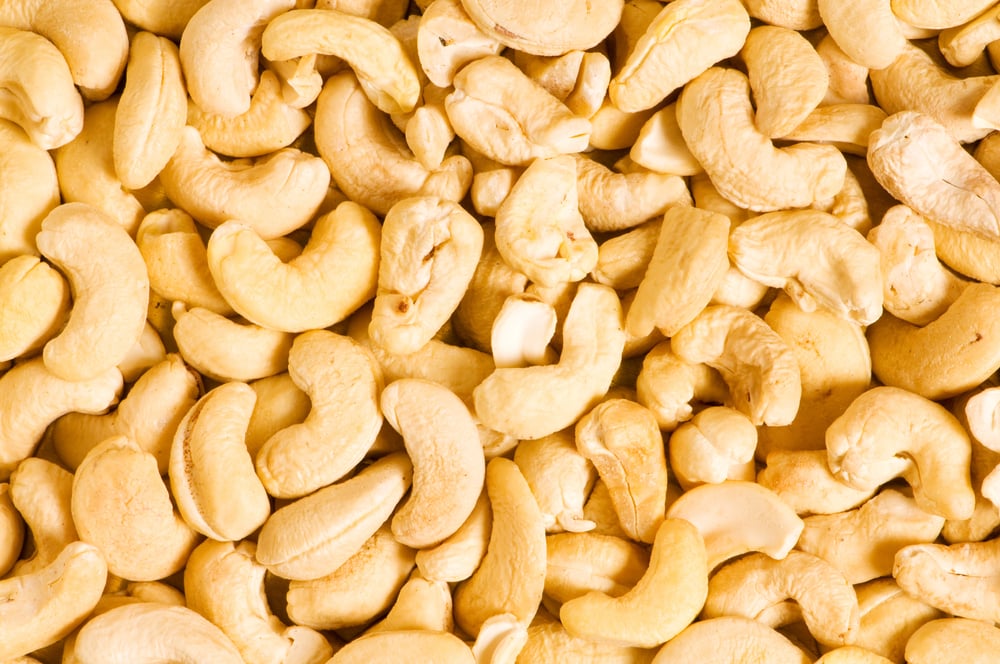
Cashews grow in one of the strangest configurations in nature. The nut dangles from the bottom of a pear-shaped fruit called a cashew apple.
The cashew shell hangs there like a small kidney bean suspended below the fruit. You never see this in stores because the cashew apple bruises easily and doesn’t ship well.
In countries where cashews grow, people eat the fruit fresh or make juice from it. But that nut has to be carefully roasted to remove toxic oils from the shell before anyone can eat it.
The double-fruit setup—one for eating, one for processing—makes cashews one of the most labor-intensive crops to harvest.
Kohlrabi looks like a vegetable designed by committee
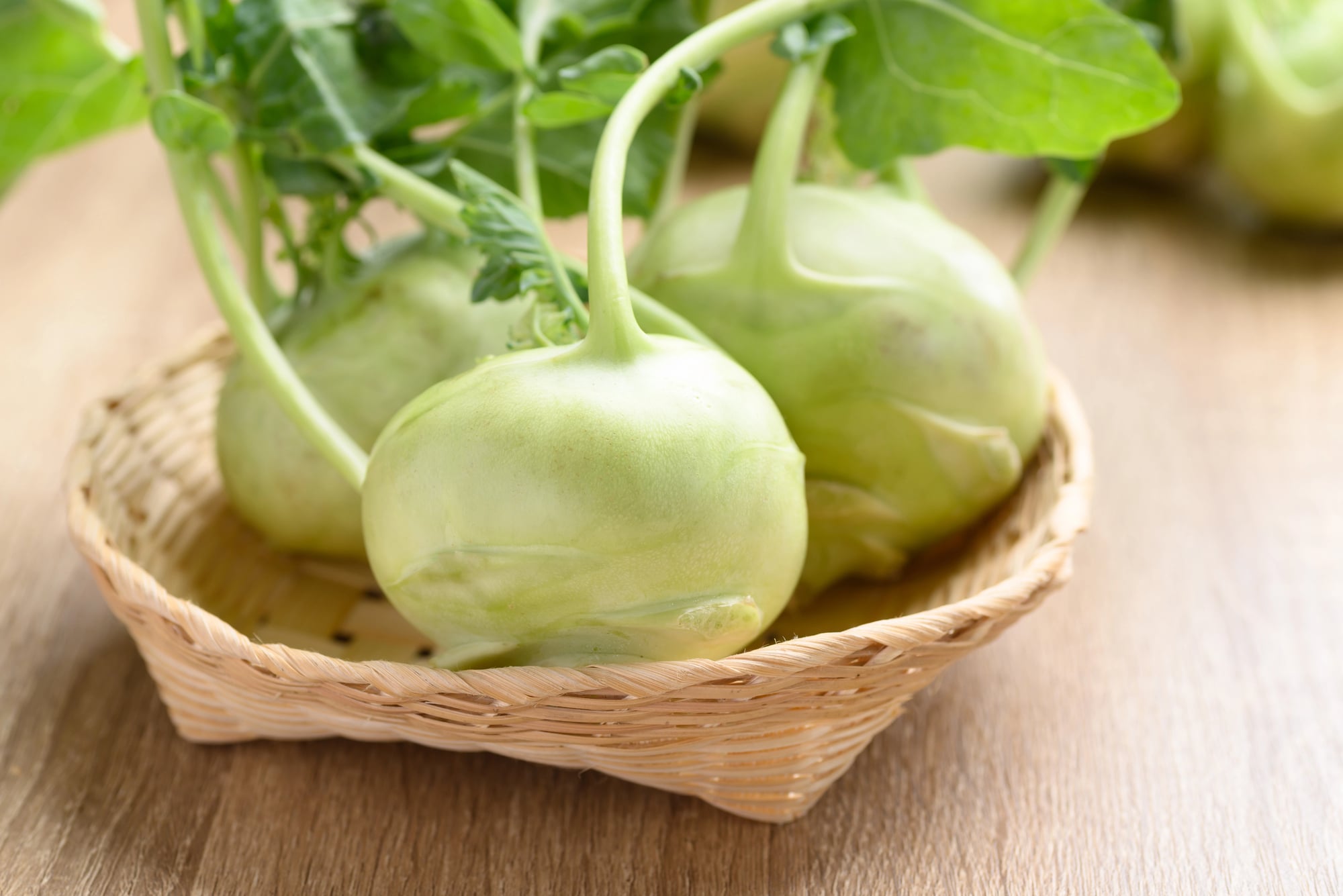
Kohlrabi grows above ground as a bulbous swelling of the stem, with leaves sprouting out the top like a crown. It looks like someone grafted a turnip onto a cabbage plant and called it a day.
The name means “cabbage turnip” in German, which captures the confusion pretty well. The edible part is that swollen stem, which you can eat raw or cooked.
Some varieties grow green, others purple, but they all have that same bizarre bulb-on-a-stalk appearance. The leaves are edible too, though most people focus on that strange spherical stem that seems to defy normal plant logic.
Celery grows in tight bunches from a single crown

Celery stalks don’t grow individually scattered across a plant. They all emerge from one central point at soil level, rising up together in a tight bundle.
As the plant grows, soil gets mounded up around the base to blanch the stalks and keep them tender and mild. Without this hilling up, celery turns green and develops a stronger, more bitter flavor.
The whole plant looks like someone planted a bouquet in the ground. When farmers harvest celery, they cut the entire bunch at the base, which is why you buy it as a complete unit rather than individual stalks.
Rhubarb comes back year after year like a weed

Rhubarb is technically a vegetable, not a fruit, even though you mostly see it in desserts. The plant grows from a crown that survives underground through winter and sends up new stalks every spring.
Those thick red stalks shoot up fast, sometimes growing an inch or more per day when conditions are right. The leaves are toxic, so you cut them off and discard them.
A single rhubarb plant can produce stalks for 20 years or more without replanting. You just keep harvesting the stalks and the crown keeps pushing out more.
Garlic multiplies underground into a perfect circle
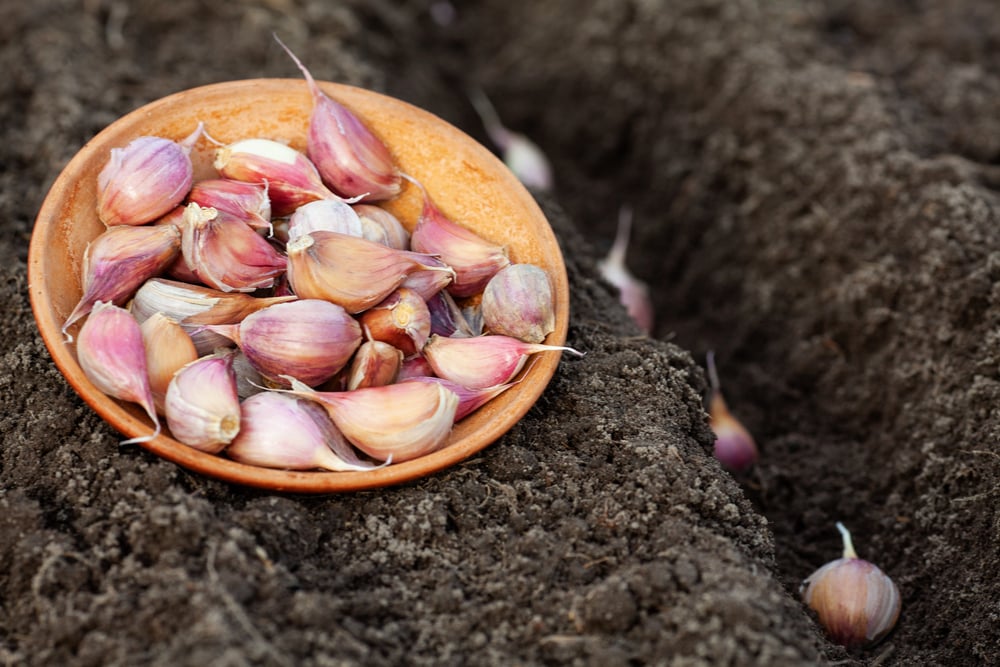
A single garlic clove planted in fall becomes an entire bulb with multiple cloves by summer. The clove sends down roots and pushes up a green shoot, but underground, it quietly divides itself into a ring of new cloves, all wrapped in papery skin.
Each clove is basically a clone of the original. Some garlic varieties send up a curly flower stalk called a scape that you can eat, but most people remove it to encourage the plant to focus energy on the bulb.
When you harvest garlic, you’re pulling up an entire family unit that grew from that single starter clove.
Bamboo shoots explode upward at record speeds

Bamboo shoots can grow three feet in a single day under the right conditions. They emerge from underground rhizomes like green spears pushing through the soil.
What you eat is that tender young shoot before it hardens into a woody culm. If you leave a bamboo shoot alone for a few weeks, it becomes a tall, hard bamboo pole that you definitely can’t cook.
The speed of growth is almost alarming—you can practically watch it happen. Bamboo forests spread through those underground rhizomes, and a single shoot can become a mature pole in just a few months.
Horseradish hides its heat deep in the ground
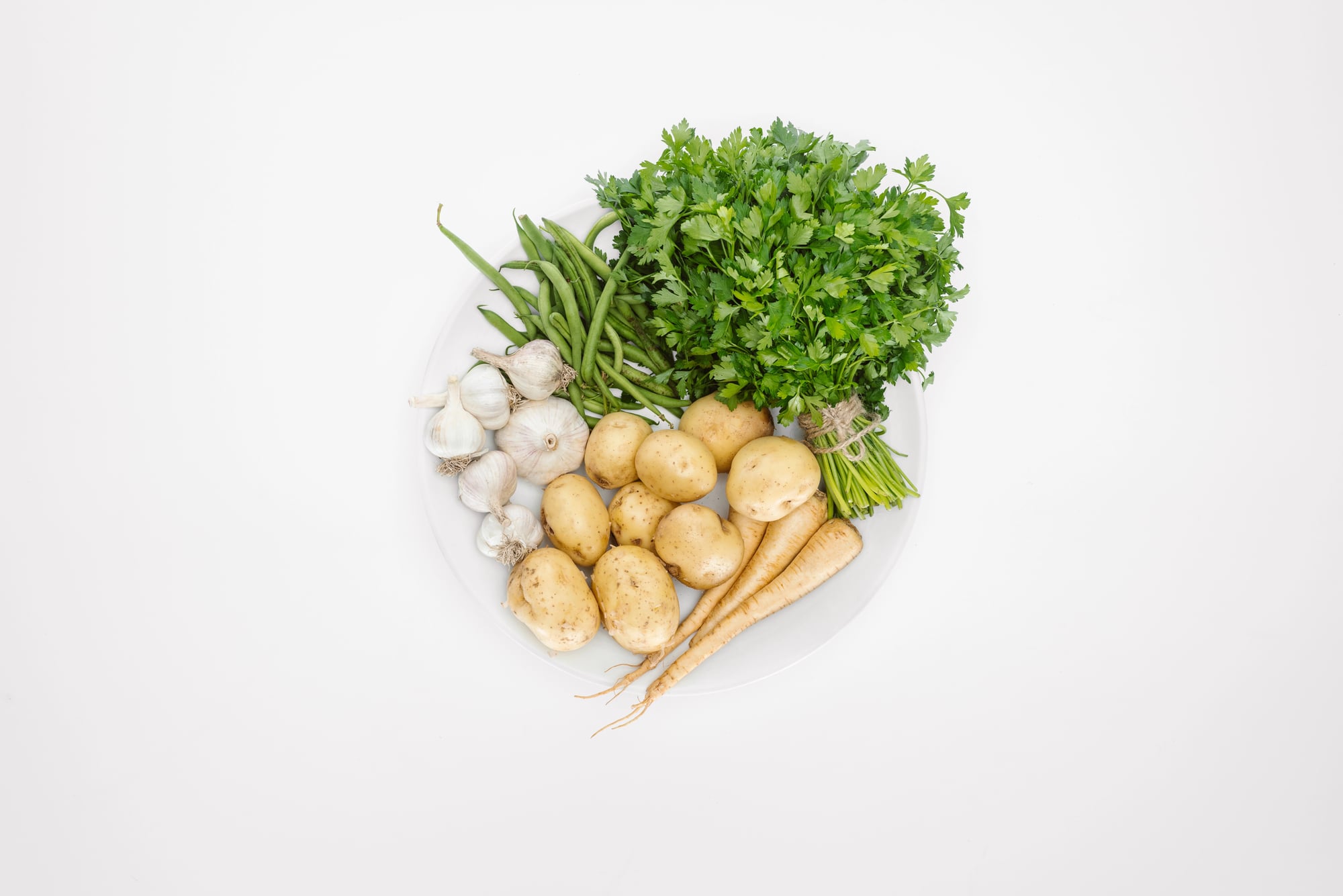
Horseradish is a root that stores all its pungent heat underground. The plant looks innocent above ground, with large green leaves that give no hint of the spice below.
Dig up that thick white root and you’ll find a condiment that clears your sinuses faster than anything else in the produce section. The plant spreads aggressively through its roots, and a small piece left in the ground will spawn new plants.
Farmers often treat it like a weed because it’s so determined to spread. Fresh horseradish has much more heat than the jarred stuff, but that intensity fades quickly after you grate it.
How plants break your expectations

You assume vegetables grow in predictable ways because that’s how they arrive at your table—cleaned, trimmed, sorted. But seeing them in the ground or on the plant reveals how weird and creative nature can be.
A pineapple plant looks nothing like its fruit. Brussels sprouts arranged on a stalk seem designed by an overly organized gardener.
Peanuts flowering above ground and fruiting below break all the rules. These surprises remind you that your food has a whole life before it reaches your kitchen, full of strange adaptations that helped these plants survive and thrive in their native environments.
More from Go2Tutors!

- The Romanov Crown Jewels and Their Tragic Fate
- 13 Historical Mysteries That Science Still Can’t Solve
- Famous Hoaxes That Fooled the World for Years
- 15 Child Stars with Tragic Adult Lives
- 16 Famous Jewelry Pieces in History
Like Go2Tutors’s content? Follow us on MSN.