Bizarre Ransom Demands From Famous Cases
Kidnappings and ransoms have been part of crime history for centuries, but some criminals have made demands that go way beyond just asking for money. These strange requests have left police scratching their heads and the public completely baffled.
From unusual payment methods to downright weird conditions, these cases show that desperation and criminal creativity sometimes mix in the strangest ways.
The Lindbergh Baby Ransom Notes

When aviator Charles Lindbergh’s infant son disappeared in 1932, the kidnapper sent ransom notes demanding $50,000 in specific denominations, including gold certificates. The notes contained peculiar symbols and misspellings that seemed intentional, like using ‘gut’ instead of ‘good’ and marking each letter with two interlocking circles.
The Getty Kidnapping Ear Incident

When 16-year-old John Paul Getty III was kidnapped in Italy in 1973, the criminals initially demanded $17 million from his wealthy grandfather. The elder Getty, known for being incredibly tight with money, refused to pay, thinking it might be a scam his grandson set up himself.
After months of negotiation, the kidnappers sent a package to a newspaper containing the teenager’s ear along with a lock of his hair and a note threatening to send more body parts. This gruesome tactic finally convinced Getty to negotiate, though he only agreed to pay $2.2 million, which was the maximum tax-deductible amount.
He made his son pay back the ransom as a loan with interest.
The Chicago Tylenol Poisoner

In 1982, someone laced Tylenol capsules with cyanide, killing seven people in the Chicago area. The killer sent a ransom letter to Johnson & Johnson demanding $1 million to stop the poisonings.
What made this demand particularly strange was that the person wanted the money delivered to a specific bank account belonging to a man named James Lewis. Turns out, Lewis himself had sent the letter, but police believe he wasn’t actually the poisoner and just tried to capitalize on the tragedy.
The real poisoner was never caught, making this one of the most frustrating unsolved cases in American history.
The Spaghetti Ransom

A kidnapping in Italy during the 1970s involved criminals who demanded their ransom be paid entirely in canned goods and pasta. The victim’s family thought this was some kind of code at first, but the kidnappers were serious about wanting food instead of cash.
It turned out the criminal gang was hiding out in a remote mountain area and figured food would be more immediately useful than money they couldn’t spend without being caught. Police actually used this unusual demand to help track them down, figuring that any group asking for that much food must be in a rural hideout.
The gang was caught before they got their spaghetti delivery.
The Kaiser’s Random Telegram

Before World War I, a group in Germany tried to ransom Kaiser Wilhelm II’s personal yacht by sending ransom demands via telegram directly to the palace. They wanted payment delivered in the form of medieval gold coins, claiming they were collectors who would return the yacht undamaged if their ‘historical artifact’ demands were met.
The whole scheme fell apart when authorities realized the yacht was never actually stolen and the telegrams were coming from a frustrated antique dealer who owed money to some very impatient creditors. The man was arrested for fraud rather than kidnapping, and the case became a running joke in German newspapers.
The Popsicle Stick Messages

A kidnapping case in the American Midwest during the 1950s involved ransom notes written on popsicle sticks that were left at various locations around town. Each stick had a few words carved into it, and police had to collect them all to piece together the full demand.
The kidnapper wanted payment in silver dollars, which had to be left in a hollow tree in the local park. Authorities later discovered the criminal was a mentally ill man who had watched too many detective movies and thought this method was clever.
The victim, a local businessman’s son, was found unharmed in an abandoned barn three miles away.
The Cryptocurrency Painting Heist

In 2019, thieves stole paintings from a European museum and demanded their ransom be paid in Bitcoin. That part wasn’t too unusual given modern crime trends.
What was weird is that they also demanded the museum publicly apologize for ‘crimes against art’ by displaying what they considered mediocre work. The ransom note included a long essay about artistic standards and the commercialization of culture, making investigators wonder if they were dealing with art critics or actual criminals.
The paintings were eventually recovered when the thieves tried to use a cryptocurrency exchange that cooperated with law enforcement.
The Alphabet Soup Demand

A kidnapper in South America during the 1980s sent ransom instructions using letters cut from alphabet soup boxes and glued onto paper. The demand wasn’t for money but for the release of political prisoners and a public broadcast of their manifesto.
What stumped investigators was that the person used alphabet soup in three different languages, making the note a multilingual mess that took days to fully decode. The kidnapper was eventually identified as a former teacher who had access to imported food products from the school cafeteria.
The victim was released after partial negotiations, though the manifesto never got aired.
The Dress Code Ransom

A particularly odd case from France involved kidnappers who demanded that the ransom money be delivered by someone wearing a Napoleon Bonaparte costume, complete with the iconic hat. They provided specific measurements and even color swatches for the outfit, threatening to harm their victim if the costume wasn’t accurate.
Police psychologists suggested the kidnappers might have some kind of historical obsession or were trying to make the exchange memorable enough that witnesses would focus on the bizarre costume rather than useful identifying details. An undercover officer wore the costume and arrested the criminals at the exchange point.
The Book Collection Swap

A rare book dealer’s daughter was kidnapped in England during the 1960s, and the criminals demanded specific first editions from the father’s collection instead of money. The list included works by Dickens, Austen, and Shakespeare, with such detailed requirements about binding and publication dates that it was clear at least one kidnapper knew books.
The total value would have exceeded any reasonable cash ransom, suggesting the criminals planned to sell the books overseas. British authorities caught them by planting tracking devices in fake dust jackets, which led police to an abandoned bookshop where the gang was hiding.
The Baseball Card Ransom

In a case that sounds almost too absurd to be real, a child was kidnapped in the 1990s, and the ransom demand included a complete set of 1952 Topps baseball cards. The kidnappers also wanted cash, but they were very specific about the cards, particularly wanting a Mickey Mantle card in mint condition.
Card collectors and police worked together to track down anyone who had recently inquired about that specific set. The kidnapper turned out to be a failed memorabilia dealer who thought he could use the ransom to restart his business.
The child was found safe within 48 hours.The kidnappers wanted a complete set of vintage trading cards along with cash. Investigators worked with collectors to trace who had been inquiring about the rare items and found the suspect quickly.
The Musical Instrument Exchange

A wealthy musician’s family member was held for ransom in Italy, with the criminals demanding payment in rare violins and cellos rather than currency.
They provided a list of specific instruments by maker and year, showing they either had expert knowledge or were working with someone who did. The theory was that musical instruments could be sold internationally without as much scrutiny as large amounts of cash.
Interpol tracked the case by monitoring auctions and dealers, eventually catching the gang when they tried to authenticate one of the instruments at a shop in Vienna.
The Grocery List Kidnapping

A strange case from Canada involved a ransom note that read more like a shopping list, demanding various household items, tools, and camping supplies instead of money. The kidnapper wanted everything from batteries and rope to canned beans and matches, creating a list that looked like someone preparing for a long wilderness trip.
Authorities theorized the criminal planned to disappear into the northern territories after getting supplies. The victim’s family actually prepared everything on the list, and police used the exchange as an opportunity to make an arrest.
Turns out the kidnapper was a survivalist who had lost his job and snapped under financial pressure.A ransom note resembled a shopping list with demands for tools, food, and camping supplies.
The unusual items helped authorities predict the suspect’s plans and arrest him at the exchange.
The Poetry Ransom

An art collector’s spouse was kidnapped, and the ransom note demanded that the victim’s partner write and publish a poem in the local newspaper expressing remorse for unspecified sins. The monetary demand was almost secondary to this strange requirement.
The kidnapper included detailed instructions about meter, rhyme scheme, and theme, suggesting someone with literary knowledge or pretensions. Police worked with the victim’s spouse to craft a poem that included coded messages about the drop location.
The kidnapper actually called to critique the poem before agreeing to the exchange, which gave authorities time to trace the call.
critique the poem, giving law enforcement time to trace the call.
The Fast Food Feast

A kidnapping gang in Asia demanded their ransom be delivered along with 200 meals from a specific fast food chain. They provided exact orders for each meal, down to condiments and drink sizes.
Investigators figured the gang was larger than expected or they planned to use the food delivery as cover for the money pickup. Police worked with the restaurant to prepare the order while placing tracking devices in some of the food containers.
The gang was arrested at their hideout when officers followed the delivery trucks to a warehouse on the edge of the city.
The Vintage Wine Cellar

A corporate executive was kidnapped in South America, with the criminals demanding rare wines from the victim’s personal collection as part of the ransom. The list included bottles from specific châteaus and vintage years, totaling a value of several hundred thousand dollars.
Wine experts helped police by suggesting that some of the requested bottles were so rare that tracking them after a sale would be relatively easy. The kidnappers apparently didn’t think through how difficult it would be to sell such distinctive items.
Authorities caught them when they approached a wine auction house in Europe.
The Comic Book Collector Scheme

A teenager was kidnapped by someone who demanded rare comic books instead of cash. The ransom note specified issues and condition grades that showed serious knowledge of the collector market.
The kidnapper wanted everything delivered in protective sleeves with authentication certificates, making investigators wonder if this was a crime of opportunity by someone in the comic community. Comic shop owners and convention organizers helped police identify potential suspects based on recent inquiries about similar issues.
The kidnapper was caught at a convention trying to sell some of the comics before the ransom was even fully paid.
The Stamp Collection Demand
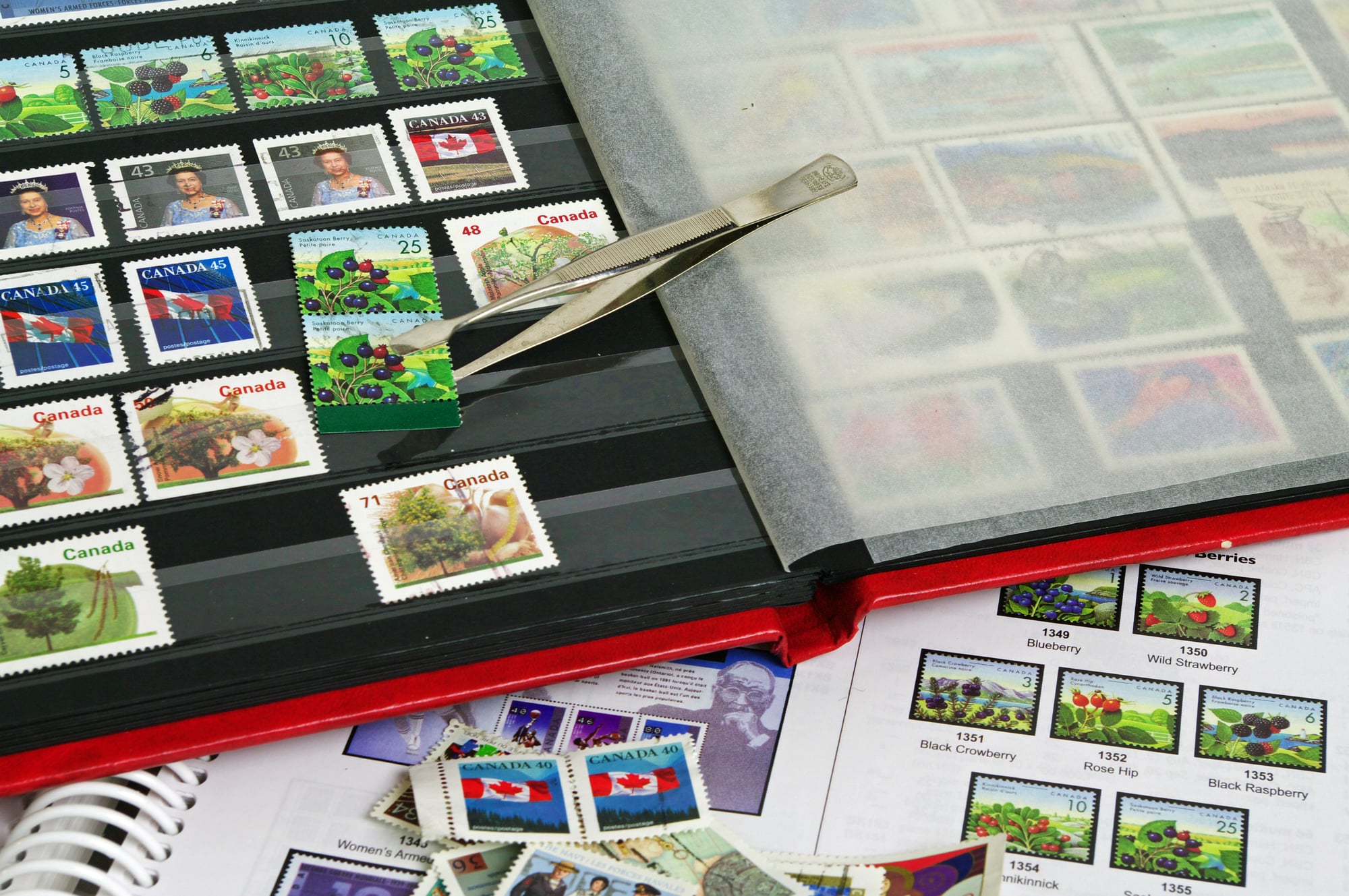
An elderly philatelist’s grandson was held for ransom, with the criminals demanding specific rare stamps from the grandfather’s renowned collection. The list included stamps from countries that no longer existed and errors that made certain prints valuable.
Some of the stamps were so rare that only a few existed in the world, making the demand both highly specific and traceable. Police worked with international stamp dealers to monitor the market for any of these items appearing for sale.
The criminals were identified within weeks when they tried to authenticate some of the stamps at a dealer’s office in Switzerland.
Where Greed Meets Absurdity

These cases show that criminals aren’t always the calculating masterminds they think they are. Sometimes desperation leads to demands that are more revealing than any evidence left at a crime scene.
Law enforcement has learned that unusual ransom demands often provide better leads than conventional money drops because they require specialized knowledge or access to particular markets. The human element in these crimes, the specific wants and weird logic of the criminals, ends up being exactly what brings them down.
More from Go2Tutors!

- The Romanov Crown Jewels and Their Tragic Fate
- 13 Historical Mysteries That Science Still Can’t Solve
- Famous Hoaxes That Fooled the World for Years
- 15 Child Stars with Tragic Adult Lives
- 16 Famous Jewelry Pieces in History
Like Go2Tutors’s content? Follow us on MSN.