Rarest Coins Ever Found in American Pocket Change
The National Archives isn’t just a dusty warehouse for old documents. It’s where American history lives and breathes, where the most pivotal moments in the nation’s story rest in climate-controlled storage.
Some artifacts are famous — everyone knows about the Constitution and the Declaration of Independence. But dig deeper into the collection and you’ll find items that tell stories just as compelling, sometimes more so.
These are the pieces of history that survived when they could have easily been lost forever, carrying with them the weight of decisions that shaped a country.
1943 Copper Penny
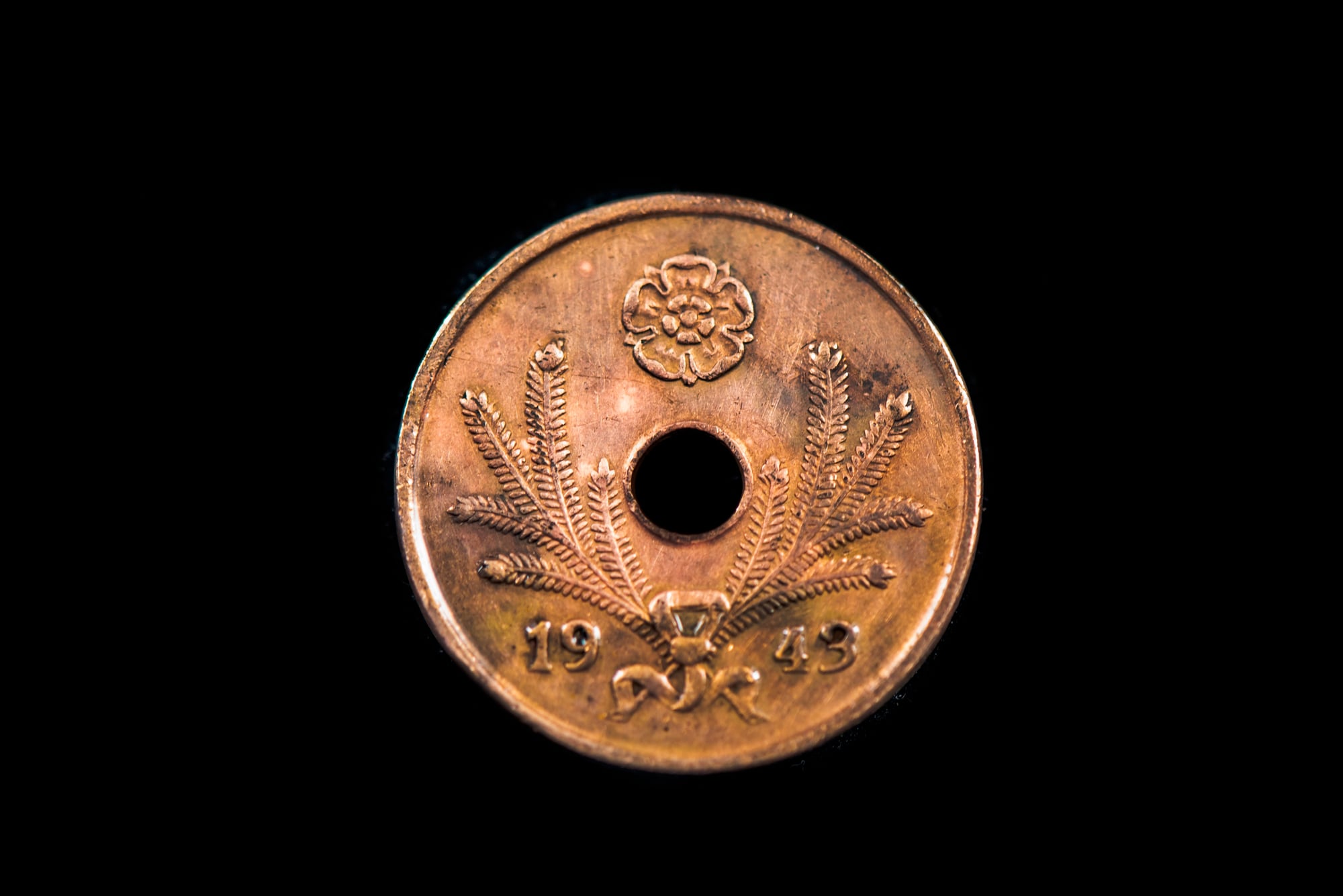
In 1943, the U.S. Mint switched from copper to zinc-coated steel for pennies to save copper for the war effort.
But a few copper blanks got mixed in accidentally.
These copper pennies from 1943 are worth between $60,000 and $200,000 depending on condition.
Only about 40 are known to exist.
The easiest way to spot one? It won’t stick to a magnet like the steel pennies do.
1955 Doubled Die Penny
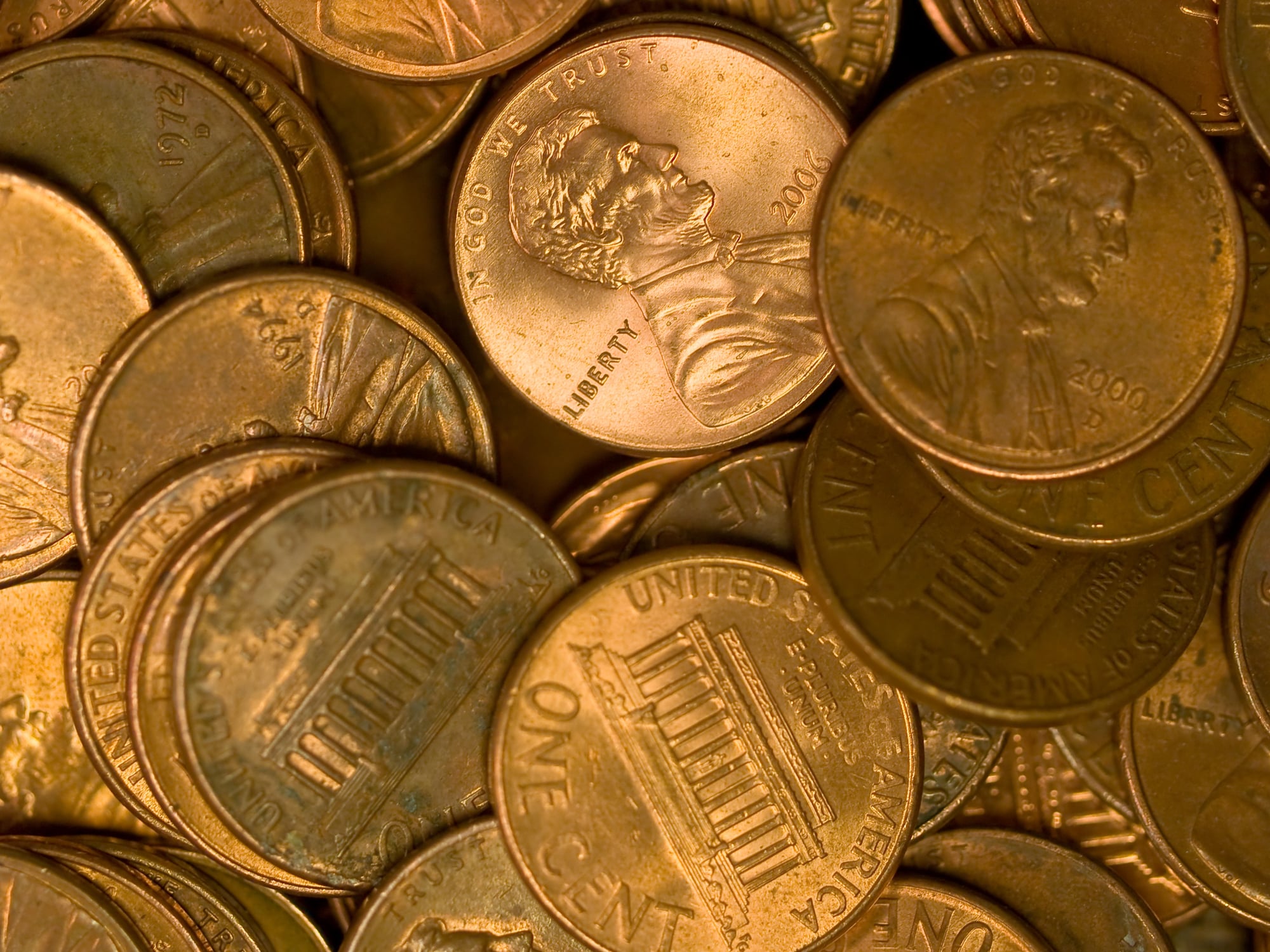
When dies (which are used to strike coins) develop problems, strange things happen — and sometimes those strange things become incredibly valuable.
The 1955 doubled die penny shows clear doubling on the date and lettering on the front, making it look almost like a blurry photograph.
You can see the doubling with your unaided eye, which makes this one of the easier valuable coins to spot (assuming you’re actually looking at your pennies, which most people aren’t, but perhaps they should be since these sell for $1,000 to $50,000 depending on how well-preserved they are).
And the thing about this particular error: it’s dramatic enough that once you know what to look for, you’ll never miss it again.
1916-D Mercury Dime
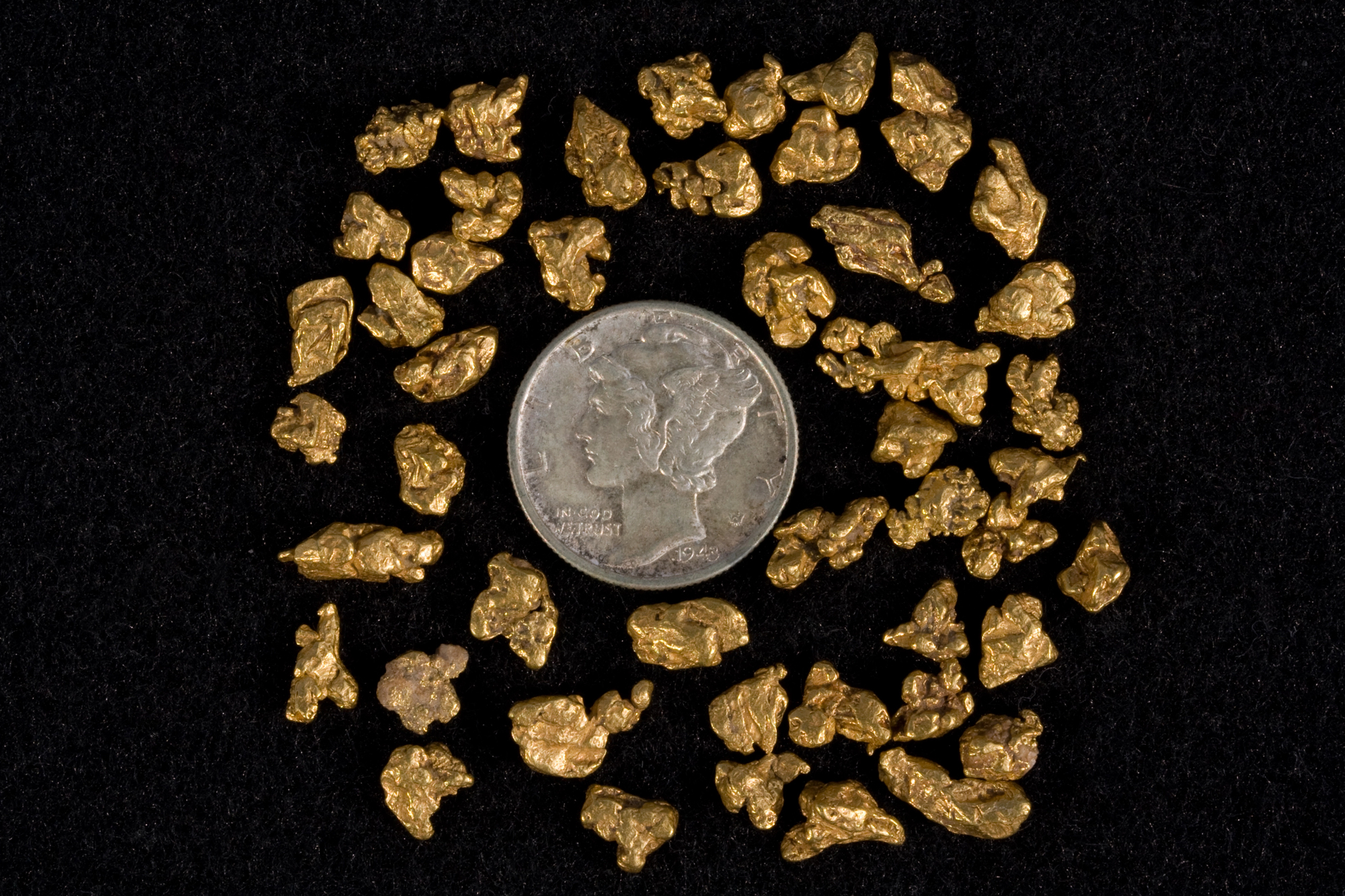
Mercury dimes themselves aren’t particularly rare, but the 1916-D version (minted in Denver, indicated by the small “D” on the reverse) is a different story entirely.
Only 264,000 were made, and finding one in circulation today borders on miraculous.
These dimes can be worth anywhere from $1,000 to $20,000.
The woman on the front isn’t actually Mercury — it’s Lady Liberty wearing a winged cap.
But the name stuck.
1932-D Washington Quarter
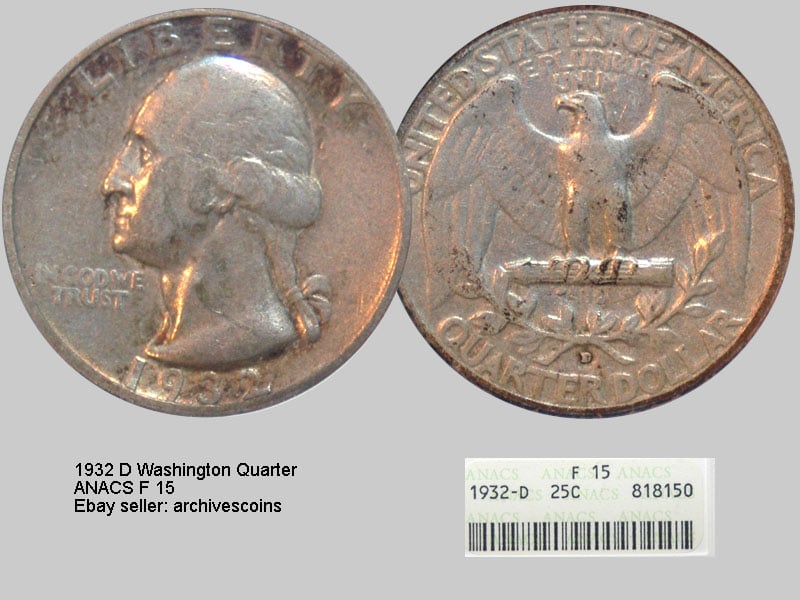
The first year Washington quarters were minted also produced one of the scarcest.
The Denver mint struck only 436,800 of these quarters in 1932, making them incredibly rare in today’s pocket change.
Most examples trade hands for $100 to $20,000 based on condition.
Finding one requires checking the mint mark on the reverse side under the eagle.
1969-S Doubled Die Penny
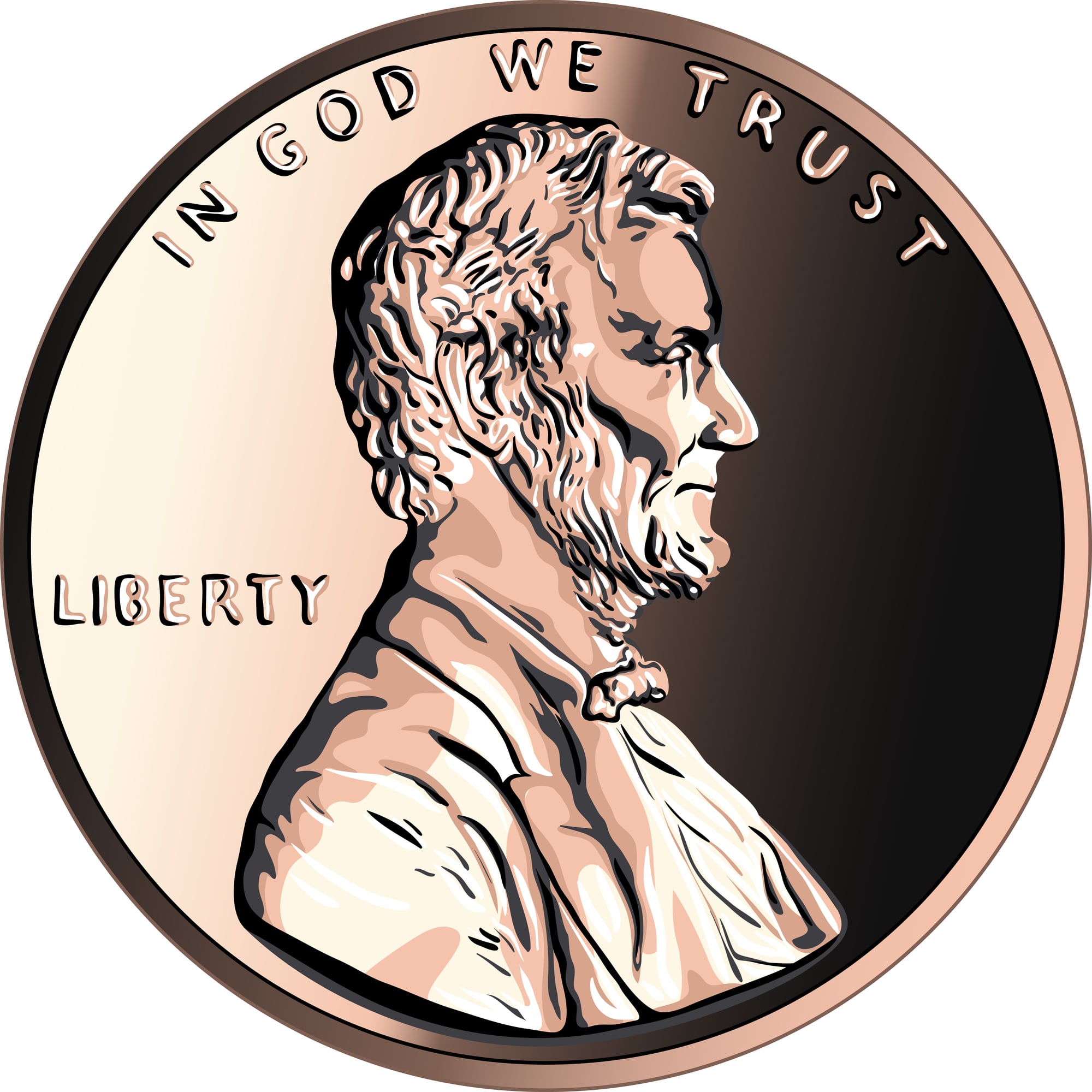
Here’s where coin collecting gets oddly specific: not every 1969-S penny with doubling is valuable, but the ones with the right kind of doubling are worth serious money.
The valuable variety shows clear doubling in “LIBERTY” and “IN GOD WE TRUST” on the front of the coin.
These pennies, when found, sell for $10,000 to $126,500 (that’s what one sold for at auction, which seems like an absurd amount of money for a penny until you realize that rarity creates its own mathematics where normal rules about value stop applying entirely).
But here’s the catch — and there’s always a catch with these things: numerous fake versions exist, so authentication becomes crucial for anything this valuable.
1937-D Three-Legged Buffalo Nickel
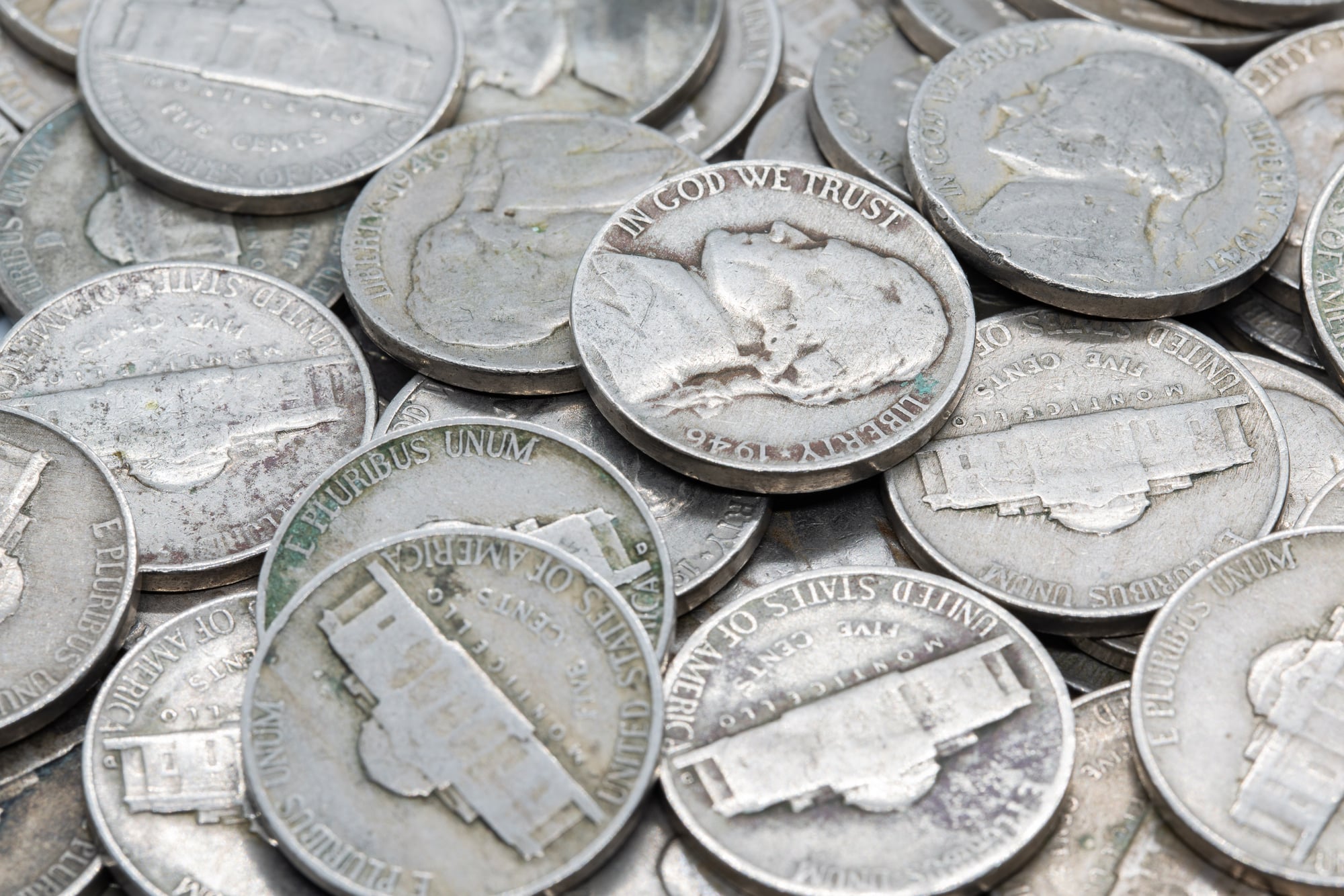
Buffalo nickels featured a bison on the reverse, and normally that bison had four legs.
But at the Denver mint in 1937, an over-polished die removed most of the buffalo’s front leg, creating what collectors call the “three-legged” variety.
It sounds like the setup to a joke, but these coins are worth $500 to $15,000.
The missing leg is obvious once pointed out, but easy to miss if you’re not specifically looking for it.
1942/1 Mercury Dime
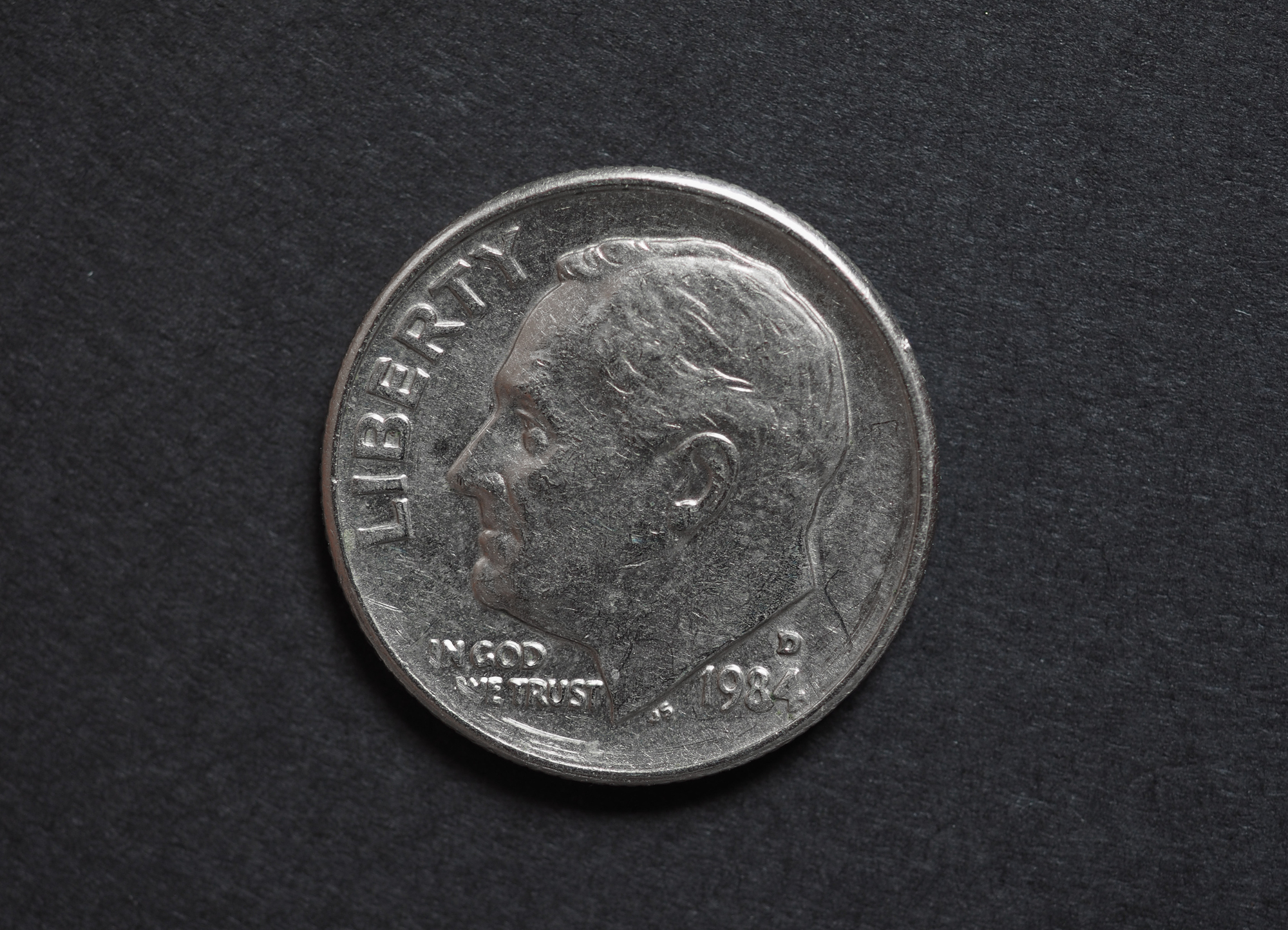
Mistakes at the U.S. Mint sometimes layer one year over another when dies get reused or modified incorrectly.
The 1942/1 Mercury dime shows traces of “1” underneath the “2” in the date — a ghost of the previous year showing through like old wallpaper showing under fresh paint.
These overdate errors fascinate collectors not just for their rarity but for the glimpse they provide into the mint’s normally precise operations going slightly awry.
When that precision falters, the result can be worth $300 to $3,000 depending on how clearly the underdate shows and how well the coin has survived the decades since leaving the mint.
1914-D Lincoln Cent
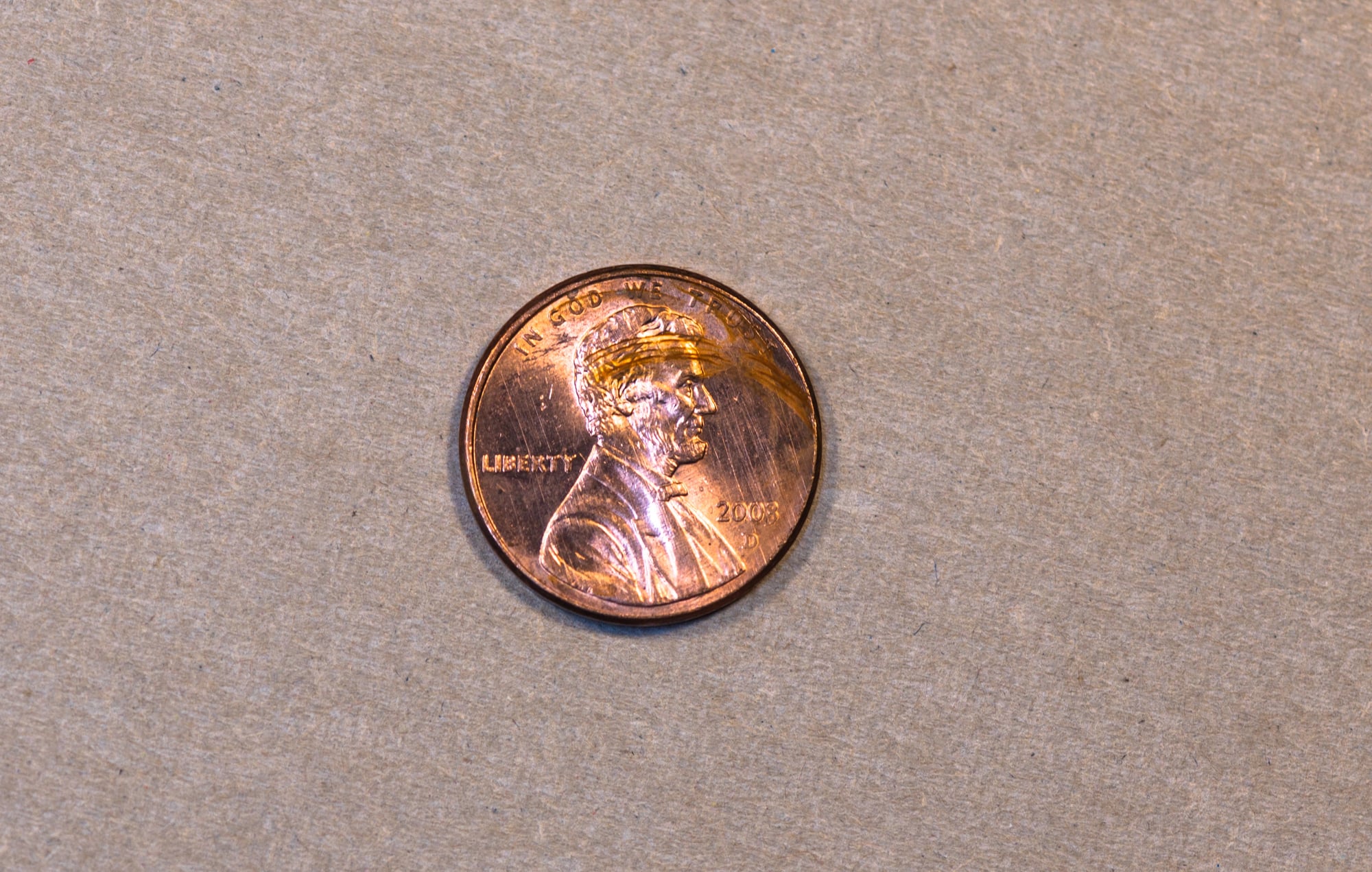
The 1914-D Lincoln cent represents one of the key dates in the Lincoln cent series.
Only 1,193,000 were minted in Denver that year, making surviving examples scarce in any condition.
In circulated condition, these cents are worth $200 to $3,000, while pristine examples command much more.
The “D” mint mark appears below the date on the front of the coin.
1893-S Morgan Silver Dollar
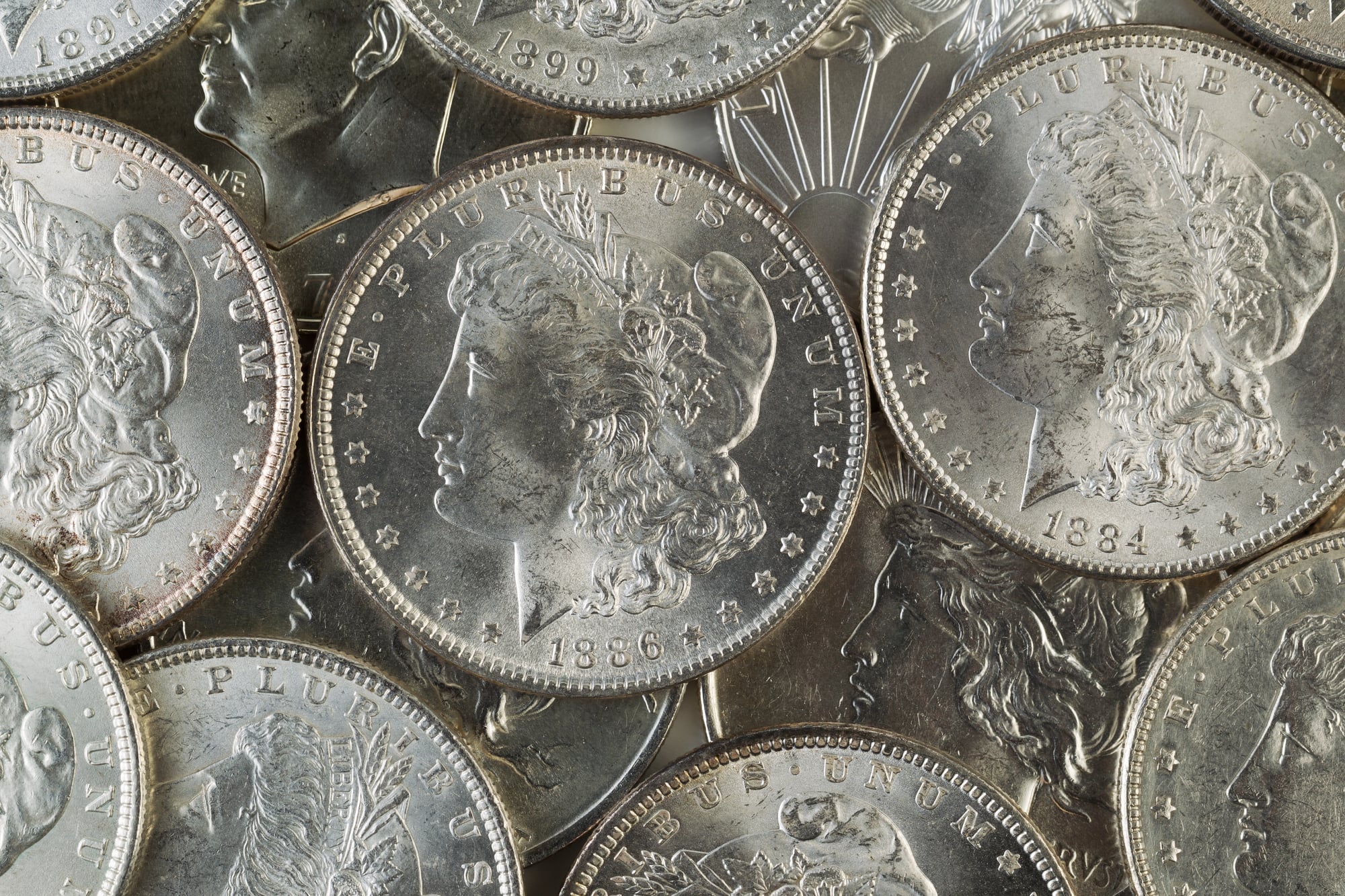
Morgan silver dollars stopped circulating decades ago, but occasionally one surfaces in an old collection or inherited change jar.
The 1893-S is the key date of the entire Morgan dollar series, with only 100,000 minted in San Francisco.
These dollars are worth $3,000 to $500,000 depending on condition.
Finding one would be like discovering a Rothko painting at a garage sale — theoretically possible, practically unlikely, but valuable enough to make checking worthwhile.
1909-S VDB Lincoln Cent
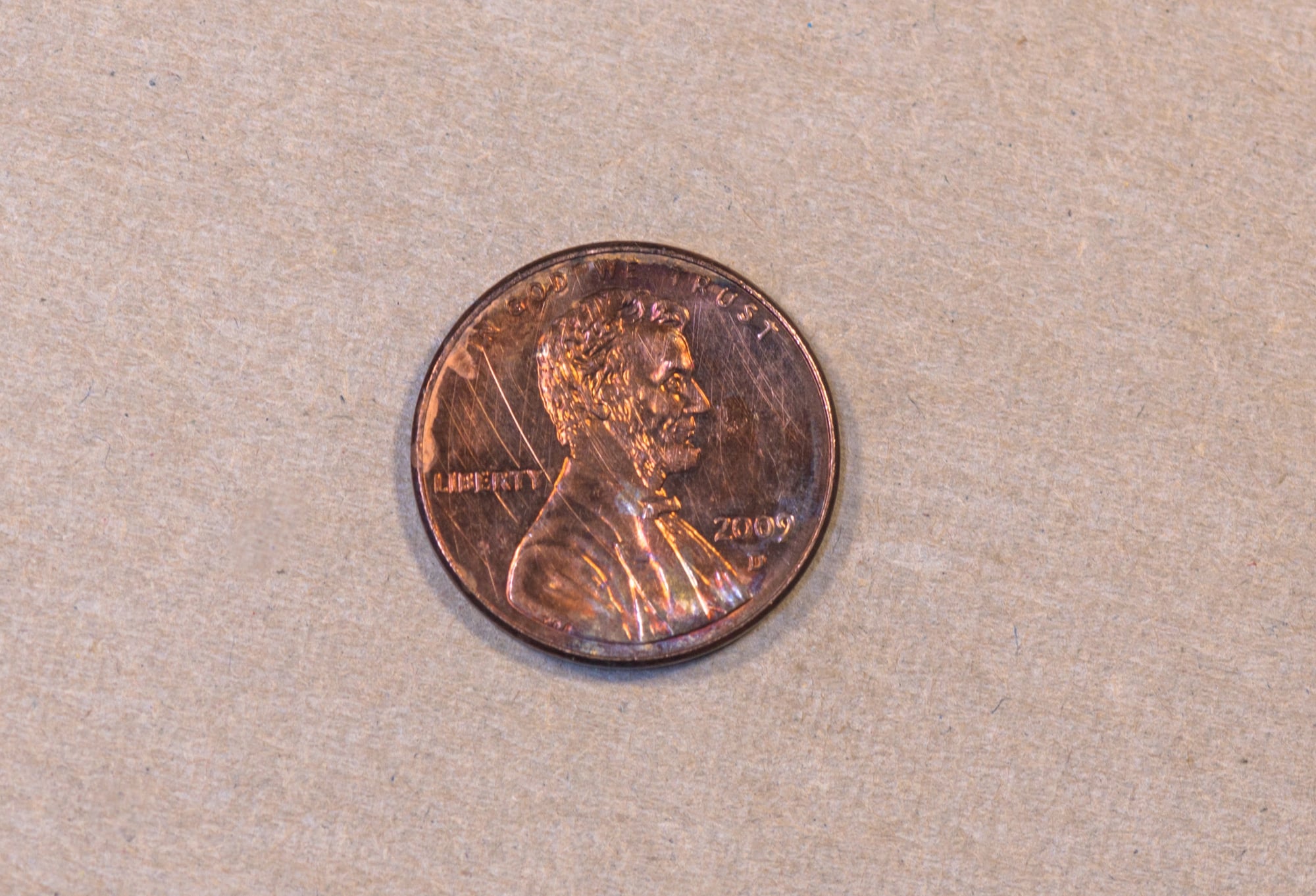
The very first year of Lincoln cents produced what many consider the holy grail of penny collecting.
The 1909-S VDB features the designer’s initials (Victor David Brenner) prominently on the reverse, which caused controversy and led to their quick removal (apparently people had strong opinions about font size and initial placement in 1909, which seems quaint now but created lasting rarity).
So the San Francisco mint produced only 484,000 of these pennies before the design changed, making them worth $700 to $100,000 today depending on condition, and every penny collector dreams of finding one in circulation even though the odds approach those of being struck by lightning while winning the lottery.
1916 Standing Liberty Quarter
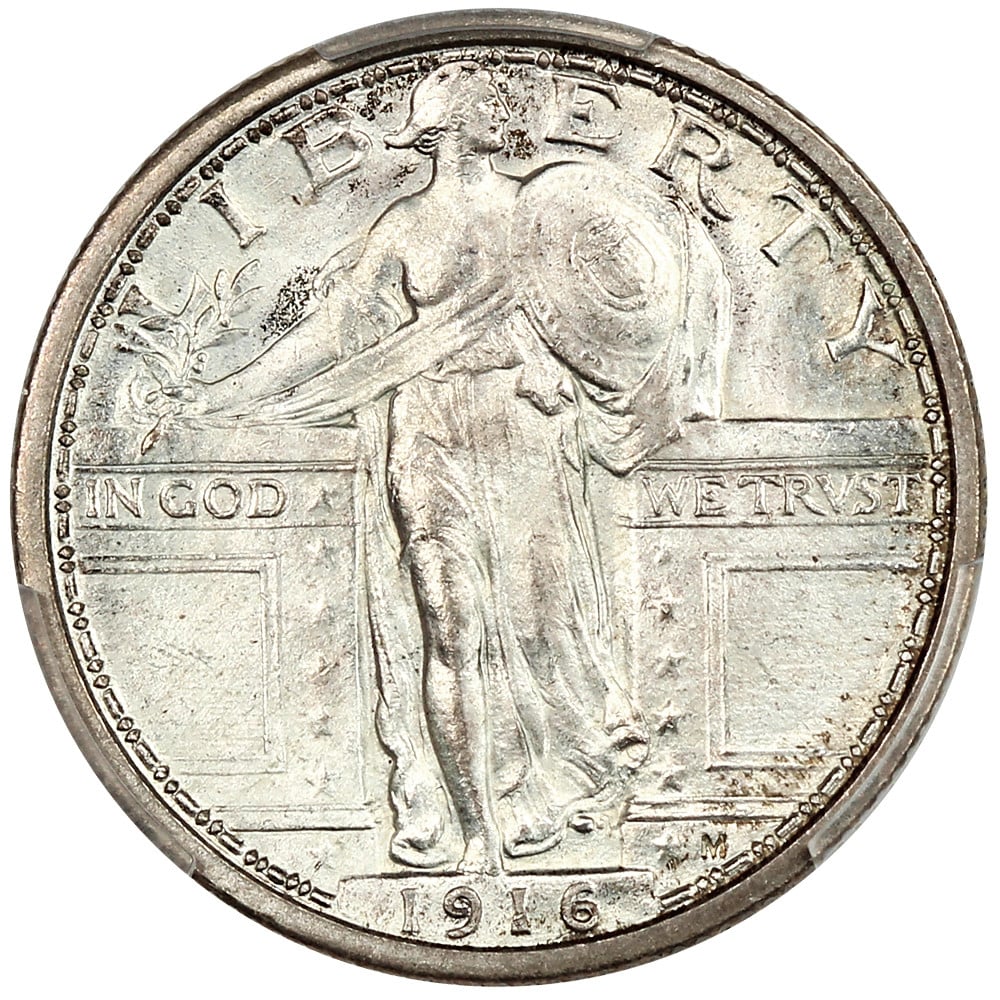
Standing Liberty quarters had a short production run, making early dates valuable.
The 1916 version, the first year of the design, had a mintage of only 52,000 coins.
These quarters show Lady Liberty standing behind a shield, and finding one in pocket change would be extraordinary.
Values range from $3,000 to $30,000 for circulated examples.
The design was considered controversial at the time due to Liberty’s exposed breast, leading to modifications in later years.
1877 Indian Head Penny
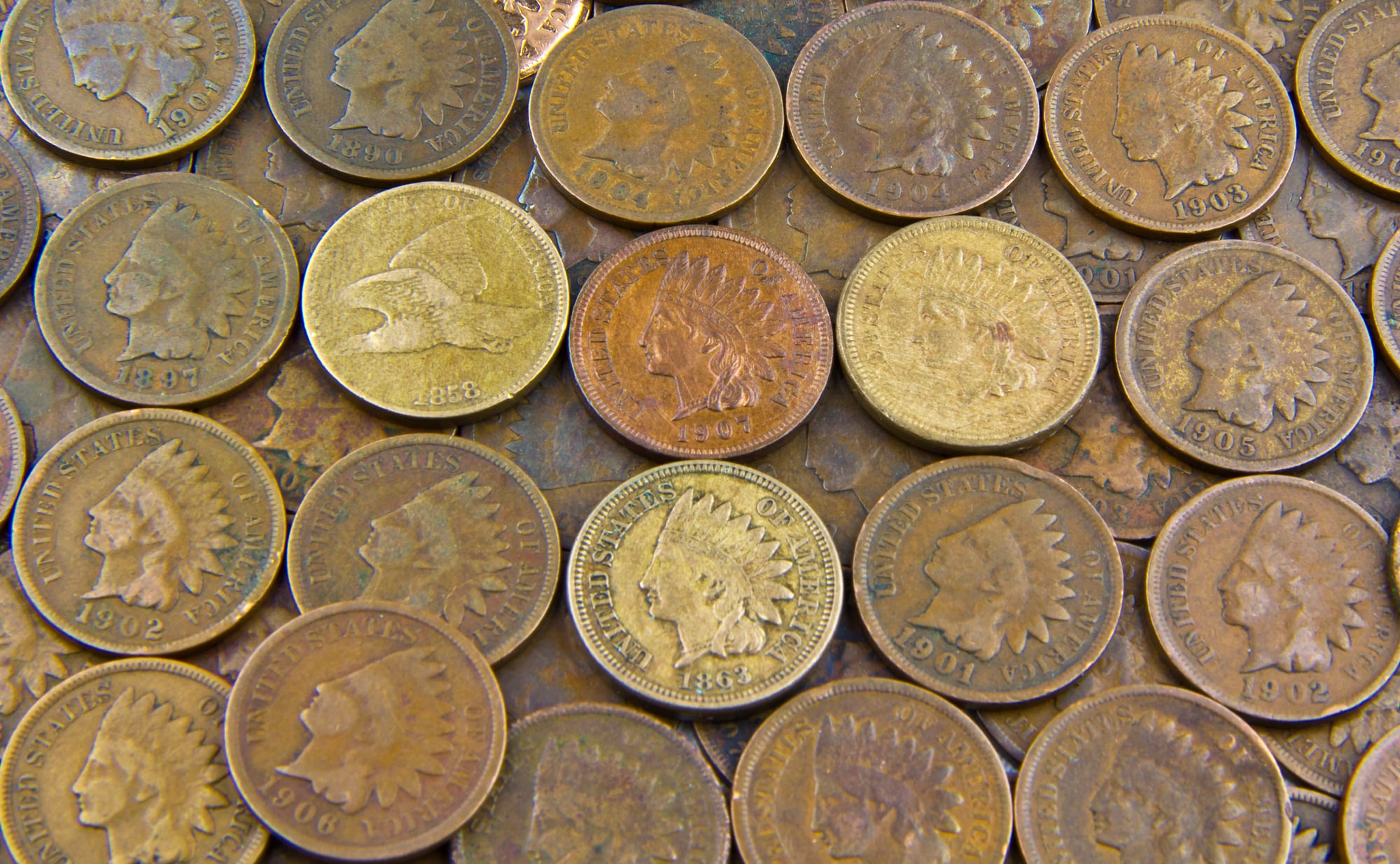
Indian Head pennies disappeared from circulation long ago, but they occasionally turn up in old collections that get spent by unknowing heirs.
The 1877 Indian Head penny had the lowest mintage of the series at 852,500 coins.
These pennies are instantly recognizable by Lady Liberty wearing a Native American headdress, and the 1877 date makes them worth $900 to $10,000 in average condition.
1931-S Lincoln Cent
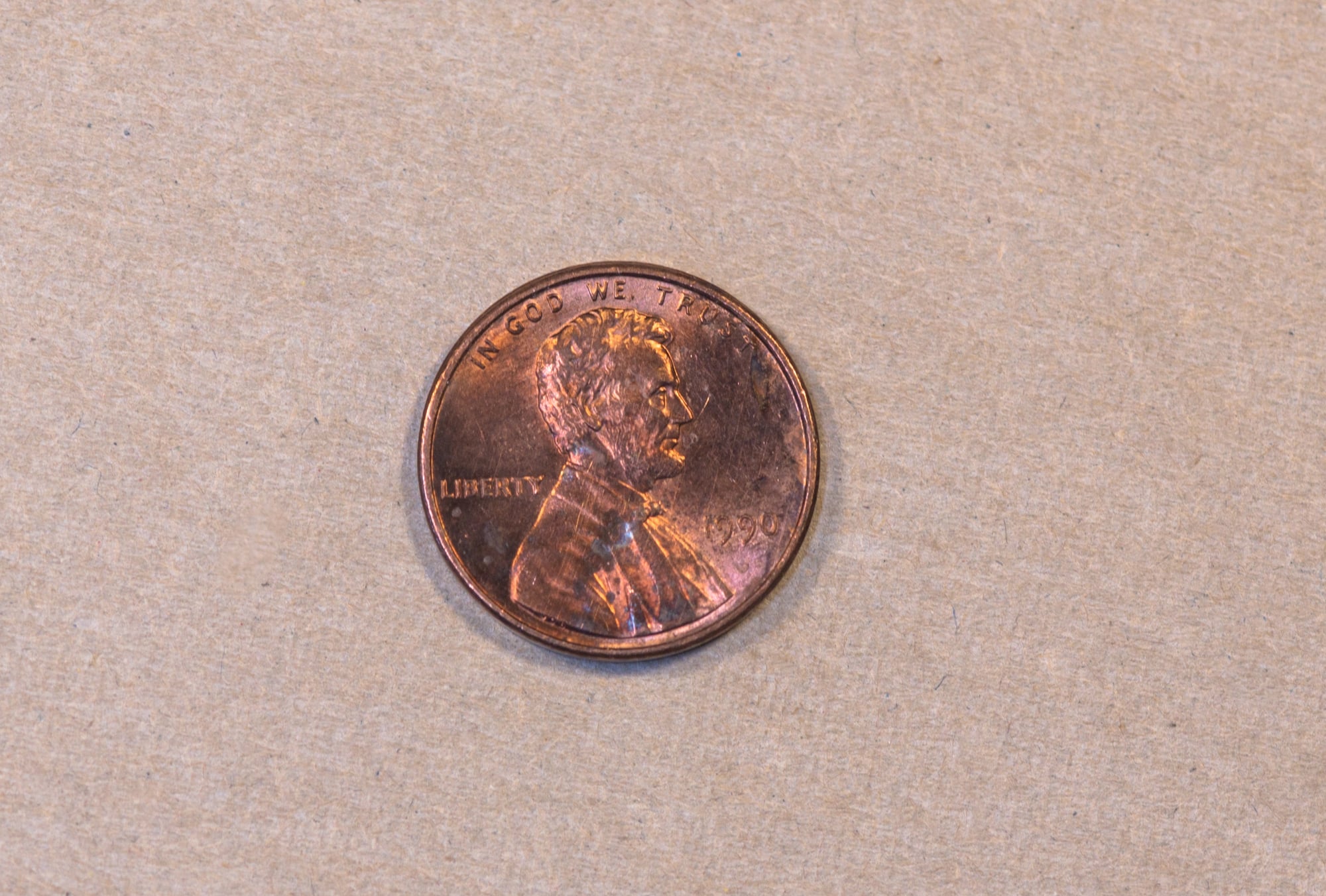
During the Great Depression, coin production decreased dramatically as people hoarded money rather than spending it.
The 1931-S Lincoln cent reflects this scarcity with a mintage of only 866,000 — tiny by penny standards.
These cents are worth $100 to $1,500 in circulated condition.
The “S” mint mark appears below the date, indicating production at the San Francisco mint during one of the most economically challenging periods in American history.
1924-D Lincoln Cent
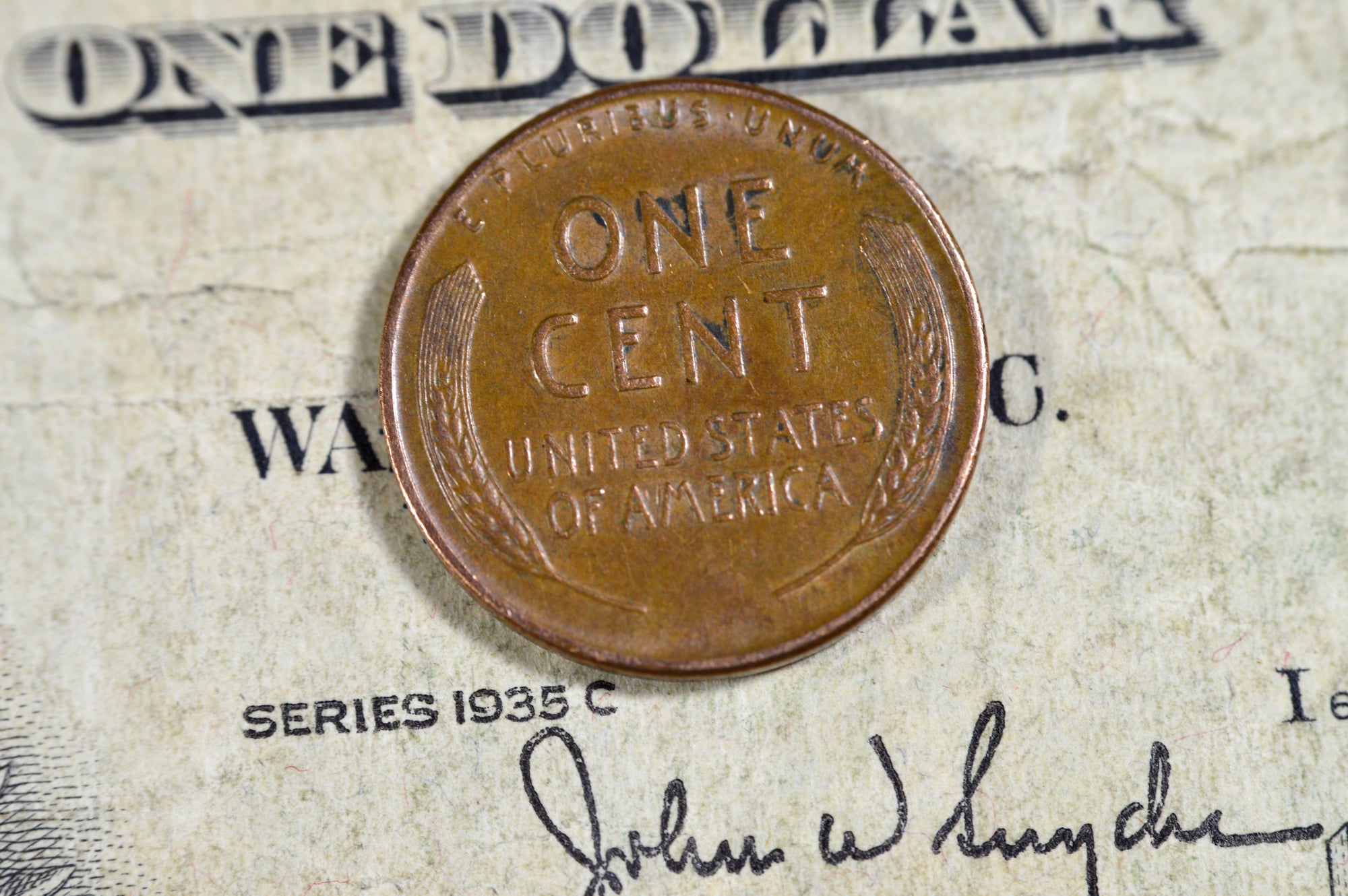
The Denver mint in 1924 produced only 2.5 million Lincoln cents, which sounds like a lot until compared to other years when production reached tens of millions.
This relative scarcity makes the 1924-D Lincoln cent worth $25 to $500 in average condition.
Finding one requires careful examination of the mint mark below the date, and most people who encounter these coins spend them without realizing their value.
Worth The Hunt
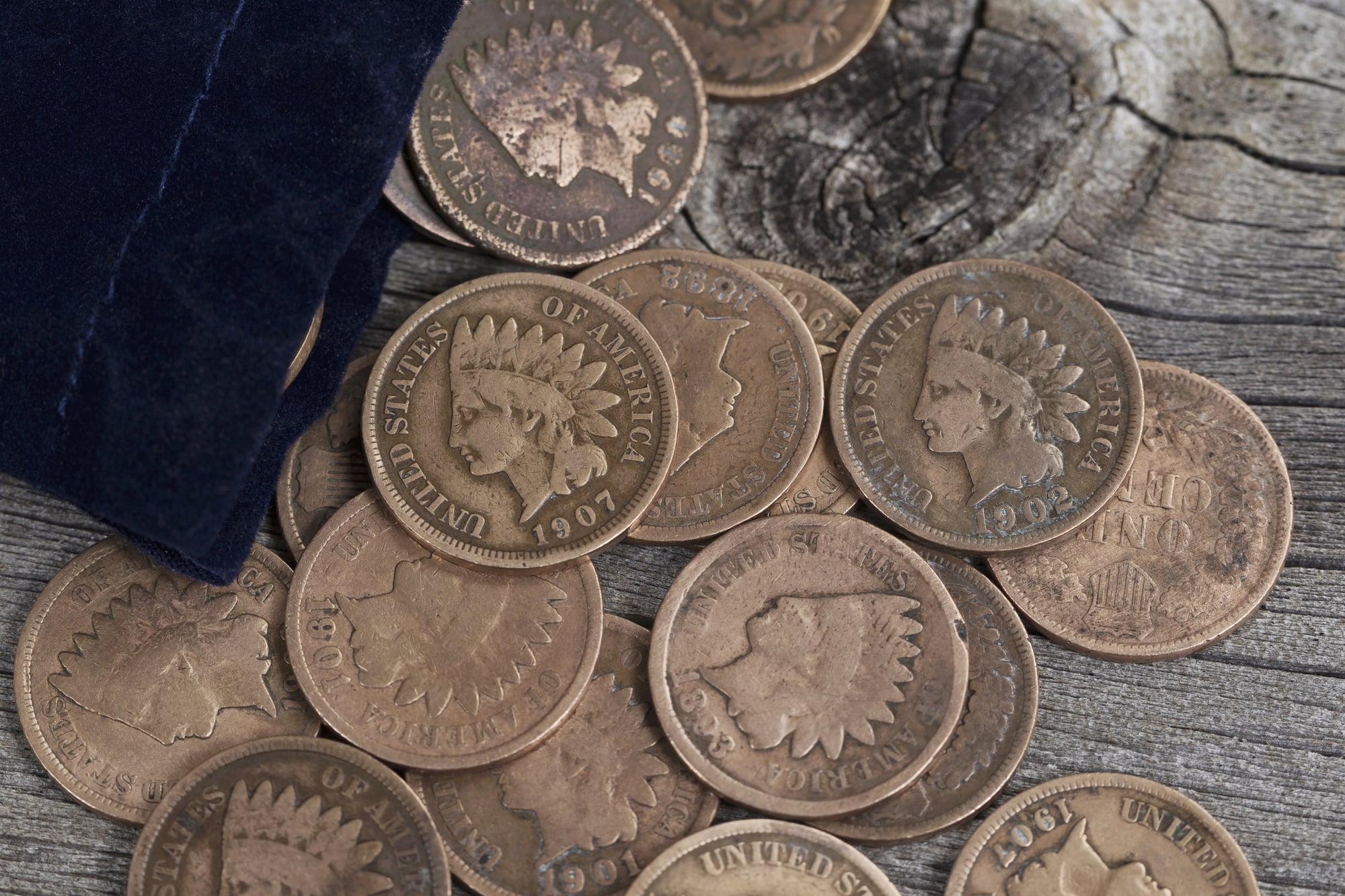
Checking your pocket change won’t make you rich, but it connects you to something bigger than the coins themselves.
Every penny and quarter carries the possibility of surprise, the chance that today might be different from yesterday.
The odds remain long, but the stakes are real enough to make looking worthwhile.
And there’s something satisfying about the idea that value hides everywhere, waiting for someone who bothers to pay attention.
More from Go2Tutors!

- The Romanov Crown Jewels and Their Tragic Fate
- 13 Historical Mysteries That Science Still Can’t Solve
- Famous Hoaxes That Fooled the World for Years
- 15 Child Stars with Tragic Adult Lives
- 16 Famous Jewelry Pieces in History
Like Go2Tutors’s content? Follow us on MSN.



