Reality Stars Who Launched Real Businesses
Watching reality TV used to be a guilty pleasure people whispered about. Now it’s practically required viewing if you want to keep up with pop culture.
But somewhere between the drama and the manufactured storylines, some of these stars figured out how to build actual businesses. Not just slapping their name on a product for a quick check, but creating companies that stick around and make real money.
The shift happened gradually. Early reality stars got famous and then disappeared.
The smart ones realized fame has an expiration date. They needed to build something that outlasted their fifteen minutes.
Kylie Jenner Turned Lip Kits Into A Billion-Dollar Brand
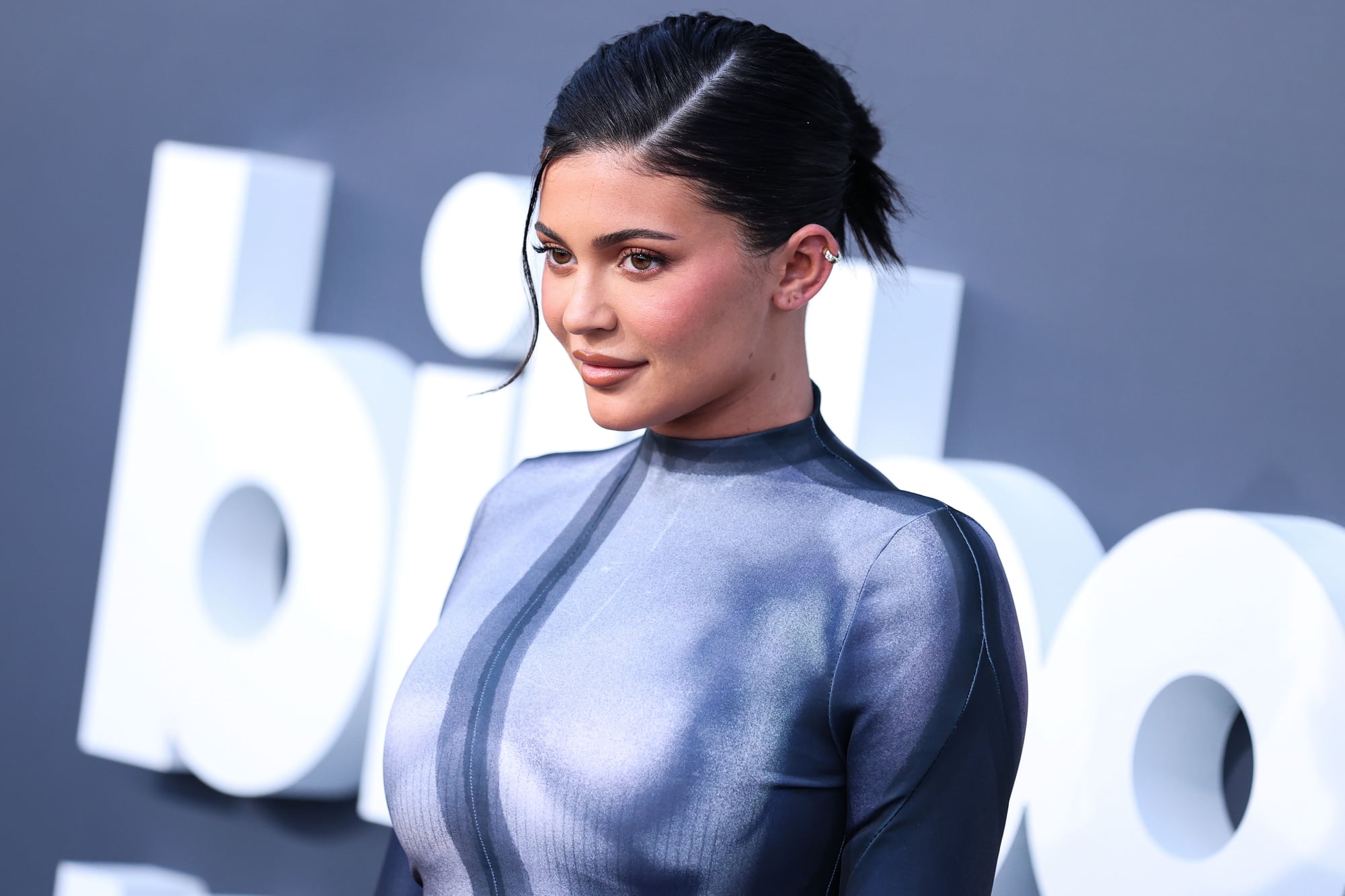
Kylie Cosmetics started with a simple idea. Kylie Jenner noticed people obsessing over her lips on social media.
She turned that attention into lip kits that sold out in minutes.
The business model was genius. She built her audience for free on Instagram, then launched products directly to them.
No middleman. No traditional retail markup. Just her talking to millions of followers about makeup they already wanted.
Forbes valued her company at nearly a billion dollars before she was 21. Whether that exact number holds up matters less than this: she built a real beauty empire that other celebrities now try to copy.
Jessica Alba Built The Honest Company From Parental Worry
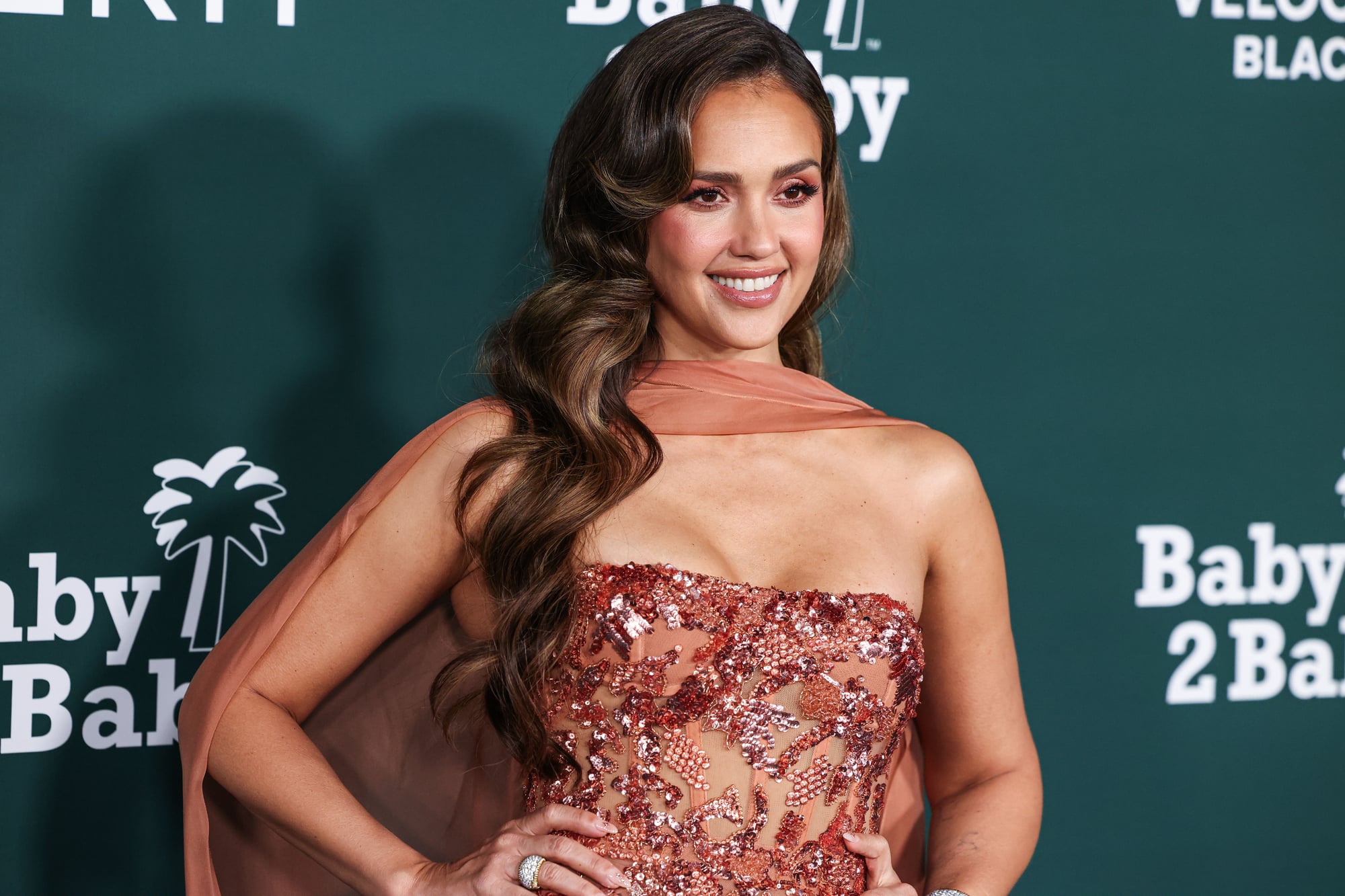
Alba’s path to business started when she became a mother. She worried about chemicals in baby products.
That worry turned into research, which turned into The Honest Company.
The company sells everything from diapers to cleaning supplies. Alba didn’t just license her name.
She learned about supply chains, manufacturing, and distribution. The company went through ups and downs, faced lawsuits, and dealt with growing pains.
But it survived and eventually went public.
The Honest Company hit a valuation of over a billion dollars at its peak. More importantly, it lasted longer than most celebrity brands because Alba treated it like an actual business, not a side project.
Lauren Conrad Created A Fashion Line That Outlasted Her Show
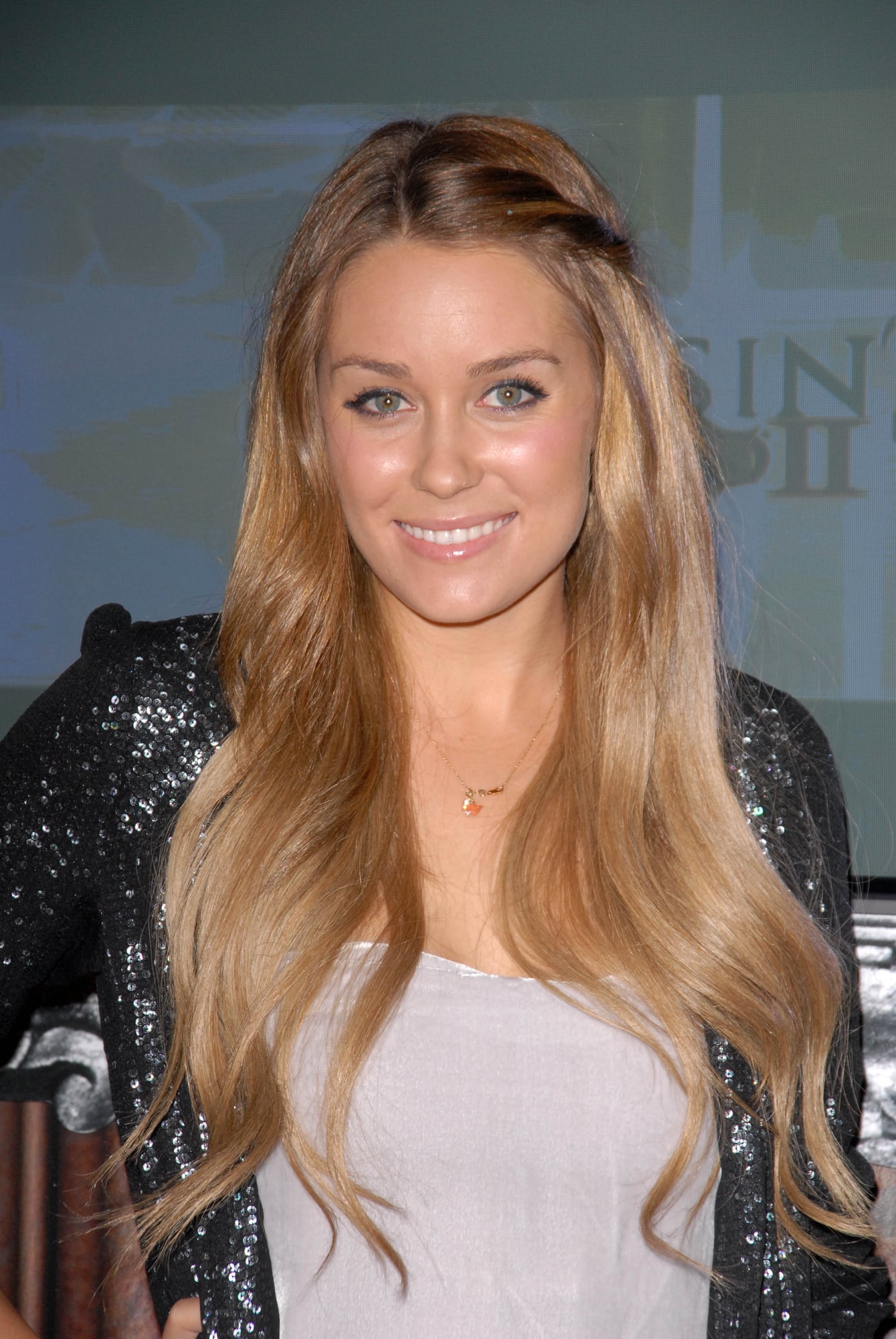
Conrad left “The Hills” and started designing clothes. LC Lauren Conrad launched at Kohl’s in 2009, back when department store partnerships seemed risky for reality stars.
She expanded into multiple collections. The designs stayed wearable and affordable.
Conrad understood her audience wanted clothes they could actually wear to work or on weekends, not just red carpet looks.
The line ran for over a decade. That’s longer than most celebrity fashion attempts survive.
Conrad proved reality stars could compete in fashion if they focused on what customers actually wanted to buy.
Bethenny Frankel Made Skinnygirl A Household Name
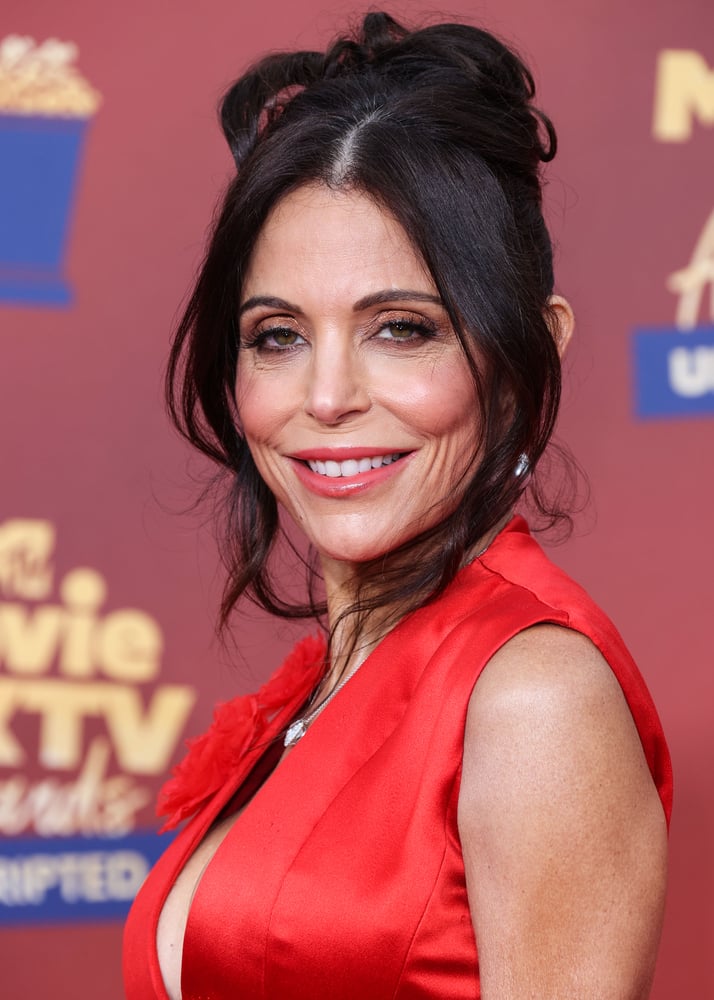
Frankel appeared on “The Real Housewives of New York” with a business already in the works. Skinnygirl Margarita launched in 2009.
The premise was simple: a lower-calorie cocktail that didn’t taste like diet.
She sold the brand to Beam Global for a reported $100 million in 2011. The number gets disputed, but the sale was real.
Frankel went from reality TV to liquor mogul in less than three years.
She didn’t stop there. Skinnygirl expanded into popcorn, salad dressing, and shapewear.
Some products worked better than others, but the brand became recognizable on its own.
Kandi Burruss Turned Bedroom Talk Into A Product Line
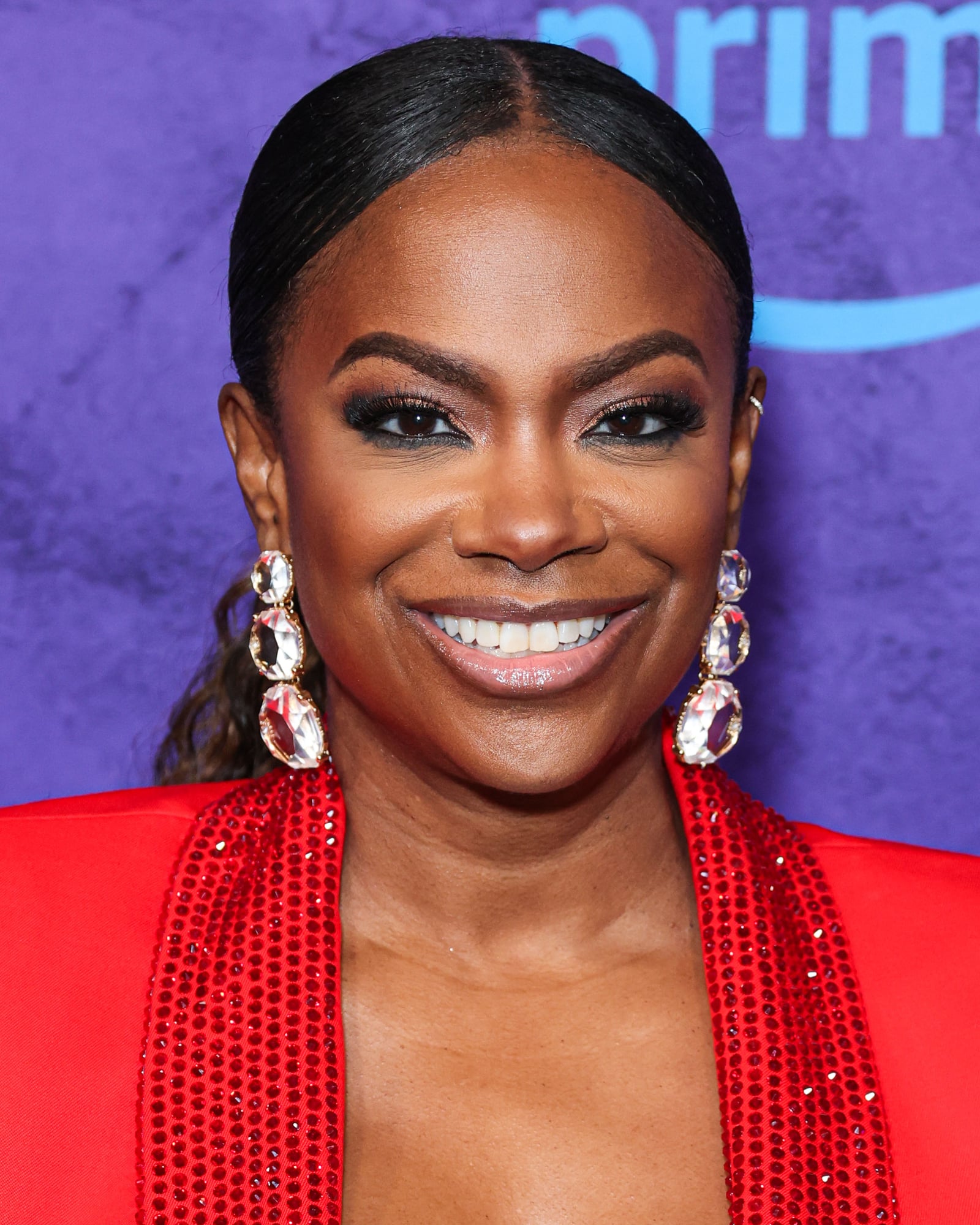
Burruss had a music career before reality TV. She joined “The Real Housewives of Atlanta” and started talking openly about relationships and intimacy on camera.
That honesty became the foundation for Bedroom Kandi.
The company sells adult products through home parties, similar to Tupperware. Burruss created a business that let people buy these products in a less awkward setting.
She franchised the model and built a network of consultants.
She also opened a restaurant in Atlanta, launched a clothing line, and invested in real estate. Burruss treats reality TV like a platform for multiple businesses, not the business itself.
The Kardashians Turned Fame Into An Empire
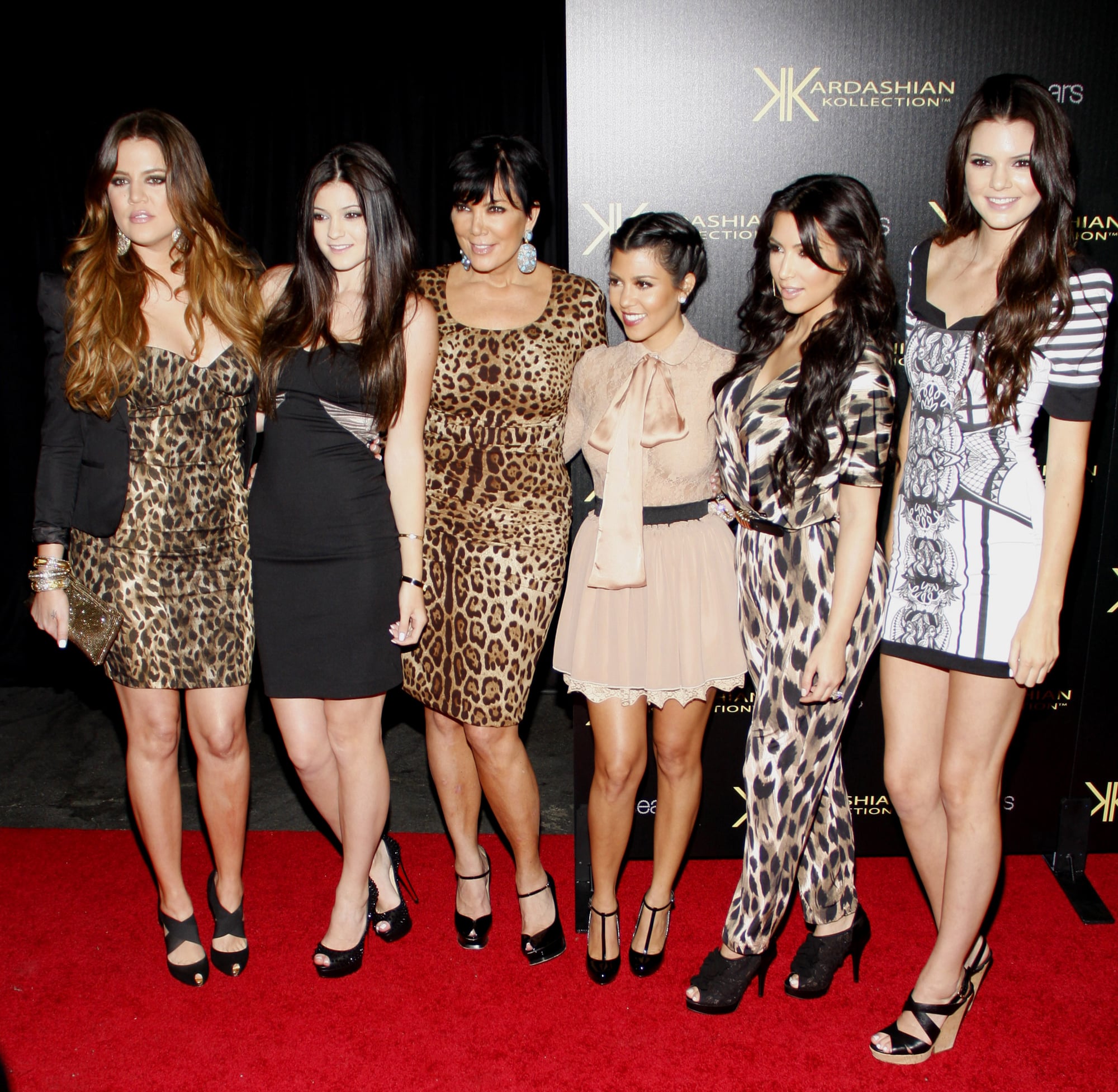
You can’t write about reality stars in business without mentioning the Kardashians. Kim built KKW Beauty and Skims.
Khloe launched Good American denim. Kourtney started Poosh.
They all used the same playbook: massive social media reach plus actual products people wanted.
Skims deserves special attention. Kim’s shapewear company hit a $4 billion valuation in 2023.
The products work. The sizing is inclusive.
The marketing is smart. It’s not just famous people who sell stuff.
It’s a legitimate competitor in the shapewear space.
Critics love to dismiss the Kardashians as famous for nothing. But building multiple businesses that each hit nine or ten figures requires more than just being on TV.
They understood branding, marketing, and product development better than most Harvard MBAs.
Nicole Polizzi Built A Brand Beyond The Guidette Persona
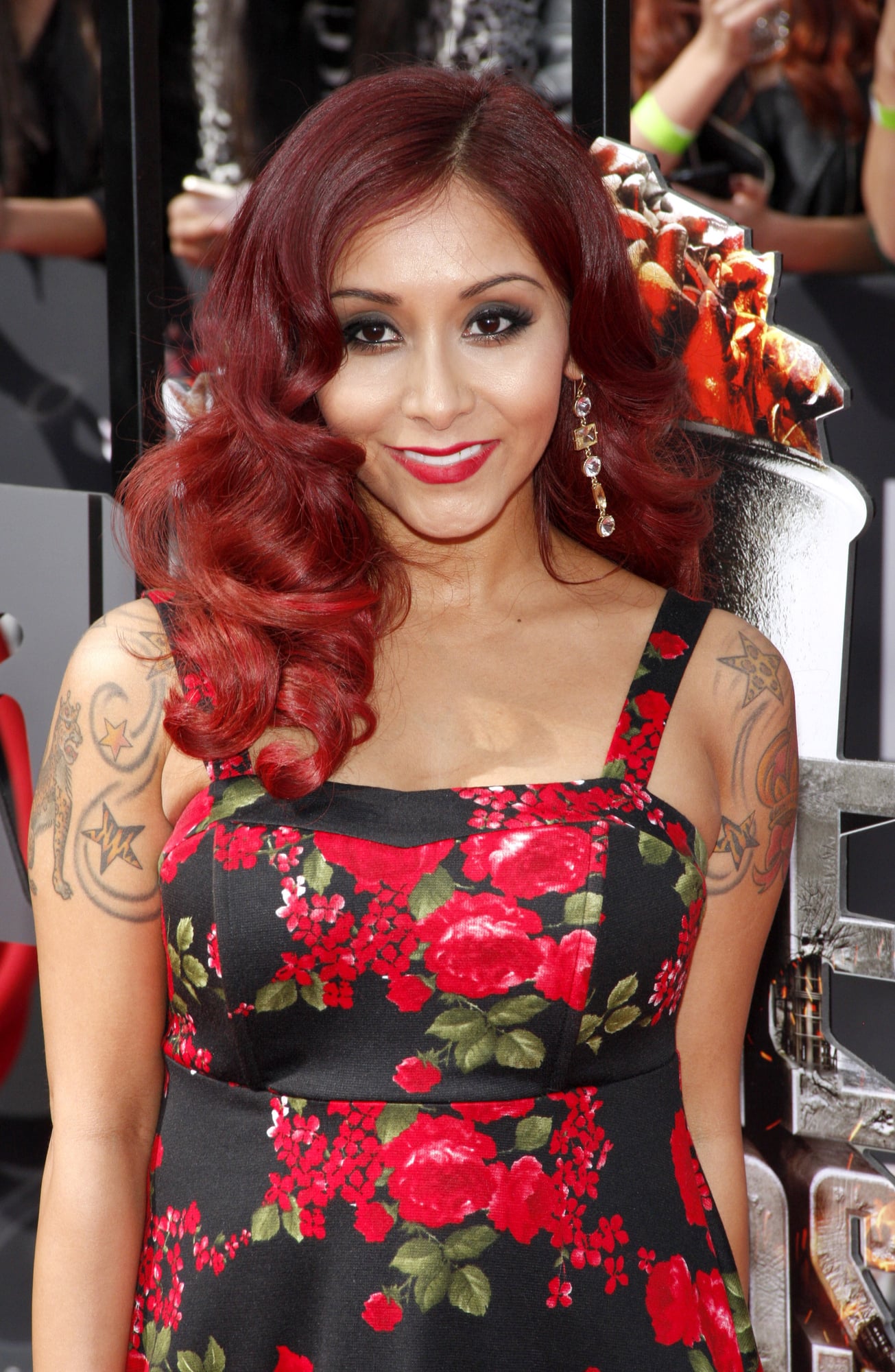
Snooki became famous for partying on “Jersey Shore.” Then she sobered up, had kids, and launched businesses.
Her fashion boutique, clothing line, and tanning products all targeted the same demographic that watched her on TV.
The key was authenticity. She didn’t pretend to be someone she wasn’t.
Her customers wanted affordable, fun fashion that matched her personality. She gave them exactly that.
She also wrote books and launched a podcast. Multiple revenue streams meant she wasn’t dependent on any single product or platform.
When Jersey Shore ended, her businesses kept running.
Whitney Port Designed Clothes While The Cameras Rolled
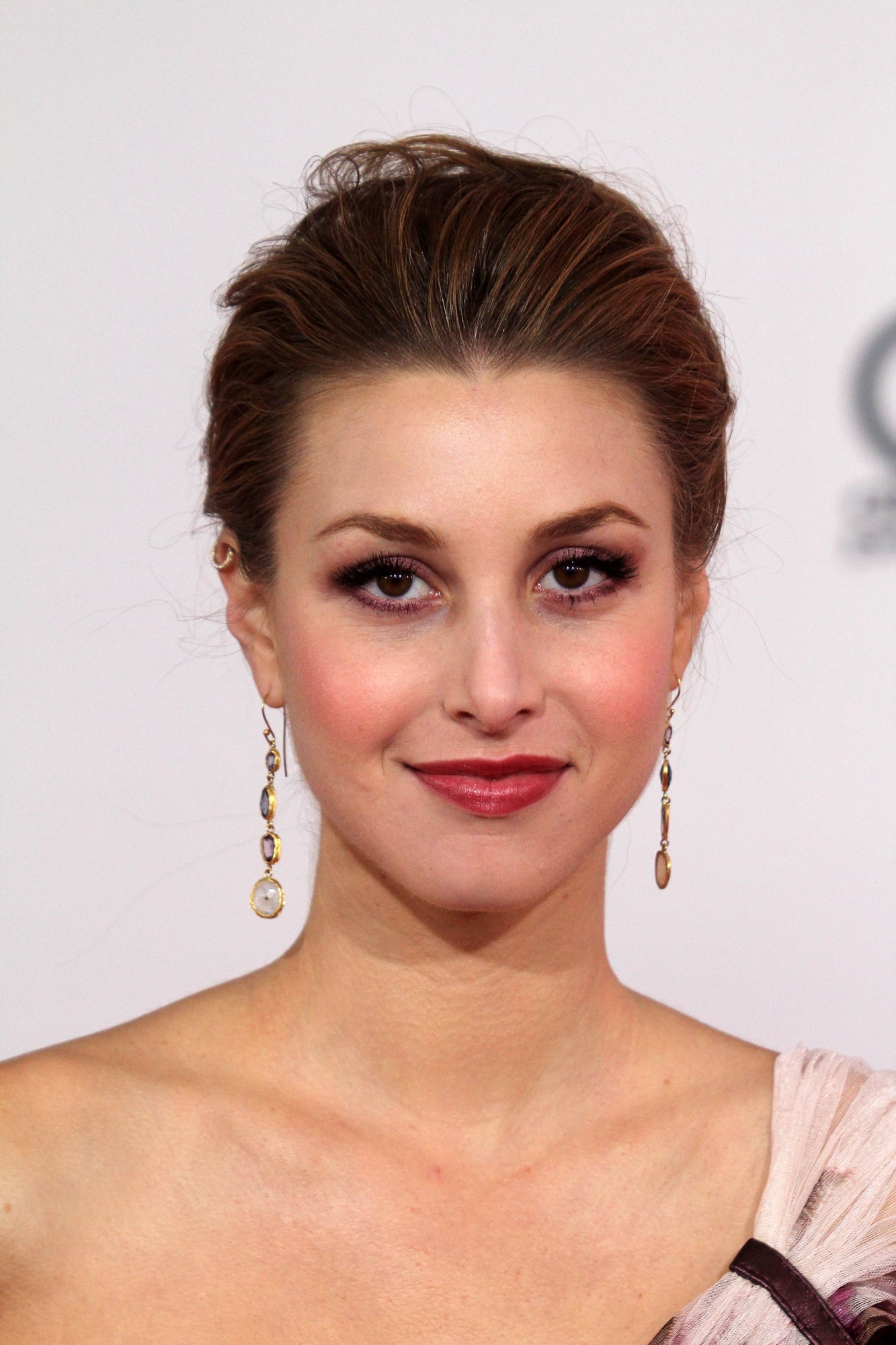
Port launched Whitney Eve while appearing on “The City.” Viewers literally watched her design process on the show.
That transparency built trust with potential customers.
The line sold at department stores and boutiques. Port understood construction, fabrics, and fit.
She had actual design training, not just a famous name. The business ran for several years before she shifted focus to other ventures.
Her approach showed that reality TV could document a real business journey, not just manufacture drama around one.
Spencer Pratt And Heidi Montag Found Success In Crystals
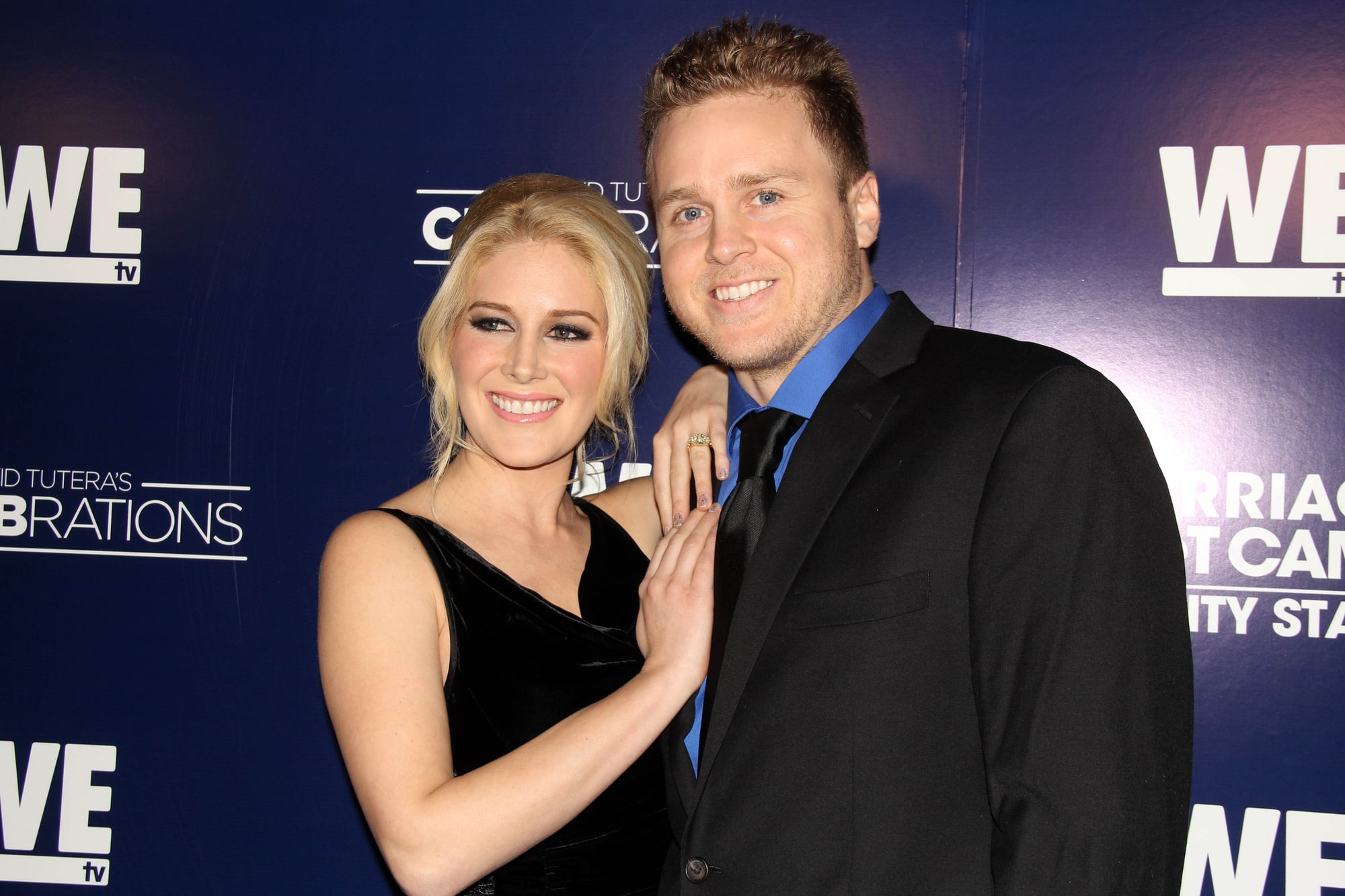
Pratt and Montag became tabloid fixtures during “The Hills.” They spent their money and went broke.
Then Pratt got really into crystals during the pandemic. What started as a personal obsession became Pratt Daddy Crystals.
He sells healing crystals and related products on social media. The business works because Pratt is genuinely enthusiastic about it.
His TikTok videos are unhinged in the best way. People buy because they’re entertained and because the products are decent quality.
It’s a smaller operation than some other businesses on this list. But it’s profitable, growing, and completely self-funded through social media marketing.
Lisa Vanderpump Expanded Her Restaurant Empire
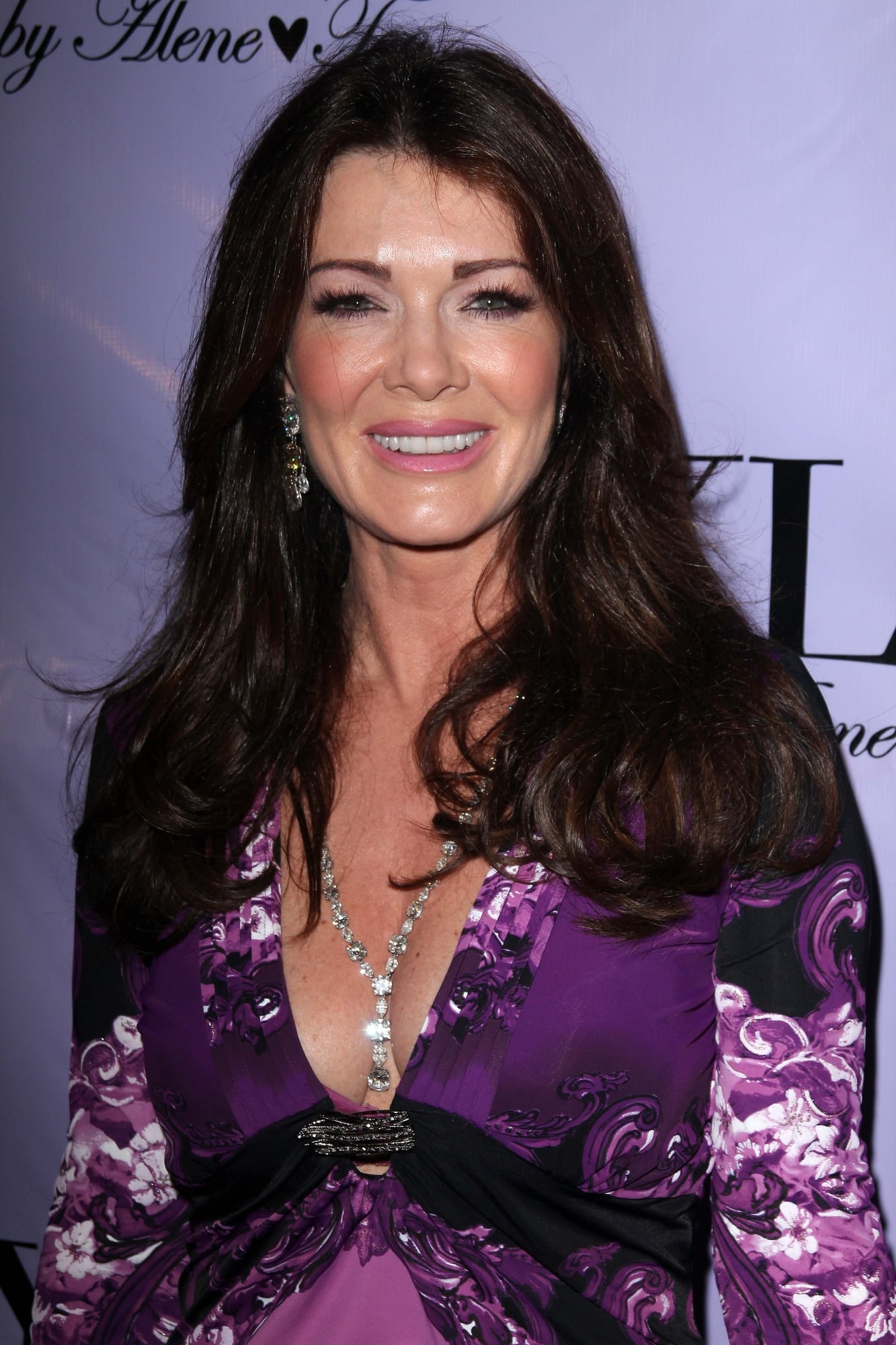
Vanderpump came to “The Real Housewives of Beverly Hills” as an established restaurateur. The show made her more famous, which helped her open more restaurants and launch Vanderpump Rules.
SUR, PUMP, and TomTom became destinations in West Hollywood. The restaurants work because the food is good and the atmosphere delivers.
Fame helped, but bad food would have killed the businesses regardless of TV exposure.
She also has a rosé brand and a vodka. The alcohol business is crowded with celebrity names, but her products actually show up in restaurants and bars beyond just her own establishments.
Chip And Joanna Gaines Built Magnolia Into A Lifestyle Brand

“Fixer Upper” made them HGTV stars. They turned that into Magnolia, which includes a retail store, restaurant, real estate company, and media network.
The Magnolia Network launched on cable and streaming.
They own the real estate they renovate. They sell home goods, furniture, and paint.
They publish books and magazines. The business model is vertically integrated in a way most reality stars never achieve.
Waco, Texas became a tourist destination because of them. That kind of economic impact goes beyond personal wealth.
They changed an entire city’s trajectory.
Teresa Giudice Launched Products Between Legal Troubles
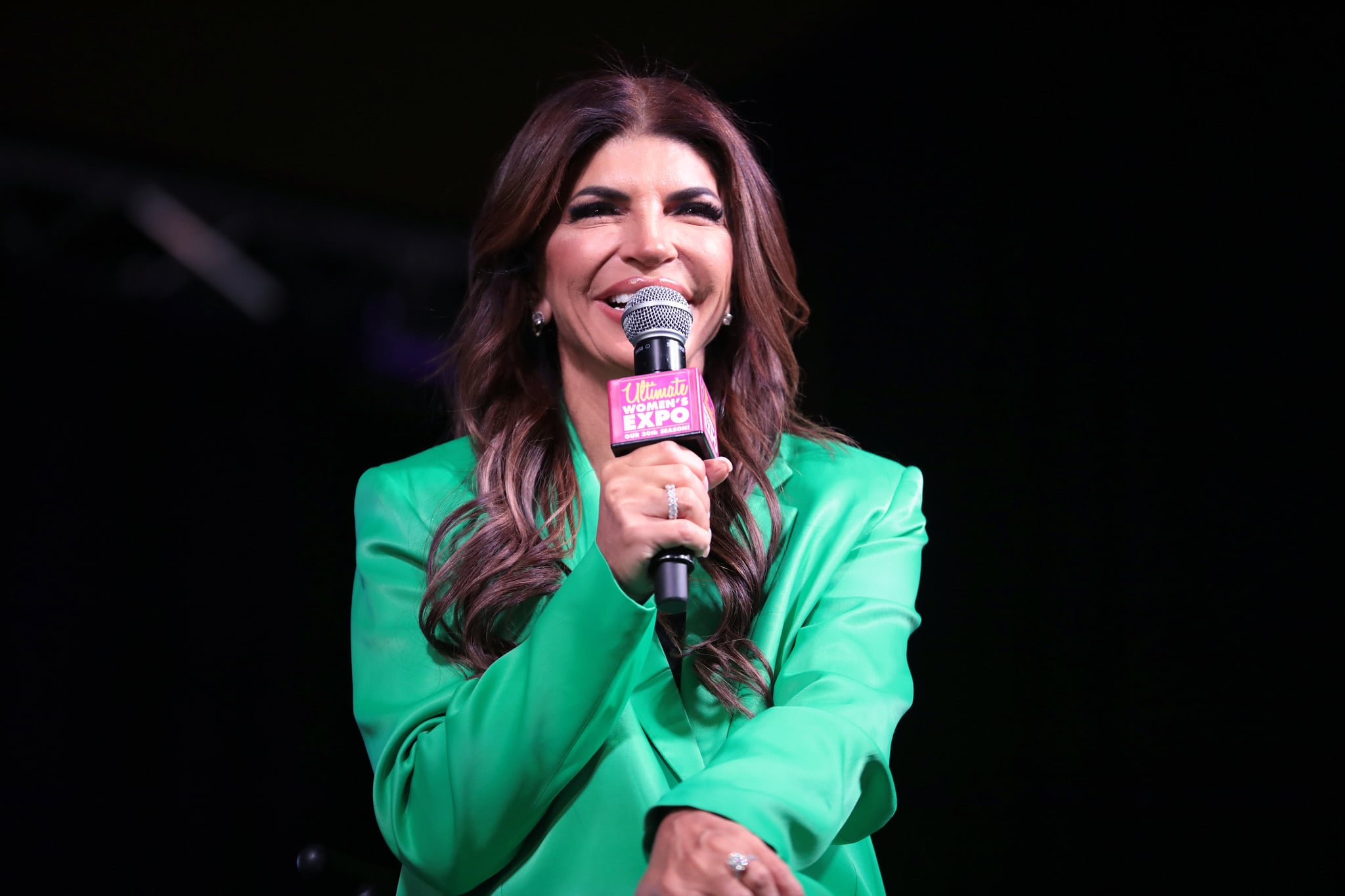
Giudice faced serious legal problems during her time on “Real Housewives of New Jersey.” She also launched Fabellini, a line of sparkling wines, and wrote cookbooks that became bestsellers.
Her businesses survived her prison sentence. That’s notable.
Most celebrity brands crater during scandals. Giudice’s fans stayed loyal and kept buying her products.
She understood her audience valued her personality and recipes more than they cared about her legal issues. The cookbooks sold because the recipes worked, not just because her name was on the cover.
Jamie Chung Invested In Real Estate And Startups
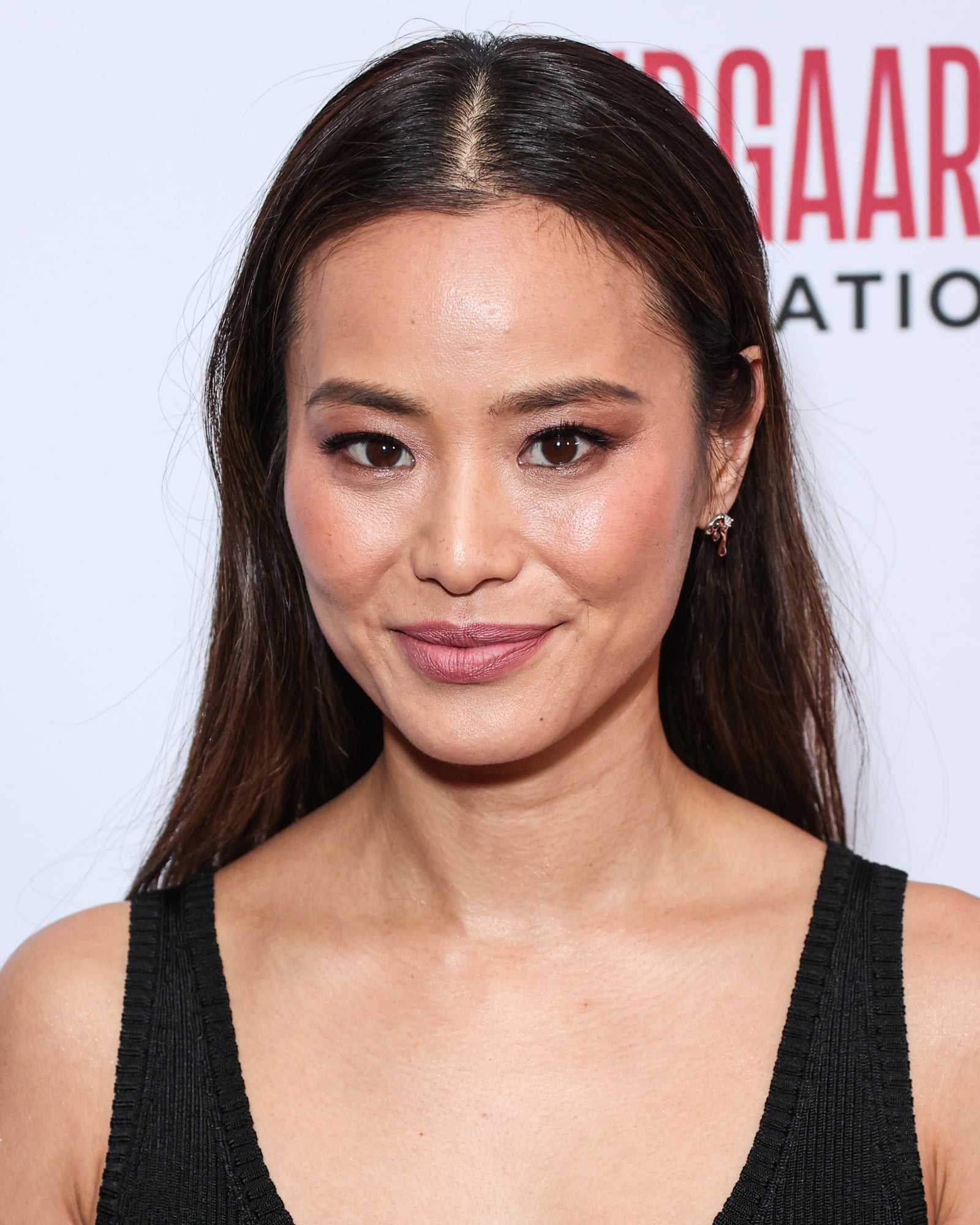
Chung started on “The Real World” before transitioning to acting. She took her reality TV money and invested it in Los Angeles real estate before prices skyrocketed.
Smart timing turned modest investments into serious assets.
She also invested in tech startups and beauty brands. Her portfolio approach meant she wasn’t betting everything on one business.
Some investments failed. Others paid off.
That’s how investing works.
Chung rarely talks about her business ventures in interviews. She keeps that part of her life private, which is probably why it works so well.
When The Cameras Stop Rolling

The reality stars who built lasting businesses share common traits. They treated fame like a resource with a shelf life.
They listened to their audience instead of assuming they knew better. They were willing to work on their businesses even when it wasn’t glamorous or camera-friendly.
Most importantly, they understood the difference between being famous and being valuable. Fame opens doors.
But if there’s nothing substantial on the other side of those doors, they close just as quickly.
The businesses that survived weren’t the ones with the biggest launches or the most press coverage. They were the ones that solved actual problems or filled real gaps in the market.
Reality TV provided the platform. The stars who built something real provided everything else.
More from Go2Tutors!

- The Romanov Crown Jewels and Their Tragic Fate
- 13 Historical Mysteries That Science Still Can’t Solve
- Famous Hoaxes That Fooled the World for Years
- 15 Child Stars with Tragic Adult Lives
- 16 Famous Jewelry Pieces in History
Like Go2Tutors’s content? Follow us on MSN.