Reasons Certain Recipes Survived Centuries While Others Disappeared
Recipes die the way species die—by failing to adapt or by becoming unnecessary. Most of what people ate in any given century has vanished completely, leaving no trace except in the oldest manuscripts or clay tablets, observed by scholars and remembered by nobody actually hungry.
The recipes that survived did so not because they were best or most elaborate, but because they solved problems that stayed constant across generations. Understanding which recipes persisted and why reveals something about human needs that transcends fashion or trend.
What separates a recipe that endured for millennia from one that disappeared within a generation rarely has to do with how it tastes. Survival in cooking depends on portability, preservation, documentation, availability of ingredients, cultural meaning, and the kind of transmission that happens in kitchens before written language gets involved.
The oldest recipes still made today are those that made sense in their moment and kept making sense in moments that followed, through wars and migrations and the complete reorganization of how people lived.
Portability Made Survival Inevitable
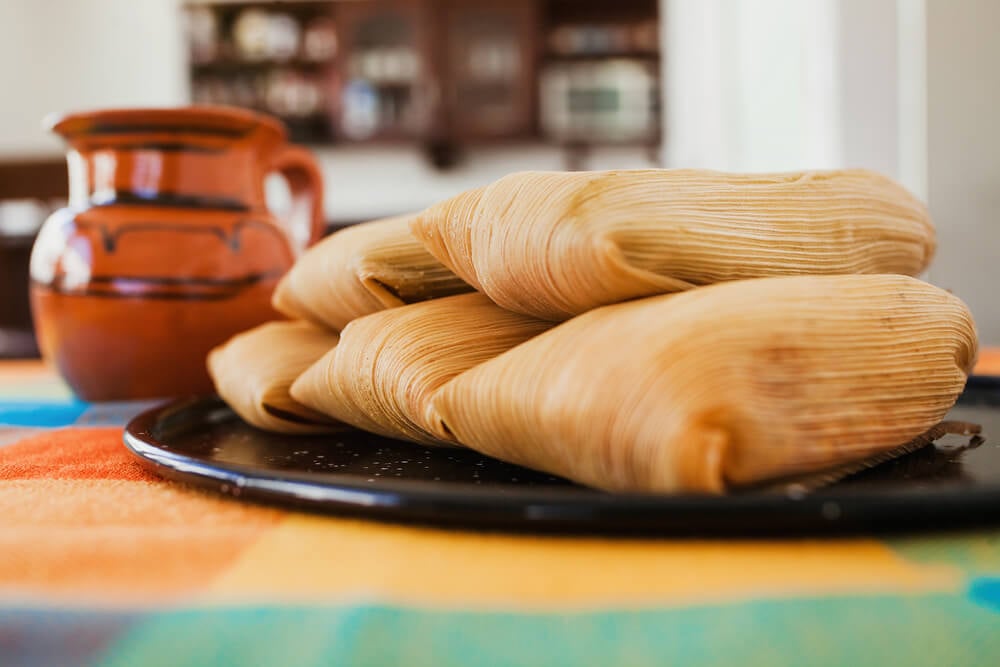
Tamales survived from pre-Columbian Mesoamerica to today because they were designed for travel. Warriors, traders, and hunters could carry parcels of corn dough filled with meat or vegetables, wrapped in corn husks and steamed until they stayed edible for days.
A recipe designed to be transported stays portable; a dish meant to be eaten immediately gets replaced by whatever suits the new moment. Portability is memory encoded into architecture.
Preservation Through Salt, Smoke, and Fermentation

Salt preserved meat. Smoke preserved fish.
Fermentation preserved vegetables and created entirely new flavors. Before refrigeration, these techniques weren’t options—they were survival.
Recipes using these preservation methods stayed alive because the ingredients themselves lasted. Dried and salted foods became the foundation for slow-cooked stews that filled bellies through winters.
A recipe requiring fresh ingredients available only in season disappeared. One that used preserved versions could be made whenever someone had hunger and access to storage.
Cheap Ingredients Meant Survival Through Scarcity
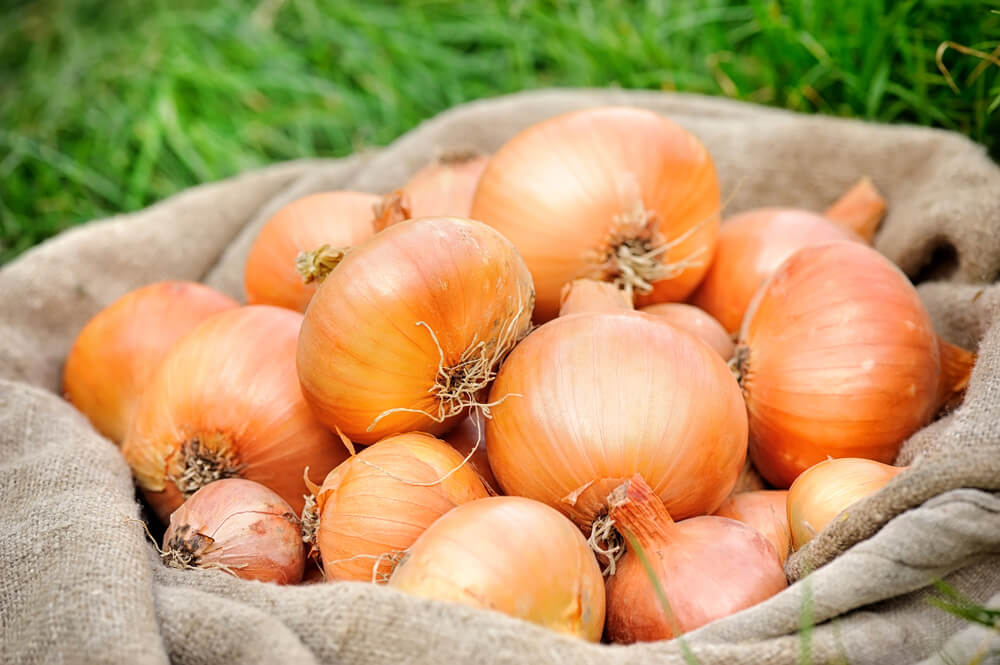
French onion soup existed not as a refined dish but as a solution to what was available: onions were cheap, accessible year-round, and could be stretched into something filling and hot. Recipes born from limitation outlasted recipes born from abundance.
When war came or crops failed, the dishes designed from constraint survived because they required nothing fancy. The recipes that vanished were often the ones created for wealth and celebration—perfectly fine in times of plenty, impossible when plenty ended.
Documentation Preserved Against Forgetting
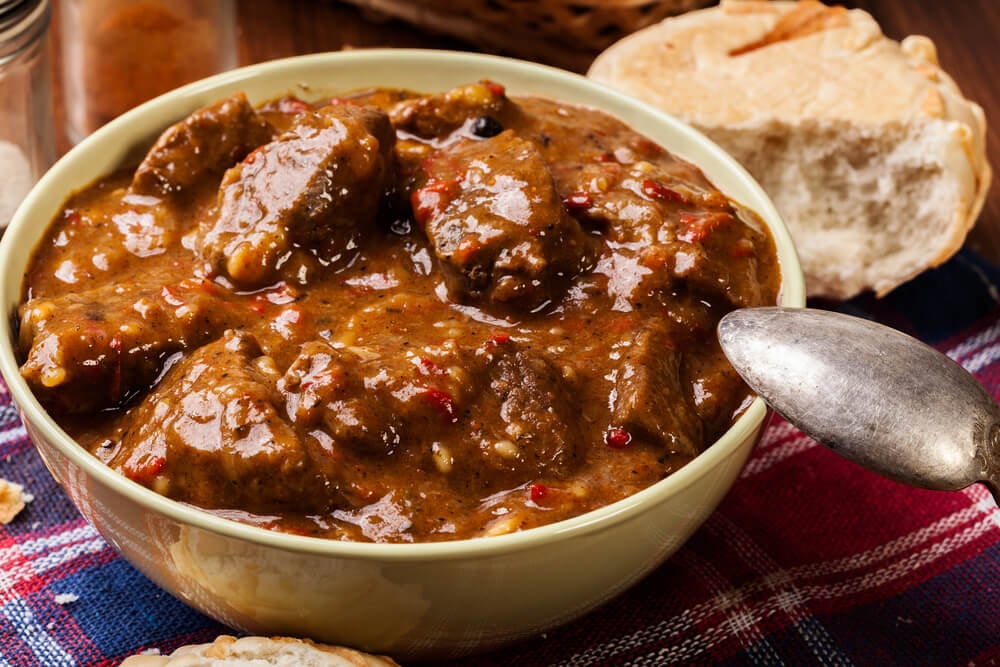
The Babylonian clay tablets from 1700 BCE preserved recipes for lamb stew. Apicius, the Roman cookbook with 400 recipes, survived in manuscript form and kept its dishes alive through copying and recopying.
Recipes that existed only in oral tradition, passed person to person without writing, depended entirely on unbroken family lines. One war, one generation without transmission, one departure to a new country where ingredients weren’t available, and the recipe was gone.
Documentation created redundancy. Writing made recipes immortal in ways that memory could never guarantee.
Geographic Fit Meant a Recipe Would Adapt, Not Disappear
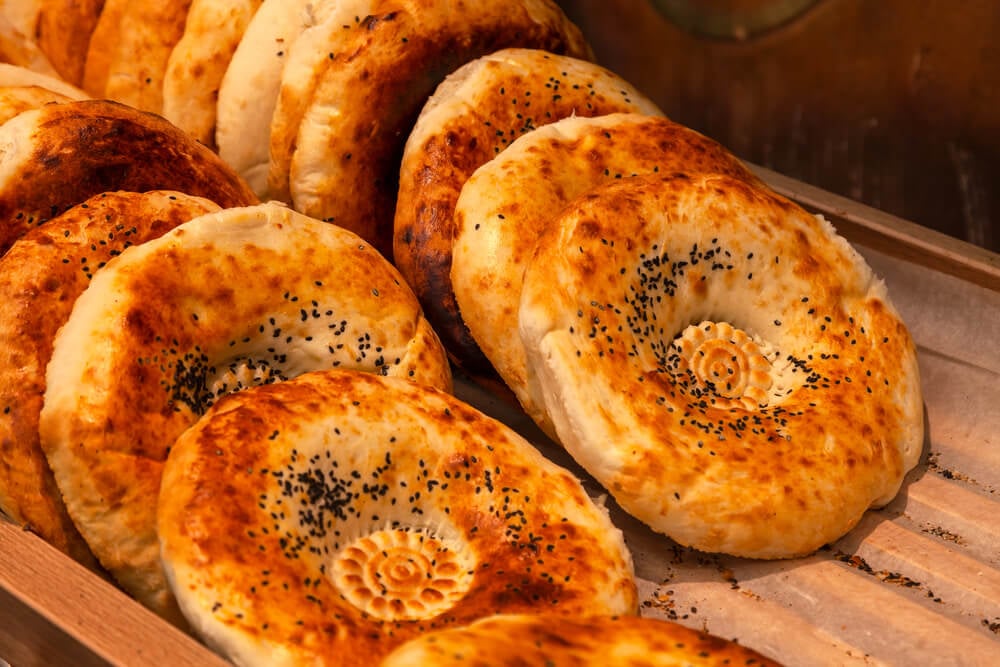
Flatbreads appeared in dry climates where certain grains grew reliably. Fermented foods developed in cold regions where preservation was essential for survival.
Spice-heavy dishes evolved in places where spices helped mask spoilage and mask limited food variety. These recipes survived because they weren’t accidental—they were solutions to geography.
A recipe perfectly suited to the land survived because the land kept providing its ingredients. Moving the recipe elsewhere required adapting it to local ingredients, which kept the core technique alive even as ingredients changed.
Religious Significance Gave Recipes Institutional Memory
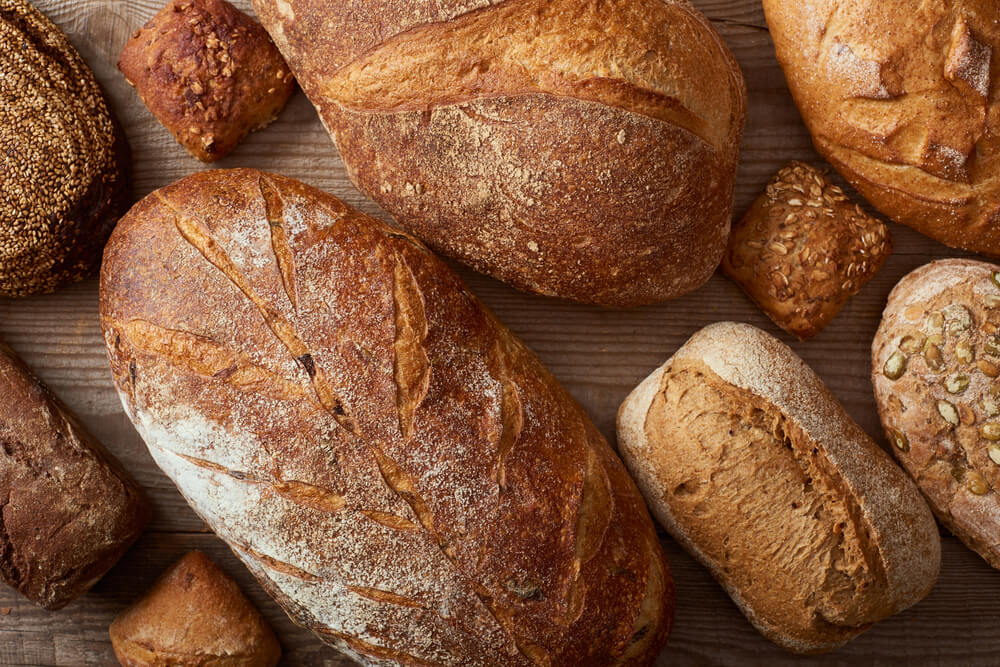
Monasteries preserved cooking techniques across the Middle Ages because monks needed consistent food. Bread baked in specified ways.
Wine fermented according to ritual. Jewish challah, Christian communion bread, Muslim preparations during Ramadan—religious practice meant that the same recipes were repeated on the same calendar, year after year, century after century.
The recipe wasn’t just food; it was practice, and practice was sacred. Nothing preserves a recipe like making it a ritual.
Versatility Meant the Recipe Had Multiple Lives
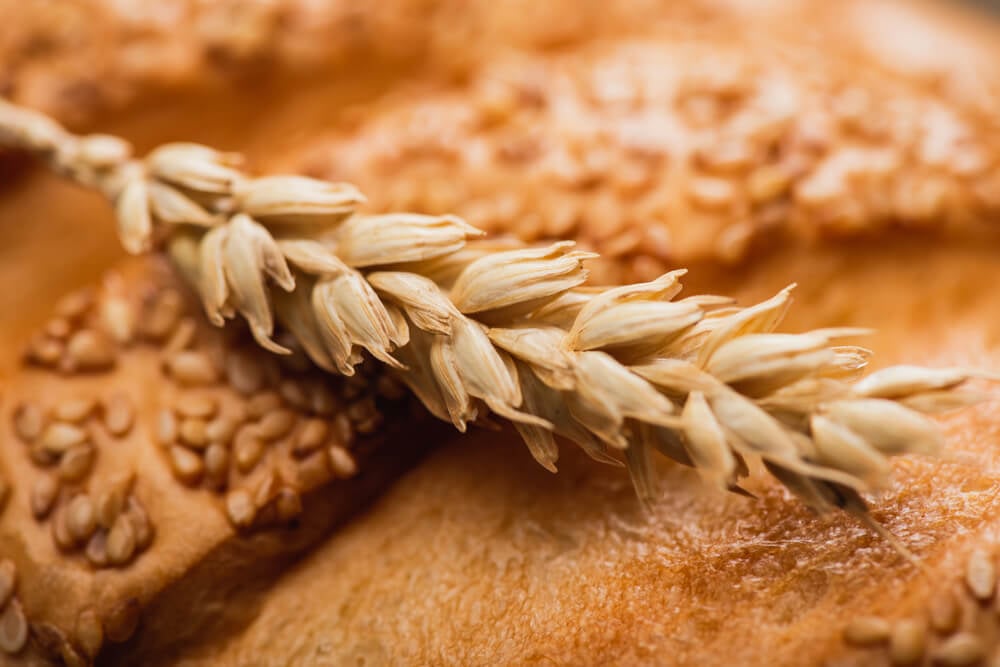
A grain could become bread, porridge, beer, or animal feed depending on conditions. Beans stretched into any number of dishes depending on what else was available.
A recipe relying on multiple uses for its core ingredients survived because even if one application failed, another remained viable. A recipe dependent on specific ingredients arranged in specific ways had only one life.
Versatility built redundancy into the food system.
Medicinal Reputation Made Recipes Persistent

Medieval and ancient cooks believed certain ingredients had healing properties. Ginger for warmth, garlic for illness, honey for cough.
Recipes built around these assumed medicinal properties survived because people kept making them hoping for healing. The belief didn’t have to be true. The belief had to persist.
A recipe with a health reputation got passed down through families as medicine before it got passed down as food. That dual purpose made it harder to forget.
Ease of Teaching Mattered More Than Excellence

Recipes simple enough to teach through demonstration survived. Those requiring precision, timing, and ingredients difficult to explain couldn’t transmit effectively through spoken instruction.
A stew where you brown meat, add vegetables, add liquid, and let it cook long enough became reproducible. A delicate pastry requiring specific temperatures and exact proportions, taught through written instruction only, disappeared if the written instruction was lost.
Simplicity was survival.
Travel Routes Brought Adaptation, Not Death

Food moving along trade routes adapted rather than vanished. Italian food wouldn’t exist without tomatoes from the Americas.
Indian curries adapted to local spices in every region they reached. The recipes that traveled successfully were those general enough to work with local variations.
A recipe that demanded specific ingredients that couldn’t be traded or transplanted often died when it moved. Adaptation meant survival.
Community Gathering Made Recipes Matter Socially
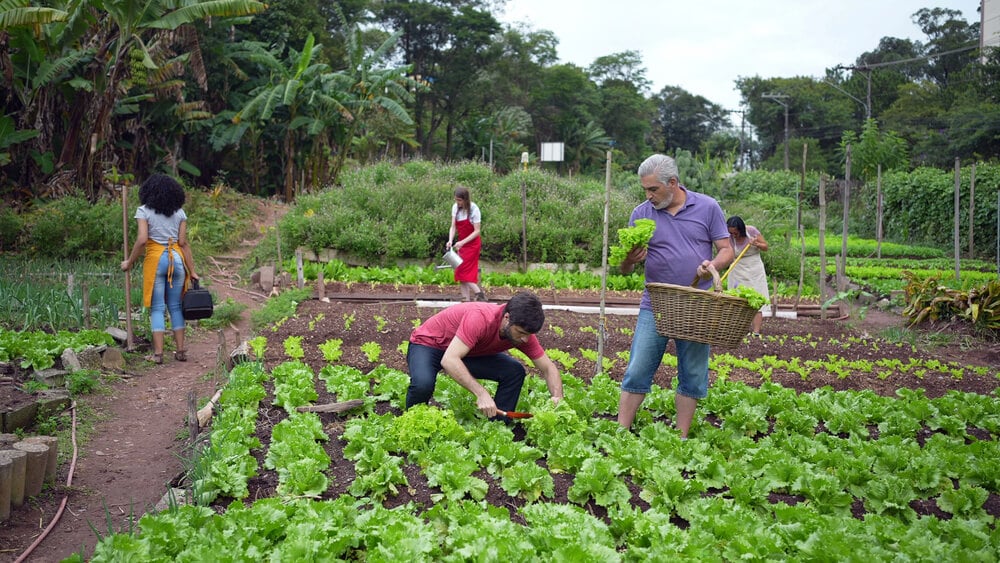
Bread that every family baked became community identity. Stews made for celebrations became cultural markers.
Recipes that brought people together, that marked holidays or ceremonies or seasonal transitions, survived because they carried meaning beyond nutrition. A dish connected to a celebration gets made every year whether people particularly enjoy it or not.
Social meaning outlasted taste.
Flavor That Made People Want to Preserve It

Some recipes simply tasted good enough that people wanted them to continue. Hummus has been recorded in recipes since the 13th century not because it solved a survival problem but because people liked chickpeas, tahini, lemon, and garlic together.
The recipe was documented, repeated, and transmitted because enough people wanted to keep making it. Pleasure isn’t a survival advantage, but it is a persistence advantage.
Slow Cooking Allowed Tough Cuts to Become Edible
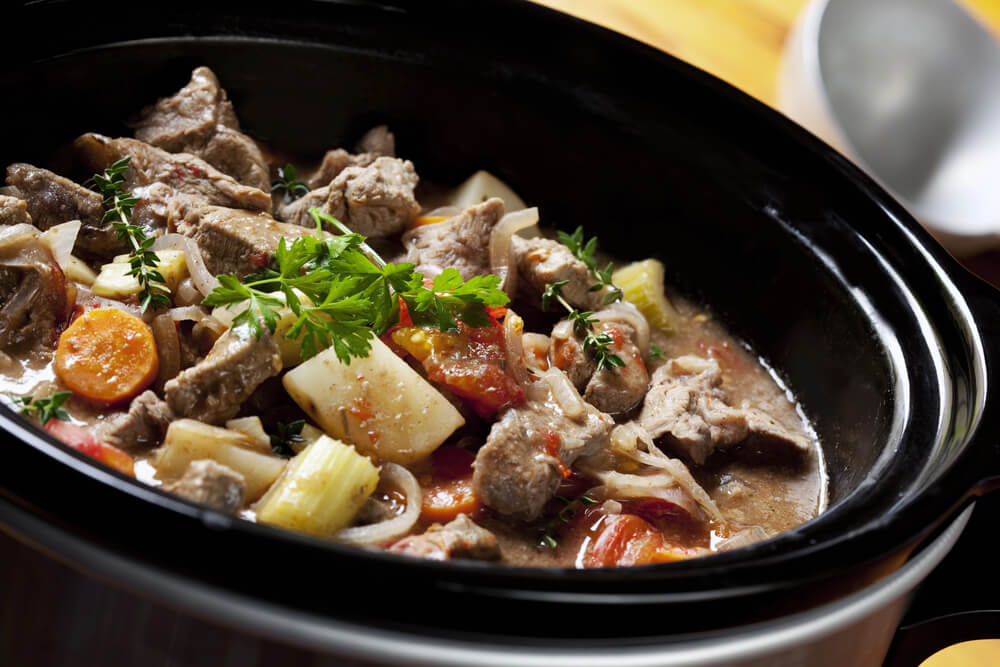
Before refrigeration, butchers sold every part of an animal. Slow-cooking recipes—stews and braises that simmered for hours—transformed tough cuts into tender, flavorful dishes.
The technique survived because it was essential, not optional. A recipe requiring fast cooking and expensive tender cuts disappeared as soon as cooks could afford to handle meat differently.
The techniques that survived were those that made the cheapest cuts usable.
Stories Attached to Recipes Made Them Memorable
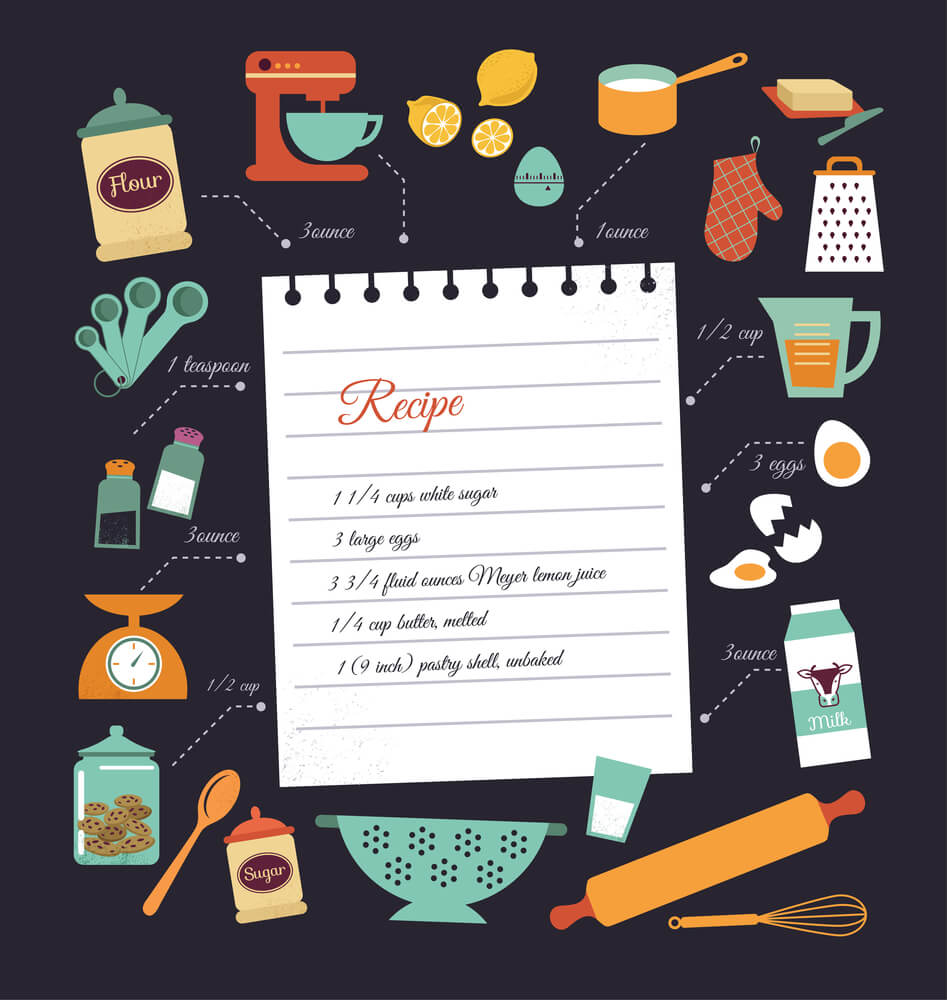
Recipes transmitted through storytelling survived better than recipes transmitted through instruction. One person tells another how their mother made the dish, and the context—the garden the herbs came from, the reason the dish was important, the occasion when it was served—becomes inseparable from the recipe itself.
The dish survives as a memory, and the memory ensures repetition. Documentation helps preserve recipes.
Stories ensure they’re remembered as living practice.
The Weight of Continuity Preserved Without Question
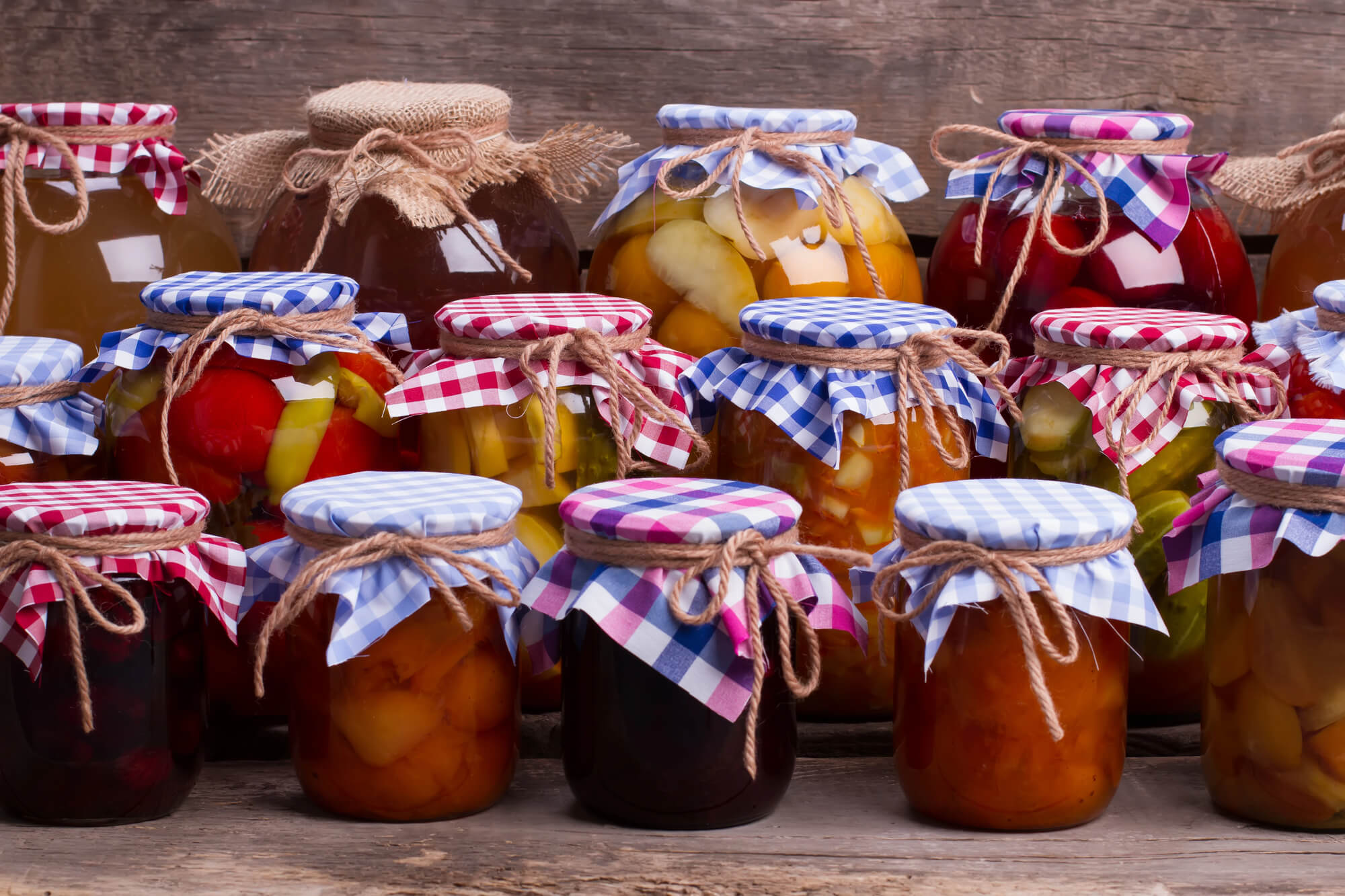
Some recipes survived simply because nobody questioned them. They were made every week without debate or consideration.
No one asked whether the dish was worth preserving—it was preserved by habit, by calendar, by routine. The recipes that disappeared were sometimes those that required conscious choice to continue.
When modern cooking made them obsolete, nobody chose to keep them. The recipes that survived were never optional enough to be questioned.
What Survives is Not Always Best

The recipes that survived aren’t necessarily better or more delicious than those that vanished. They survived because they were practical, transmissible, meaningful, and difficult enough to forget that people worked to remember them.
Some of the greatest dishes ever invented disappeared because they required ingredients that became unavailable or techniques that nobody had time to learn. Survival isn’t about excellence.
It’s about persistence, adaptation, meaning, and the accident of geography.
More from Go2Tutors!

- The Romanov Crown Jewels and Their Tragic Fate
- 13 Historical Mysteries That Science Still Can’t Solve
- Famous Hoaxes That Fooled the World for Years
- 15 Child Stars with Tragic Adult Lives
- 16 Famous Jewelry Pieces in History
Like Go2Tutors’s content? Follow us on MSN.



