Religious Relics Fought Over by Nations for Centuries
There’s something almost irrational about a fragment of bone or a sliver of wood commanding the devotion of entire governments, armies, and legal systems across centuries. And yet, that’s exactly what has happened — repeatedly, stubbornly, across virtually every continent and major faith tradition.
Religious relics occupy a peculiar space in human history: objects so small they could fit in a coat pocket, carrying enough symbolic weight to destabilize dynasties. The conflicts they’ve inspired aren’t ancient footnotes, either.
Some are still unresolved, playing out in courtrooms, diplomatic cables, and quiet museum standoffs right now.
The True Cross
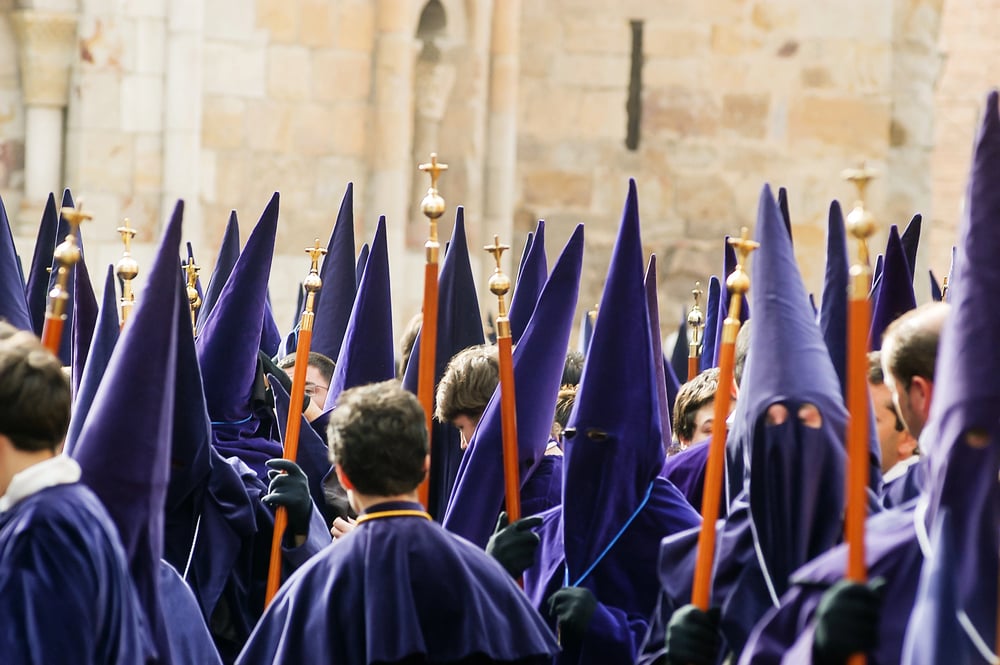
Fragments claiming to be pieces of the cross on which Jesus was crucified have fueled disputes since at least the fourth century. The Persian Empire seized the relic from Jerusalem in 614 AD, triggering a war with the Byzantine Empire that lasted fourteen years — a conflict that reshaped the entire Middle East.
Byzantine Emperor Heraclius eventually recovered it, and the return was celebrated as one of the great triumphs of Christian civilization.
The Tooth of the Buddha
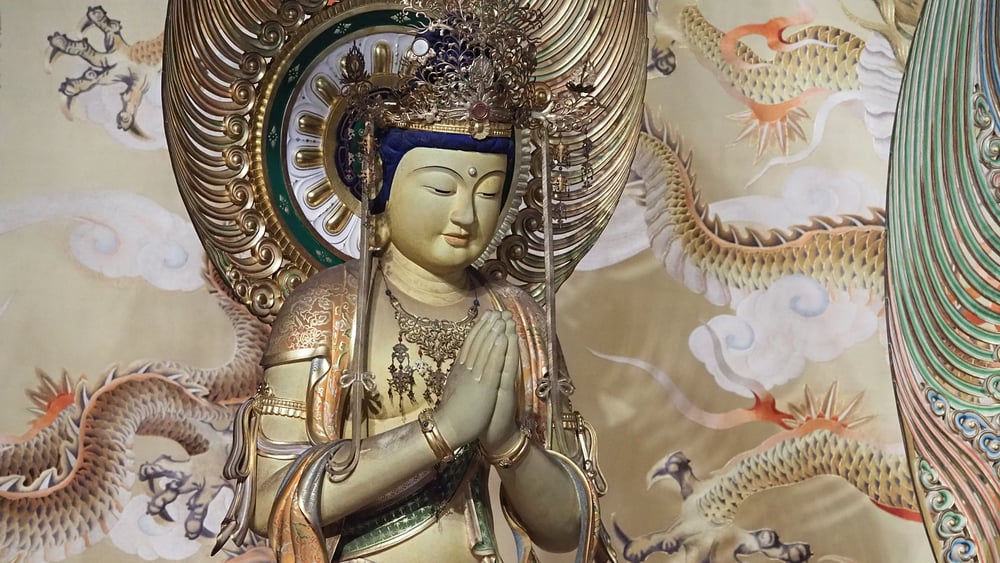
Sri Lanka’s Temple of the Tooth in Kandy houses what is believed to be a tooth of the Buddha, and the relic has functioned less like a religious artifact and more like a national power source — whoever controlled it was understood to hold the right to rule the island. The Portuguese captured it in the sixteenth century and, depending on which account you trust, either destroyed it publicly or quietly returned a substitute.
Sri Lanka still guards the relic with a security apparatus that rivals some heads of state.
The Shroud of Turin
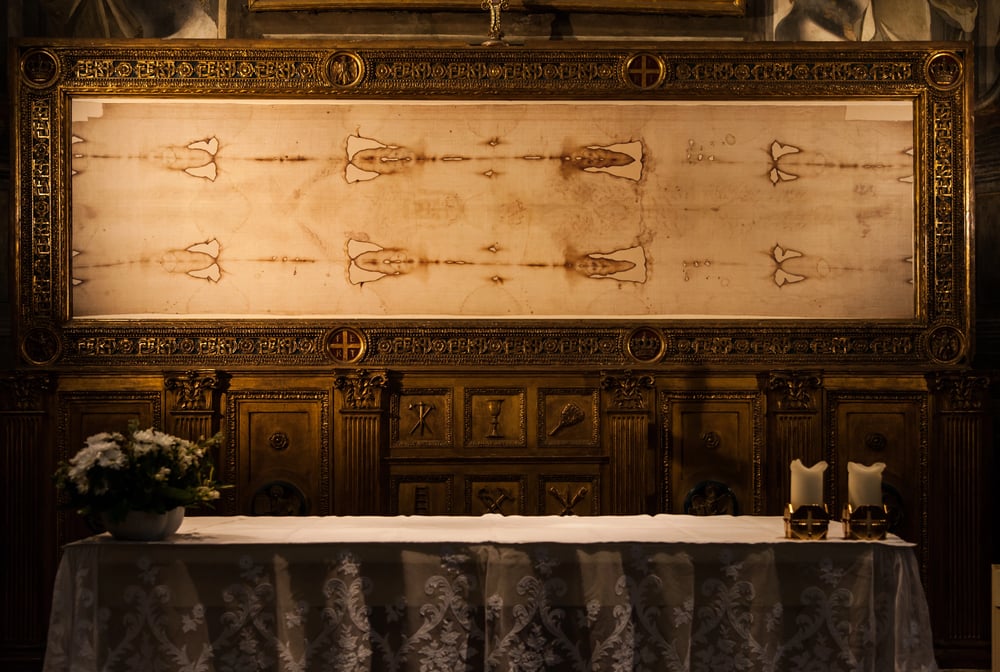
The Shroud of Turin is one of the most contested objects on earth, and the argument over who owns it — spiritually, legally, historically — has never fully settled. It passed through French noble families, survived a fire in Chambéry in 1532, and eventually landed in Turin under the House of Savoy before being formally gifted to the Vatican in 1983.
Italy has pushed periodically for greater national access; the Vatican has never loosened its grip, which is, to be fair, extremely on-brand.
The Black Stone of Mecca
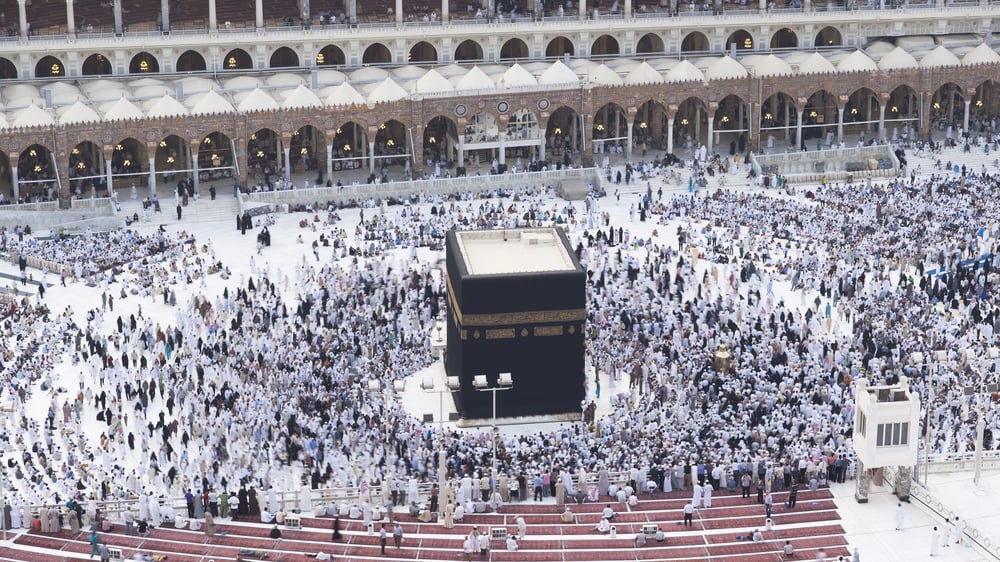
The Black Stone embedded in the Kaaba in Mecca was stolen by the Qarmatian sect in 930 AD — physically removed from the holiest site in Islam and held for ransom for more than two decades. The Qarmatians demanded a staggering sum for its return and reportedly showed no particular religious anxiety about having done it.
It came back in 952 AD, fractured into several pieces, now held together by a silver frame, the damage from that theft still visibly present.
The Elgin Marbles and Religious Sculpture
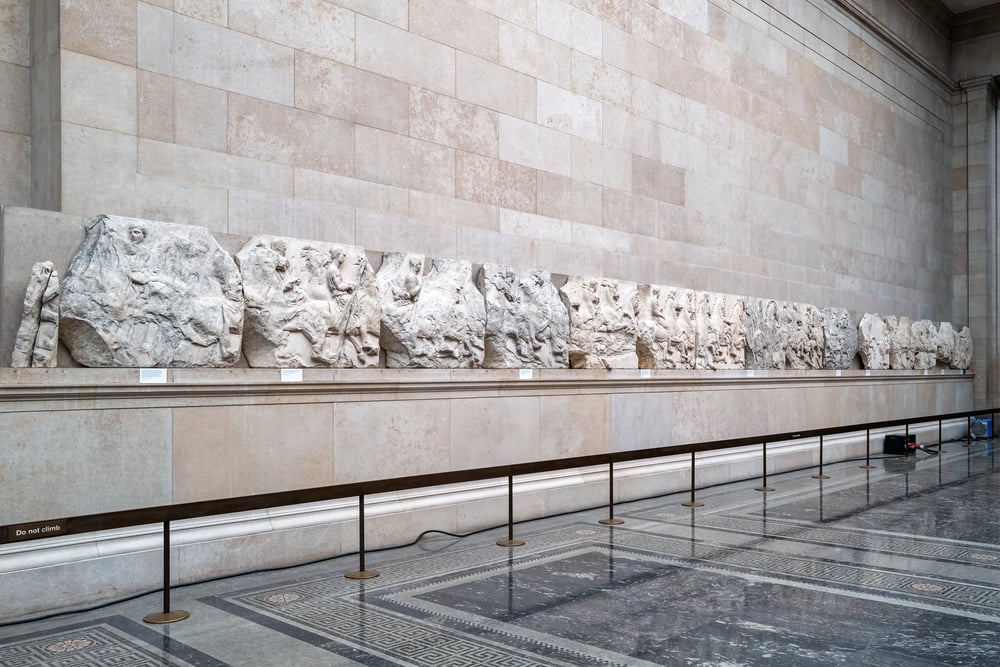
The Parthenon sculptures — many of them depicting Greek deities in explicitly religious contexts — have been at the center of an ownership dispute between Greece and the United Kingdom for over two centuries. Lord Elgin removed them from Athens in the early nineteenth century under circumstances Greece has never accepted as legitimate, and the British Museum has held them ever since, offering arguments about preservation that Greece finds, to put it diplomatically, unpersuasive.
The sculptures carry deep religious and cultural significance to Greek national identity, and the conversation about their return grows louder with every passing decade.
The Ark of the Covenant

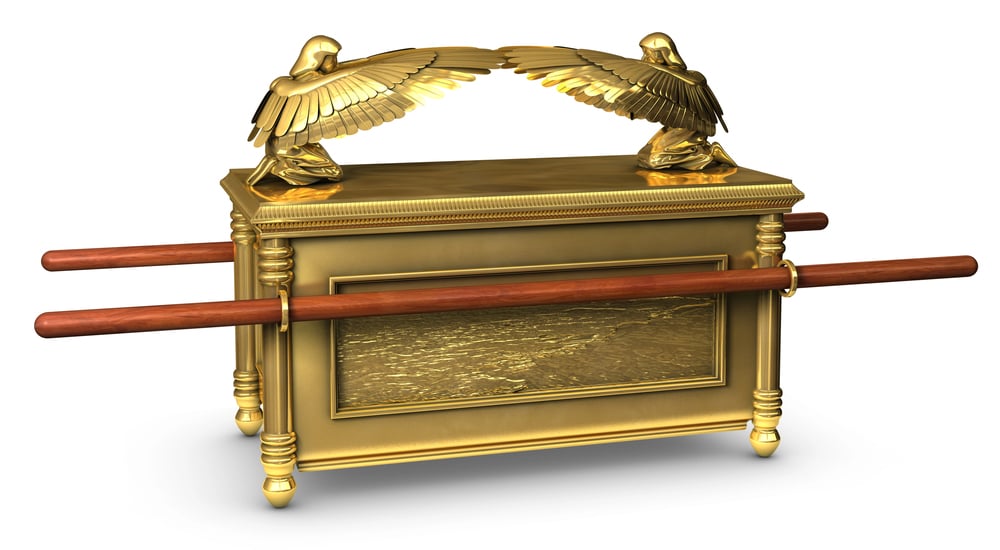
The Ark of the Covenant — the chest said to contain the stone tablets of the Ten Commandments — is perhaps the most aggressively sought relic in recorded history, and its disappearance has generated centuries of competing national and religious claims. Ethiopia insists it sits in a chapel in Axum, guarded by a single monk who is never permitted to leave and never allows the Ark to be publicly viewed, which is either an airtight theological answer or an exceptionally clever one.
Multiple expeditions, including ones backed by serious archaeological funding, have gone looking for it elsewhere and found nothing convincing.
The Lance of Longinus
The spear said to have pierced the side of Christ at the crucifixion has had, to put it generously, a complicated provenance — with at least three separate artifacts claiming to be the original Lance of Longinus, held respectively in Rome, Vienna, and Kraków, each with its own body of documentation and its own group of believers. Adolf Hitler’s obsessive interest in the Vienna version, the Habsburg Spear, was well documented and helped inspire considerable postwar anxiety about where the relic should properly reside.
The Austrians reclaimed it in 1945, and it has stayed in the Kunsthistorisches Museum, though the theological debate about its authenticity has never quieted.
The Bones of Saint Nicholas
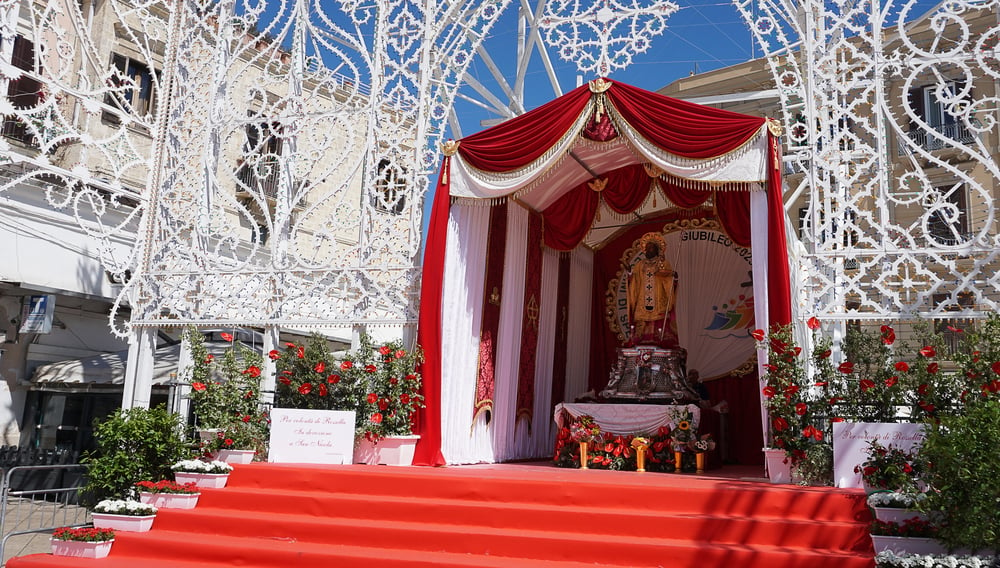
Saint Nicholas — the historical bishop of Myra whose bones have been fought over with an enthusiasm that would probably have startled him — became the subject of a relic dispute between the Italian cities of Bari and Venice that has lasted nearly a thousand years. Merchants from Bari seized most of his remains from Myra in 1087 and transported them to southern Italy, where the Basilica di San Nicola was built specifically to house them.
Venice claims to also have portions of his bones, which both cities defend with a conviction that feels almost competitive, even now.
The Crown of Thorns
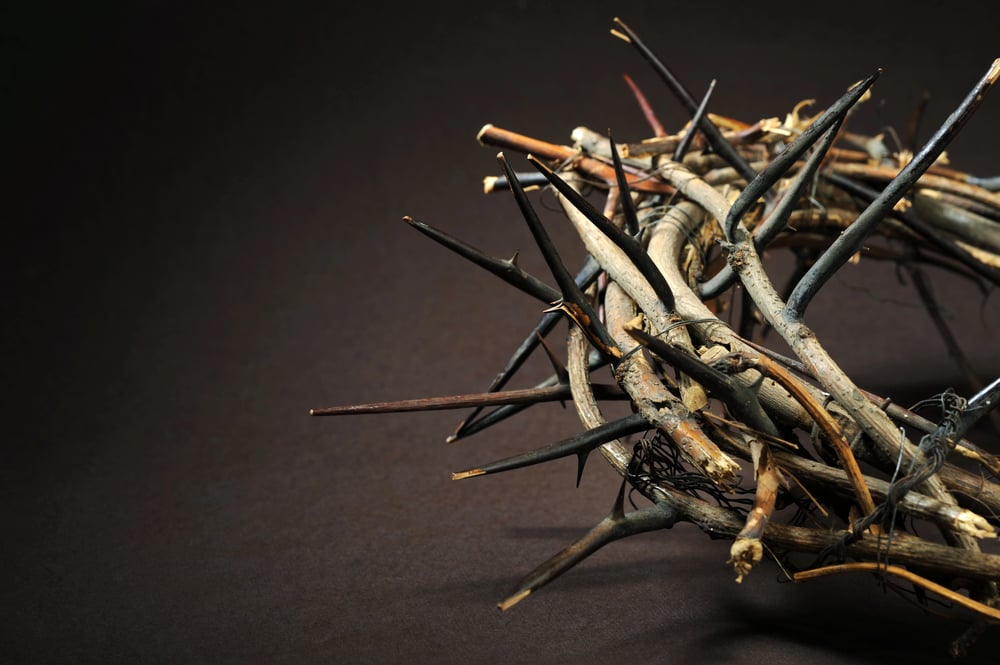
The Crown of Thorns acquired by French King Louis IX in 1239 — purchased from the Latin Emperor of Constantinople for a sum that reportedly exceeded the entire annual revenue of several French provinces — became the justification for building Sainte-Chapelle in Paris, one of the finest Gothic structures ever constructed. The relic survived the French Revolution largely through institutional nerve and a fair amount of luck.
It still resides in Notre-Dame Cathedral, where it weathered the 2019 fire with the relics intact, a fact that France chose, quite publicly, to treat as something more than coincidence.
The Holy Grail
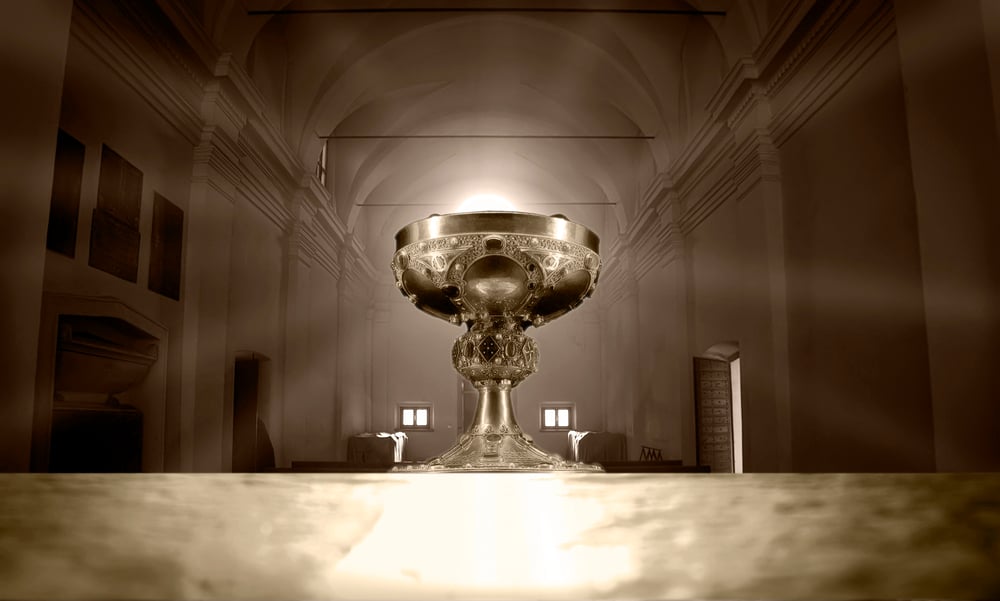
The Holy Grail — the cup said to have been used at the Last Supper — has been claimed by multiple nations and locations with a persistence that outpaces the actual evidence considerably. Valencia’s Cathedral holds the Santo Cáliz, a first-century Middle Eastern agate cup that has a genuinely plausible archaeological lineage, and Spain has defended that claim with institutional seriousness for centuries.
Other contenders include a chalice in Genoa, a cup in León, and roughly a dozen other vessels scattered across Europe, each with local advocates who are entirely unmoved by the competition.
The Seamless Robe of Jesus
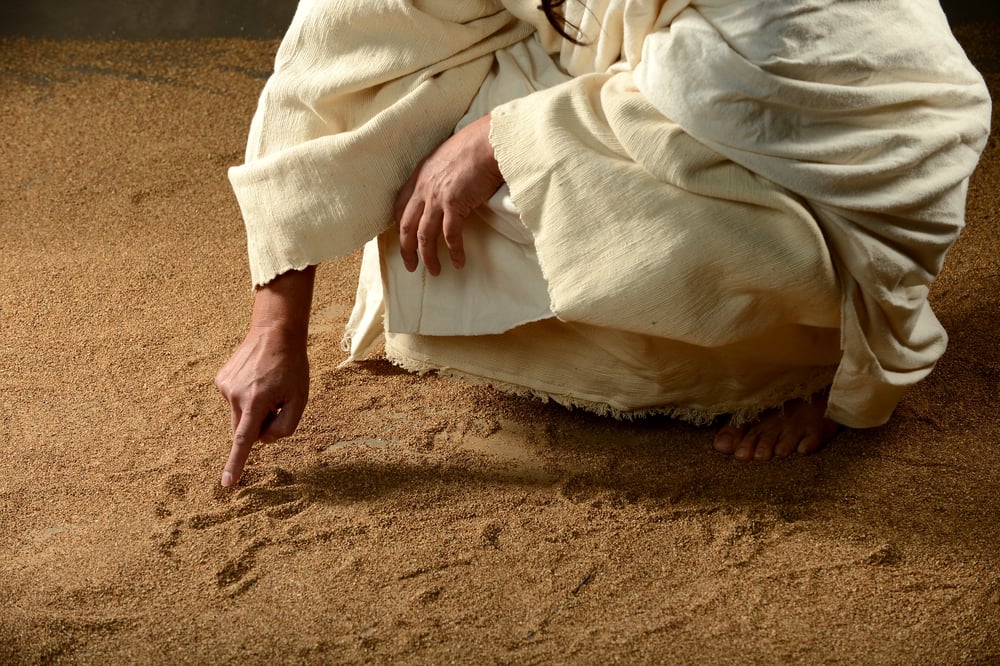
The Seamless Robe — the garment reportedly worn by Jesus at the crucifixion and for which Roman soldiers cast lots — is claimed by two separate German cities, Trier and Argenteuil in France, with a third contender occasionally entering the conversation. Trier’s Cathedral has displayed its version in public expositions dating back to the twelfth century, drawing enormous pilgrim crowds that peaked at over two million visitors in 1933.
The rivalry between the German and French claims has never produced a resolution, partly because neither city has shown any inclination to submit the relic to testing that might settle the matter.
The Head of John the Baptist
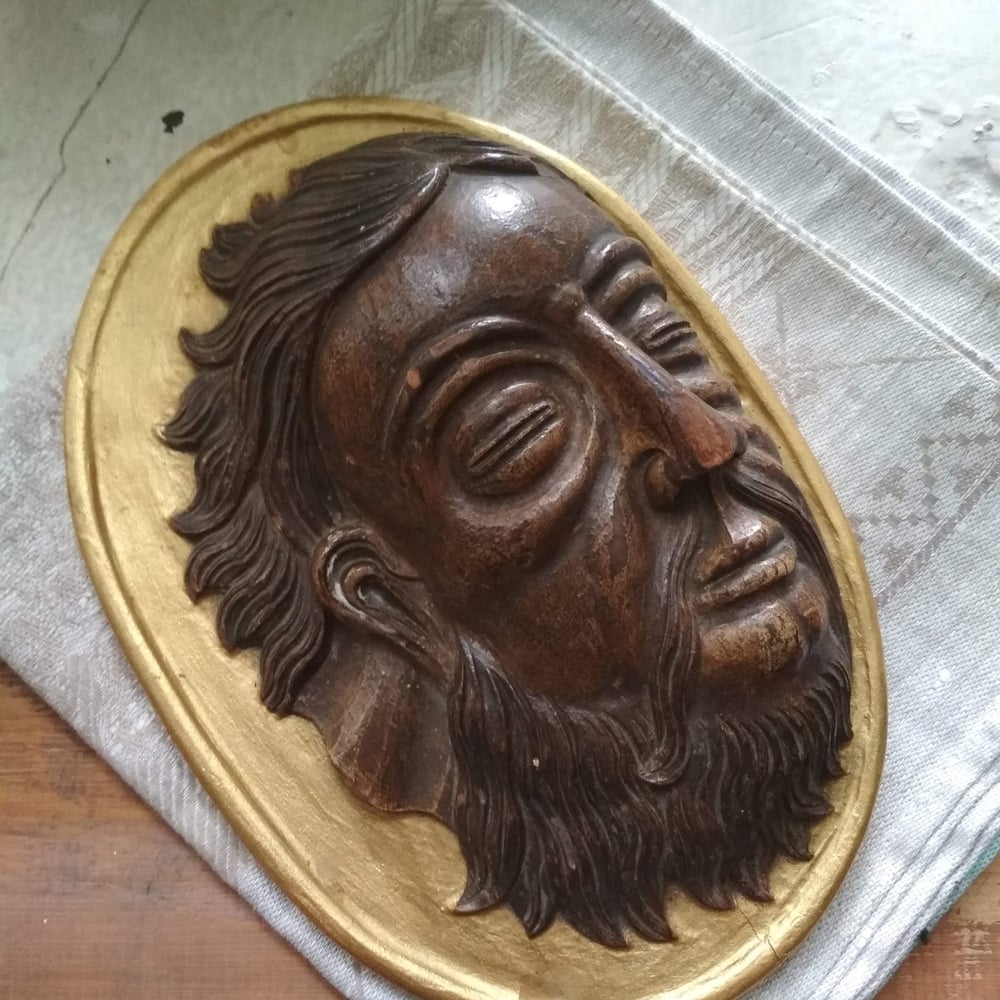
The head of John the Baptist is one of those relics where the multiplication of competing claims has reached a point that requires a certain theological flexibility to navigate — at least three locations claim to possess it, including the Umayyad Mosque in Damascus, a church in Amiens, France, and a monastery in Munich. Each site has centuries of documentation, pilgrim tradition, and ecclesiastical endorsement behind it.
The Syrian claim is particularly layered: the mosque was originally a Christian basilica, and the relic’s presence there has made it a point of unexpected interfaith significance in a region where such things are rarely simple.
The Relics of the Buddha at Sanchi
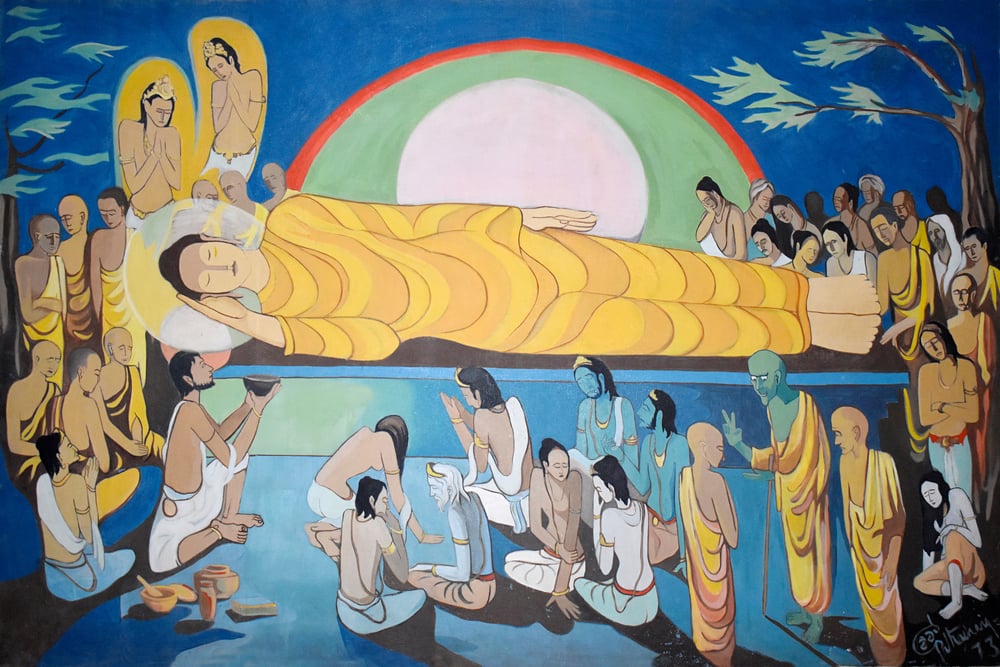
The relics housed at Sanchi in India — discovered during British excavations in 1851 and removed to London, where they sat in the Victoria and Albert Museum for nearly a century — became a focal point of post-independence Indian cultural reclamation efforts. They were returned in 1949, two years after Indian independence, in a handover that carried enormous symbolic weight.
The relics now rest in a purpose-built vihara at Sanchi, a quiet but firm statement about who gets to decide where sacred objects belong.
The Holy Prepuce
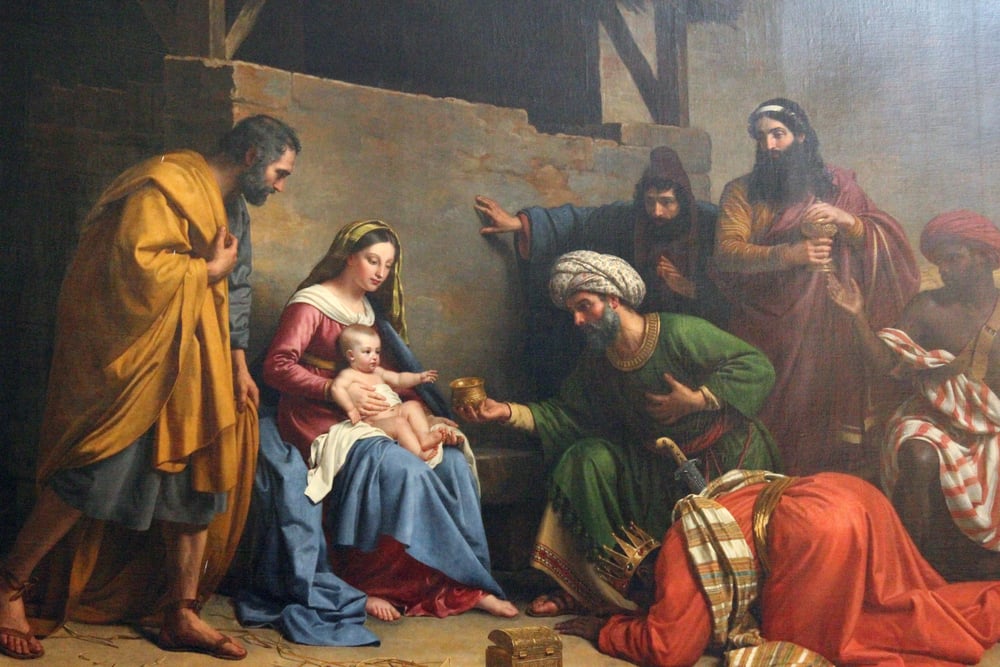
The Holy Prepuce — claimed to be a relic from the circumcision of Jesus — was, at various points in medieval history, simultaneously claimed by at least twelve different churches across Europe, each insisting theirs was the authentic original. The Vatican eventually moved to suppress public veneration of the relic in the twentieth century, not because the theological argument was settled but because the competition had grown sufficiently undignified.
Several of the relics simply disappeared, which, depending on your perspective, either solved the problem or compounded it.
The Bones of Saint James
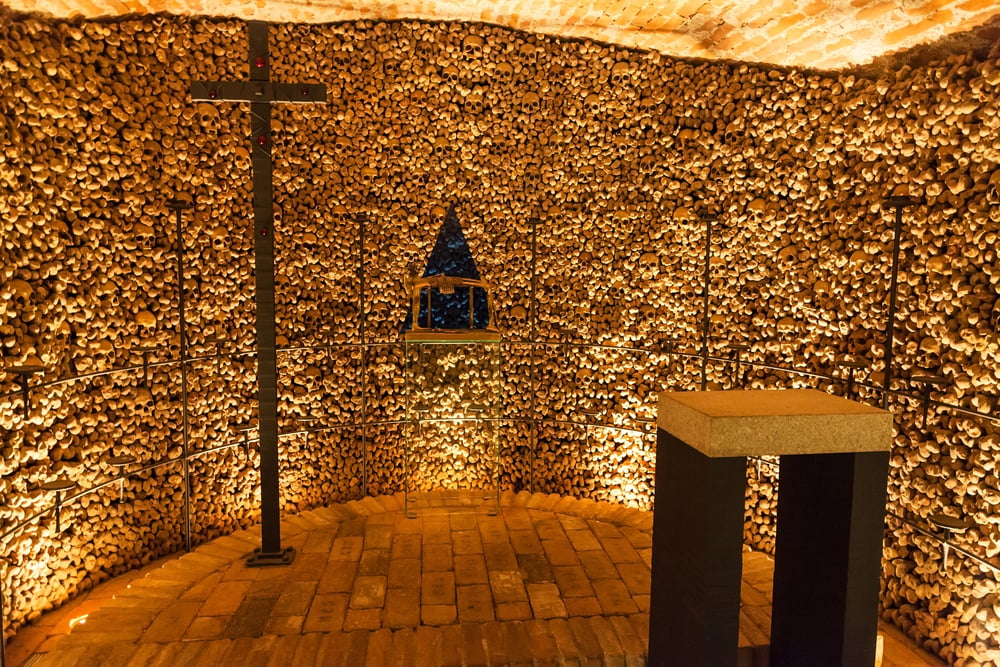
The bones of Saint James housed in Santiago de Compostela have been drawing pilgrims from across Europe since the ninth century, making the Camino de Santiago one of the oldest continuously traveled pilgrimage routes in the Western world. During the English Reformation, Protestant forces attacked the site’s credibility directly, and in 1589, Sir Francis Drake’s naval raid on the Galician coast prompted the cathedral to hide the relics — so successfully that they weren’t rediscovered until 1879.
Spain has never treated the bones as a purely religious matter: they’re national heritage, economic infrastructure, and cultural identity all compressed into a single reliquary.
The Mandylion
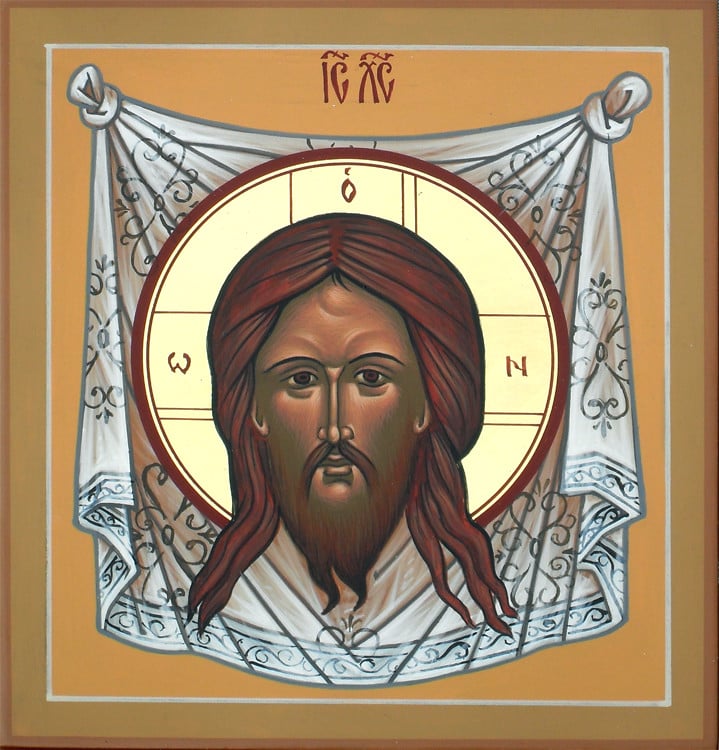
The Mandylion — a cloth bearing what tradition holds is a miraculous imprint of Christ’s face, predating the Shroud of Turin in documented history — was held in Edessa (modern southeastern Turkey) for centuries before being seized by Byzantine forces in 944 AD as a deliberate act of religious and political consolidation. It disappeared from Constantinople during the Fourth Crusade in 1204, and its subsequent trail is one of the genuinely unresolved puzzles of medieval history: some scholars argue it eventually became the Shroud of Turin; others place it in Paris, in Genoa, or simply lost.
The object’s absence has, in a strange way, made the argument about it more persistent, not less.
The Sacred Sandals of the Prophet

Relics attributed to the Prophet Muhammad — including sandals, hair, and personal objects — have been held by Ottoman sultans as instruments of political legitimacy for centuries, with the Topkapi Palace in Istanbul housing the most significant collection. When the Ottoman Caliphate was abolished in 1923, custody of these relics became a genuinely fraught question, and Turkey has maintained control over them as both a religious and a national matter ever since.
Several Muslim-majority nations have periodically expressed interest in broader shared stewardship, a conversation Turkey has engaged with carefully and not particularly generously.
What Bones and Splinters Actually Carry
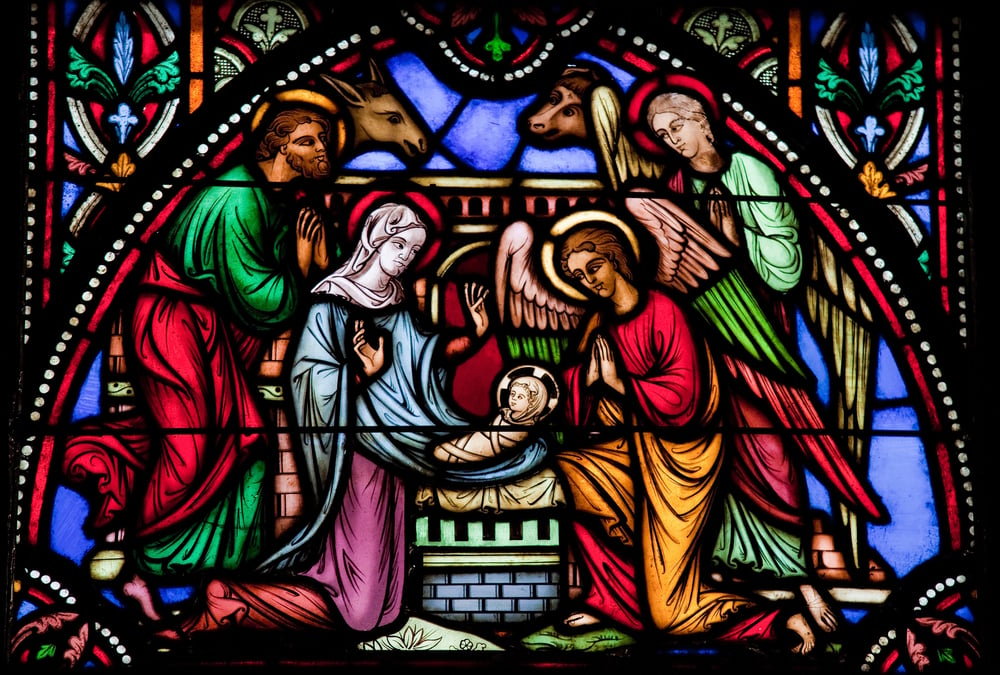
In the end, the thing that makes relics so explosively contested isn’t really their physical substance — it’s what they represent about the right to speak for something larger than yourself. A nation that holds the relic holds the story.
And the story, it turns out, is always the real prize. Governments have spent fortunes, launched wars, and endured centuries of diplomatic friction over objects that could fit in an envelope, because the object was never really the point.
The claim was the point. The claim has always been the point.
More from Go2Tutors!

- The Romanov Crown Jewels and Their Tragic Fate
- 13 Historical Mysteries That Science Still Can’t Solve
- Famous Hoaxes That Fooled the World for Years
- 15 Child Stars with Tragic Adult Lives
- 16 Famous Jewelry Pieces in History
Like Go2Tutors’s content? Follow us on MSN.